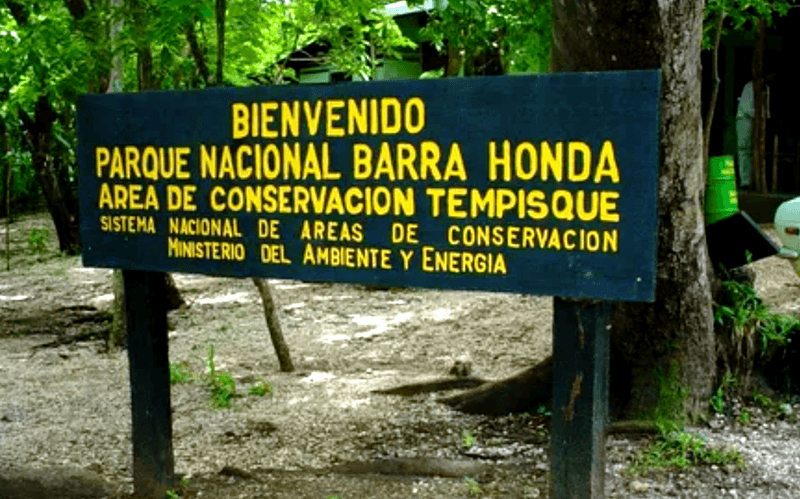
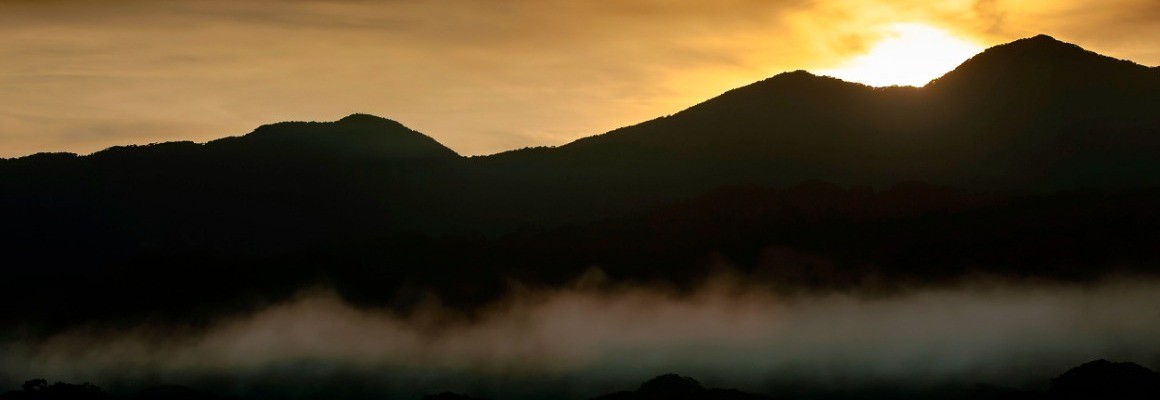
Barra Honda National Park is located in Guanacaste Province in northwestern Costa Rica, about 22 kilometers northeast of the town of Nicoya. It covers approximately 2,295 hectares. The park’s defining feature is its unusual system of limestone caves, formed by the long-term action of water on rock. Barra Honda is one of the country’s most interesting destinations for exploring the underground world and karst landscapes.
History of the national park
Barra Honda National Park was established on September 3, 1974, to protect a system of limestone caves. The area is important for both geology and conservation: in addition to underground cavities, it protects patches of tropical forest typical of the drier parts of Guanacaste.
The limestone caves of Barra Honda
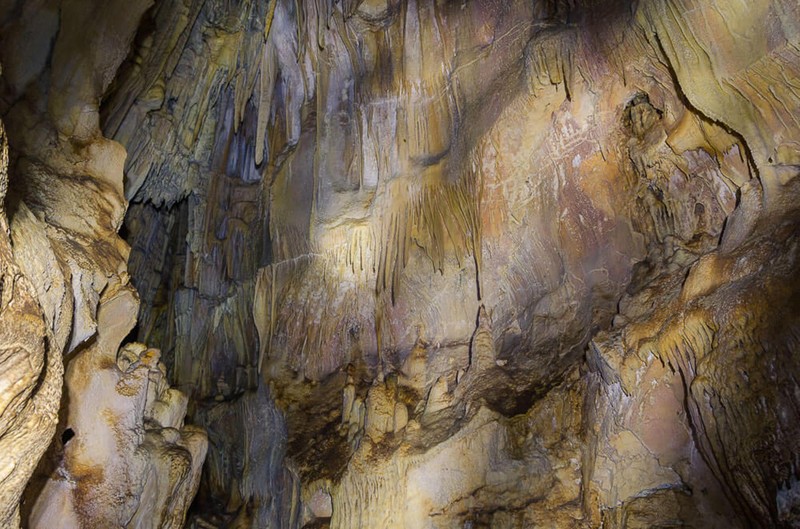
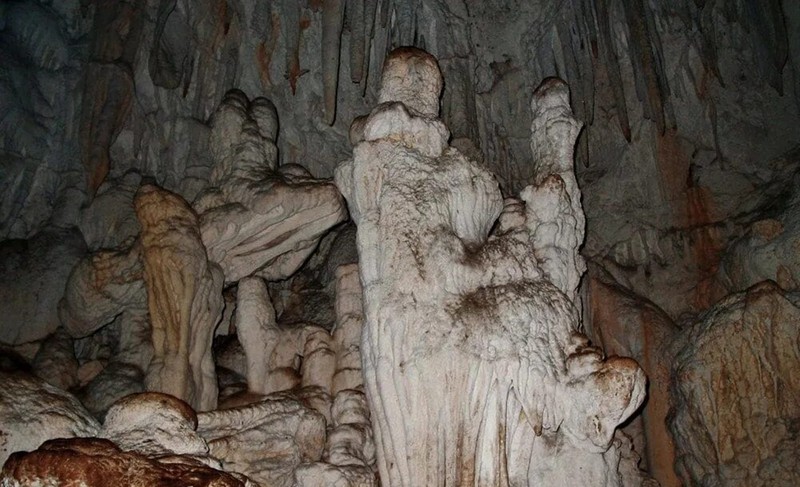
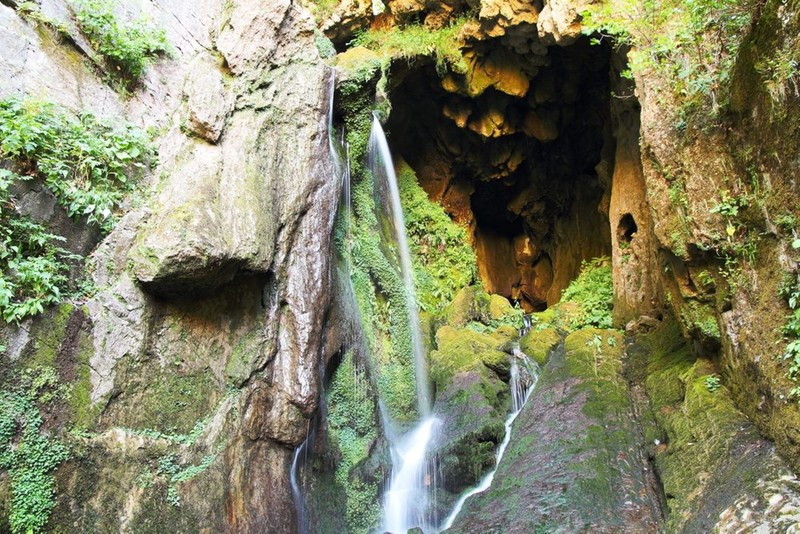
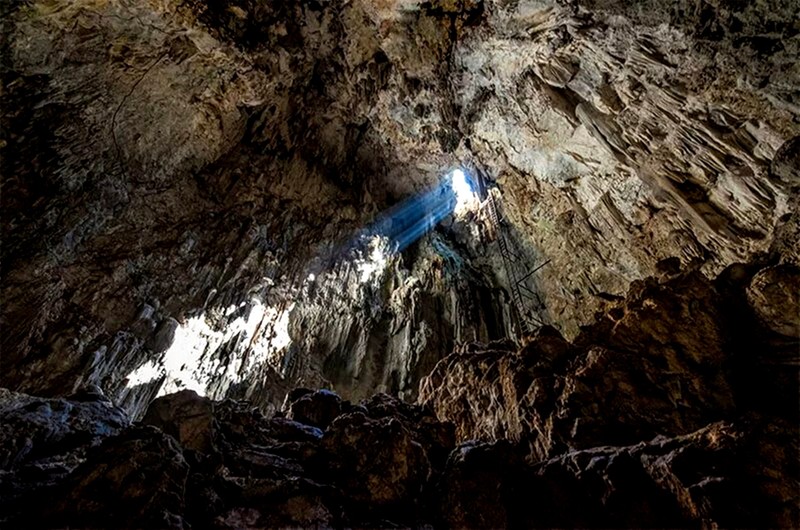
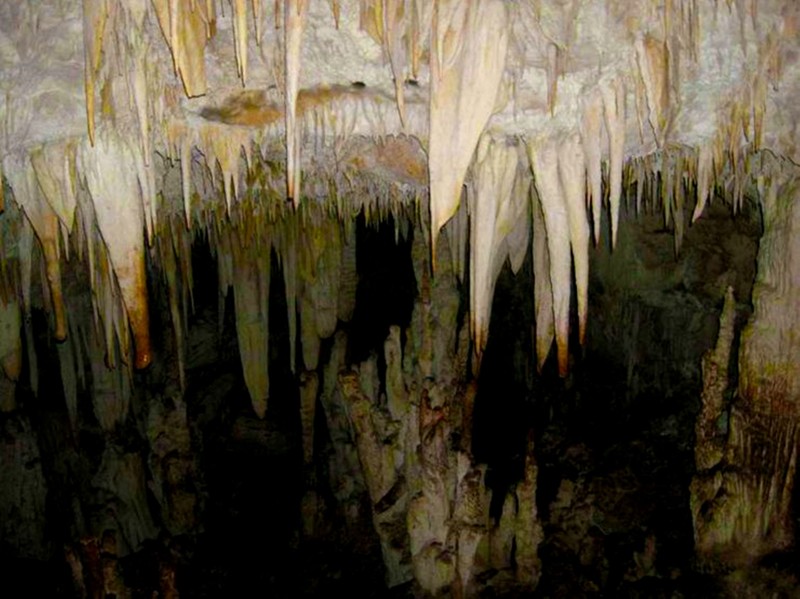
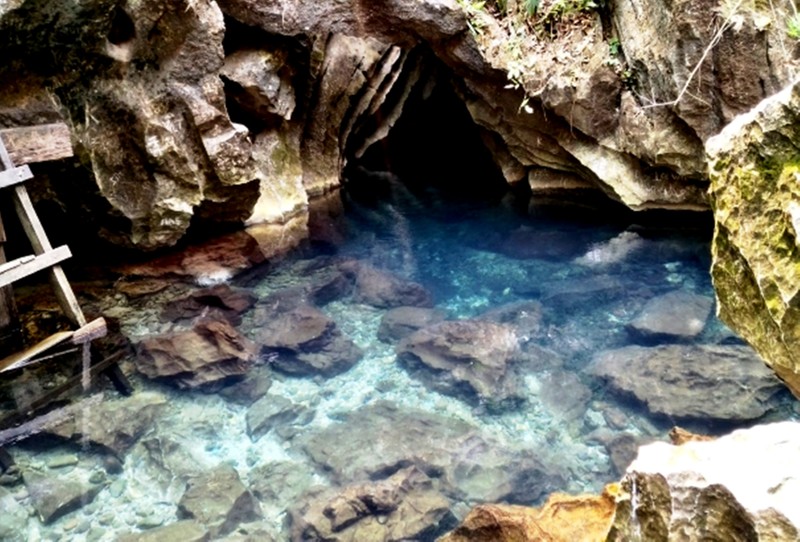
The park’s main attraction lies underground. Over millions of years, water dissolved limestone and created deep chambers, vertical shafts, and complex passages. Inside the caves, visitors can see stalactites hanging from ceilings, stalagmites rising from the floor, and columns formed when the two meet.
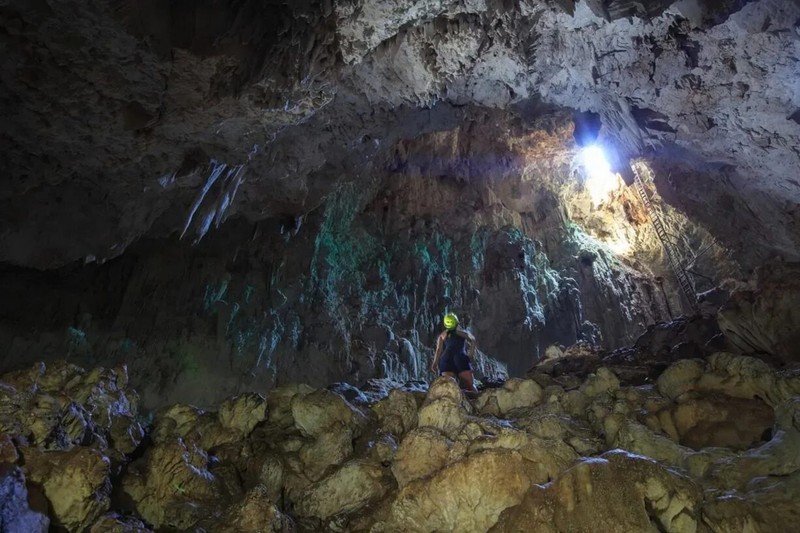
About 19 caves have been explored in the park area, although not all are open to visitors. Terciopelo Cave is currently the main cave available for organized tours, as its conditions are suitable for visitors without specialist caving experience. Visits require an authorized local guide and appropriate equipment. The experience offers a close look at unusual mineral formations and the geological history of the Nicoya Peninsula.
Barra Honda Peak and viewpoints
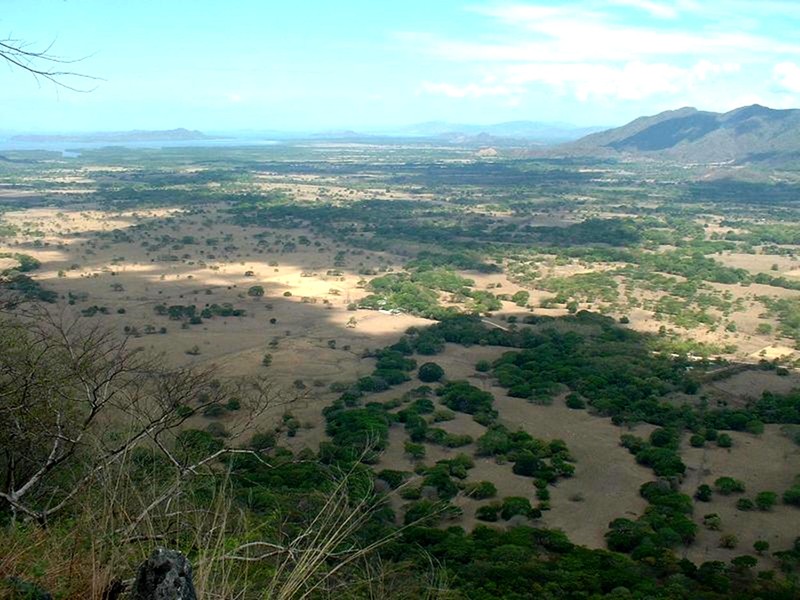
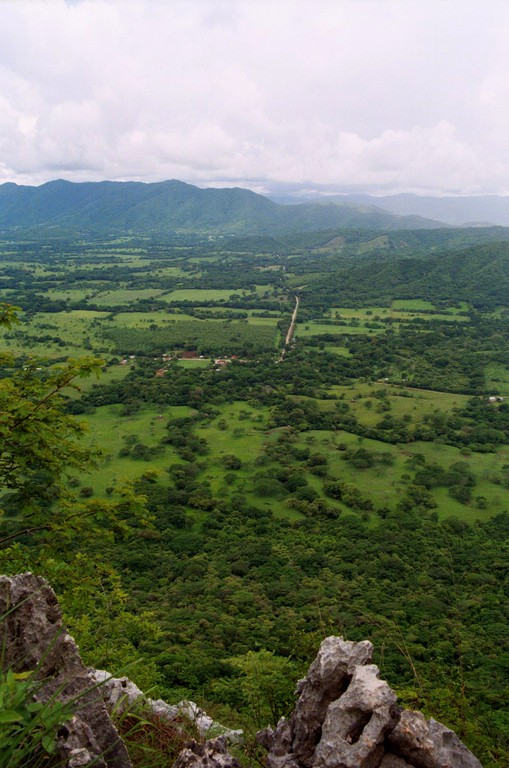
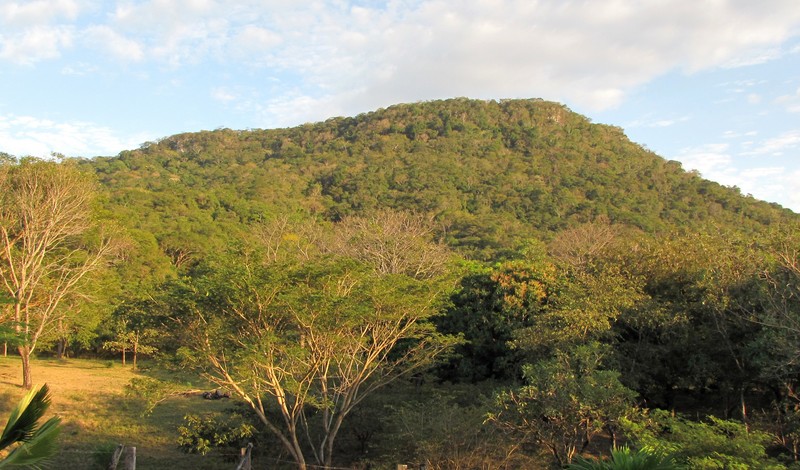
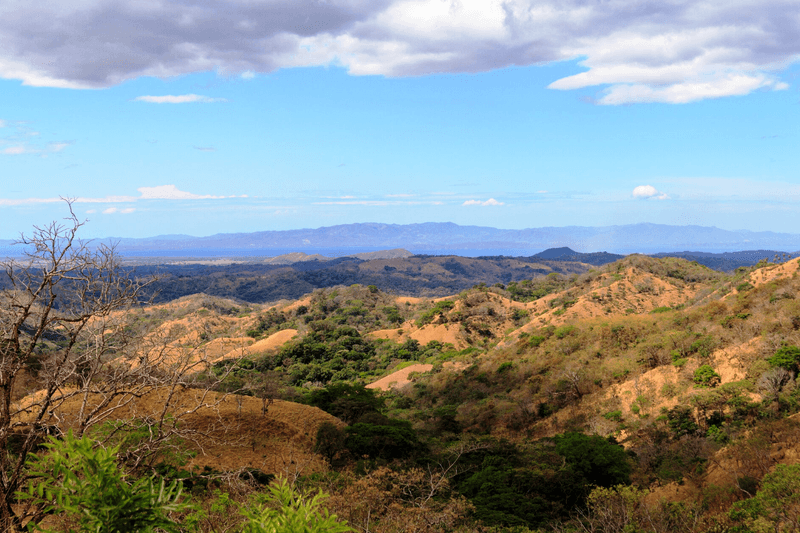
The landscape above ground is also worth exploring. The Barra Honda heights are associated with ancient coral formations that were uplifted by tectonic movements. Forest trails lead to viewpoints overlooking the surrounding hills, valleys, and the Tempisque River area. Some routes require a good level of fitness, so visitors should check trail conditions and difficulty with park staff before setting out.
Plants and wildlife
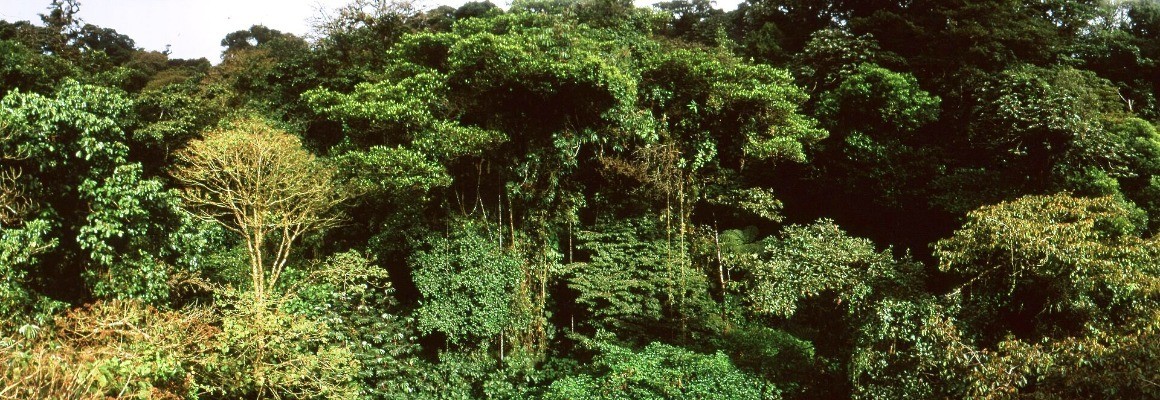
Barra Honda protects patches of tropical dry forest, deciduous woodland, and wetter evergreen vegetation. Parts of the park are covered by secondary forest and regenerating vegetation. This range of habitats supports a variety of land animals and birds.
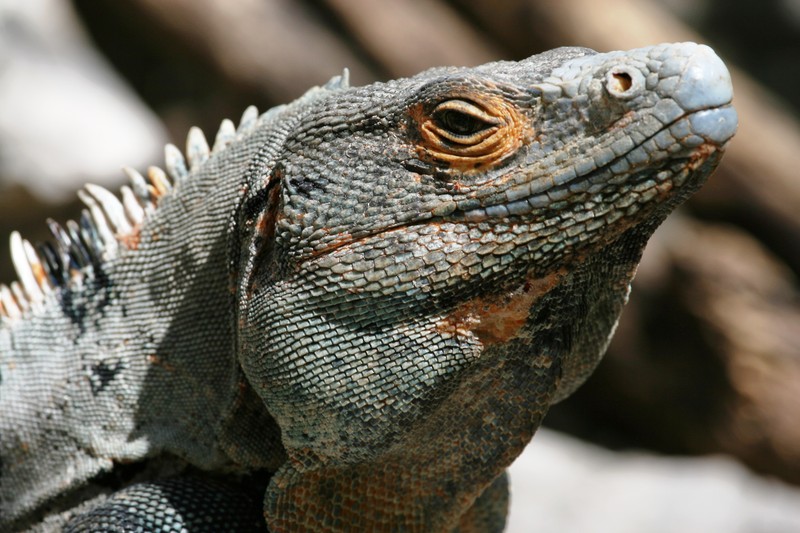
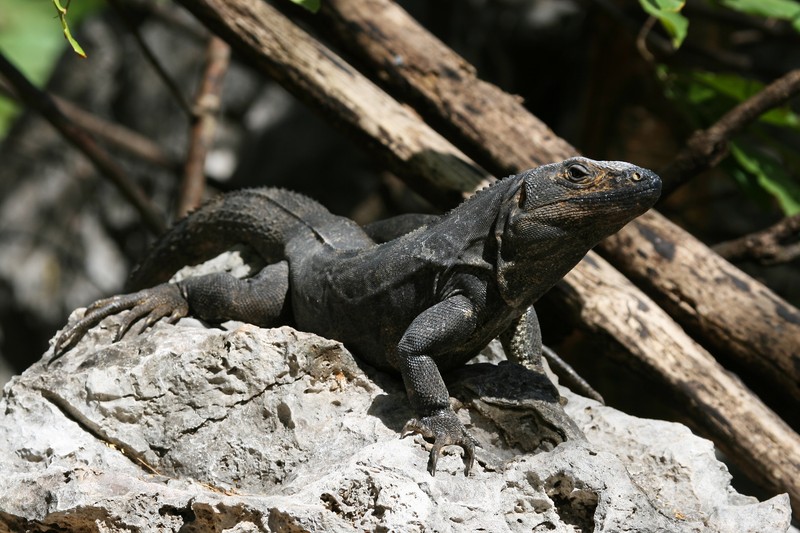
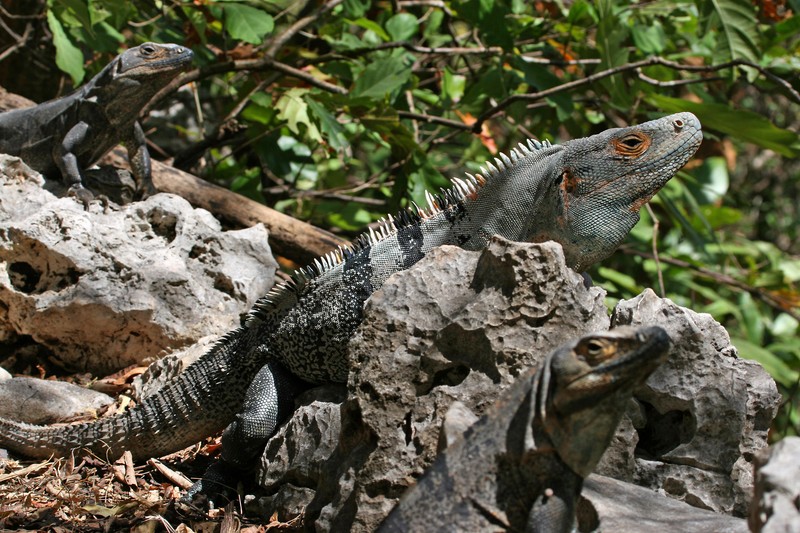
Wildlife sightings may include white-tailed deer, coatis, raccoons, agoutis, and anteaters. Notable birds include the white-throated magpie-jay, white-tipped dove, and other species associated with Guanacaste’s dry forests. Sightings depend on the season and time of day, so it is not always possible to see every animal during a single visit.
Hiking trails
The park has trails through forest areas and toward scenic viewpoints. They offer opportunities to learn about tropical dry-forest vegetation, observe the local terrain, and watch birds. It is best to visit viewpoints early: some trails are moderately to highly demanding, and access is limited to specific hours.
Best time to visit
Barra Honda National Park is open year-round, including during the rainy season. Forest walks are generally easier in the dry season, while rainy months can bring wet and slippery sections. Check weather conditions and possible restrictions before travelling, as heavy rain or other hazardous conditions may lead to temporary closures.
Opening hours and visitor rules
According to published SINAC information, administrative services operate from 8:00 a.m. to 4:00 p.m. Cave tours must be arranged with an authorized guide, and the last descent is subject to a cutoff time, so arriving in the morning is recommended. Access hours for trails and caves may differ; check current fees and booking requirements before visiting.
Sturdy footwear with non-slip soles is required for cave descents, and visitors must follow all guide instructions. People with claustrophobia, vertigo, or certain health concerns should consider carefully whether the cave tour is suitable for them. Stay on marked trails, do not feed wildlife, and take rubbish away with you.
How to get to Barra Honda National Park
The park is about 22 kilometers from Nicoya. From San José, the usual route follows the North Inter-American Highway toward Guanacaste, then continues via the Limonal area and the La Amistad de Taiwan Bridge toward Nicoya. Follow signs for the communities of Barra Honda and Nacaome, and then for the park entrance. The final section uses local roads, so check the route and road conditions before travelling.
Why visit Barra Honda
Barra Honda differs from many of Costa Rica’s national parks because visitors can explore both tropical forest and limestone caves. The park offers unusual underground formations, forest walks, birdwatching, and panoramic views of Guanacaste. It is particularly appealing to travelers interested in geology, caving, and natural attractions away from the country’s popular beach resorts.
Gallery