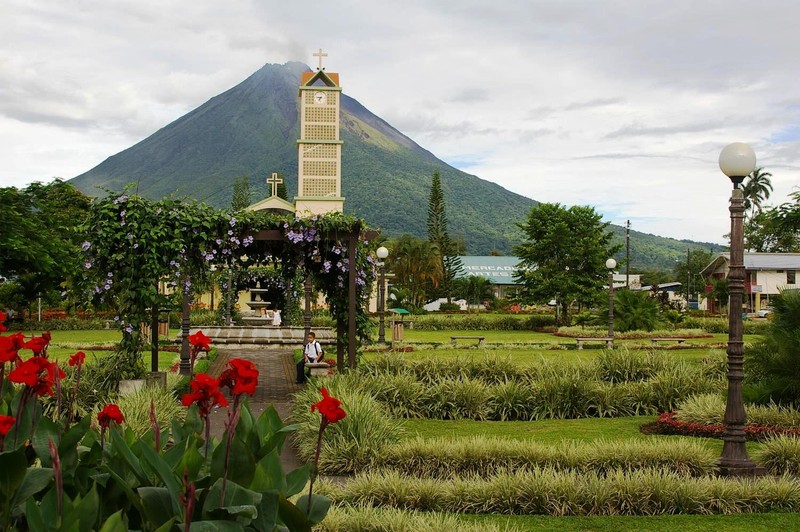
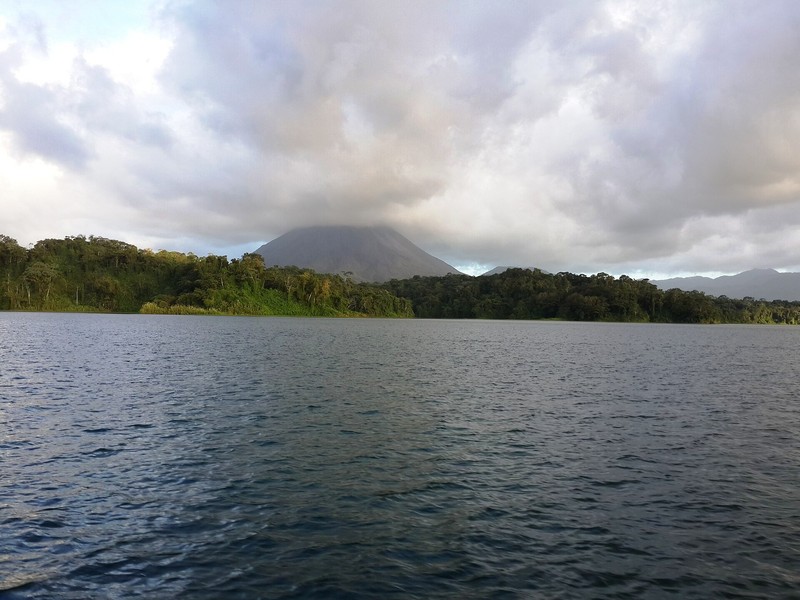
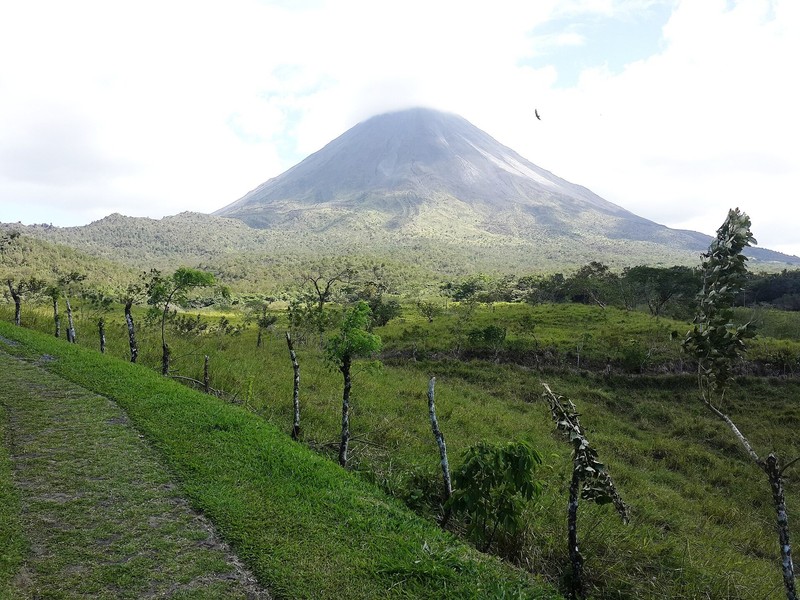
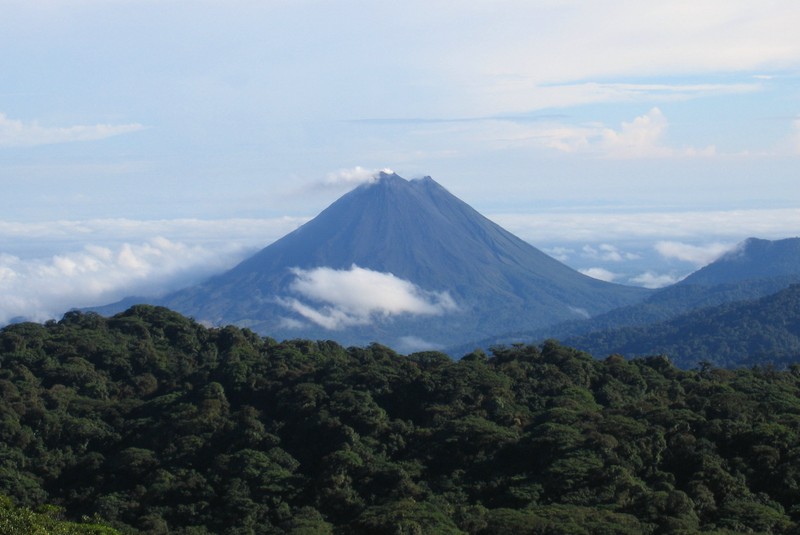
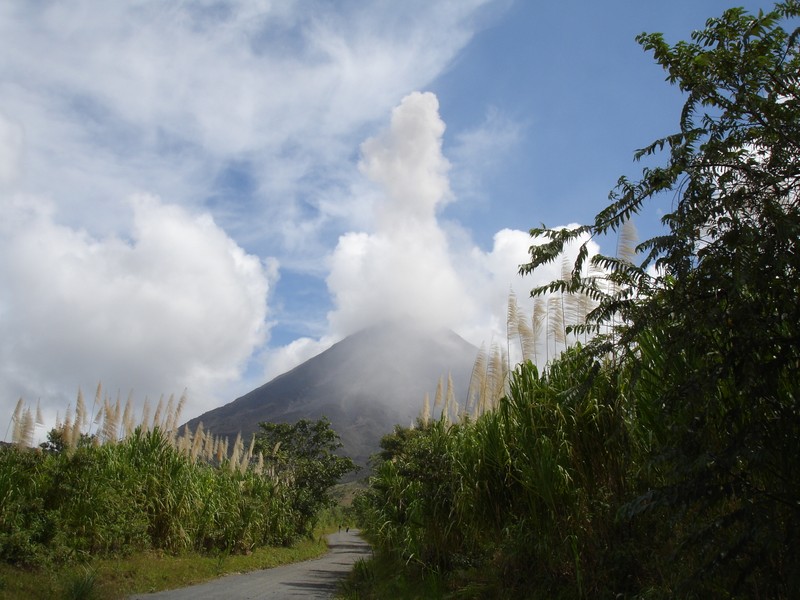
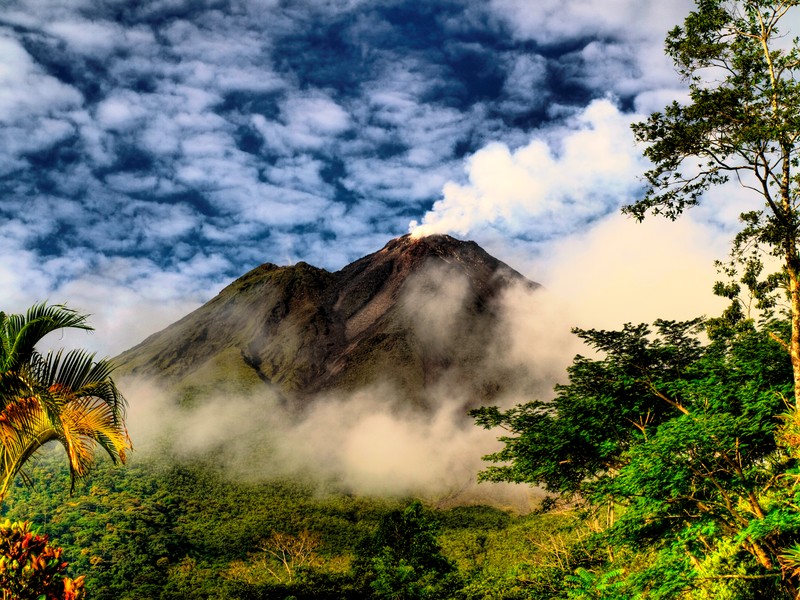
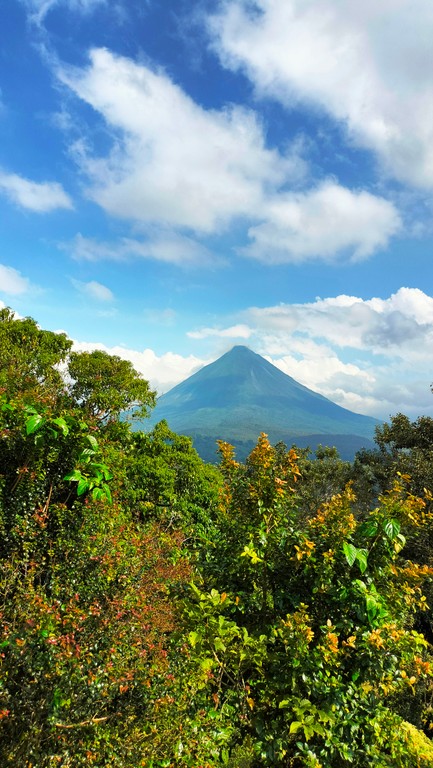
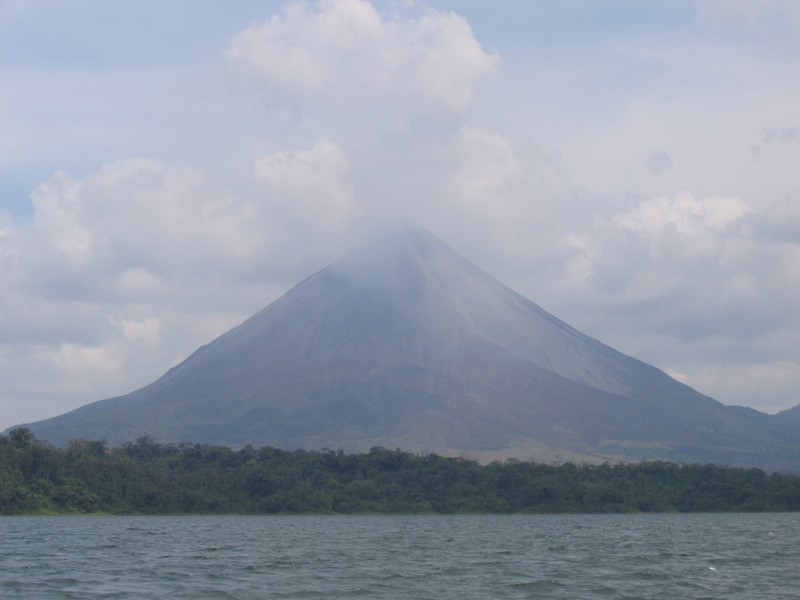
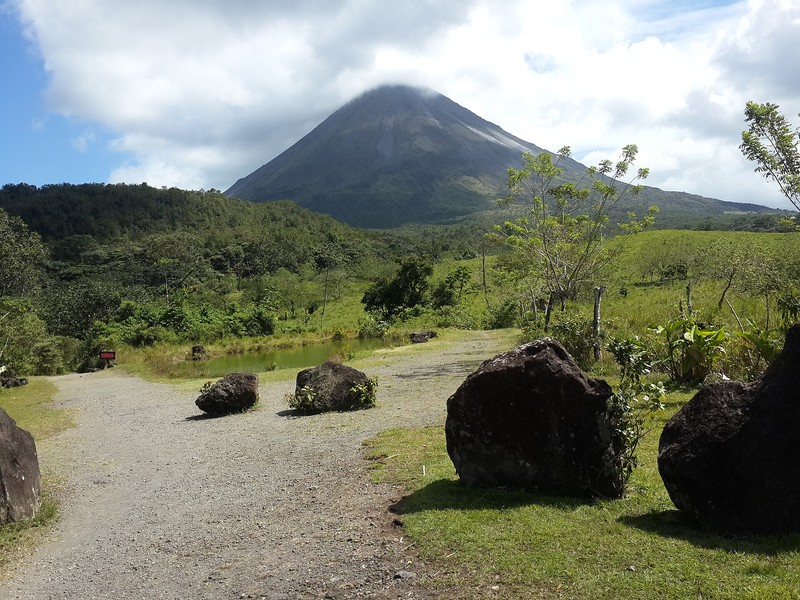
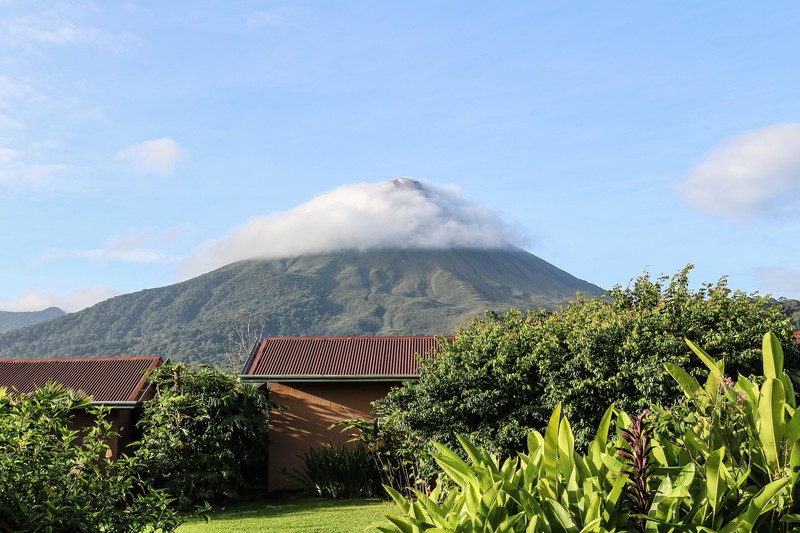
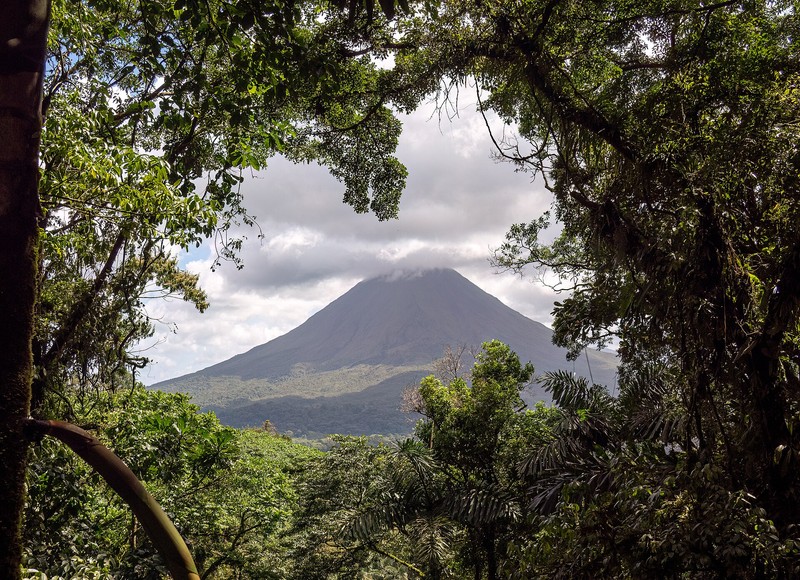
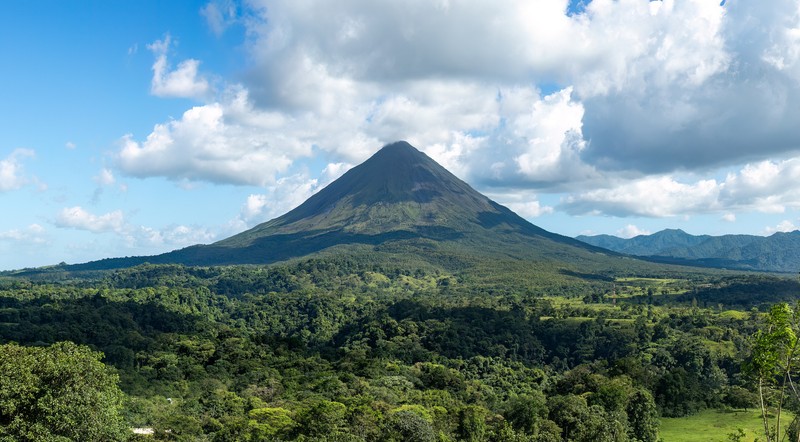
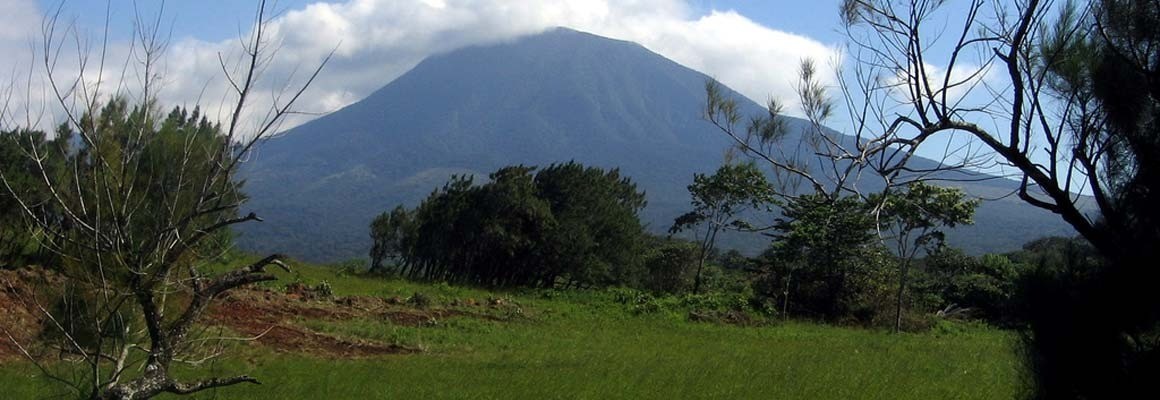
Arenal Volcano is one of Costa Rica's best-known volcanoes, located in the northern part of the country near the town of La Fortuna. Its almost symmetrical cone rises above tropical forests and Lake Arenal. The volcano and surrounding protected landscapes attract visitors with scenic views, hiking trails, and rich wildlife.
Where Arenal Volcano Is Located
Arenal lies in Alajuela Province in northern Costa Rica, near the eastern shore of Lake Arenal. It is part of Arenal Volcano National Park, about 15–16 kilometres from La Fortuna. The region is known for tropical forests, volcanic terrain, and numerous natural attractions.
Elevation and Features
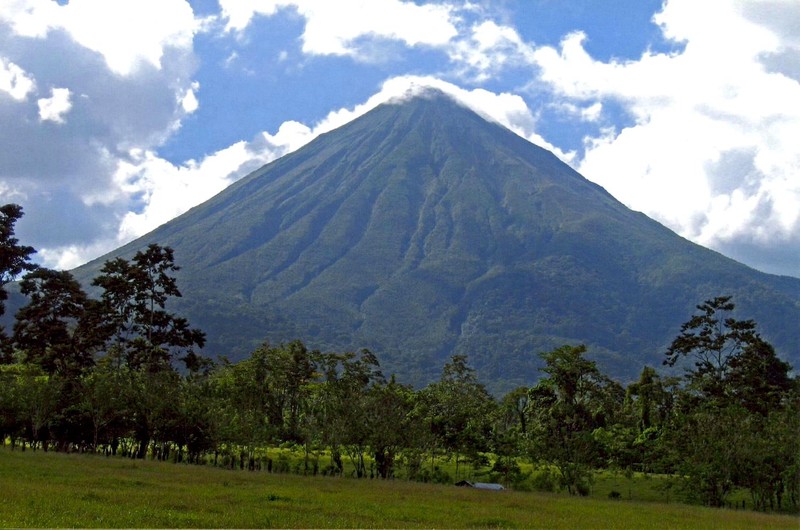
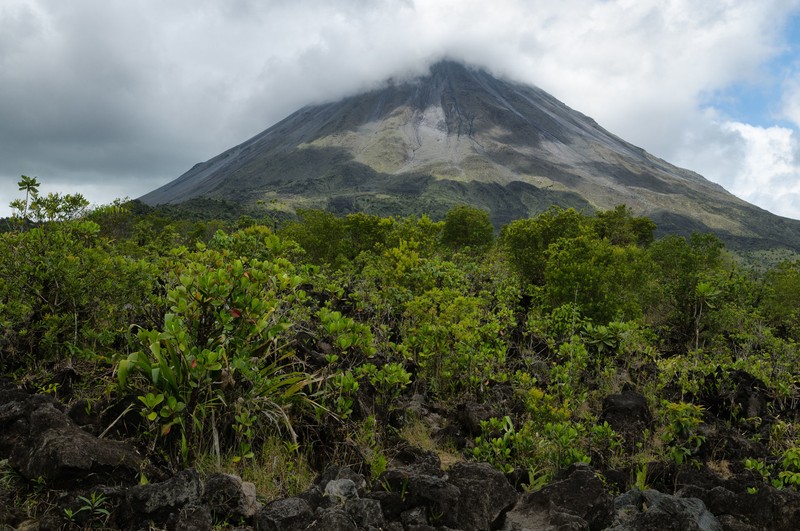
Arenal rises to approximately 1,670 metres above sea level. It is a stratovolcano formed by successive layers of lava and volcanic material. Its distinctive cone is visible from the surrounding area, especially on clear days. Tropical vegetation covers much of its slopes, while hardened lava flows remain visible in several locations.
Eruption History
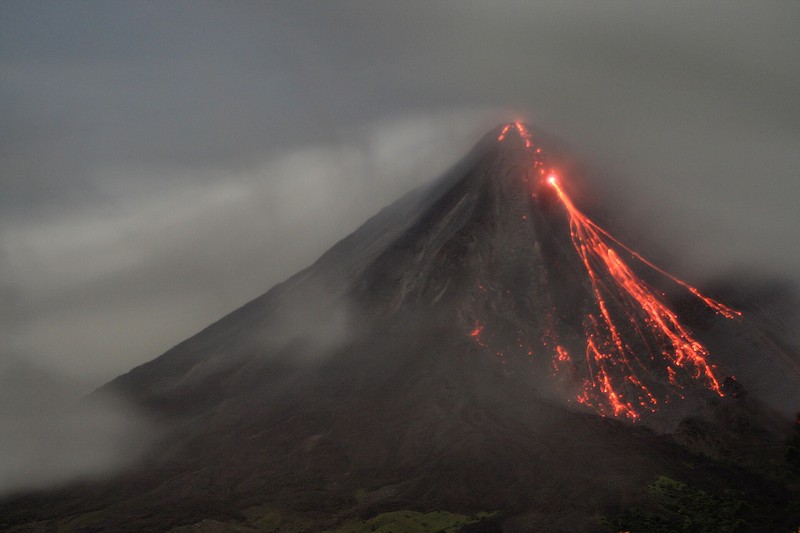
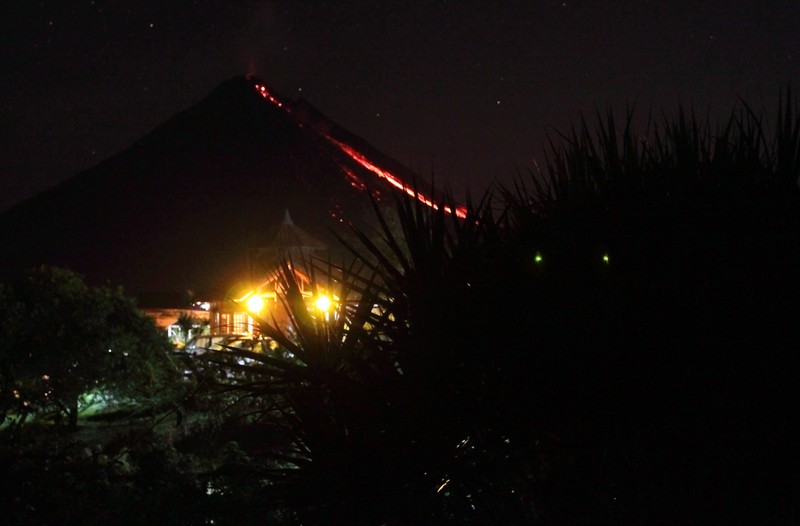
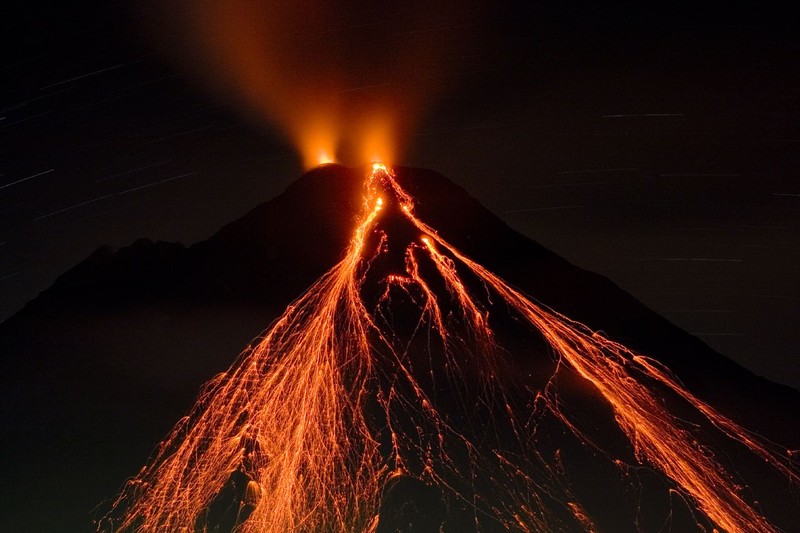
Arenal was considered extinct for a long time. On 29 July 1968, a powerful eruption began, destroying several settlements and causing fatalities. In the following decades, it became one of Costa Rica's most active volcanoes. This prolonged period of activity ended in 2010. Arenal is still classified as an active volcano, so visitors should remain in permitted areas and follow park authorities' instructions.
Arenal Volcano National Park
The national park protects volcanic landscapes, tropical forest, and habitats for many animal species. It covers more than 12,000 hectares. Marked trails pass through regenerating forest and areas of hardened lava. Visitors may encounter a variety of plants and tropical birds along the way.
Hiking Trails and Viewpoints
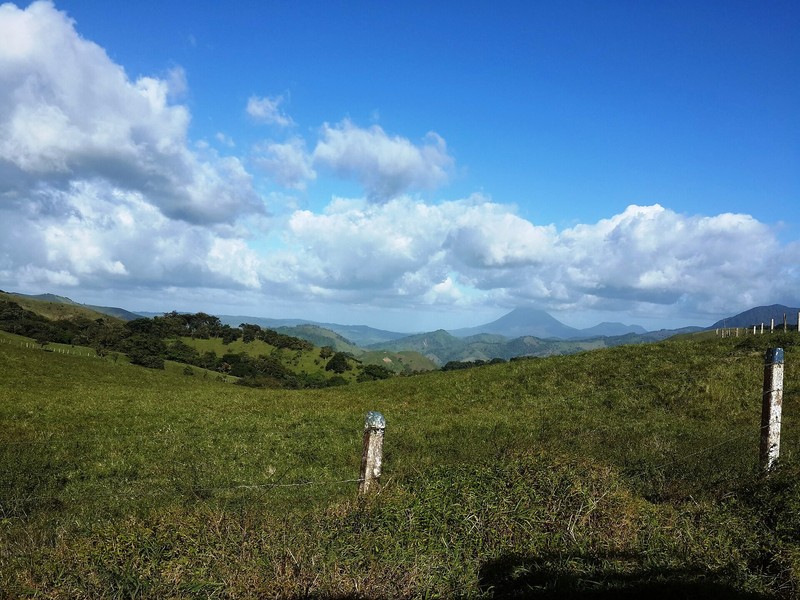
The popular Las Coladas trail crosses terrain shaped by earlier eruptions. El Ceibo trail passes through forest vegetation and by a large ceiba tree, while the Heliconias trail winds through dense greenery. In favourable weather, viewpoints offer views of the volcanic cone, Lake Arenal, and the Tilarán mountain range. Trail access and conditions may change.
Nature Around Arenal
The area combines humid tropical forest, exposed volcanic ground, and aquatic ecosystems. Monkeys, birds, amphibians, and reptiles live in the region. Lake Arenal adds to the scenery and offers opportunities for wildlife observation and water activities where permitted.
Places to Visit Nearby
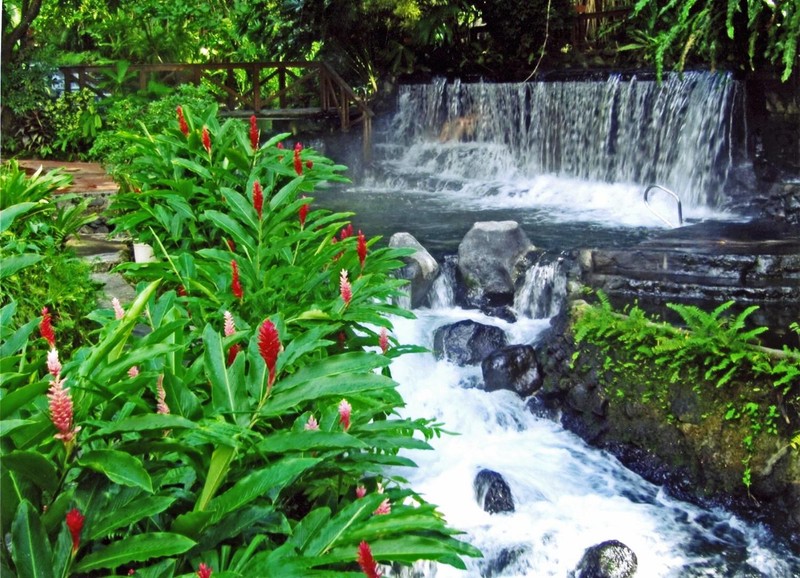
A visit to the volcano can be combined with a trip to La Fortuna, La Fortuna Waterfall, and Lake Arenal. The region also has hot springs, nature reserves, and hanging bridges through tropical forest.
Best Time to Visit Arenal Volcano
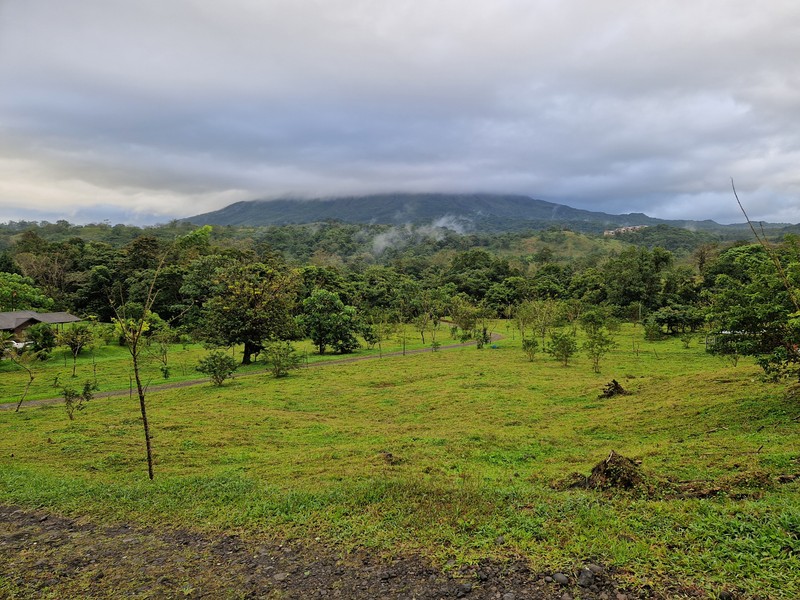
The region can be visited throughout the year. Hiking is often easier during drier months, although rain and cloud cover are possible in any season. Clear weather improves the chances of seeing the summit, which is frequently hidden by clouds. Morning is a good time to plan a walk.
How to Get to Arenal Volcano
La Fortuna is the main base for visiting the volcano and can be reached by car or bus from other parts of Costa Rica. Roads connect the town with the national park, although the route depends on the sector you plan to visit. Check current opening hours and visitor rules before travelling. Climbing the volcanic cone and entering its immediate surroundings is prohibited.
Gallery