Carara National Park lies on Costa Rica’s Central Pacific coast, about 90 kilometres from San José, near the Tárcoles River and the town of Jacó. Its defining feature is transitional tropical forest, where species typical of both dry forest and humid rainforest occur together. This variety of habitats makes Carara one of the country’s important birdwatching destinations.
History of the National Park
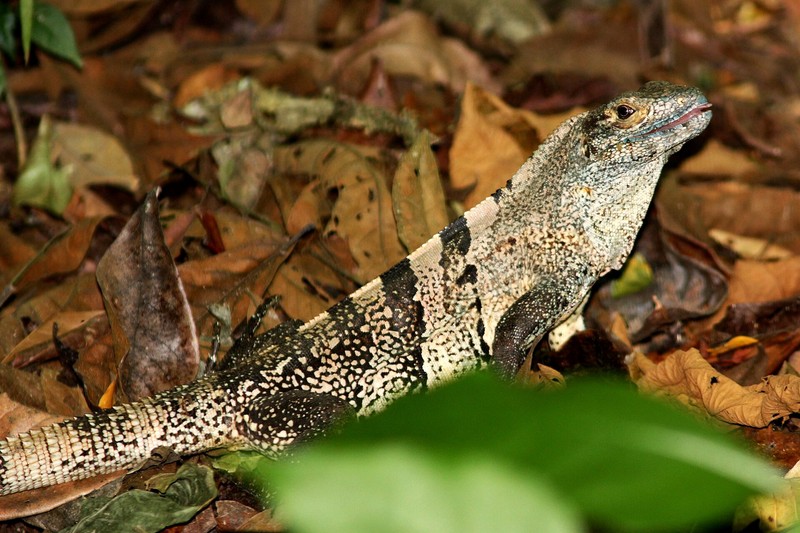
The name Carara comes from the language of the Indigenous Huetar people and is commonly translated as “river of lizards.” Before the protected area was established, the land formed part of the large Coyolar estate. Carara was declared a biological reserve on 26 April 1978 and became a national park on 18 November 1998.
The protected area covers about 5,280 hectares and acts as an important ecological corridor between drier Pacific landscapes and humid forests. Protecting it helps conserve a wide variety of plants, birds, mammals, reptiles and amphibians.
Transitional Tropical Forest
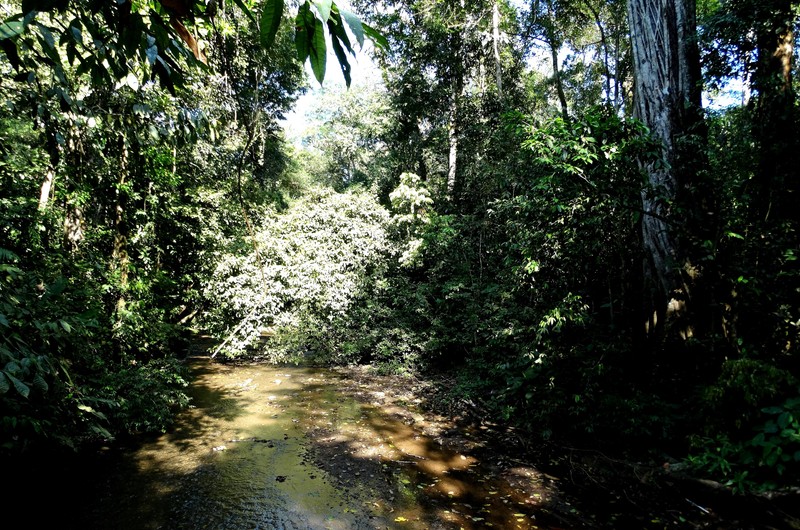
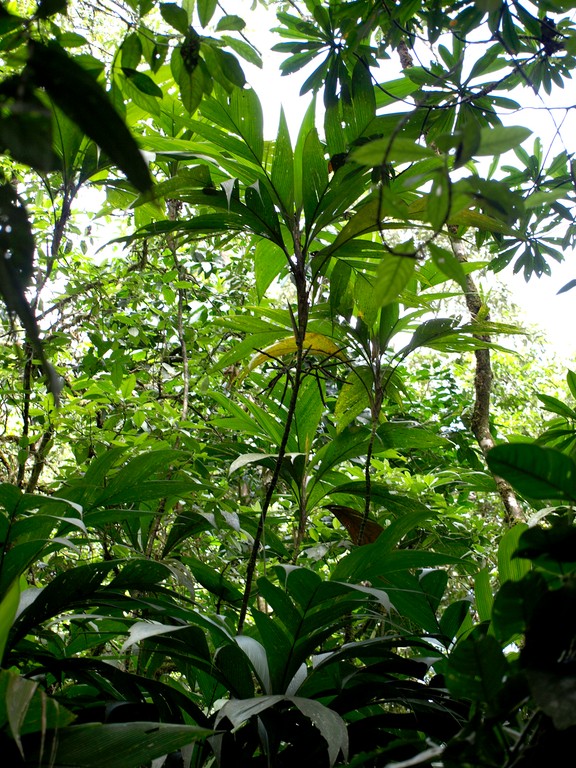
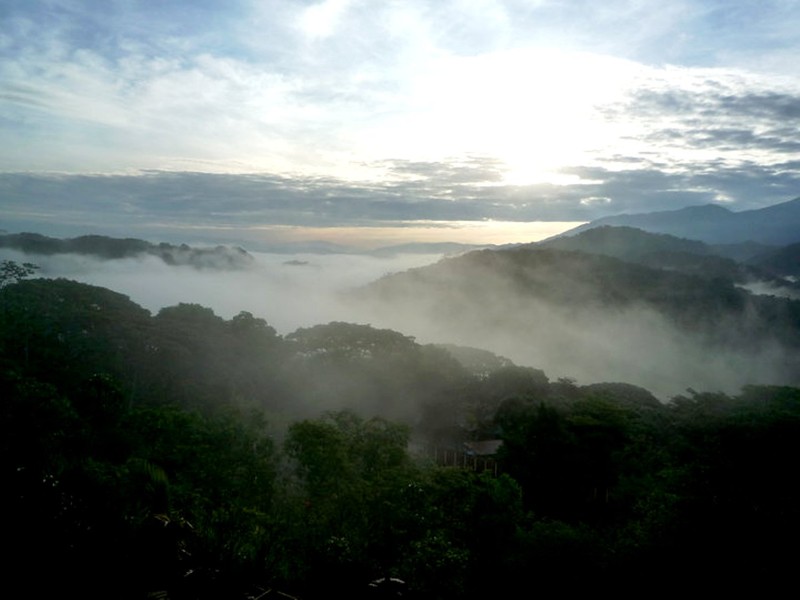
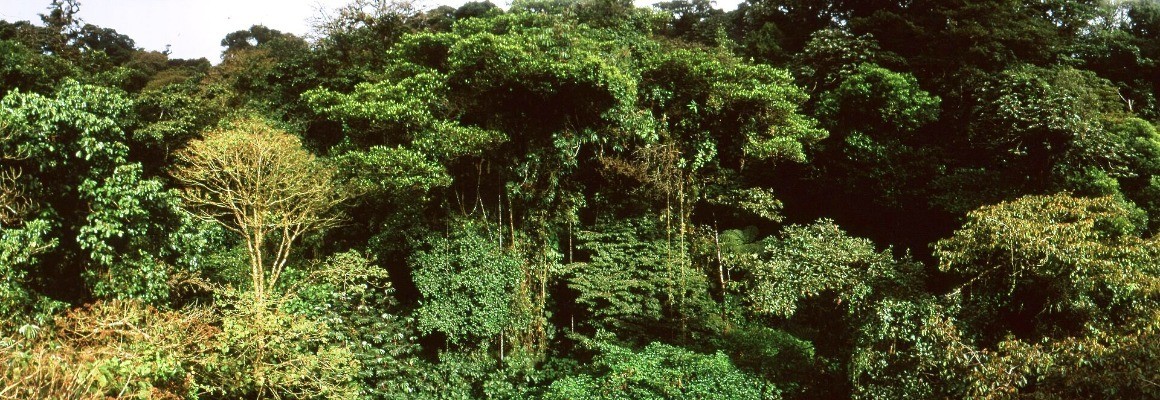
Carara’s main natural feature is its transitional forest, which combines characteristics of dry tropical woodland and humid rainforest. Trees of different sizes grow alongside vines, epiphytes, ferns and plants adapted to varying moisture levels. This combination creates many shelter sites and food sources for wildlife.
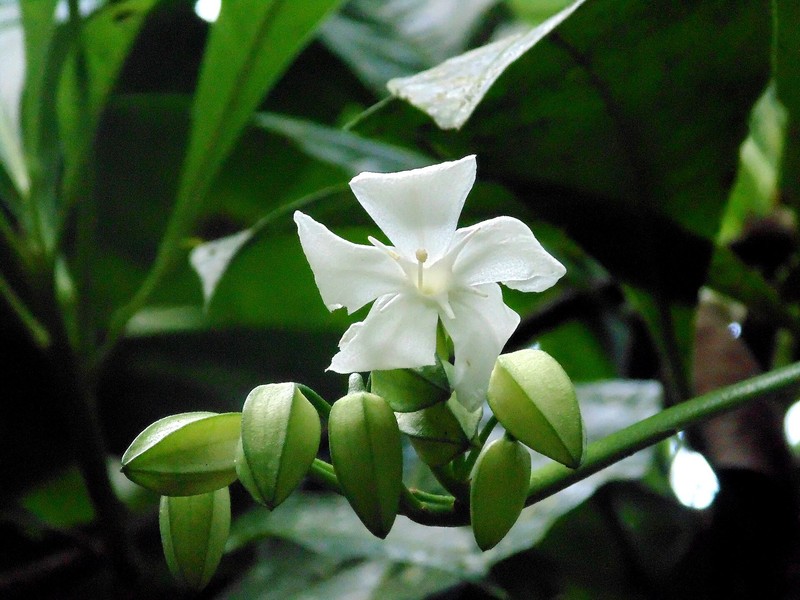
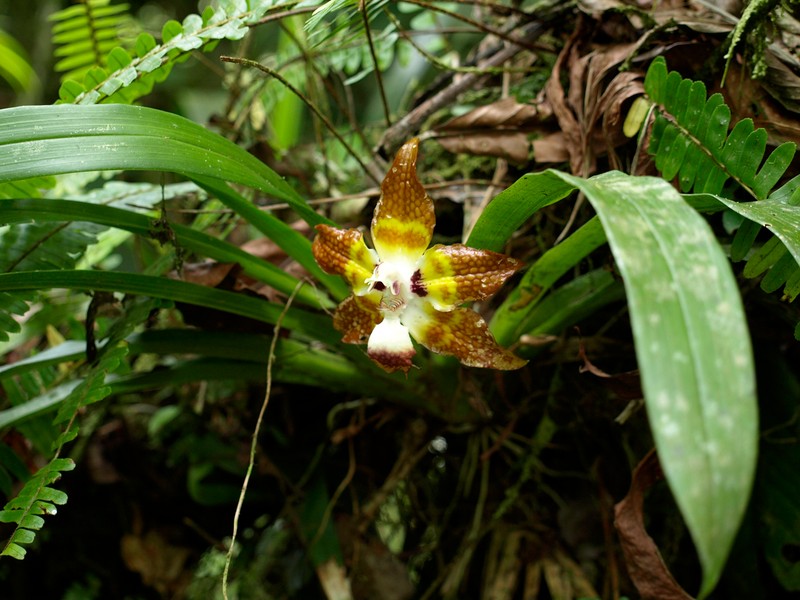
About 480 plant species have been recorded in the park, including endemic and rare species. Notable plants include Erythrochiton gymnanthus, known locally as cafecillo, and members of the arum family, including Monstera deliciosa. Some plants grow on tree trunks, using them for support while reaching the light beneath the forest canopy.
Scarlet Macaws: The Symbol of Carara
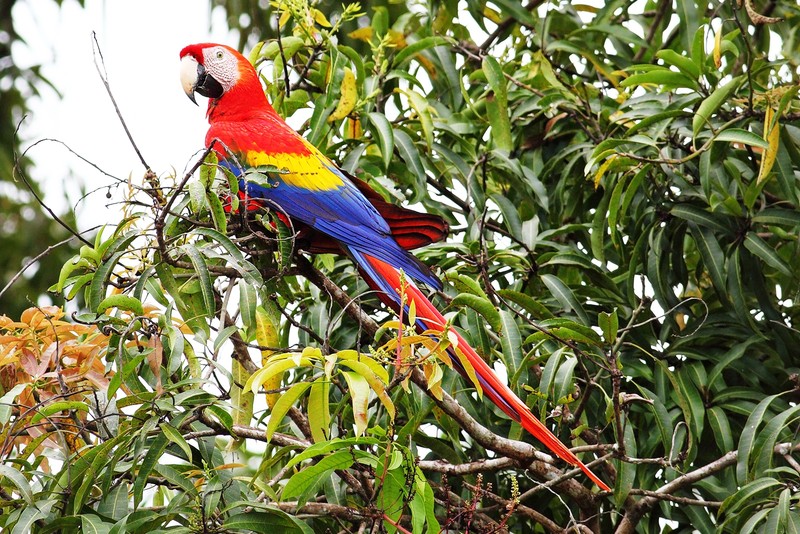
The park is especially famous for scarlet macaws, large, colourful parrots recognised by their red plumage and long tails. The species is threatened with extinction and is one of the signature birds of Costa Rica’s Pacific coast. Macaws travel between roosting and feeding areas, so visitors may see them flying above the forest or hear their loud calls.
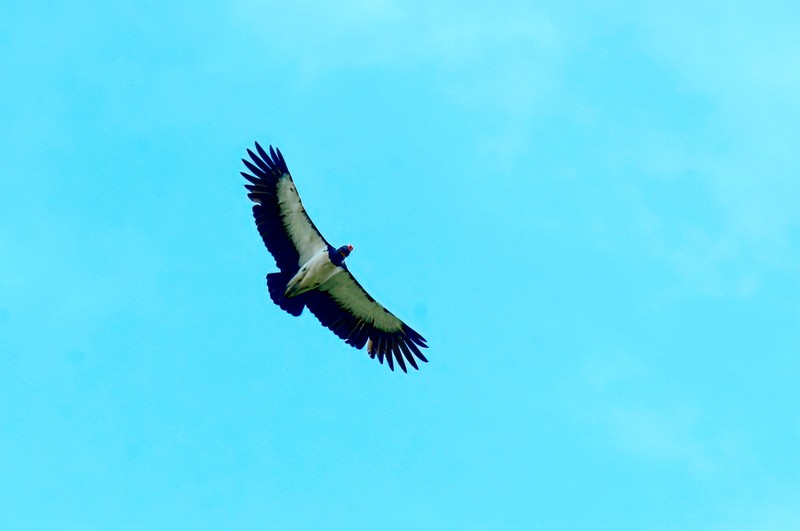
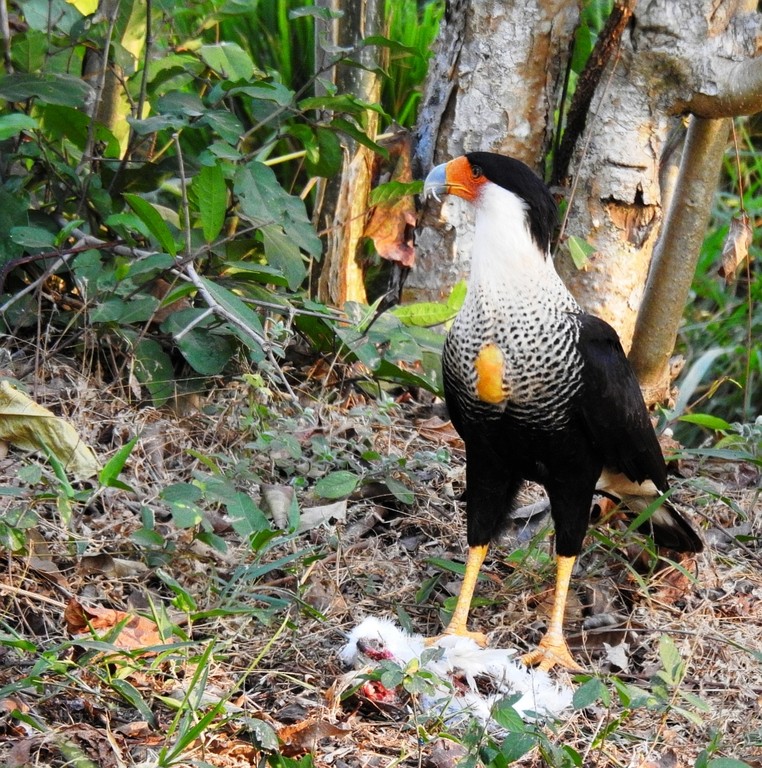
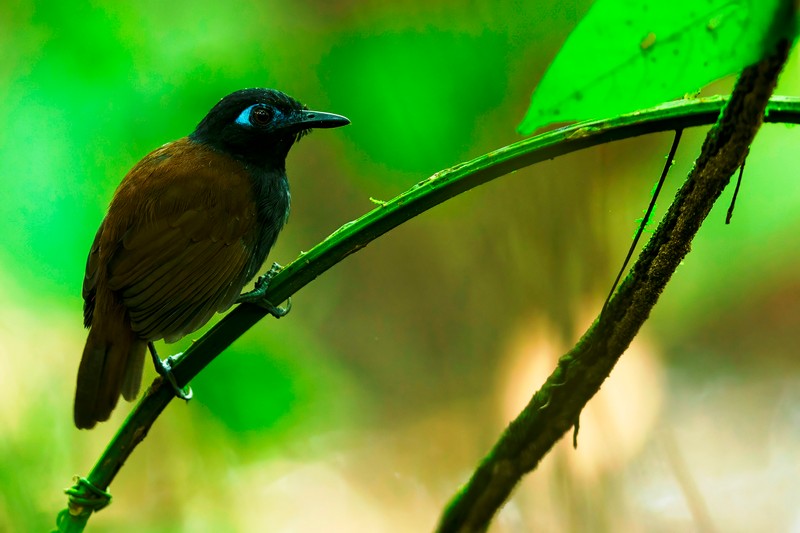
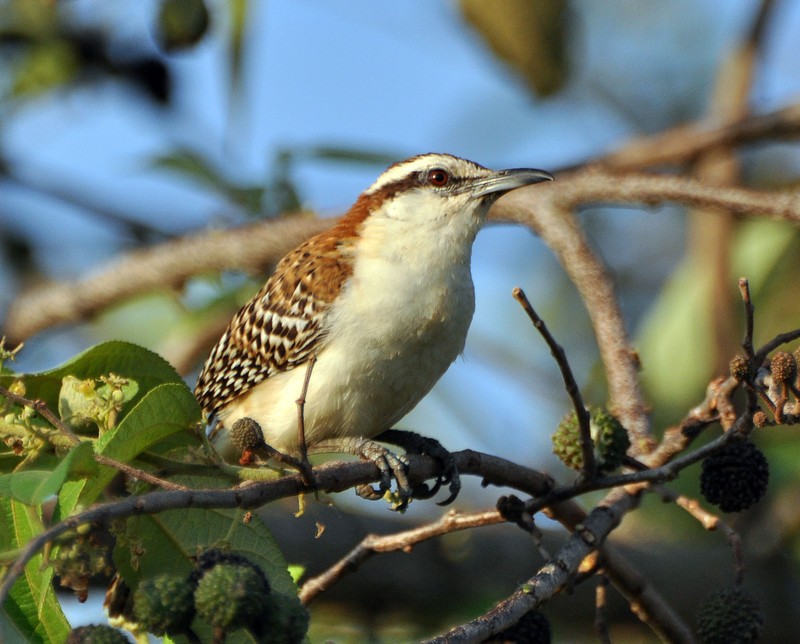
Early morning is generally the best time for birdwatching, when the forest becomes active and birds search for food. Other species include toucans, kingfishers, herons, parrots, raptors and many more. SINAC records approximately 420 bird species in the park, making it one of the country’s most rewarding places for birdwatching.
Wildlife
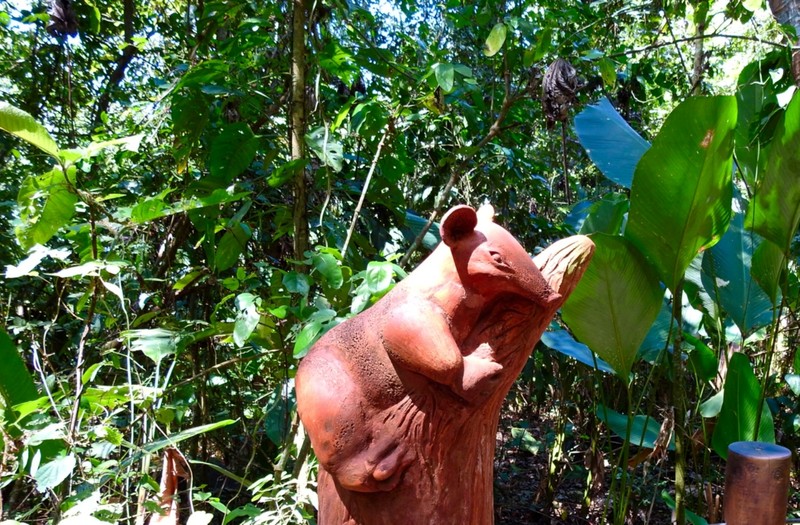
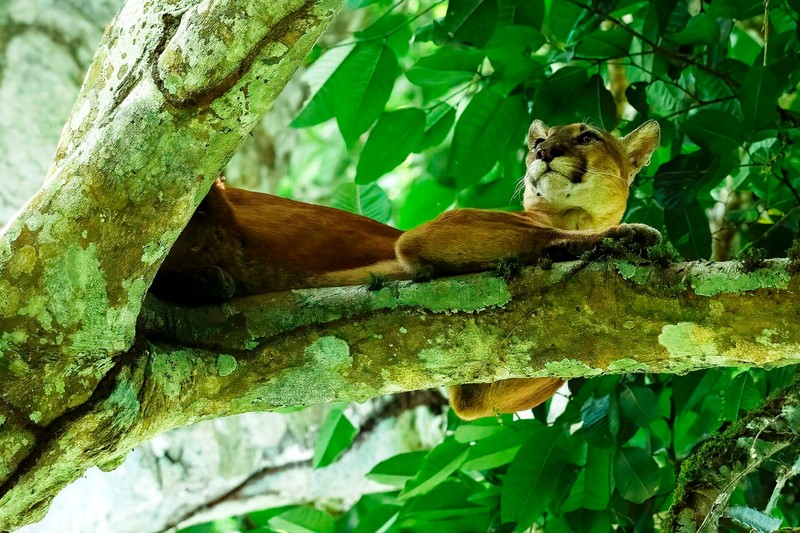
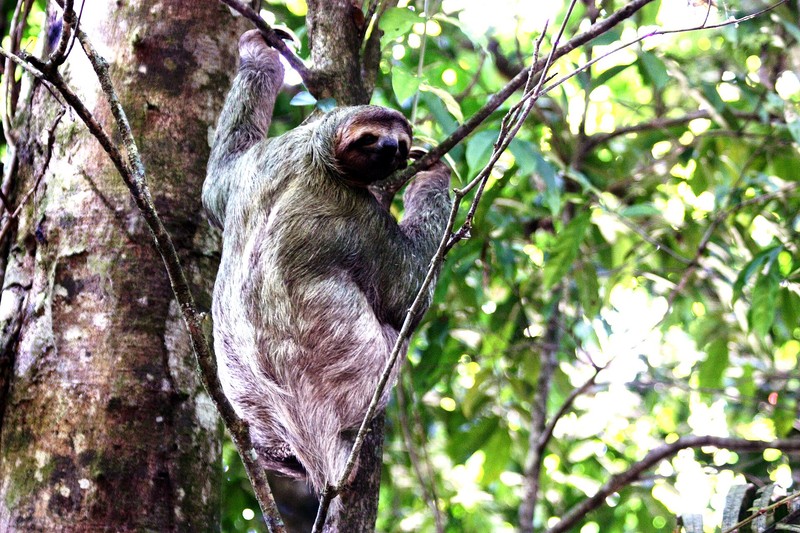
In addition to birds, Carara is home to howler monkeys, white-faced capuchins, three-toed sloths, agoutis, armadillos, coatis, raccoons and opossums. Many reptiles and amphibians also inhabit the forest. Some animals remain hidden in dense vegetation or are mainly active at night, so spotting them requires patience and careful observation.
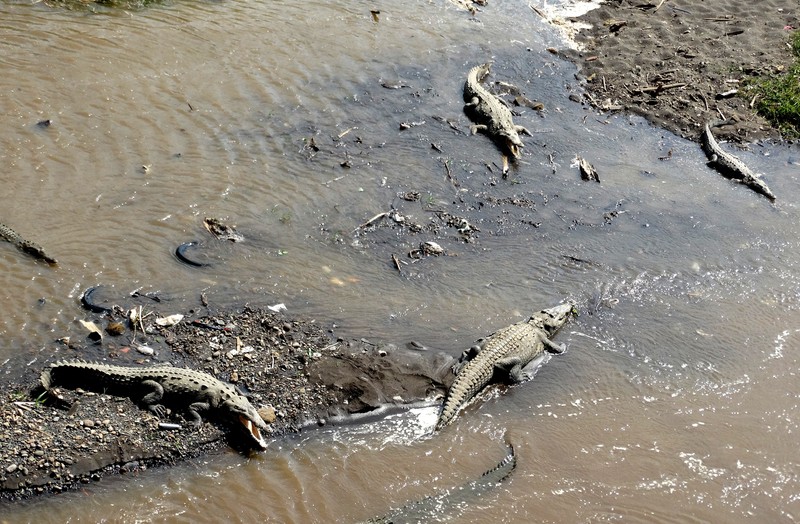
The Tárcoles River flows beside the park and is home to American crocodiles. They can often be seen from the bridge near the main entrance. Observe them only from safe public viewpoints: do not approach the water’s edge, feed the animals or attempt to attract their attention.
Universal Access Trail
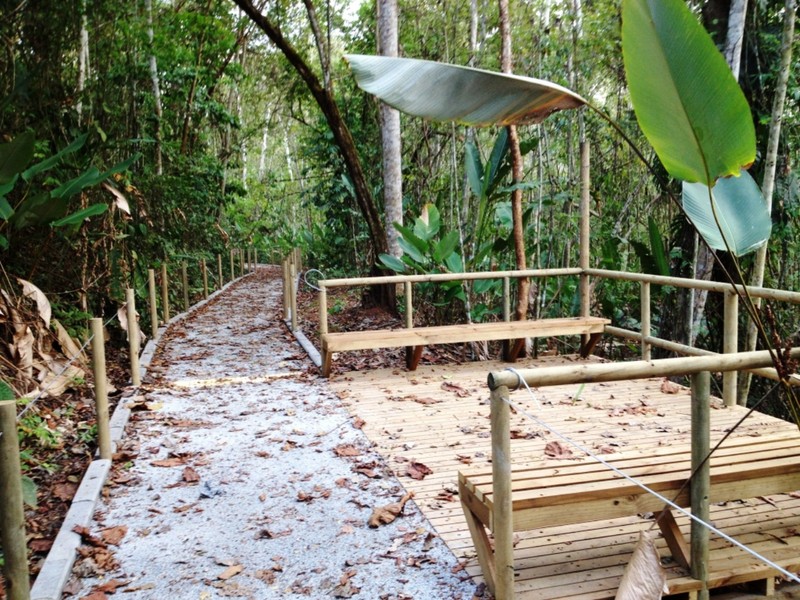
Carara was Costa Rica’s first national park to offer a universal-access trail. The route, about 1.2 kilometres long, allows visitors with different mobility needs to experience the forest. Facilities include resting areas, information signs in Spanish and English, Braille elements and adapted restrooms.
The trail is suitable for a relaxed walk and an introduction to tropical forest vegetation. Even along this short route, visitors can examine large trees, epiphytes and relationships between plants and animals. Access to particular facilities and trail conditions may change because of maintenance or weather.
Las Aráceas Trail
Las Aráceas is a circular trail of about 1.2 kilometres through the forest. Its name refers to the arum family of plants. Visitors can see Monstera and other plants growing on tree trunks, as well as watch birds. The walk usually takes around an hour, depending on pace and stops.
The trail offers a close look at the structure of the forest, from large trees to plants that use them for support. Walk quietly and look both at the ground and at branches overhead.
Laguna Meándrica Trail
Laguna Meándrica follows a section of the Tárcoles River with a bend in its course and a lagoon. The trail is about two kilometres long, and the walk can take two to four hours depending on conditions and wildlife sightings. It is particularly interesting for ornithologists and nature enthusiasts, who may see waterbirds, other forest birds and occasionally crocodiles in the river.
The route is best enjoyed slowly, especially in the morning. Stay on the marked trail and never approach the water for a photograph: riverbanks can be dangerous because large crocodiles live in the area.
Quebrada Bonita Trail
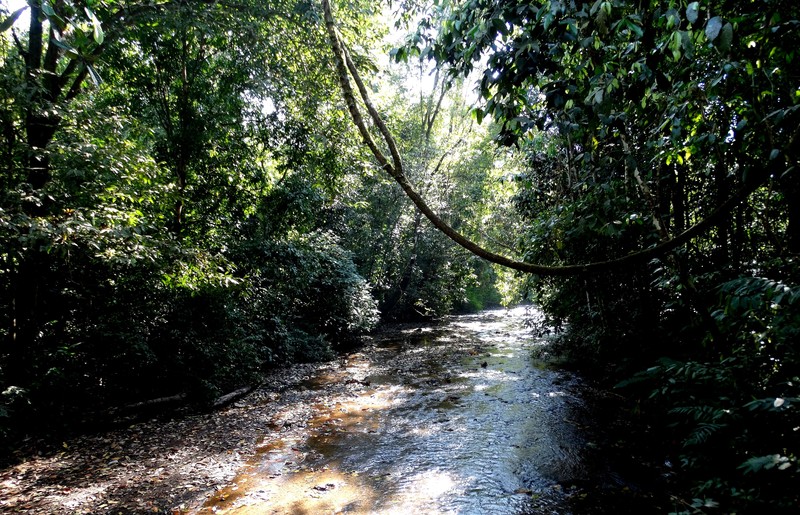
Quebrada Bonita is a circular route about 1.3 kilometres long, passing among tall trees and dense vegetation. It is named after the small Quebrada Bonita stream. Along the way, visitors can observe a variety of trees, vines and birds and stop at a viewpoint. Some sections may become slippery after rain, so shoes with good grip are recommended.
Meeting of Ecosystems Trail
The Meeting of Ecosystems trail connects Quebrada Bonita with the universal-access route. It is about 650 metres long and offers opportunities for birdwatching and learning about transitional forest, where different types of tropical vegetation occur together.
This short path is a useful addition to other walks. As throughout the park, visitors should keep noise down, remain on marked paths and avoid touching plants or animals.
Climate and Best Time to Visit
The climate around Carara is hot and humid. The relatively dry season generally runs from December to April, while rainfall becomes more frequent from May to November. Trails are often easier to walk during the dry season. In the rainy months the forest is especially green, but paths may be wet and slippery.
Arriving early in the morning is best for birdwatching. Many species are more active then, temperatures are usually more comfortable and the trails are less crowded. Whatever the season, bring drinking water, light clothing, closed shoes, a hat and insect repellent.
How to Get to the Park
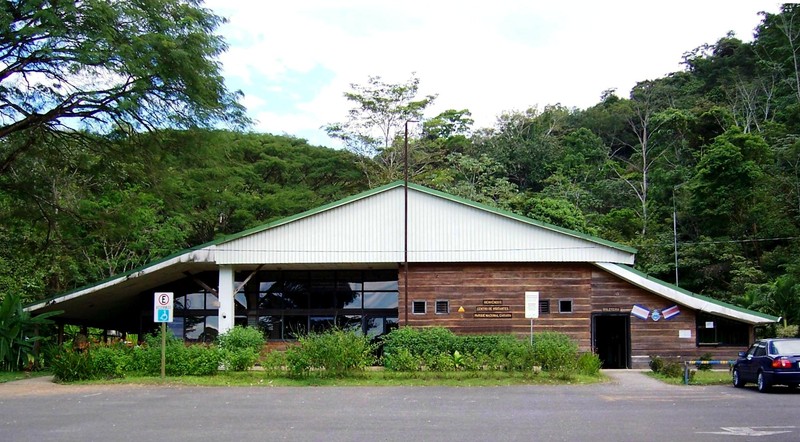
The main entrance is about two kilometres south of the bridge over the Tárcoles River, along the road toward Jacó. From San José, travellers usually take Route 27 toward Caldera, turn onto Route 34 toward Tárcoles and Jacó after the Pozón toll plaza, and continue for about 14 kilometres.
The park can be reached by private or rental car and by public transport along the coastal route. Parking, drinking water and restrooms are available. Local guides may offer their services, but they are not park employees.
Opening Hours and Tickets
According to SINAC, the park generally opens daily from 7:00 a.m. to 4:00 p.m. during the dry season from December to April, and from 8:00 a.m. to 4:00 p.m. during the rainy season from May to November. Schedules and visitor conditions can change, so check the official park information before travelling.
Tickets are obtained through the official SINAC booking system. Prices depend on visitor status and age, so confirm current rates before your visit.
Visitor Rules
Stay on marked trails, do not feed or touch wildlife, collect plants, rocks or other natural objects, leave litter or damage signs. Smoking and the consumption of alcohol or other drugs are prohibited. Pets are not allowed in the park.
Keep a respectful distance from wildlife and never use food or sounds to attract animals. Comfortable closed shoes are recommended. Since rubbish bins are not available throughout the trails, take all waste with you when leaving.
Why Visit Carara?
Carara National Park is ideal for travellers who want to experience Costa Rica’s biodiversity without undertaking long or strenuous hikes. Visitors can walk accessible forest trails, watch scarlet macaws and other birds, discover the plants of transitional forest and learn about the ecosystems of the Tárcoles River. It is especially rewarding for photographers, birdwatchers and ecotourism enthusiasts.
Gallery