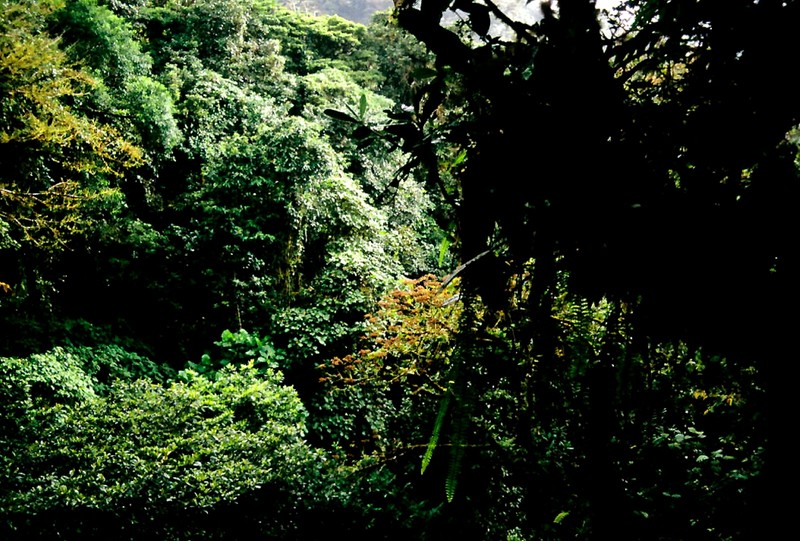
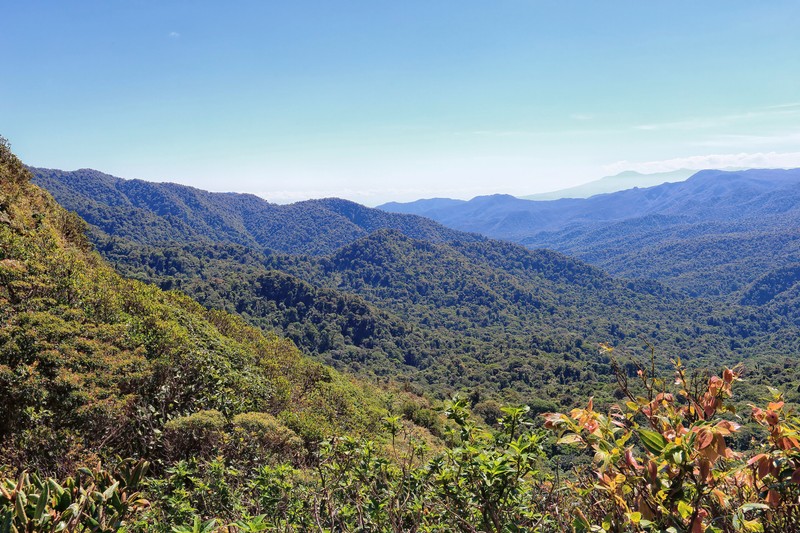
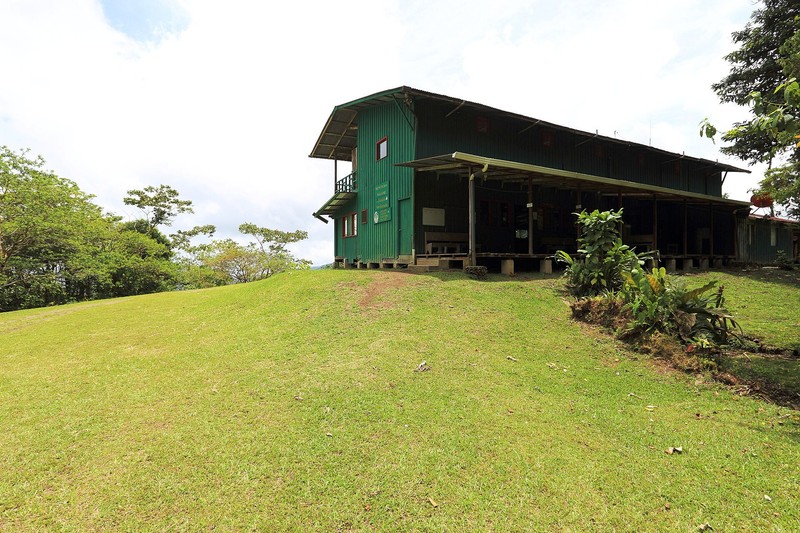
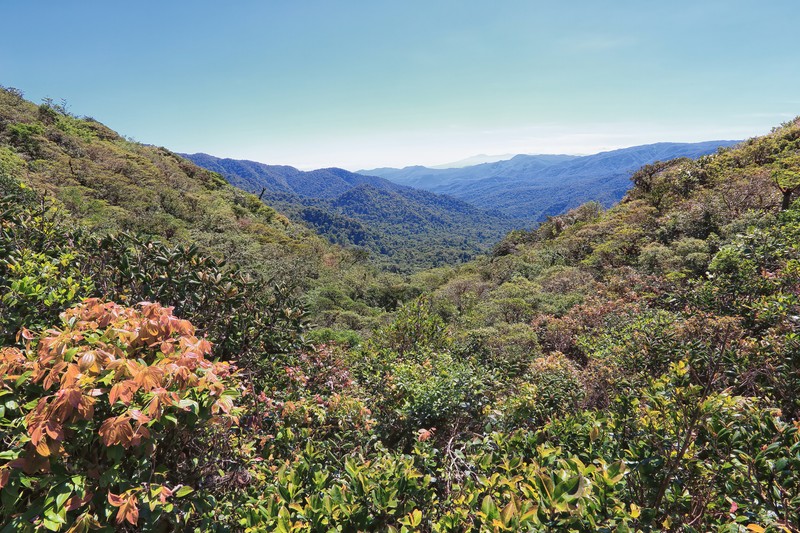
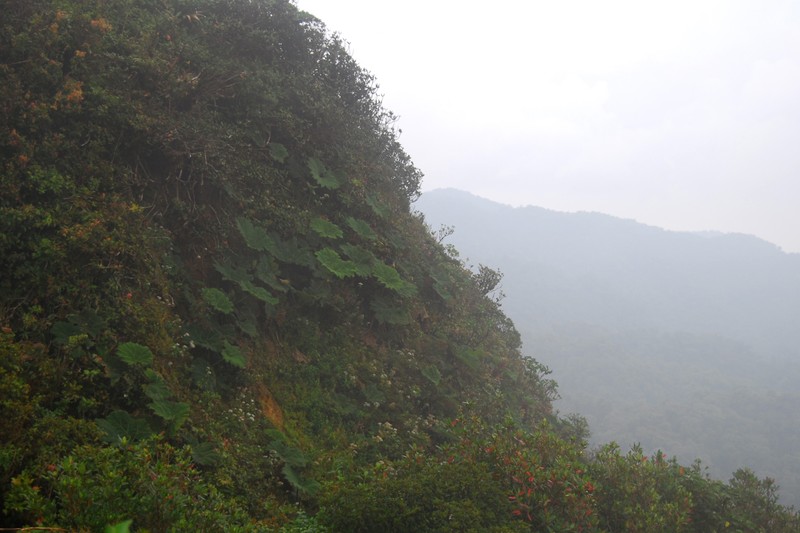
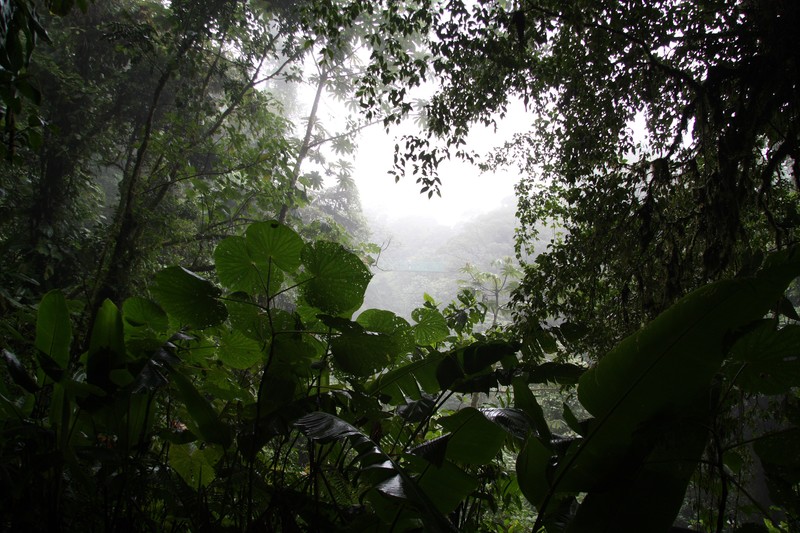
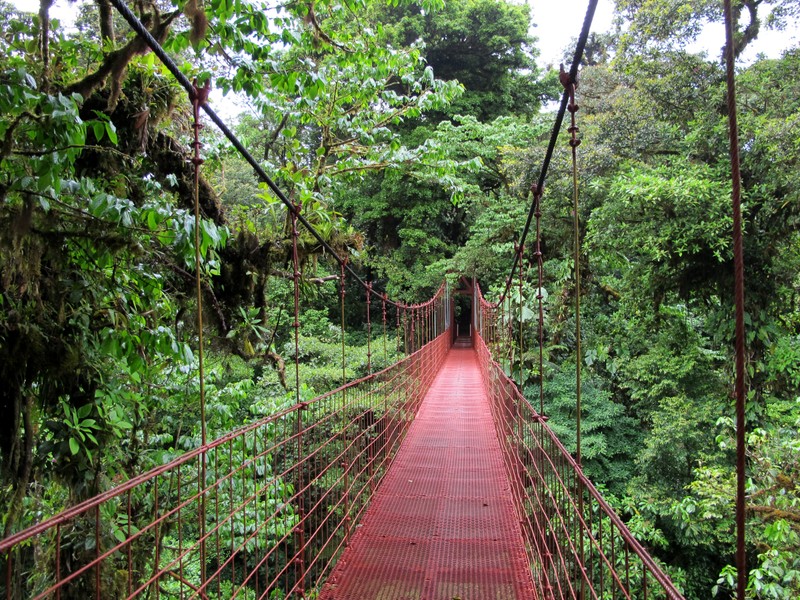
Monteverde Biological Reserve is one of Costa Rica's best-known natural areas, famous for its humid cloud forests, rich biodiversity, and distinctive mountain ecosystem. It lies in the Tilarán Mountains in the country's northwest, where moist air from the Caribbean rises and forms clouds and mist. These often envelop tree canopies covered with mosses, ferns, orchids, and bromeliads. Monteverde attracts travellers, birdwatchers, photographers, and nature researchers.
Where Monteverde Reserve Is Located
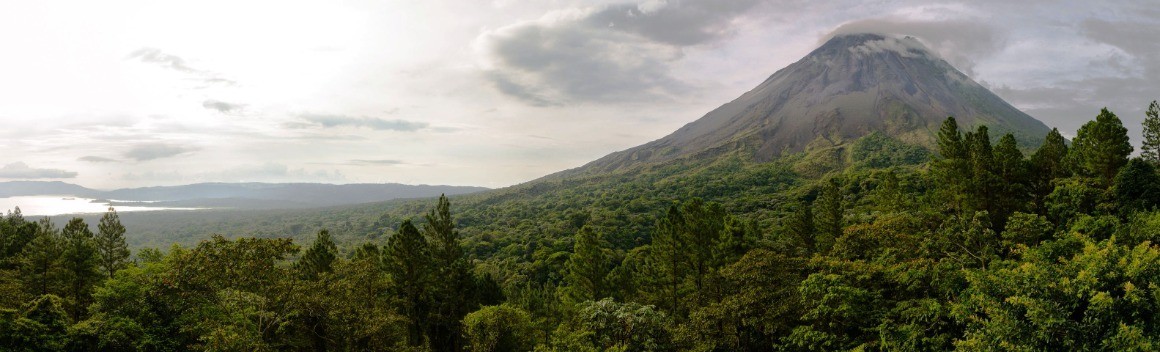
The reserve is in Puntarenas Province, in the Monteverde highlands, a short distance from the settlement of Santa Elena. It lies near Costa Rica's continental divide, where mountain slopes separate watersheds draining toward the Pacific Ocean and the Caribbean Sea. Elevation, humidity, and moving air masses create the conditions for cloud forest, a type of tropical forest in which mist and low clouds play an important ecological role.
History of the Reserve
The protection of Monteverde's forests grew out of scientific research and community involvement. In the early 1970s, researchers and local residents advocated preserving forests that were important for water resources and biodiversity. In 1972, the Monteverde Cloud Forest Biological Reserve was established with the participation of the Tropical Science Center. Since then, the area has supported conservation, scientific research, environmental education, and responsible tourism. It has become a widely recognised example of private nature conservation in Costa Rica.
The Cloud Forest and Its Features
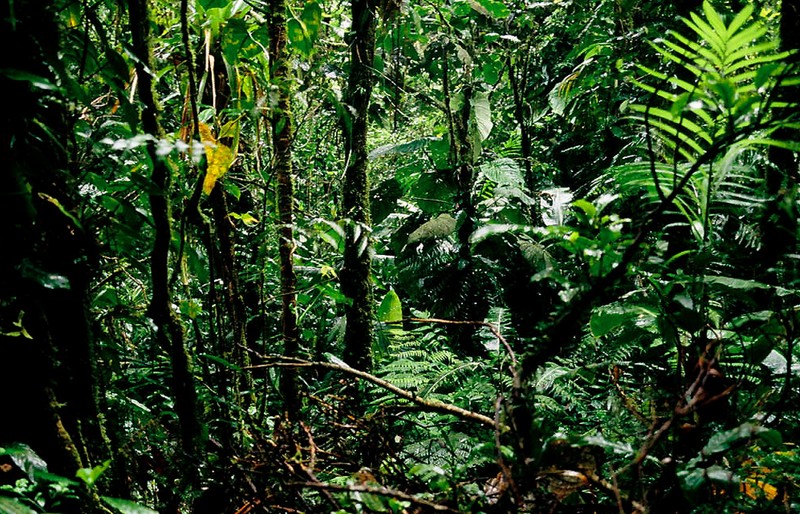
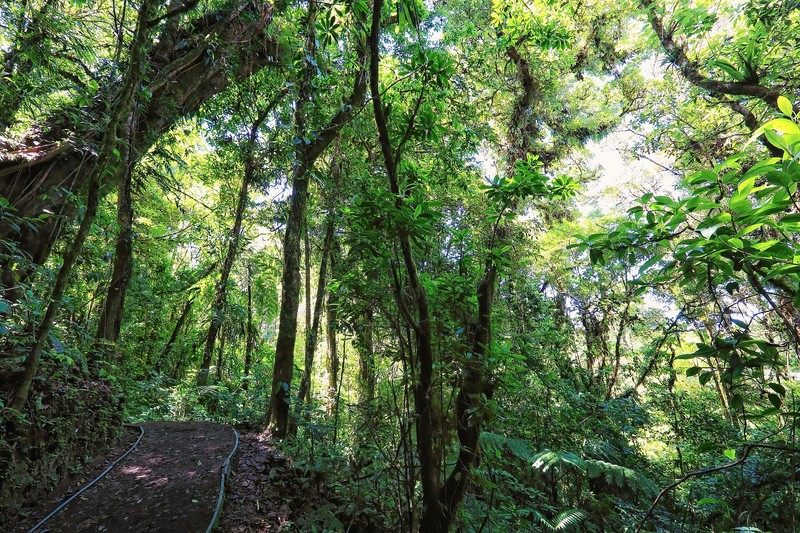
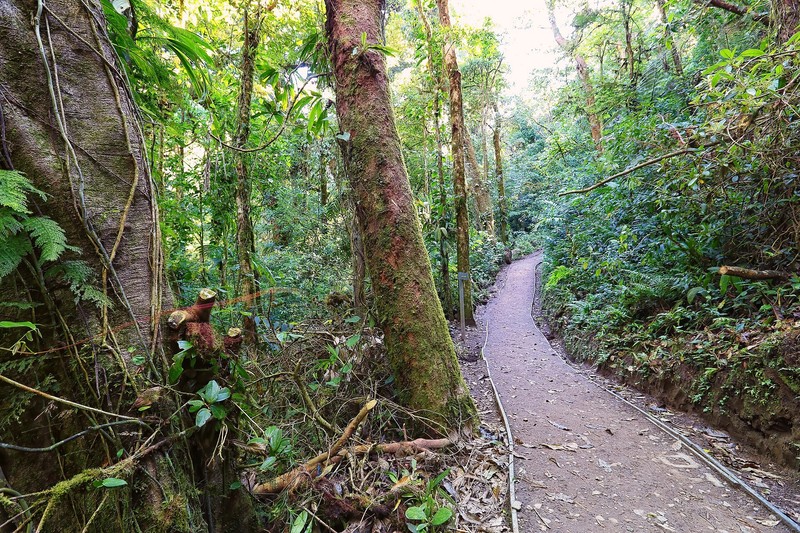
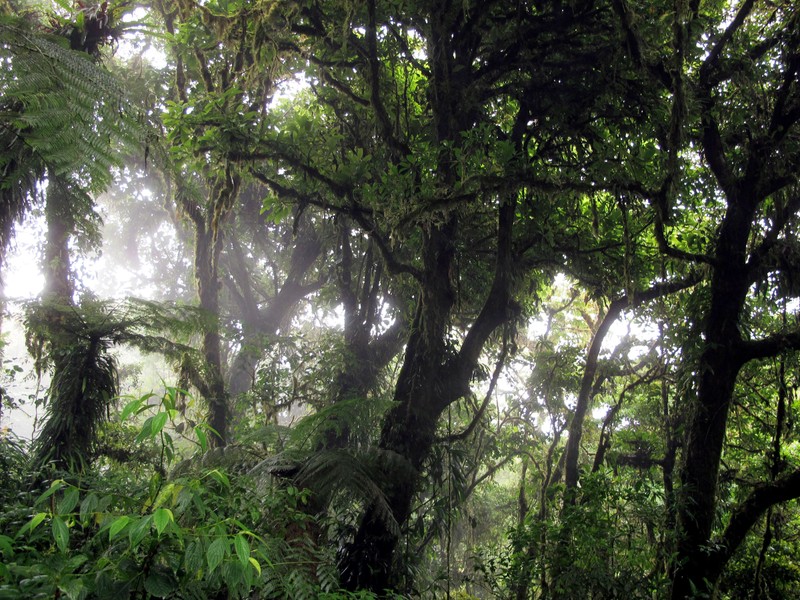
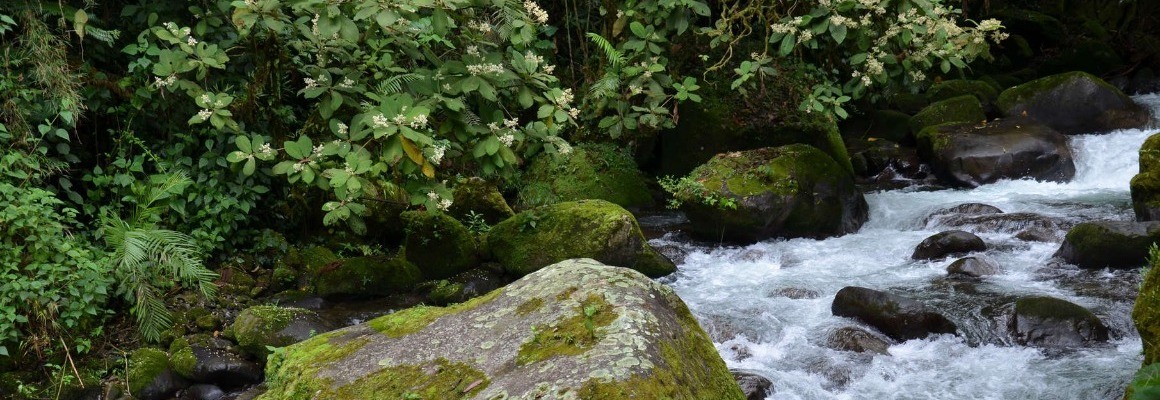
Cloud forests are characterised by persistent humidity, frequent mist, and plants that grow not only in the soil but also on tree trunks and branches. Mosses, lichens, ferns, orchids, and bromeliads form layers of vegetation. Moisture collects on leaves and branches before reaching the ground, helping sustain streams and forest waterways. The complex terrain and changeable weather create different habitats across the reserve, supporting a wide variety of species.
Plant Life in Monteverde
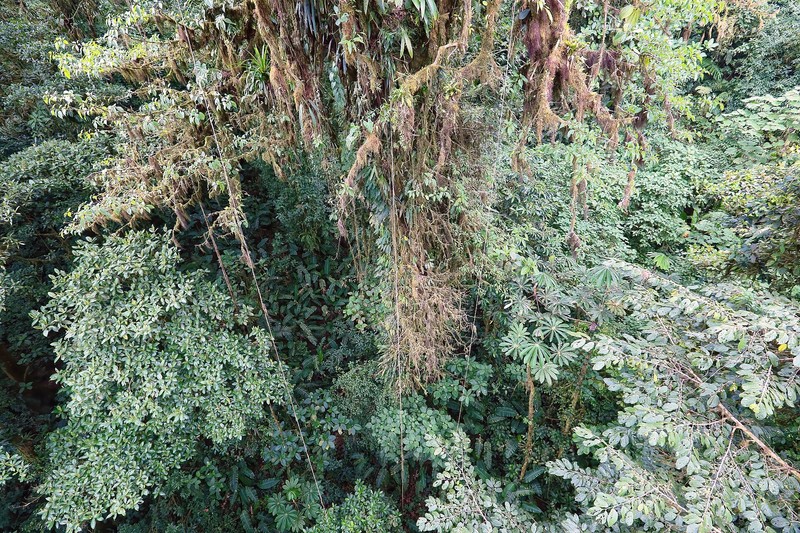
The reserve's flora includes numerous trees, vines, ferns, orchids, mosses, and epiphytes. Epiphytes use tree trunks and branches for support and obtain moisture from the air and rainfall without parasitising their host plants. Branches of old trees are often covered in thick green moss, while small flowers and ferns grow among the leaves. This layered forest structure creates many microhabitats and helps sustain high biological diversity.
Wildlife and Birds
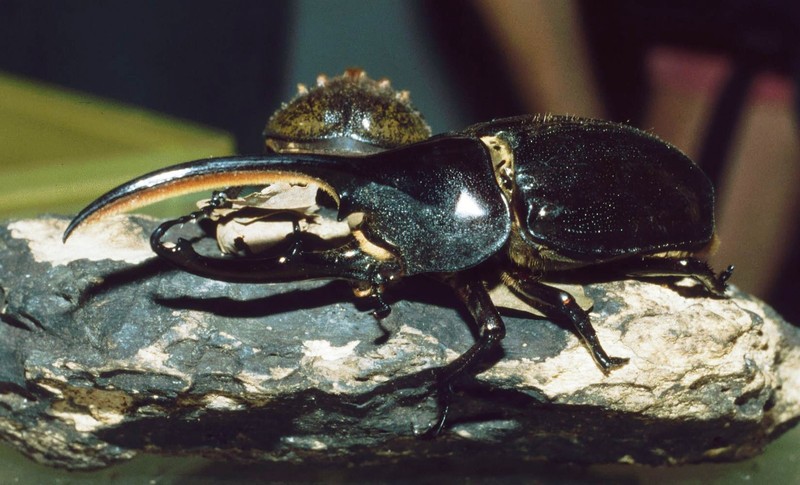
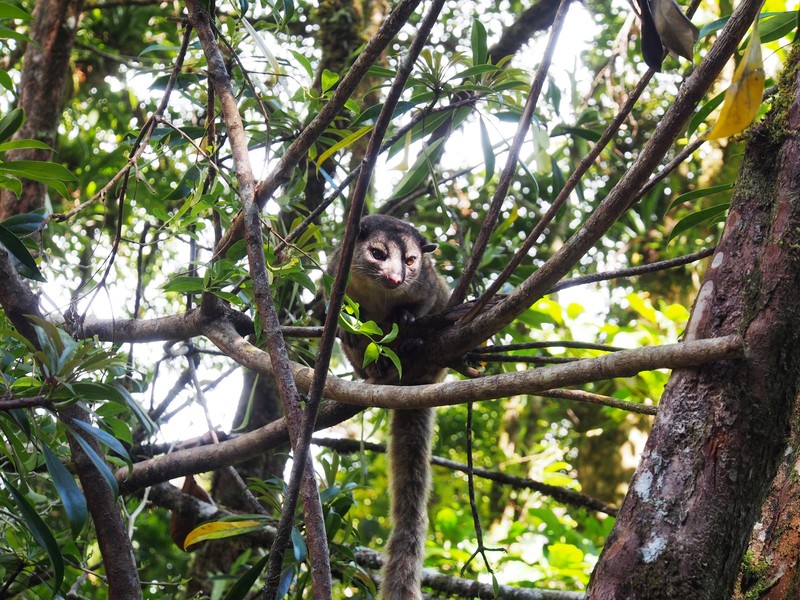
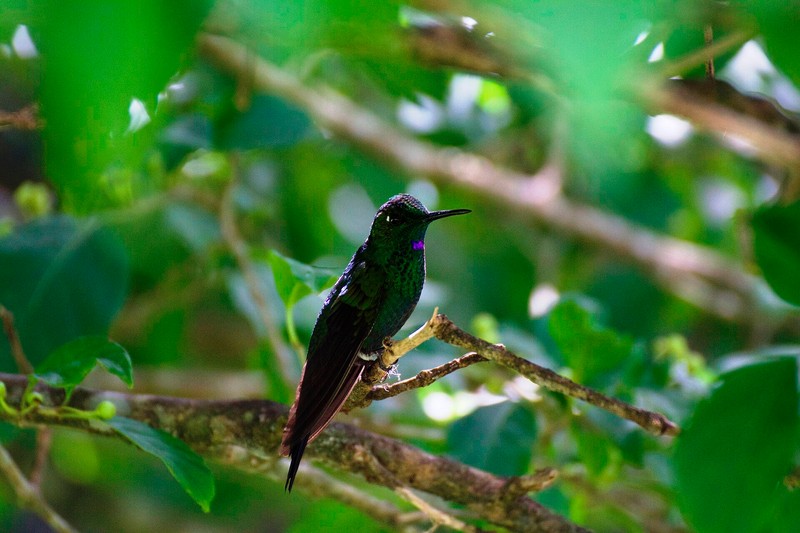
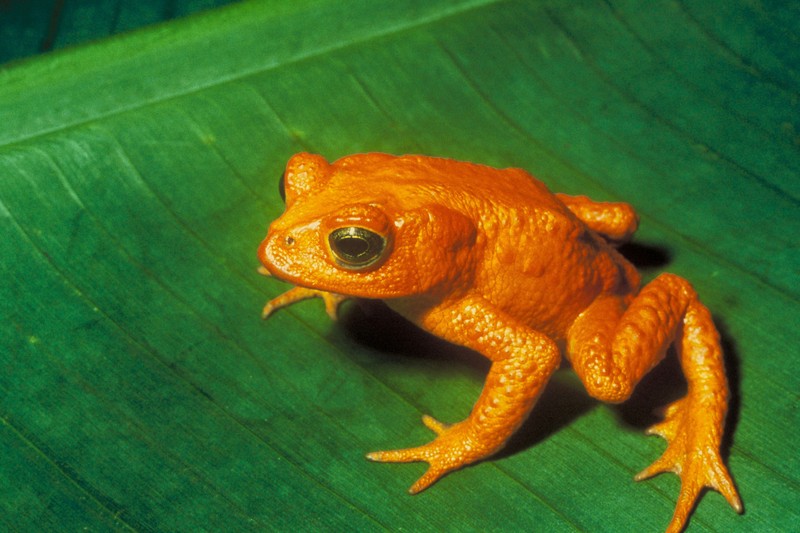
Monteverde is known for its variety of birds, amphibians, reptiles, mammals, and insects. One of the region's best-known birds is the resplendent quetzal, recognised for its vivid green plumage and the male's long tail feathers. Hummingbirds, toucans, bellbirds, monkeys, and other wildlife also inhabit the forests. Many species are elusive and depend on the preservation of humid forest habitat. Wildlife is best observed quietly, without approaching animals too closely or disturbing their natural behaviour.
Hiking Trails and Nature Observation
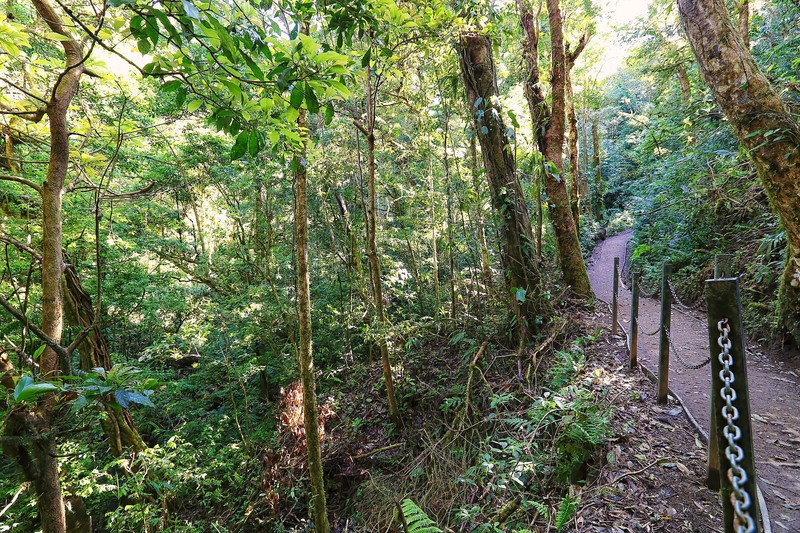
Marked hiking trails allow visitors to explore different parts of the cloud forest. Routes pass beneath tall tree canopies, alongside moss-covered trunks, fern thickets, and small streams. During a walk, visitors may hear birds calling and discover unusual plants. Naturalist-led tours provide a deeper understanding of local species and ecological relationships. Check current access conditions, trail availability, and booking requirements before visiting.
Scientific Research and Conservation
Monteverde is important for the study of tropical ecosystems. Researchers monitor biodiversity, climate, forest conditions, wildlife behaviour, and environmental change. These observations help assess the effects of climate change and other pressures on cloud forests. The reserve also supports environmental education and conservation programmes. Protecting the forest helps safeguard water resources, maintain habitats for many species, and preserve Costa Rica's natural heritage.
Best Time to Visit Monteverde
The reserve can be visited year-round, although conditions vary by season. The relatively drier period usually runs from December to April, when walking may be more comfortable. During wetter months, trails can become damp and slippery, while mist may reduce visibility. Cloud cover and high humidity are defining features of the forest, so visitors should be prepared for cool, wet weather and sudden showers even in the drier season. Morning walks are often useful for birdwatching.
How to Get to the Reserve
Santa Elena is a common base, with hotels, restaurants, and tourist services. Monteverde can be reached by car from San José, Liberia, and other Costa Rican travel hubs. Mountain roads can be winding and may become rough after rain, so journey times depend on the route and road conditions. Before setting out, check directions to the reserve entrance, opening hours, parking arrangements, and whether advance reservations are required.
Visitor Tips
Wear comfortable shoes with good grip, bring a lightweight waterproof jacket, and protect cameras and phones from moisture. Plants and trails are often wet even when it is not raining heavily. Stay on marked routes, do not feed wildlife, avoid picking plants, and take all rubbish with you. Quiet, patient observation improves the chance of spotting birds and other forest animals. A visit to Monteverde offers both an unusual landscape and an opportunity to appreciate the importance of tropical forest conservation.
Gallery