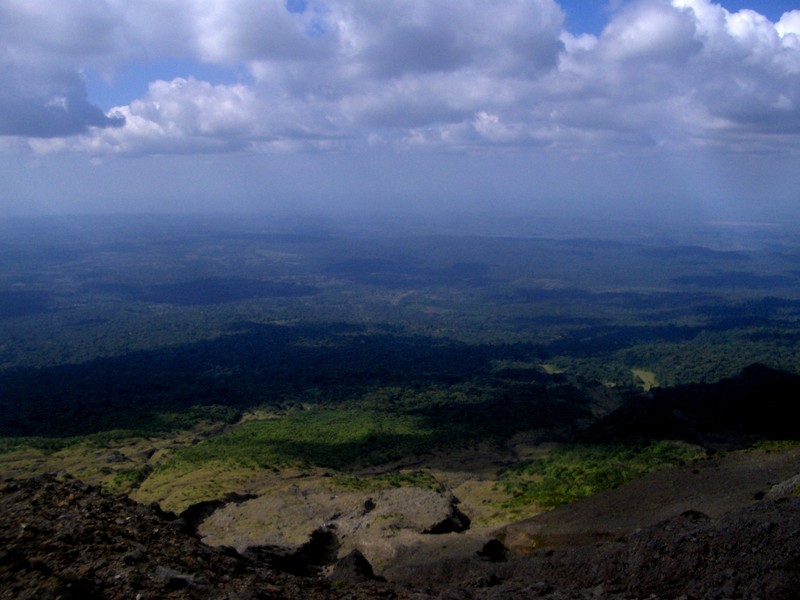
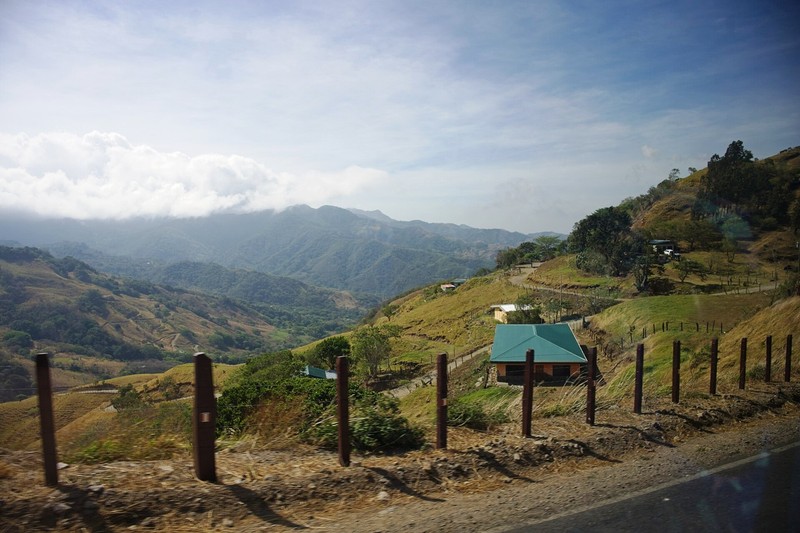
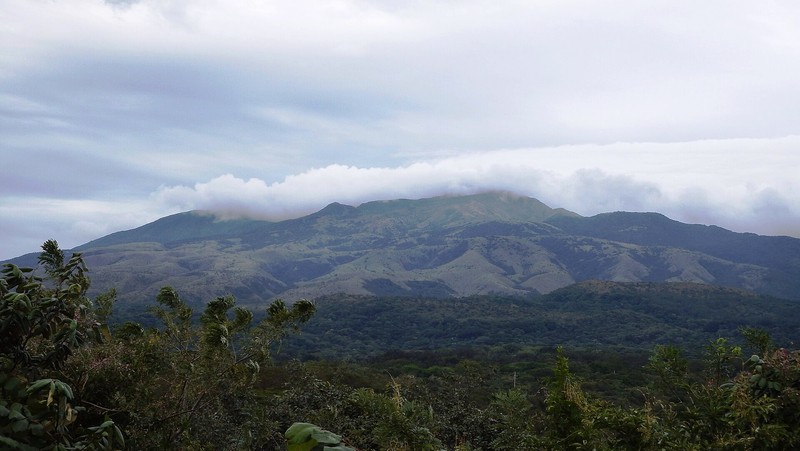
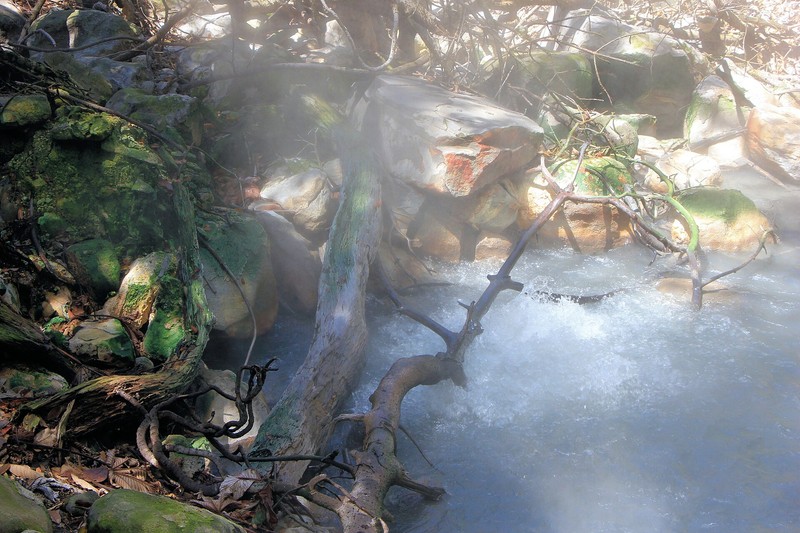
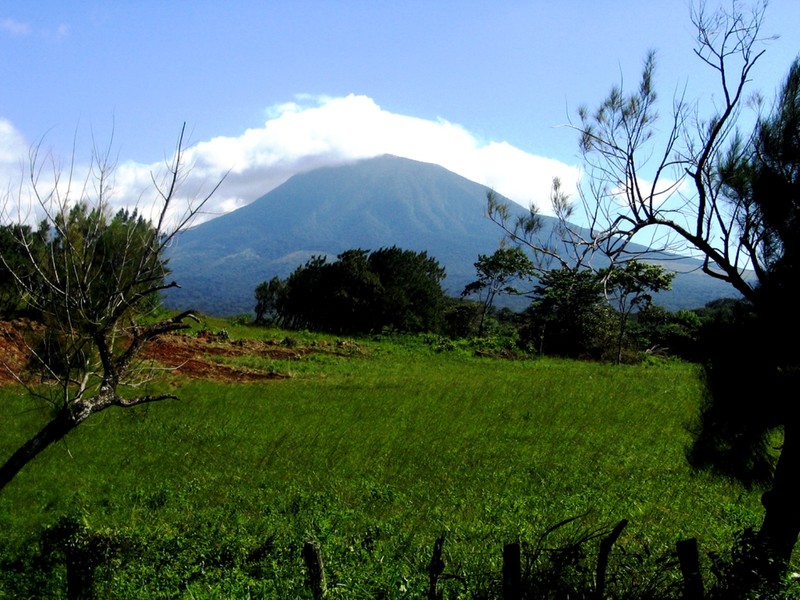
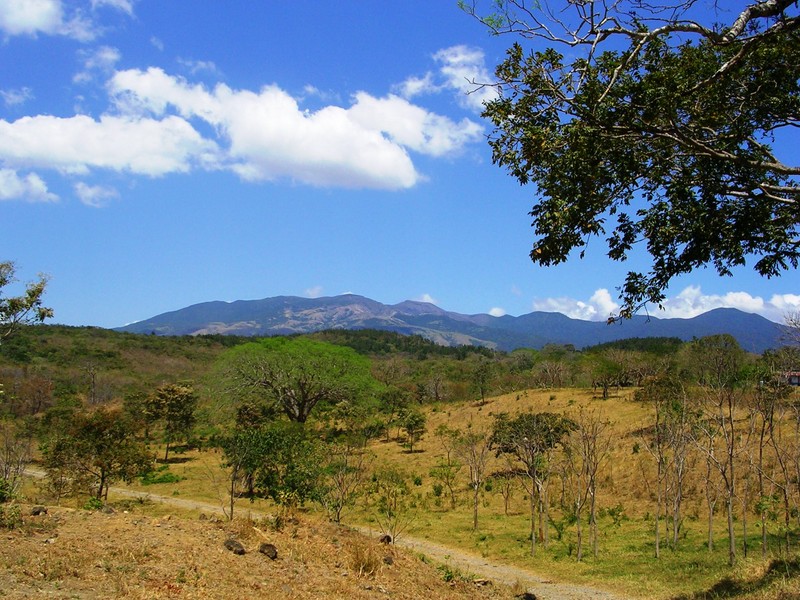
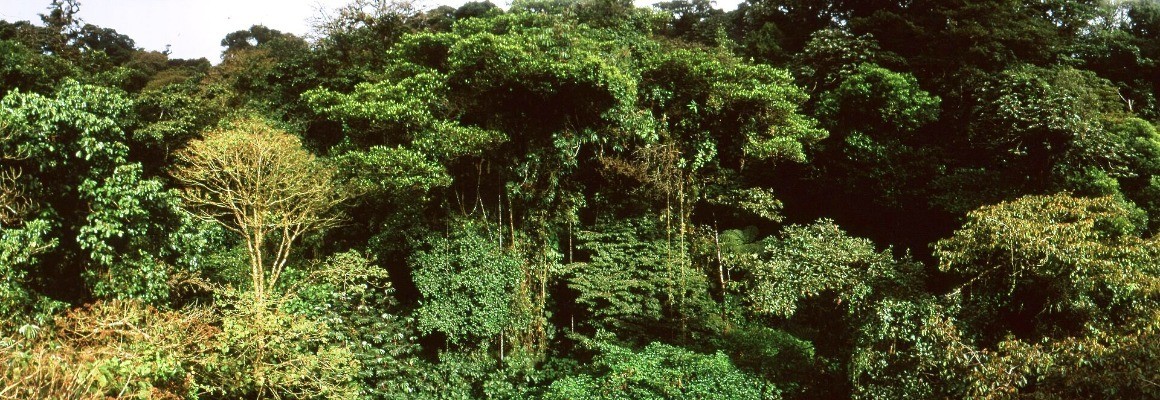
Rincón de la Vieja National Park lies in northwestern Costa Rica, in Guanacaste Province, and protects a large area around the active volcanic massif of the same name. The park is known for fumaroles, boiling mud pots, hot springs, waterfalls and tropical forests. Visitors can observe volcanic activity and explore ecosystems ranging from dry forest to humid and cloud forest.
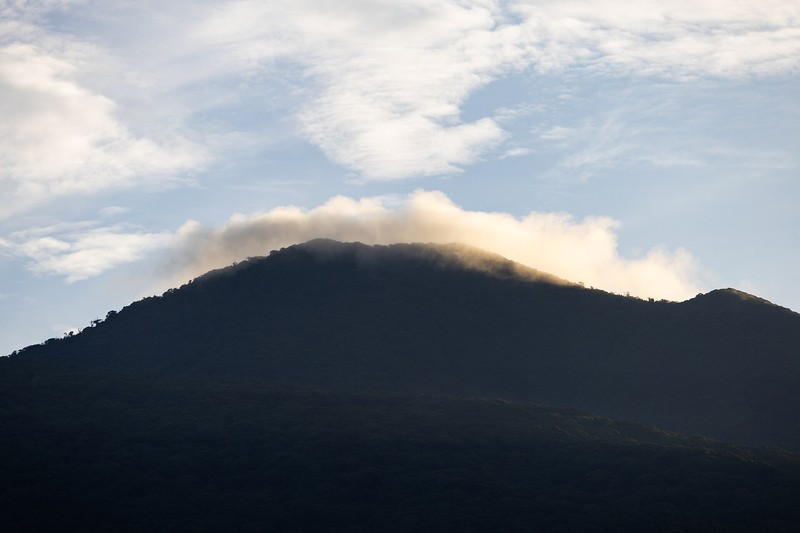
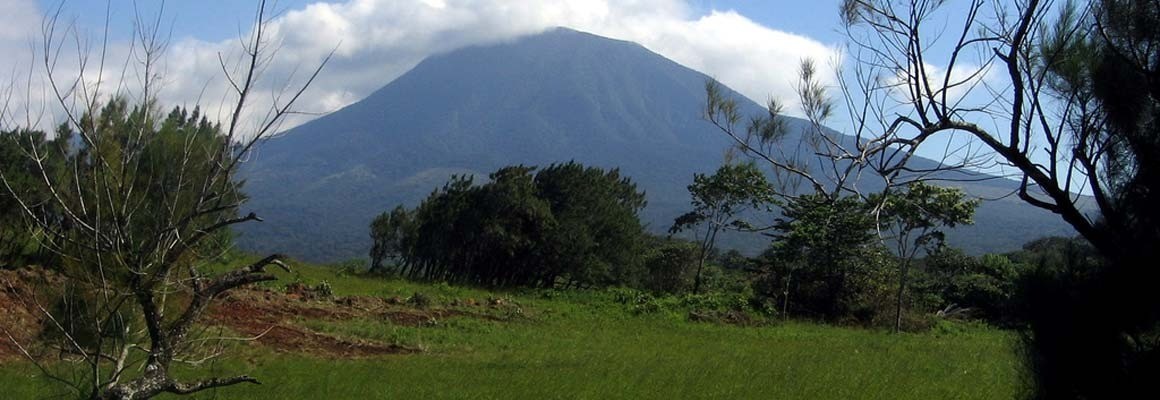
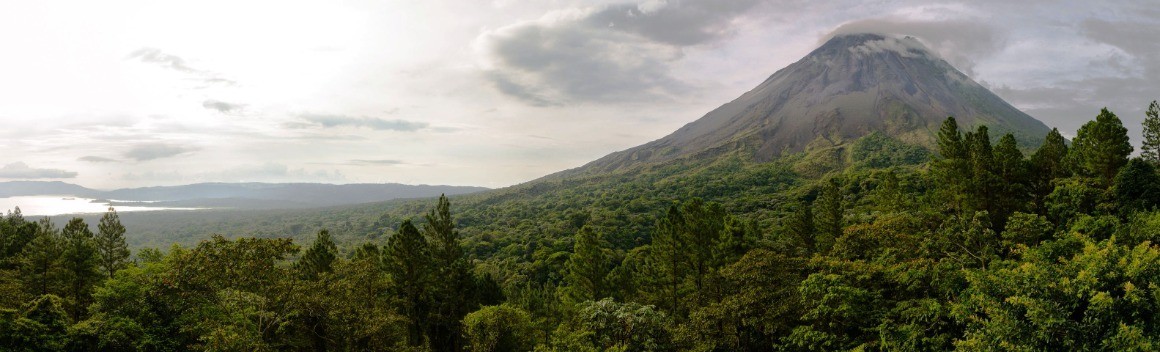
Rincón de la Vieja Volcano
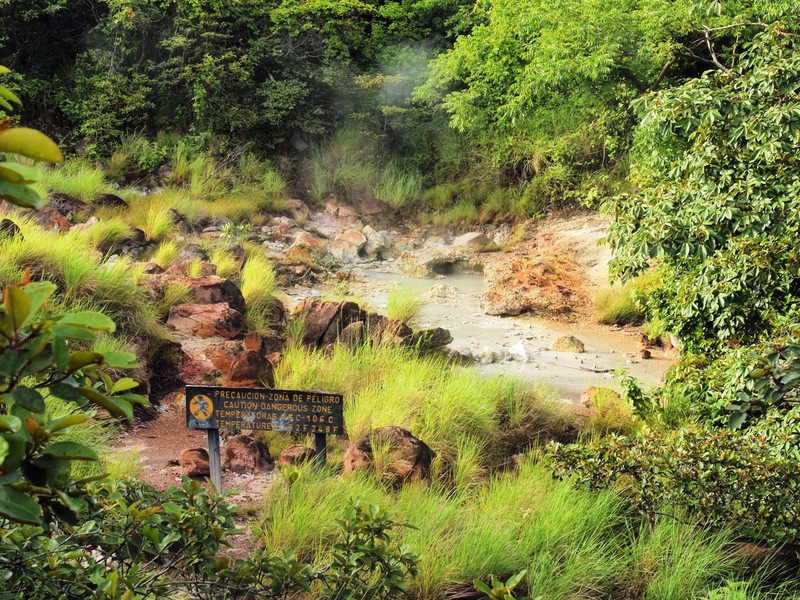
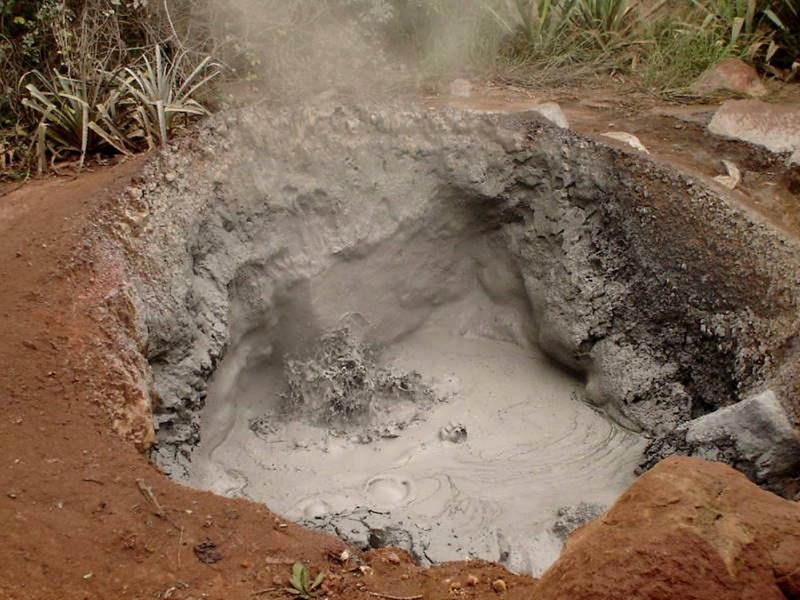
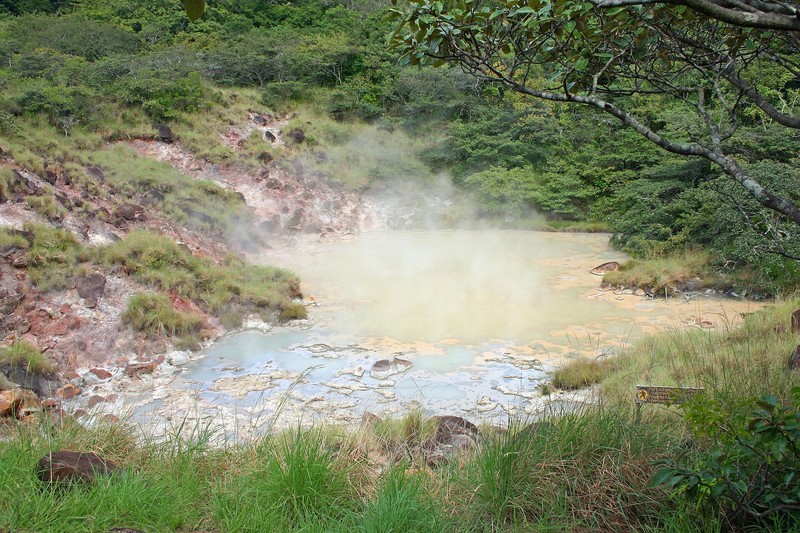
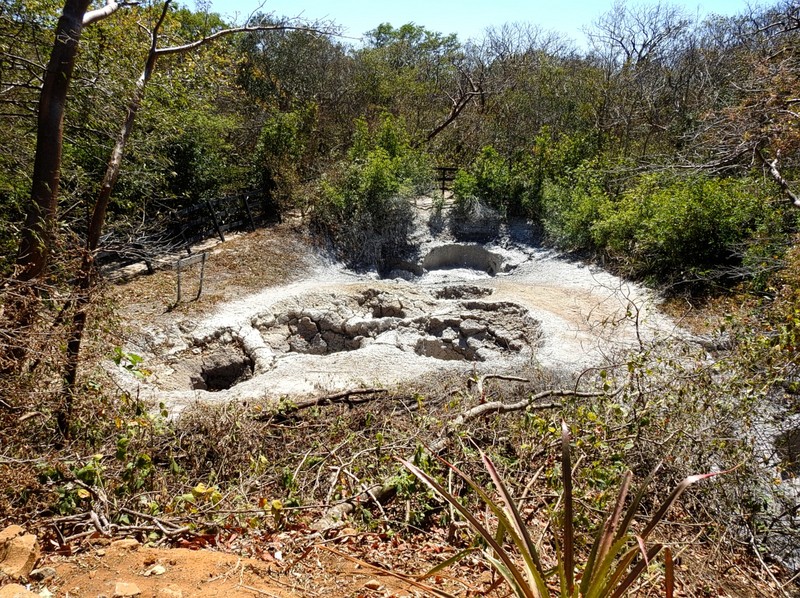
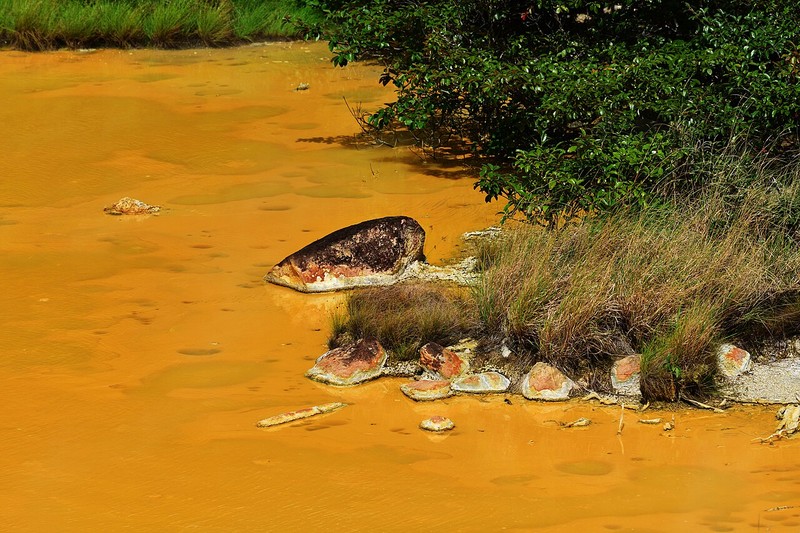
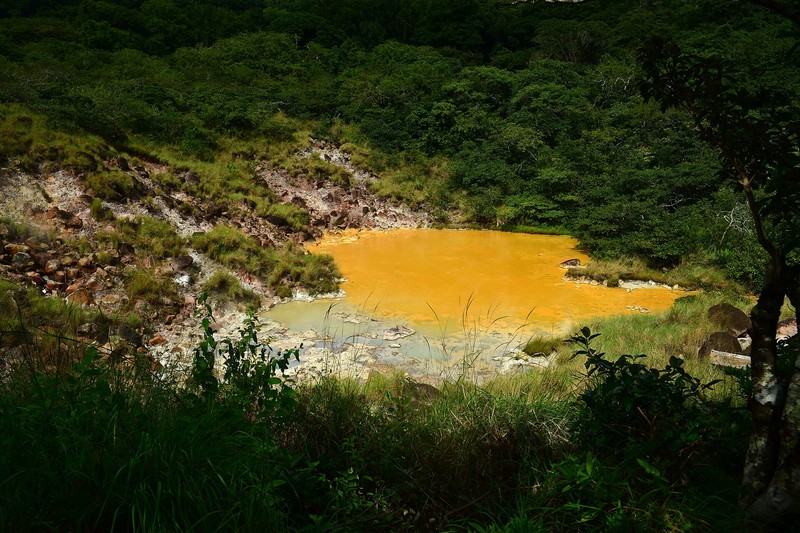
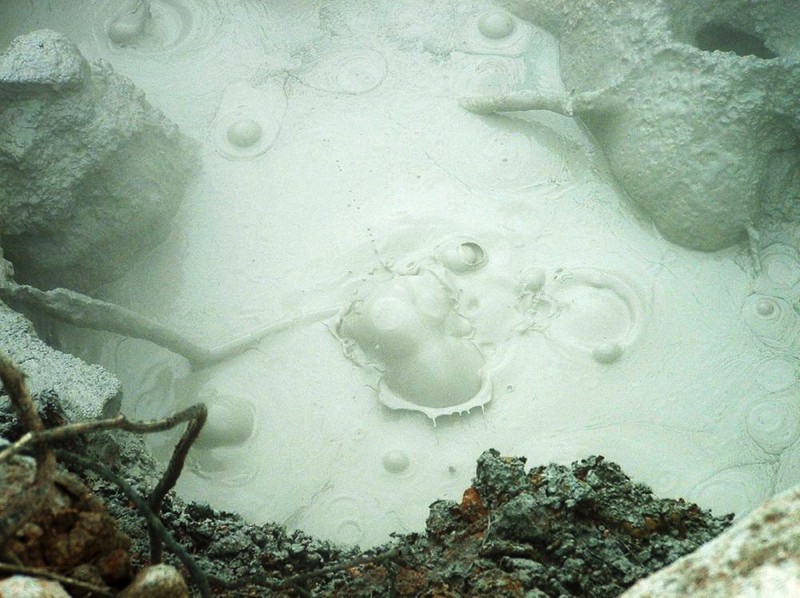
The volcano is part of a massif containing nine volcanic cones. Its activity is visible in steam and gas emissions, heated ground, and bubbling mud and water pools. These features are especially accessible in the Las Pailas sector, where marked trails pass through the geothermal landscape.
Temperatures in some mud and water pools can exceed 100°C. Stay on marked paths and follow park staff instructions at all times.
Las Pailas Sector
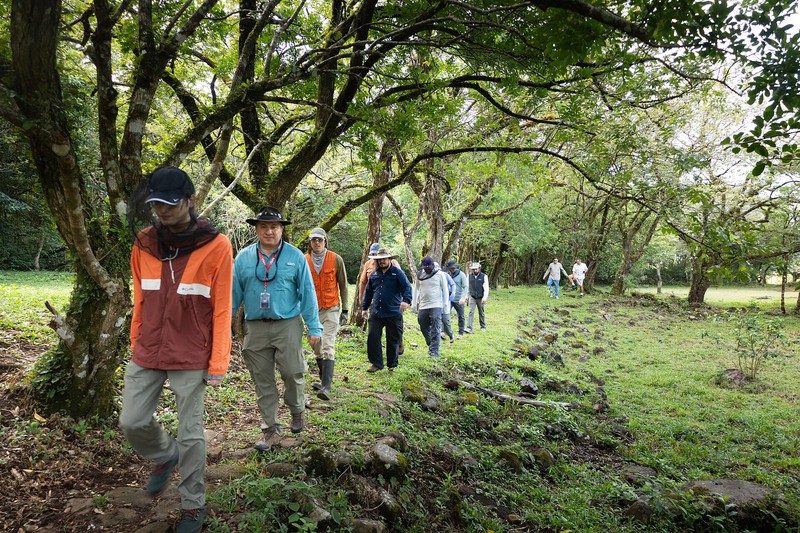
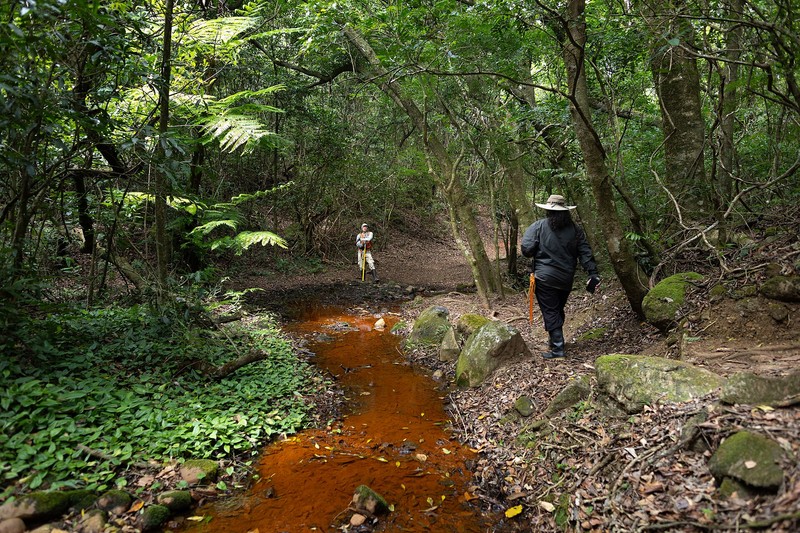
Las Pailas is one of the park's main visitor sectors and a popular place to see volcanic features. The Las Pailas circular trail is about 3 km long and usually takes around two hours. Along the way, visitors can see fumaroles, mud pots, hot pools and forest sections where dry vegetation gradually gives way to humid tropical forest.
La Cangreja and Escondida Waterfalls
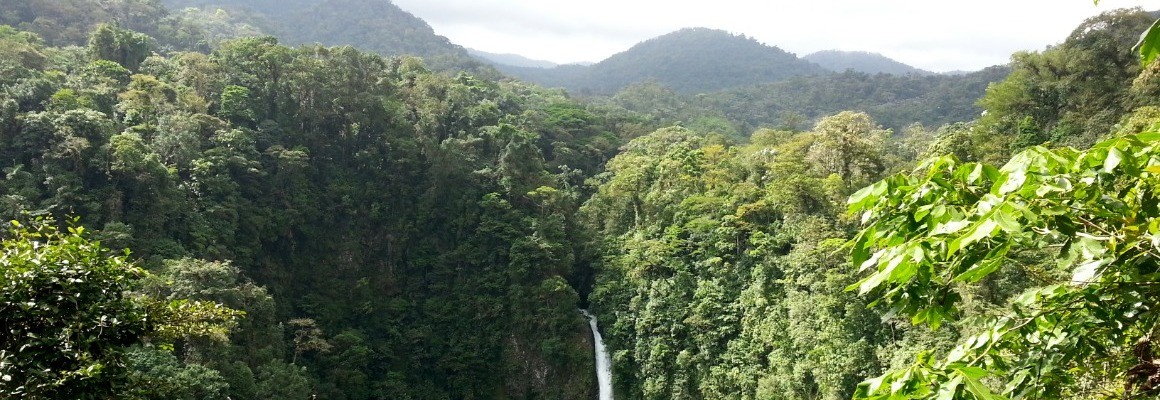
La Cangreja Waterfall is known for the turquoise color of the natural pool at its base. It lies about 5 km from the trailhead one way. Escondida Waterfall is approximately 4.3 km along its trail, which is considered more difficult because of the climbs. Access may depend on weather and park management decisions. Swimming at these waterfalls is not permitted.
Santa María Sector
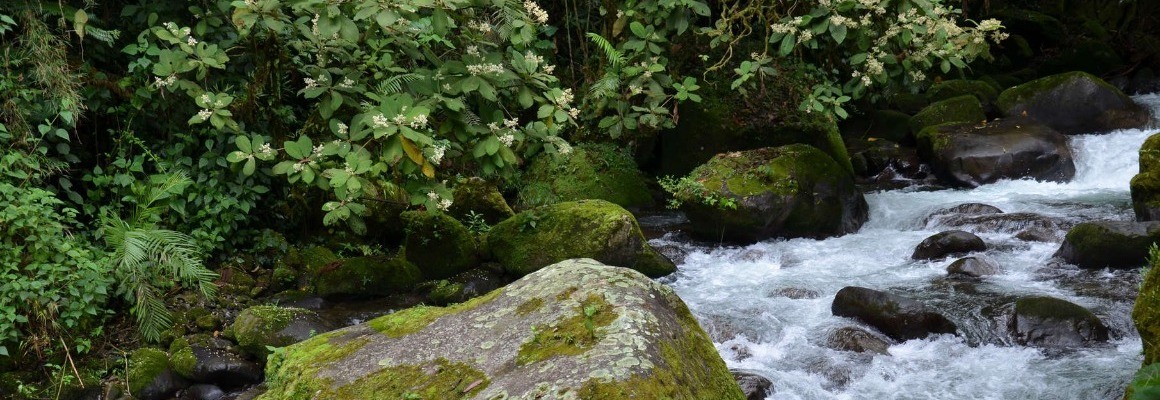
Santa María is the park's other main visitor sector. Its attractions include forest trails, natural pools, hot springs and the waterfalls of the Enchanted Forest. It offers a different experience from Las Pailas, combining woodland scenery with water features. Facilities and trail access can change, so check current conditions before visiting.
Plants and Wildlife
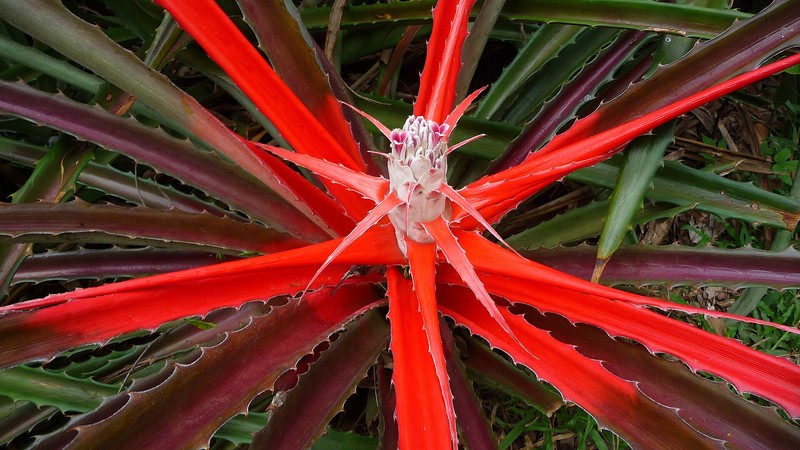
Differences in elevation and moisture support several ecosystems, including tropical dry, humid and cloud forests. The park provides habitat for many birds, mammals, reptiles and insects. Visitors may spot monkeys, agoutis and colorful tropical butterflies, although sightings are never guaranteed. Do not feed wildlife or approach animals.
Hiking Trails and Safety
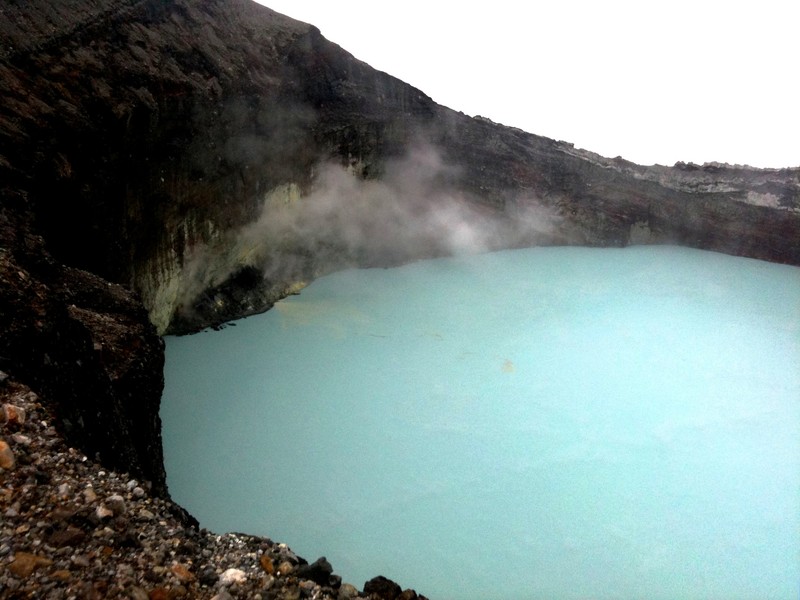
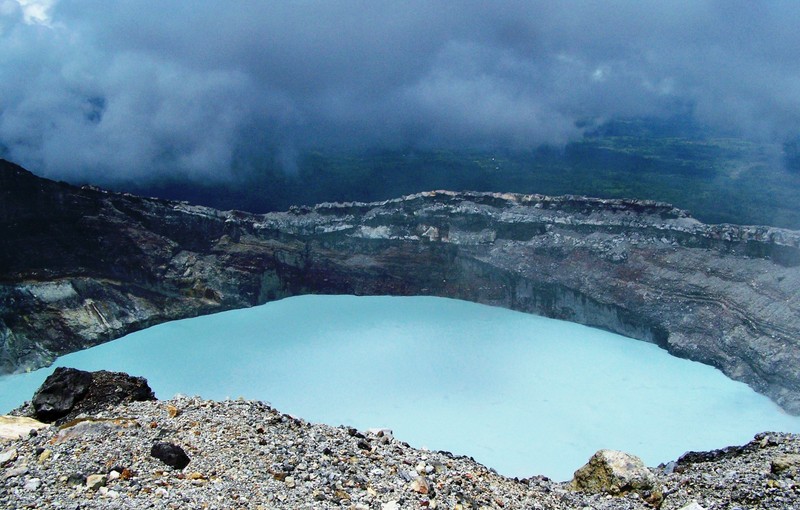
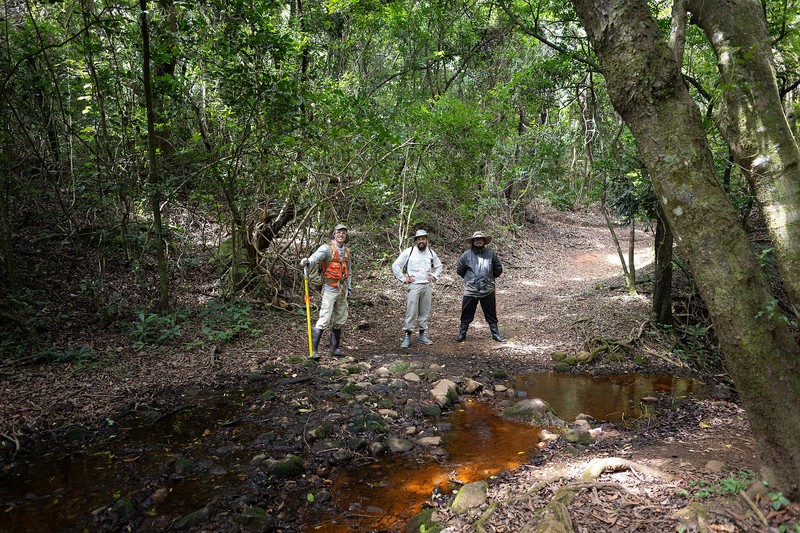
Trails vary in length and difficulty. The Las Pailas loop is suitable for a relatively short walk, while waterfall hikes require several hours. The route to the active crater is strenuous and may be closed because of volcanic activity. Always check its current status before planning a hike.
Wear closed shoes with good grip and bring drinking water and rain protection. Trails can become slippery during the rainy season. Never leave marked paths or approach boiling pools and volcanic gas vents.
Best Time to Visit
The dry season in Guanacaste generally runs from December to April, while the rainy season lasts from May to November. Trails are often easier to walk during the dry months. In the rainy season, morning visits are advisable because showers are more likely later in the day.
How to Get There
The park is in Guanacaste Province, near the city of Liberia. Visitors usually reach Las Pailas through the village of Curubandé, while Santa María has a separate access route. Check road conditions and the opening schedule for your chosen sector, and obtain admission through the official SINAC booking system.
Visitor Tips
Rincón de la Vieja combines volcanic landscapes, forests, waterfalls and hiking opportunities. Do not leave litter, remove plants or rocks, feed animals or stray from marked trails.
Gallery