Udong is a historic town and former royal capital of Cambodia, located about 35–40 kilometres northwest of Phnom Penh. Today it is one of the country's important historical and religious sites. Its main landmark is Phnom Udong, also known by the Khmer name Phnom Preah Reach Troap. Buddhist stupas, shrines and monuments connected with Cambodia's royal history stand on its hills. Udong attracts visitors with its old architecture, religious traditions and panoramic views across the surrounding plain.
History of Cambodia's Former Capital
Udong became Cambodia's capital in 1618 during the reign of King Jayajetha II. Following political upheavals and the decline of the earlier capital of Longvek, the town developed into an important centre of royal authority, trade and Buddhism. Its location was not accidental: the sacred mountain served as a symbolic centre, while proximity to the Tonle Sap River connected the city to trade routes and other settlements.
For the following centuries, Udong remained a royal residence and an important political centre. In 1866, the royal court moved to Phnom Penh, which eventually became the country's modern capital. Although Udong lost its political role, it retained its religious significance and memory of the royal past. Archaeological finds show that the area's history began long before the seventeenth-century capital was established, with objects and architectural remains from pre-Angkorian and Angkorian periods.
Phnom Udong Mountain
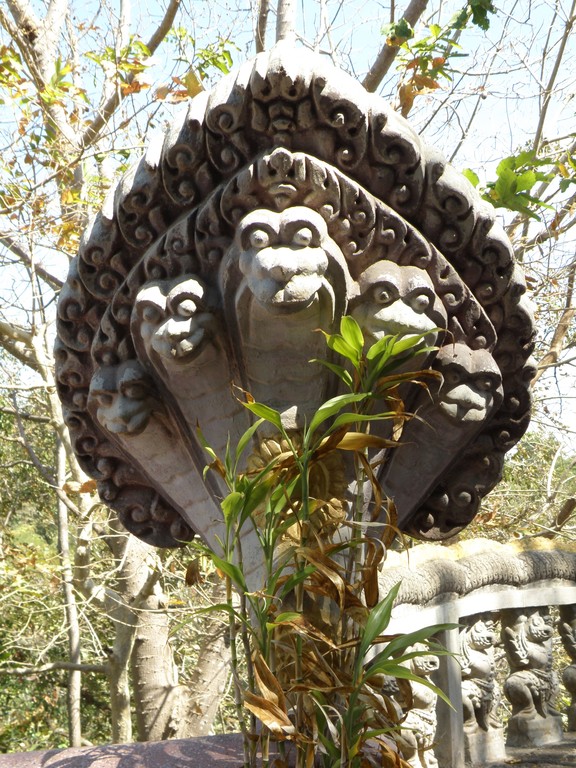
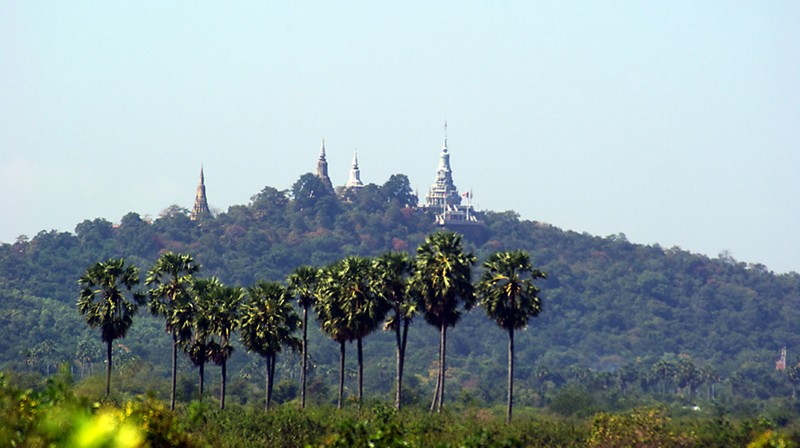
Phnom Udong is the central landmark of the historic complex. It consists of several hills connected by a ridge lined with stupas, shrines and Buddhist monuments. Although relatively low, the hill stands out across Cambodia's flat landscape and holds special spiritual significance.
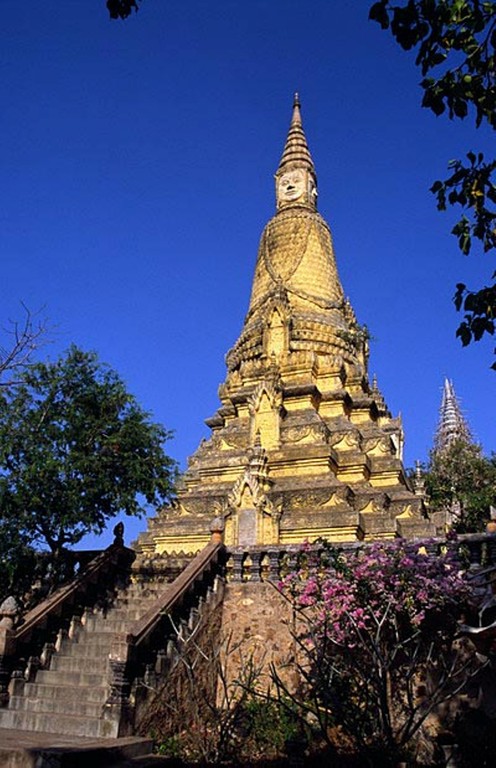
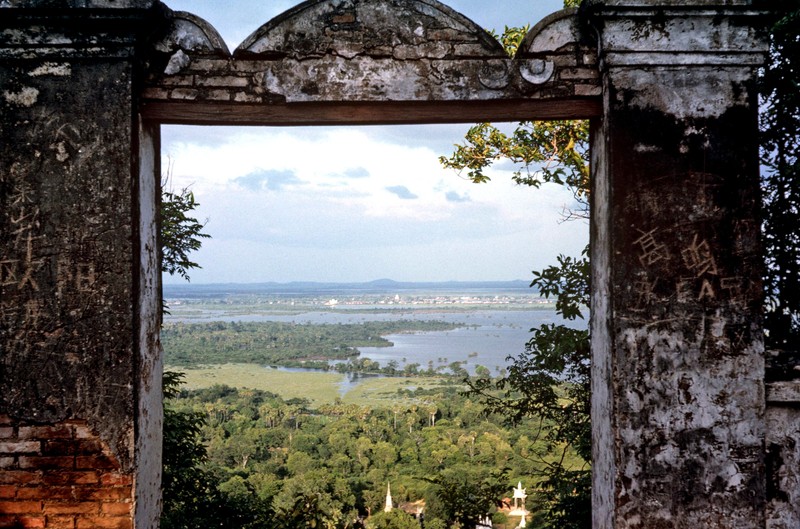
The stairway climbs past religious buildings and small shrines. As visitors ascend, views open over rural settlements, rice fields, roads and green plains. For many people, walking across the hill is not only a way to explore history but also an opportunity to see everyday rural Cambodian life from above.
Royal Stupas and Tombs
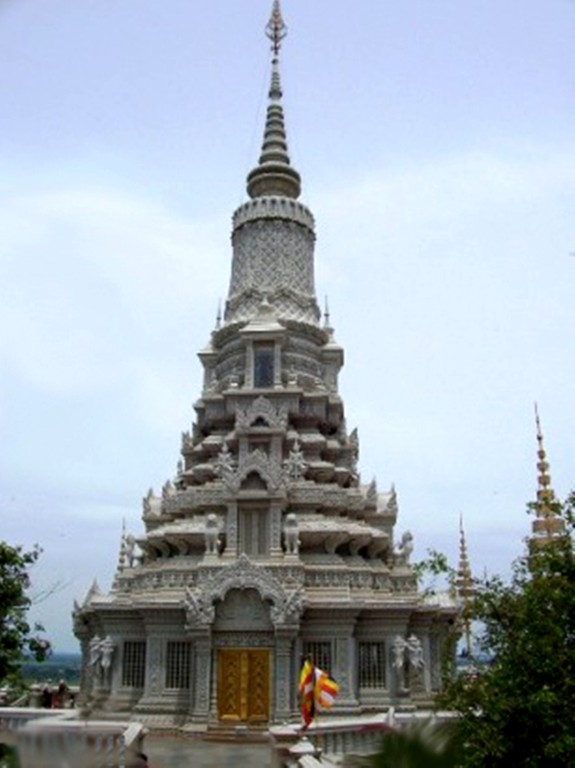
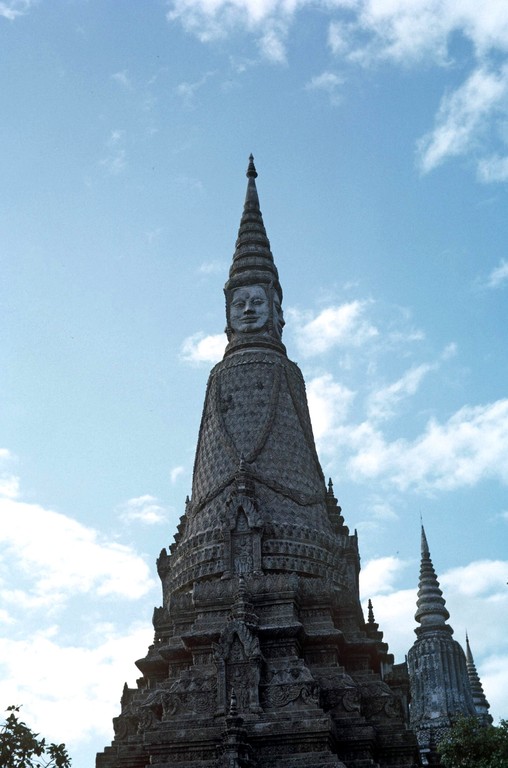
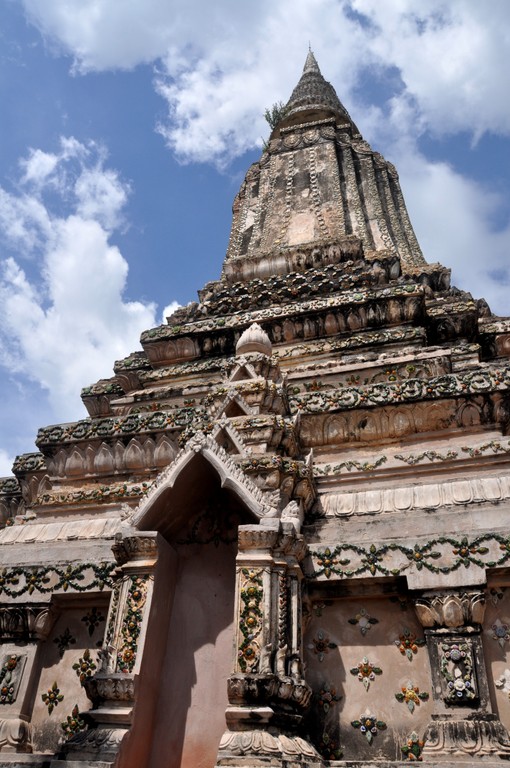
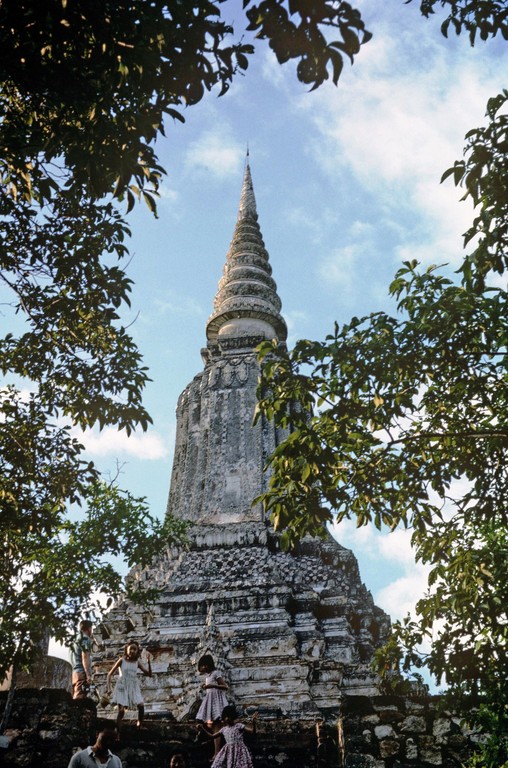
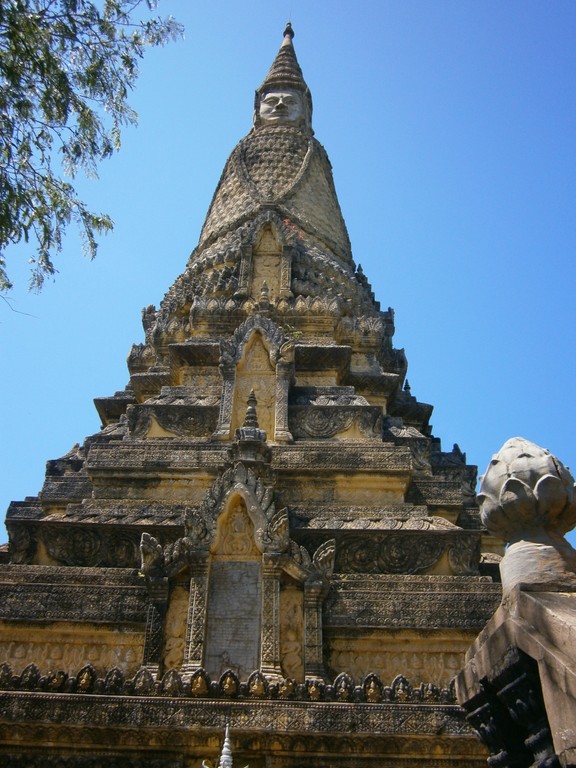
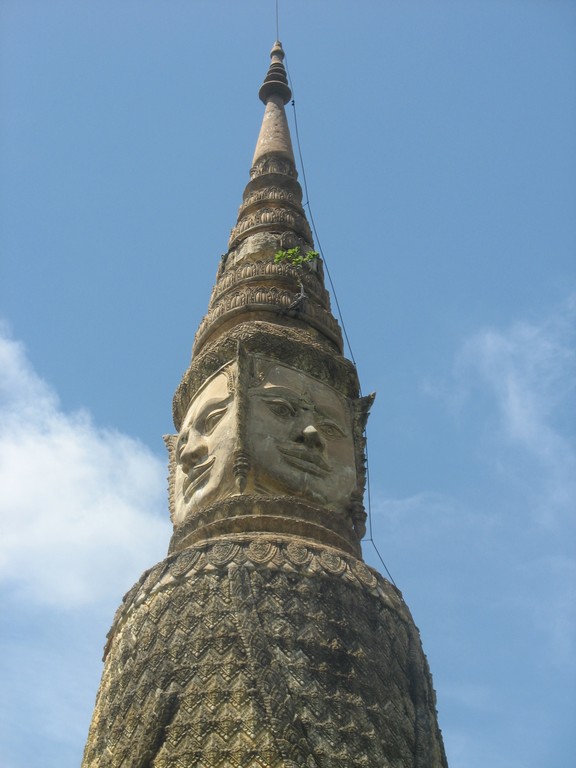
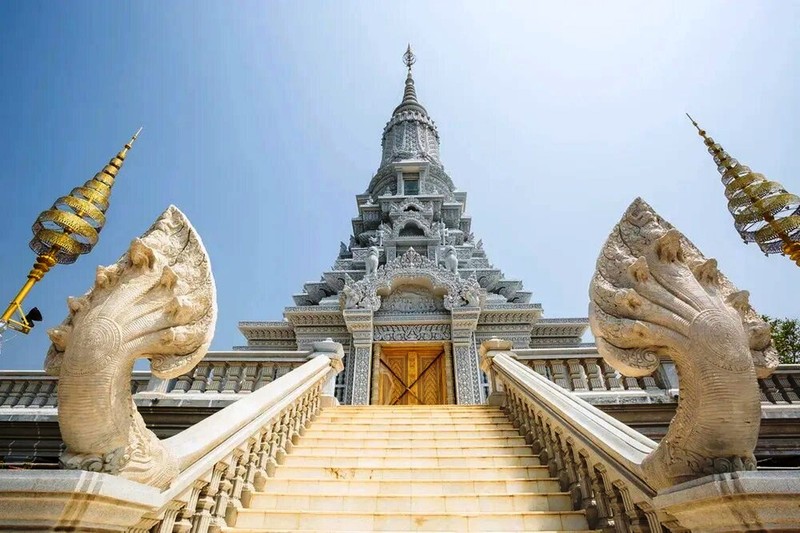
One of Udong's most distinctive features is its collection of stupas built in memory of rulers and members of the royal family. Descriptions of the site record about 16 historic stupas across the complex, some on hilltops and others at the foot of the hills. They differ in shape, size and decorative details, reflecting Buddhist architectural traditions and royal burial customs.
The stupas do more than define the mountain skyline: they make Udong an important memorial to several generations of monarchs. Some monuments are associated with King Ang Duong and other members of the dynasty. For Buddhists, they are also sacred places where visitors are expected to behave respectfully and maintain a calm atmosphere.
The Great Stupa and the Buddha Relic
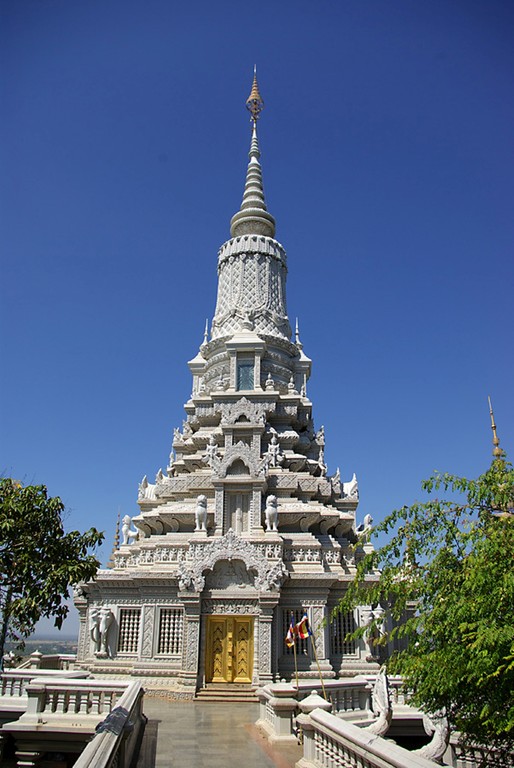
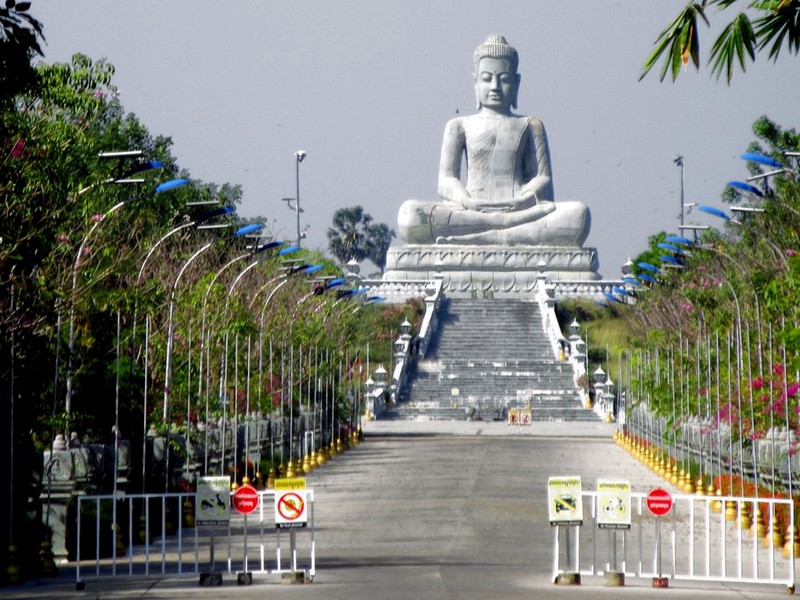
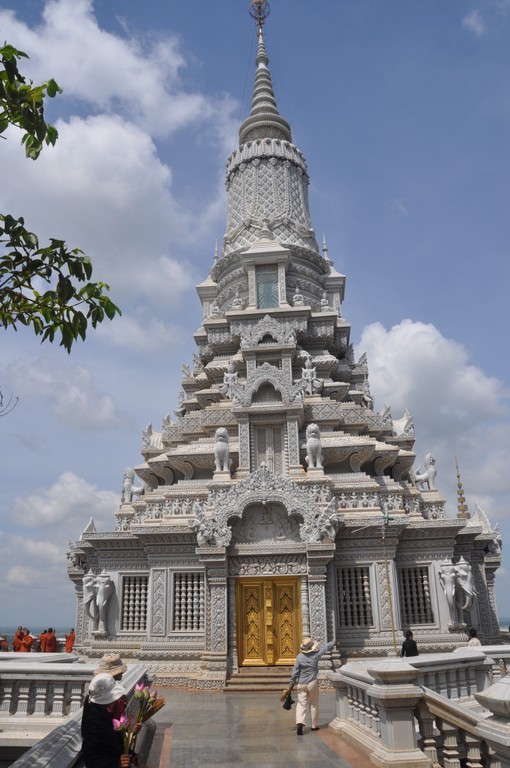
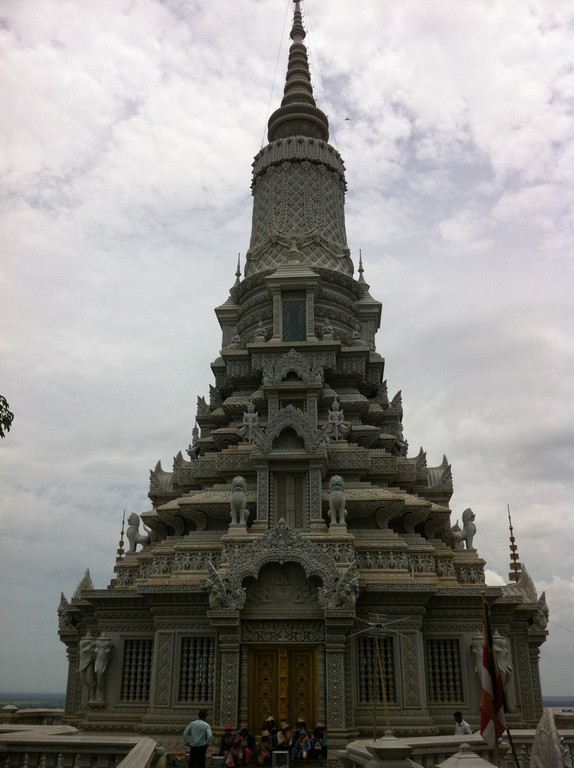
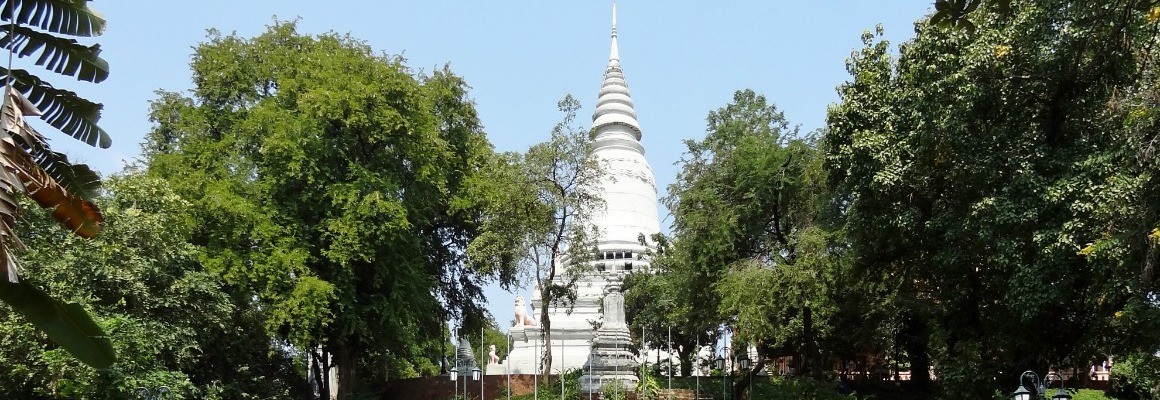
One of the most prominent structures along the ridge is a large white stupa built to house a Buddhist relic, described as sacred remains of the Buddha. Its construction is associated with King Norodom Sihanouk and Queen Norodom Monineath. The relic was transferred here from Phnom Penh in the early 2000s, further strengthening the mountain's importance as a pilgrimage destination.
The bright stupa stands out against the green slopes and can be seen from several parts of the complex. Its design follows traditional forms of Buddhist memorial architecture. Visitors can view it from outside and explore other religious monuments along the ridge. It is important to remember that this is an active sacred site, not simply a tourist attraction.
Vihear Preah Athaross Sanctuary
Among Udong's important monuments is Vihear Preah Athaross, a sanctuary named after an image of the Buddha measuring 18 cubits. The historic building suffered serious damage during conflicts in the twentieth century. Architectural elements and parts of the large Buddha image survived, bearing witness to the monument's difficult past.
Following extensive restoration, the Preah Vihear Athaross Museum opened here in 2026. Its exhibits include religious objects, Buddha images and artefacts connected with Udong's history. A visit helps explain how royal history, Buddhist tradition and modern heritage conservation come together at this site.
Religious Diversity and Ancient Remains
Although Udong is now primarily regarded as a Buddhist centre, archaeological finds reveal a more diverse religious history. Objects associated with Hindu worship have been found here, including an image of Nandi, the sacred bull associated with Shiva. Other discoveries include a Buddha image on a naga and artefacts from different periods of Cambodian history.
Remains of a small Muslim shrine associated with the Cham community survive on one of the hills. Such monuments show that Udong was not only a royal residence but also a meeting place for different cultures and religious traditions. Some archaeological remains are fragmentary, so they are best understood as part of the wider historic landscape.
Udong as a Trading and Cultural Centre
At the height of its importance, Udong was not only a political capital but also a major trading centre. Its proximity to the Tonle Sap River connected the town with other parts of Cambodia and overseas merchants. Historical sources mention trade in rice, silk, pepper, wax, resins, metals and other goods. People from several communities lived in the city, including Chinese, Cham, Japanese and Europeans.
Traces of the old economic system survive in local place names, archaeological discoveries and traditional crafts in the surrounding area. The artisans of Kampong Luong are particularly known for silverwork and traditional designs. Visiting nearby settlements can complement a trip to the mountain with an introduction to local crafts and rural life.
Panoramic Views and Walks
One reason to visit Udong is the chance to climb the hills and look across the surrounding plain. From the top, visitors can see fields, villages, occasional water bodies and rural roads. On clear days, the landscape is especially striking, with green areas alternating with golden fields and rows of palms.
The main route includes a long staircase with more than 500 steps. Climbing can be tiring in hot weather, so it is best to move at a comfortable pace and rest in the shade. In some cases, a road may provide access closer to the upper part of the complex, although availability should be checked locally. Allow several hours to explore the principal monuments.
Best Time to Visit
The dry season, usually from November to April, is often preferred for visiting Udong. Rain is less frequent, and paths and steps are generally more comfortable for walking. Daytime temperatures can be high during the hotter months, making early morning or late afternoon a more pleasant time to visit.
During the rainy season, the surrounding vegetation becomes especially green, but wet steps can be slippery. Weather also affects visibility from the summit. Whatever the season, bring water, a hat and sun protection.
How to Get to Udong
Udong lies about 35–40 kilometres northwest of Phnom Penh. The journey usually follows National Road 5 and takes around an hour or slightly longer depending on traffic. Visitors can travel by taxi, rental car or organised excursion from the capital.
Public transport in this direction may require transfers and does not always stop directly at the mountain entrance. If travelling independently, arrange return transport in advance. Visits to Udong are often combined with stops at nearby rural settlements and craft workshops.
Travel Tips
Wear comfortable shoes with good grip and bring drinking water for the climb. There is limited shade in exposed areas, so a hat and sunscreen are useful. Climbing is usually easier in the morning or evening than in the middle of the day.
Udong remains an active religious centre. When visiting stupas and shrines, dress respectfully, speak quietly and avoid disturbing people who have come to pray. Do not remove pieces of historic structures or leave rubbish behind. Respectful behaviour helps preserve this place, where Cambodia's royal history remains closely connected with the country's spiritual life today.
Gallery