A major centre of Khmer art
The National Museum of Cambodia is one of the country's most important cultural institutions. Its collection includes archaeological finds, stone sculptures, bronze figures, ceramics and ethnographic objects from prehistoric times through the pre-Angkorian, Angkorian and post-Angkorian periods.
History and architecture
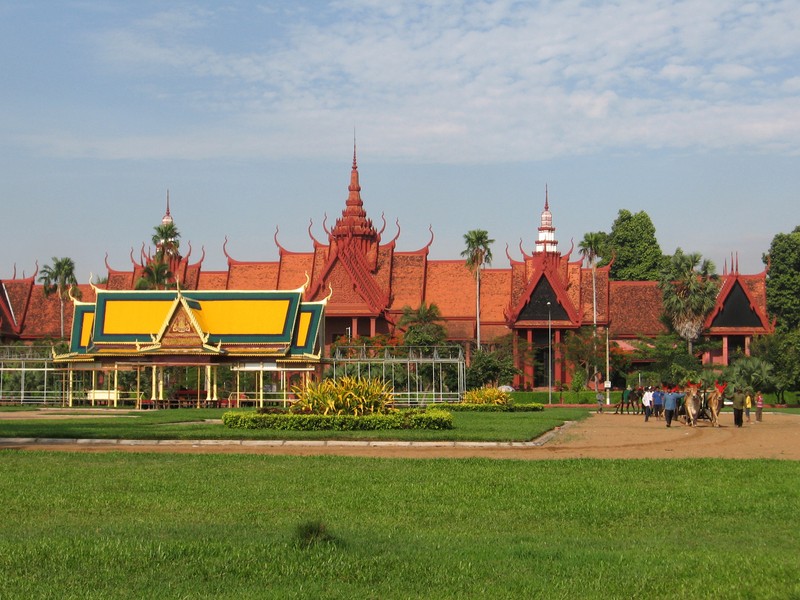
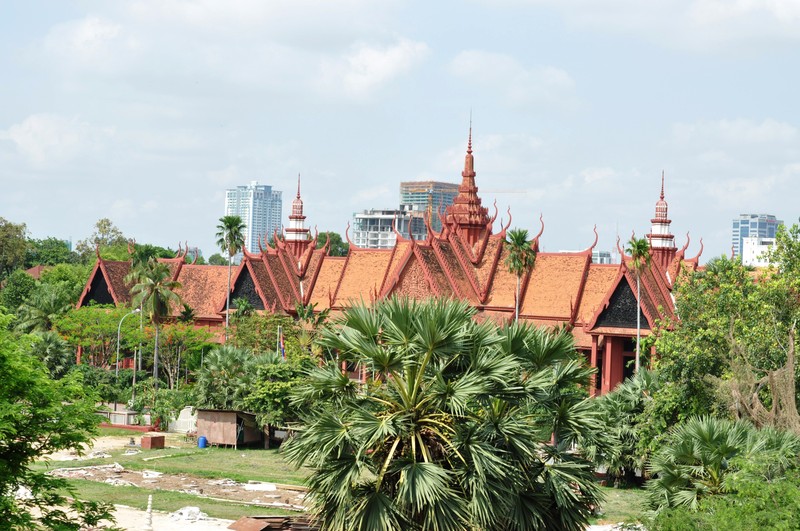
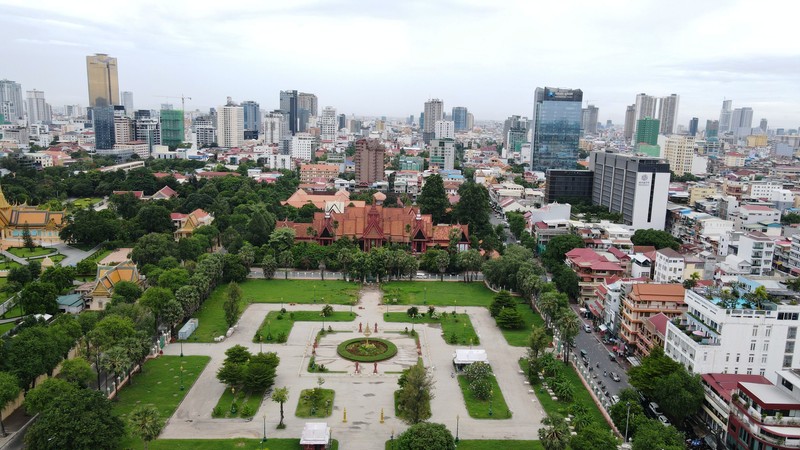
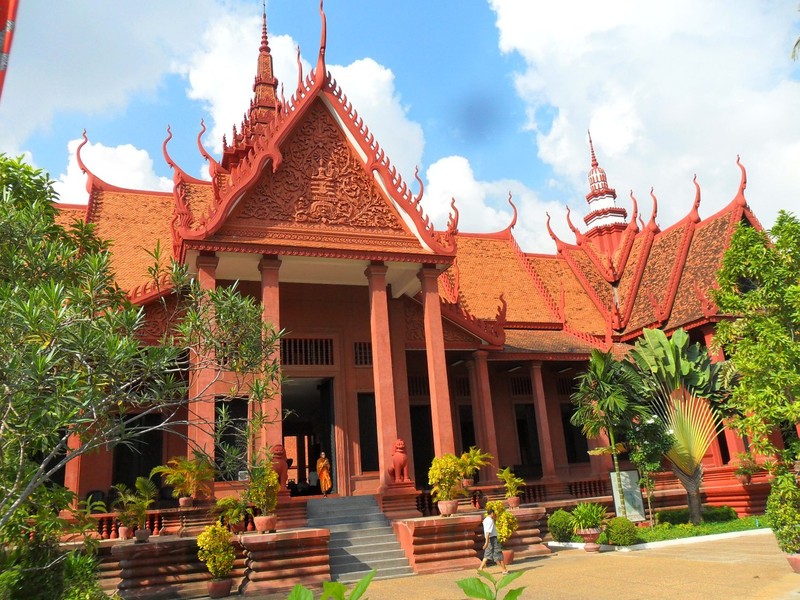
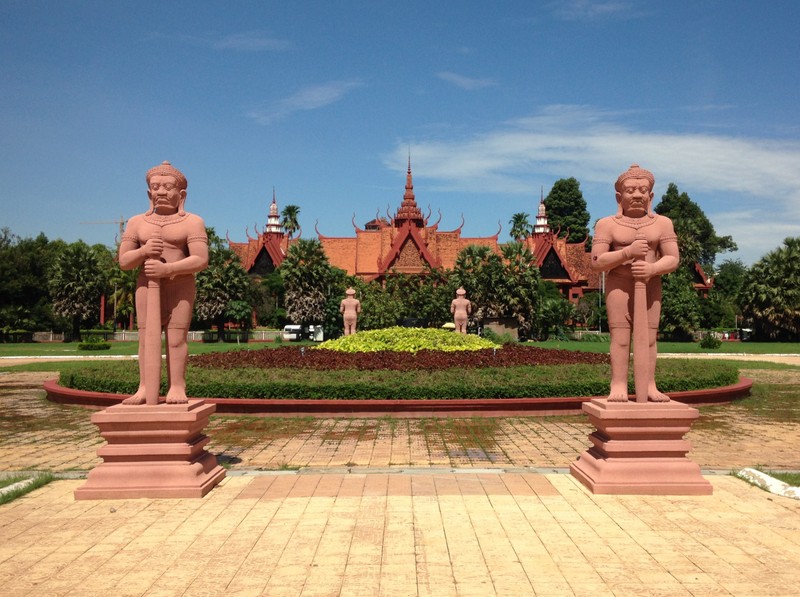
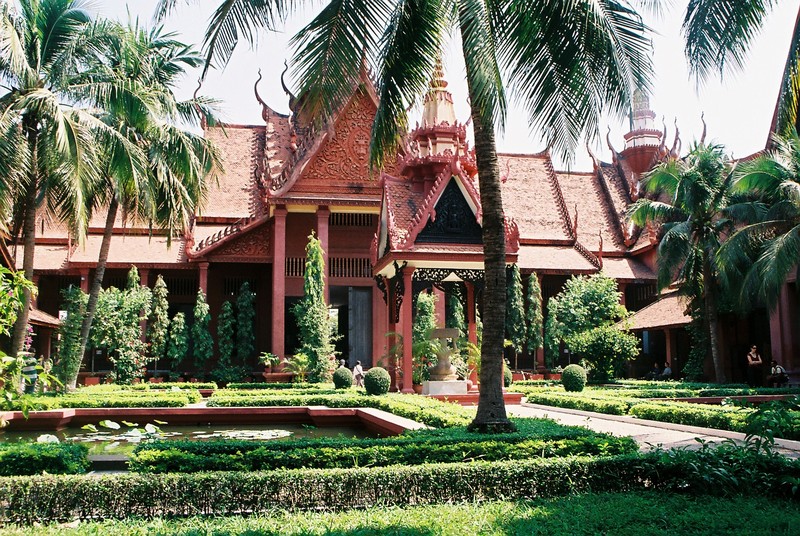
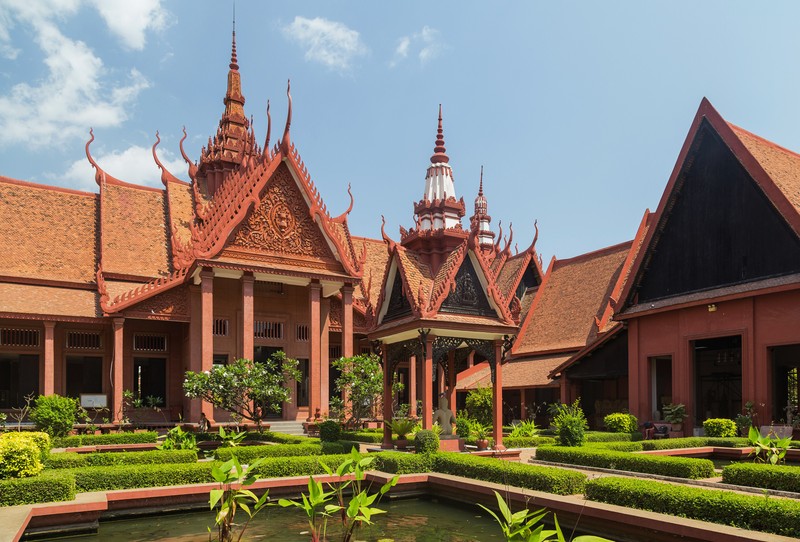
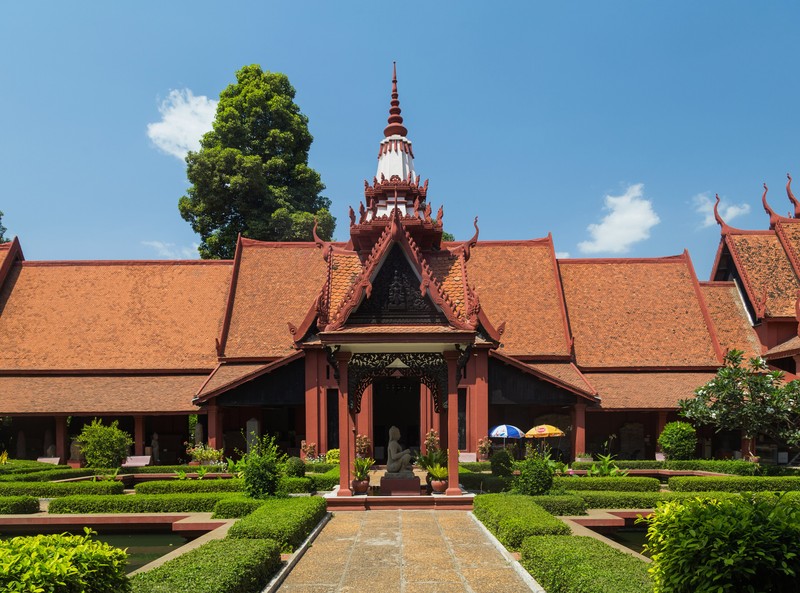
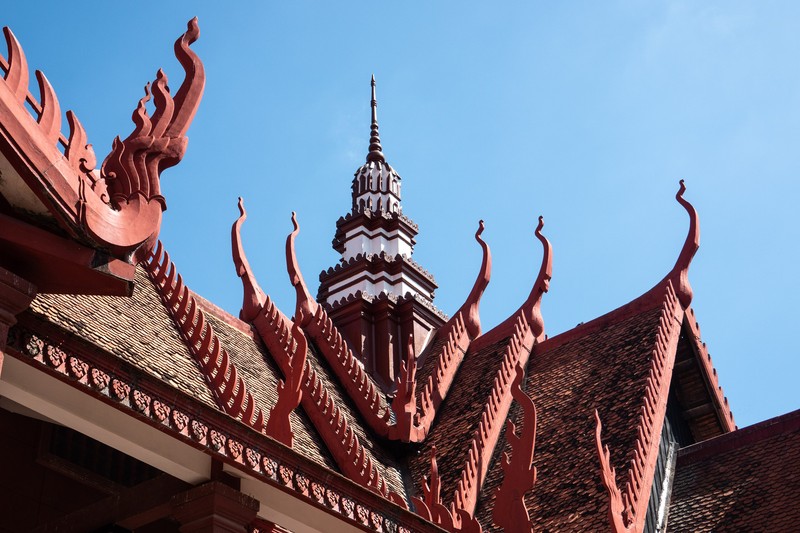
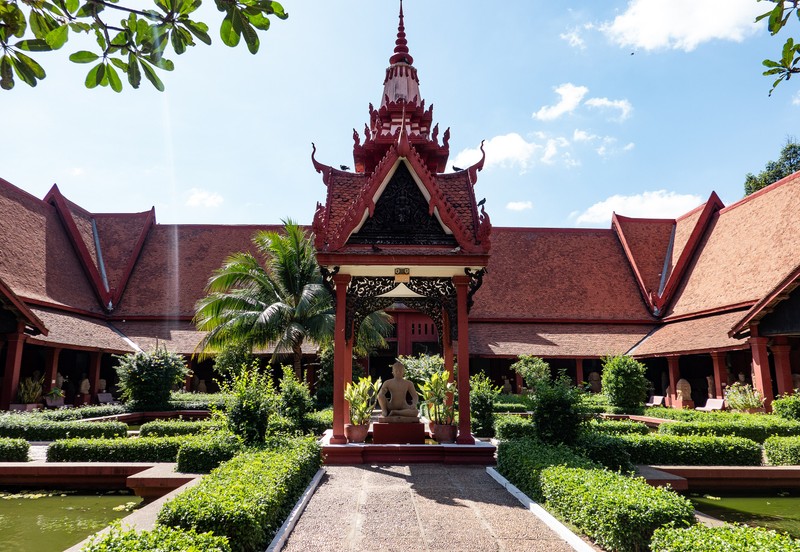
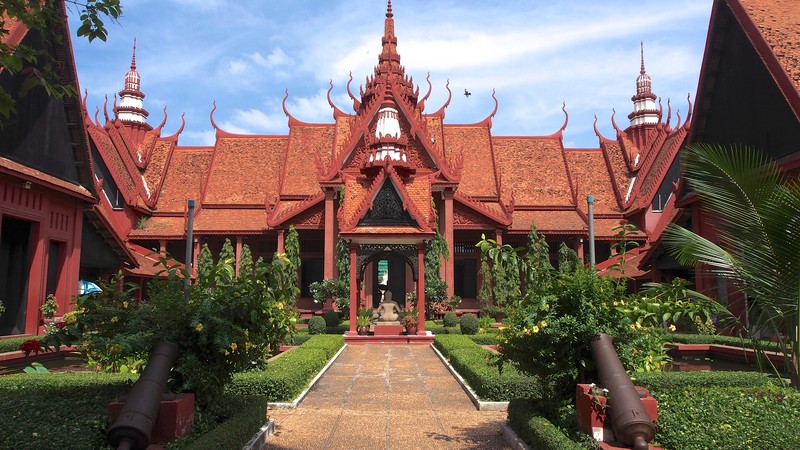
The museum officially opened in 1920, and its buildings were constructed between 1917 and 1924. Inspired by traditional Khmer temple architecture, the terracotta-red complex features galleries and courtyards in central Phnom Penh.
After Cambodia's cultural institutions suffered severe disruption under the Khmer Rouge, the museum resumed its work. Today, its responsibilities include preserving collections, promoting understanding of Khmer heritage and helping recover cultural objects illegally taken from the country.
Collections and notable works
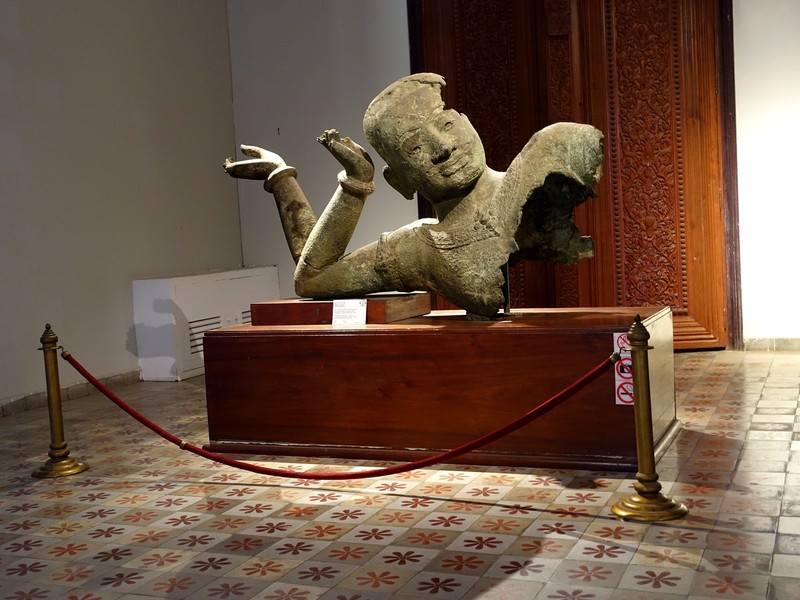
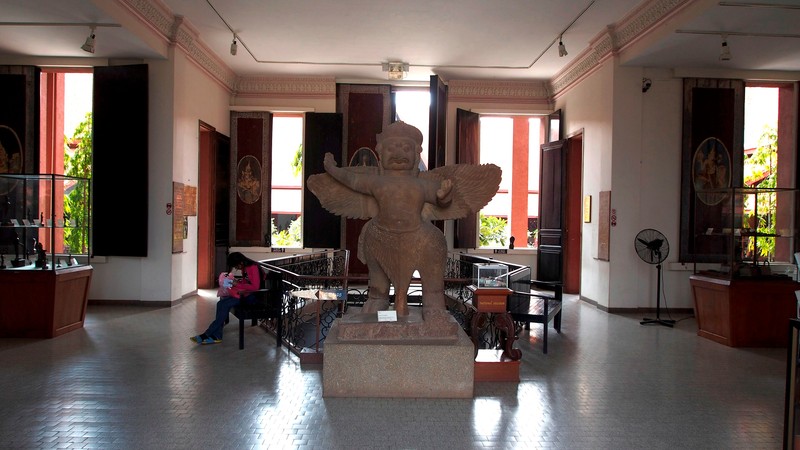
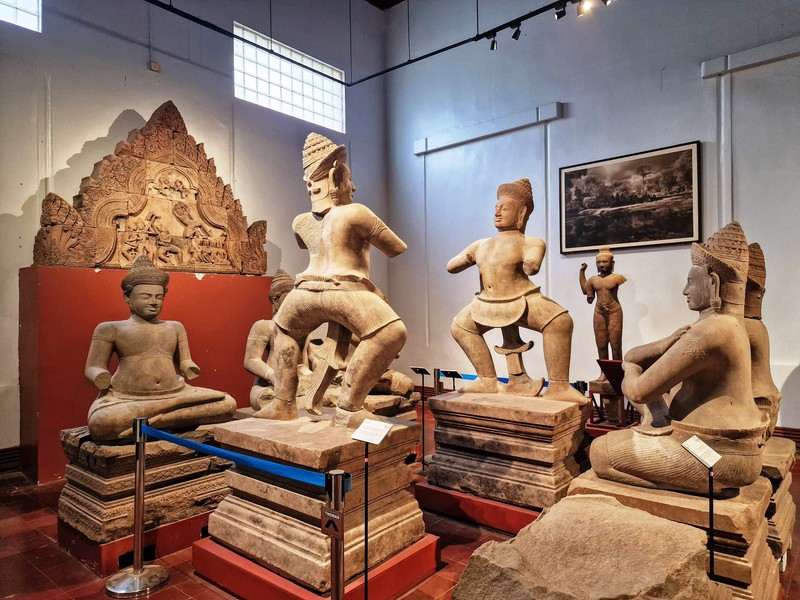
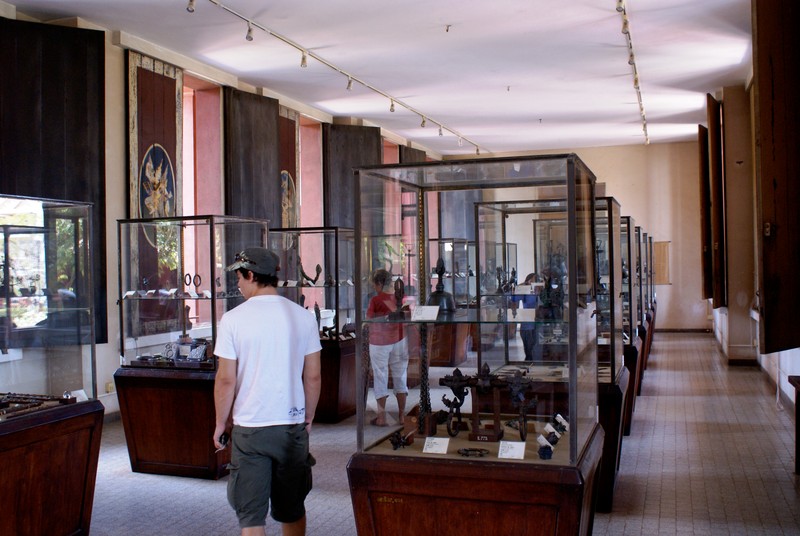
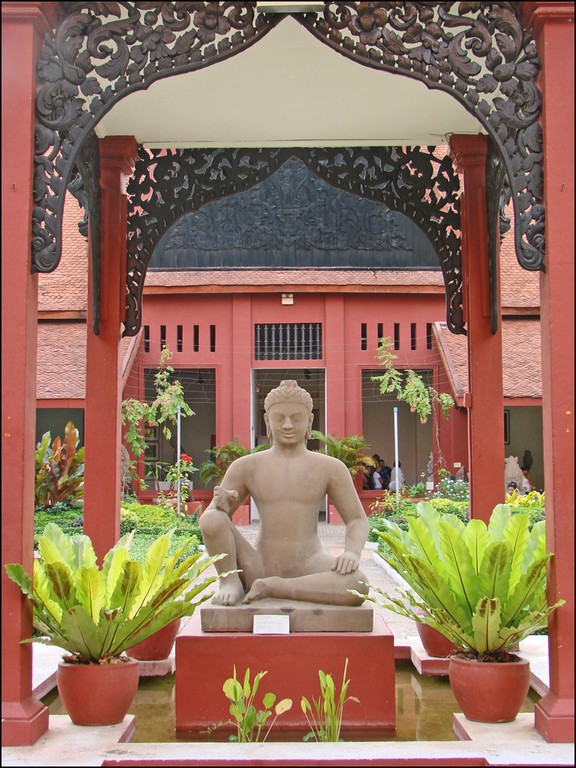
Visitors can see Hindu deities, Buddha figures, stone reliefs, bronze objects and ceramics. Well-known works include an eight-armed Vishnu statue dating to the sixth or seventh century and a sculpture of King Jayavarman VII seated in a meditative pose.
The collection traces artistic development before Angkor, during the Khmer Empire and in later centuries. It illustrates how religious beliefs, political power and artistic traditions shaped Khmer culture.
Courtyards and the visitor experience
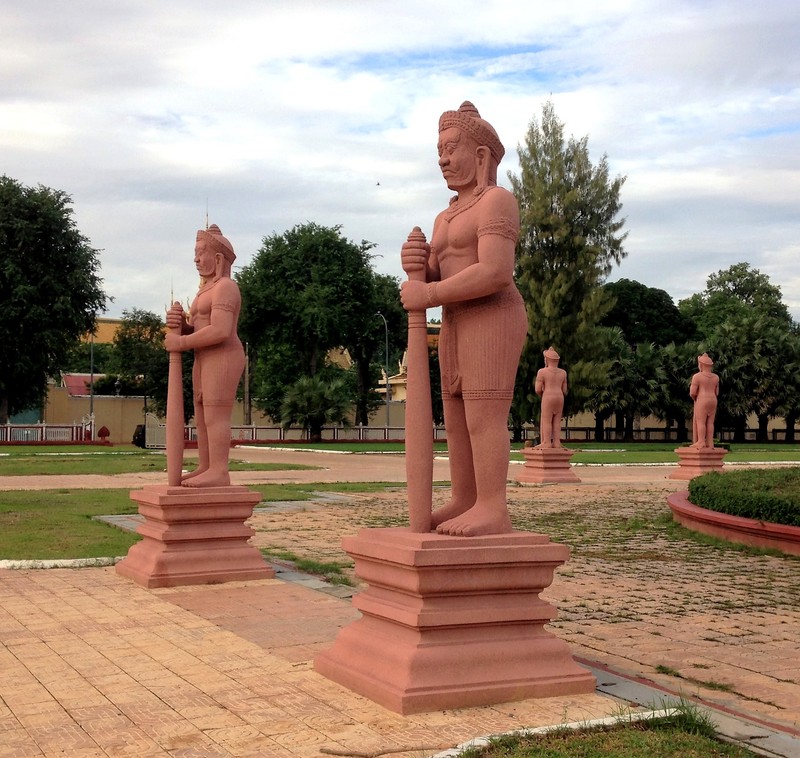
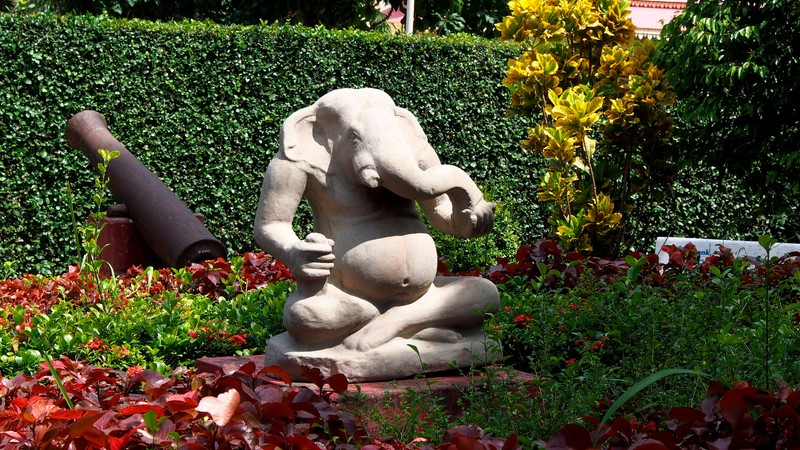
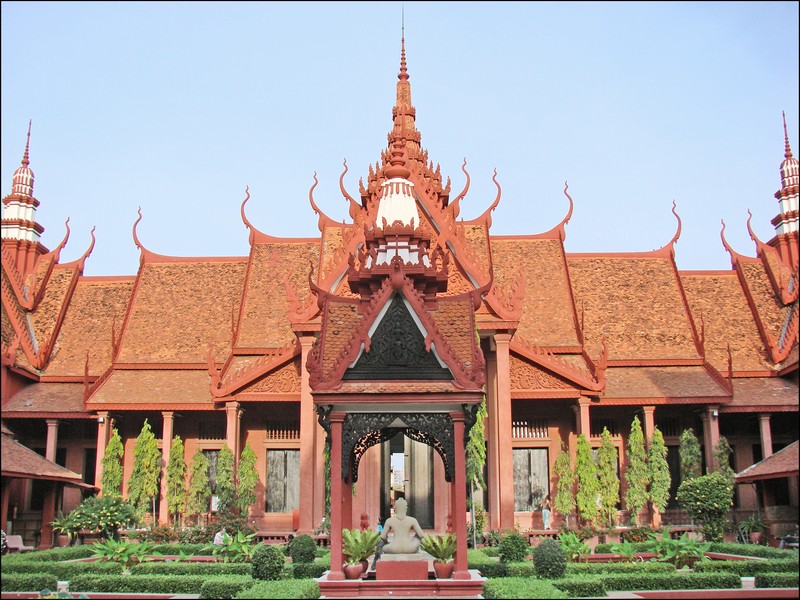
The exhibition wings face peaceful courtyards with greenery, offering a break between galleries. Visitors can explore independently or arrange a guided tour. The museum stands on Street 13, just north of the Royal Palace; the visitor entrance is near the corner of Streets 13 and 178.
Visitor information
Published visitor information lists daily opening hours of 8 am to 5 pm, with last tickets sold at 4:30 pm. The published admission prices are US$10 for foreign visitors aged 18 and over and US$5 for foreign visitors aged 10–17. Check the official website for current prices and conditions before visiting.
Photography is not permitted inside the galleries, although the exterior and courtyard may be photographed. The National Museum is an excellent place to learn about Khmer civilisation before or after visiting the temples of Angkor.
Gallery