The temple linked to Phnom Penh's origins
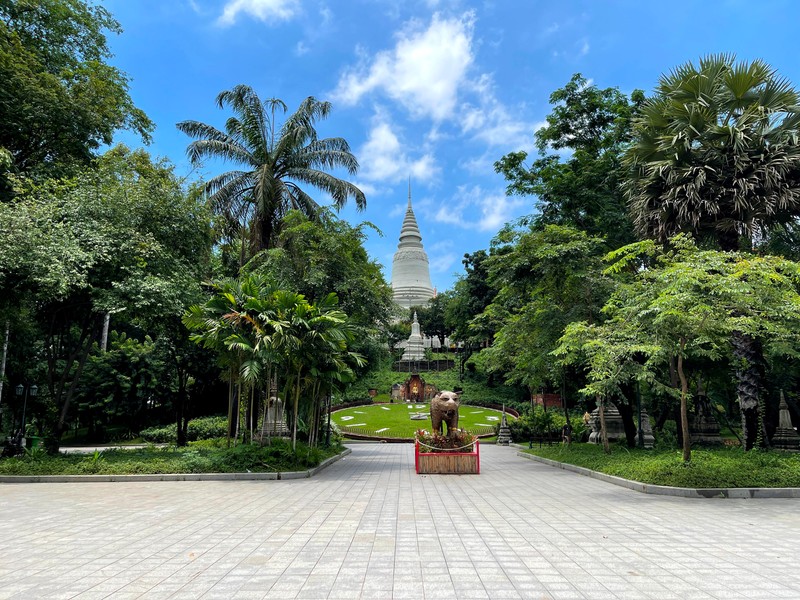
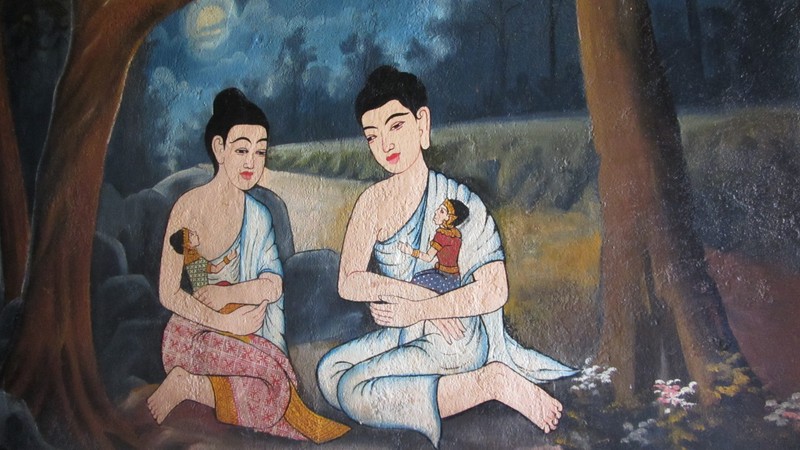
Wat Phnom is a well-known Buddhist pagoda standing on an artificial hill about 27 metres high in central Phnom Penh. Its name means “hill temple.” Local tradition connects the site with Daun Penh, a widow who discovered sacred statues in a tree brought by the river and arranged for a shrine to be built for them.
The legend of Daun Penh
According to the story, in 1372 Daun Penh found a koki tree washed ashore with sacred images inside. She arranged for a hill to be raised and a temple built on top. The place became known as Wat Phnom Daun Penh, and the settlement that grew around it eventually developed into Phnom Penh. This is the traditional origin story of the capital's name rather than a fully verified historical record.
History and architecture
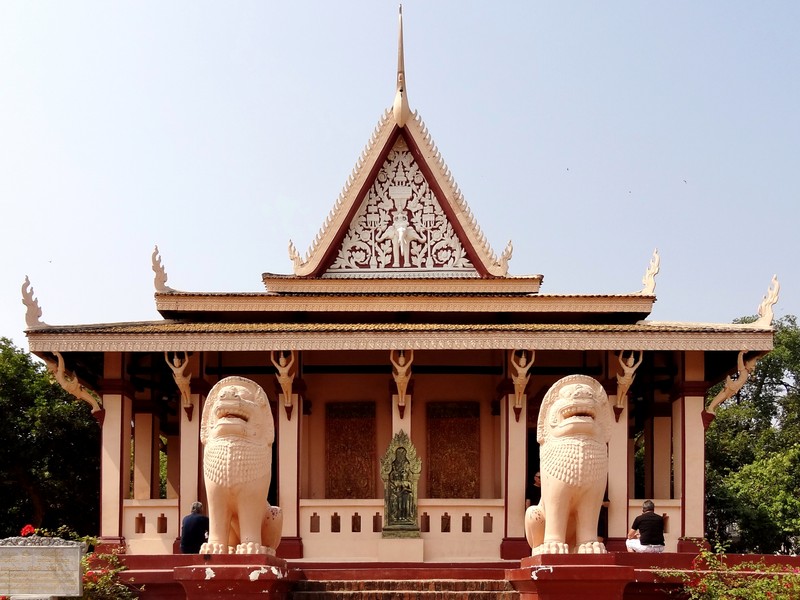
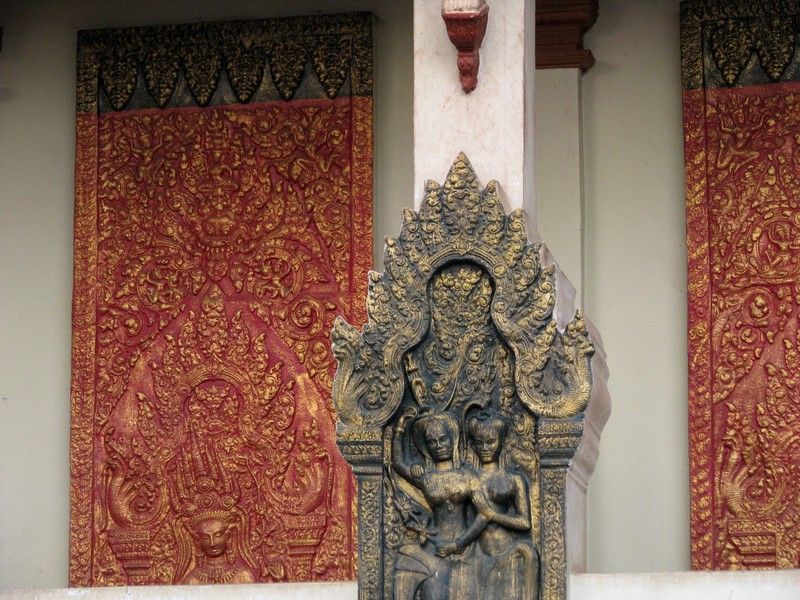
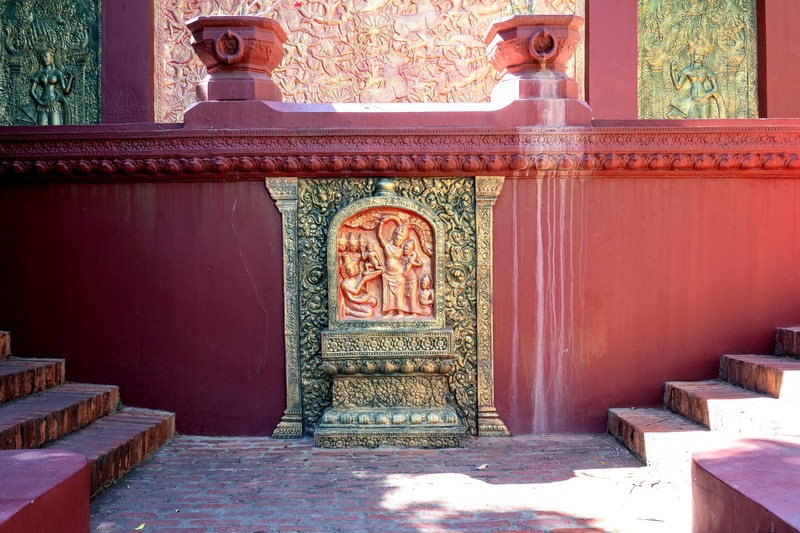
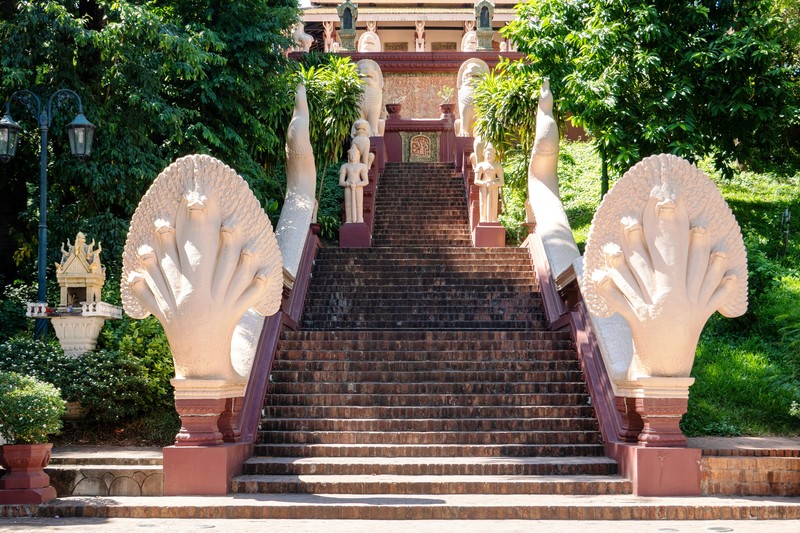
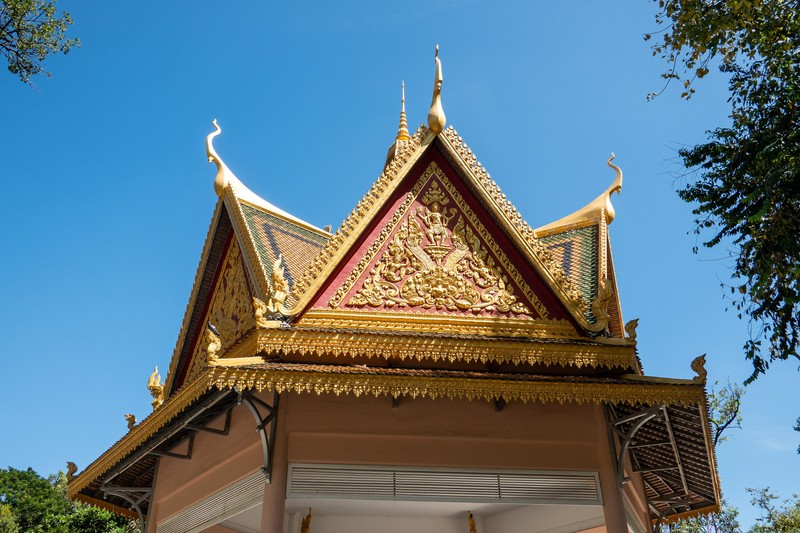
The temple is associated with the late fourteenth century and has been rebuilt several times over the centuries. Major renovations took place in 1434, 1806 and 1894, while a well-known reconstruction of the main sanctuary was completed in 1926. A grand staircase decorated with lions and nagas, mythical serpent guardians, leads to the sanctuary.
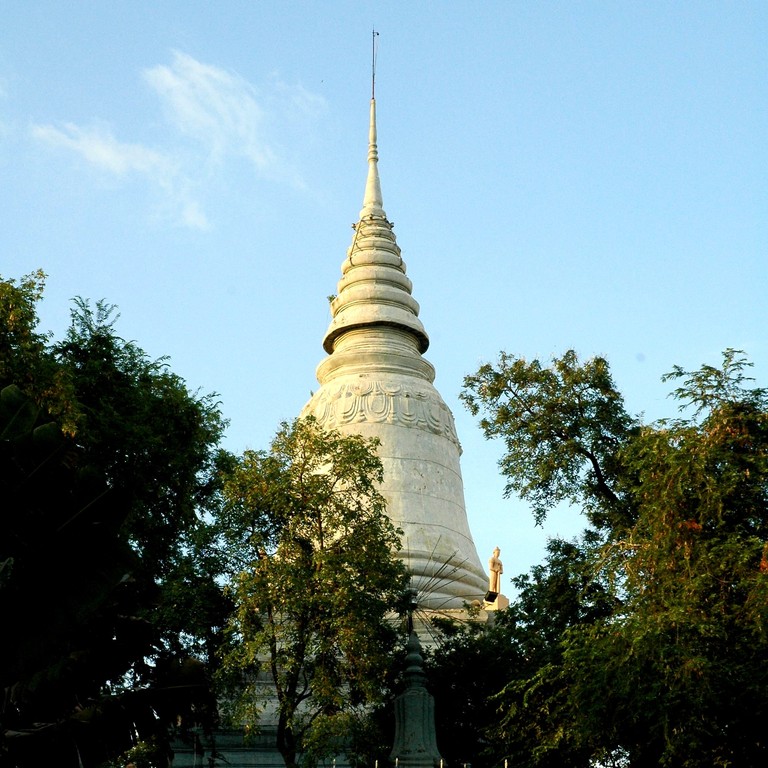
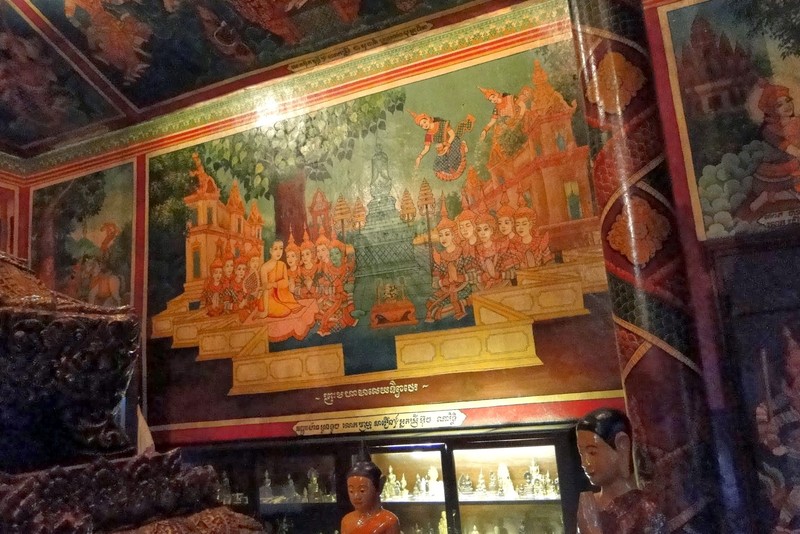
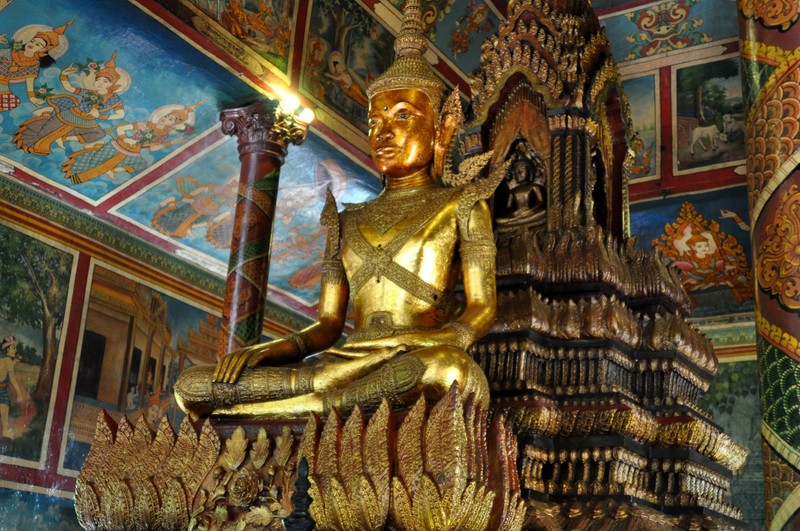
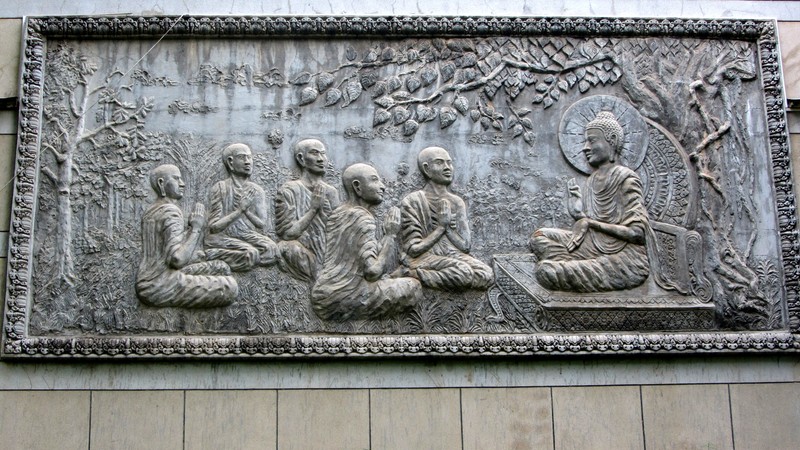
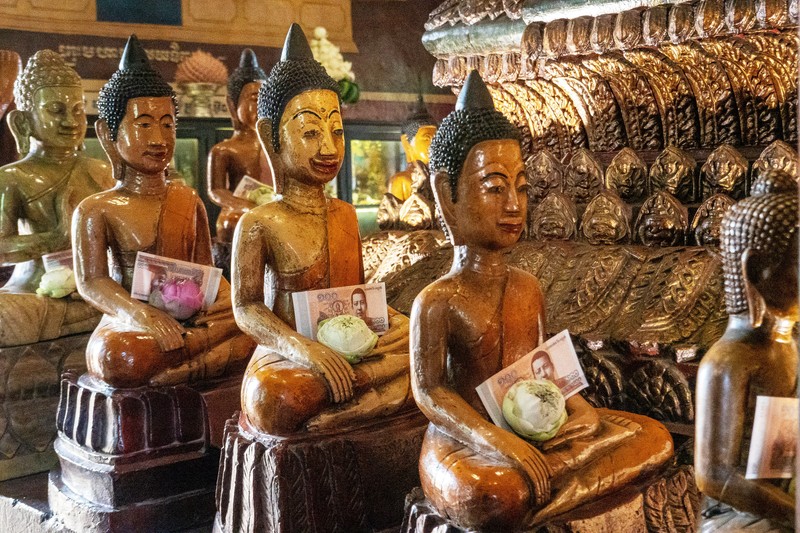
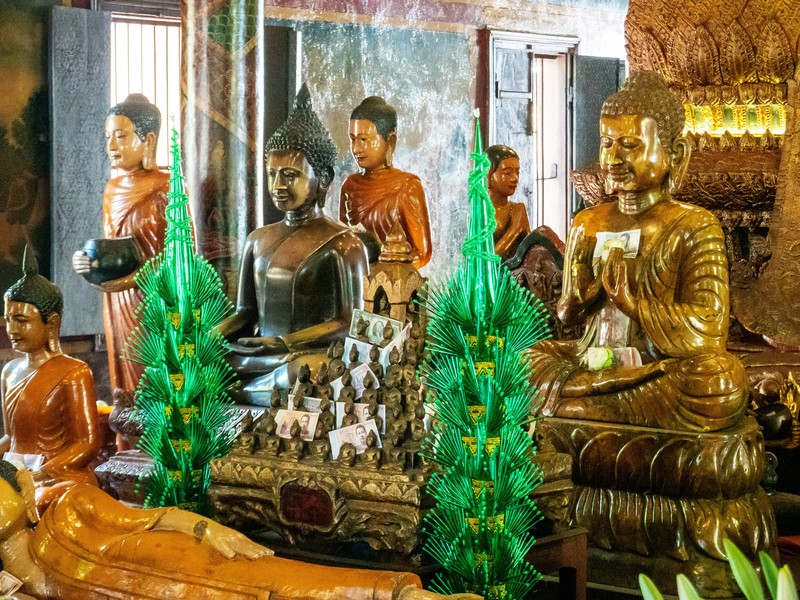
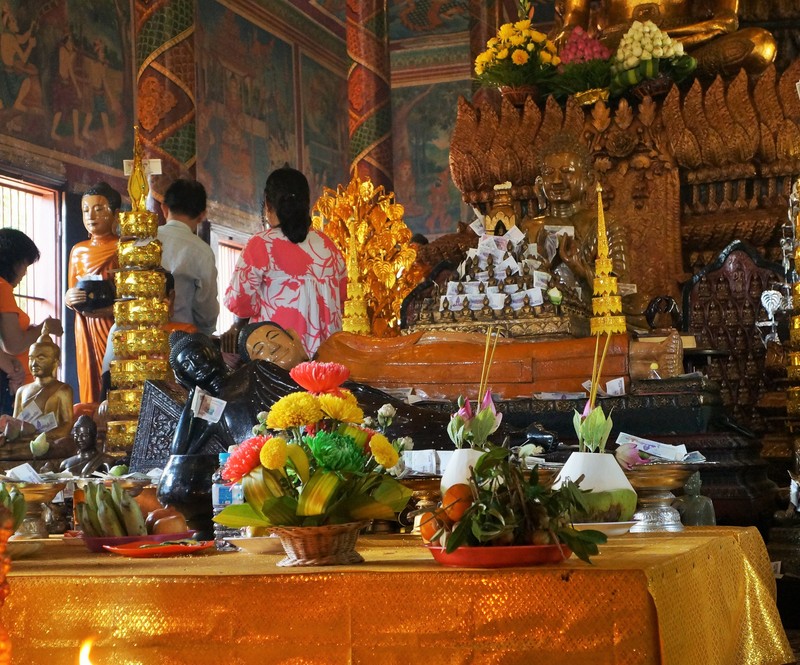
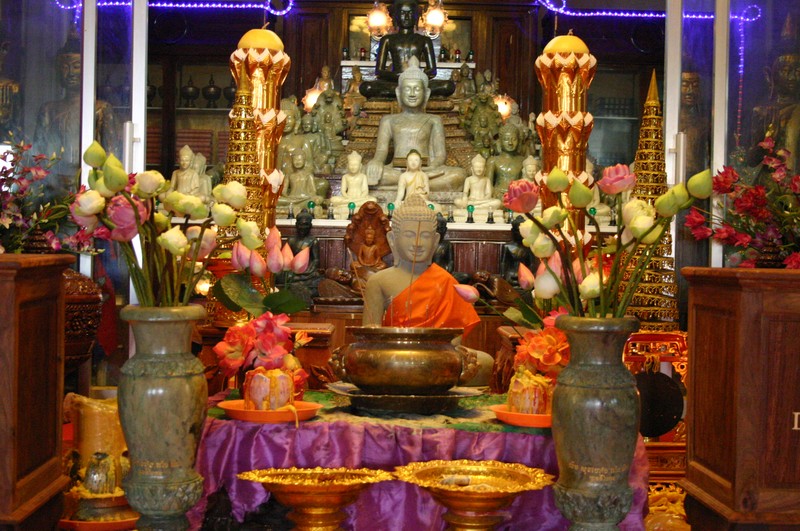
Inside the main shrine are Buddha images and murals depicting episodes from the Reamker, the Khmer version of the Ramayana. Behind the sanctuary stands a large stupa associated with King Ponhea Yat, who, according to historical tradition, moved the capital to Phnom Penh in the fifteenth century.
Shrines and local traditions
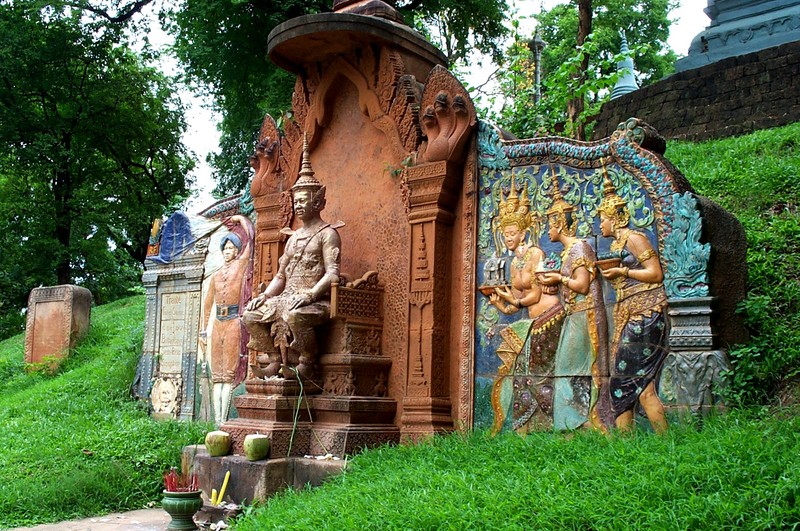
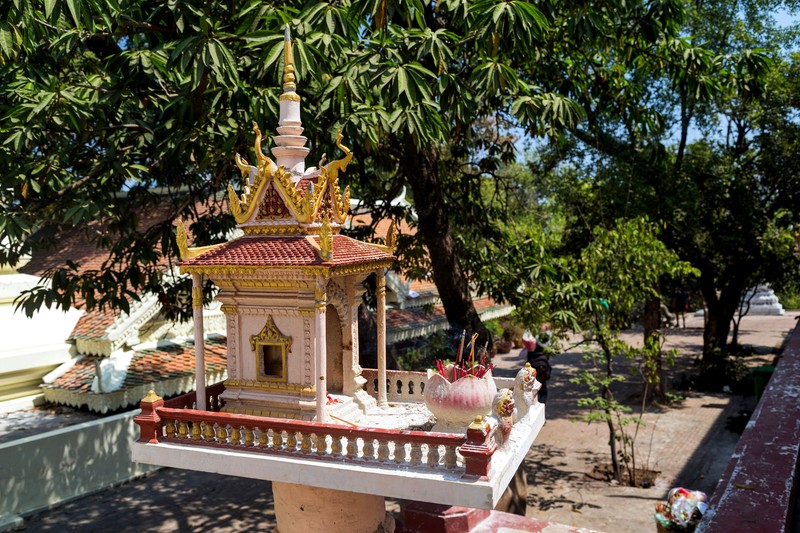
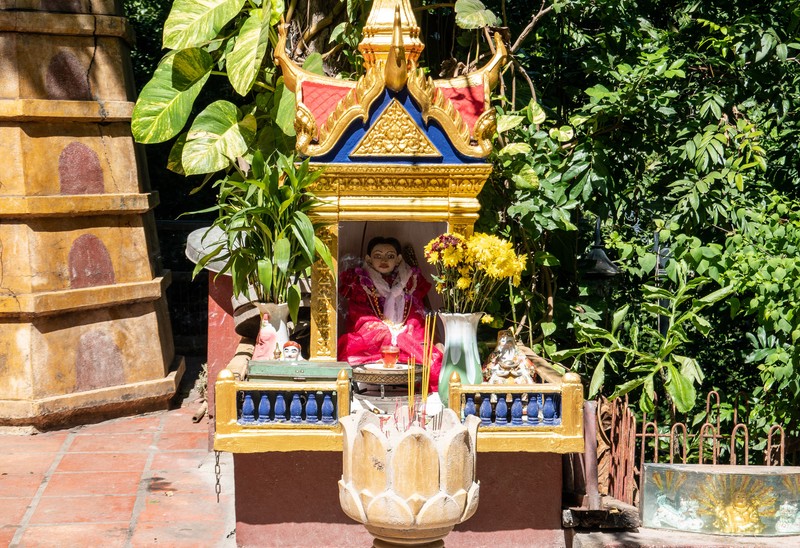
A separate shrine honours Daun Penh. Worshippers bring flowers, fruit and incense and pray for good fortune in education, work, business and family life. Wat Phnom remains an active religious site, so visitors should be quiet and respectful of people praying.
Location and visitor tips
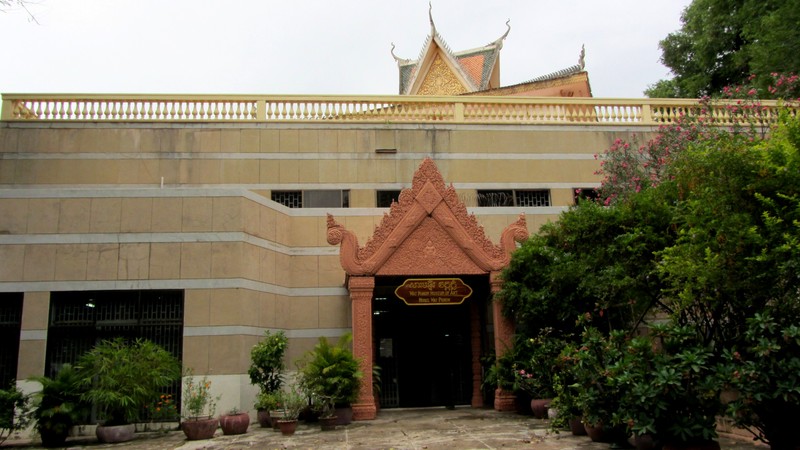
The pagoda lies in northern central Phnom Penh, near Norodom Boulevard and Street 96. Most visitors spend around 30–60 minutes exploring the complex. Morning and late afternoon are usually more comfortable than the hottest part of the day. Remove shoes and hats before entering the sanctuary, and wear clothing that covers the shoulders and knees.
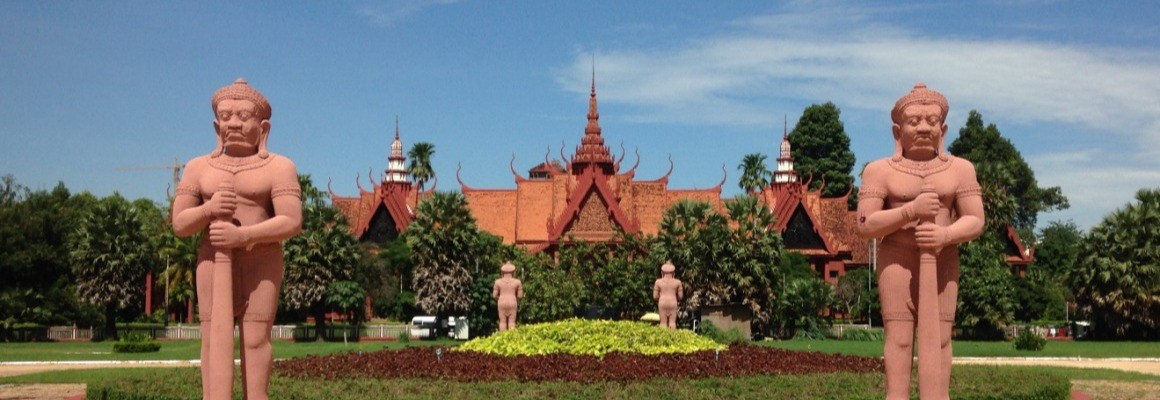
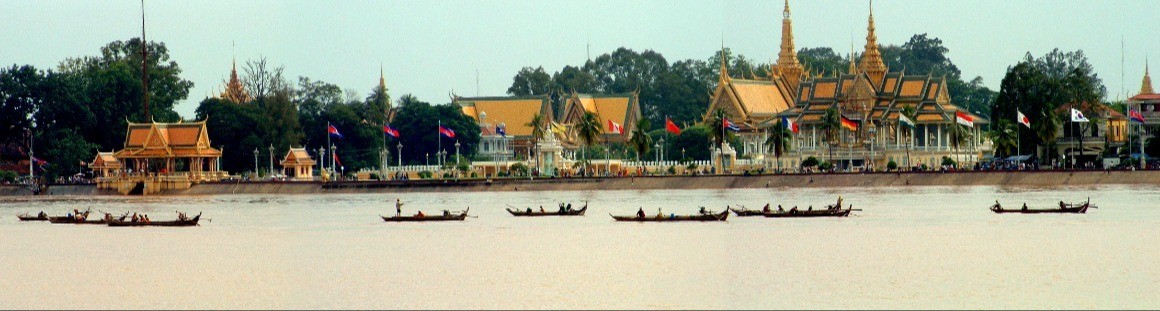
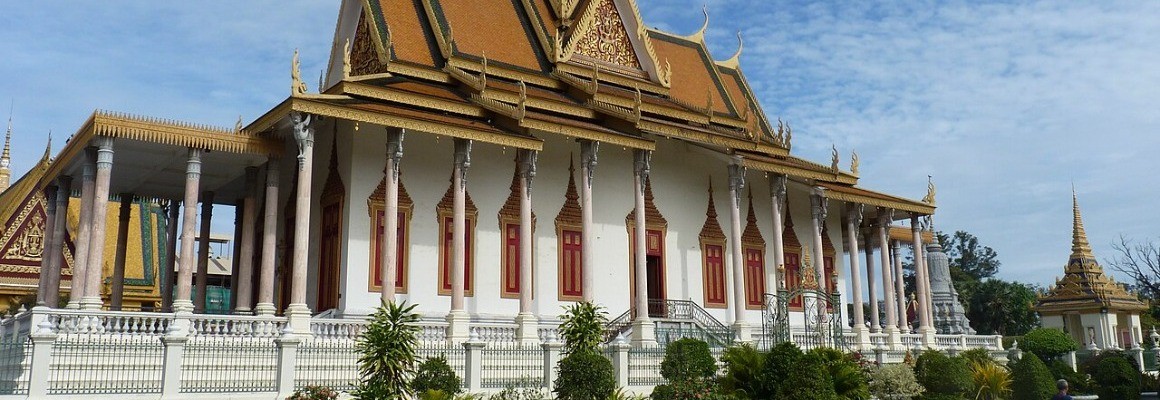
Wat Phnom can easily be combined with visits to the Royal Palace, the National Museum of Cambodia and the riverfront. It is a key landmark where Khmer architecture, living religious traditions and the legendary origins of the capital come together.
Gallery