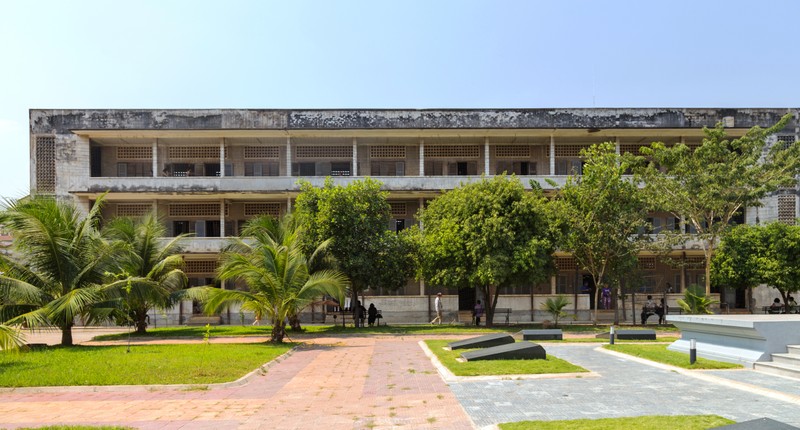
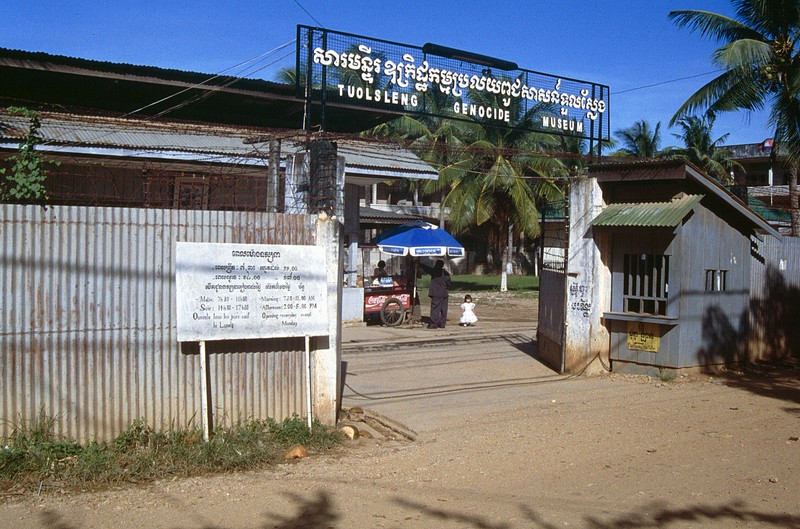
The Tuol Sleng Genocide Museum in Phnom Penh commemorates the victims of the Khmer Rouge regime. It occupies the former Tuol Svay Prey High School, which was converted in 1975 into Security Prison 21, known as S-21. Its preserved buildings, photographs, documents and personal objects tell the story of one of the darkest periods in Cambodian history.
History of S-21
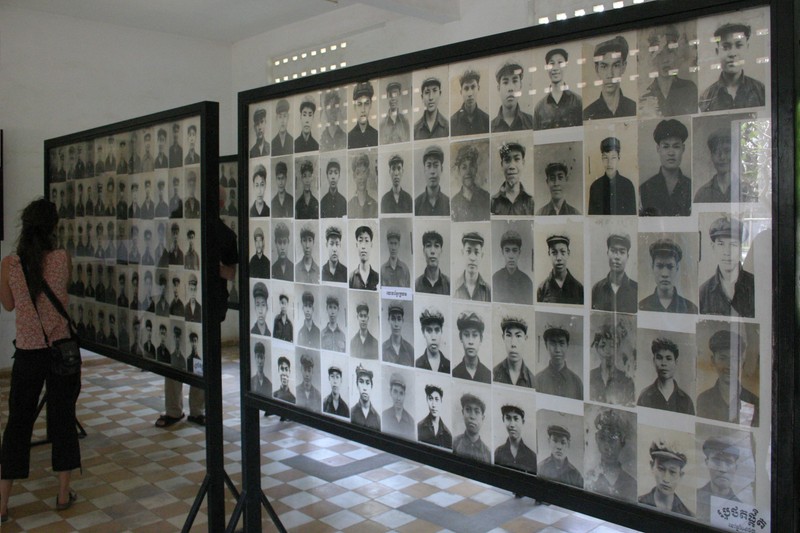
After taking Phnom Penh, the Khmer Rouge established a system of repression against people considered enemies of the new regime. Former officials, soldiers, intellectuals, women and children were brought to S-21. Prisoners were registered, photographed, interrogated and tortured; many were later killed.
The exact number of detainees is uncertain, although historical estimates commonly range from about 15,000 to 20,000. Among the few survivors was artist Vann Nath, whose testimony and paintings became important parts of the museum’s collection.
The buildings and exhibitions
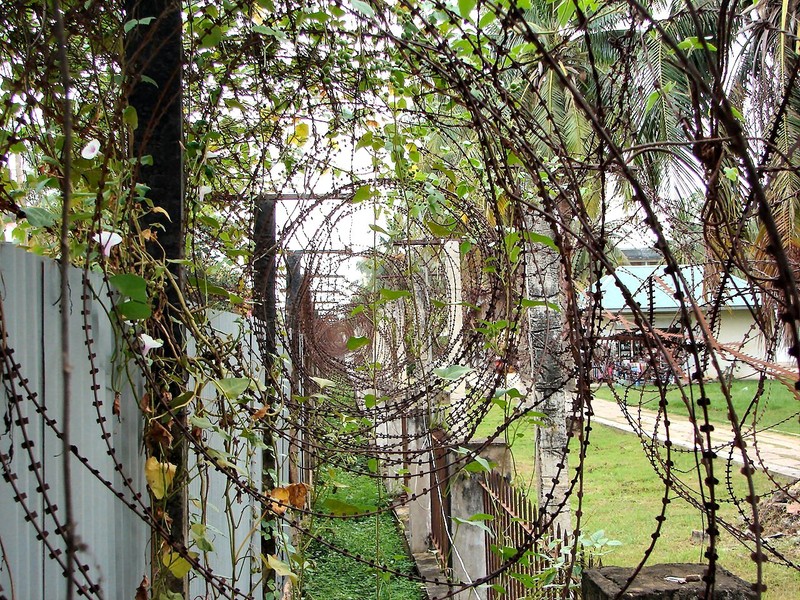
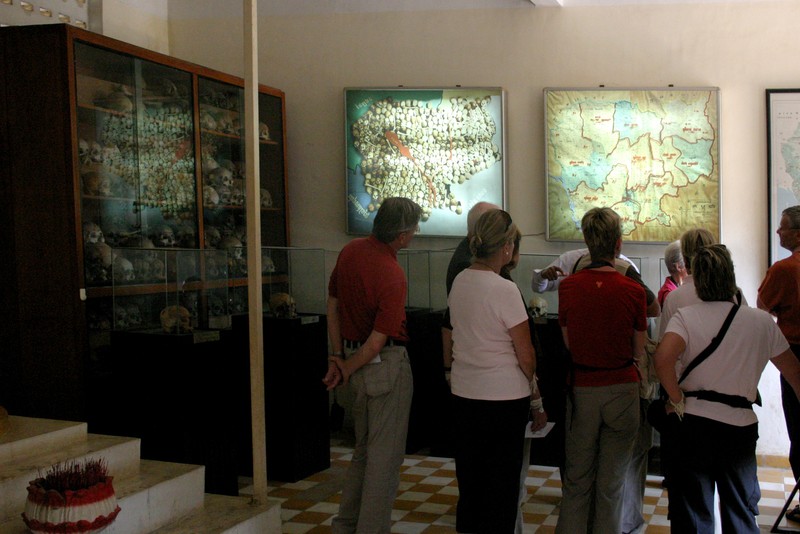
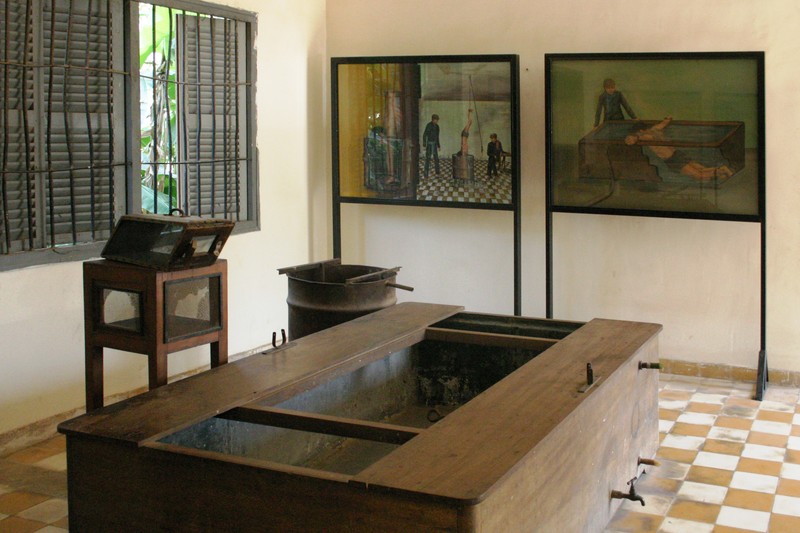
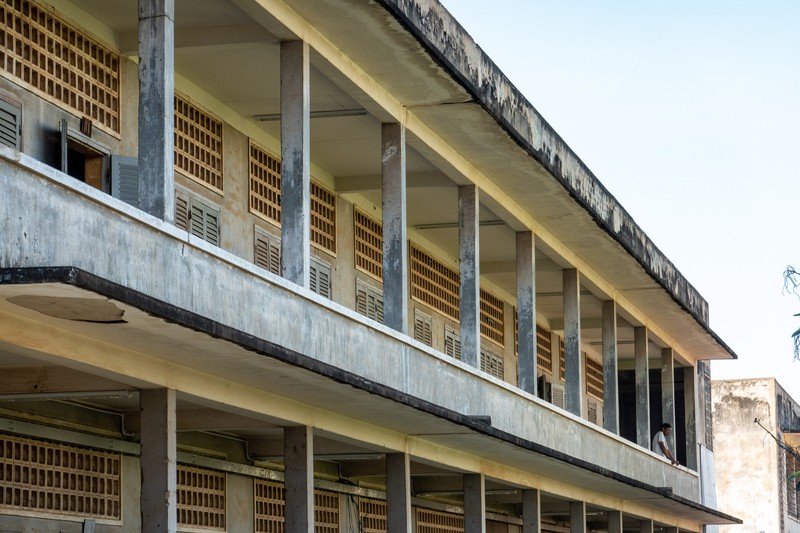
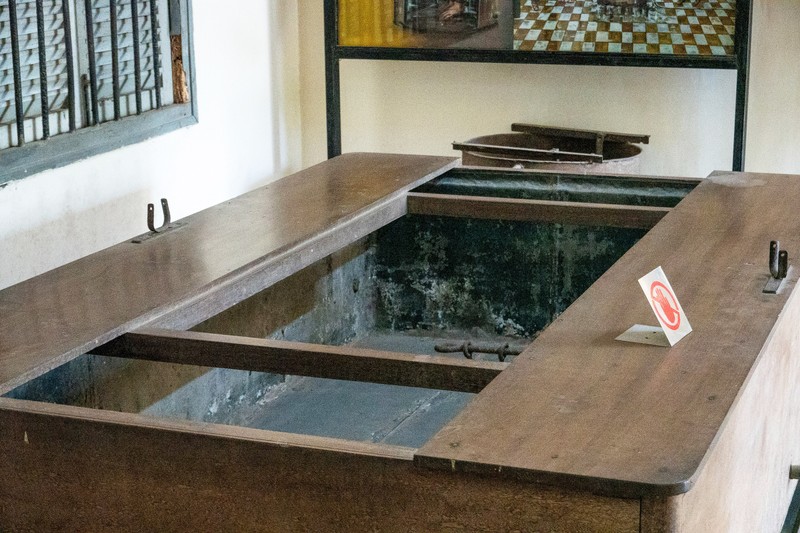
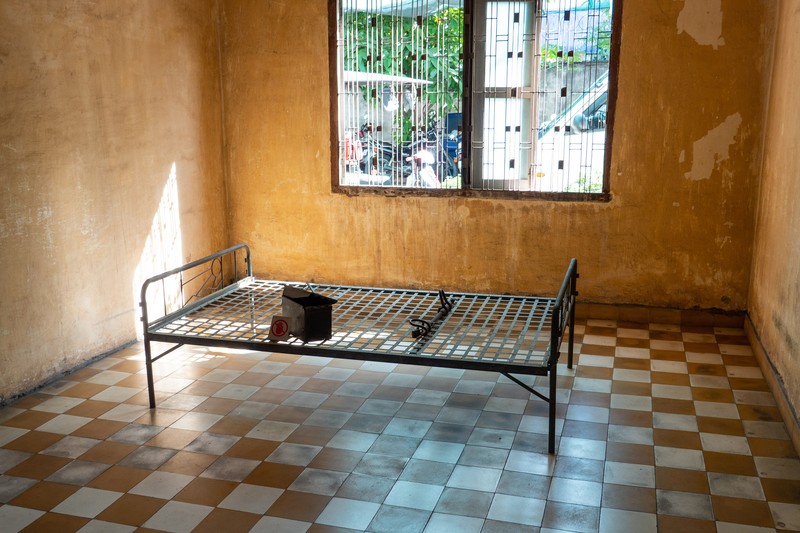
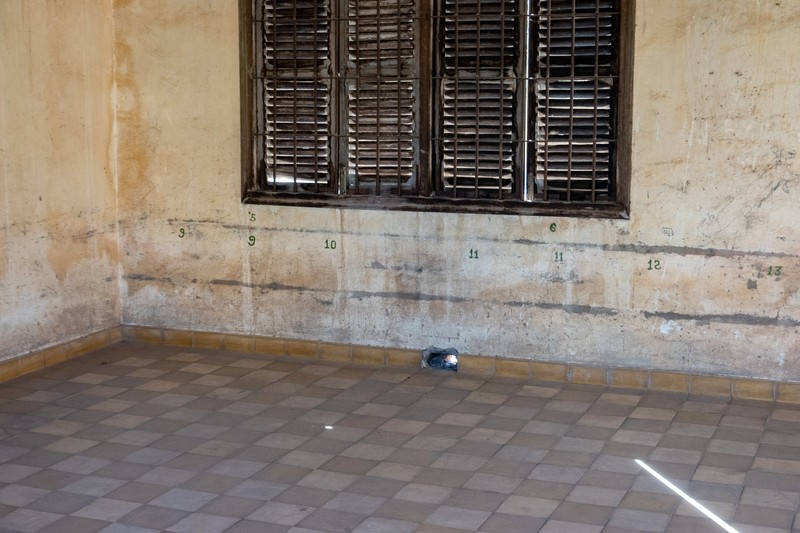
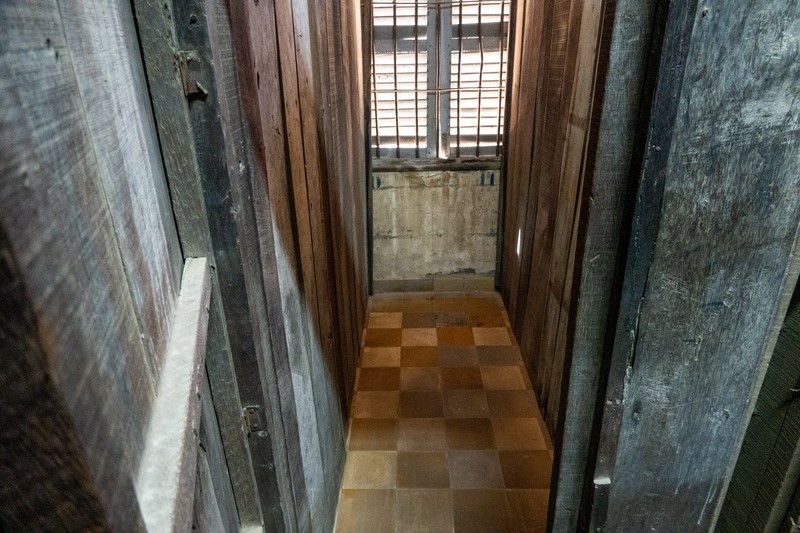
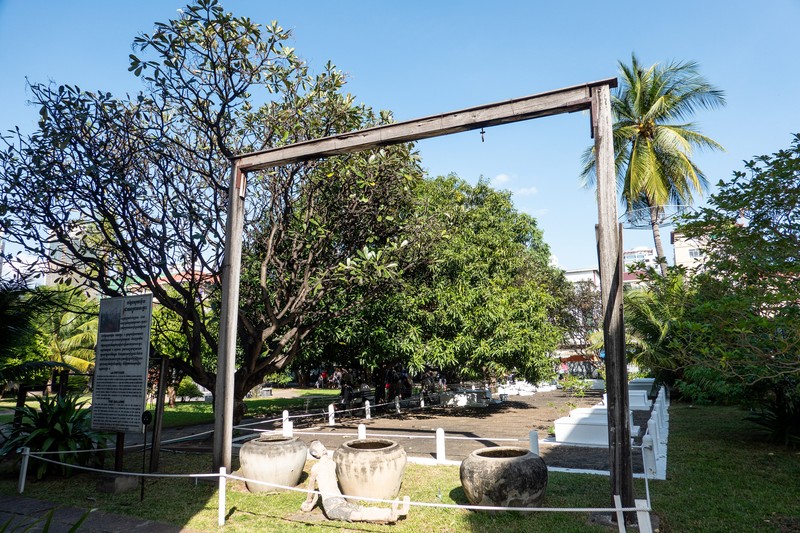
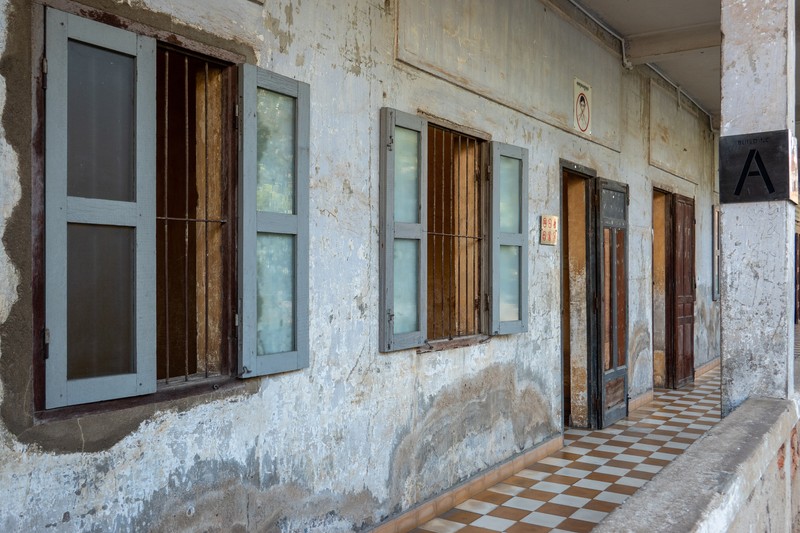
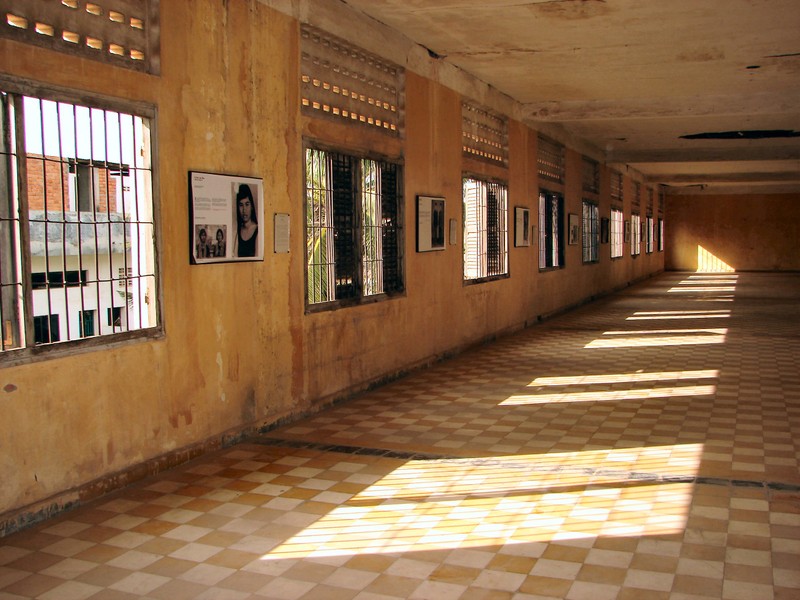
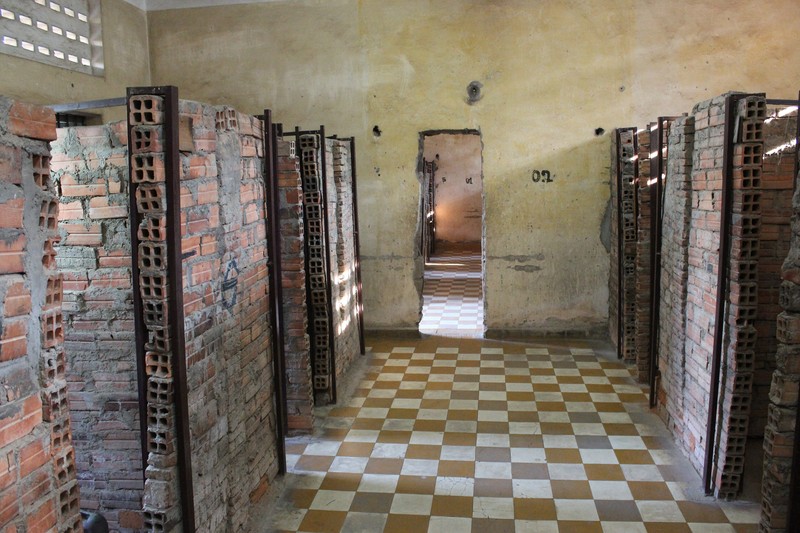
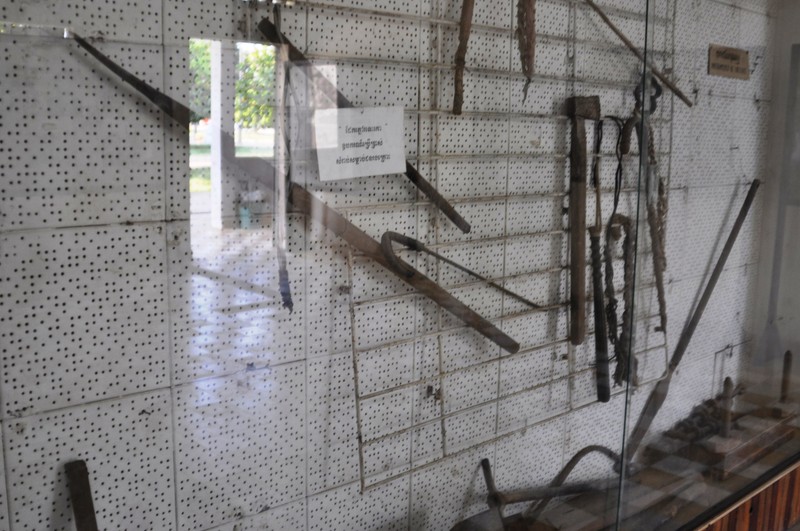
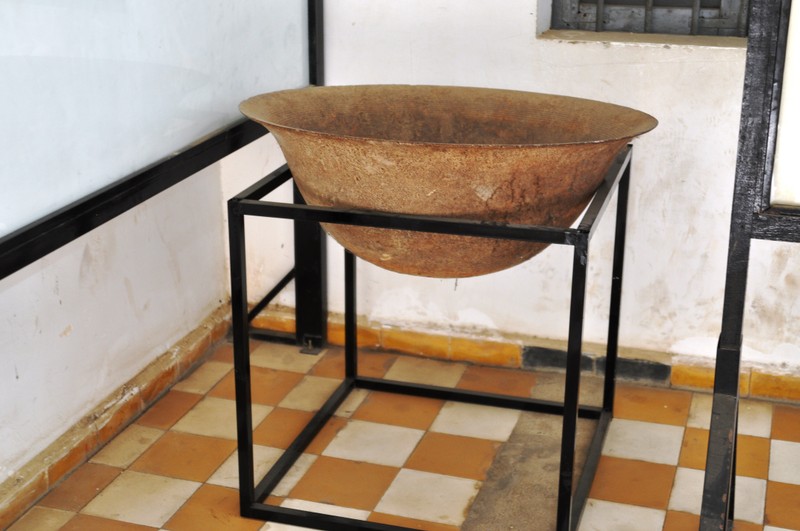
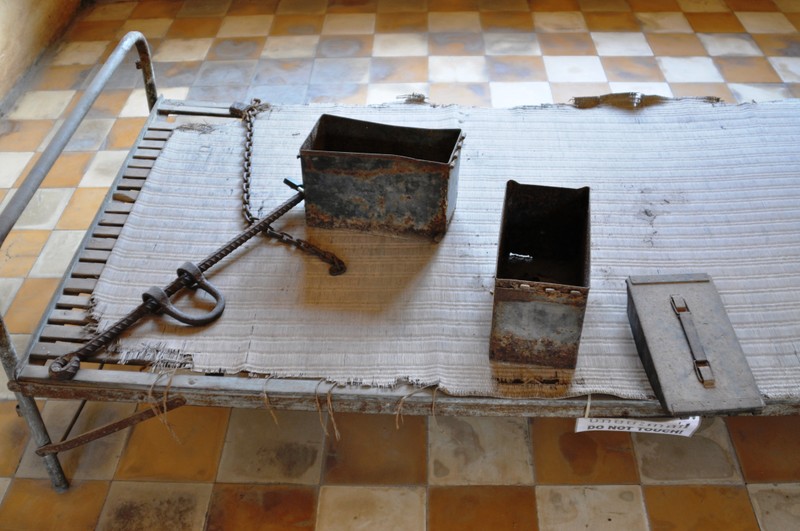
The former school buildings were adapted for cells, interrogation rooms and other prison functions. Exhibits include metal beds, shackles, prisoner photographs and documents. The site shows how an ordinary school was transformed into an institution of repression.
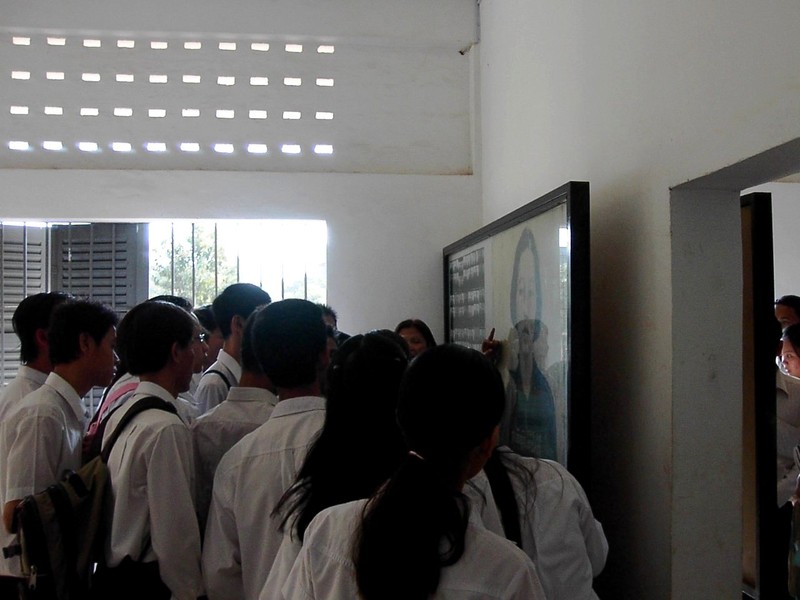
The archive preserves lists, interrogation records and other evidence that help researchers understand how S-21 operated. The photographs remind visitors that each record belonged to an individual with a family and a life beyond the prison walls.
The paintings of Vann Nath
Vann Nath survived S-21 partly because of his artistic skills. After the regime fell, he created paintings depicting torture, humiliation and the conditions endured by prisoners. His work complements the documentary evidence and conveys the human dimension of the tragedy.
The Khmer Rouge tragedy
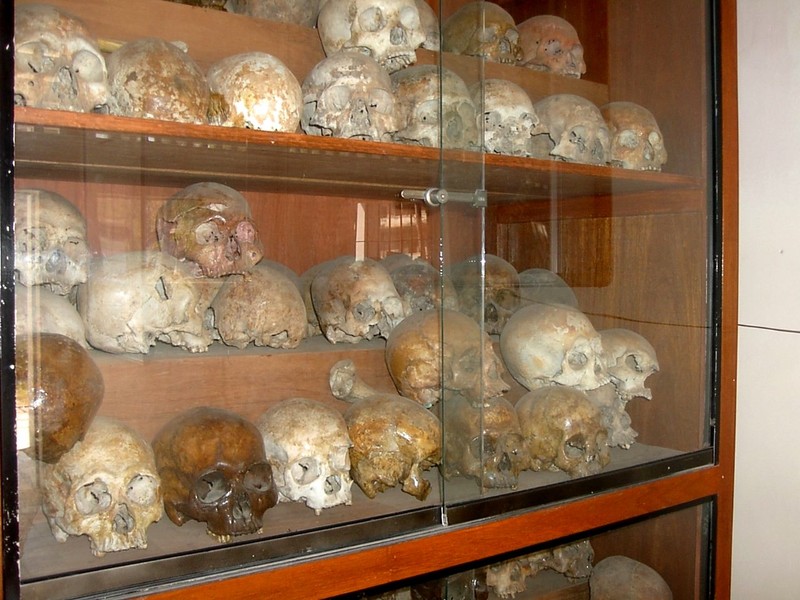
Pol Pot’s regime ruled Cambodia from 1975 to 1979. Forced labour, starvation, displacement, persecution and mass killings caused an estimated 1.5–2 million deaths, according to varying historical estimates. Many S-21 prisoners were transferred to execution sites, including Choeung Ek outside Phnom Penh.
Memorial significance
The museum opened in 1980 to preserve the memory of victims and document the crimes of the regime. In 2009, the Tuol Sleng archive was included in UNESCO’s Memory of the World Register. In 2025, Tuol Sleng, Choeung Ek and the former M-13 prison became part of the UNESCO World Heritage property Cambodian Memorial Sites: From Centres of Repression to Places of Peace and Reflection.
Visiting the museum
The museum is on Street 113 in Phnom Penh’s Boeung Keng Kang III district. According to its official website, it opens daily from 8 a.m. to 5 p.m. The listed admission price for international adults is US$5 and for children aged 10–17 is US$3; check current conditions before visiting.
Visitors can use an audio guide or arrange a guided tour. Respectful clothing and behaviour are expected. The exhibitions include disturbing photographs and evidence of violence, so the visit can be emotionally challenging. Tuol Sleng is a place of remembrance that encourages reflection on history and the value of human life.
Gallery