Kampong Cham is a city in eastern Cambodia on the Mekong River, about 120 kilometres northeast of Phnom Penh. It is the administrative centre of the province of the same name and an appealing place to experience everyday Cambodian life away from the busiest tourist routes. The city is known for its riverside promenade, colonial-era architecture, ancient temples, rubber plantations and nearby Koh Pen island.
History of Kampong Cham
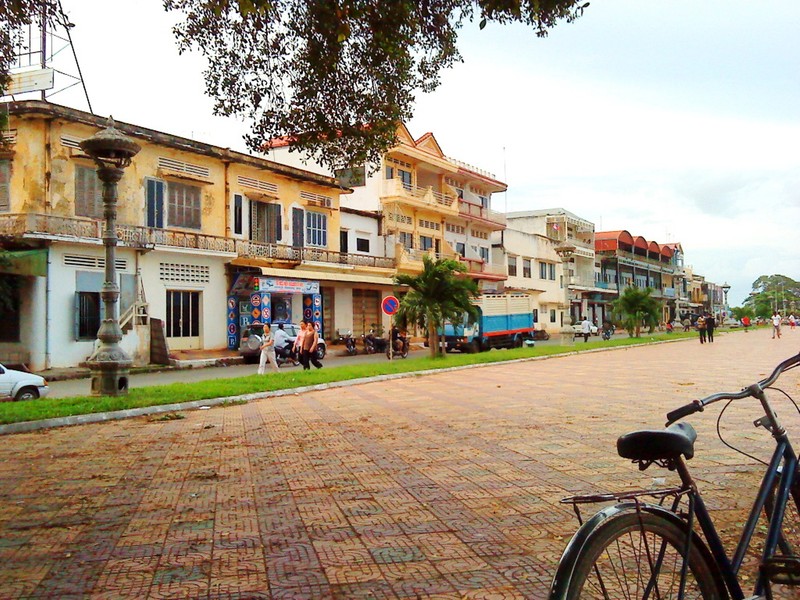
The name Kampong Cham is commonly linked to the Khmer word for a landing place or river port and the Cham people. Its position on the Mekong made the settlement an important point for river transport and trade. During the French colonial period, the town gained administrative and commercial importance, and some buildings from that era remain visible in the city centre.
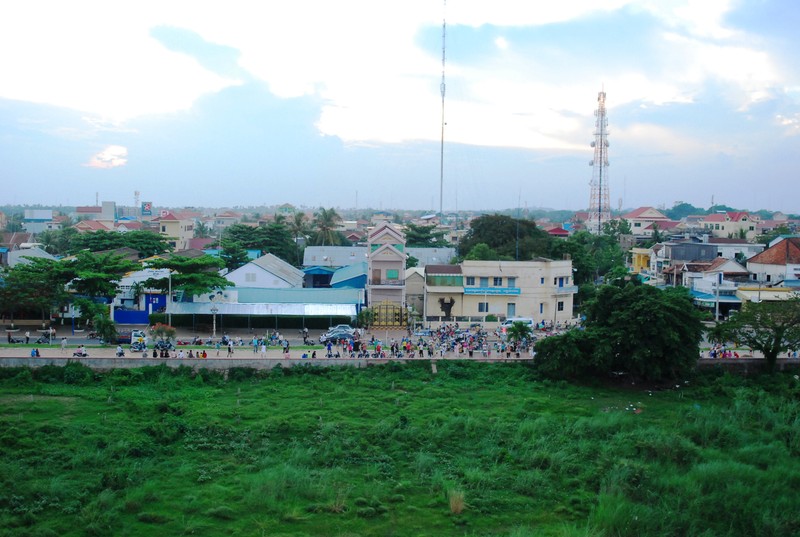
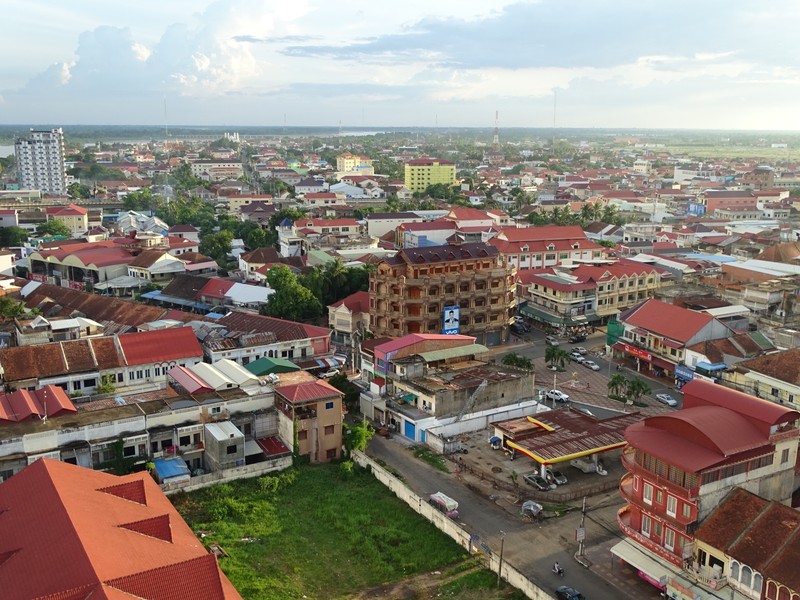
Today Kampong Cham is a working provincial city with markets, cafés and businesses connected with agriculture. Its relaxed atmosphere offers a glimpse of life along one of Southeast Asia's great rivers.
The Mekong and the Riverside
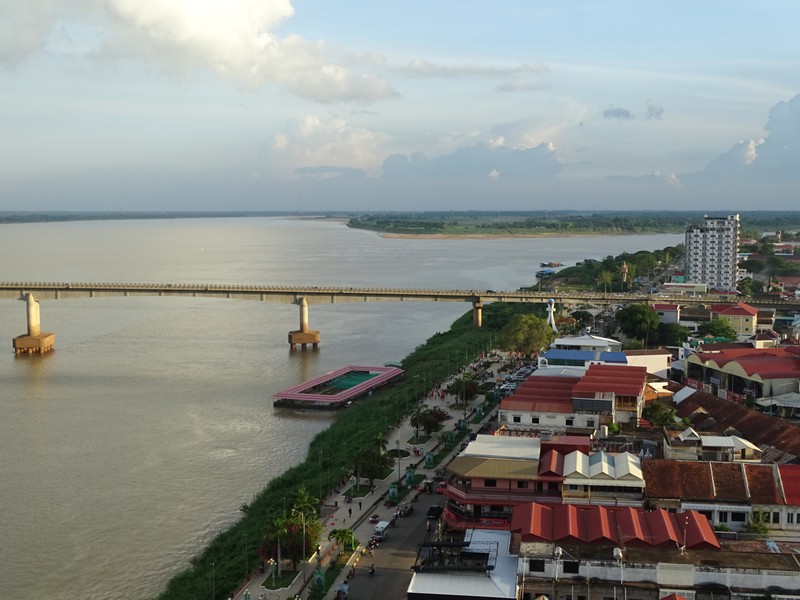
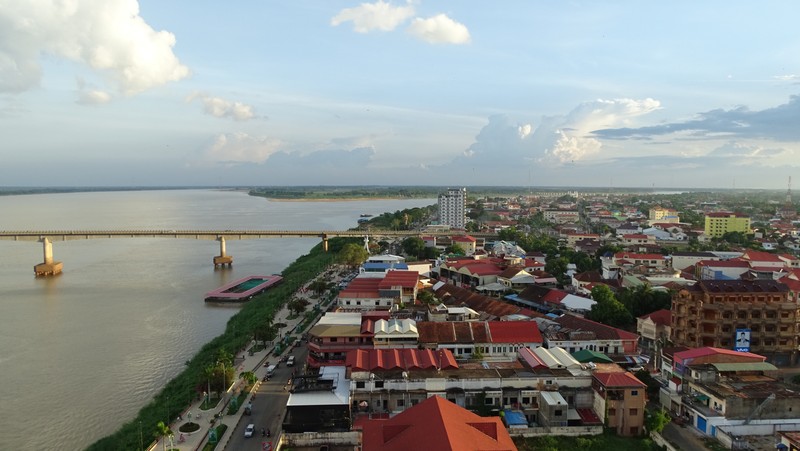
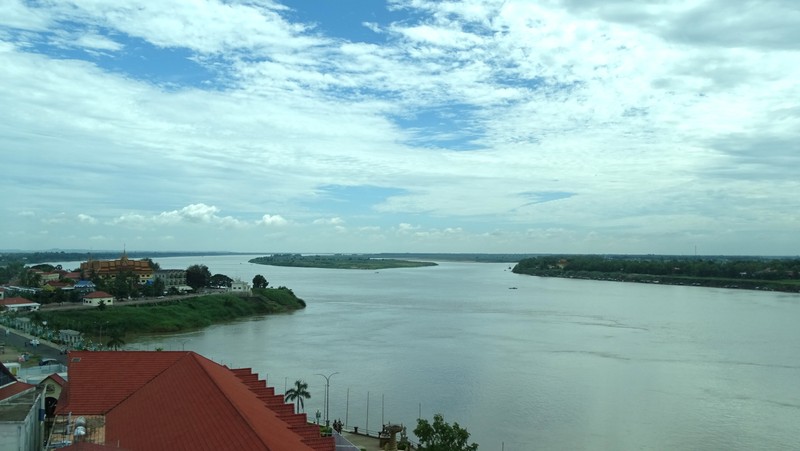
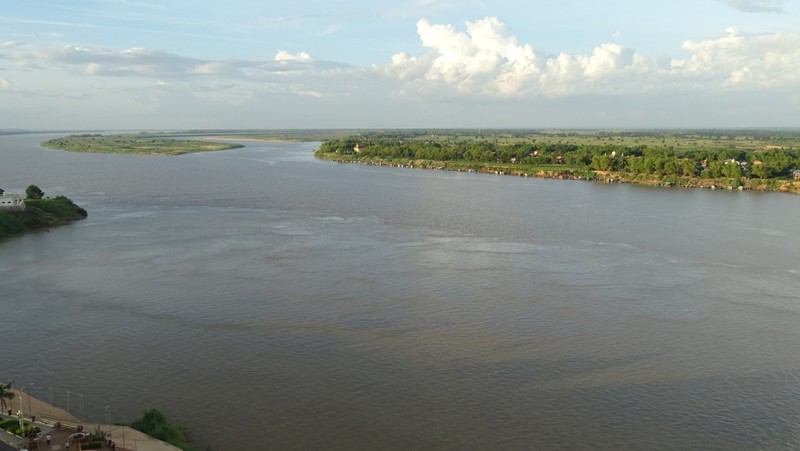
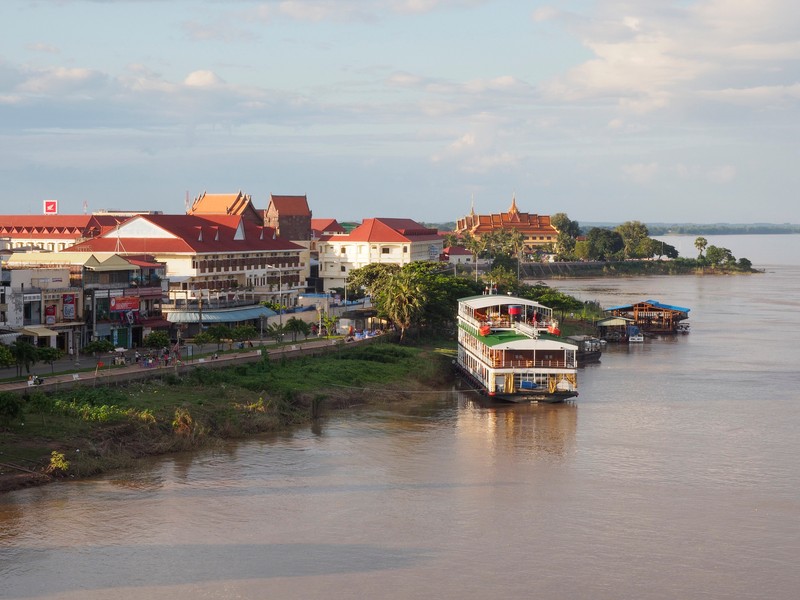
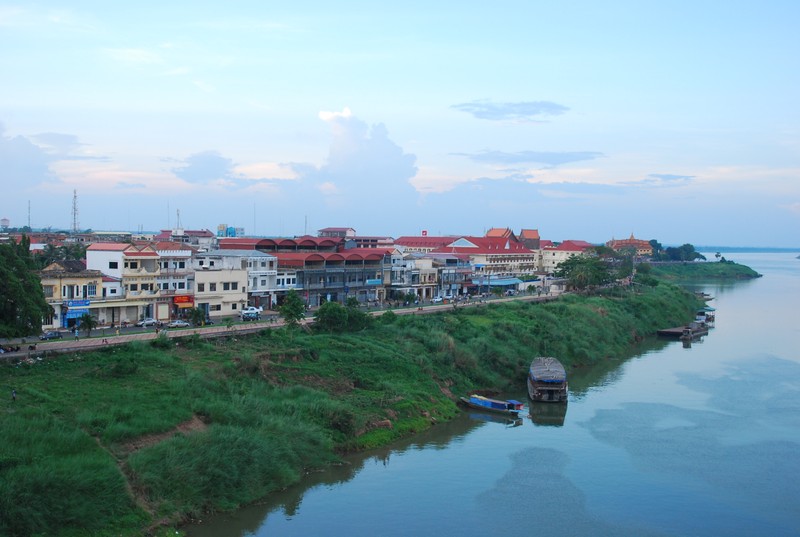
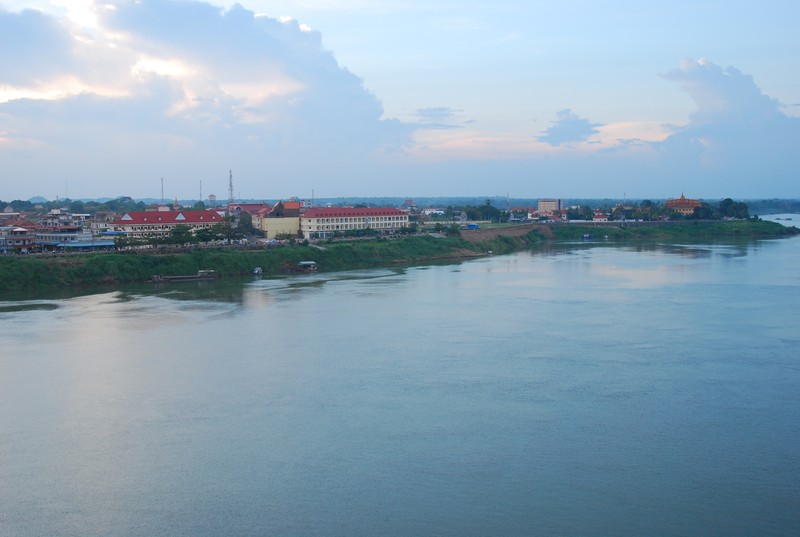
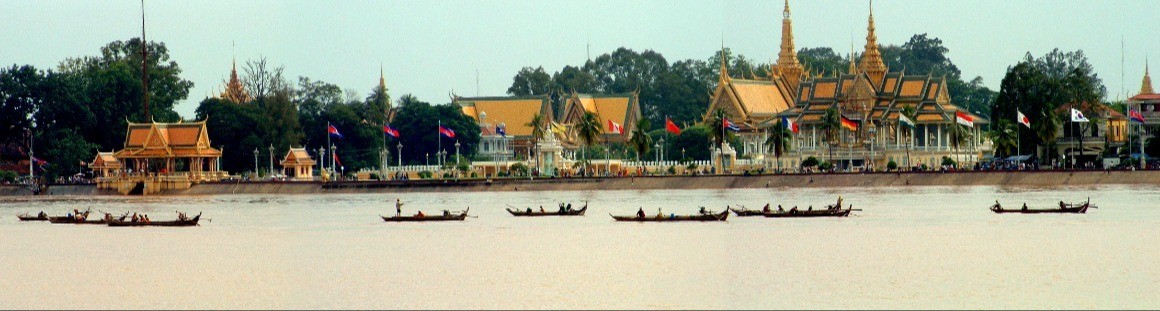
The Mekong shapes the city's landscape and history. A riverside promenade provides space to walk, watch boats and fishing activity, and visit local cafés. Early morning and evening are usually the most pleasant times for a stroll. Water levels change considerably throughout the year, affecting the appearance of the banks and the availability of some crossings.
Kizuna Bridge
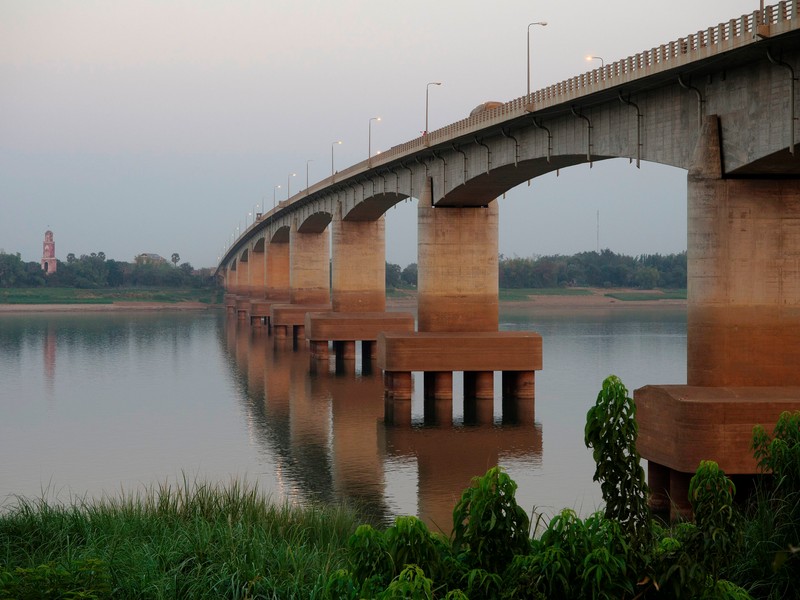
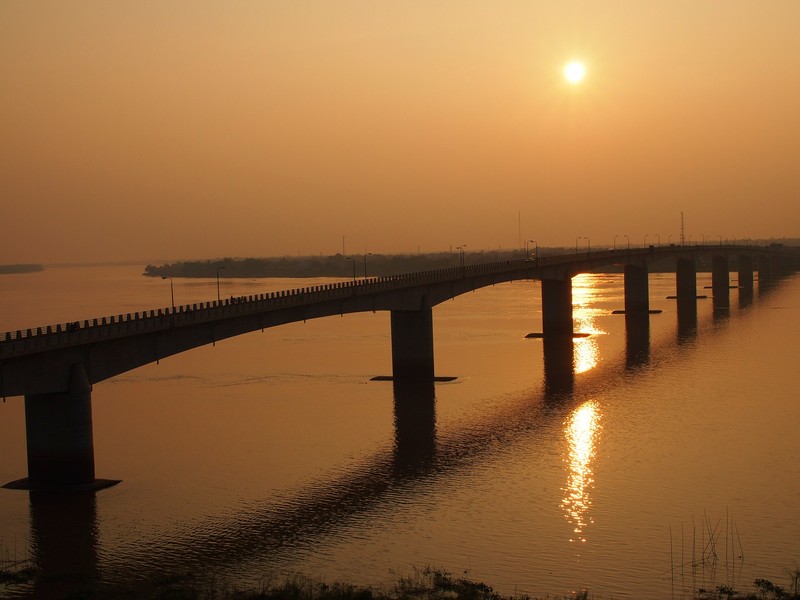
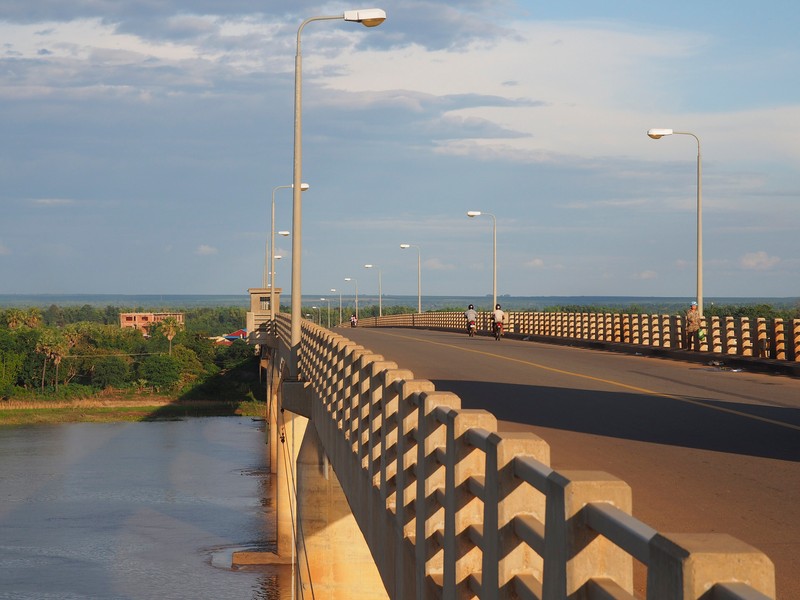
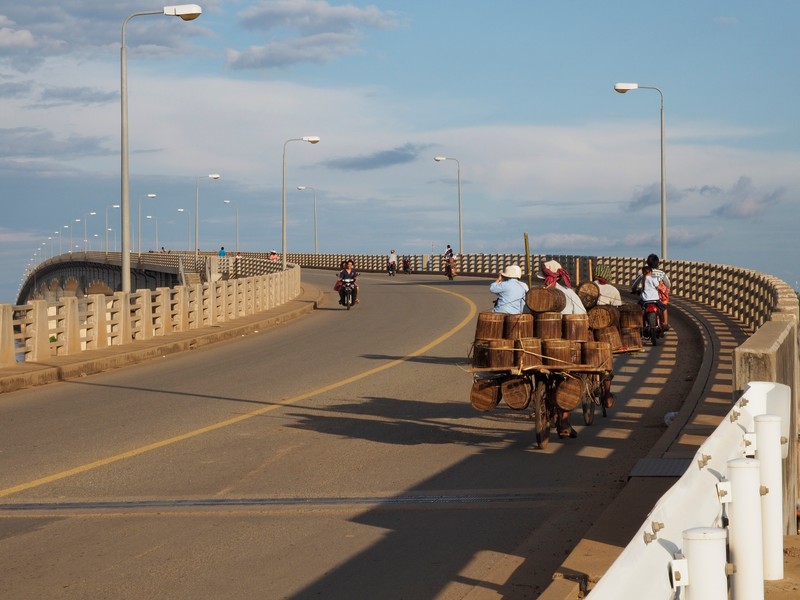
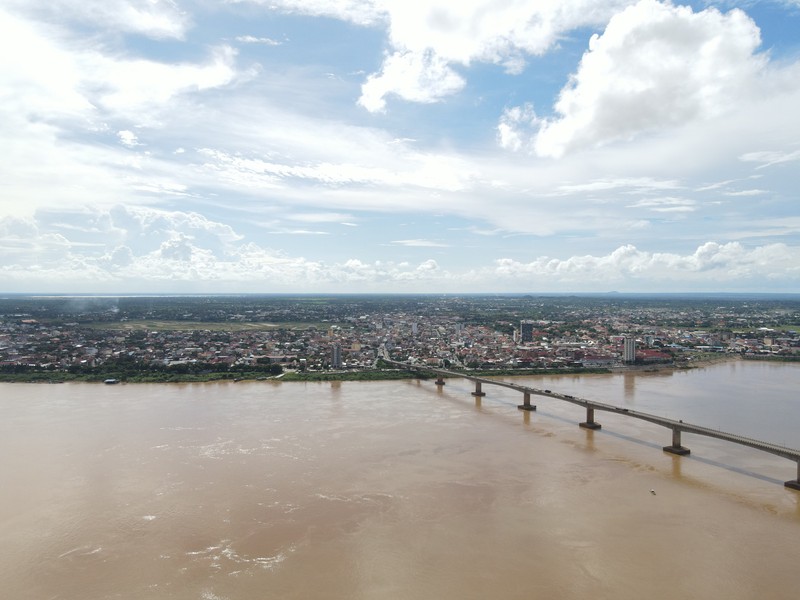
Kizuna Bridge crosses the Mekong and connects Kampong Cham with areas on the opposite bank. Opened in 2001, it was the first road bridge over the Mekong in Cambodia. It improved transport links for people and goods and became one of the city's defining landmarks. The bridge can be admired from the riverside, while visitors should take care around traffic.
The Seasonal Bamboo Bridge
Kampong Cham is famous for its traditional bamboo bridge, which has connected the city side of the Mekong with Koh Pen during the dry season. Built from bamboo sections, it was usually dismantled or taken out of service before the river rose during the monsoon. The bridge became a symbol of local ingenuity and adaptation to the Mekong's seasonal changes.
It is not available all year, and the timing of construction depends on water levels and local decisions. Check current conditions before travelling specifically to see it. When the bamboo bridge is unavailable, Koh Pen can be reached by a permanent crossing and local roads.
Koh Pen Island
Koh Pen is a river island opposite Kampong Cham, known for its villages, gardens and agricultural land. Visitors can see houses on stilts, palm trees, small fields and orchards. The island is well suited to a relaxed bicycle ride and offers a closer look at rural life along the Mekong.
Respect private property and ask permission before photographing residents. A visit to Koh Pen is a useful complement to the city's historical sights.
Wat Nokor Temple
Wat Nokor, also known as Nokor Bachey, is a historic temple complex about two kilometres from the city centre. Its old stone structures reflect Khmer architectural traditions, while a functioning Buddhist pagoda stands within the ancient enclosure. The combination of dark stone walls, towers and modern religious buildings makes the complex particularly distinctive.
Visitors should dress respectfully, remove shoes where required and avoid disturbing people who have come to pray. Some parts of the complex may not always be open to visitors.
Phnom Pros and Phnom Srei
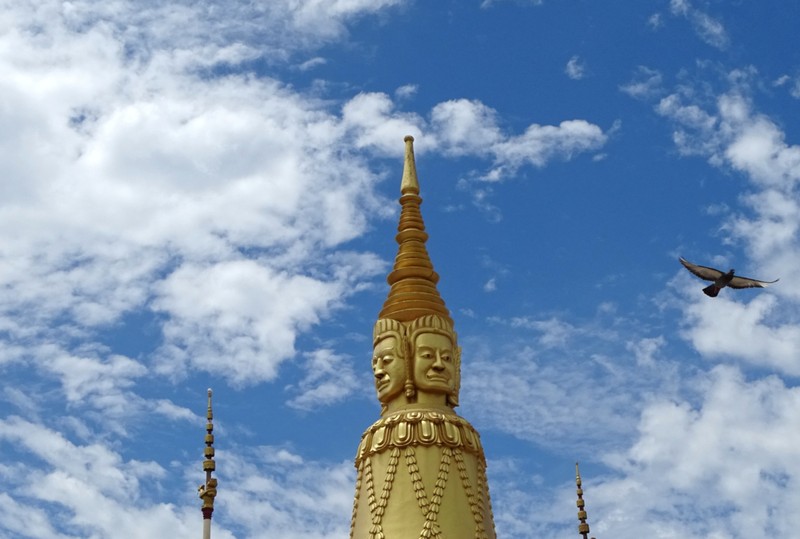
Phnom Pros and Phnom Srei are two nearby hills whose names are commonly translated as Man Hill and Woman Hill. Pagodas, statues and other religious monuments stand on the hills, and viewpoints look out over the surrounding plain. The area is associated with local legends and makes a convenient short trip from Kampong Cham.
Rubber Plantations and the Countryside
Kampong Cham Province is known for growing rubber trees. Plantations, fruit gardens, fields and small villages form much of the surrounding landscape. A trip outside the city reveals how local agriculture depends on fertile soils and the river system. Access to working private plantations should be arranged in advance.
Colonial Architecture and the Market
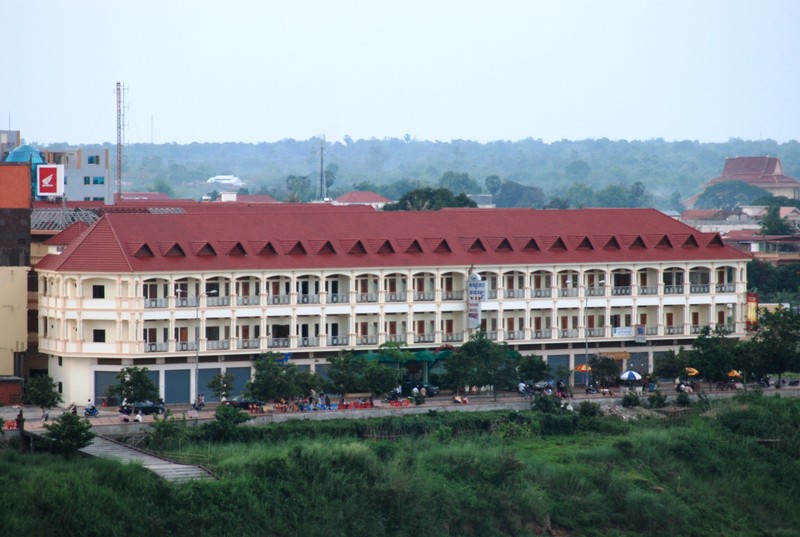
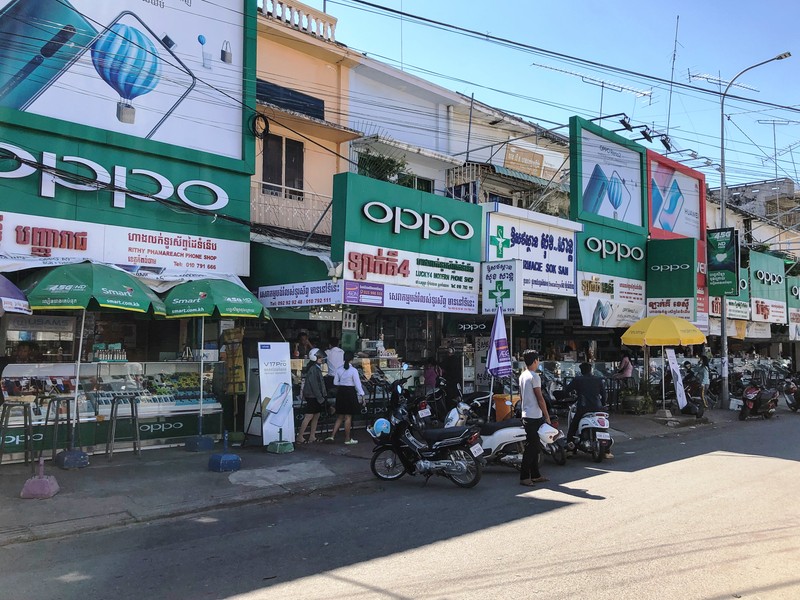
Buildings from the French colonial period survive in the city centre, with distinctive façades, balconies and shutters. The local market sells vegetables, fruit, fish, rice, spices, clothing and prepared food. Exploring the centre offers a picture of Kampong Cham as a living town rather than simply a collection of attractions.
Local Food
Cafés serve rice dishes, noodle soups, fish, vegetables, curries and snacks. Fresh fruit and ready-to-eat food are also available at the market. In the hot climate, choose food that appears fresh and drink safe water.
Best Time to Visit
The dry season, usually from November to April, is often the most convenient period to visit. During the rainy season the landscape becomes greener, but heavy showers may affect road conditions and crossings on the Mekong. Early morning and evening are usually best for walking and visiting temples.
How to Get There
Kampong Cham is about 120 kilometres from Phnom Penh. Bus and minivan journeys generally take around two to three hours. Within the city, visitors can use tuk-tuks, motorcycle taxis, bicycles or walk. For attractions outside the centre, it is useful to agree on a route and fare with a driver in advance.
How Long to Stay
The main sights can be visited in one full day by combining the riverside, Kizuna Bridge, Wat Nokor and a trip to Koh Pen or the Phnom Pros and Phnom Srei hills. One or two nights allow more time for cycling through the countryside, visiting plantations and enjoying the city at a slower pace.
Travel Tips
Wear clothing that covers the shoulders and knees when visiting temples and follow local guidance. Bring water, insect repellent and sun protection for countryside excursions. If the bamboo bridge is a priority, confirm that it has been built for the current season. Kampong Cham is rewarding for its mix of Mekong scenery, ancient temples, colonial architecture and quiet rural surroundings.
Gallery