Choeung Ek Memorial is one of Cambodia’s best-known sites of remembrance, associated with the mass killings committed under the Khmer Rouge. It lies about 15 kilometres south of central Phnom Penh. From 1975 to 1979, this former orchard and Chinese cemetery became an execution site for prisoners brought from Security Prison S-21.
History of Choeung Ek
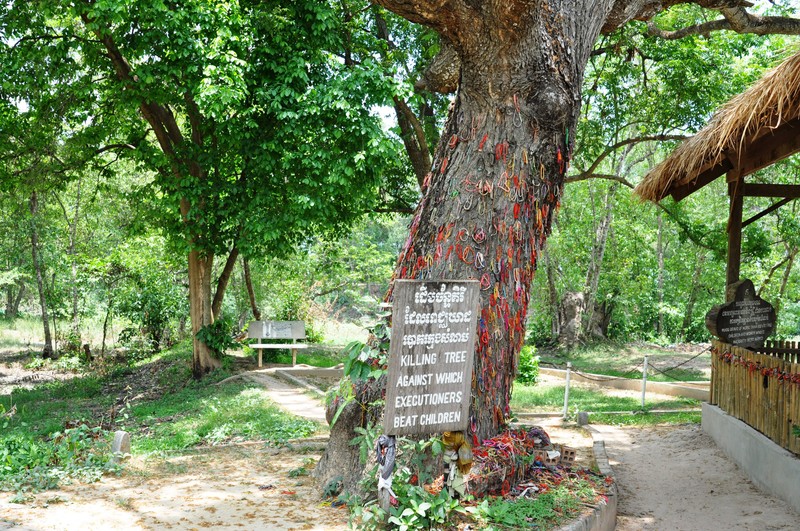
After taking power, the Khmer Rouge established a system of repression, forced labour and displacement. Choeung Ek was used to execute people who had been interrogated and tortured in Phnom Penh. Many killings took place at night, and victims were buried in mass graves.
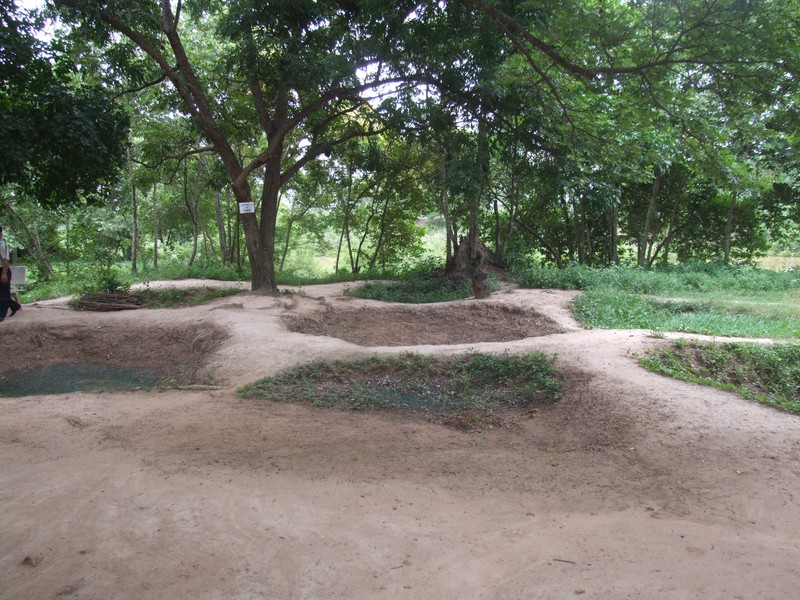
After the regime fell in 1979, numerous burial pits were discovered. Some were investigated and excavated, while others were left undisturbed as part of the memorial landscape. The site now commemorates victims and preserves evidence of the crimes.
Mass graves
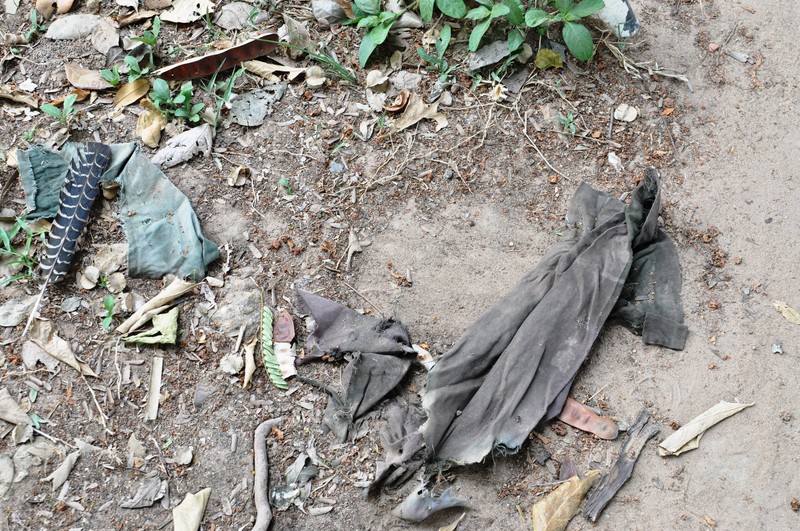
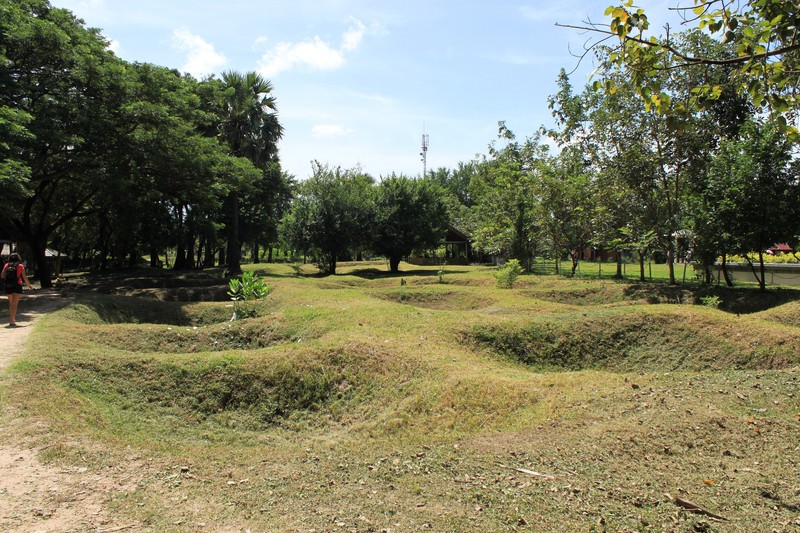
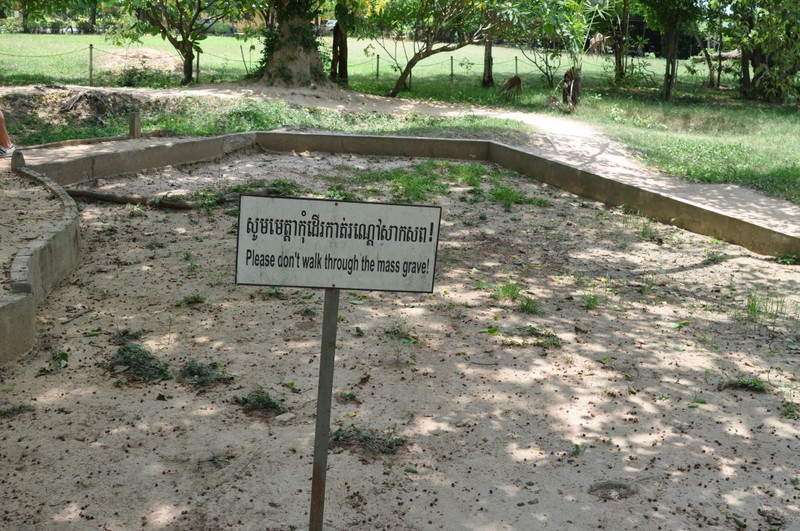
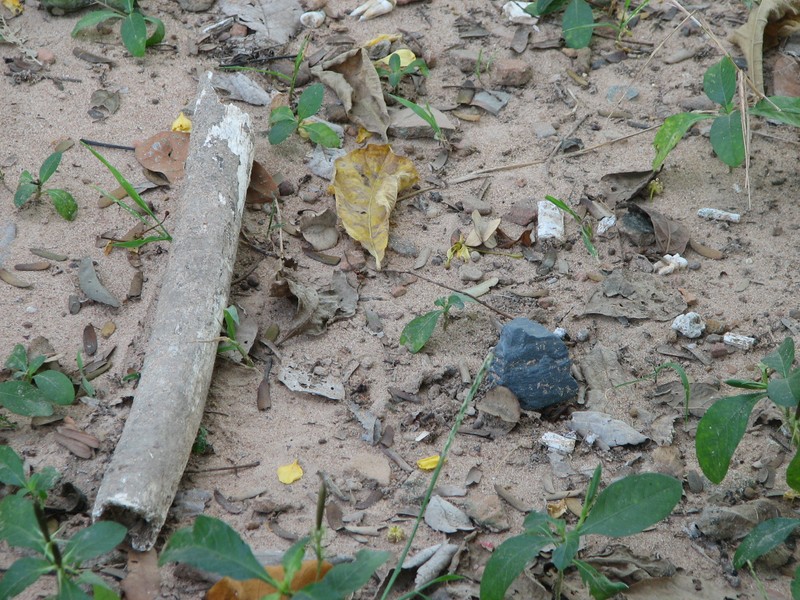
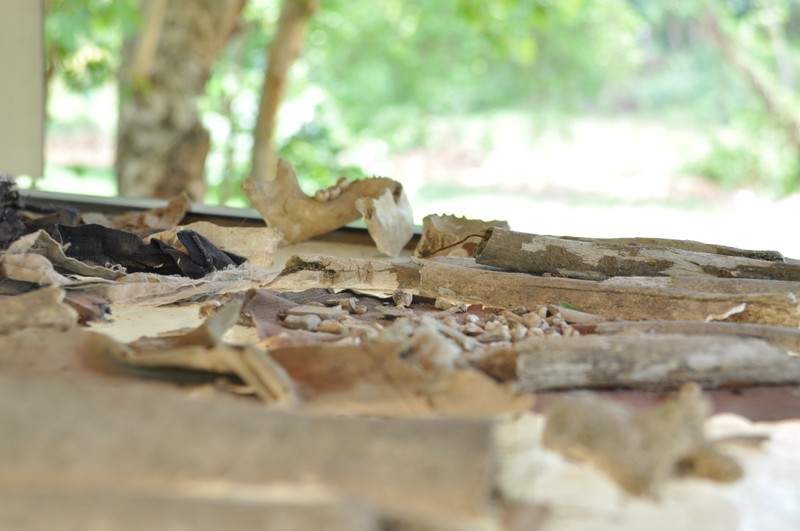
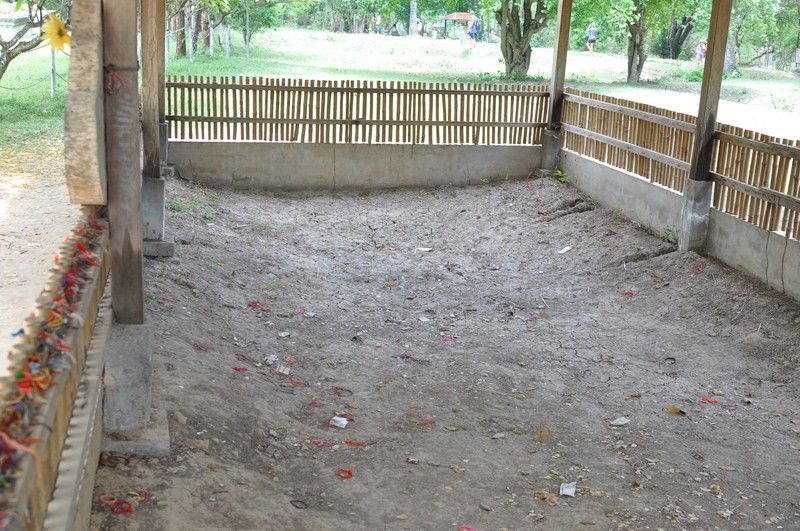
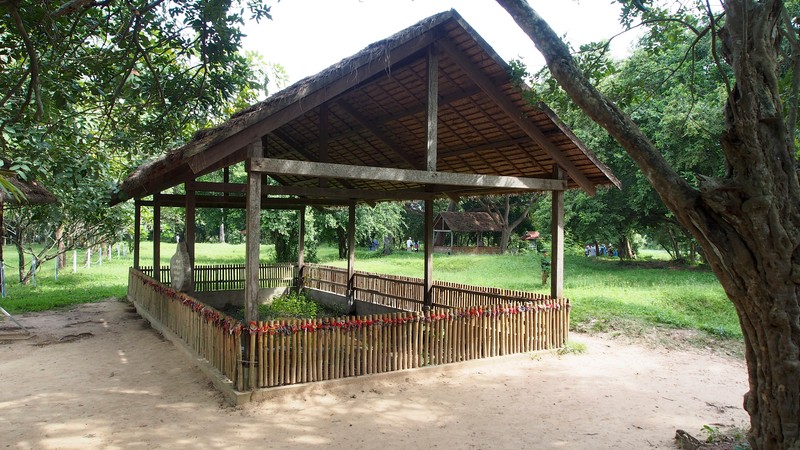
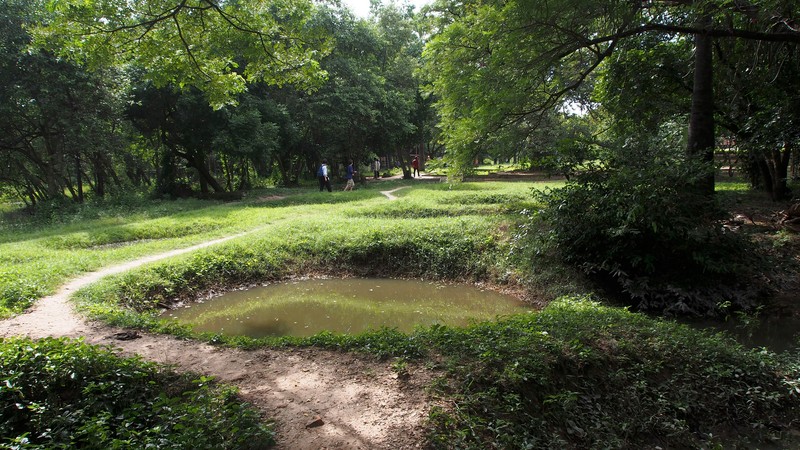
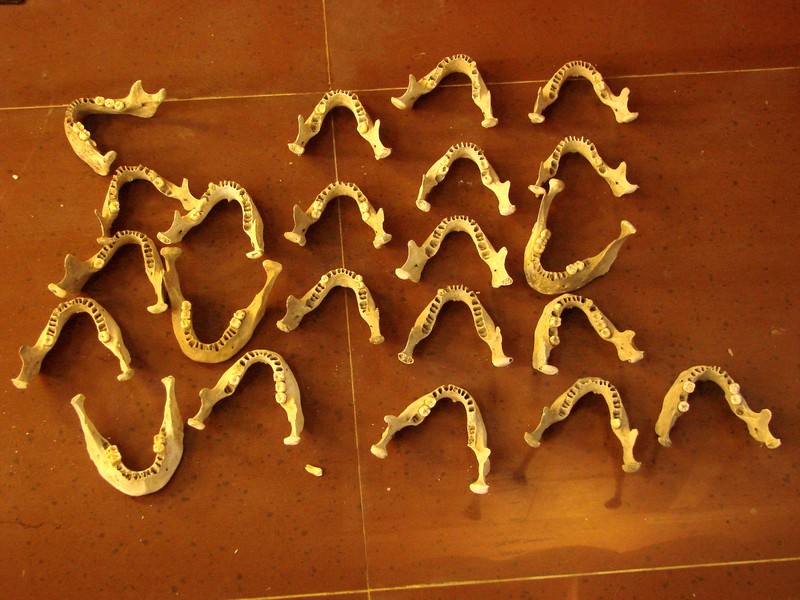
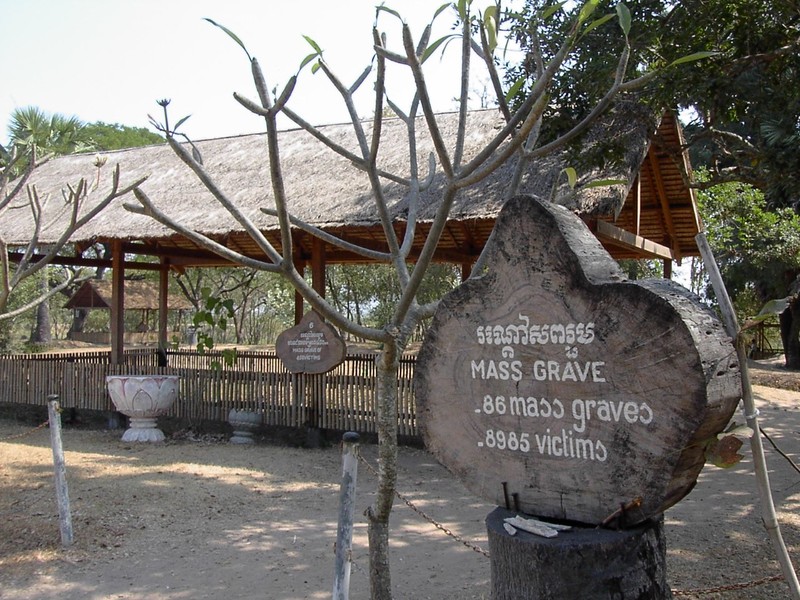
Dozens of burial pits were identified at Choeung Ek. Site documentation refers to 129 identified pits, although not all were excavated. After heavy rain, fragments of bone or cloth may occasionally appear on the ground. Visitors are asked not to touch or move such remains and to inform site staff if they notice them.
The memorial stupa
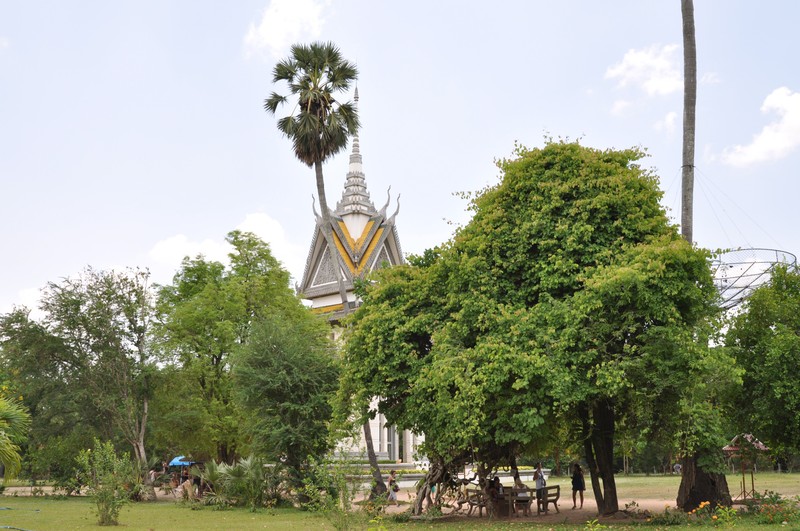
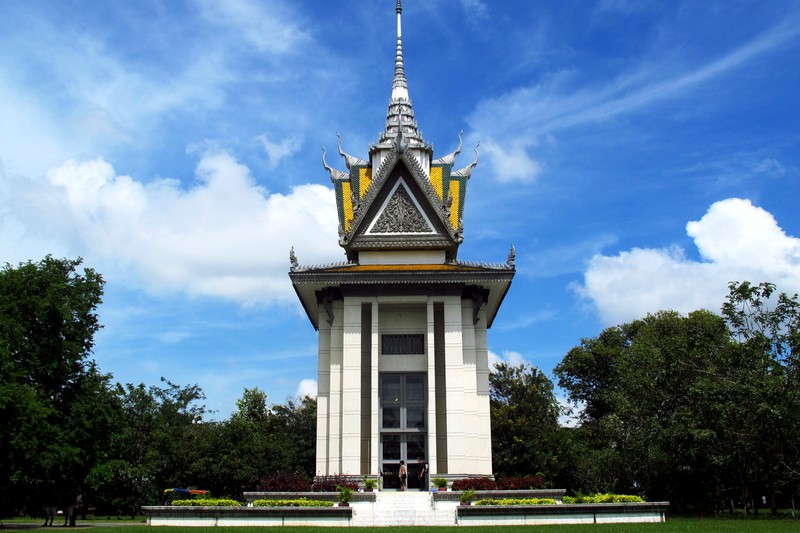
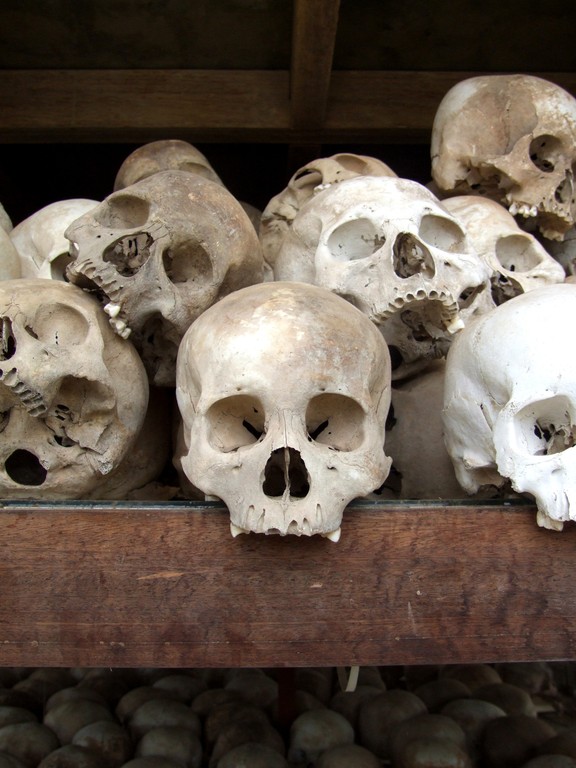
The main monument is a Buddhist memorial stupa built in the 1980s. Behind its transparent walls are thousands of human skulls and other remains recovered after the graves were discovered. The stupa is a place of mourning and remembrance, not simply an architectural attraction.
Connection with Tuol Sleng
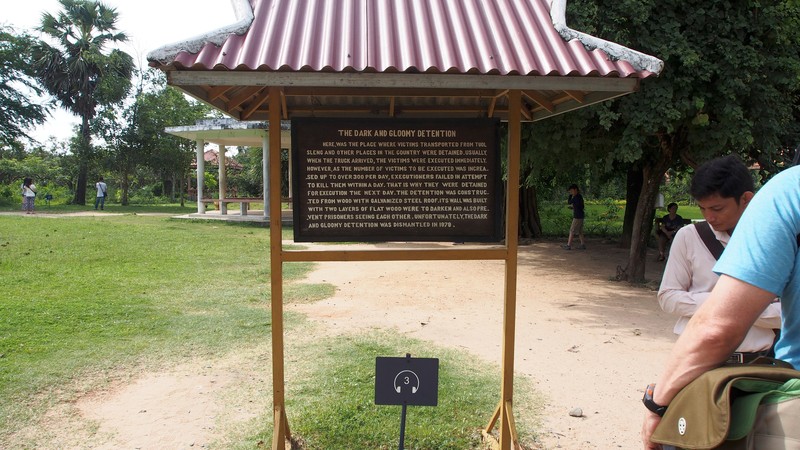
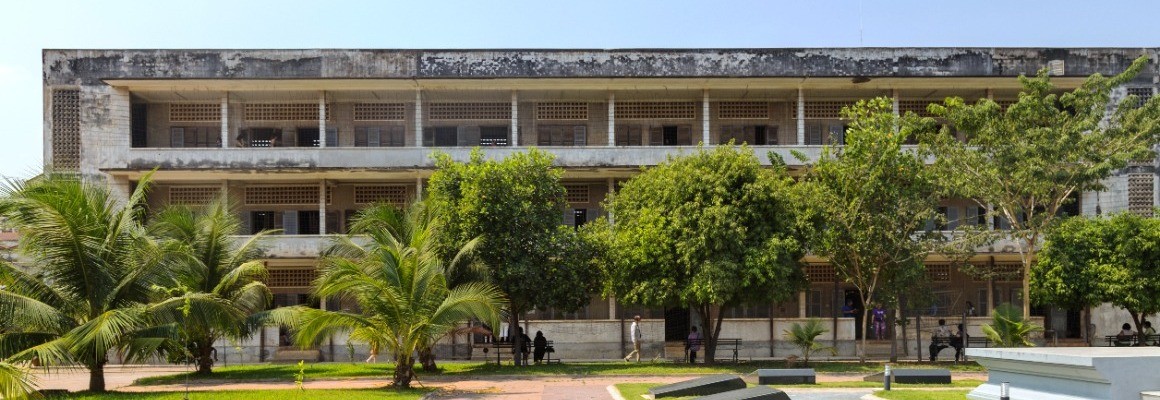
Choeung Ek is closely connected to the Tuol Sleng Genocide Museum, the former S-21 prison in Phnom Penh. Many prisoners were registered, interrogated and tortured there before being transported to Choeung Ek for execution. Visiting both sites helps explain different stages of the Khmer Rouge system of repression.
The Khmer Rouge tragedy
Pol Pot’s regime ruled Cambodia from 1975 to 1979. Forced labour, starvation, displacement, persecution and mass killings caused an estimated 1.5–2 million deaths, according to varying estimates. Choeung Ek bears witness to the scale of the tragedy and the importance of protecting human dignity.
UNESCO World Heritage
On 11 July 2025, Choeung Ek was inscribed on the UNESCO World Heritage List as part of Cambodian Memorial Sites: From Centres of Repression to Places of Peace and Reflection. The property also includes Tuol Sleng and the former M-13 prison. Together, these sites document different stages of repression under the Khmer Rouge.
Visiting the memorial
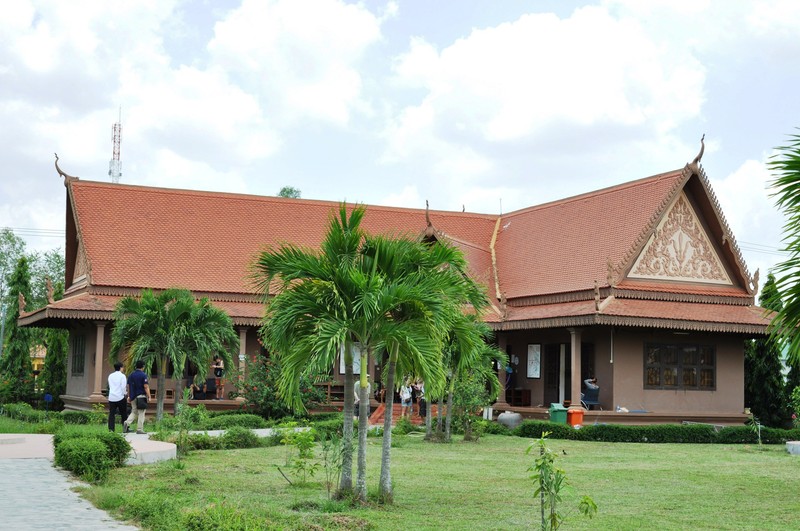
The memorial is about 15 kilometres south of central Phnom Penh. A tuk-tuk or taxi is the most convenient way to get there, and the journey usually takes around 30–45 minutes depending on traffic. Visitors can see the stupa, marked burial areas and interpretive displays, and may use an audio guide.
Modest clothing, quiet voices and respectful behaviour are recommended. Visitors should not touch human remains or take objects from the site. Choeung Ek is a place of remembrance, dedicated to honouring victims, preserving historical truth and reflecting on the value of peace.
Gallery