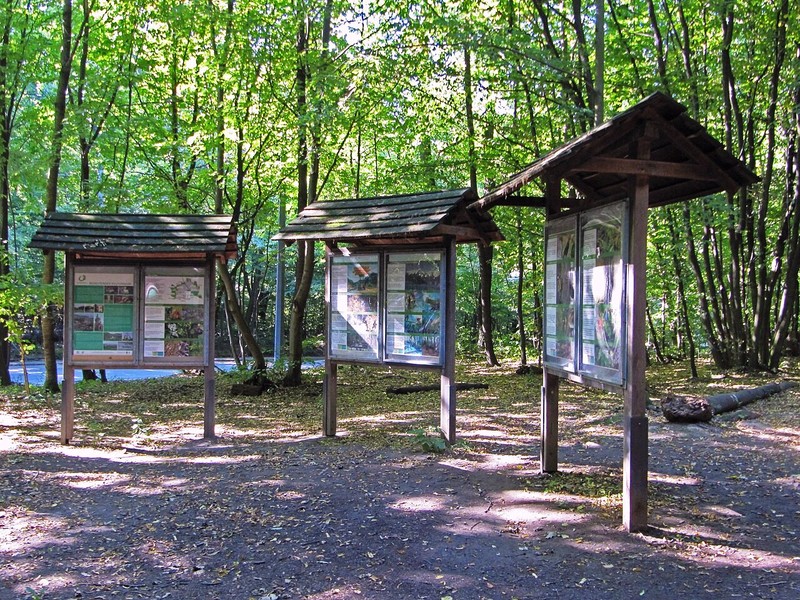
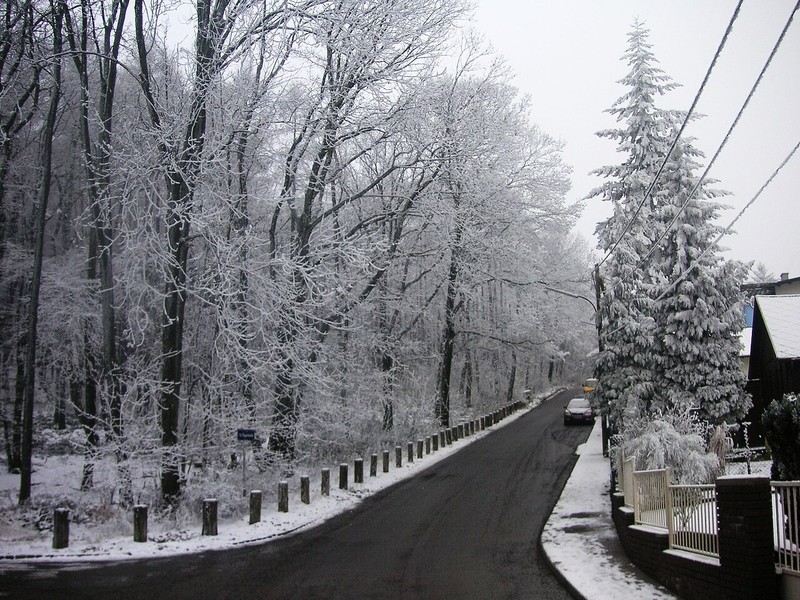
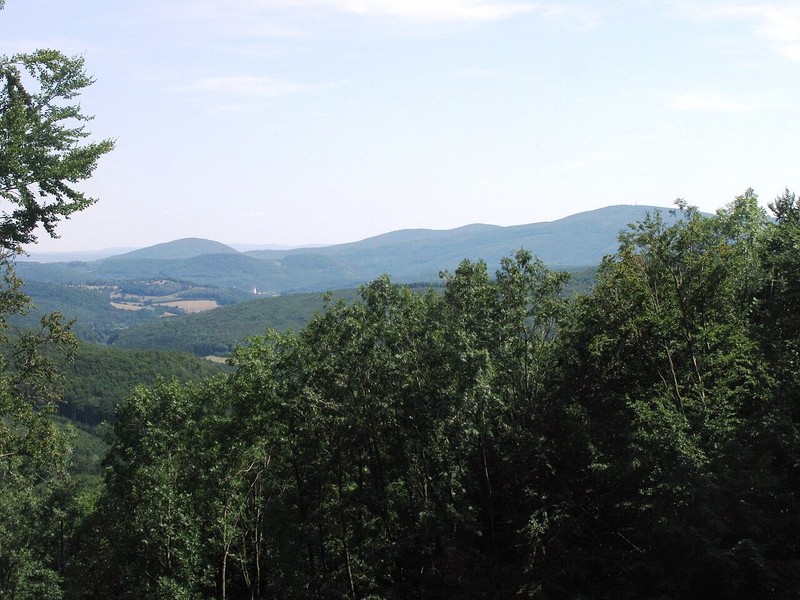
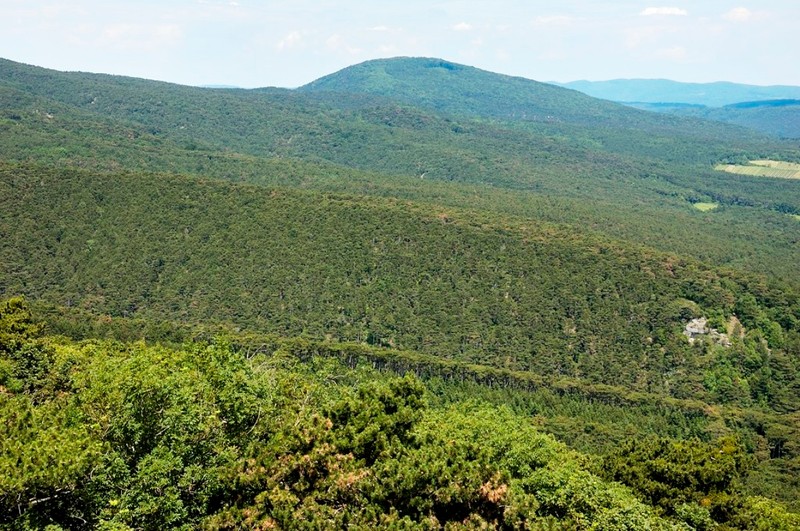
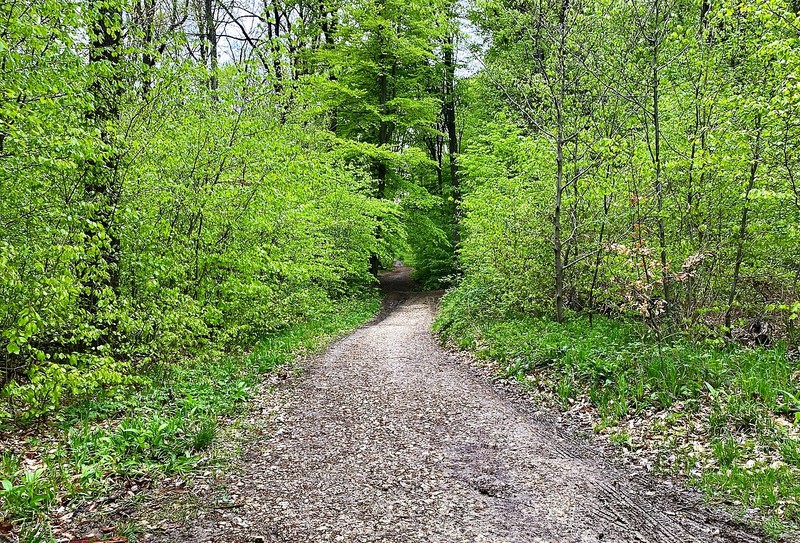
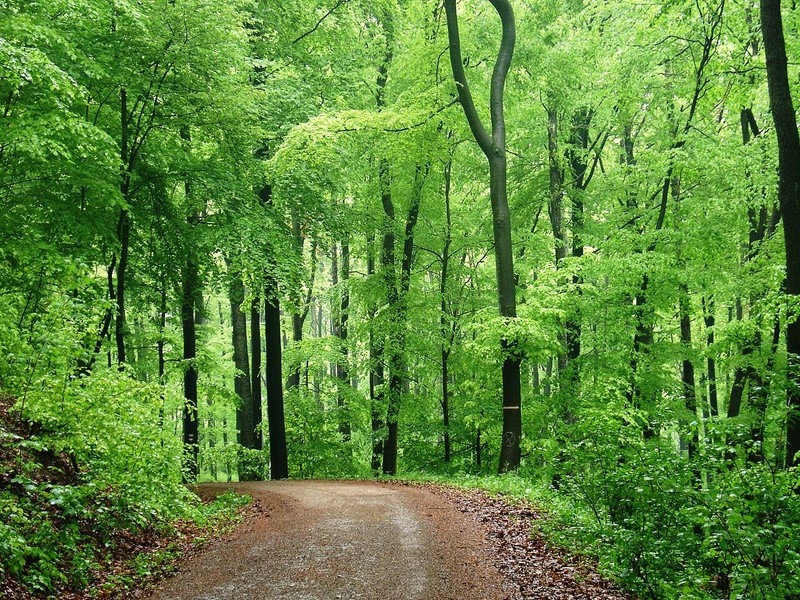
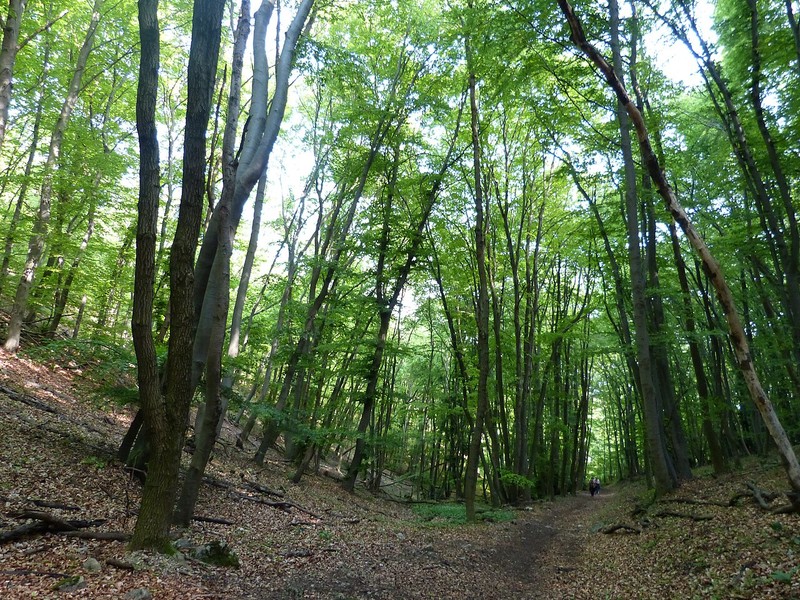
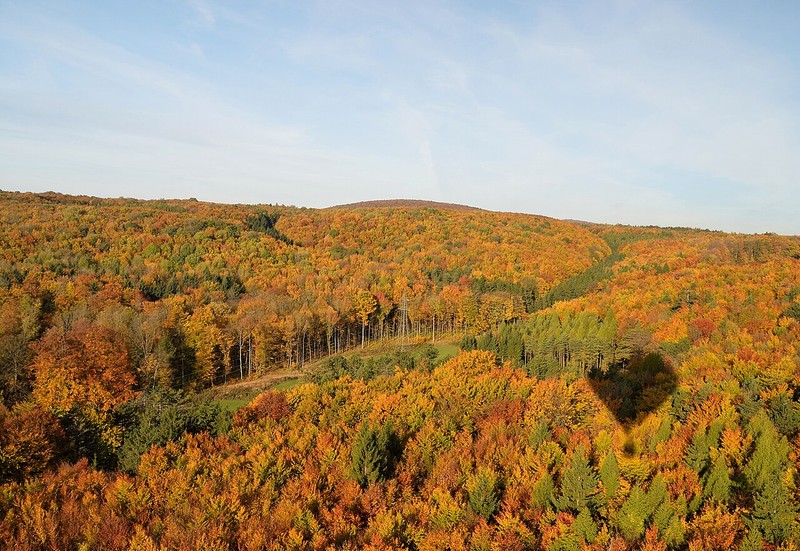
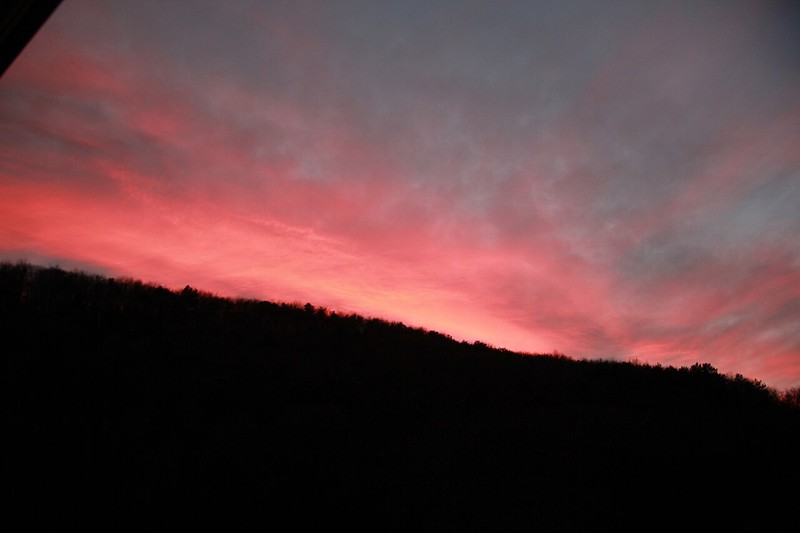
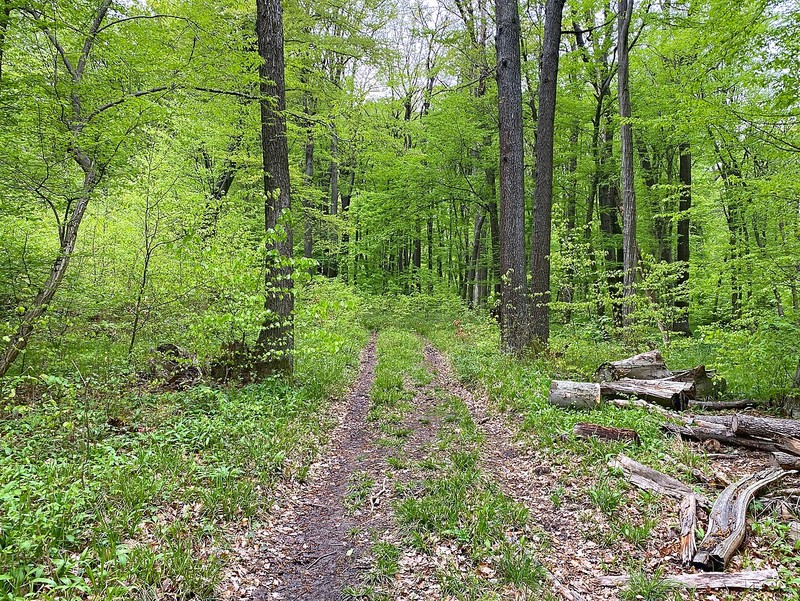
The Vienna Woods are a mountainous region on the northeastern edge of the Eastern Alps, often described as the “green lungs” of Vienna. In 2005, the area was designated a UNESCO biosphere reserve. Forest landscapes, panoramic viewpoints, historic monasteries and castles, and trails for walking and outdoor activities all make up the region.
History of the Vienna Woods
The Vienna Woods were not artificially planted; their history is closely connected with the development of the region and nature conservation. The first settlements appeared here in the eighth century. The names of some villages, including Gablitz, Liesing and Döbling, are thought to have Slavic roots. For centuries, people came here to walk, gather mushrooms and hunt.
Timber harvesting expanded from the sixteenth century. In 1683, troops led by Poland’s King John III Sobieski crossed the northern part of the woods while heading to relieve Vienna during the Ottoman siege. Industrial development in the nineteenth century encouraged settlement in the surrounding area. When plans to clear a large part of the forest emerged in the 1870s, public opposition helped protect it. In 1987, the authorities of Vienna, Lower Austria and Burgenland signed a declaration to protect the region’s natural environment.
Nature and geography
The Vienna Woods extend for about 45 kilometres, are 20–30 kilometres wide and cover approximately 1,250 square kilometres. The highest point is Mount Schöpfl, at 893 metres. To the north, wooded hills meet the Danube valley and vineyards; to the south lies the spa town of Baden, to the west St. Pölten, and to the east Vienna. Natural boundaries include the Danube, Traisen, Gölsen and Triesting rivers.
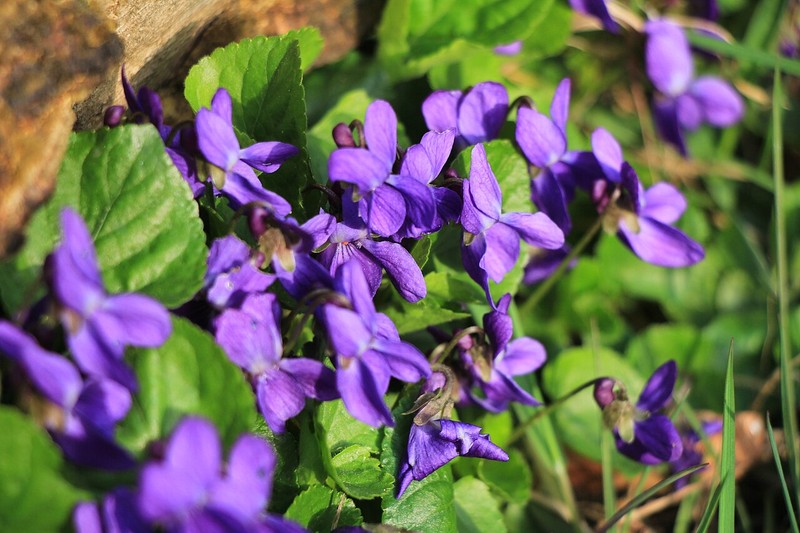
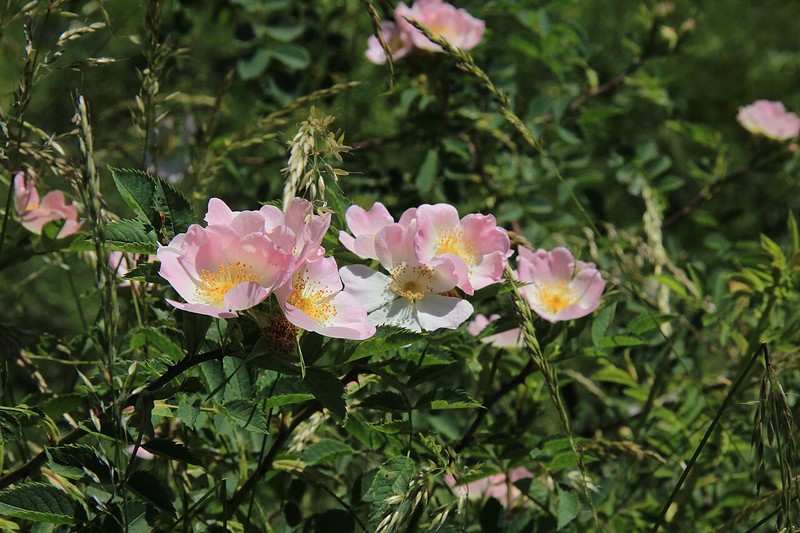
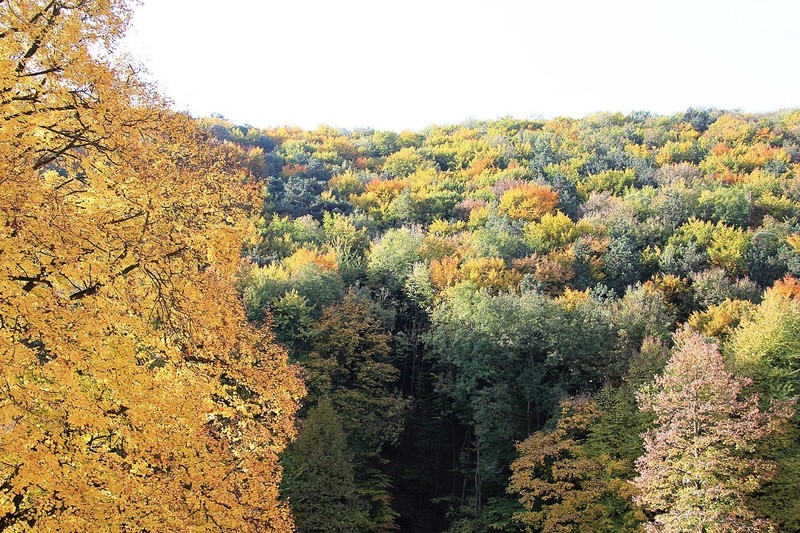
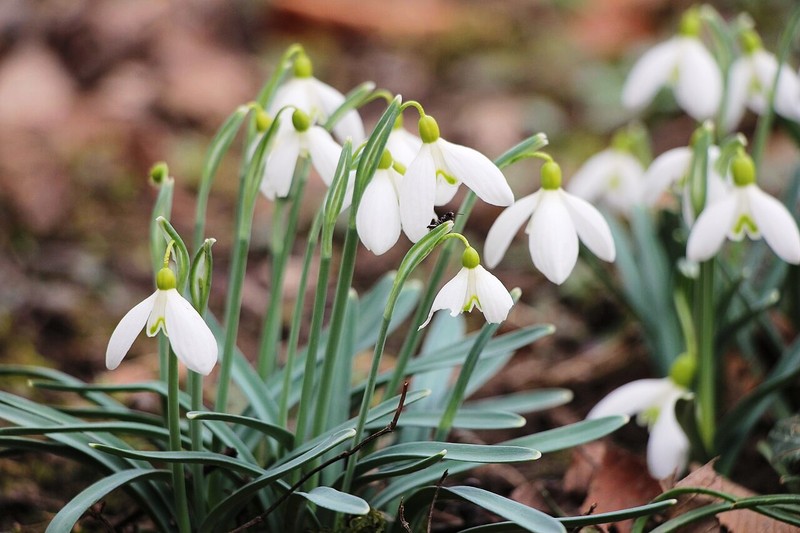
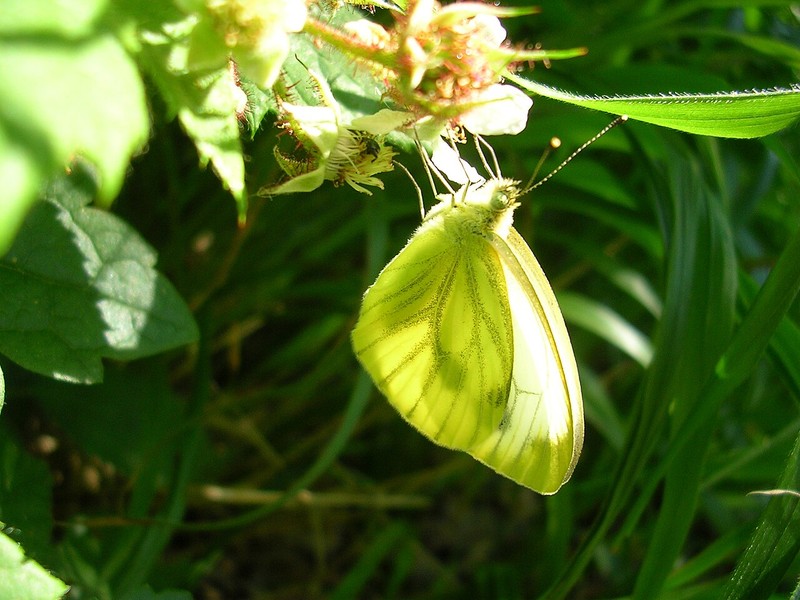
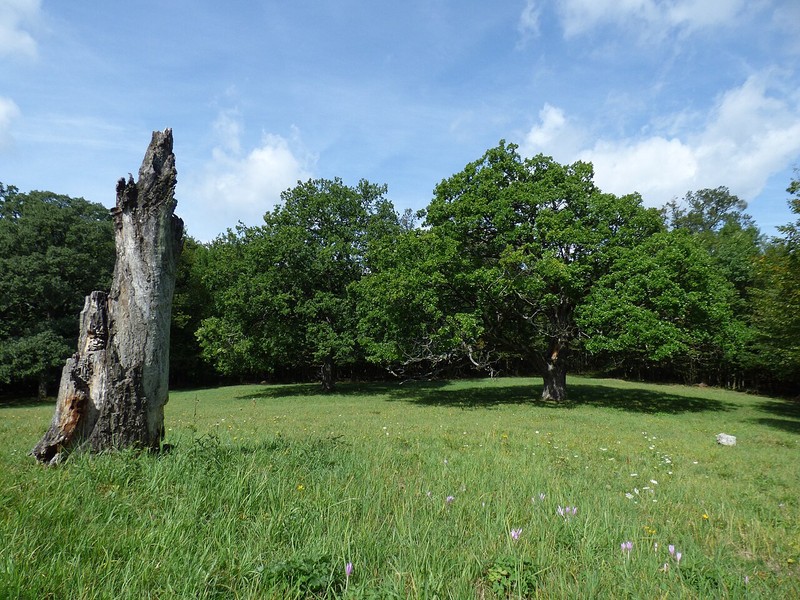
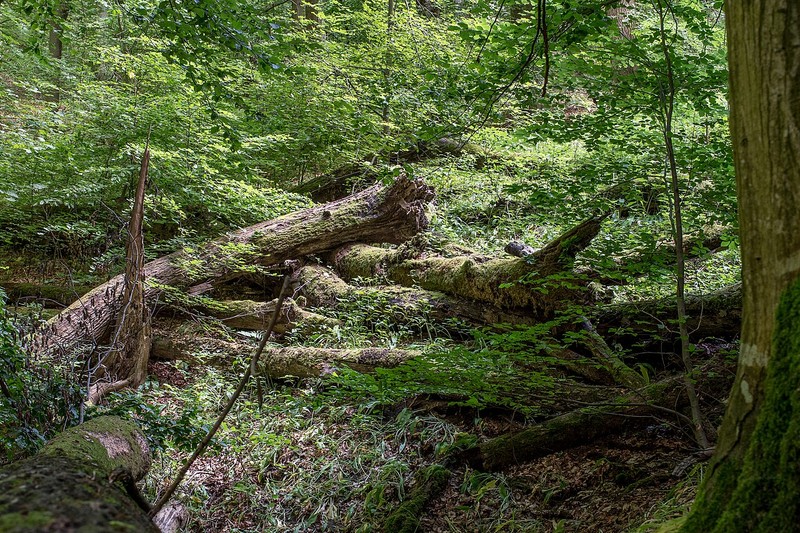
Oak, beech and hornbeam dominate the northern woods, while fir, spruce, pine and larch are found in the southeast. More than 2,000 plant species grow here, including rare protected varieties. The Lainzer Tiergarten reserve is home to deer, elk, wild boar, fallow deer and mouflon. Many birds, bats and insects inhabit the woodland; one notable species is the stag beetle, whose large jaws resemble small antlers.
The Vienna Woods attract visitors throughout the year. People come to hike, gather mushrooms, relax in clearings, enjoy the scenery and explore historic sites. The area is also associated with cultural figures such as Franz Kafka and Sigmund Freud.
What to see
You can explore the Vienna Woods independently or join a guided excursion. Allow several hours to enjoy the natural scenery and architectural landmarks without rushing.
Vienna Woods Museum. Its exhibitions introduce the region’s history, development and natural environment. The museum also hosts exhibitions and activities for children and young people.
Liechtenstein Castle. This medieval fortress stands at the edge of the wooded region. It has been destroyed and rebuilt several times. Guided visits introduce the castle’s history and its collection of armour and weapons.
Klosterneuburg Monastery. Construction began in 1114. The architecture combines Baroque and Gothic elements, and the altar of Saint Leopold is one of its major artistic treasures. The monastery is also known for its winemaking traditions and offers tours with tastings.
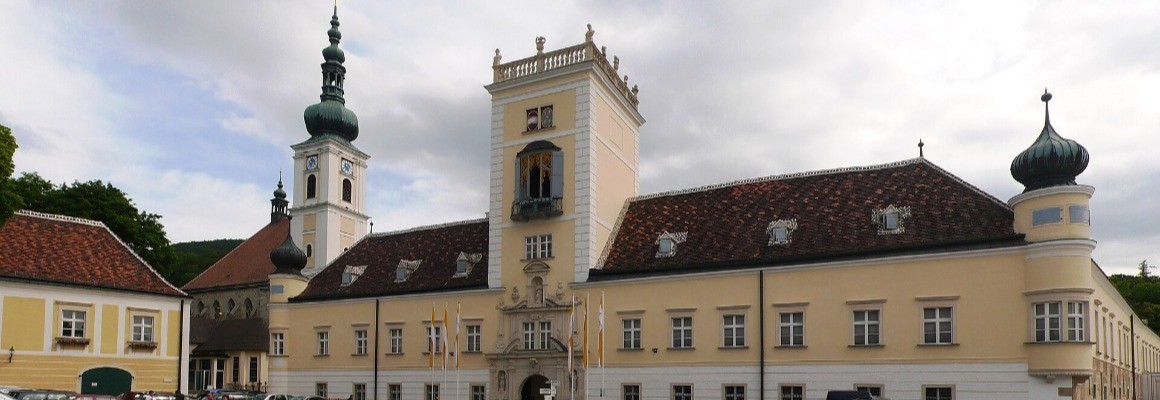
Heiligenkreuz Abbey. This active Cistercian monastery of the Holy Cross lies near the spa town of Baden. A theological institute operates on its grounds.
Seegrotte Hinterbrühl. This underground lake formed in former gypsum mines. Visitors can take boat trips across the water.
Leopoldsberg viewpoint. Located on a hill about 425 metres high in Döbling, it offers views of the Danube and nearby settlements. St Leopold’s Church is close by.
Kahlenberg viewpoint. This viewpoint on a hill about 484 metres high looks out over Vienna and its surroundings. The Stefaniewarte observation tower is nearby.
Kobenzl viewpoint. The site offers views across vineyards and rolling hills. Parking, cafés and restaurants are available nearby.
Getting there and activities
The Vienna Woods cover a large area west of Vienna, so it is best to choose a route based on the places you want to visit. Individual locations can be reached by car, train or bus; check current public transport routes before travelling. Bus lines serve some viewpoints, and marked hiking trails cross the forest.
In addition to walking, visitors can go mountain biking, while some slopes offer skiing in winter. The Vienna Woods are suitable both for a short escape into nature and for a longer trip exploring the region’s landscapes and historic landmarks.
Gallery