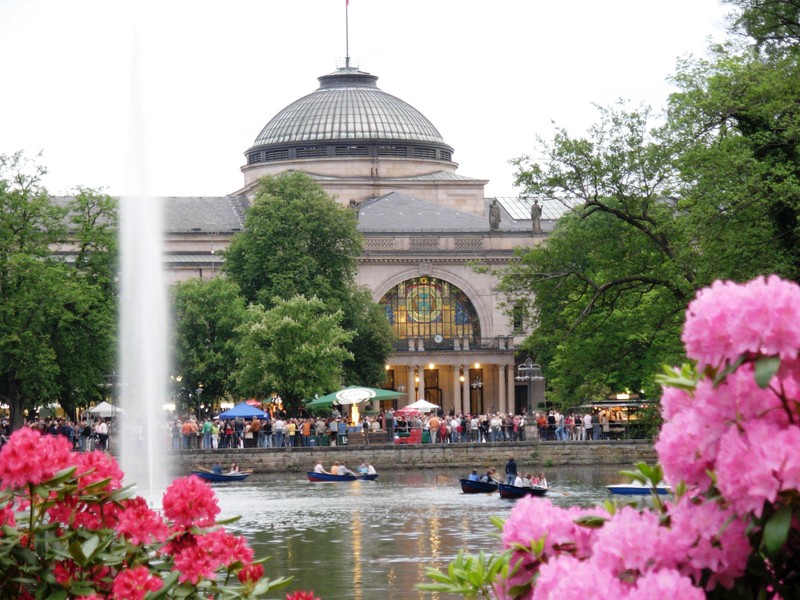
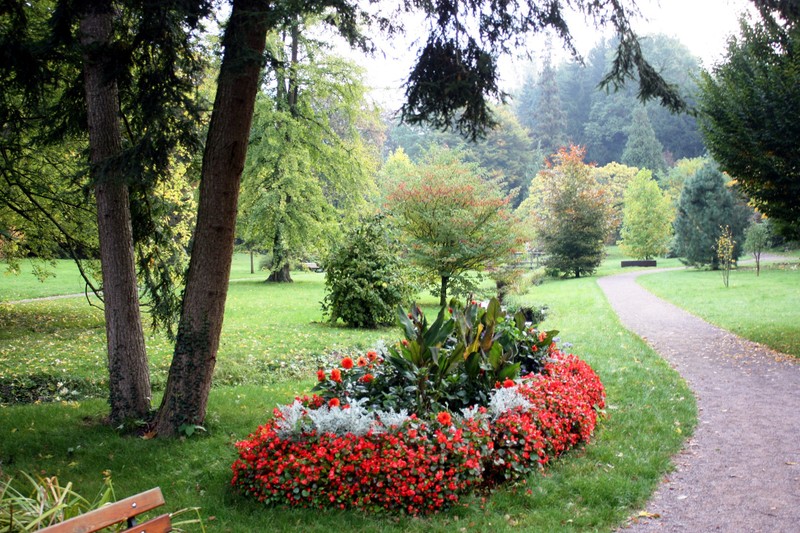
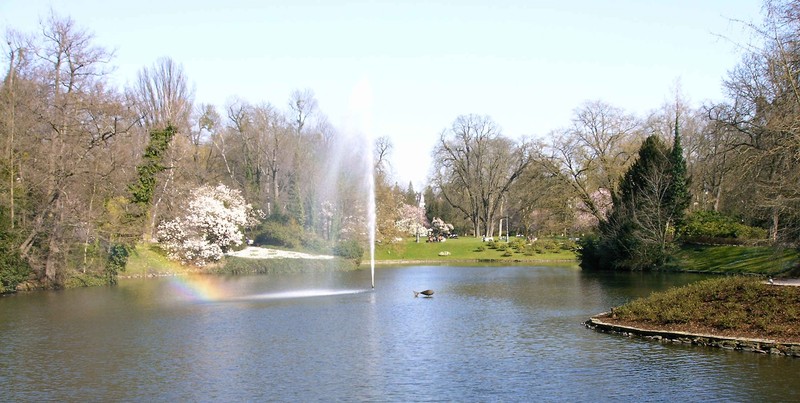
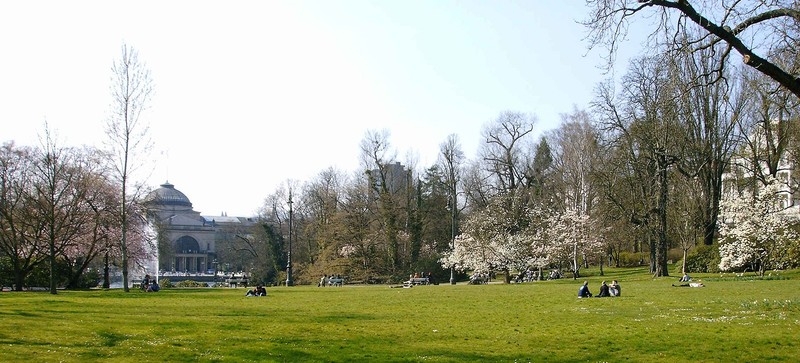
Kurpark in Baden is a historic landscaped park in Baden bei Wien, a town about 26 km south of Vienna. Covering approximately 52 hectares, it combines mature trees, flowerbeds, walking paths, fountains, monuments and viewpoints. The park is one of the town’s main attractions and recalls the period when Baden was a popular retreat for European aristocrats and the imperial court.
Kurpark is ideal for a peaceful walk and for discovering Austria’s cultural history. Visitors can see monuments to composers, historic structures and the famous Undine Fountain, while enjoying views of Baden’s historic buildings and the surrounding hills of the Vienna Woods.
History of Kurpark
The park’s history is closely connected with Baden’s development as a thermal spa town. In 1758, the Theresienbad baths were built at the foot of Kalvarienberg Hill, with support from Empress Maria Theresa. A garden gradually developed nearby and became known as the Theresiengarten. In 1792, the town decided to turn it into a public park for residents and spa visitors.
By the late 18th and early 19th centuries, Baden had become a popular destination among affluent travellers. From 1796 to 1835, the town served as a summer residence for Emperor Francis and his family. Walks, musical performances and social events became an important part of spa life. As Baden grew in popularity, the green grounds expanded through the acquisition of neighbouring plots.
In 1837, the town acquired additional garden grounds associated with industrialist Ignaz Lang. Further land purchases and landscaping gradually created the modern Kurpark. Municipal gardeners played an important role in shaping its paths and scenic compositions, including Josef Krupka, who worked in Baden from the late 19th century.
The Undine Fountain
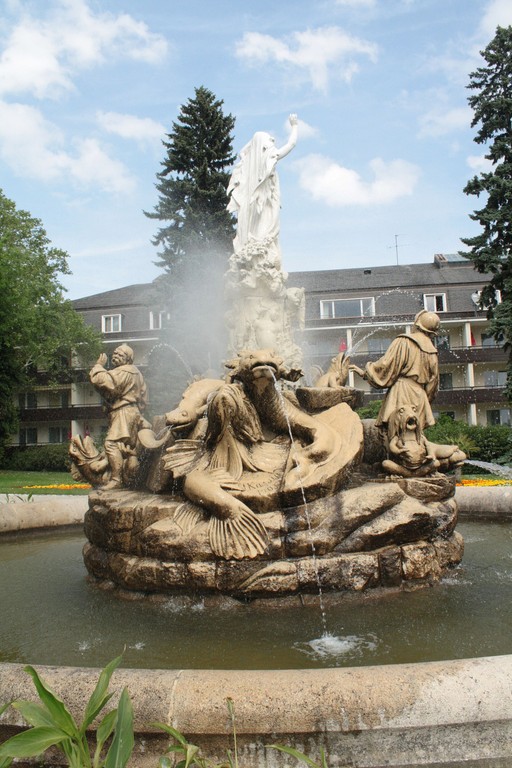
One of Kurpark’s best-known landmarks is the Undine Fountain, created by Viennese sculptor Josef Kassin. It was installed in 1903 in connection with the opening of a new water supply from Ebenfurth. The central figure of the mythical water spirit Undine is carved from Carrara marble, while the surrounding composition includes human figures and aquatic creatures. The fountain became a striking feature of the historic park and a symbol of Baden’s refined spa atmosphere.
The fountain underwent extensive restoration in 2024, including work on its stone elements, basin and water system. It once again attracts visitors with its sculptural details and water effects. Take time to look closely at the figures and the decoration around the basin.
Monuments and architecture
Kurpark is closely associated with Baden’s musical heritage. In 1912, a monument to composers Joseph Lanner and Johann Strauss the Elder was erected here. Their works are strongly linked to Viennese musical culture. The park also contains the Beethoven Temple, a small architectural structure opened in 1928 in honour of Ludwig van Beethoven, who visited Baden on several occasions.
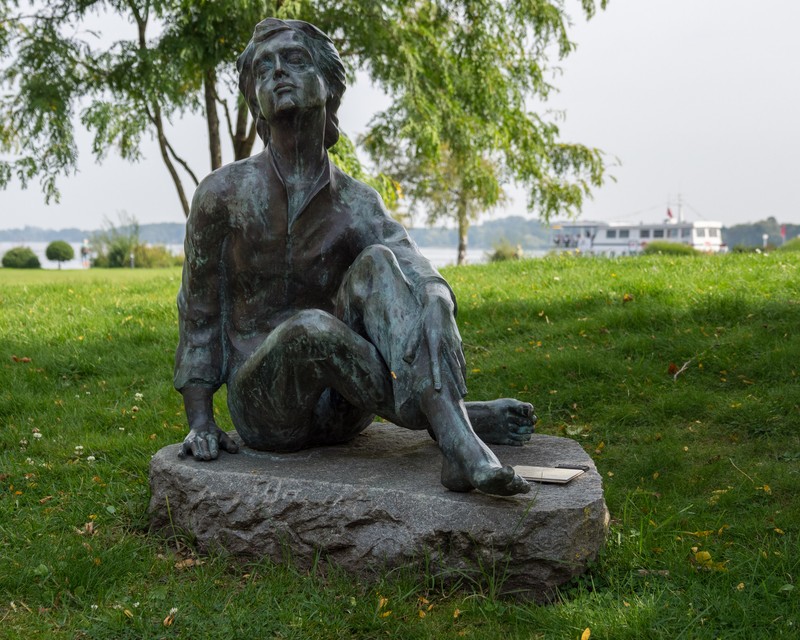
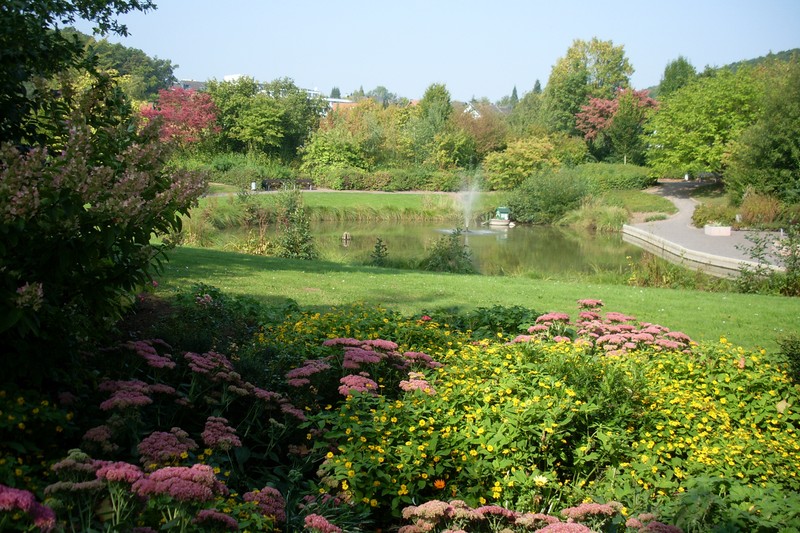
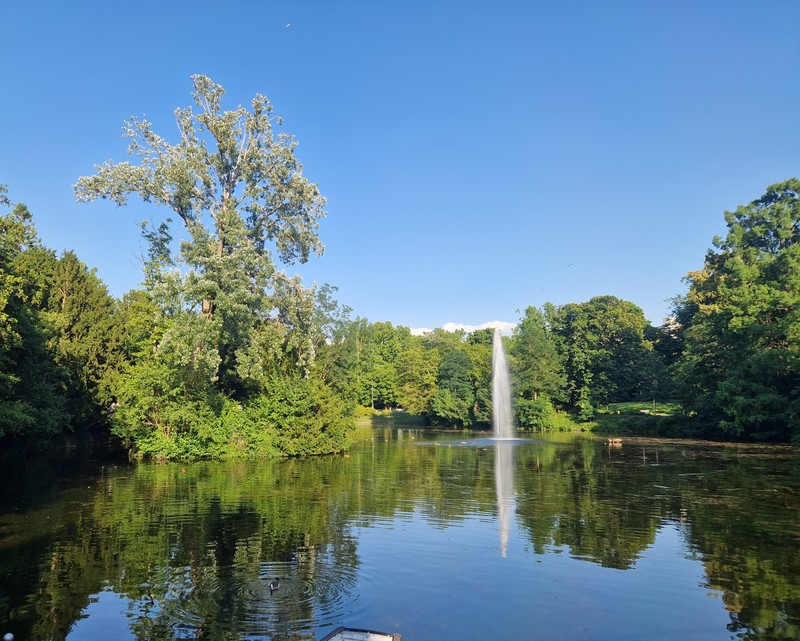
Other features include monuments to historical figures, floral displays and the famous flower clock. Quiet resting places, shaded paths and viewpoints are scattered throughout the grounds. Different sections reflect different landscape-garden styles, making a walk through the park an introduction to historic garden design.
Walks and cultural events
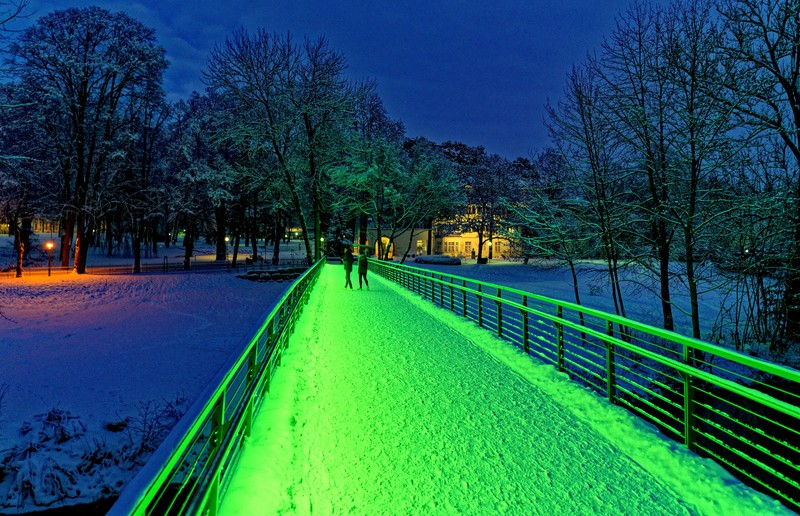
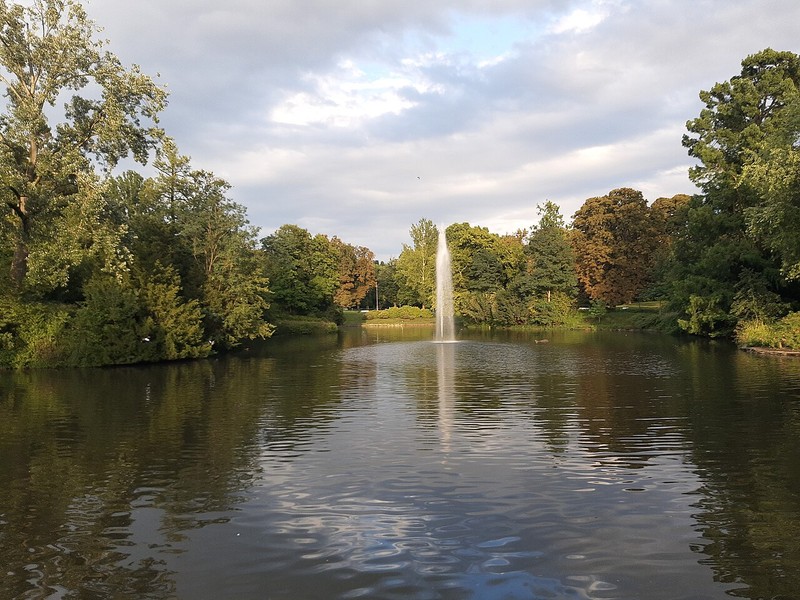
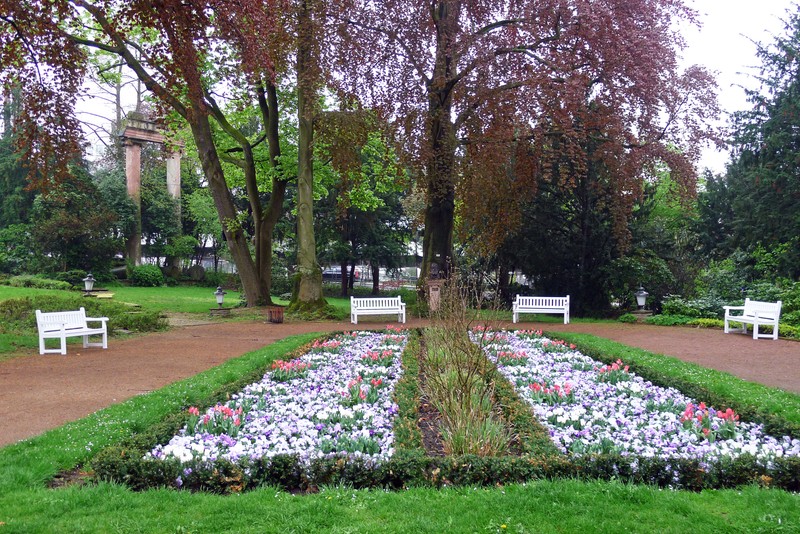
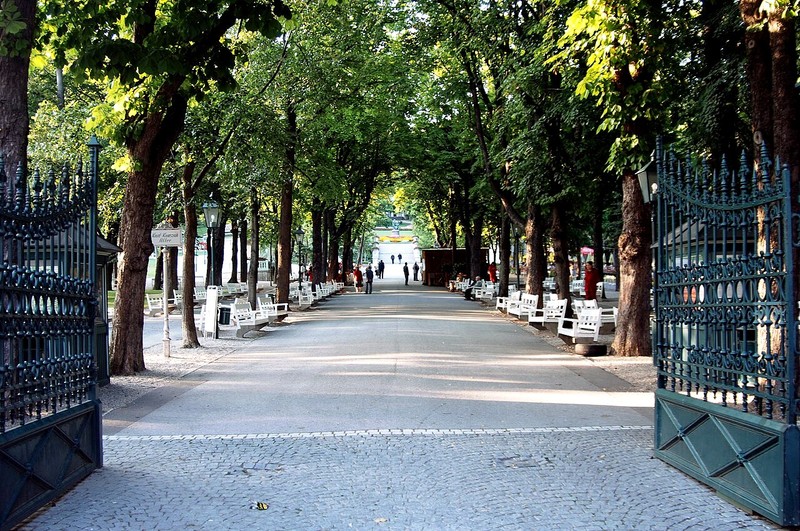
Kurpark is a popular place for walking throughout the year. In spring and summer, flowerbeds and lush greenery are especially noticeable, while mature trees provide shade along the paths. Benches and resting places are available, and walking routes lead towards nearby cultural attractions. Some paths climb the slopes and offer views of Baden and the surrounding landscape.
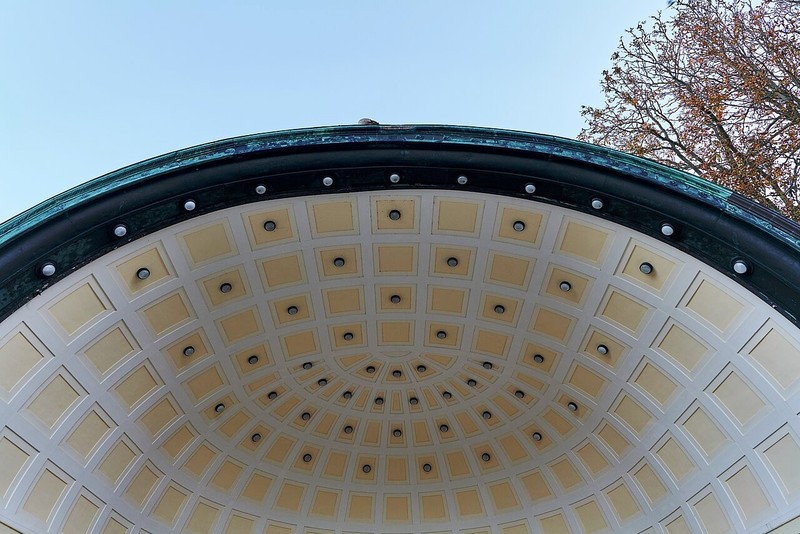
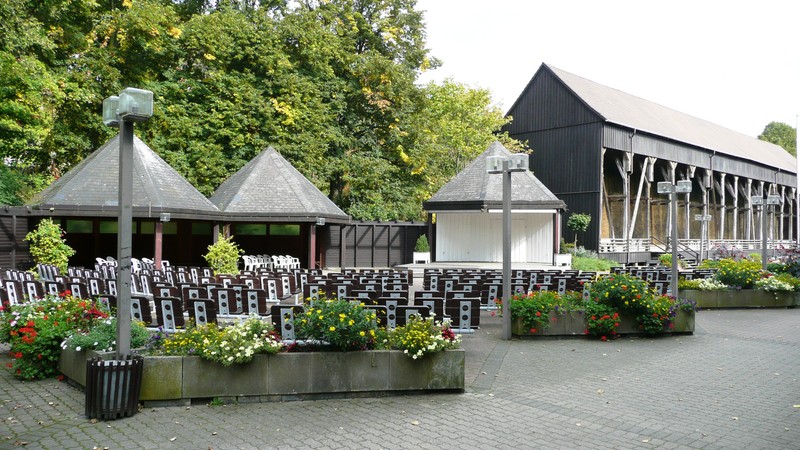
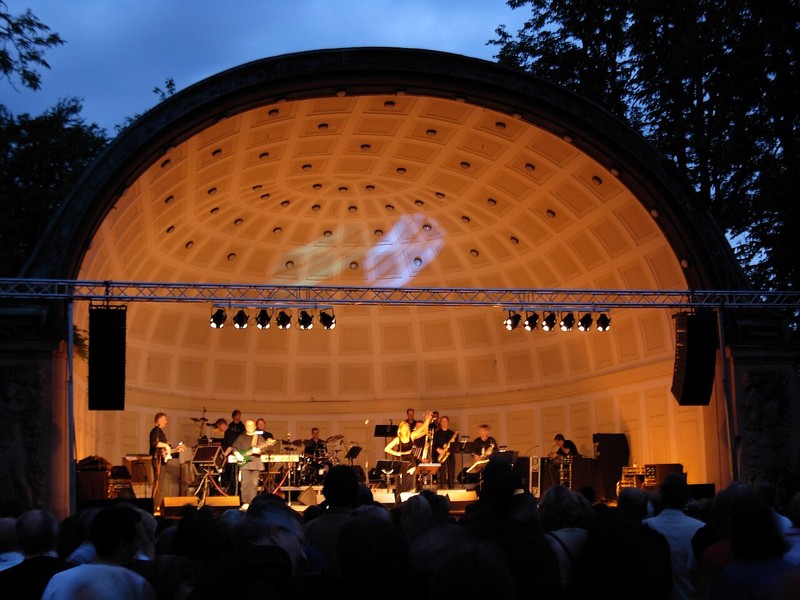
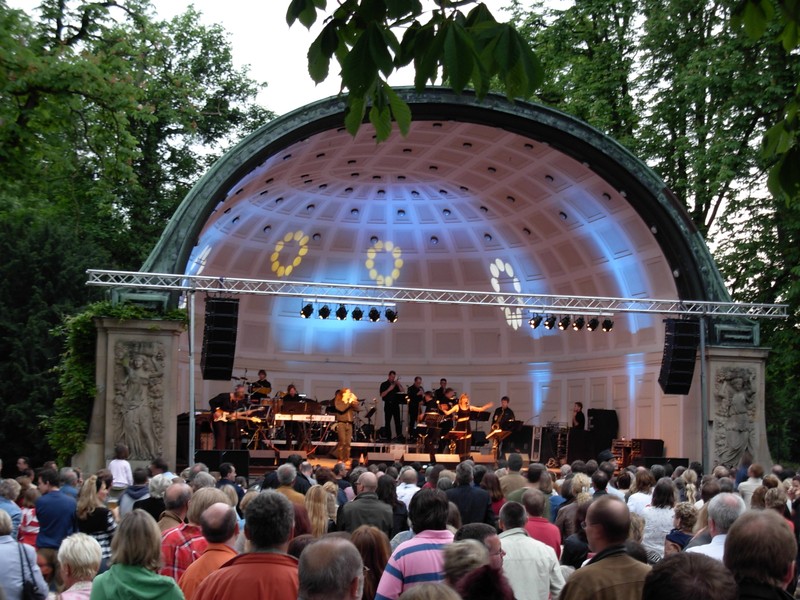
The town’s musical traditions continue through concert venues and summer cultural events. A music pavilion, the Summer Arena and Baden Casino are located in or near the park, so a walk can be combined with a performance or a visit to the historic centre. Event schedules vary by season and should be checked before travelling.
How to get to Kurpark
Baden can be reached from Vienna by public transport, including the Badner Bahn tram-train line. From central Baden, the main entrances to Kurpark are within walking distance. If travelling by car, bear in mind that parking in the centre can be limited during major events.
Kurpark is suitable for solo walks, family outings and exploring local history. Admission is free, and the park is open throughout the year. Allow at least one to two hours to see the main monuments, the Undine Fountain and the Beethoven Temple at a relaxed pace.
Gallery