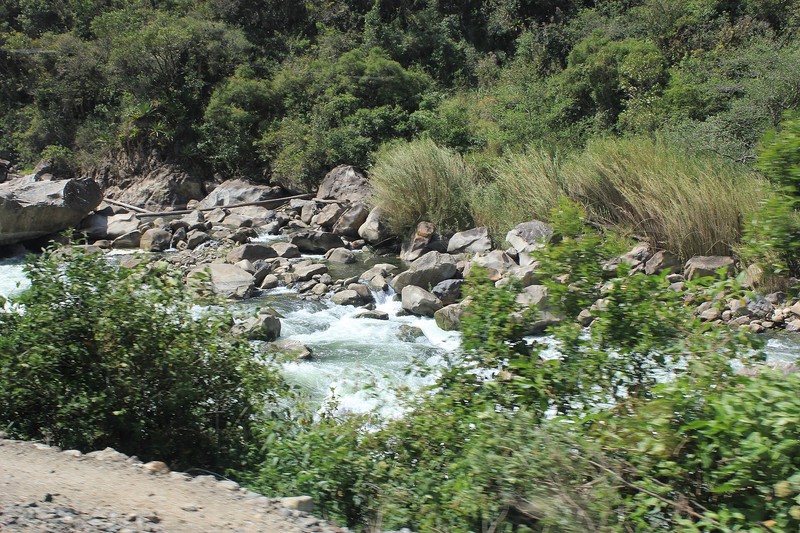
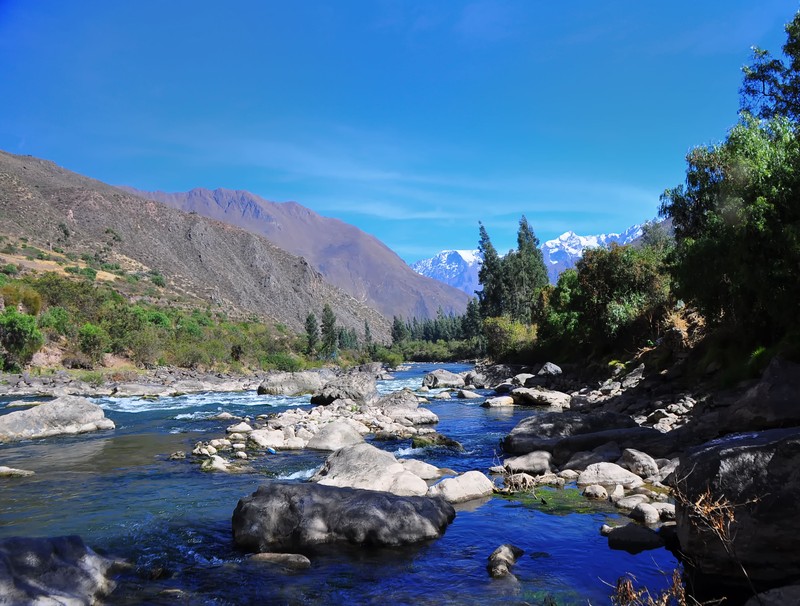
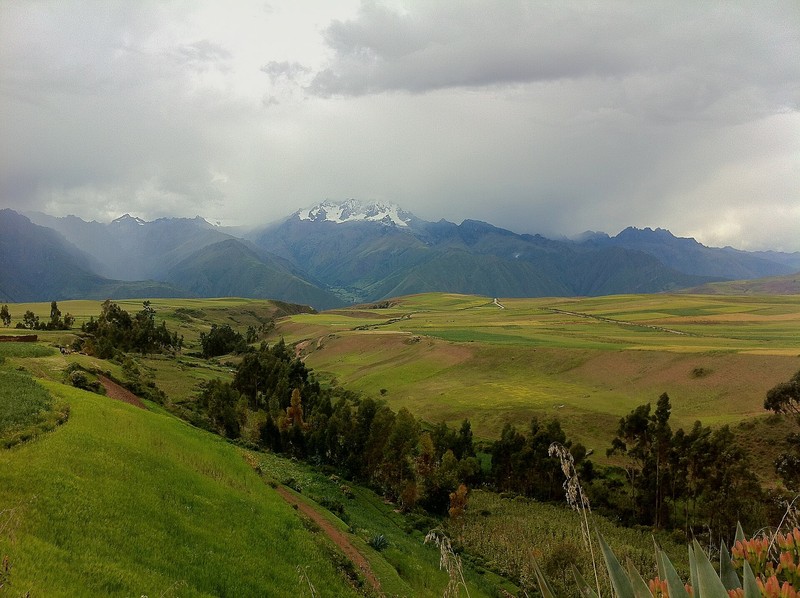
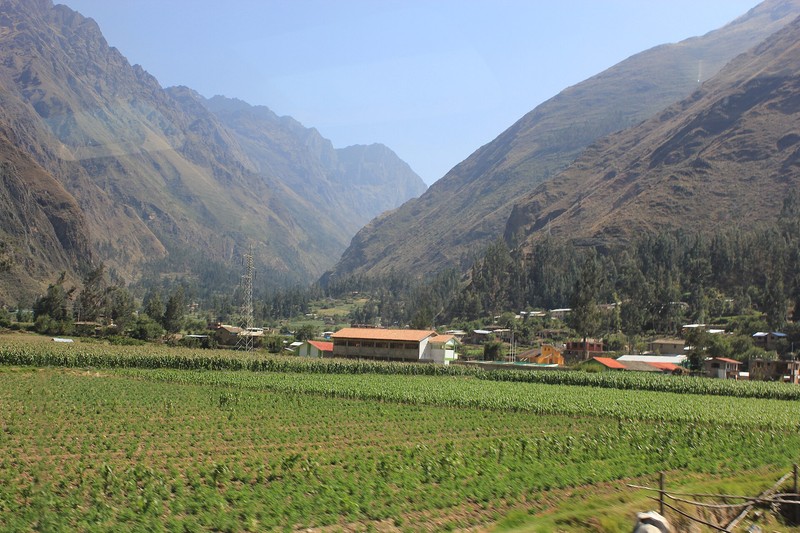
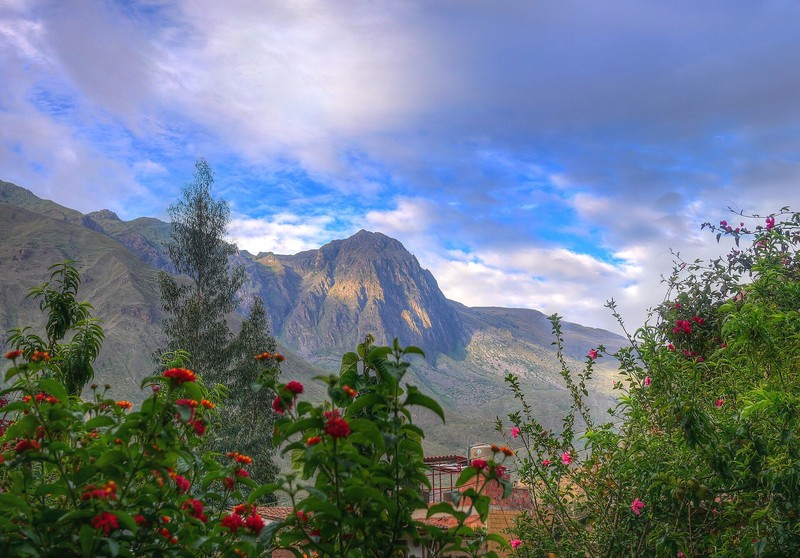
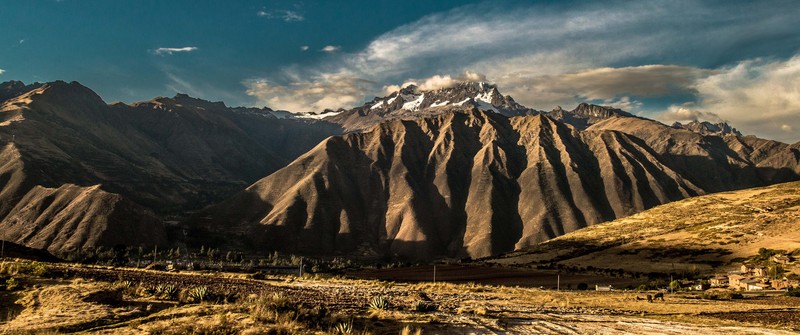
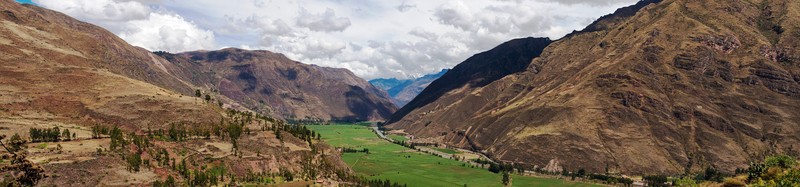
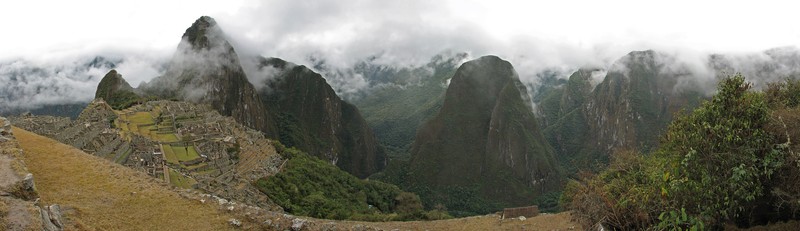
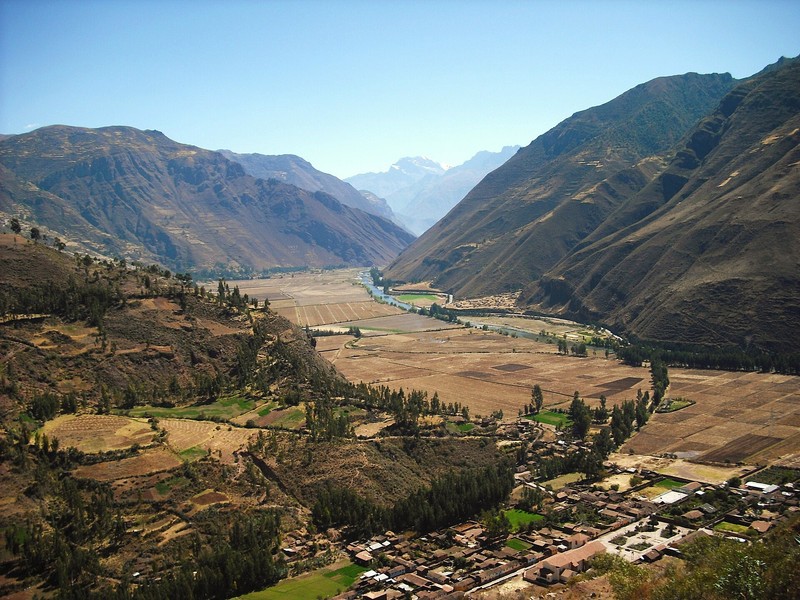
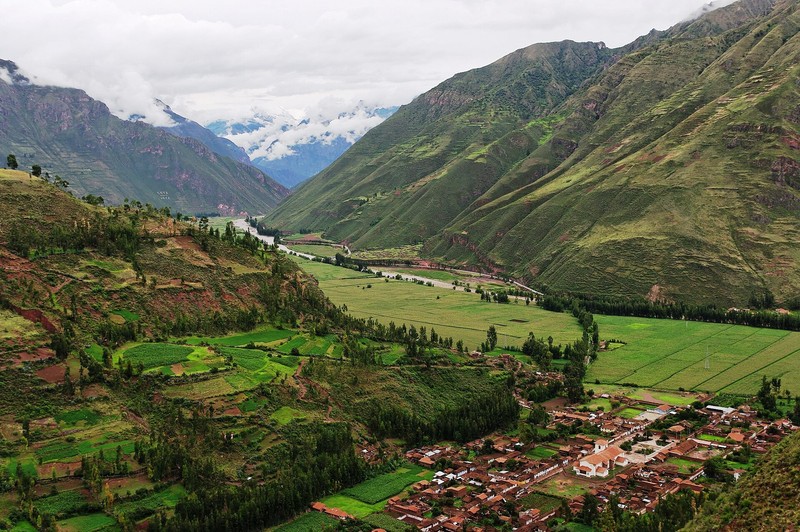
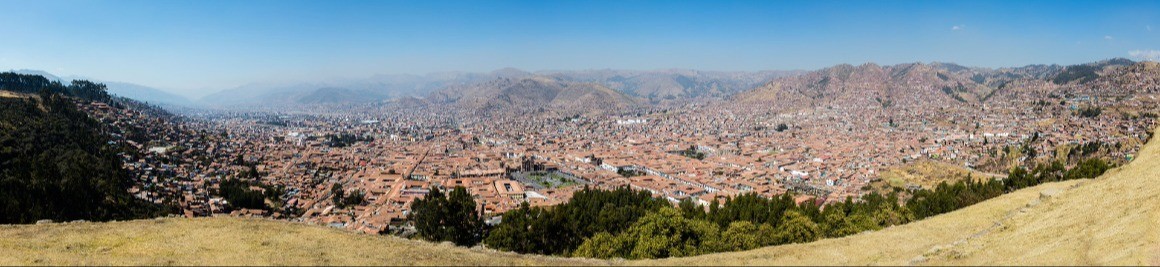
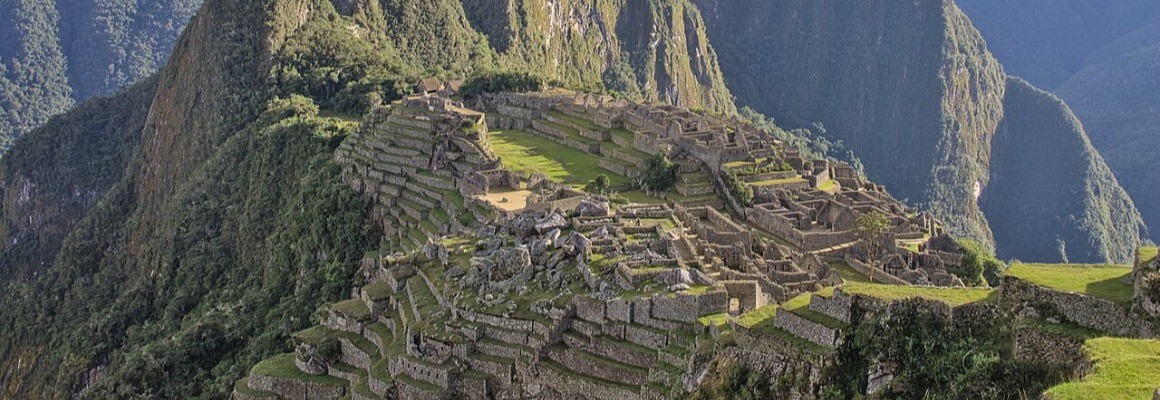
The Sacred Valley of the Incas is a historic region in the Peruvian Andes, near Cusco and Machu Picchu. It preserves ancient settlements, agricultural terraces, temples, and fortresses that reflect the achievements of Inca civilization. Stretching along the Urubamba River, the valley combines dramatic mountain scenery with a rich cultural heritage.
History of the valley
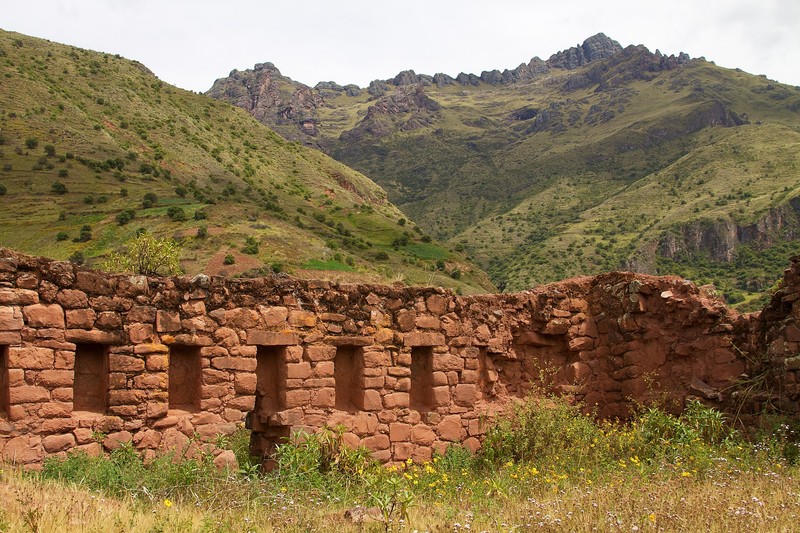
During the Inca Empire, this fertile region was important for agriculture and administration. Its relatively mild climate supported the cultivation of maize, potatoes, and other crops. The Incas built hillside terraces, irrigation systems, and settlements connected to Cusco by roads.
Ollantaytambo and Pisac
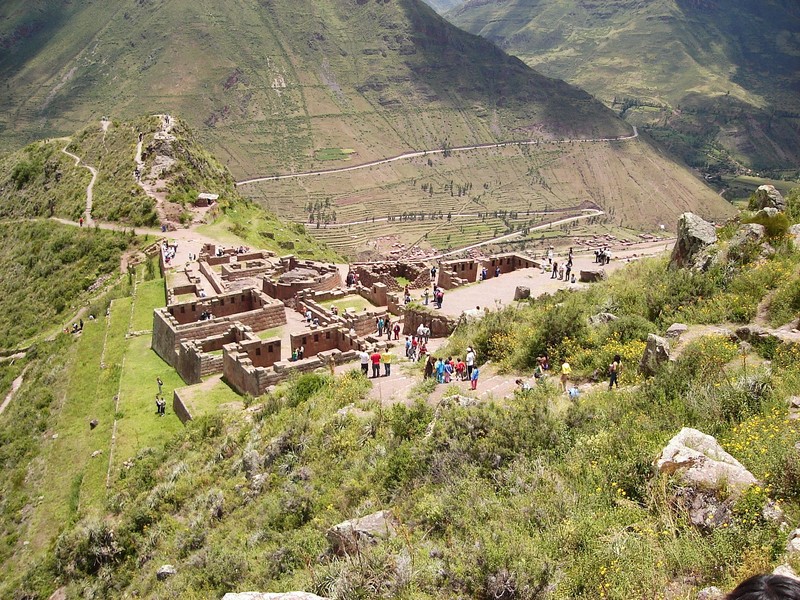
Ollantaytambo is known for monumental stone structures, temple complexes, and terraces climbing the mountainsides. Pisac features an archaeological complex high above the valley and a traditional market selling locally made crafts. Both sites offer insight into Inca architecture and everyday life.
Moray and the Maras salt ponds
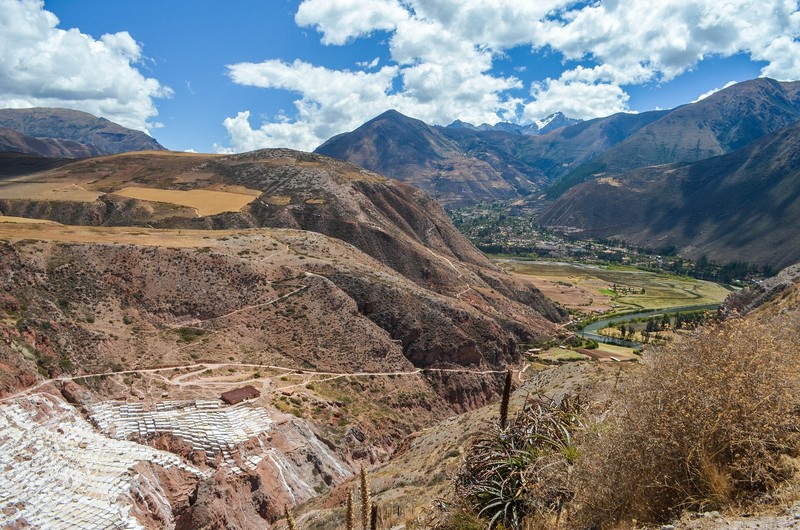
Moray contains circular terraces arranged in concentric levels. They are believed to have been used for agricultural experiments and studying growing conditions. Nearby, the Maras salt ponds consist of thousands of small pools where salt is traditionally produced by evaporating salty water.
Nature and culture
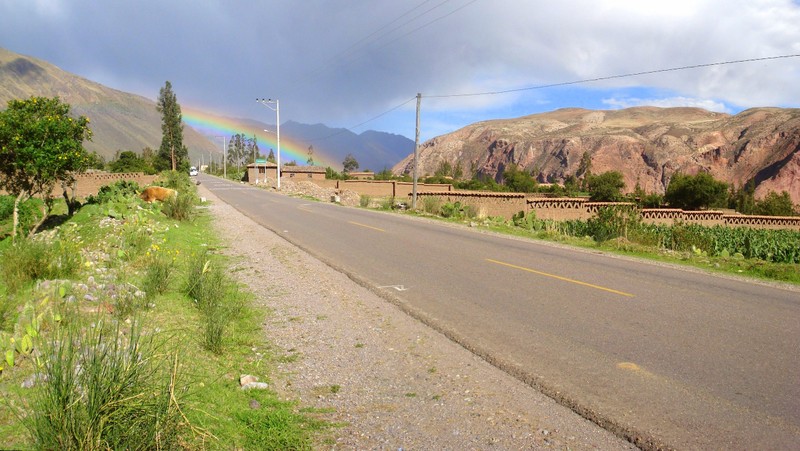
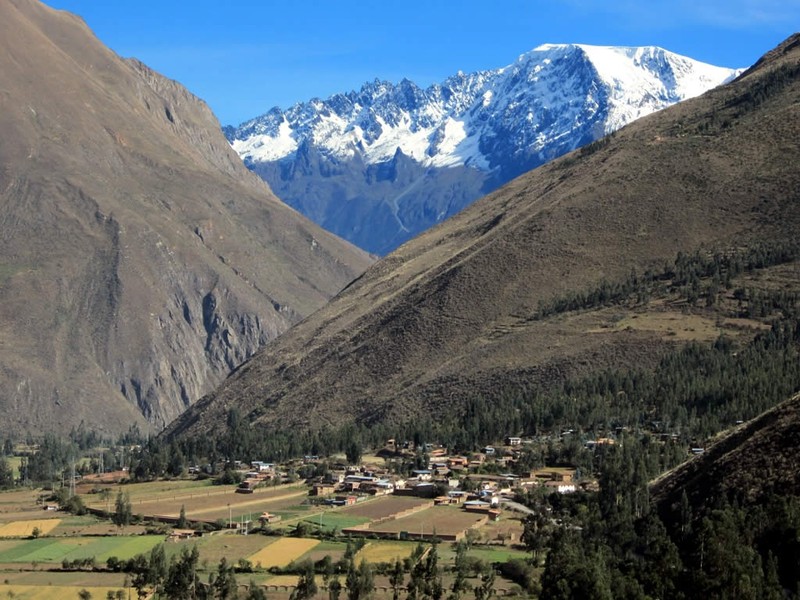
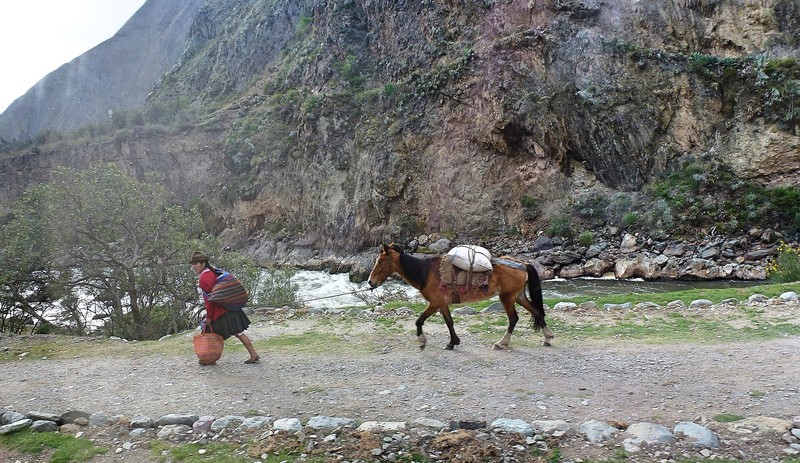
The valley is surrounded by high mountains, green fields, and small communities where traditional crafts and elements of Quechua culture remain alive. Visitors can explore archaeological sites while discovering contemporary Andean life and local markets.
Visiting the Sacred Valley
Most trips begin in Cusco, with several historic sites visited over one or two days. Extra time is useful for exploring ruins and mountain trails. Because of the altitude, visitors should allow time to acclimatize in Cusco before undertaking demanding excursions. The Sacred Valley is one of Peru's most important regions for understanding Inca history and the relationship between people and their environment.
Gallery