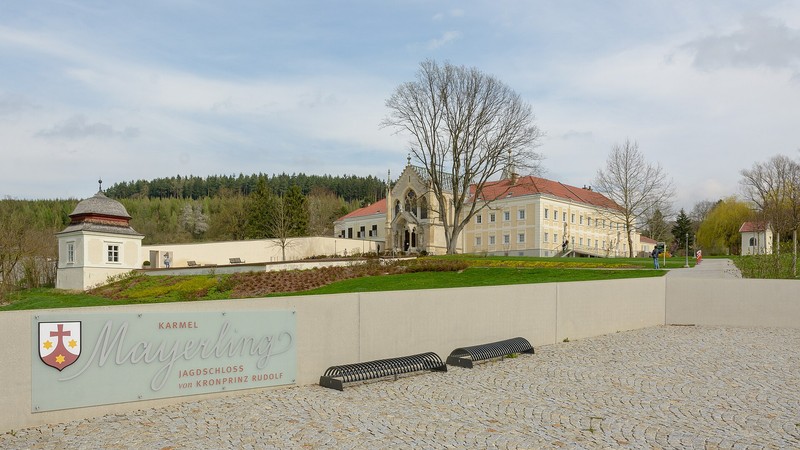
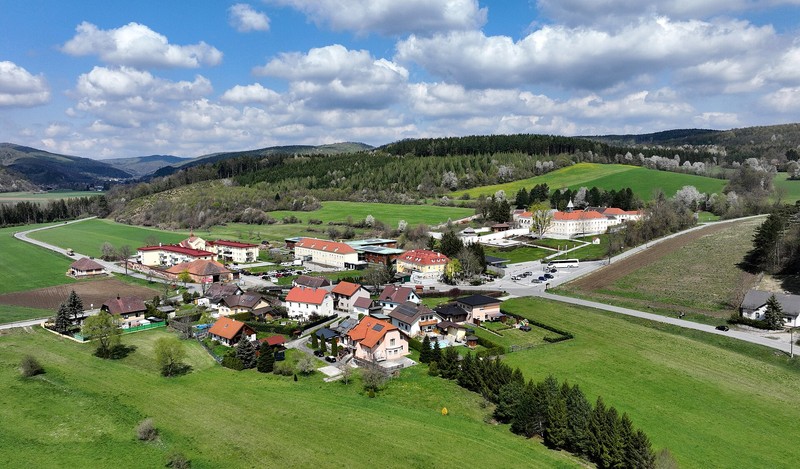
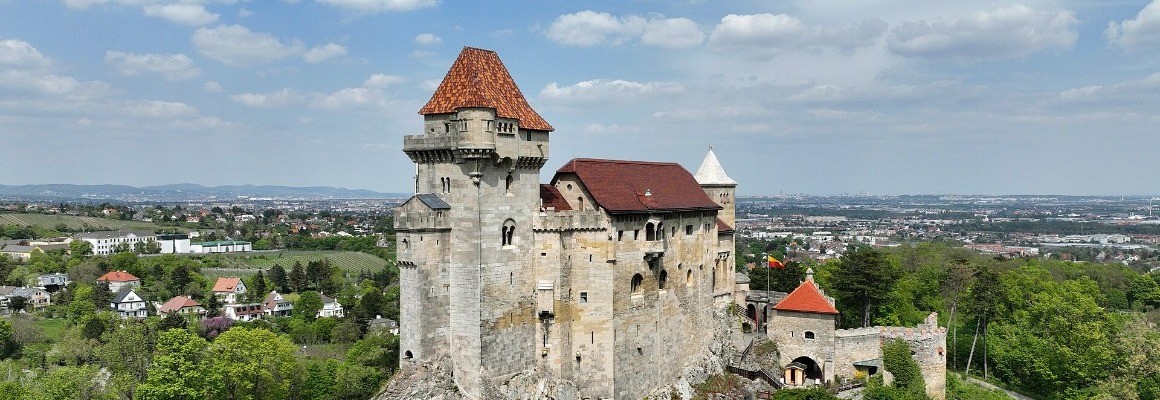
Mayerling is a small settlement in the Vienna Woods of Lower Austria, best known for the history of Crown Prince Rudolf’s hunting lodge. In January 1889, it became the setting of a tragedy involving the heir to the Austro-Hungarian throne and the young Baroness Mary Vetsera. Today, a Carmelite monastery with a church and museum exhibition dedicated to the events stands on the site of the former residence.
History of Mayerling
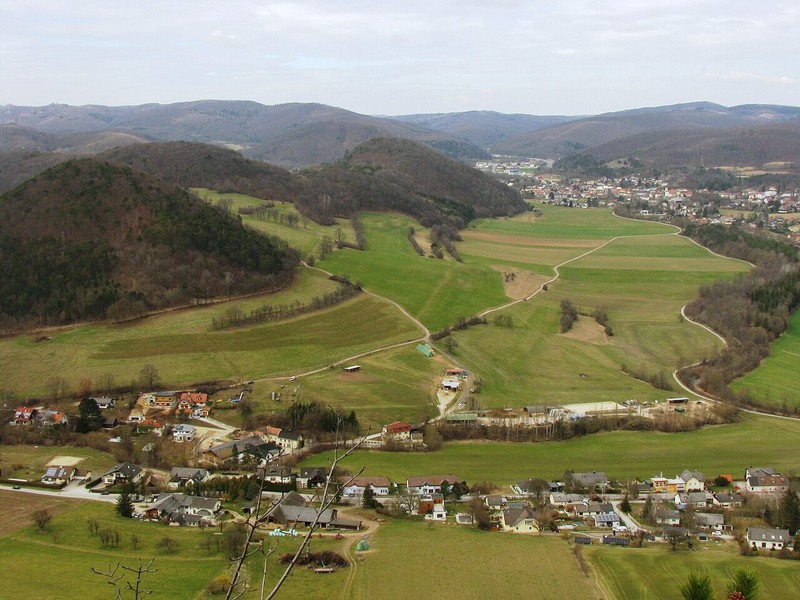
The settlement dates back to the Middle Ages. Its development was connected with Heiligenkreuz Abbey, which owned land and buildings in the surrounding area. Mayerling later became known for its hunting estate set among the wooded hills of the Vienna Woods.
In 1886, Crown Prince Rudolf, the only son of Emperor Franz Joseph I and Empress Elisabeth, acquired the local estate and turned it into a hunting residence. It offered him a retreat from formal court life. However, during the night of 30 January 1889, the lodge became the site of the tragic deaths of Rudolf and Baroness Mary Vetsera.
The tragedy of Crown Prince Rudolf
The discovery of the bodies of the heir to the throne and Mary Vetsera caused a major sensation at court and throughout Austria-Hungary. The circumstances of their deaths became the subject of investigations, publications and speculation. The most widely known account suggests that Rudolf shot Vetsera before taking his own life. Nevertheless, historians continue to debate the details and motives, and some questions remain unresolved.
Mayerling’s story is closely connected with the fate of the Habsburg dynasty. The crown prince’s death shocked the imperial family and gave rise to rumours that eventually made the site one of Austria’s best-known historical attractions.
The Carmelite monastery and memorial church
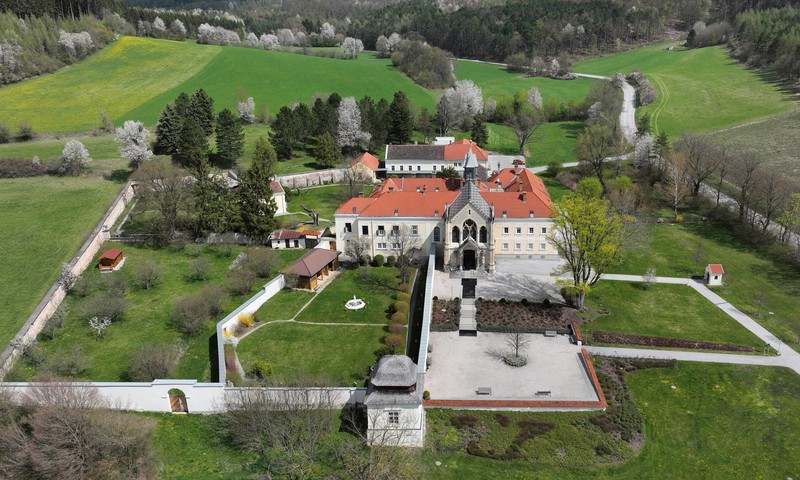
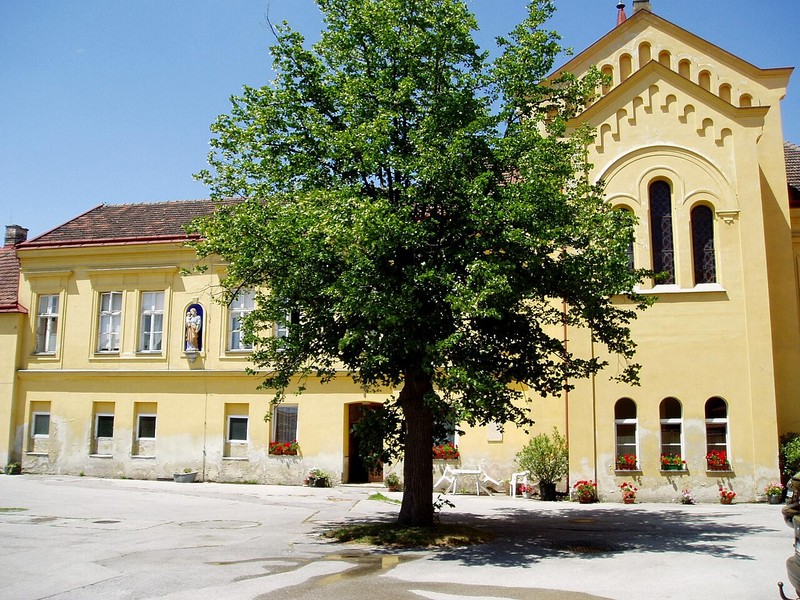
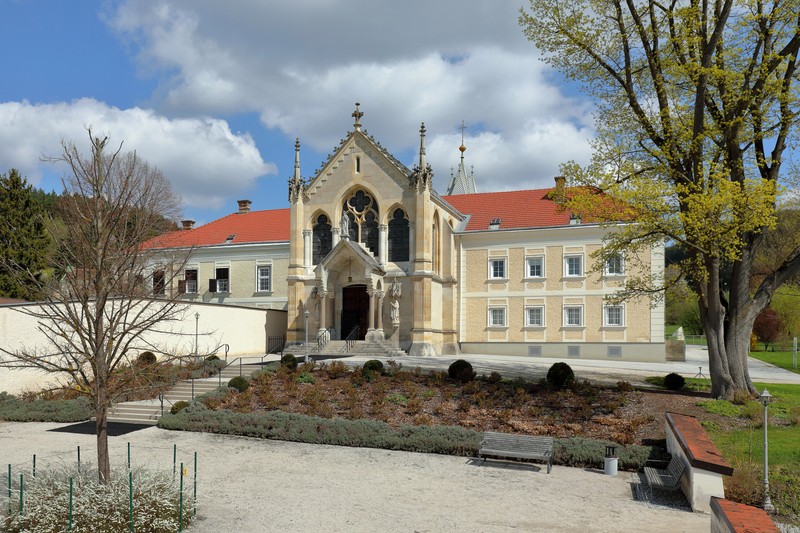
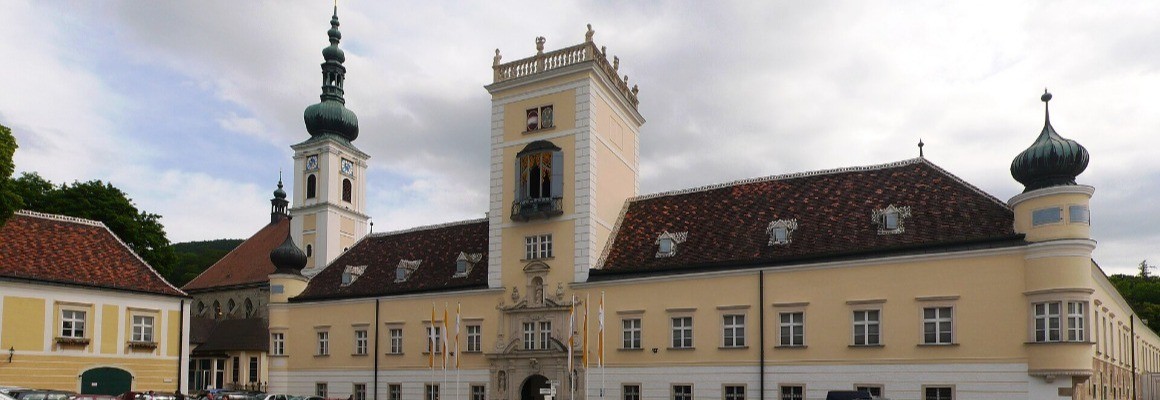
After the tragedy, Emperor Franz Joseph I ordered the hunting lodge to be converted into a Carmelite convent. The building was remodelled, and a church was established on the spot associated with the deaths of Rudolf and Mary Vetsera. The former residence thus became a place of prayer and remembrance.
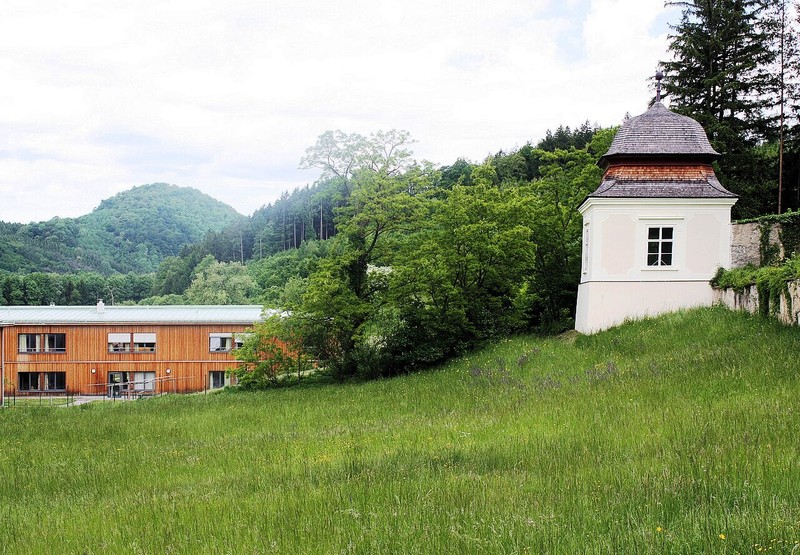
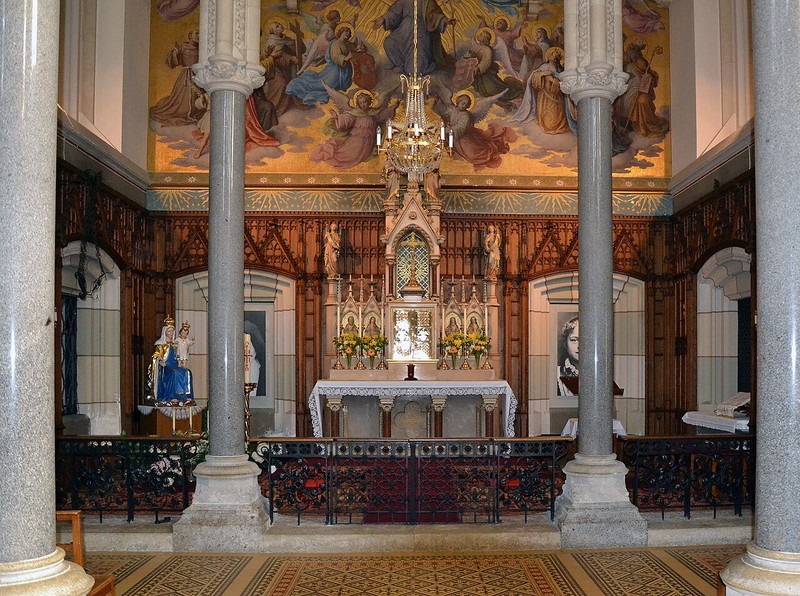
Today, the Carmel Mayerling complex includes monastic rooms, a church, the Elisabeth Chapel and exhibition spaces. The chapel contains an image of the Virgin Mary mourning Christ, associated with the memory of Empress Elisabeth. The architecture reflects the site’s complex past: the former hunting estate was adapted for religious life, while part of the complex took on a memorial role.
The museum exhibition
The visitor centre presents the history of Mayerling and the tragic events of 1889. The exhibition explores the lives of Crown Prince Rudolf, Mary Vetsera and the imperial family, as well as what happened after the bodies were discovered. Items on display include historical documents, photographs, letters and objects connected with the story.
The exhibition traces not only the sequence of events but also how they were understood by contemporaries and interpreted in later years. Visitors should bear in mind that some details remain disputed and that popular theories are not always supported by documentary evidence. Depending on current visiting arrangements, it is also generally possible to see the church and selected parts of the monastic complex.
Places to visit nearby
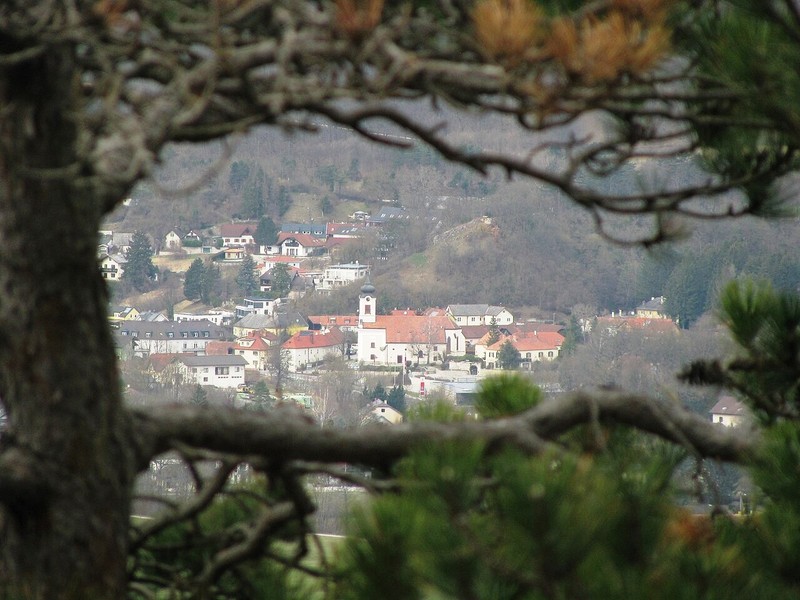
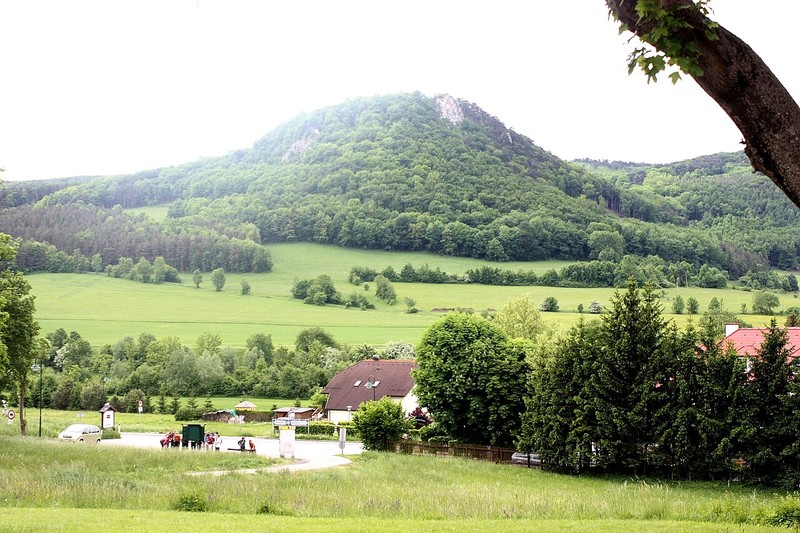
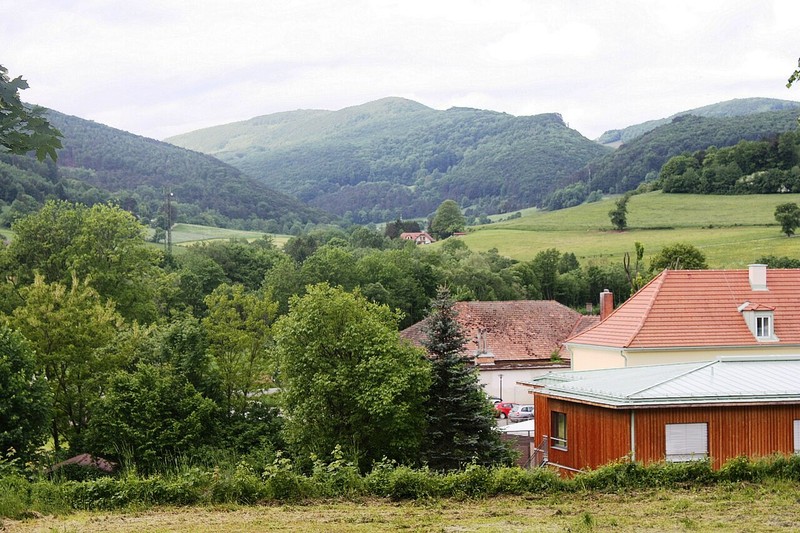
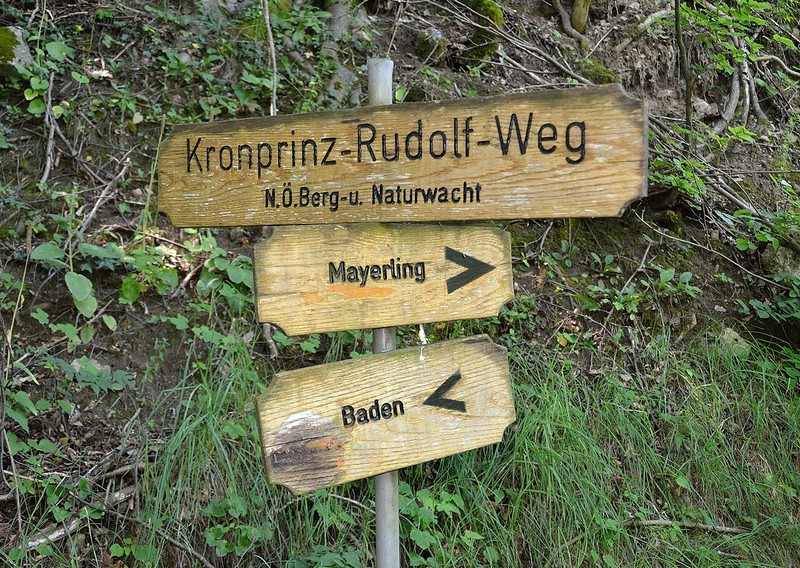
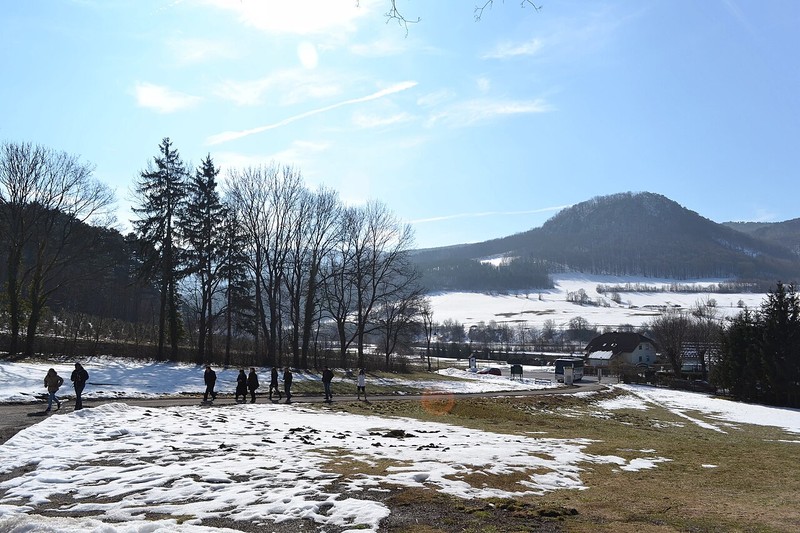
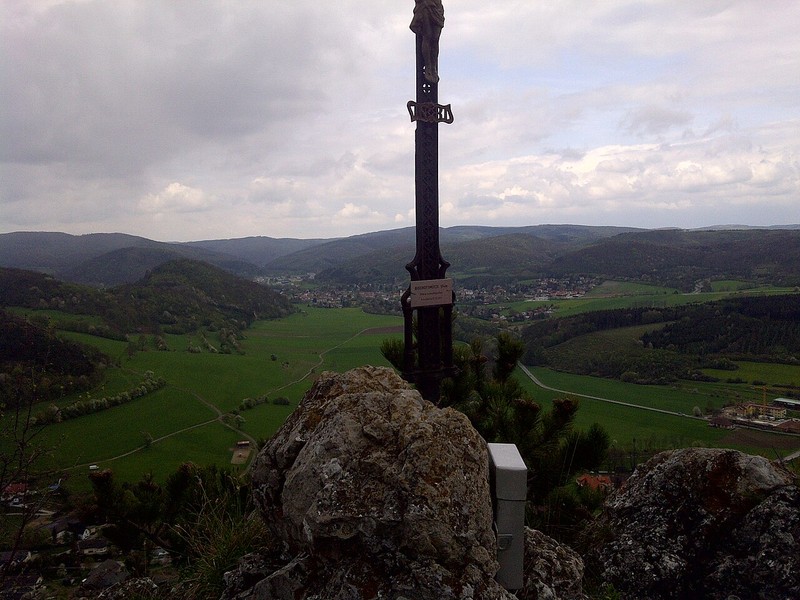
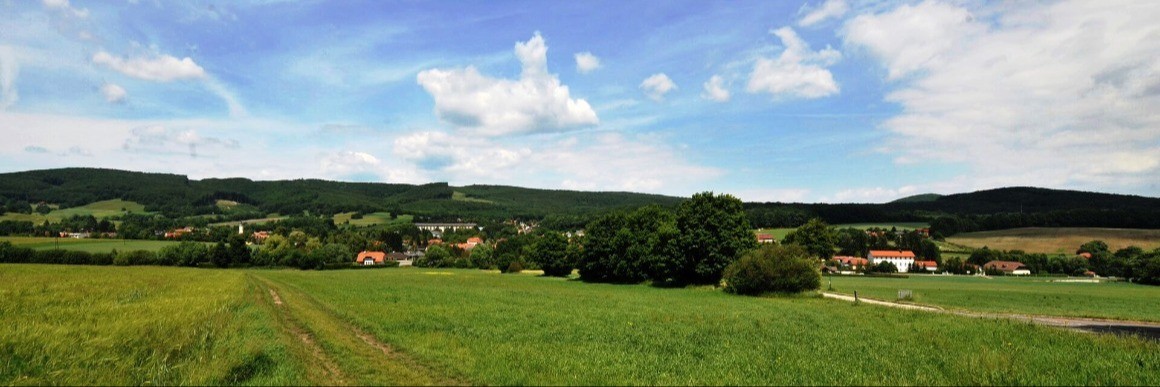
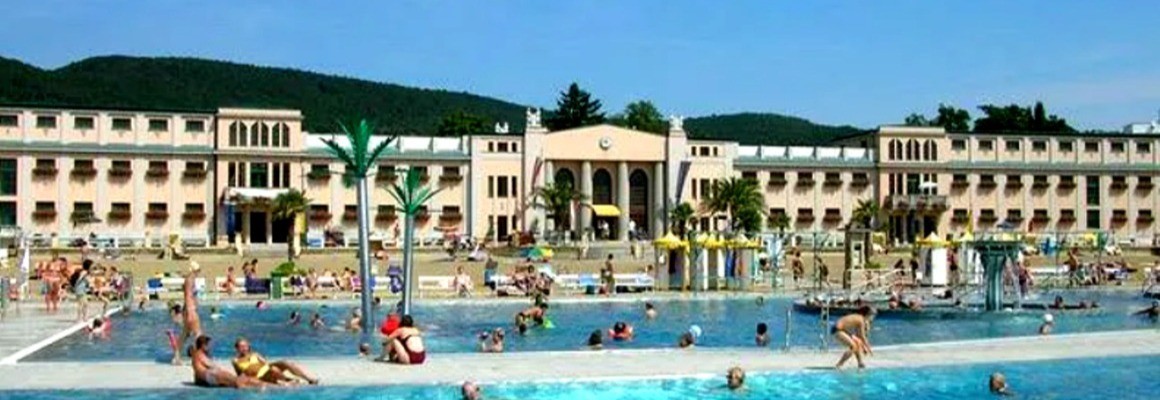
Mayerling lies among the forests and hills of the Vienna Woods, making it easy to combine a visit with Heiligenkreuz Abbey nearby. The surrounding area offers routes for walks and excursions. History enthusiasts may also plan a stop in Baden, a town known for its architecture and spa traditions.
How to get to Mayerling
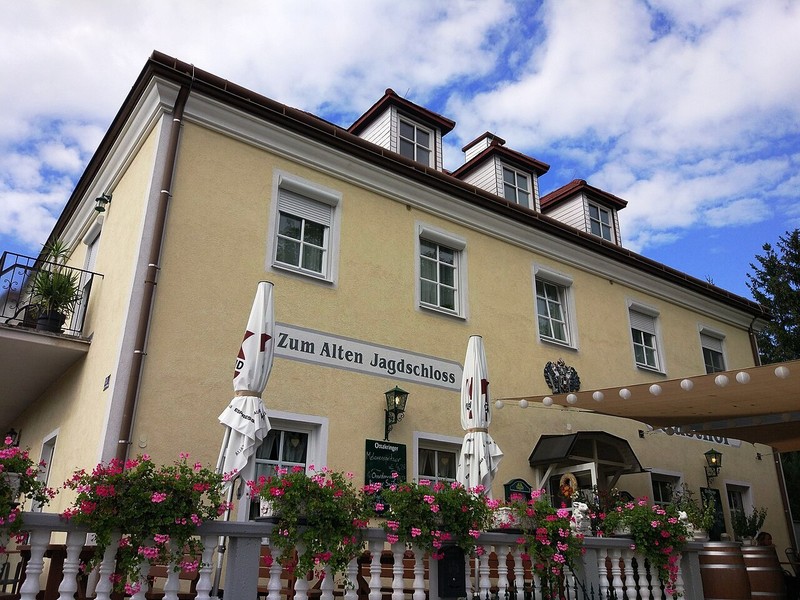
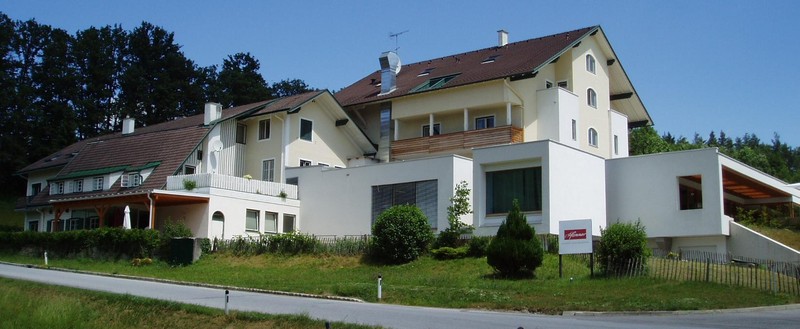
Mayerling is part of the municipality of Alland in the Baden district, southwest of Vienna. It can be reached by car via the roads through the Vienna Woods. If travelling by public transport, check the latest bus timetable: the Mayerling altes Jagdschloss stop is located by the monastery and is served by buses from Baden, including routes 306 and 308. Routes and departure times may change, so check the official transport websites before setting out.
Opening times
Opening hours and admission arrangements vary by season. According to the published schedule, the complex is open from Tuesday to Sunday from April to October, while winter opening is mainly limited to weekends and public holidays. Last admission is before closing time. Access to certain rooms may depend on the monastery’s schedule, so check the official Carmel Mayerling website for current information before your visit.
Mayerling is worth visiting for anyone interested in Habsburg history, the life of Crown Prince Rudolf and Austria’s historic sites. It offers an insight into how a former hunting estate became a monastery and memorial complex preserving the memory of one of the most enigmatic episodes in nineteenth-century European history.
Gallery