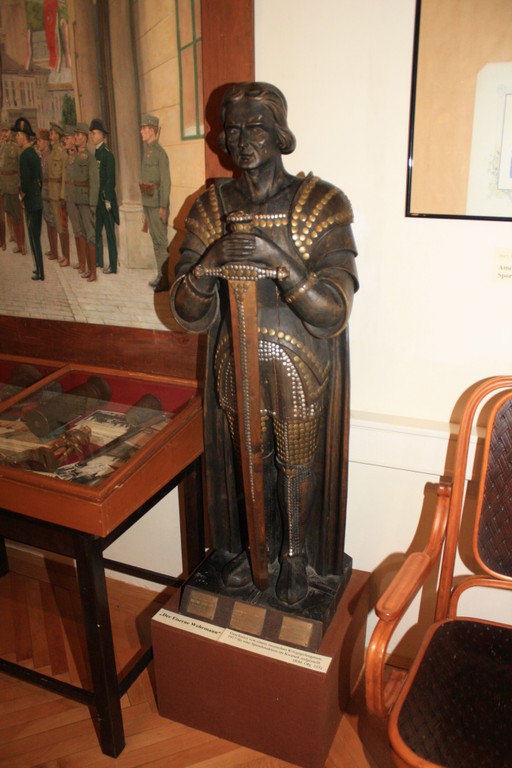
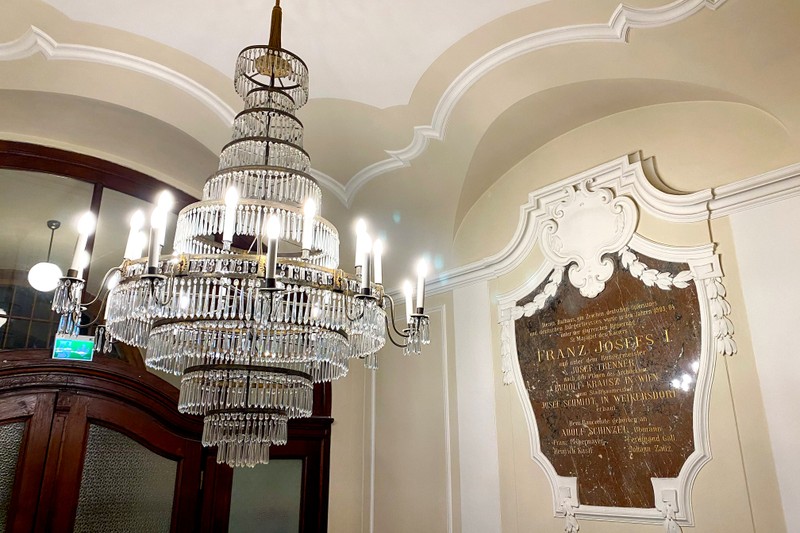
The Rollett Museum (Rollettmuseum) is a history museum in Baden, near Vienna, dedicated to the town’s spa heritage and the diverse collections assembled by Austrian physician and naturalist Anton Franz Rollett. It is considered the oldest museum in Lower Austria. Its displays bring together archaeological finds, artworks, natural history specimens, ethnographic objects and documents illustrating the development of the town.
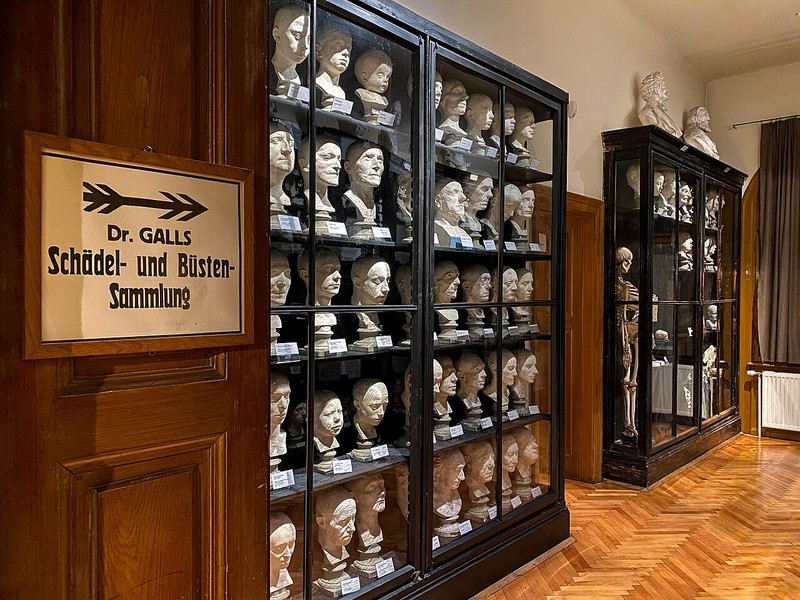
The museum is particularly known for its ancient Egyptian collection, a real mummy and a collection of skulls associated with physician Franz Joseph Gall. Visitors can also discover Baden’s history as a popular thermal spa, through historic photographs, town plans and objects from everyday life in earlier centuries.
History of the Rollett Museum
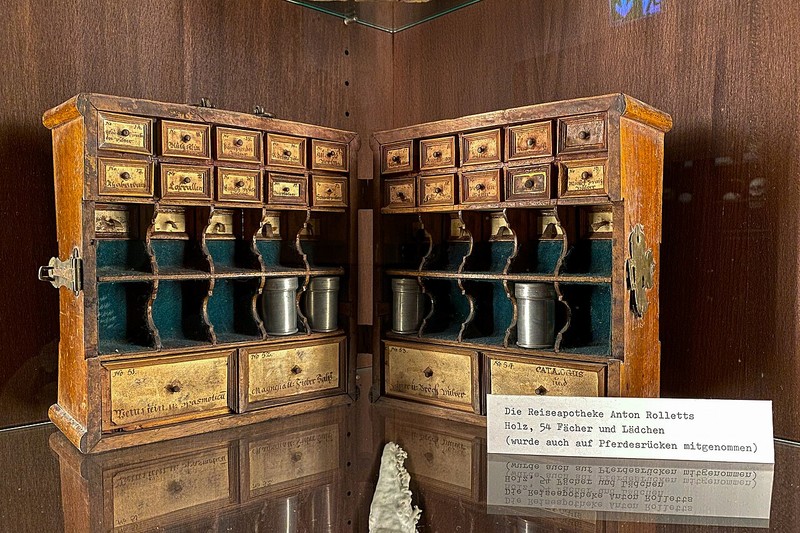
The foundation of the collection was laid by Anton Franz Rollett (1778–1842), a physician, writer, naturalist and collector. He assembled a universal collection that included natural specimens, antiquities, artworks, handicrafts and technological objects. The earliest entry in the guestbook of his private museum dates from 1810.
In 1867, the Rollett family donated the collection to the town of Baden, and in 1876 it was combined with the old municipal archive. The founder’s son, Hermann Rollett, a poet, scholar and local historian, helped develop the town collection and substantially expanded its holdings.
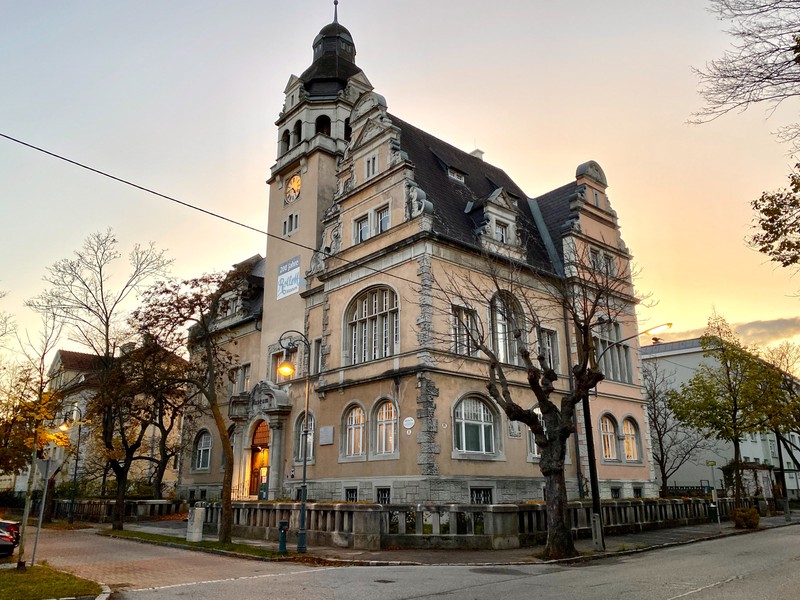
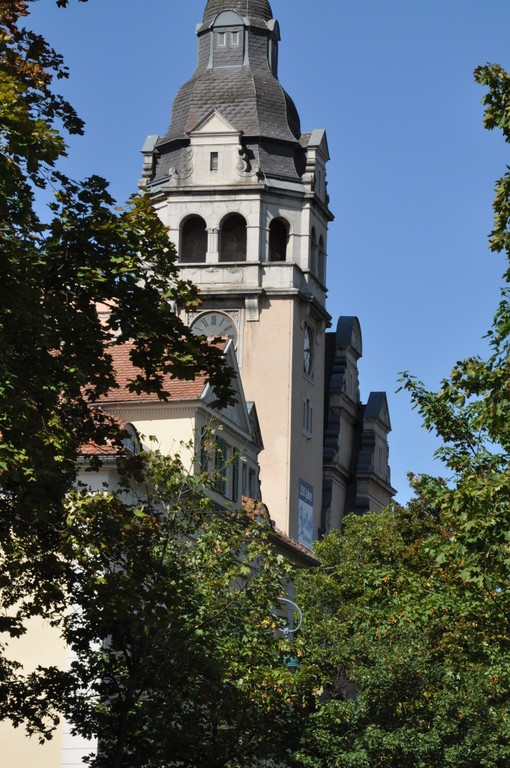
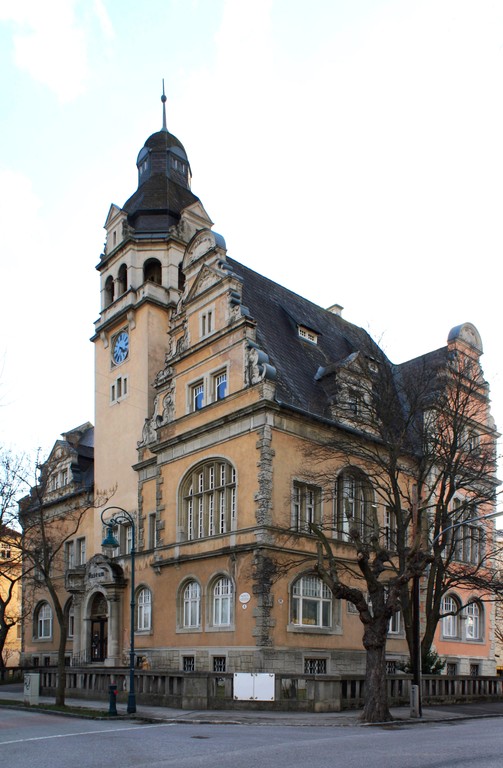
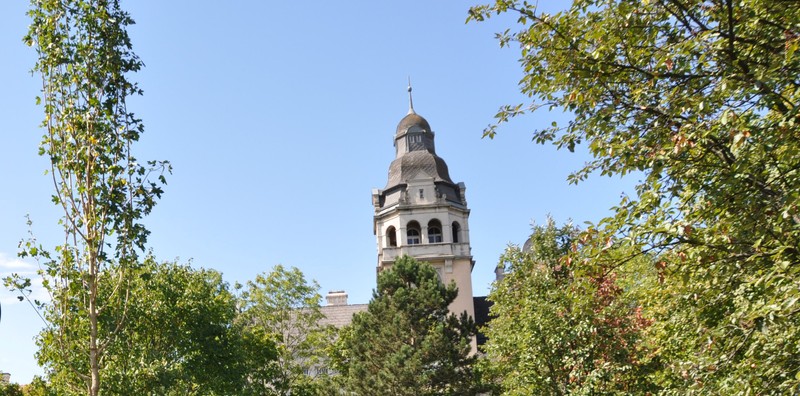
The museum changed location several times. Initially, the collection was kept in the Rollett family home before moving to various buildings in Baden. The present building was constructed in 1903–1904 as the town hall of the independent municipality of Weikersdorf. After Weikersdorf merged with Baden in 1912, the building was assigned to the municipal collections. Following extensive renovation in 1957–1958, the museum reopened to visitors.
The Egyptian collection and the mummy
One of the museum’s best-known sections is devoted to ancient Egypt. It includes ancient objects and a sarcophagus containing a mummy, whose age and history attract particular interest. The Egyptian collection reflects the 19th-century European fascination with ancient civilisations and travel to the East.
One intriguing detail concerns a sarcophagus associated with a woman named Techi. The mummy inside, however, is not Techi but a man who lived around 2,300 years ago. This unusual story makes the exhibit especially memorable and shows how the history of a museum object can differ from earlier assumptions about it.
Franz Joseph Gall’s skull collection
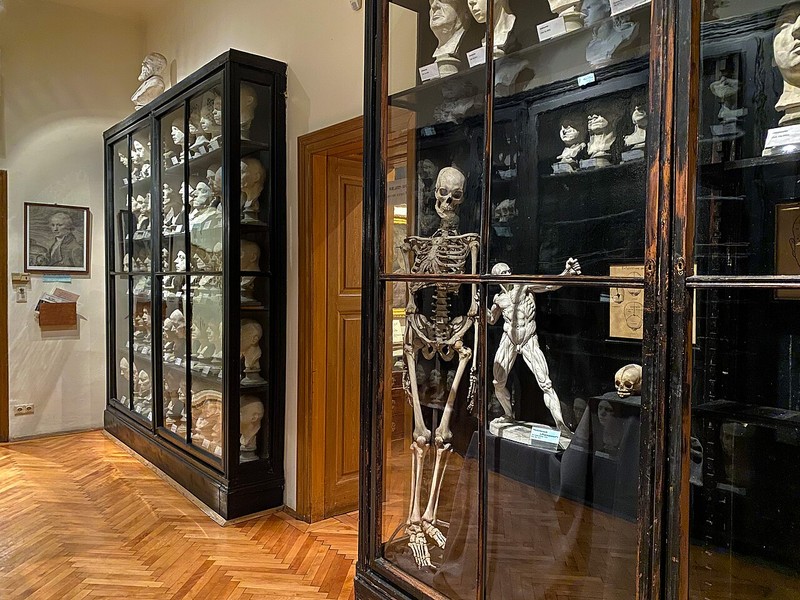
Another unusual attraction at the Rollett Museum is a collection of human skulls connected with physician and anatomist Franz Joseph Gall (1758–1828). In 1825, Anton Rollett received part of Gall’s collection and later added further examples. Gall is known as one of the founders of phrenology, a historical theory whose proponents attempted to determine a person’s character and mental abilities from the shape of the skull.
Phrenology is not considered a scientifically valid method today, but its history remains relevant to the development of medicine and ideas about the human brain. The collection illustrates how anatomical research reflected both scientific ambitions and misconceptions of its time.
The museum also preserves the death mask of Napoleon Bonaparte. It adds a historical dimension to a collection in which medical history meets the stories of famous figures and the history of collecting.
The history of Baden and its thermal spa
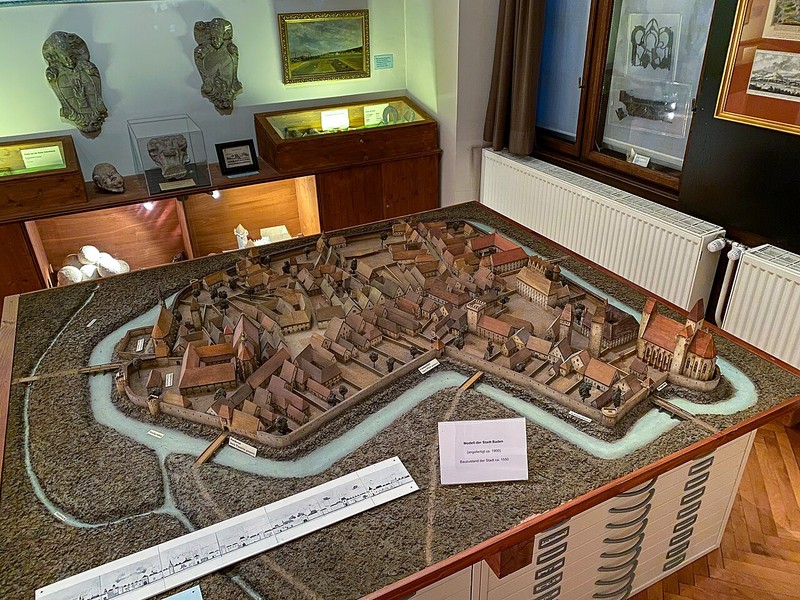
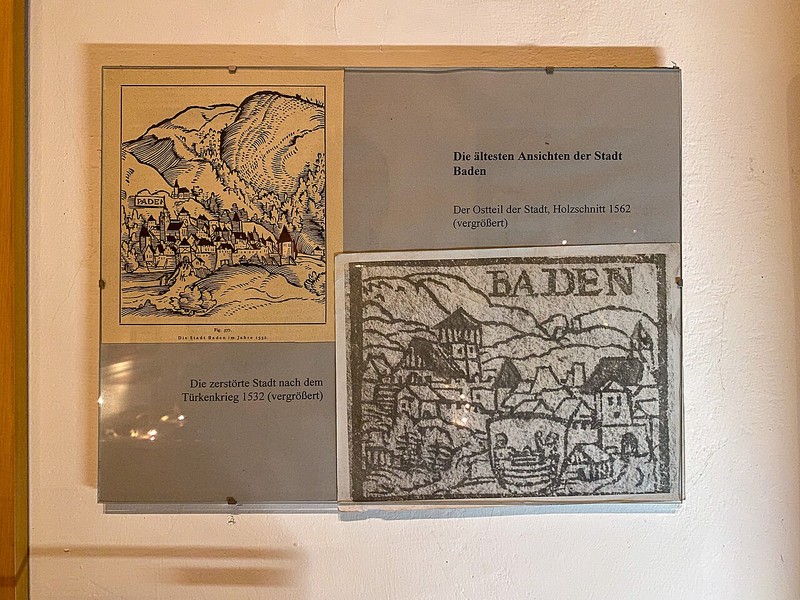
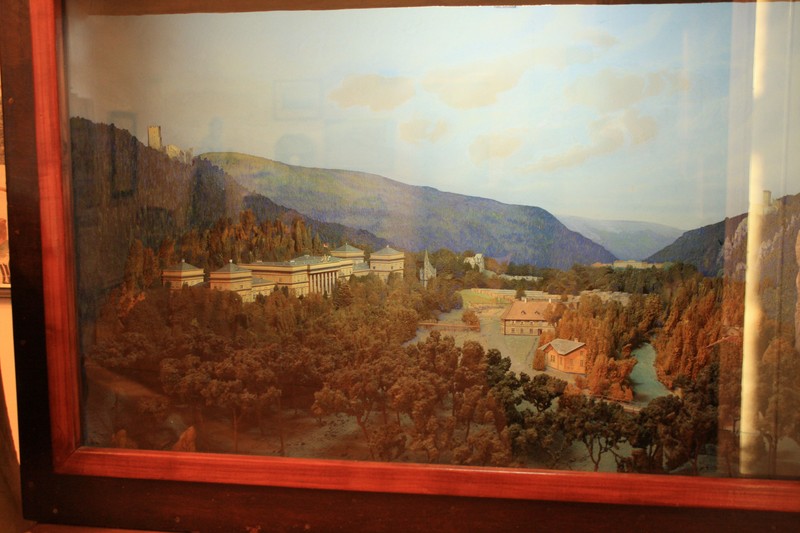
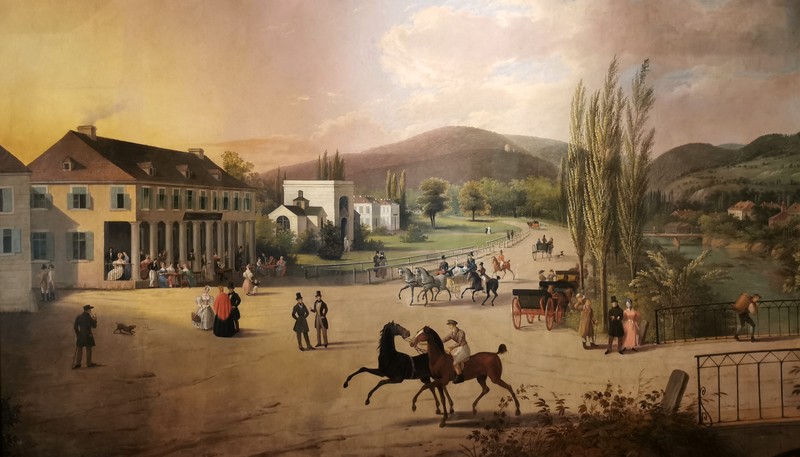
A significant part of the exhibition explores the development of Baden, a town known for its thermal springs and spa traditions. Historic plans, photographs, documents and other materials show how the town changed and how its spa infrastructure developed.
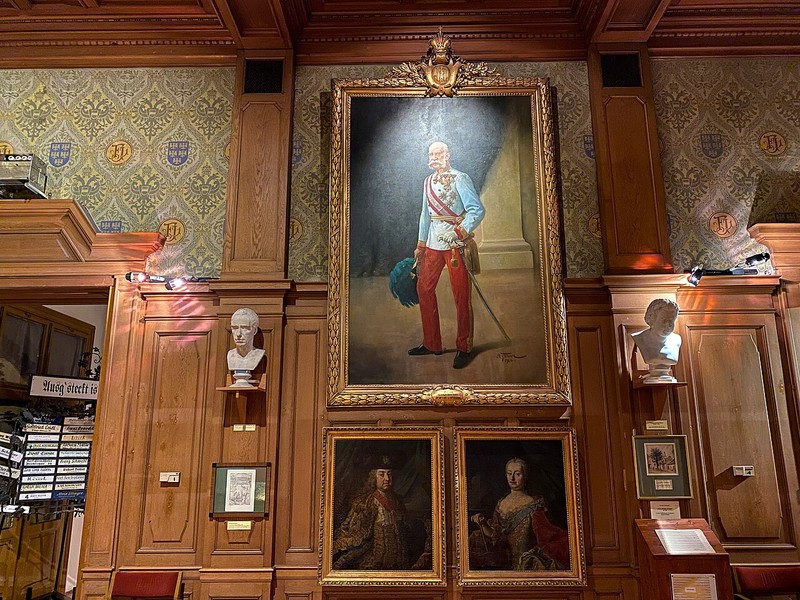
Particular attention is given to the Biedermeier period, when Baden became a popular summer retreat for the imperial family, politicians, musicians and artists. Documents relating to the thermal springs help explain why the town gained a reputation as a destination for health and relaxation.
Other collections
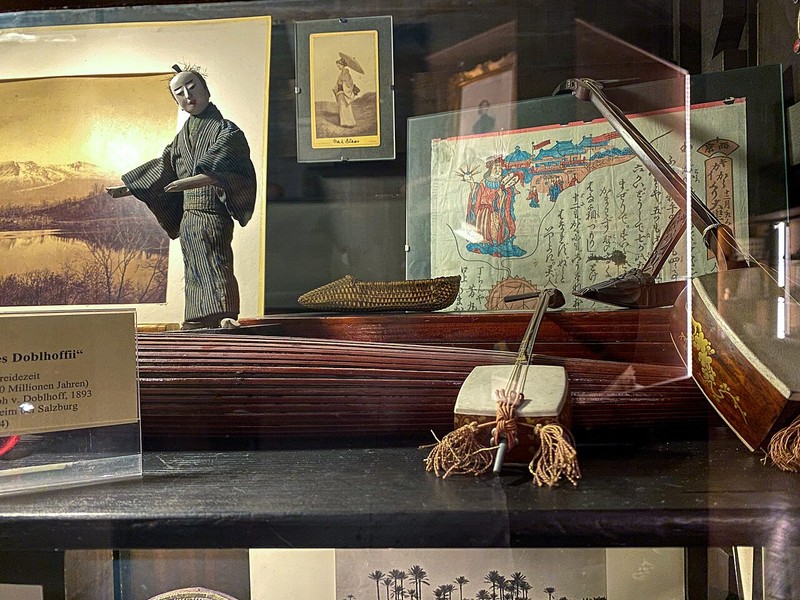
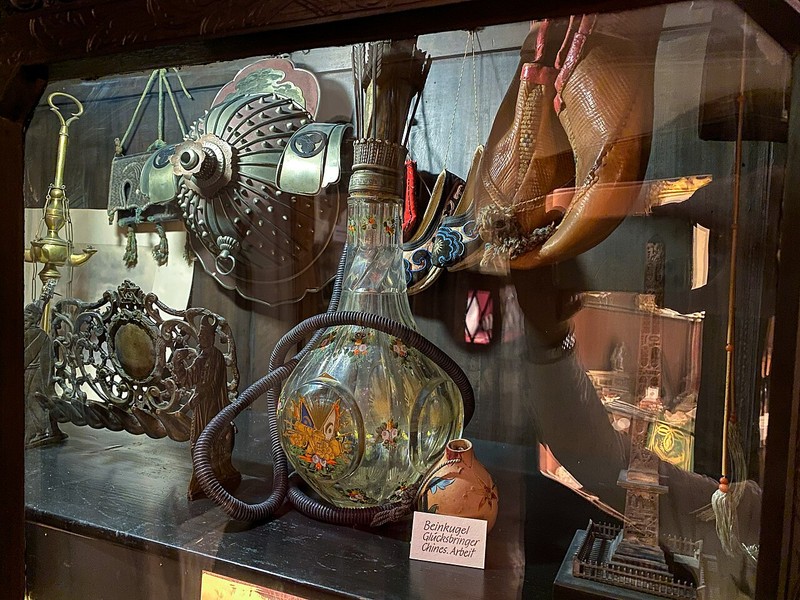
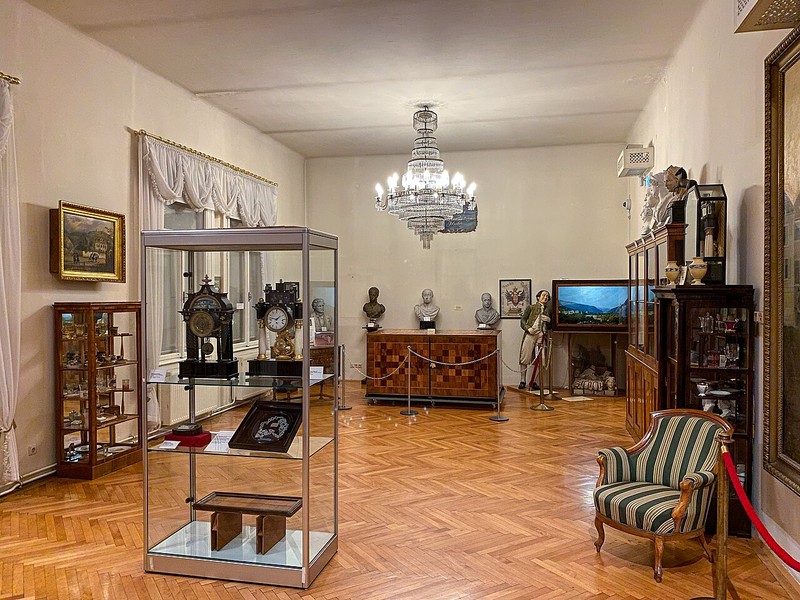
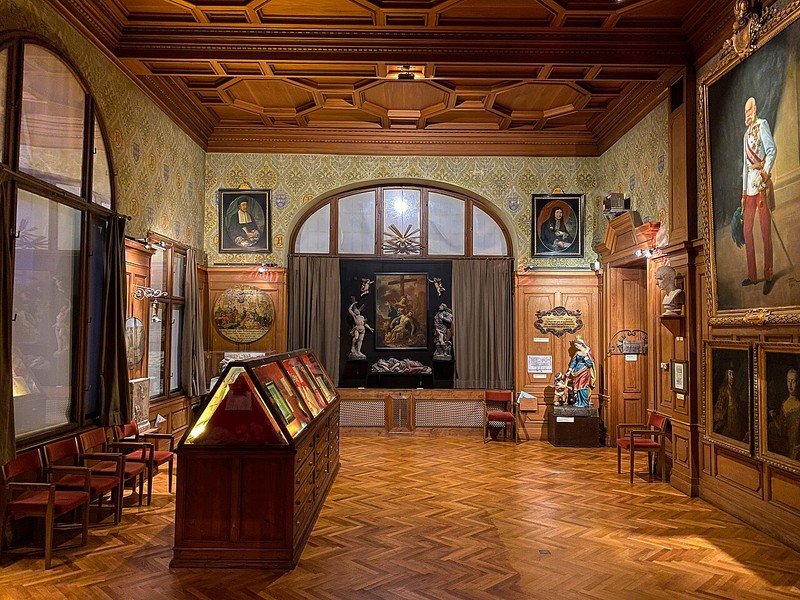
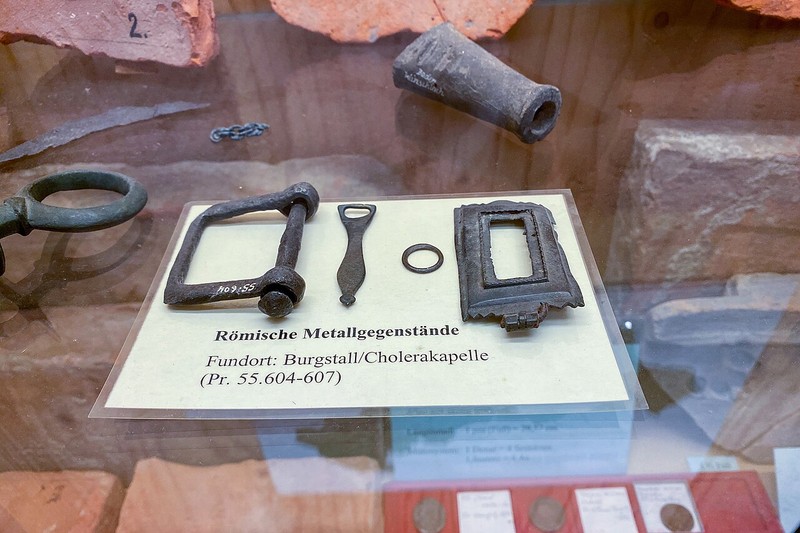
Alongside Egyptian antiquities and anatomical objects, the museum holds botanical, zoological, ethnographic and art collections. Visitors can see craftwork, objects from everyday life, archival documents and historical photographs. This diversity reflects Anton Rollett’s original ambition to create a universal museum covering nature, culture and history.
The exhibition occupies approximately 350 square metres. It is suitable not only for visitors interested in unusual artefacts, but also for anyone wishing to learn more about Baden and the cultural history of Lower Austria.
The museum building
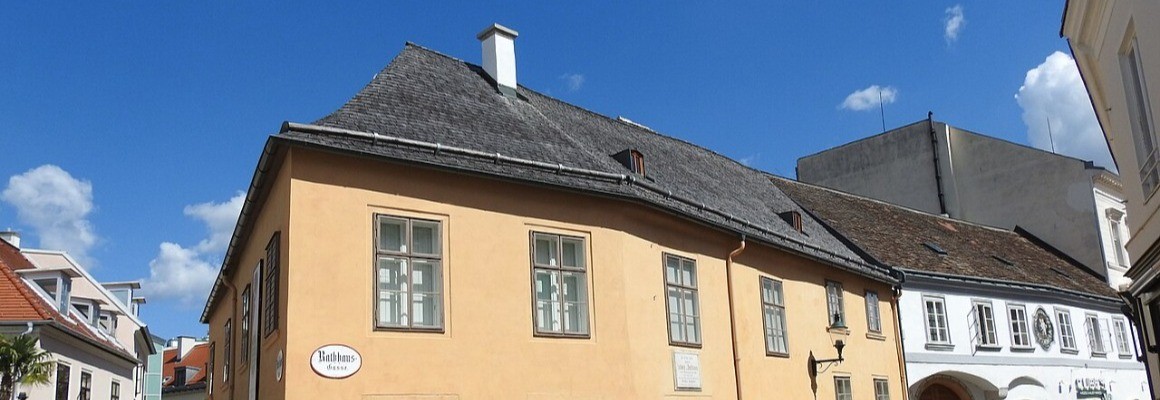
The building itself forms part of Baden’s history. It was erected in the early 20th century for the administration of the municipality of Weikersdorf. After the municipality merged with Baden, the building ceased to serve as a town hall and became home to the municipal collections. Its architecture recalls a period when small Austrian communities established their own administrative institutions.
Location of the Rollett Museum
The museum is located at Weikersdorfer Platz 1, 2500 Baden, Austria, approximately 25 kilometres south of Vienna. One convenient way to reach Baden from the capital is by train to Baden bei Wien station, followed by a walk or a local public transport connection.
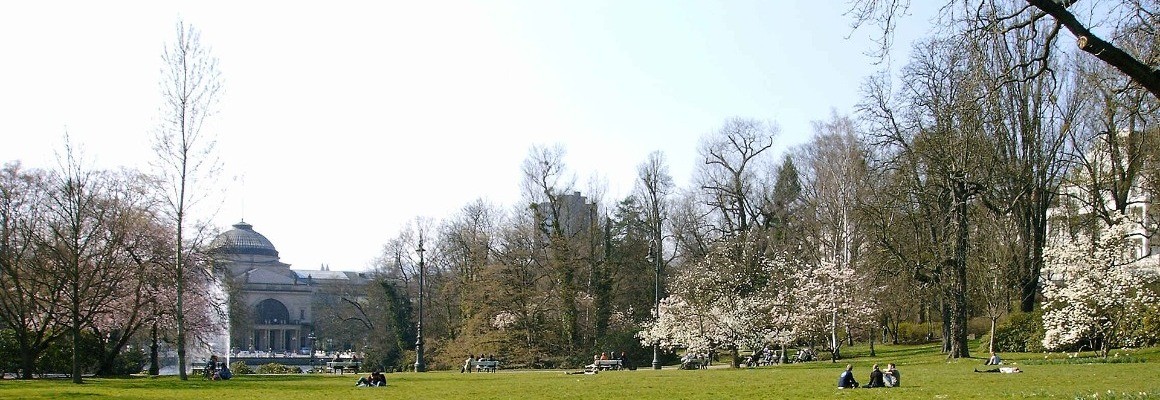
Before travelling, check the current route from the station to the museum and local public transport schedules. A visit can be combined with a walk through Baden’s historic centre, the Kurpark and other attractions of this spa town.
Opening hours and visits
According to the official information, the museum is open daily except Tuesday, from 15:00 to 18:00. Additional opening times for groups may be arranged in advance. Guided tours can also be organised by prior agreement with the museum.
The Rollett Museum is a rewarding stop for travellers interested in unusual historical collections and the story of Baden. Its combination of Egyptian antiquities, anatomical exhibits and material documenting the town’s thermal spa history makes it one of the distinctive museums of Lower Austria.
Gallery