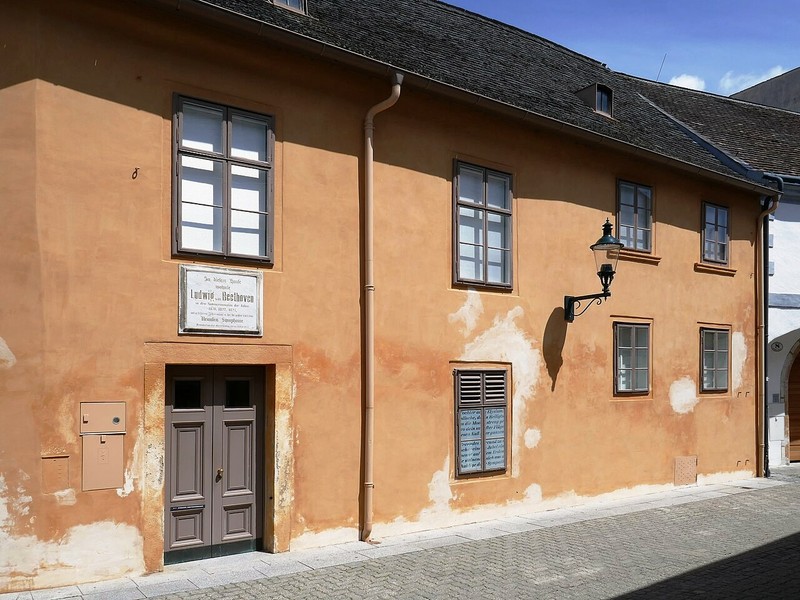
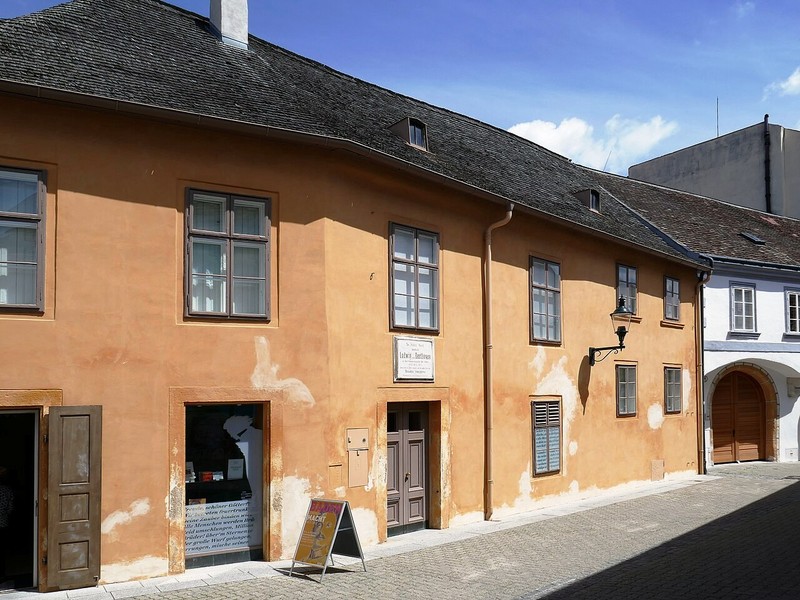
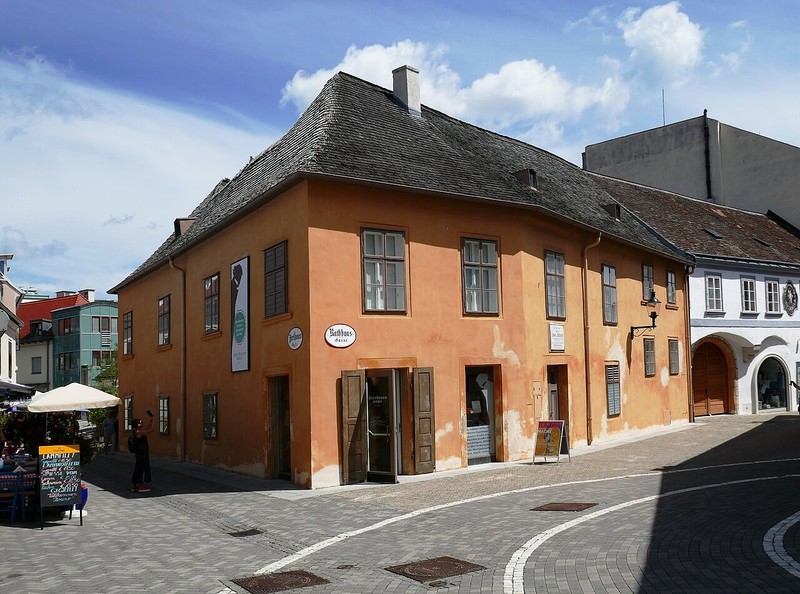
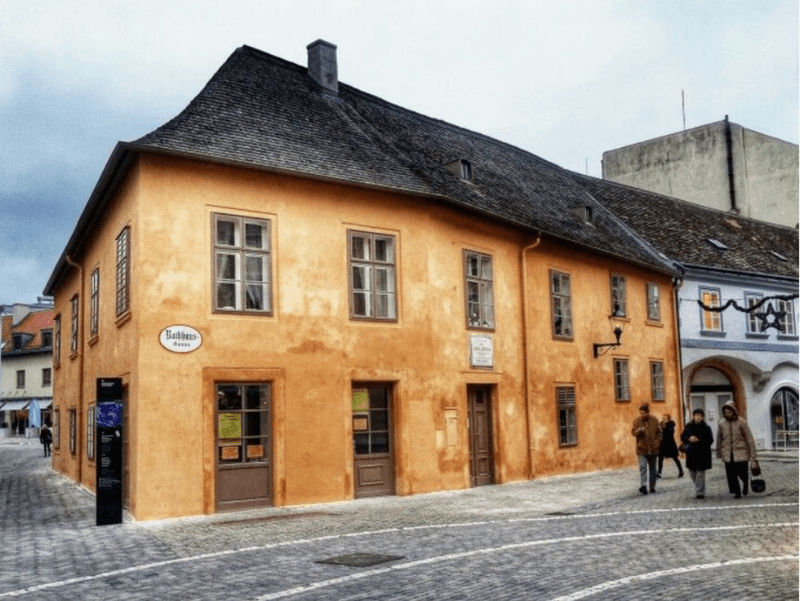
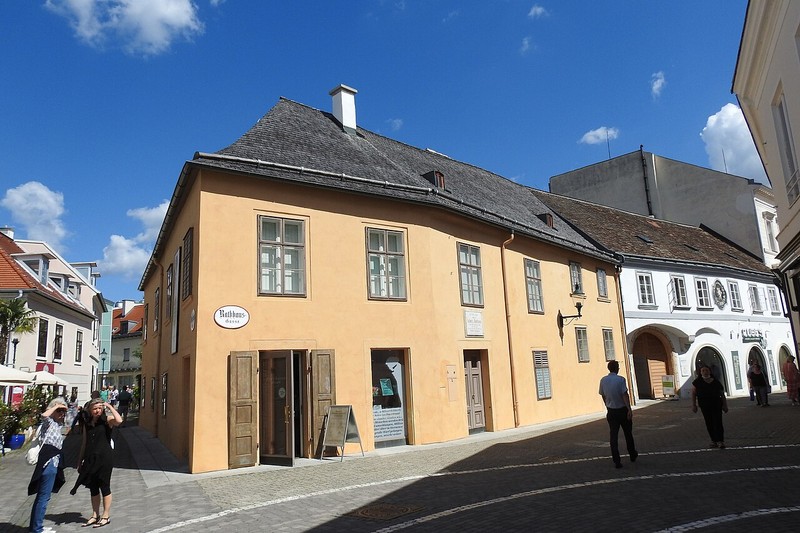
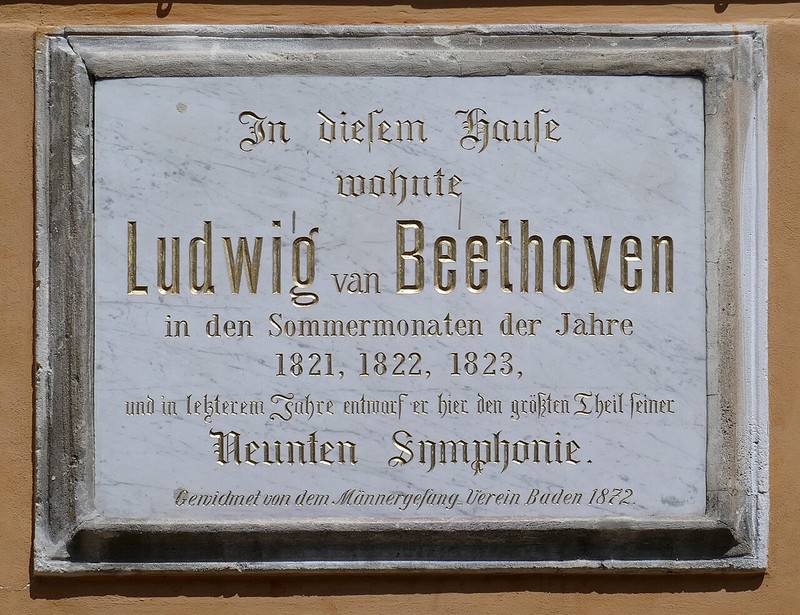
Beethoven House in Baden (Beethovenhaus Baden) is a historic residence in the Austrian spa town of Baden bei Wien, where Ludwig van Beethoven stayed during the summers of 1821, 1822 and 1823. Here, the composer worked on important sections of his Ninth Symphony, one of the most influential works in European musical culture. Today, the building houses a modern museum devoted to Beethoven’s life, music and time in Baden.
History of Beethoven House
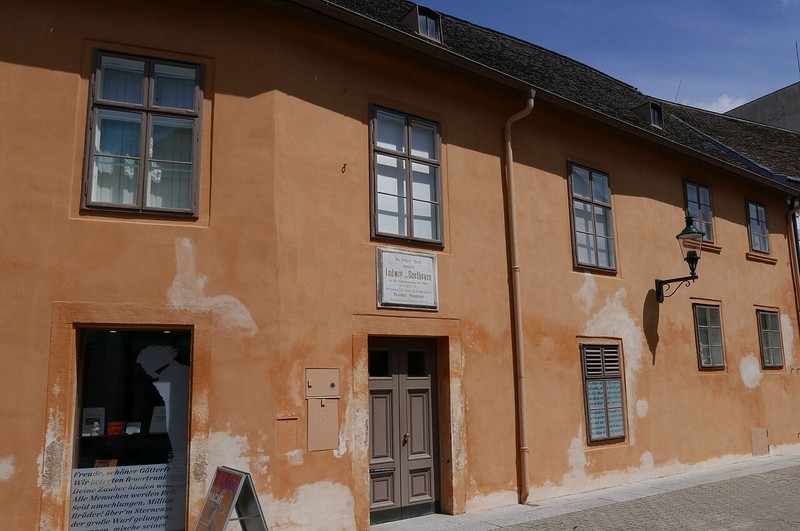
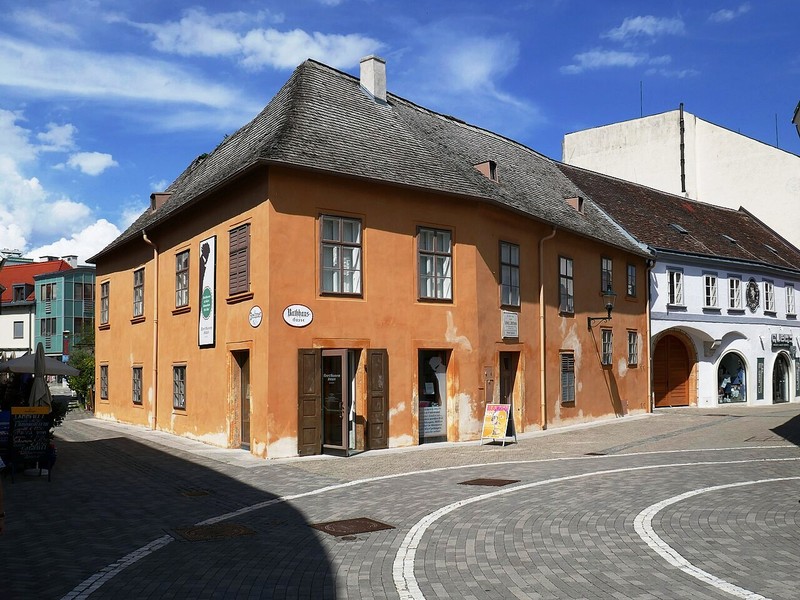
The house stands at Rathausgasse 10 in the historic centre of Baden. In Beethoven’s time, it belonged to coppersmith Johann Bayer and was known as “Beym Kupferschläger”. The composer rented rooms on the upper floor. He came to Baden for treatment, as the town was known for its thermal springs and attracted aristocrats and wealthy residents of Vienna.
Beethoven visited the local baths in the hope of easing his health problems. His stays were also important for his work: away from the bustle of the capital, he could concentrate on composing. During the summers of 1821–1823, he worked on significant parts of the Ninth Symphony, which he completed in 1824. The symphony premiered on 7 May 1824 at the Theater am Kärntnertor in Vienna.
Beethoven and the Ninth Symphony
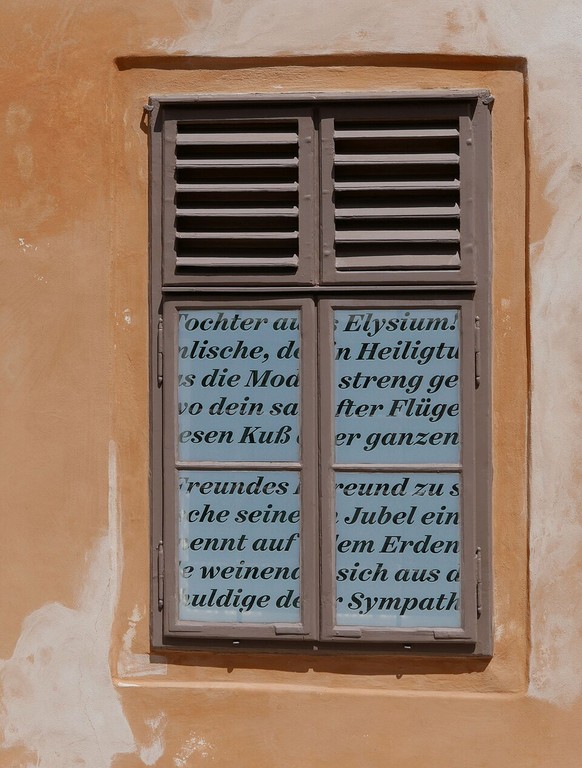
The Ninth Symphony holds a special place in music history because of its scale, innovative use of a choir and message of fellowship among humanity. Its finale features “Ode to Joy”, based on a poem by Friedrich Schiller. Combining orchestra, vocal soloists and choir was an unusual step for a symphony at the time and had a lasting influence on musical tradition.
The composition took several years to develop. Beethoven had considered musical ideas for the work long before his stays in Baden and continued working on it in the early 1820s. The museum helps visitors understand the connection between the composer’s life, his time in the spa town and the creation of one of the best-known works in classical music.
In 1985, the main melody of “Ode to Joy”, without words, was adopted as the anthem of the European Communities and later became the anthem of the European Union. Its history demonstrates how Beethoven’s music reached far beyond concert halls.
How the museum was established
A memorial exhibition was created in the former rooms occupied by Beethoven in 1962. Over time, the building needed substantial renovation and a more contemporary presentation of its history. Extensive refurbishment began in 2012, and the renewed Beethoven House reopened to visitors on 24 October 2014.
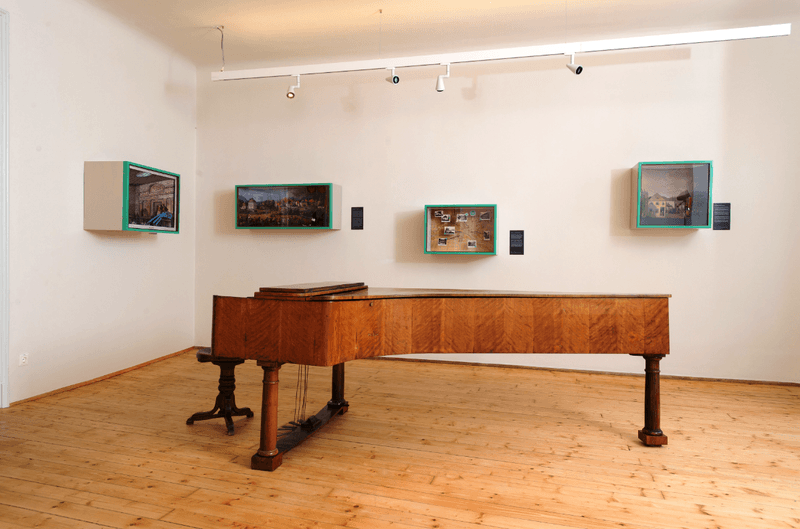
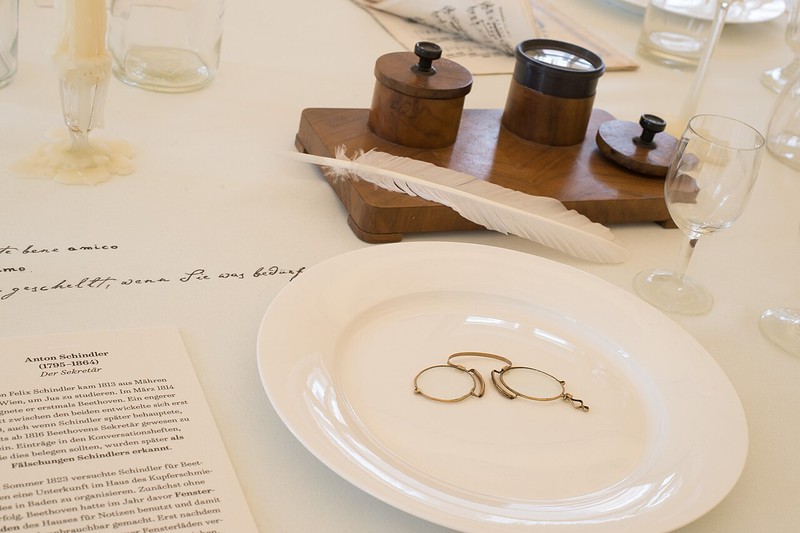
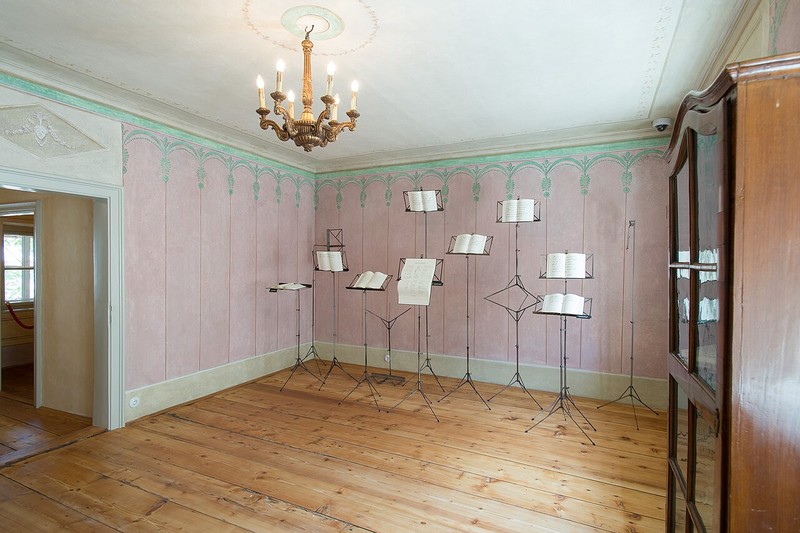
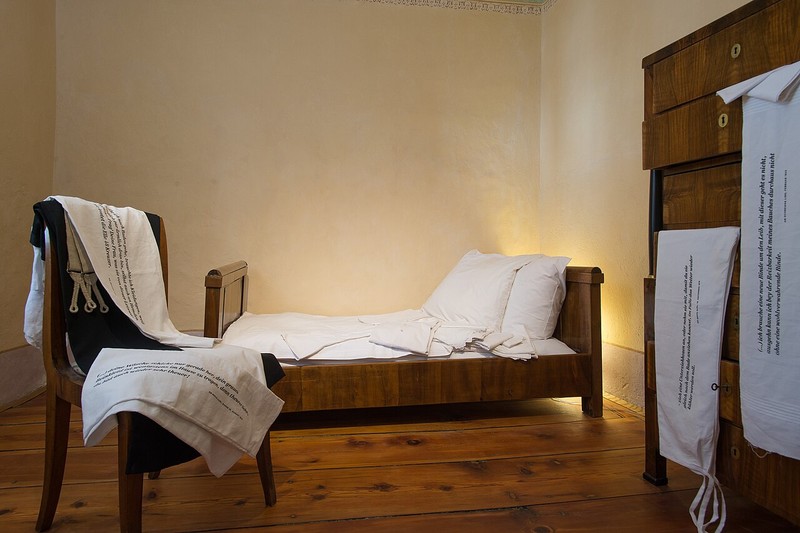
Today, it is more than a memorial apartment. The museum introduces visitors to Beethoven’s life and music through historic interiors, images, documents and multimedia displays. The restored Biedermeier wall paintings are particularly important, helping visitors imagine the appearance of domestic rooms in the 19th century.
What to see inside
The exhibition explores Beethoven’s stays in Baden, his everyday life, creative process and the significance of the Ninth Symphony. The historic rooms offer a sense of the environment in which he spent his summers. However, visitors should not expect a fully preserved original furnishing scheme: the interior from Beethoven’s time has survived only in part.
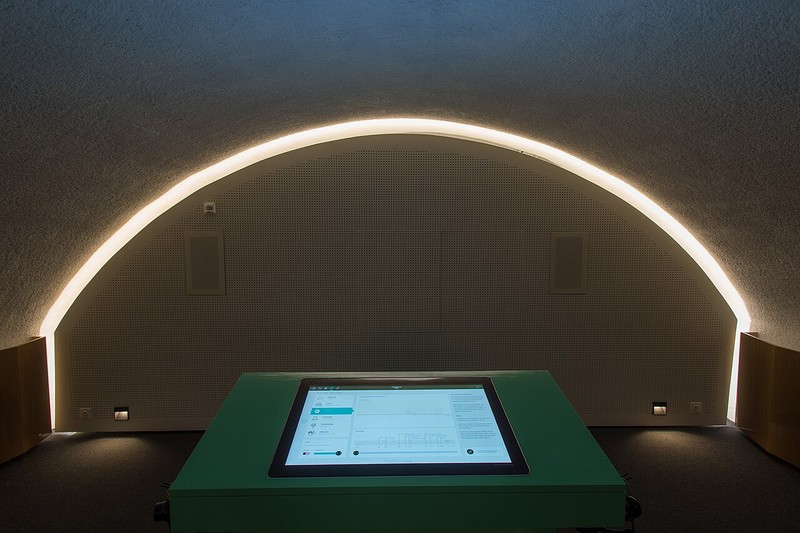
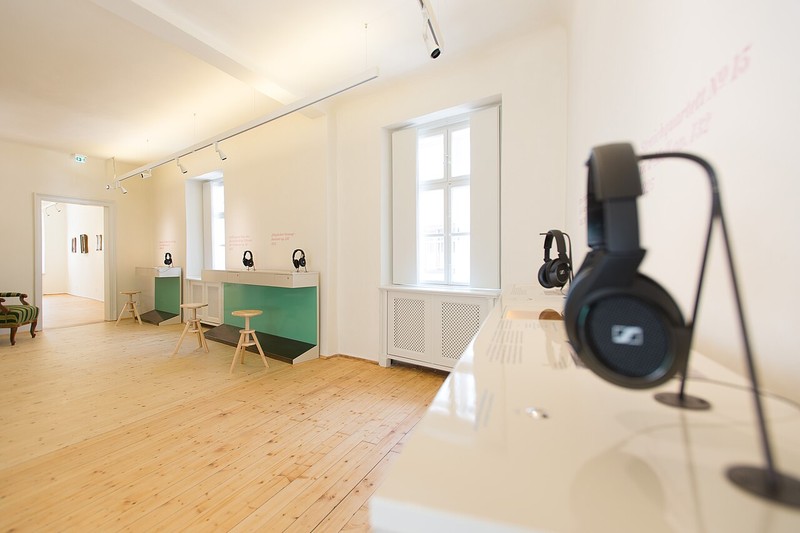
The museum presents materials about the composer’s life and work, along with displays that invite visitors to listen to and experience his music in new ways. Particular attention is given to works connected with his time in Baden. The visit is suitable both for classical music enthusiasts and for anyone interested in Austria’s cultural history.
A museum shop on the ground floor sells souvenirs, books and music recordings related to Beethoven. The museum also hosts guided tours, concerts, lectures and themed events; the programme varies throughout the year.
The building and its historic surroundings
The house lies in the old part of Baden, a town long known for its thermal springs and spa traditions. During the 19th century, members of the imperial family, aristocrats and Vienna’s cultural circles visited the town. For Beethoven, Baden offered a combination of treatment, rest and an opportunity to concentrate on composition.
The historic rooms and wall paintings evoke the Biedermeier period. A visit to the house can be combined with a walk through Baden’s centre, its old streets and its spa architecture.
How to get to Beethoven House
The museum’s address is Rathausgasse 10, 2500 Baden, Austria. From Vienna, one convenient option is the Badner Bahn tram, which departs near the Vienna State Opera and runs to its terminus at Baden Josefsplatz. The museum is about a three-minute walk from the stop. Alternatively, take a train to Baden station and walk for around ten minutes.
According to official information, the museum is generally open Tuesday to Sunday and on public holidays from 10:00 to 18:00. On 24 and 31 December, opening hours are reduced to 10:00–14:00. Check the official website before travelling for current hours, admission prices and guided-tour times.
Why visit Beethoven House in Baden?
Beethoven House offers a chance to see a place connected with an important period in the composer’s life and to better understand the circumstances in which the Ninth Symphony took shape. Historic architecture meets a modern museum approach, while the musical displays reveal the connection between Beethoven’s work and the town of Baden. It is a rewarding stop for classical music lovers, history enthusiasts and travellers exploring Austria’s cultural heritage.
Gallery