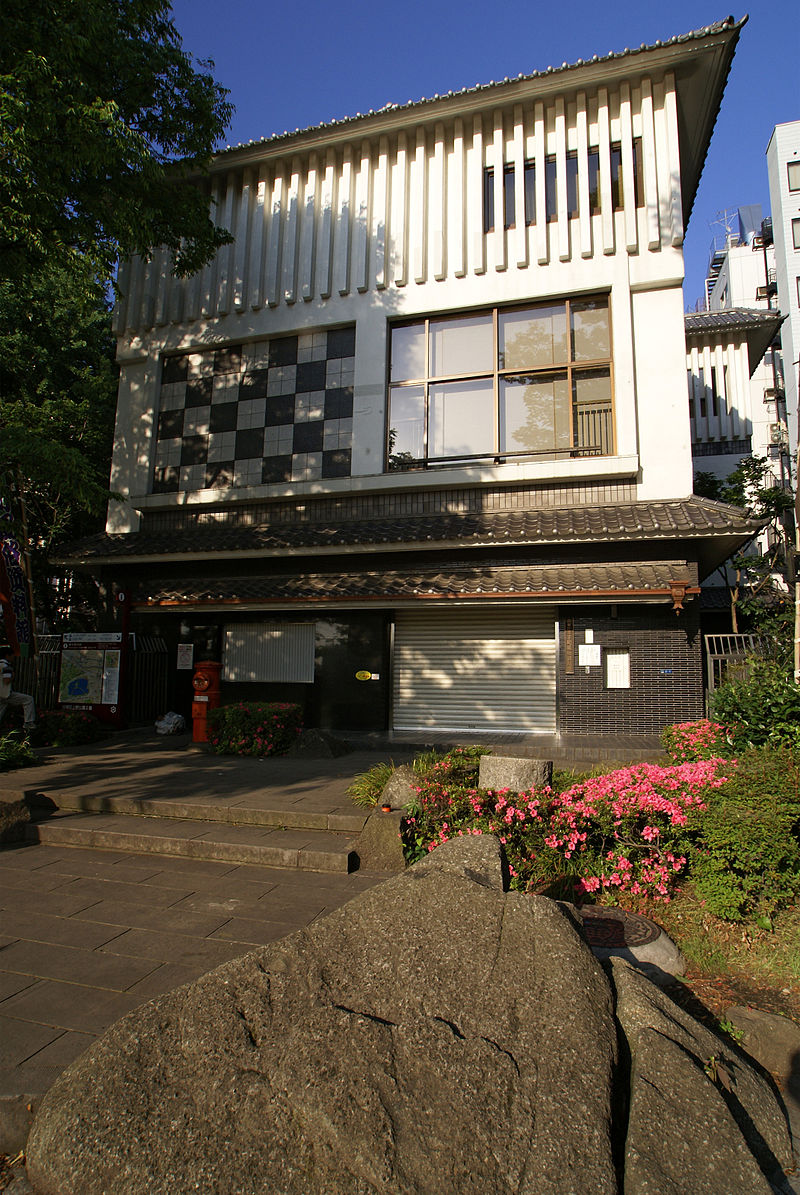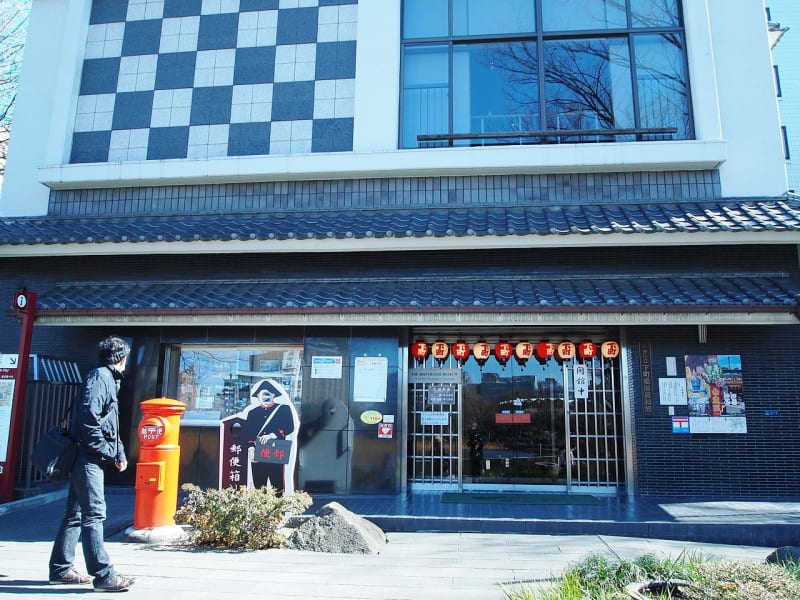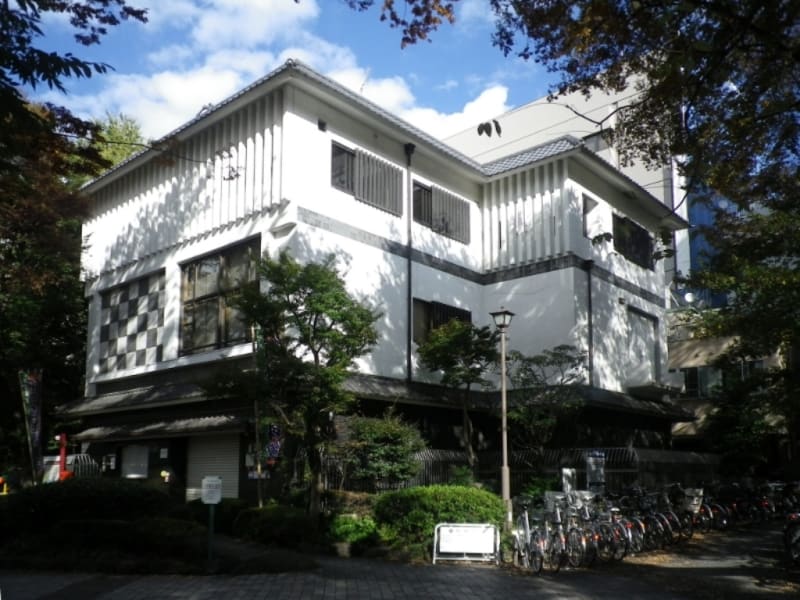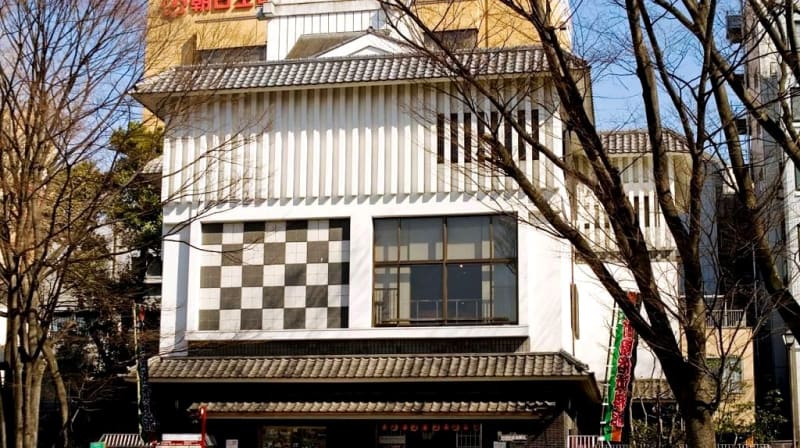

The Satimachi Museum tells about the life of poor Tokyo residents living in Shitamachi (Lower Town) in the late 19th and early 20th centuries, hence the name of the museum. It is located in Ueno Park, near Shinobazu Pond. Visitors can see the old, almost gone Japan. Having visited here, it is possible to feel the unique flavor that envelops this distinctive country.
The history of the Satimati Museum
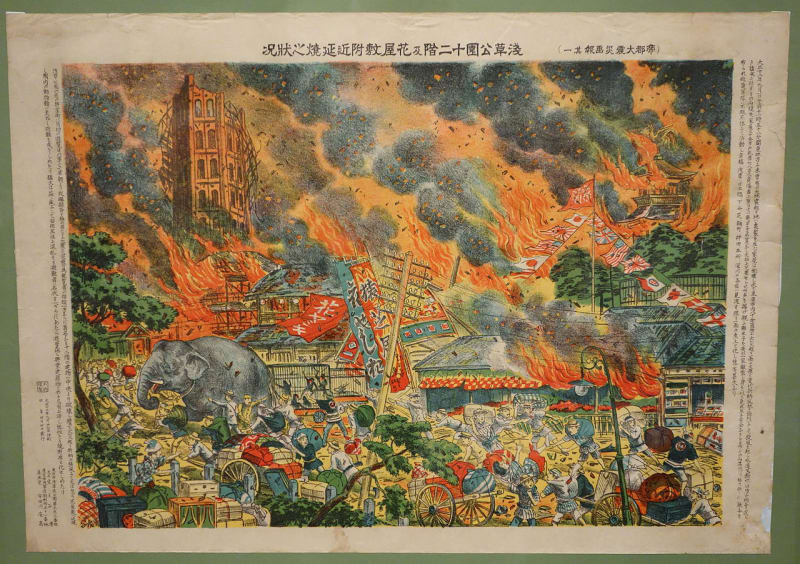
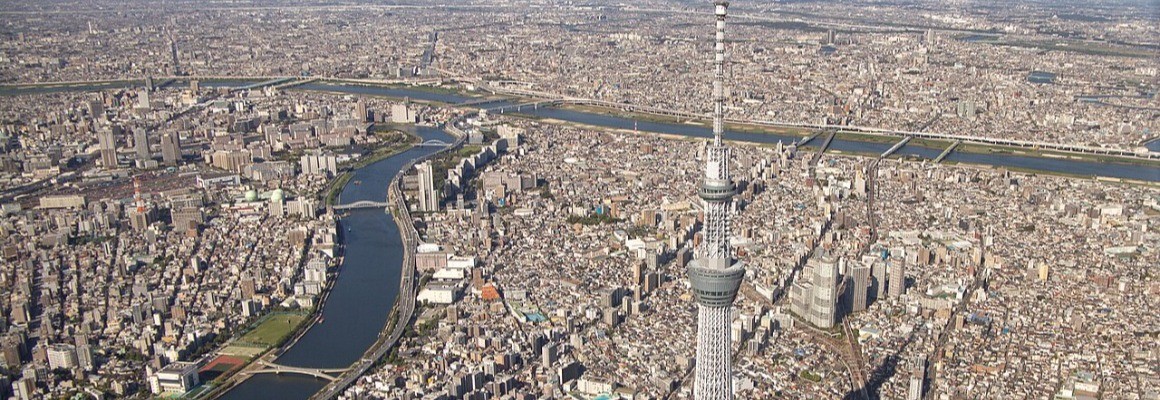
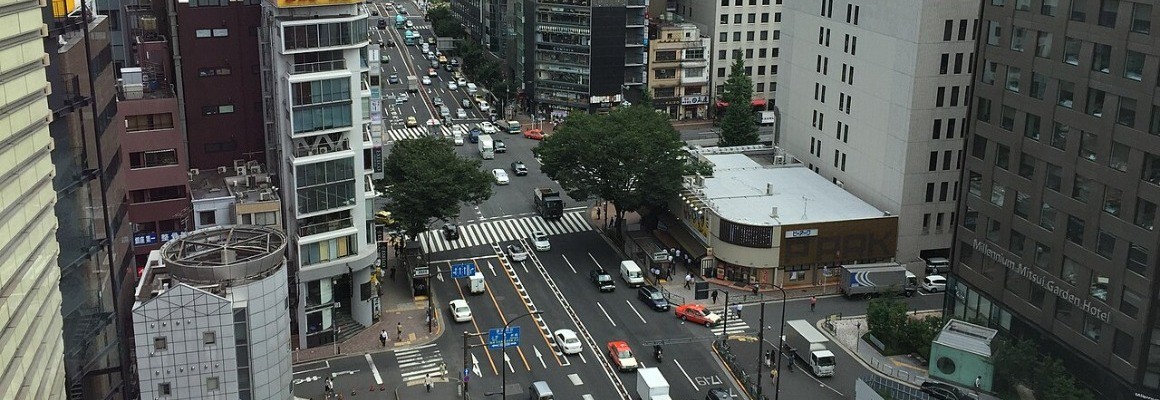
At the time when the city of Edo (as Tokyo was called until 1868) began to expand rapidly, it was divided into two parts. Rich people and grandees settled in the northwest. The southeastern part, where the poor settled, was located below the other, which is why the place was called the Lower City. Representatives of the "lower class" lived here in cramped one-story buildings for several families. These included artisans and merchants, fishermen and sailors. The houses were huddled together. In 1923, Shitamachi was severely damaged by an earthquake. The remaining remnants of the buildings were destroyed as a result of bombing during the Second World War. After the war, the territory of the Lower City began to be built up with modern skyscrapers.
In order to preserve the flavor of the Lower City, at least in the museum to show descendants the real Japan - the living conditions, clothes and utensils of that time, it was decided to create the Shitamachi Museum. It was opened in 1980 with the support of local residents, who actively helped to collect the collection of exhibits literally bit by bit. Most of them were descendants of those who lived in the Lower City. As a result, visitors to the Shitamachi Museum can fully immerse themselves in the pronounced flavor of poor Tokyo a century ago. They can see the facades of houses and shops of that time, visit inside, literally touch clothes and utensils with their hands. This is exactly what every tourist who comes to Japan wants.
The exposition
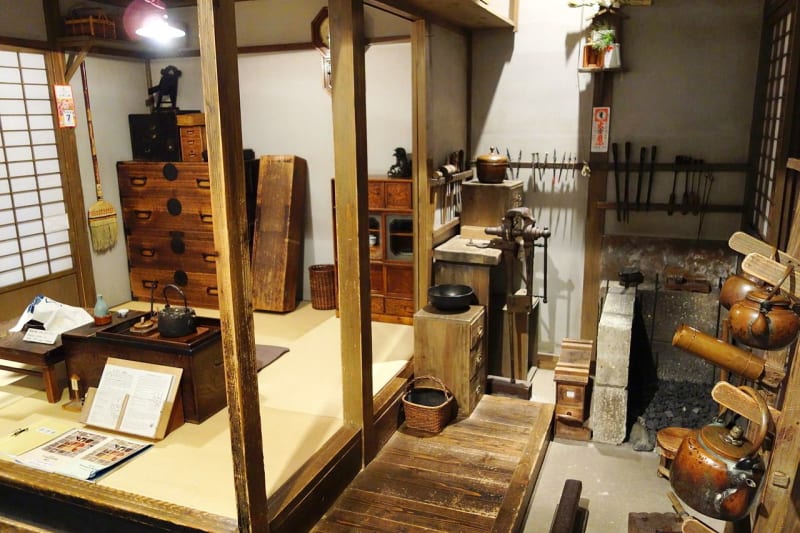
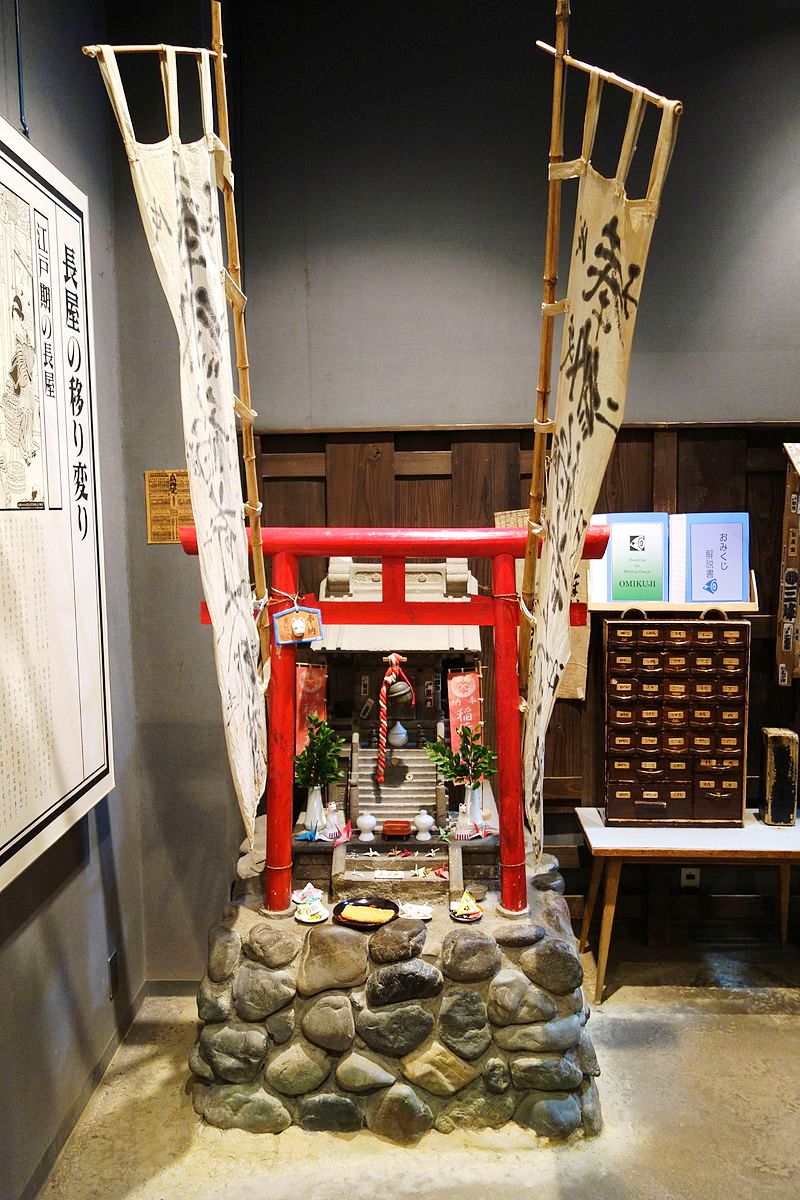
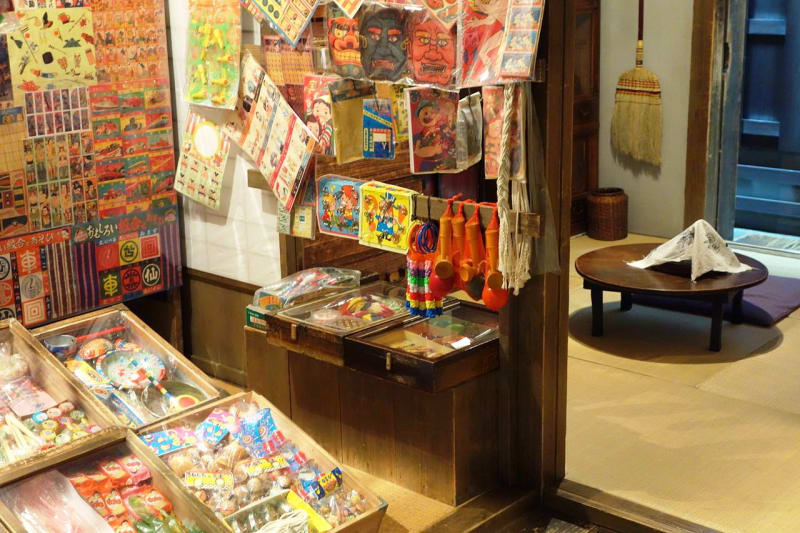
The exhibits of the Satimachi Museum are located on two floors: on the lower floor, a Tokyo street with shops, artisan workshops, and small houses of the Lower City is recreated, all of which are life-size. To the right of the entrance is the workshop of an artisan who makes Japanese geta clogs. There is a hand cart and a rickshaw carriage in front of the house.
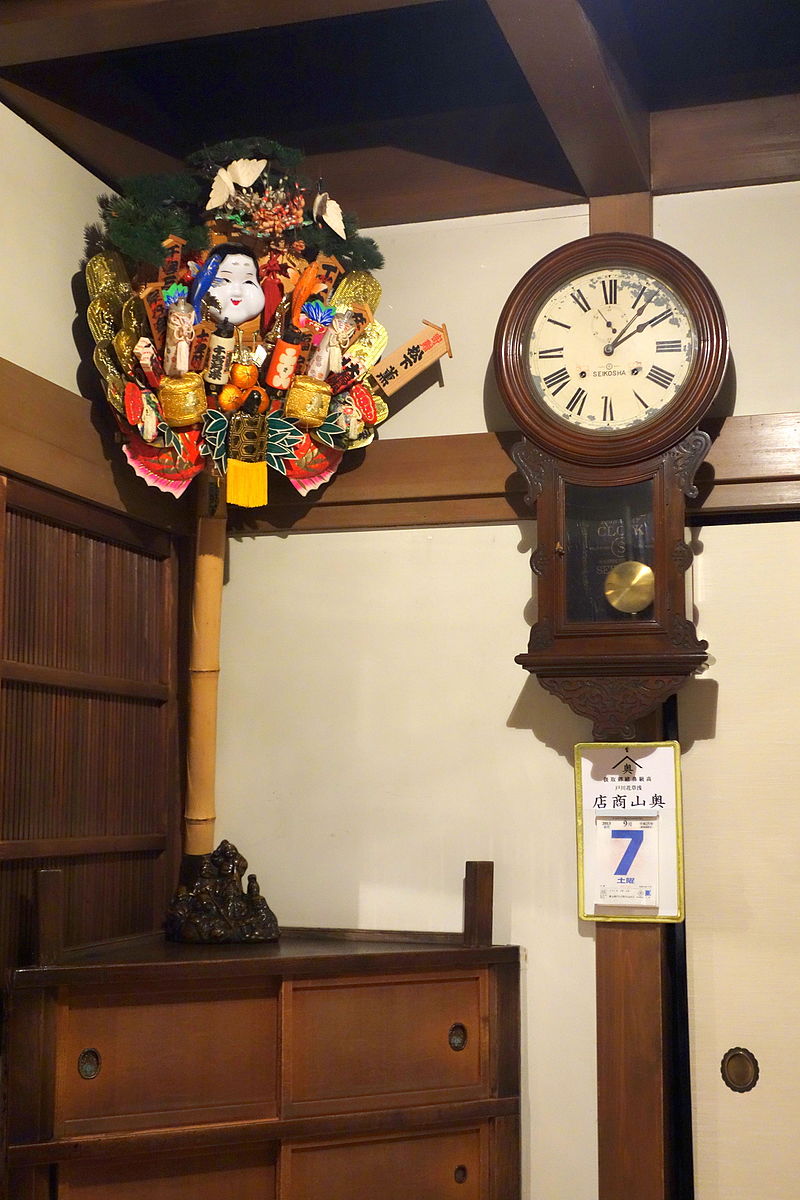
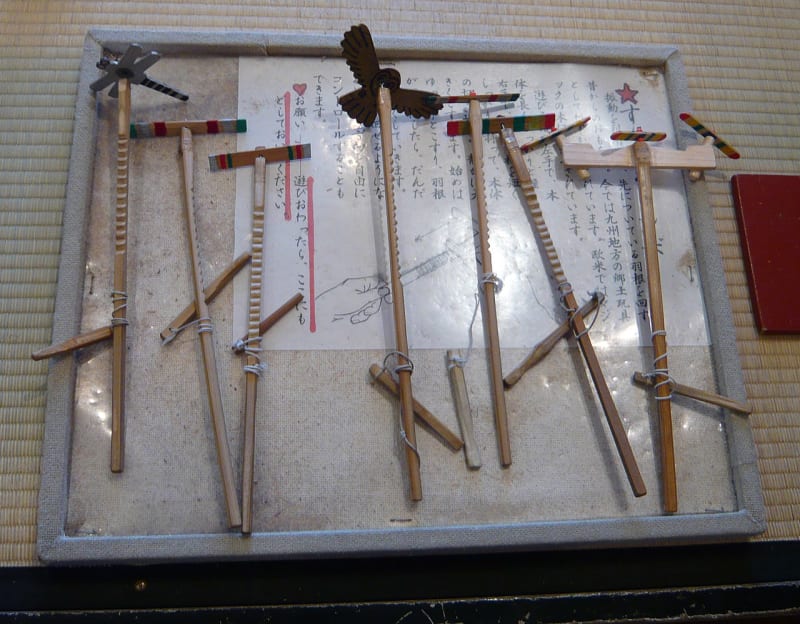
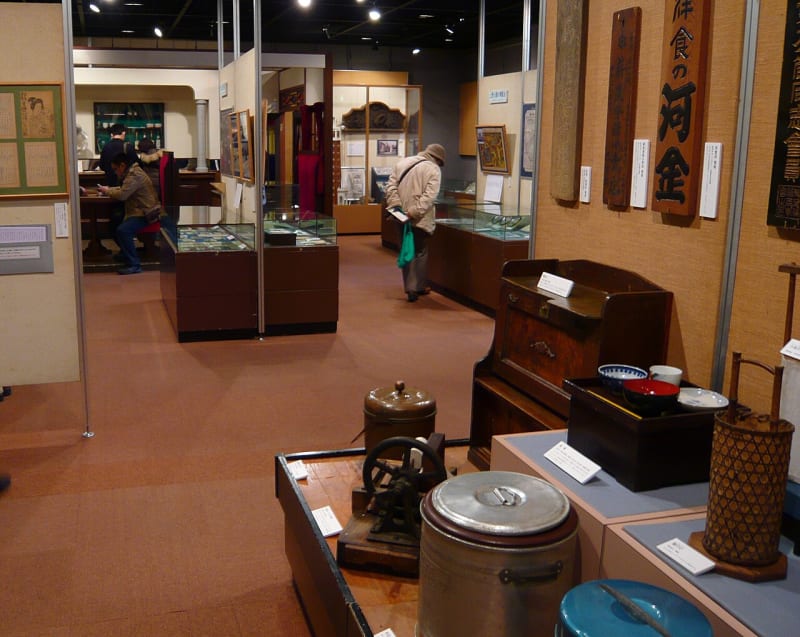
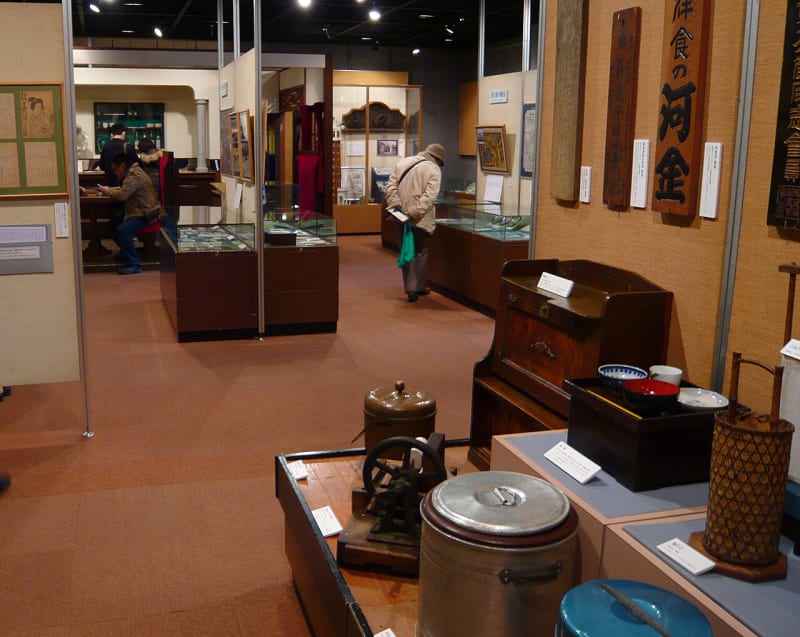
On the left is a two-family apartment building. In one half live a mother and daughter who sell inexpensive sweets in a shop adjacent to the house. In the other half there is a blacksmith-coppersmith who makes utensils to order and for sale. A well and an original washing board have been reconstructed next to the house. On the second floor of the Sachimachi Museum, the interiors of Meiji and Taisho period living quarters are presented with household items typical of that era, utensils and clothes. Interestingly, the exhibits may vary depending on the time of year. So, warm clothes are displayed in winter, and umbrellas from the rain in autumn. There are children's toys, dolls, board and card games, as well as works of art, historical documents and artifacts. You can even see what a small sento bath looks like.
Gallery