Traveler Stories — page 14

Stanislav Discoverer
Croatia · October 5, 2026
Day 1. Dubrovnik: the beginning of the journey

Day 1. Dubrovnik: the beginning of the journey

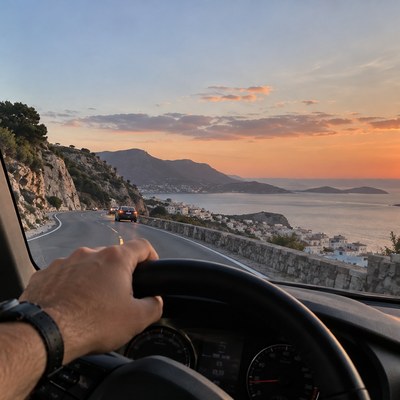
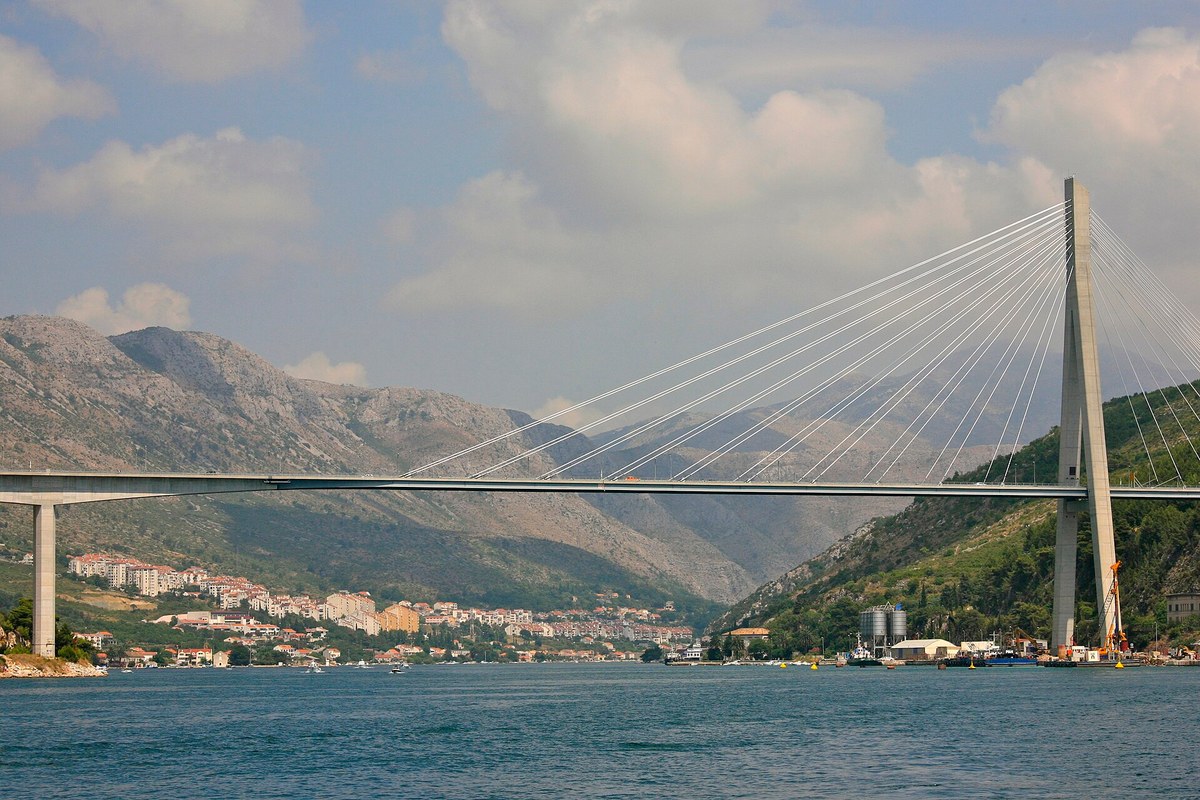
When I first decided to drive along the Croatian coast, I thought everything would be pretty simple: the sea on my right, the beautiful cities ahead, the car under me, and five days in which I would quietly watch all the most interesting things. In my head, it was almost a perfect road movie, where I drive beautifully along a serpentine, periodically stop for a photo and have dinner somewhere by the sea in the evening. The reality, of course, turned out to be a little more fun, because parking searches, attempts to understand local roads, and the classic "where am I going now?" were quickly added to the beautiful views. But this is exactly the journey I wanted to remember him on in Croatia. It's not easy to come to one resort town and spend a week on the same beach, but to move along the coast, stay where you really want to, and see a slightly different Croatia every day. In five days, I managed to drive through several beautiful cities, swim in the sea, taste local cuisine, get lost several times and finally make sure that a road trip is much more interesting when you don't try to control every minute. I started my first day in Dubrovnik, sharing photos from the cable car. To be honest, it was one of those times when I saw so many photos of the city that I was afraid to be disappointed when I met them. Usually, after the tenth photo of the same place, you get the feeling that you've already been there. But Dubrovnik turned out to be completely different. Old Town When I first saw the old town, surrounded by stone walls and lying right by the sea, I realized that the photos still did not convey the scale. The narrow streets, staircases, old houses, the splendor of the Adriatic and the huge number of people created a strange combination of a medieval city and a modern tourist resort. The first half of the day I just walked around the old town. I climbed the city walls, looked at the sea and the roofs of houses from above, stopped several times for photos, and at some point realized that my phone was almost empty. It was very prudent of me to start a car trip with my phone completely discharged, especially considering that I will still need navigation. After the walk, I decided to relax by the sea for a while. I hadn't planned to swim on the first day at all, but after staring at the incredibly clear water for a few minutes, I had to rethink the plan. After a while, I was already standing on the shore and wondering why I hadn't done it sooner. In the evening, I returned to the old town again. Dubrovnik seemed very lively to me during the day, and towards evening the atmosphere became calmer. The stone walls were gradually illuminated by warm light, the sea was darkening, and for the first time that day I stopped looking at the clock. I decided to spend the night in the Dubrovnik area, because in the morning I had to travel further along the coast. At that moment, I still did not know that the road would become one of the main parts of the entire journey.

Read more →
0 0
Anna Explorer
Czech · October 4, 2026
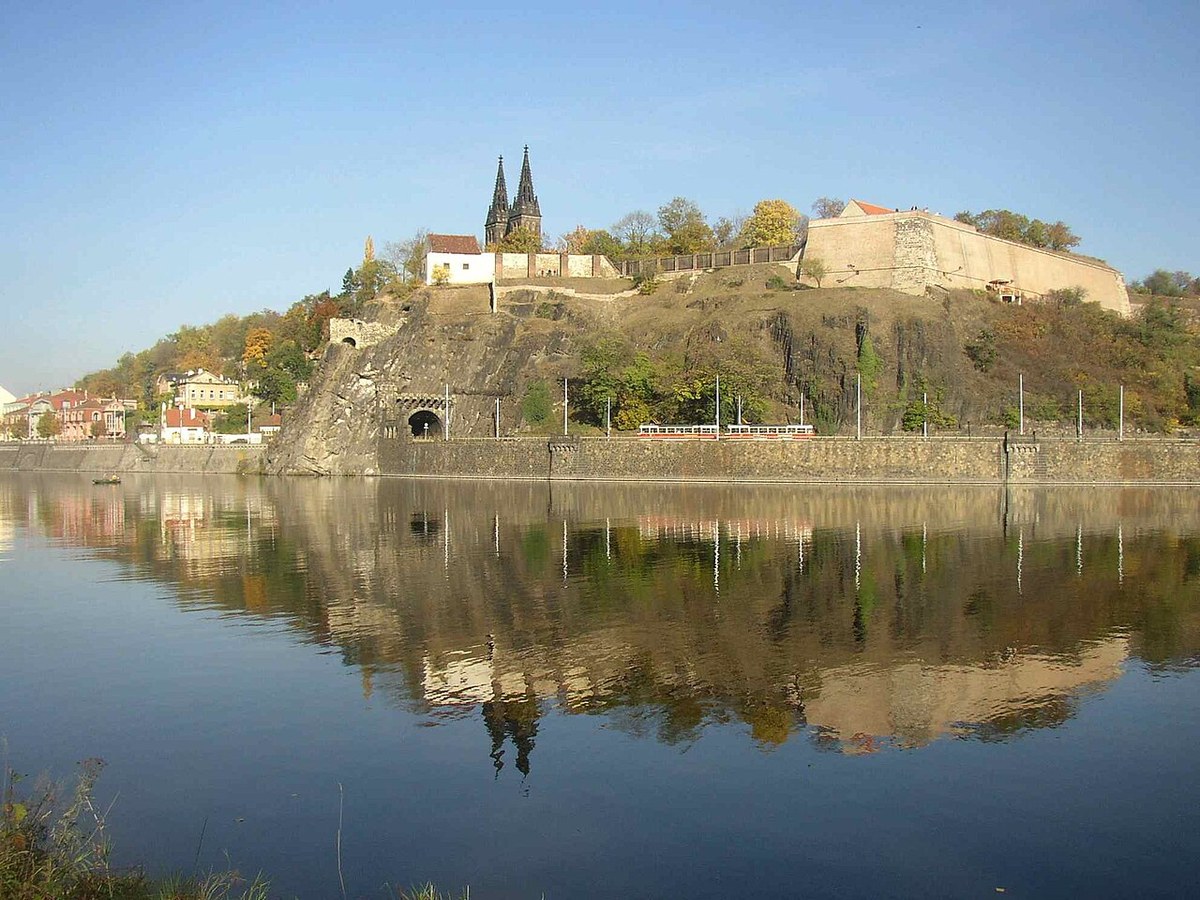
Day three: Visegrad, beautiful views and farewell to the city

Day three: Visegrad, beautiful views and farewell to the city

On the third day, I purposely left the route a little more free. After two eventful days, I already wanted not to run between the sights, but just to live in the city for at least a few hours. Visegrad In the morning I went to Visegrad. This place turned out to be a pleasant discovery for me, because after the lively historical center, it feels like a completely different Prague. You can safely walk around the territory, look at the ancient walls, enter the Cathedral of Saints Peter and Paul and just enjoy the views of the city. I especially liked that there was no sense of constant racing here. For the first two days, I kept thinking about where to go next, how long the road would take, and what else I needed to see. And here for the first time I just stopped and thought: "But I don't have to go anywhere." The Josefov district After Visegrad, I returned to the central part of the city and went to the Josefov district. I wanted to see the old Jewish quarter, its streets and historical buildings. Prague generally surprisingly combines different eras, and sometimes it takes only a few minutes for the atmosphere around to completely change. In the late afternoon, I reserved for myself the most pleasant thing – an ordinary walk through the center without a route. I bought something to eat, went into a small store, spent a long time choosing a souvenir, which in the end I wasn't going to buy at all, and then I found myself near the Vltava River again. Vltava I spent the last evening on the Charles Bridge. During the day it seemed to me too noisy and crowded, and in the evening it looked completely different. I looked at the water, the old buildings and the lights of the city again and tried to mentally save it all for the next trip. What have I done in 3 days? If I put my route together in a more understandable scheme, it turned out something like this: on the first day I walked around the Old Town, looked at the Old Town Square, the chimes, Charles Bridge and just explored the central streets. The second day was dedicated to Prague Castle, St. Vitus Cathedral, Malaya Strana and a walk along the Vltava River. On the third day, I left Visegrad, Josefov and a quiet walk through the center without a mandatory list of attractions. Queen Anne's Summer Palace and Royal Garden At the same time, I didn't try to see absolutely everything at all. And this is perhaps the main advice that I brought from Prague: do not turn a trip into a competition with a tourist checklist. It's impossible to get to know the city completely in three days, but you can feel its character if you sometimes put your phone in your pocket and just go wherever you want. I remember Prague not only for its beautiful squares and castles. I remember her morning streets, the smell of coffee, bridges, old houses, stairs, sudden turns, and those very moments when you open a new alley and wonder why you didn't notice it before. I also realized that my ideal route through Prague should definitely leave room for mistakes, because for some reason they often turn into the best memories. Wenceslas Square And if I were offered to spend three days in Prague again, I would probably leave most of the route the same. I would just take my shoes more comfortably, not try to control the time so carefully, and accept in advance that I would definitely get lost at least once. After all, what kind of trip is there without a little adventure?

Read more →
2 0
Anna Explorer
Czech · October 4, 2026
Day two: Prague Castle, Mala Strana and a leisurely walk

Day two: Prague Castle, Mala Strana and a leisurely walk

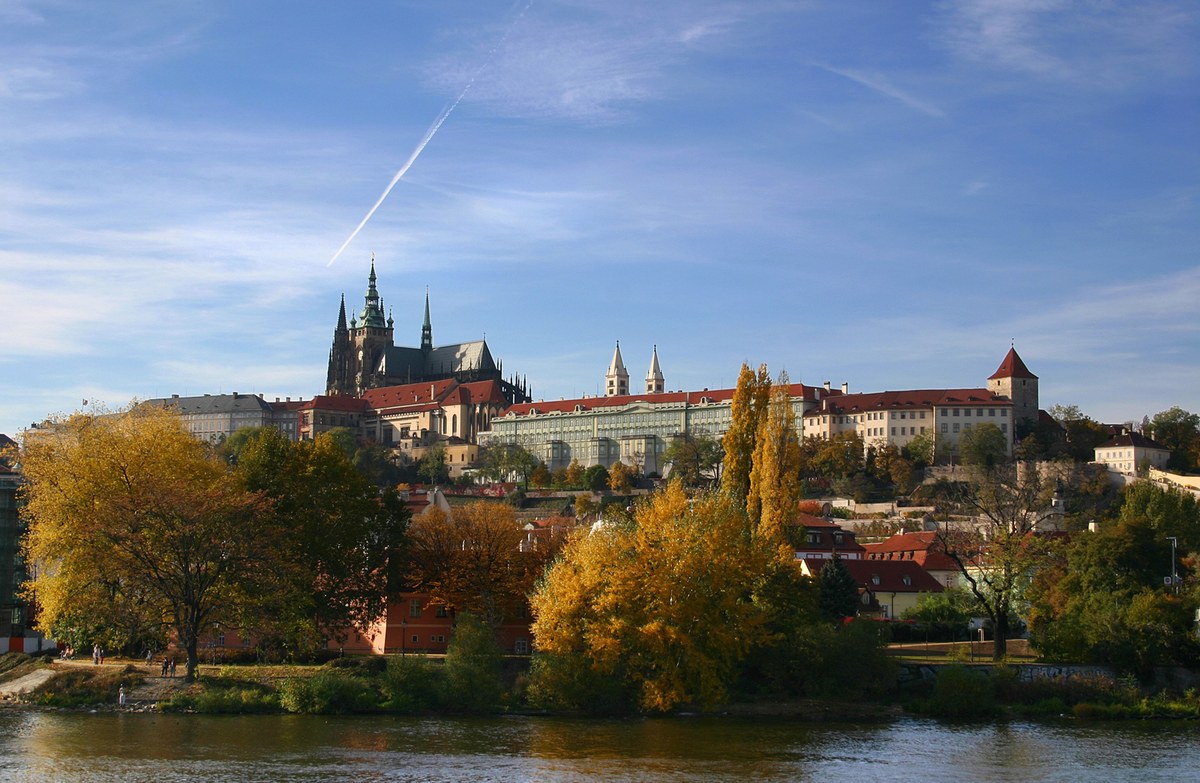
On the second day, I decided to go to Prague Castle. I took a long time getting ready in the morning, because, as is usually the case when traveling, I suddenly discovered a huge number of extremely important things: check the weather, see the route, charge my phone, look at the route again and, of course, drink coffee. Prague Castle I got to Prague Castle without any problems, although the climb made me reconsider my attitude to comfortable shoes. In everyday life, I sometimes think that beautiful shoes are more important than practical ones, but after a few hours of walking around Prague, you quickly remember that your feet have their own opinion and are able to express it quite convincingly. St. Vitus Cathedral The main point of this day for me was St. Vitus Cathedral. Even if you don't consider yourself a big fan of architecture, it's hard to pass it by indifferently. There's a huge space inside, stained glass windows, details, stone, and such an atmosphere that you automatically start talking quieter, even though no one asks you to. Small Country After Prague Castle, I went for a walk around the Small Country. This is where I finally understood why Prague is called one of the most beautiful cities in Europe. I liked just walking without a specific goal, looking at the colorful facades, courtyards, doors and windows, periodically stopping for a photo. At some point, I decided to trust my intuition again and turned off the usual route. After a while, I realized that I had absolutely no idea where I was. The map on my phone showed a beautiful blue dot that was confidently moving somewhere not where I was going. I had to stop, figure out the direction and admit the obvious: sometimes even the most carefully planned route loses out to ordinary attentiveness. The Waldstein Garden After that, I walked to the Waldstein Garden, rested for a while and slowly returned closer to the center. In the evening, I wanted to see Prague from the other side, so I went for a walk along the Vltava River. It was this evening that I remember the most. There were no mandatory attractions that needed to be urgently marked on the list. I was just walking along the river, looking at the city, listening to the conversations of people around me and periodically thinking that three days is still too short for Prague.

Read more →
0 0
Anna Explorer
Czech · October 4, 2026
Day one: The Old town and the first acquaintance with Prague

Day one: The Old town and the first acquaintance with Prague

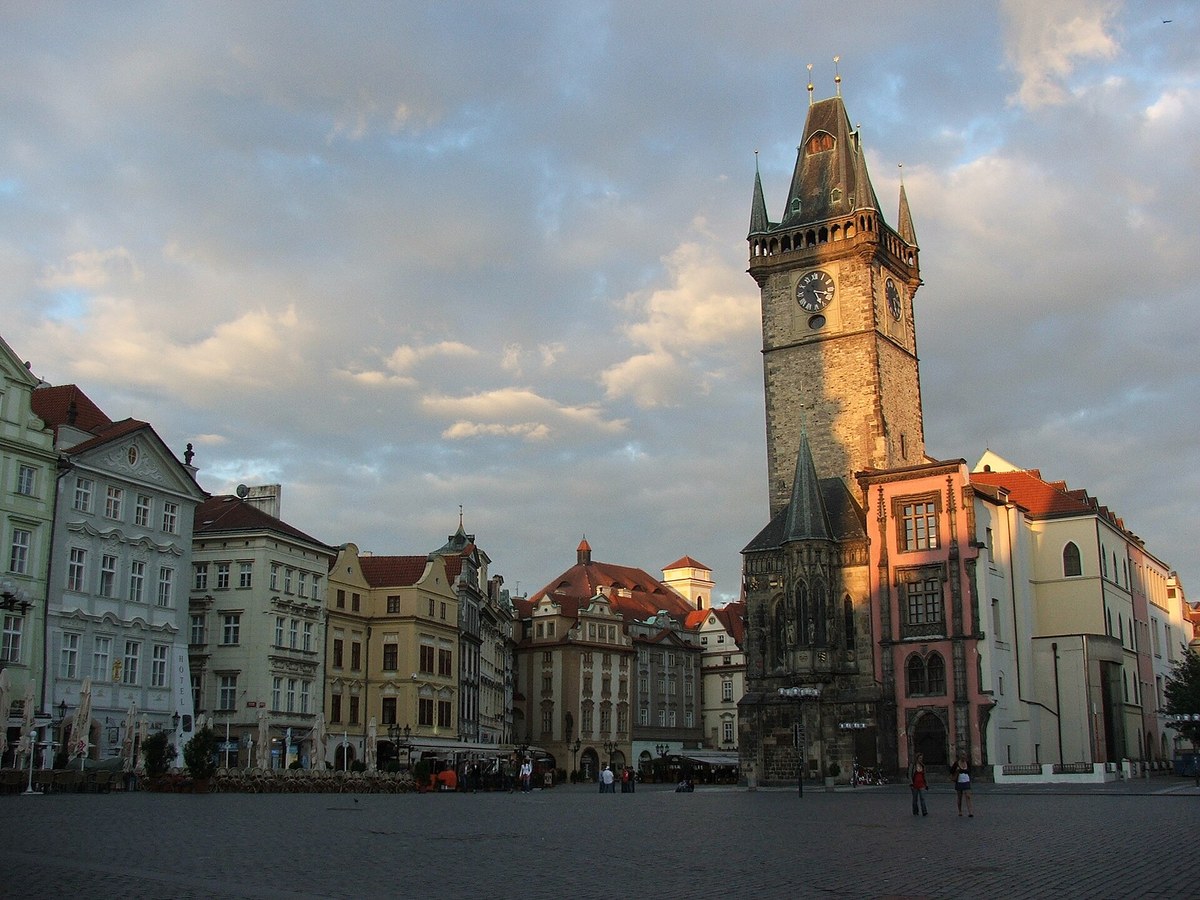
I went to Prague with a rather dangerous confidence that in 3 days I would have time to see if not everything, then at least the most important things, and in the evening I would still have the strength to sit somewhere beautifully with a cup of coffee and talk about how well I did. Naive. By the end of the first day, I realized that Prague is the city where you can go out "literally for five minutes" and two hours later find yourself in an alley, standing in front of a beautiful house and completely not understanding how I got here. But that's why I loved her. I made up a route in advance, broke it down by day, saved the necessary places on my phone, and even had a rough idea of where I would have lunch. The plan looked very convincing until I arrived in Prague. After that, it quickly turned into a set of recommendations that I used according to the principle of "let's see according to the mood." In the end, it turned out even better than I had hoped, because the most pleasant moments of the trip happened just when I was slightly deviating from my own schedule. Prague Chimes On the first day, I decided not to overload with difficult routes and just went to get acquainted with the historical center. I started with the Old Town Square, because I wanted to immediately get to the very Prague that we all saw in the photos.: ancient facades, narrow streets, towers, tiled roofs, and the feeling that the scenery for a historical film had been forgotten to be removed after filming. Of course, I waited for the famous chimes on the square. And for some reason, I decided that something so impressive was about to happen that everyone around me would freeze with delight. In fact, a crowd of people with phones gathered around, including me, and after a few minutes we went on our way to our tourist business. But it's still worth looking at the Old Town Hall, especially if you go up and see the city from a height. After leaving the square, I purposely didn't open the map right away, but went for a walk along the nearest streets. It turned out to be one of the best decisions of the entire trip. In Prague, it is very easy to accidentally turn off a busy tourist route and find yourself on a quiet street with beautiful houses, small cafes and a completely different atmosphere. Then I went to the Charles Bridge. By this point, I had already managed to get a little tired, but as soon as I saw the Vltava River and the ancient towers of the bridge, the fatigue disappeared somewhere. However, there were so many people there that a romantic walk across the bridge sometimes turned into a small survival exercise: someone was taking pictures, someone was stopping in the middle of the road, someone was walking towards you, and you were trying not to hurt anyone and at the same time not to lose your phone. Charles Bridge But in the late afternoon, Prague became especially beautiful. The light gradually changed, the stone buildings took on a warm hue, it became calmer over the Vltava River, and I finally stopped trying to catch everything. I just walked around, looked at houses, went into small shops and periodically stopped for coffee. In the evening, I decided to have dinner somewhere near the center. There was also a small failure here: I chose the restaurant solely on the principle of "it looks pretty," and then I discovered that my body, after a day of walking, did not want a gastronomic discovery, but a huge portion of something hot. In the end, dinner turned out to be completely simple, but after it I felt like a person who really deserved a bed.

Read more →
0 0
Stanislav Discoverer
Norway · October 4, 2026
My route in Norway

My route in Norway

If I were to put the trip together into one route, I would now lay it out like this: Bergen → Sognefjord → Flom → Lerdahl → Geiranger Fjord → Atlantic Road → small coastal towns and villages. This route allows you to see different landscapes of Norway without turning the trip into an endless race between points on the map. I would only immediately put extra time on the road, because in Norway it is almost impossible to move exclusively according to plan. You will definitely see a place where you want to stay, meet a beautiful road, a small waterfall, or just want to drink coffee with a view of the fjord, which means that you will have to let go of your schedule a little. At the same time, I would not try to change my overnight location every day just to see another point. Sometimes it's better to spend two evenings in one place and explore the surroundings in peace than to pack a suitcase every day and spend your energy moving again. On such a journey, not only the list of things you've seen is important, but also how comfortable you feel along the way. A list of necessary items After this trip, I have a very specific list of things that I would no longer underestimate. A good waterproof jacket, comfortable shoes, a phone charger, a power bank, and something to eat in the car would seem to be the most common things, but when there are mountains around and the nearest cafe is unknown, you start to look at a simple candy bar with completely different eyes. I would definitely take a thermos. Stopping by a fjord, pouring yourself a hot coffee and just looking at the water for a few minutes turned out to be one of the most enjoyable little rituals of the trip. Sometimes, for some reason, such moments are more memorable than a long visit to a famous landmark. What did I take with me from this trip After Norway, I was left with the feeling that I had visited a country where nature calmly occupies the first place and does not try to prove anything to anyone. There's no need to come up with entertainment every minute, because sometimes it's enough just to drive, look out the window and wait for the scenery to appear around the next bend. And that's probably what I liked the most. Geiranger Fjord I was driving among the fjords, getting caught in the rain, getting confused on the roads, taking too many photos, reviewing the route several times, and still constantly rejoicing that I was here. Sometimes I got tired, sometimes I got wet, sometimes I realized that the next point was still far away, but I never had the feeling that it was all in vain. Norway has left me with the feeling of an unfinished journey: I seem to have seen a lot, but I still want to take the car again one day, load up my things and drive on, along those roads that I didn't have enough time for this time. And that's probably why I liked this route so much – it didn't set a beautiful point in the journey, but left the feeling that there are still a lot of roads, fjords, small villages and turns ahead, beyond which there will definitely be something new.

Read more →
0 0
Stanislav Discoverer
Norway · October 4, 2026
Small villages and stops without a plan

Small villages and stops without a plan

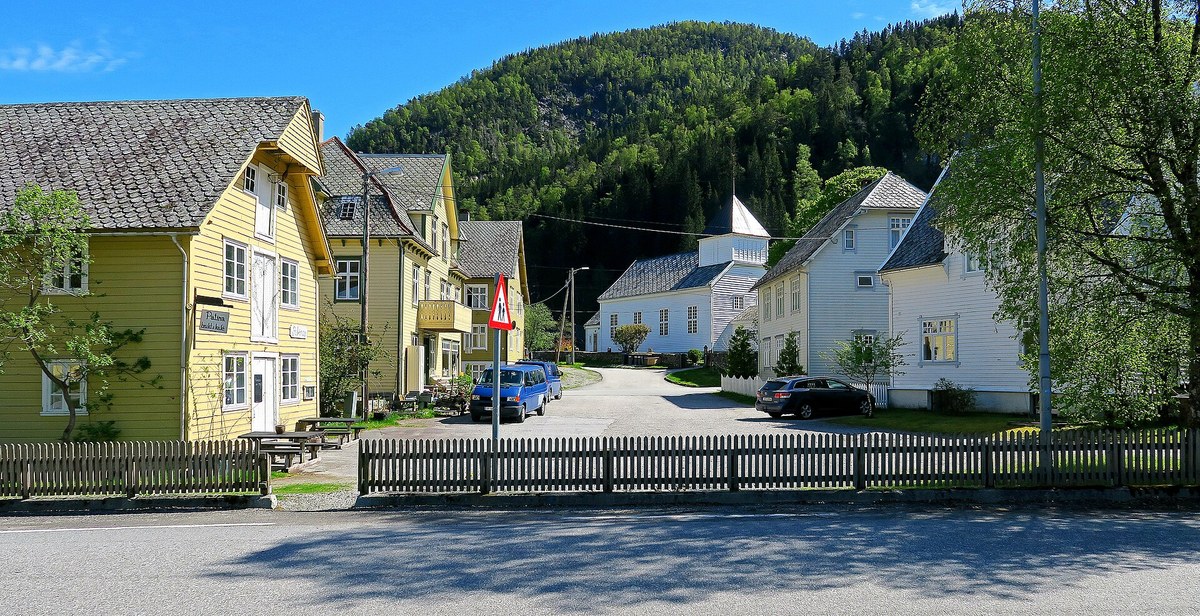
I got the most pleasant moments of the trip not only at the famous viewing platforms. Sometimes I just drove through a small village, noticed wooden houses, boats by the water, or sheep by the road, and realized that this was the frame I wanted to keep in my memory. At such moments, Norway felt not like a collection of attractions, but like a real country where people just live in the midst of all this incredible landscape. Several times I purposely turned off somewhere I hadn't planned to go at all. Sometimes it ended with a beautiful stop by the water, sometimes with another tunnel, which I entered with a slight anxiety, because I had no idea how long it would last. But it's these small adventures that I remember best later, because a trip without a couple of unexpected turns would be too much like a well-organized excursion. Where did I stay I chose the accommodation according to the principle "the main thing is to be comfortable after the road and to want to open the window in the morning." Therefore, the route included small guest houses, simple hotels and cozy places away from major cities. Sometimes the interior was completely ordinary, but in the morning I went outside and saw mountains or water, and after a long drive it worked better than any expensive design. Evanger Village I especially liked the small guest houses, where it was quiet and peaceful in the evening. After a whole day driving, it was nice to take off your shoes, put your phone on charge, make tea, and finally take your time. Sometimes I just sat by the window and reviewed the photos for the day, and almost always I found that half of the pictures were taken in exactly the same place. Eating on the road was also a separate part of the trip. Sometimes I managed to eat normally, and sometimes I limited myself to coffee and something simple, because another viewing platform seemed much more important than a full meal. True, by evening, the body began to remind us that beautiful mountains are wonderful, but the human body still needs food sometimes. How much time should I spend on such a route? The main advice I would give myself before the trip is not to try to cover the whole of Norway in a few days. On the map, it seems that everything is relatively close between the points, but in practice the road takes longer than expected, especially when you constantly want to stop. In addition, some sections are simply impossible to drive fast, because the roads themselves require attention and are not conducive to racing. I liked the format much more when, after several busy days, you could leave at least one day with almost no plan. Back then, I didn't feel like I had to get somewhere all the time. It was possible to calmly wake up, have breakfast, get in the car and just see where today's route would lead.

Read more →
0 0
Stanislav Discoverer
Norway · October 4, 2026
The Atlantic Road is another side of Norway

The Atlantic Road is another side of Norway

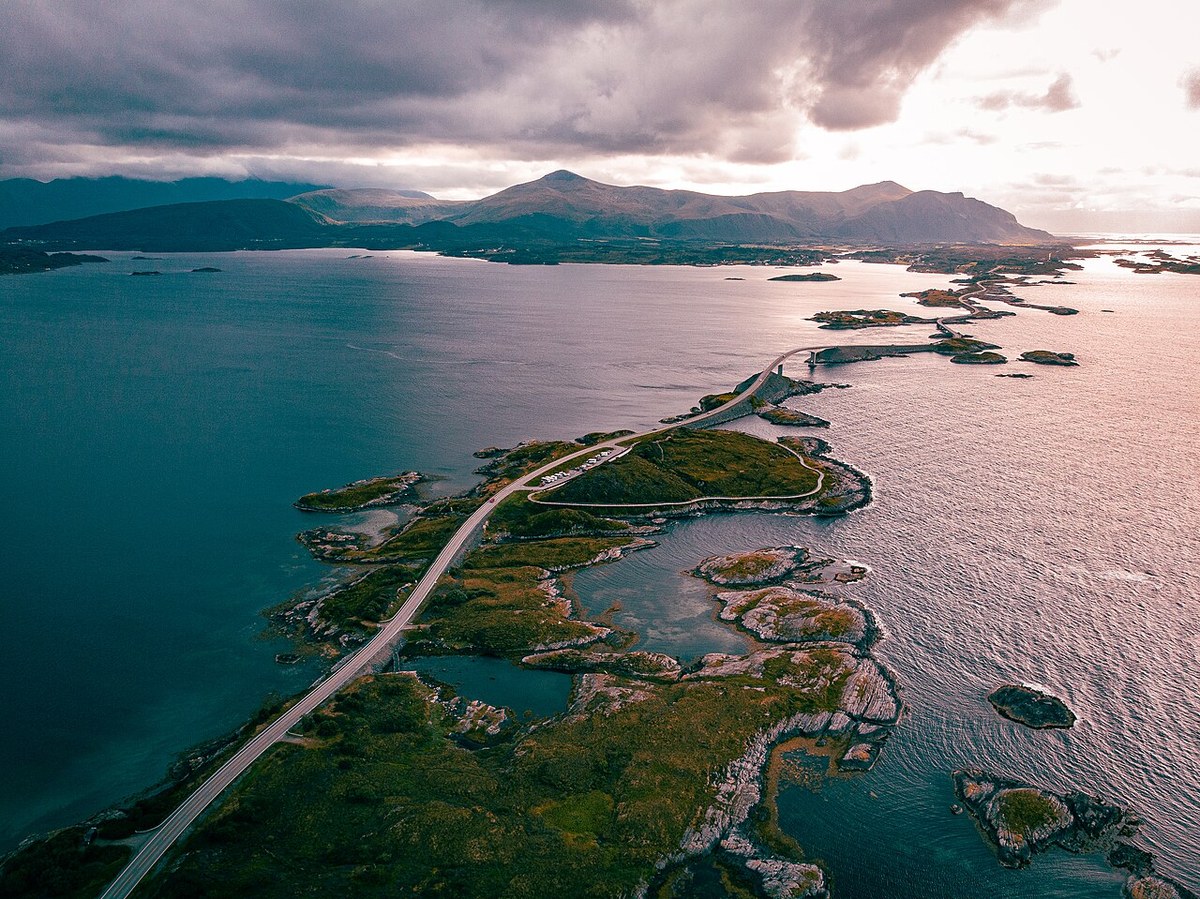
My journey was not without adventures either. One day, after a long drive, I arrived at my apartment, unloaded my things, took a break for a while, and only then realized that I had left one rather important thing in the car, and the parking lot was not nearby at all. At that moment, I really wanted to convince myself that I didn't need the thing at all, because it was so beautiful around me, I could see a river in a mountain valley. But still, I had to put on my jacket again and walk back. Such small things, of course, do not spoil the trip, and then even become a part of it. Now, when I think back to Norway, I remember not only the fjords and mountains, but also this evening, when I once again went to the car and thought, why can't you just pack your things once and never come back to them. Probably because then it would be too perfect a story, but we still have a real journey. The Atlantic Road is another side of Norway After the fjords, I wanted to see another side of Norway, so I included the Atlantic Road in the route. The scenery here is completely different: the sea, small islands, bridges and a road that literally runs through the middle of the water. When you drive along it in good weather, everything looks calm and even a little unreal, but I still kept looking at the sky and thinking how quickly everything can change here. Atlantic Road This section gave me a completely different feeling of the road. After the mountains and narrow fjords, the open sea seemed almost endless, and the wind immediately reminded you that you were far to the north and nature here was clearly not going to adapt to your plans. I got out of the car a few times just to stand by the water, and each time I came back with a little tousled hair and a very pleased expression on my face. Norwegian weather decided to participate The weather tried to test my character several times during the trip. In one day, I could see the sun, rain, fog, more sun, and more rain, and sometimes it all happened faster than I could put my phone back in my pocket. At some point, I just stopped building high expectations from the forecast and carried a jacket with me all the time, because the Norwegian sky clearly does not like it when a person plans his day too confidently. One day I left in the morning in fairly pleasant weather, so I decided that I could leave my raincoat in the car, and on the same day I saw how beautiful the rainbow was. After a while, I had to admit that the decision was controversial, because the weather changed quite quickly, and I was standing at the observation deck and trying to take pictures at the same time and not get wet. Since then, the rule has become simple: everything you need should be nearby, because in Norway, trusting only the morning sun is almost like trusting your own mood forecast. But it was thanks to this weather that some places looked especially atmospheric. When fog appeared over the fjord, the mountains became almost unreal, and after the rain the waterfalls seemed even more powerful. Therefore, I quickly came to the conclusion that bad weather in Norway is a rather arbitrary concept, especially if you came here specifically for the sake of nature.

Read more →
0 0
Stanislav Discoverer
Norway · October 4, 2026
The road through Lerdahl to Geiranger Fjord

The road through Lerdahl to Geiranger Fjord

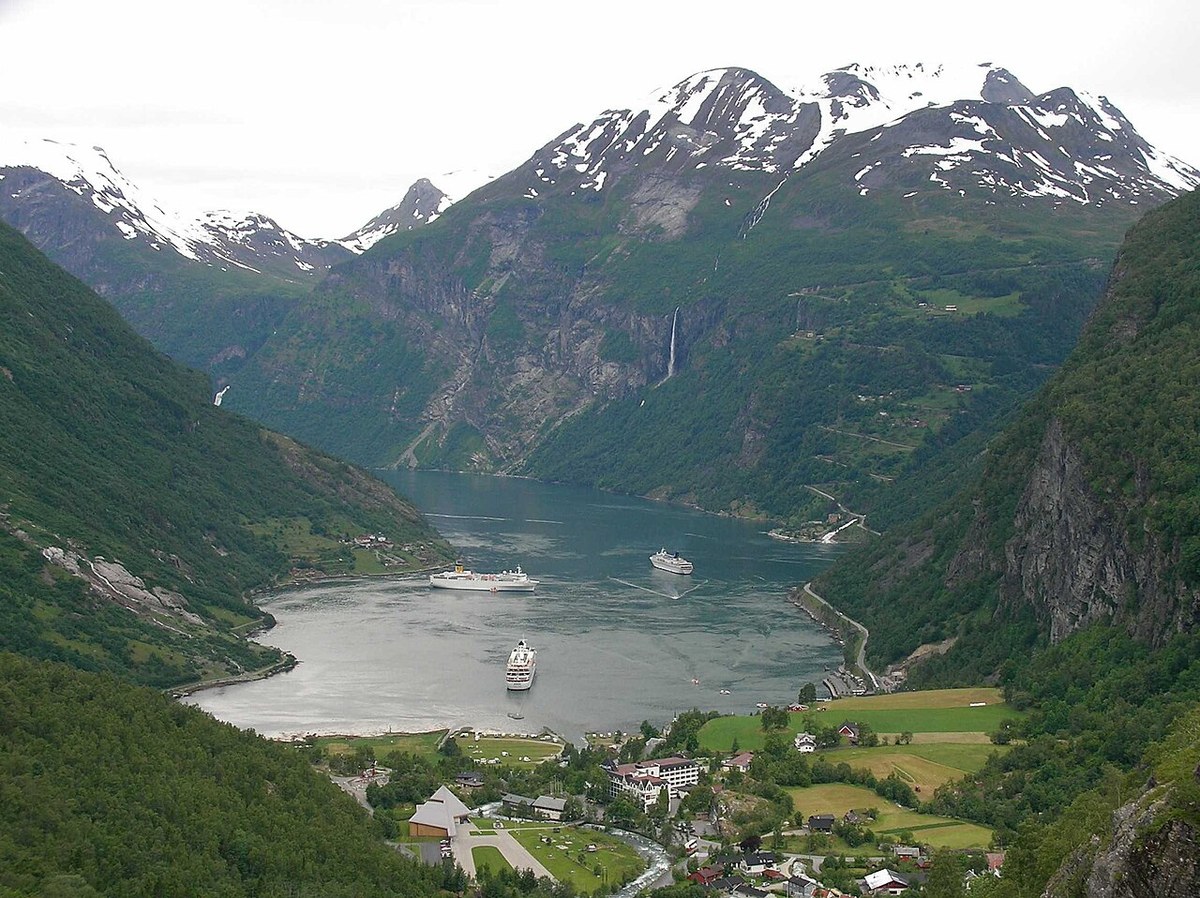
Then I went towards Lerdahl, and this part of the journey became one of those that I remember with special warmth. There were many mountain landscapes, small settlements and a completely calm road where you just wanted to drive and look around. Sometimes I turned down the music on purpose, because the noise of the wheels and the surrounding landscape created their own atmosphere. The Lerdahl Tunnel is considered to be the longest automobile tunnel in the world, with a 24.5-kilometer path through it. I was surprised when I found out that the psychological burden on drivers was taken into account during the internship. The tunnel consists of 4 sections separated by 3 large mountain caves. The Lerdahl Tunnel On the way to the fjords, I also appreciated this as an attraction. I noticed an interesting thing about myself: the further I drove, the less I wanted to constantly take pictures of everything. At the beginning of the trip, the phone literally did not have time to cool down, and then I began to just look with my eyes more often. This is probably one of the signs of a good trip, when it's no longer so important for you to prove to someone where you've been, because you realize that this moment will remain in your memory even without a photo. Geiranger Fjord – that's what I came for. The main point of my route was Geiranger Fjord. I had seen him dozens of times in photographs and thought that after all I had seen, it would be difficult to surprise me, but in person everything turned out to be even bigger. The narrow fjord, high green cliffs, waterfalls that fall directly from the slopes, and small ships on the water made it feel like I was somehow inside a very expensive tourist advertisement. Geiranger Fjord On one of the viewing platforms, I lost track of time altogether. The plan was simple: get out of the car, take a look, take a few photos and drive on, but each time it seemed like just one more minute and the light would become more beautiful. As a result, I stood there much longer than I intended, and then I found a whole series of almost identical photos on my phone, differing by about a couple of centimeters in the movement of the cloud, but I still couldn't delete them. The funny thing is that at some point I already started to think that now I've definitely seen everything. But then the clouds parted a little, another light fell on the fjord, and I took out my phone again. It seems that it was in Norway that I realized that the phrase "last photo and we're going" is probably the biggest lie of a traveler.

Read more →
0 0
richword Expert
Mexico · October 4, 2026
I Walked Into a Mexico City Market and Realized I Didn't Need Tourist Restaurants Anymore

I Walked Into a Mexico City Market and Realized I Didn't Need Tourist Restaurants Anymore

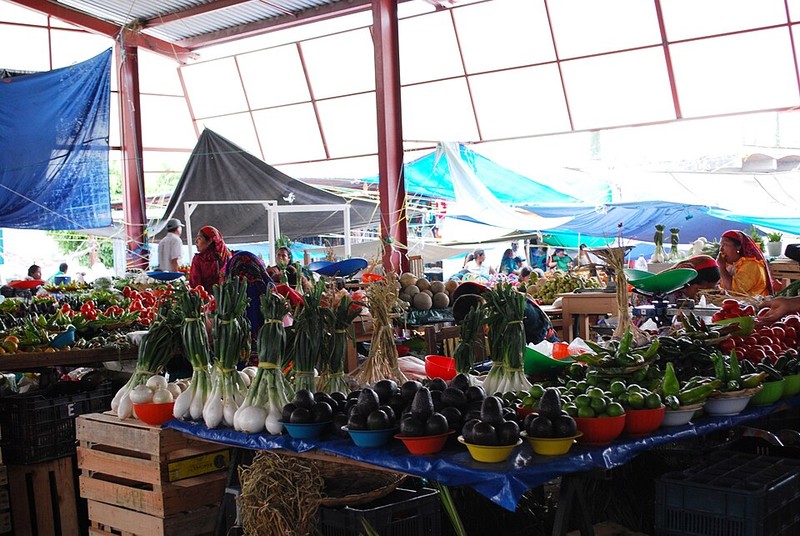
I quickly realized one thing in Mexico City: if you really want to feel the rhythm of the city, restaurants alone are not enough. So one morning I simply stepped away from the tourist route and headed to a local market. I wasn't looking for a particular dish and didn't even know what I was going to eat. I just wanted to see what people who live here actually have for breakfast and lunch. My First Impression I was immediately surrounded by noise, smells and colors. Stalls selling vegetables, fruit, spices, meat, fresh tortillas and prepared food followed one another almost without a break. Vendors were talking loudly, someone was bargaining, and someone else would pick up an order and disappear into the crowd. After a few minutes I realized that simply looking wasn't going to work. The smell of grilled meat and fresh tortillas finally convinced me to stop at one of the small food stalls. Tacos Instead of a Restaurant I decided to start with the simplest option - tacos with meat, fresh salsa and onion . There was no fancy presentation. Just a few small tortillas, meat, some greens and several bowls of sauces that looked slightly dangerous to someone used to European levels of spiciness. I ate the first taco almost immediately. The meat was hot, the tortilla was soft, and the salsa had exactly the kind of flavor I had been missing in many tourist places. Then I added a little more sauce. Then a little more. That was my mistake. The chili barely registered at first. A few seconds later, however, it became very clear that I had seriously overestimated my ability to handle Mexican heat. The vendor looked at me and simply smiled, as if he had seen the same reaction a thousand times before. Why I Started Going to Markets After the tacos, I decided to try tostadas . A crispy tortilla topped with beans, meat, salad, cheese, sour cream and sauce. It looked simple, but somehow these are the dishes that stay in your memory the longest. People around me were having breakfast, talking and buying food to take home. For them, the market wasn't an attraction or a place they visited for photographs. It was simply part of everyday life. And that was what I liked most. In a tourist restaurant, you know you have come to get a certain experience. Here, everything happened naturally. You walk between the stalls, see a dish you don't recognize, ask what it is, and five minutes later you are sitting there with a plate in front of you. After that day, I stopped looking only for beautiful restaurants in Mexico City. Of course, they can be great too, but a market makes it much easier to experience the real city . You can see what locals buy, what they eat, how they interact and what life in the neighborhood is like. Most importantly, this was where I discovered several dishes that I later searched for in other parts of Mexico. Sometimes the best restaurant isn't a restaurant at all, but a small food stall in the middle of a noisy market.

Read more →
0 0
Jimmy Smith Photo Hunter
Mexico · October 3, 2026
I tried the real cochinita pibil in Yucatan

I tried the real cochinita pibil in Yucatan

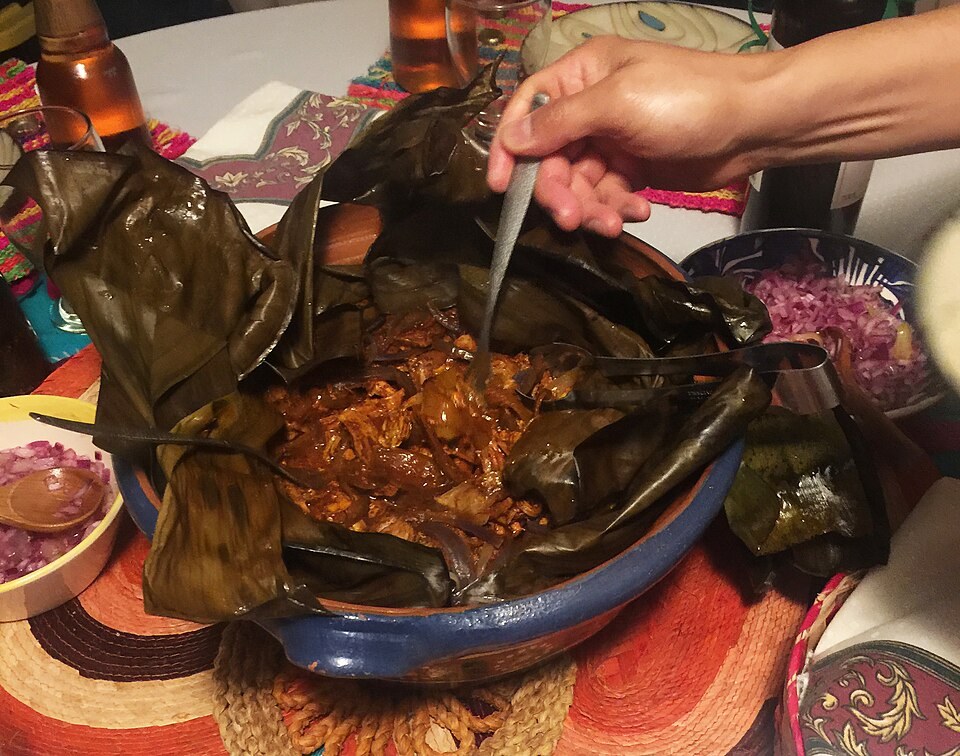
I had heard about cochinita pibil many times before I went to Yucatan. It was called one of the main dishes of the region, but for a long time I did not understand what was so special about it. In the end, I decided that the best way to figure it out was to just try her where she was born. The first acquaintance It was an ordinary local market in Yucatan. No expensive restaurant, beautiful food, or long menu. There were fresh tortillas on the counter, along with containers of meat, pickled red onions, and sauces. I could smell the smell even before I approached the seller. I was served some small tacos with cochinita pibil . The meat was so soft that it literally broke down into fibers. It had a characteristic reddish tinge due to its aroma, and the taste was both rich, spicy and slightly sour. Why is it cooked underground Then I learned the most interesting thing. The traditional cochinita pibil is prepared using the pib method - meat is wrapped in banana leaves, placed in a special container and cooked in an underground oven. Depending on the cooking method, the meat can stay there for several hours. It's the slow cooking that makes it so tender. The marinade uses ahiote, spices and bitter orange, which adds a characteristic sourness to the meat. The traditional recipe is considered part of both modern and Mayan Yucatan gastronomy. When I found out all this, the seemingly ordinary taco began to be perceived in a completely different way. It was not just a recipe, but a whole tradition that had been passed down for generations. And then there was the habanero Along with the meat, I was given pickled red onion and hot sauce . I decided that a little pepper definitely wouldn't hurt, and added just a little. I made a mistake. The pungent taste did not come immediately, but after a few seconds. At first it was delicious, then it became very spicy, and a moment later I was already looking for something to drink. The local habanero was clearly not going to become a secondary ingredient in my lunch. But it was the combination of soft meat, sour pickled onions and hot peppers that I remember the most. Each component was completely different separately, and together we got a very characteristic taste of Yucatan. Why has it become one of my favorite dishes? Later, I learned another interesting local tradition: in Yucatan, Sunday is especially closely associated with cochinita pibil . Early in the morning, it is sold at markets and street outlets in the form of tacos, cakes and other dishes. Now I understand why the locals love her so much. It's not just meat in a flatbread. One small taco combines Mayan culinary traditions, local spices, slow cooking and a very special culture of Yucatan. If I ever return to the peninsula, the first thing I will do is look for cochinita pibil again. Only next time I'll add habaneros much more carefully.

Read more →
1 0
1…131415…22