


The Avenue of the Baobabs: Trees That Look Upside Down
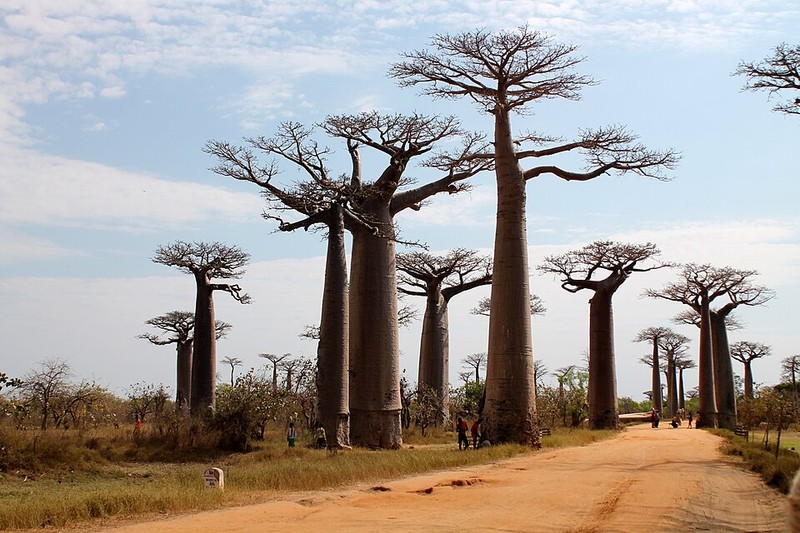
Some places are impossible to mistake for anywhere else. Madagascar's Avenue of the Baobabs is one of them. Across the plains in the island's west stand enormous trees with massive trunks and almost bare branches. From a distance, they look as though someone pulled them out of the ground, turned them upside down and planted them again with their roots pointing skyward. When I first saw photographs of this landscape, it looked like a scene from a fantasy film. Yet these baobabs are real, and they have witnessed generations of people come and go.
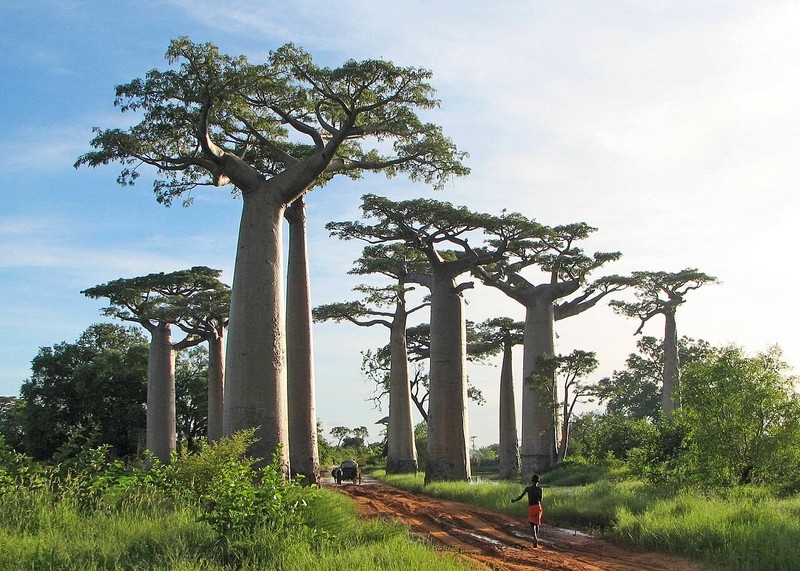
I arrived in the late afternoon, as the sun began to sink toward the horizon. The road passed through rural settlements and fields before gradually leading to the famous avenue. At first, only a few trees appeared, but soon they lined both sides of the dirt road. Their silhouettes rose above the plain, while their broad trunks took on a warm reddish glow in the evening light. 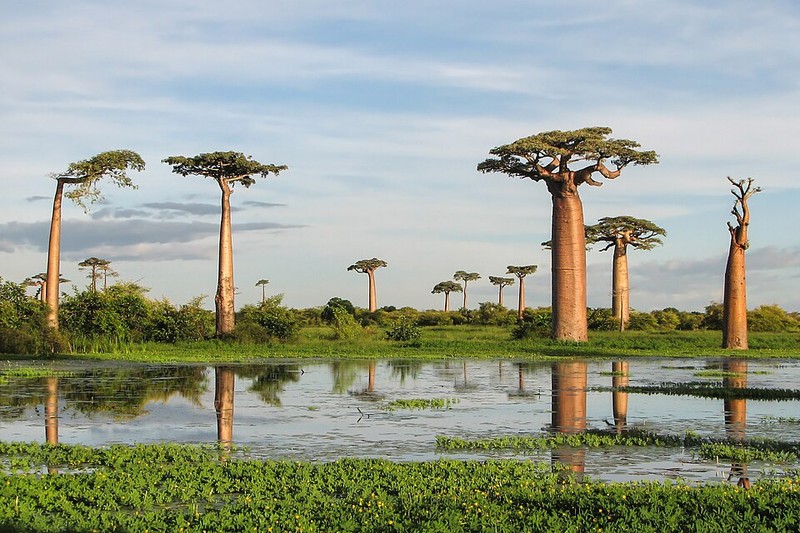
Why baobabs look as if their roots are in the air
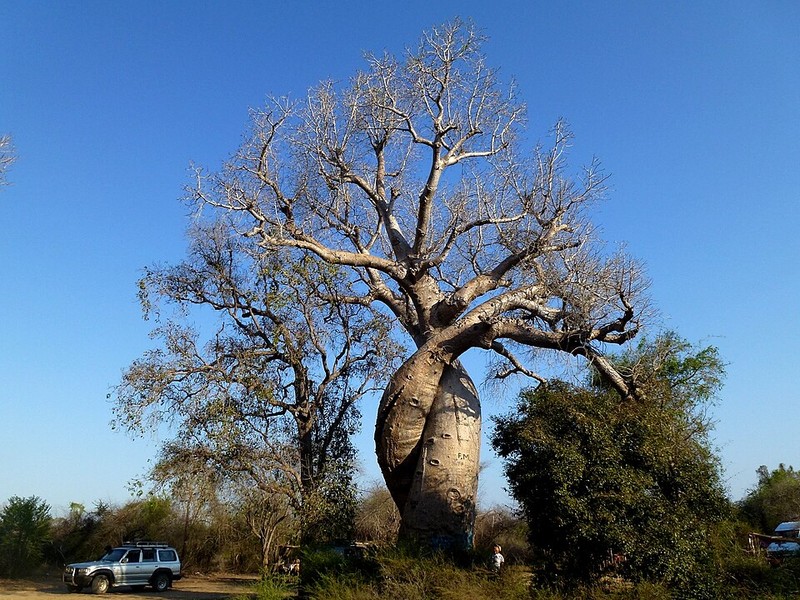
The trees' unusual shape is their most striking feature. Baobabs have exceptionally thick trunks that can store water, helping them survive long dry periods. During the dry season, they lose their leaves, leaving only powerful branches against the sky. These branches resemble roots spreading through the air.
The avenue lies near Morondava in western Madagascar. The trees here are Grandidier's baobabs, Adansonia grandidieri, a species known for its tall form and smooth, greyish trunk. Some grow to several dozen metres tall, and individual trees may be hundreds of years old. They have survived a changing landscape and become one of Madagascar's most recognizable natural symbols.
The Avenue of the Baobabs is not a planted ornamental park. These trees remain in an area whose landscape has changed significantly through farming and deforestation. Today, the place is also a reminder of how fragile natural environments can be. 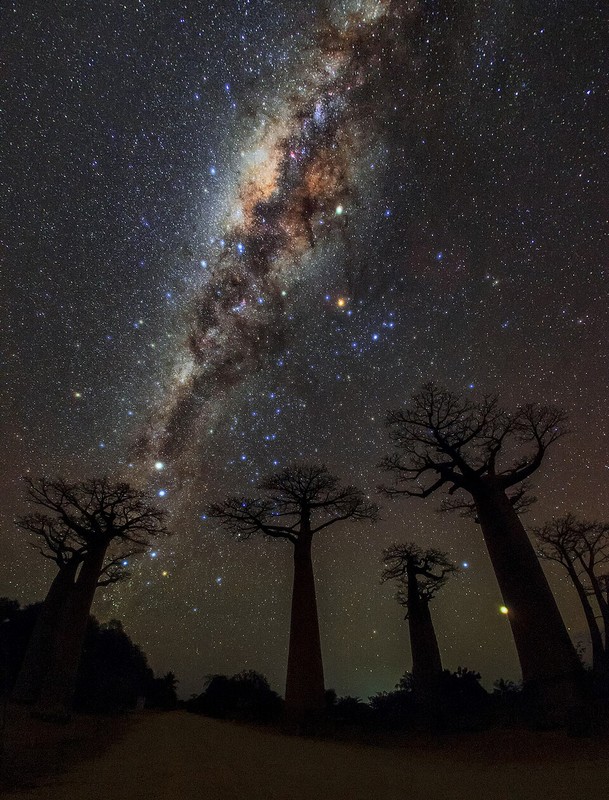
When is the best time to visit?
The most popular time to arrive is just before sunset. The sunlight turns the trunks golden and coppery, while long shadows stretch across the reddish earth. Many travellers come at this hour, so early morning can offer a quieter walk. The light is softer then, the air is fresher and the surroundings are often more peaceful.
The easiest way to reach the avenue is from Morondava. Visitors often combine the trip with stops at fishing villages and other natural sites in western Madagascar. Roads can be rough, so check route conditions in advance and allow enough time for the journey.
Why this landscape is worth seeing
The avenue impresses visitors with more than the size of its trees. It is the sense of space that makes it special: open plains, red earth, enormous trunks and a sky that seems to change colour before your eyes. Unlike many famous attractions, there are no elaborate structures or artificial decorations here. The landscape has been shaped by nature itself.
I stayed until the sun had almost disappeared below the horizon. The baobabs became dark silhouettes, and the sky slowly shifted from orange to violet. At that moment, it was easy to understand why people say the trees look upside down: their branches resemble the roots of fantastic plants reaching toward the sky. The scene stayed with me long after I left, reminding me that some of the world's strangest wonders do not belong to imaginary places - they already exist on our planet. 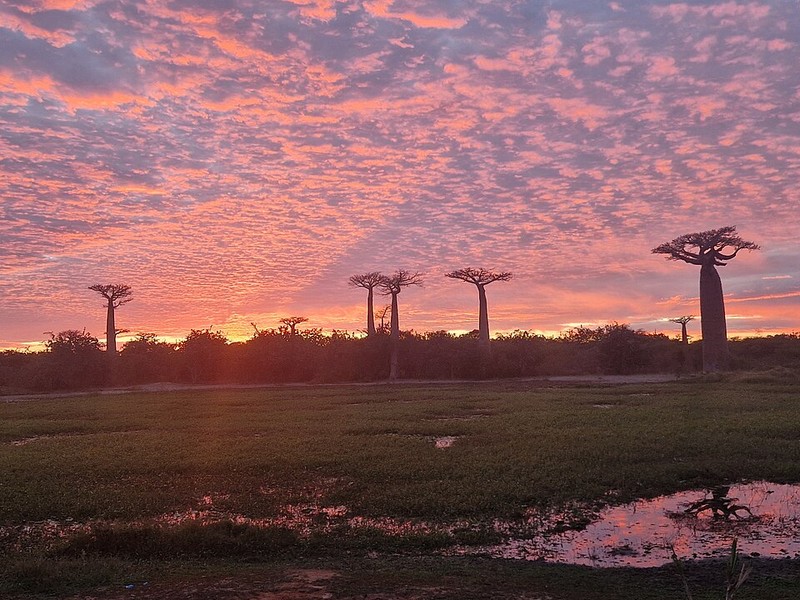

Comments