

My first trip abroad: India, Mumbai and my personal Shantaram
My first trip abroad began with the fact that I checked my passport three times, double-checked my ticket and looked at my phone several more times to make sure that the plane really existed and no one canceled my trip solely because of my unpreparedness. I was in my early thirties, I had never left my native country before, and for some reason I imagined a trip abroad as a serious challenge, which I had to prepare for almost like an expedition to the North Pole. I studied the route in advance, read travel tips, watched videos about local customs and made a list of things that should not be forgotten, although in the end I almost left my phone charging at home anyway.
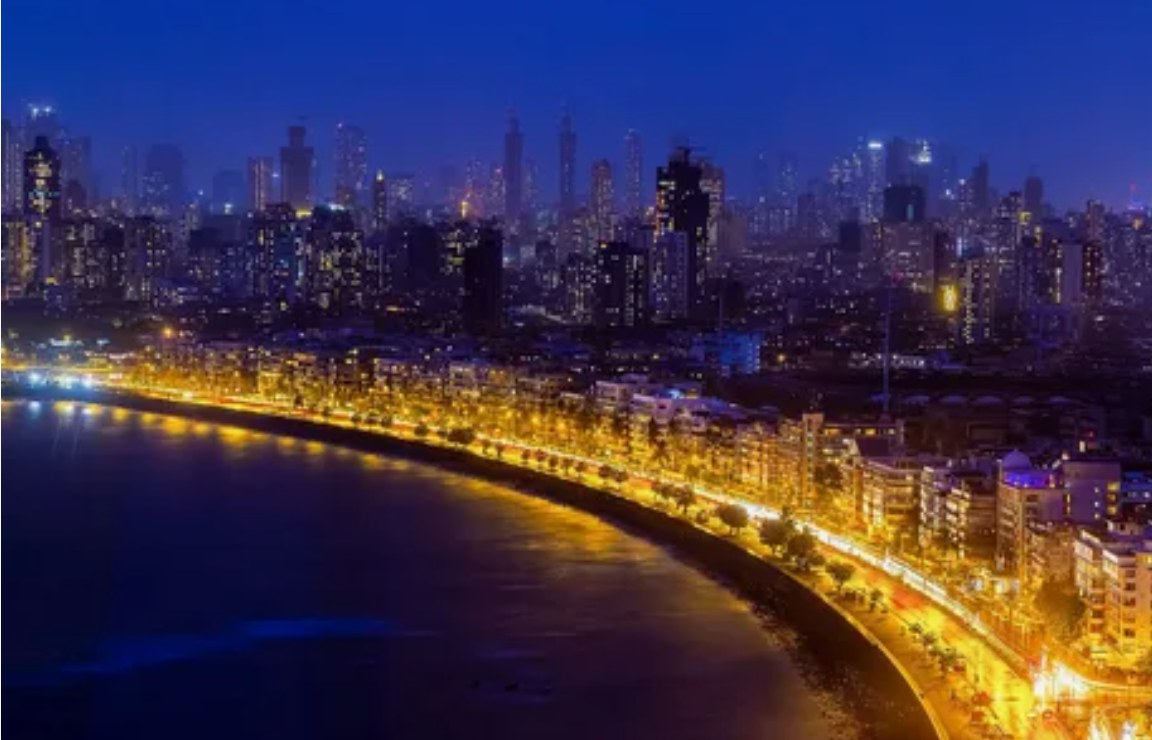
I chose India as the country for my first trip, and Mumbai as the city. The reason was quite simple: A few years ago, I read Gregory David Roberts' novel Shantaram, and this book somehow planted a city in my head that I had never been to. I imagined narrow streets, small tea shops, bustling markets, old buildings, people with completely different destinies, and that special atmosphere where a new story seemed to begin around every corner. Of course, I understood that fiction is not a substitute for real life, but I really wanted to see Mumbai with my own eyes and check if the city that I had imagined so many times while reading existed somewhere beyond the pages.
I was inspired by the book Shantaram
If you haven't read Shantaram, I'll explain it without spoilers.: This is a novel in which the main character arrives in Bombay, now Mumbai, and finds himself embroiled in a completely new life for himself. The book features slums, friendship, dangerous acquaintances, love, the search for freedom, and a person's attempts to sort out their own past. The city there is not just a backdrop for adventures, but a full-fledged participant in the events, with its contradictions, noise, beauty and cruelty.
I read this book in the evenings after work, sometimes getting so carried away that I was going to go to bed early, and then I discovered that it had been night outside for a long time. I liked the way the author described Mumbai.: not as a set of attractions that need to be visited in three days, but as a huge living organism in which completely different worlds exist side by side. After Shantaram, it became interesting to me not so much to see the famous buildings of India, but to feel the daily life of the city, walk along ordinary streets, sit in a small cafe and see how Mumbai would turn out without literary decorations.
However, there was one small problem: I was going to India for the first time, and my experience of traveling abroad before that was limited to reading books and looking at other people's photos. There was already a real adventure going on in my head, but in reality I still couldn't confidently figure out even transfers at the airport. But the ticket was bought, the vacation was agreed, and I didn't want to back down anymore.
The first acquaintance with India
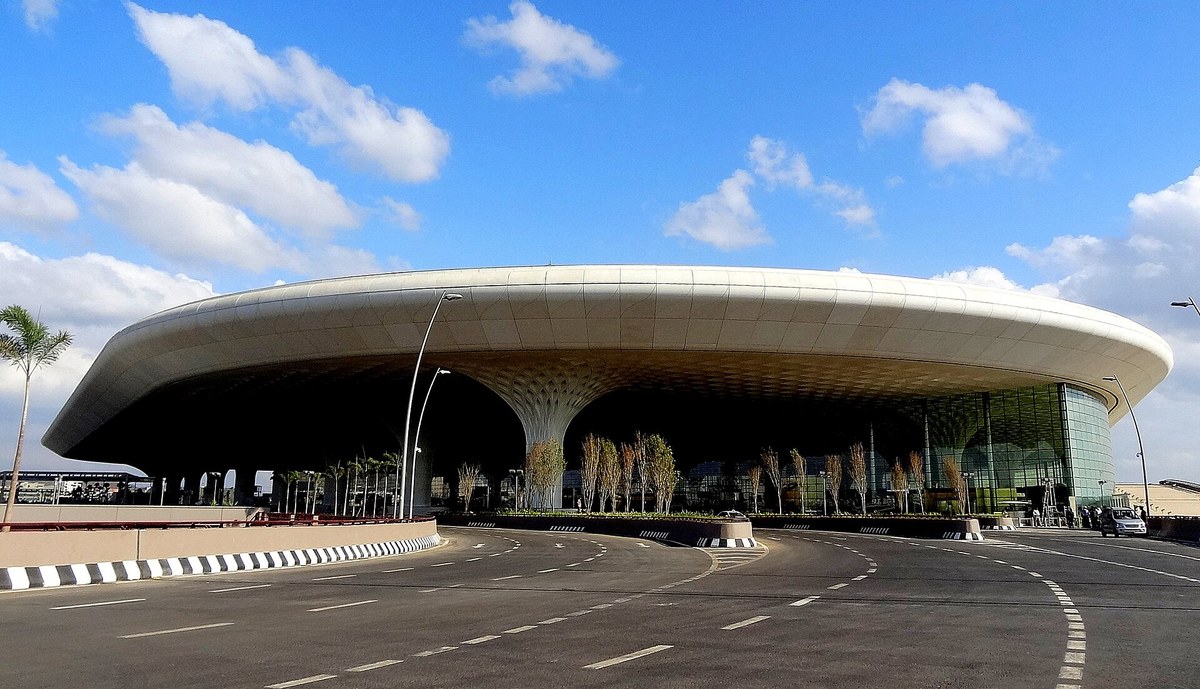
Chhatrapati Shivaji Maharaj International Airport
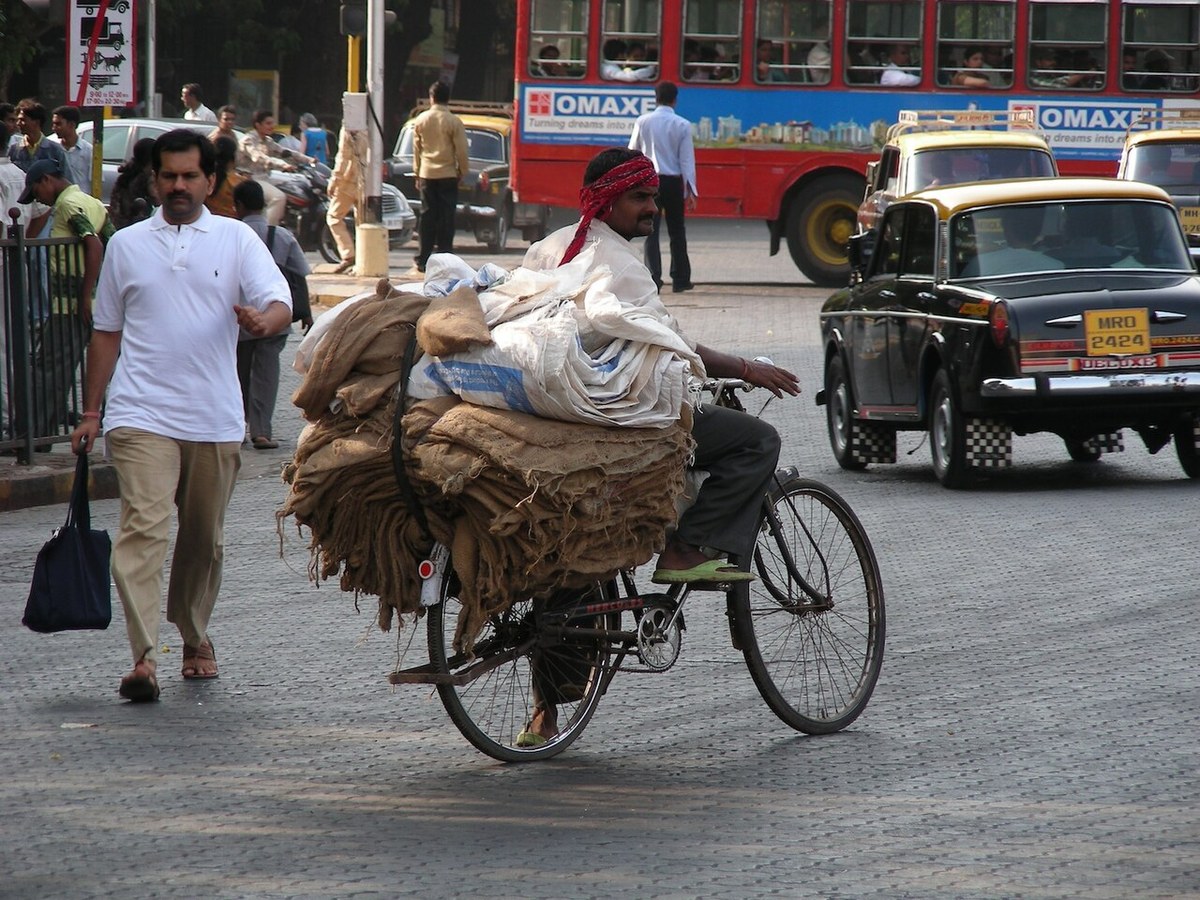
When I got out of the airport, the first thing I felt was a completely new sense of scale for me. People, cars, taxis, buses were moving around, someone was talking on the phone, someone was meeting relatives, someone was in a hurry, and I was standing with my suitcase and trying to figure out where my new life was starting for the next few days.
I've read about the noise of Indian cities in books, but it's one thing to imagine it, and quite another to be inside. Here, sounds don't just accompany the street, they seem to fill the entire space: car horns, salesmen's voices, passersby's conversations, motorcycles, and constant traffic. At one point, I even thought that if there was a "pause the city" button in Mumbai, I would have pressed it for at least five minutes to calmly check the route.
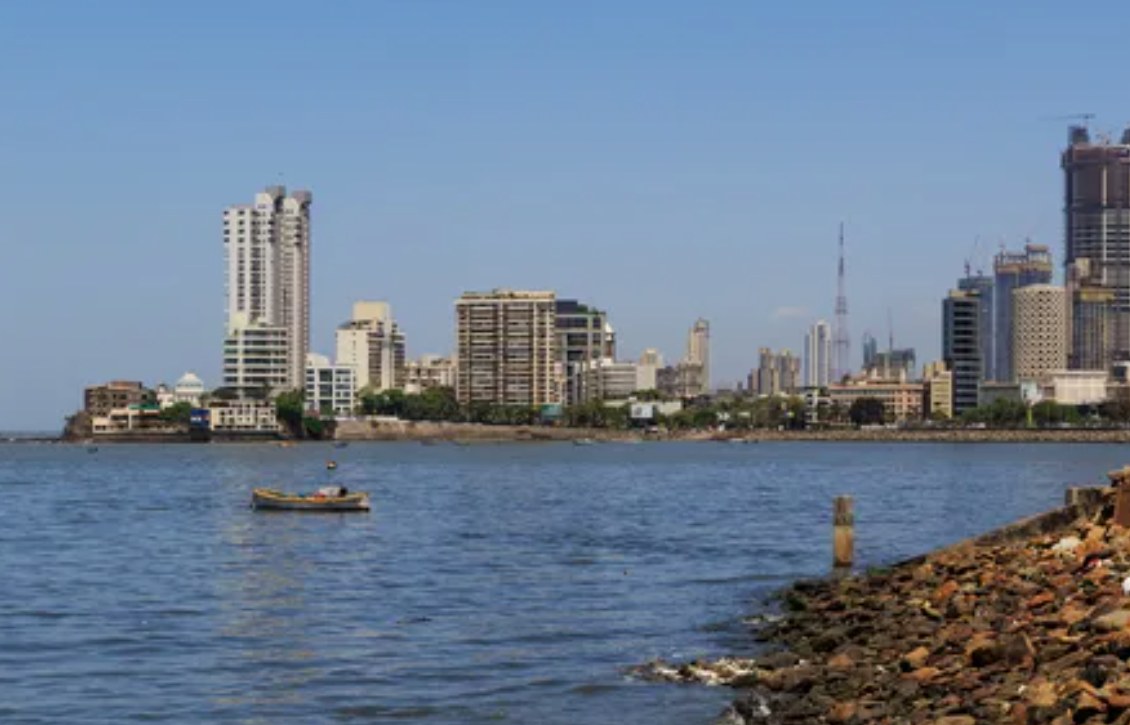
But then I noticed that the locals are well-versed in all this chaos. They crossed the streets, made travel arrangements, bought food, talked with friends, and continued to do their usual things as if nothing unusual was happening around them. And everything was unusual only for me, a person who found himself in a country for the first time, where even the road from the airport to the hotel turned into a separate adventure.
My first Indian transportation experience
Before the trip, I read a lot about how to get around Mumbai, but for some reason I was sure that everything would become clear on the spot. This was my first serious mistake, although it will not be the last. I tried to figure out the transport, checked the map several times and went to the subway.

Mumbai Metro
I realized that the Mumbai Metro was opened in 2014, but I did not fully understand the public transport system. In the end, I decided to take a taxi, because after the flight, I wanted to make a simple decision at least once without additional research.
Even here, there was a small performance. I showed the driver the address of the hotel, he nodded, I got in the car and almost immediately started looking out the window, trying to memorize the city. After a while, I realized that we were moving in a completely different way than I had imagined on the map, and I was about to take out my phone to check the route, but then I decided not to panic ahead of time. The driver drove calmly along his roads, and I gradually realized that in an unfamiliar country, not everything has to look the way I'm used to at home.
When we finally got to the hotel, I pulled out my suitcase, paid for it, and felt like a man who had just crossed a small continent on his own. It seems ridiculous now, but back then, even an ordinary trip around the city was perceived by me as an achievement. I didn't know yet that in a couple of days I would be much more relaxed about unfamiliar streets, local routes, and situations where there were no ready-made instructions.
The city that couldn't fit in my head
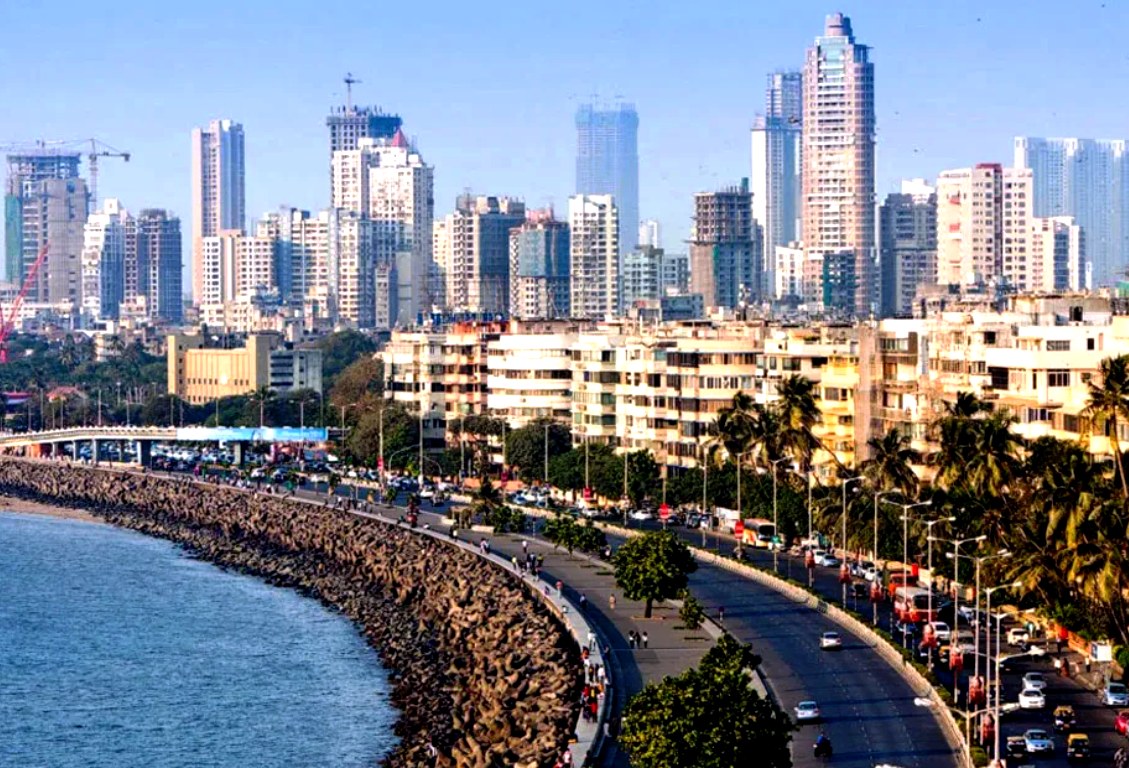
The next day, I went for a walk around Mumbai and started with the Colaba district, where there are old buildings, hotels, shops and many places familiar from the photos of travelers. I wanted to see the famous India Gate, walk along the embankment and look into a cafe where I could sit quietly with a cup of tea. But even in this relatively touristic area, the city constantly gave me new experiences that could not be included in the itinerary in advance.
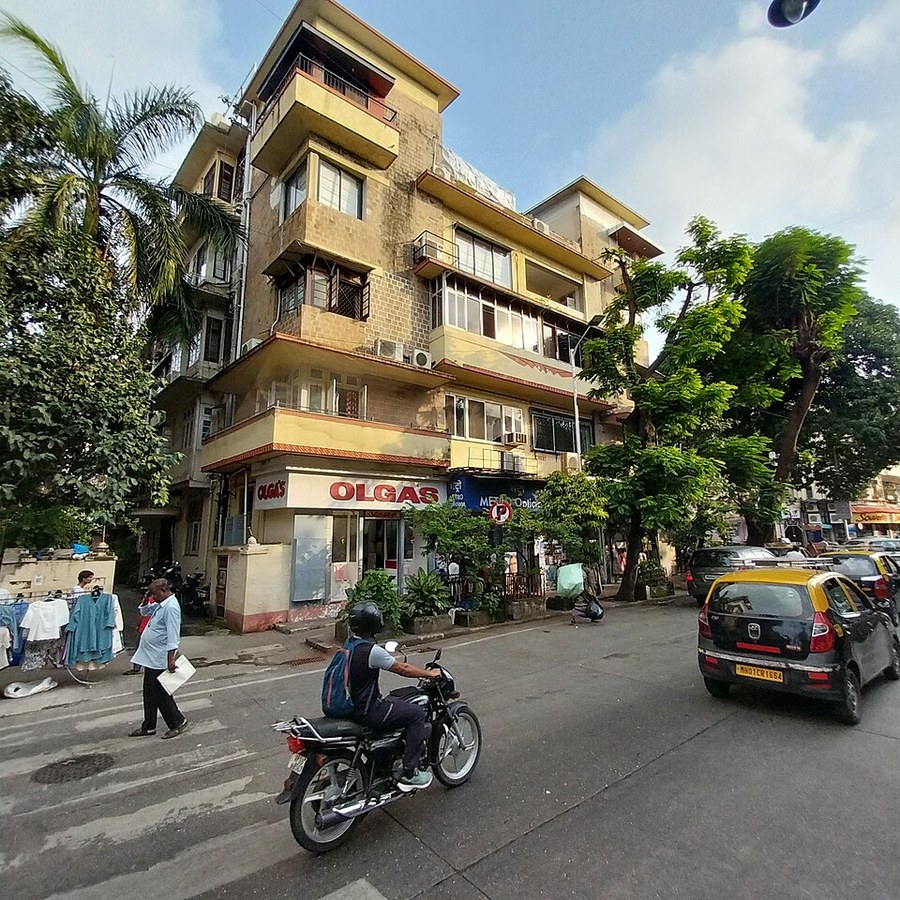
Kolaba District
Ordinary apartment buildings stood next to beautiful historical facades, fruit was sold near shops, food was sold on the streets, and motorcycles maneuvered between cars. It was impossible to just look at the architecture here, because life was happening nearby all the time and persistently attracted attention. I could stop to look at an old building, and a minute later I was watching a salesman deftly packing purchases, a family choosing fruits, or several people animatedly discussing something at a small table.
I liked the feeling, even though sometimes I got tired of the amount of sounds, smells, and movement. To be honest, I thought the city was much smaller, but I'm glad I was wrong. For the first time, I realized that traveling can be not only beautiful, but also physically exhausting, especially when you're trying to figure out exactly what's going on around you every minute. Sometimes I wanted to go back to the hotel, take a shower, lie on the bed and just sit in silence, and then go outside again, because curiosity still turned out to be stronger than fatigue.
I was looking for my Shantaram
Of course, I couldn't come to Mumbai and not remember the book for which I chose this country in many ways. I understood in advance that the novel should not be perceived as an accurate map of the city: it is a work of fiction based on the author's experience, and not an instruction for a traveler. But I wanted to see places that would help me feel the atmosphere of history, and just walk through the streets where literary Mumbai could meet the present.
I remembered the characters in the book, their conversations, actions, and attempts to find their place in a huge city. At the same time, the real Mumbai constantly reminded me that everyone here has their own story, which I don't know anything about. The people I passed by were not characters from my journey, and the city did not exist in order to confirm my book impressions. He lived his life, sometimes surprising me, sometimes tiring me, and sometimes making me stop and just watch.
At some point, I found myself stopping looking for a specific scene from the novel and starting to perceive the city for what it is. I was sitting in a small cafe, drinking tea and looking out at the street where people were talking, buying food and hurrying somewhere. I didn't need to find the exact location from the book, because the main discovery was happening right in front of me: literature helped me want to come here, but I could only understand the city through my own experience. And that's probably why I love good books. They don't always provide answers, but sometimes they open a door that you weren't even going to look into before.
Tea, street food, and my caution
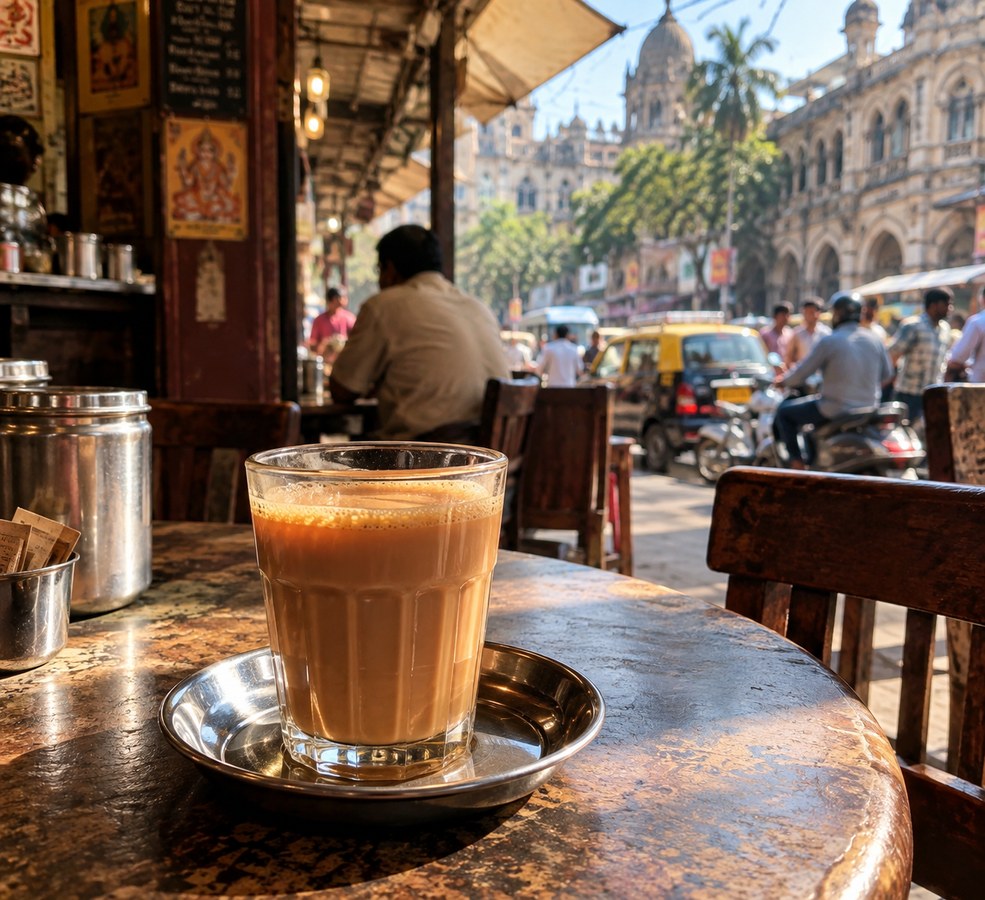
One of the most pleasant discoveries for me was Indian tea. I've seen it sold several times in small establishments and on the streets, and finally decided to give it a try. I liked masala tea, this drink turned out to be rich, fragrant and not at all like the tea I usually drank at home, and a small portion unexpectedly suited the hot day well.
I was much more careful with the food at first. I had read the hygiene tips in advance, so I chose places where food was prepared in my presence, and I was attentive to water and drinks. But curiosity overcame the fear of unfamiliar cuisine anyway, and I started trying local dishes, trying not to portray a man who came to India solely for the usual breakfast of eggs and toast.
However, once I ordered a dish that seemed completely harmless according to the description, and then I discovered that my ideas about the degree of spiciness and Indian reality exist in different universes. I tried to maintain my dignity, drank water and pretended that everything was going according to plan, although inwardly I was already saying goodbye to my taste buds. Now that I remember that lunch, it seems to me that it was then that I finally realized that traveling is not only an opportunity to see another world, but also a willingness to sometimes look a little funny in it.
What I learned about myself in Mumbai
Before the trip, I considered myself a fairly independent person, but now I realize that my independence worked well in a familiar environment where I knew the language, rules, transport, and had a rough idea of what to expect from the world around me. In India, many familiar landmarks disappeared, and I had to learn to calmly react to unfamiliar situations, ask questions, check information, and admit that I couldn't know everything in advance.
I realized that it's not necessary to figure everything out the first time. You can make a mistake with a turn, misunderstand the pointer, get confused in front of an unfamiliar menu and still continue your journey. The main thing is not to turn every little mistake into proof of your own inadequacy, because in this case you can spend the whole vacation berating yourself for not being born with a ready–made world map in your head.
I also became more attentive to my own expectations. Before the trip, I imagined Mumbai through the pages of Shantaram, photographs and other people's stories, but the real city turned out to be much more complicated than any image. It had beauty and noise, historic buildings and everyday difficulties, moments of excitement and fatigue, and sometimes it all happened literally on the same street. I realized that I don't have to immediately give a verdict to every place I visit, and that sometimes it's enough just to admit that I don't understand everything yet, but I'm interested in learning more.
My first trip abroad was not at all what I expected.
When I was going home, I had a lot of photos on my phone, several new addresses, a list of dishes that I would like to try again, and a pretty impressive collection of stories about how I tried to figure out transportation and local customs. I didn't become an expert on India, I didn't fully understand Mumbai, and I certainly couldn't say that I now know how life works in this huge country. But I came back with a much more important feeling: the world turned out to be much bigger, more diverse and more interesting than the one I knew from familiar streets and books.
Shantaram once helped me imagine Mumbai, and the real trip taught me not to confuse the idea of a place with the place itself. The book remained important to me, but now I have my own memories: noisy streets, a cup of hot tea, unfamiliar food, evening air, and moments when I was just standing in the middle of the city, trying to make sense of everything and realizing that I had never felt so far from my usual life before.
My first trip abroad did not make me a fearless traveler who is now ready to go anywhere without preparation and doubt. I still carefully plan trips, check documents, and sometimes worry before departure, but now I understand that the unknown does not necessarily mean danger or failure. Sometimes it's just a space where you can learn something new about the world and about yourself.
And if someone asks me why I chose India for my first trip abroad, I will answer that I once read Shantaram and wanted to see the city that hooked me so much. But if you ask me what I really brought from Mumbai, I'll probably say something else: I brought the understanding that life is much more interesting when you don't limit it to what you already know. After all, sometimes one book makes you buy a ticket, one unfamiliar city changes your usual view of the world, and your first trip abroad becomes the beginning of a whole story that can no longer be read from someone else's pages.And, perhaps, this is the best thing that could happen to me on my first trip.


Comments