


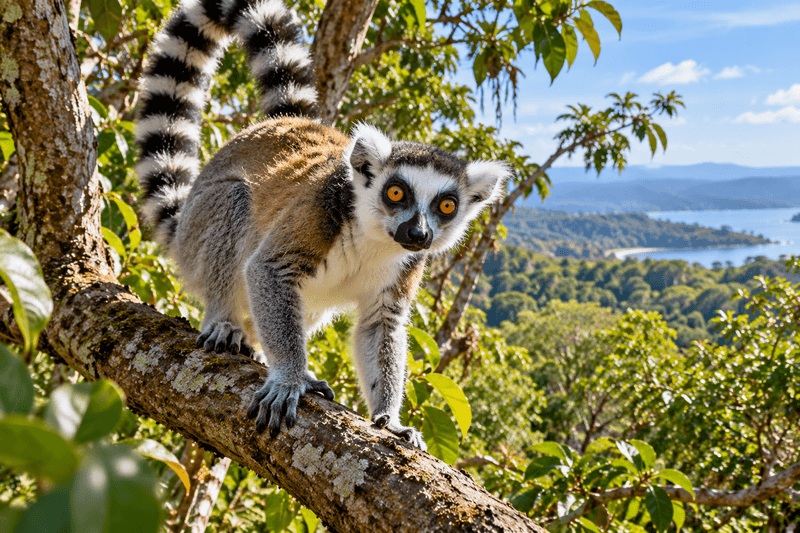
Lemurs in the Wild: An Encounter You’ll Never Forget
Madagascar is one of those places where nature seems to follow its own rules. Unusual plants grow here, forests shelter animals found nowhere else on Earth, and lemurs leap between the branches. Before my trip, I had only seen them in documentaries, so I had no idea how amusing and extraordinary they would be in real life.
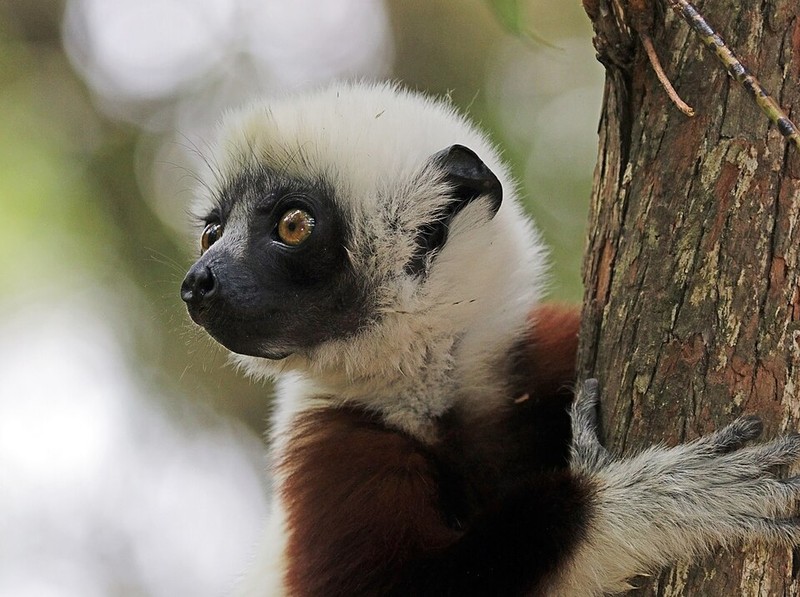
I set off for a forest reserve early in the morning, while the air was still cool and a light mist hung above the trails. The guide warned me that lemurs might appear without warning: you hear a rustle, look up, and suddenly several curious faces are watching from a tree. That is exactly what happened. First, a long striped tail flashed through the leaves, then a wide-eyed lemur appeared on a branch. 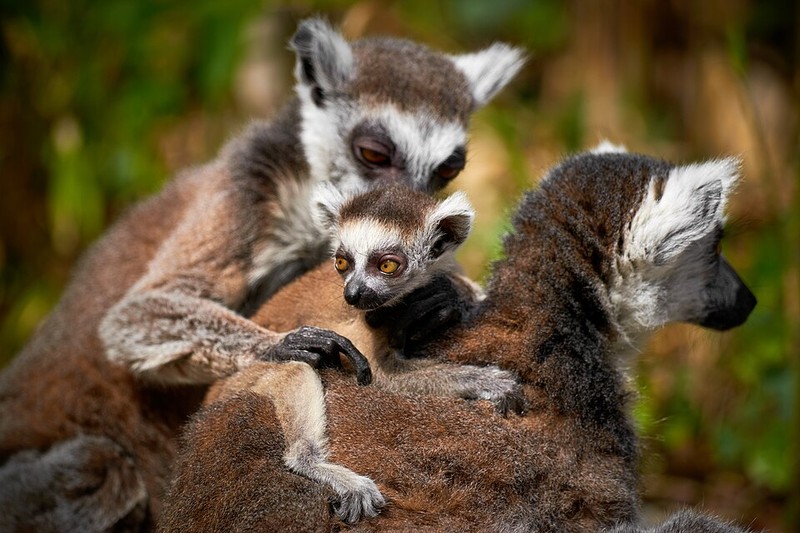
Meeting the forest’s residents
The ring-tailed lemurs impressed me most. Their long black-and-white tails make them easy to recognize, even from a distance. They moved along the ground in small groups, leaped onto rocks and watched their surroundings carefully. Some searched for food, while others sat in the sunshine with their front paws raised, almost as if they were sunbathing.
Lemurs are different from the monkeys most people know. They are a distinct group of primates that evolved in relative isolation on Madagascar. Many species live on the island, each adapted to its own habitat: some inhabit dry forests, while others prefer humid tropical vegetation. Seeing them in the wild means discovering a unique natural world shaped over millions of years.
The best part was watching them without rushing. One lemur cautiously approached the trail, looked in my direction and quickly followed the others. The encounter lasted only seconds, but these are the moments that stay with you far longer than ordinary holiday photographs. 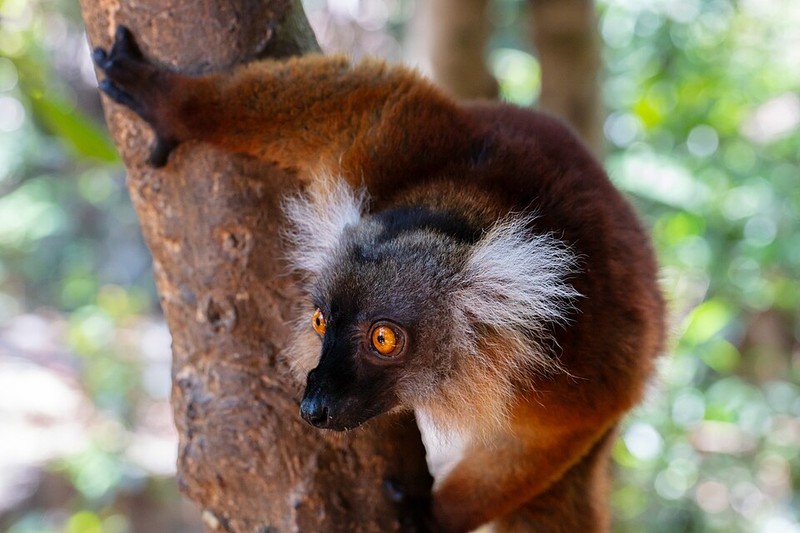
Why lemurs need protection
Behind their charming appearance is a vulnerable world. Many lemur species are threatened with extinction. Their natural habitats are shrinking because of deforestation, expanding farmland and other human pressures. For animals found only in Madagascar, the loss of forest can mean the disappearance of an entire population.
That is why it is best to observe lemurs in national parks and reserves where conservation specialists work. Do not feed them, try to catch them or approach too closely. Even if a lemur looks friendly, it is still a wild animal that needs space.
Planning your own encounter
Andasibe-Mantadia National Park in eastern Madagascar and Berenty Reserve in the south are two places to consider. Different species live in different areas, so the best choice depends on your route and which animals you hope to see. A local guide can help you spot lemurs while minimizing disturbance to their natural behavior.
I left the forest feeling as though I had briefly stepped into another world. No elaborate attractions are needed here: just follow the trail, listen to the leaves rustling and look carefully around you. When a wide-eyed lemur suddenly appears among the branches, you understand why meeting these animals is so hard to forget. 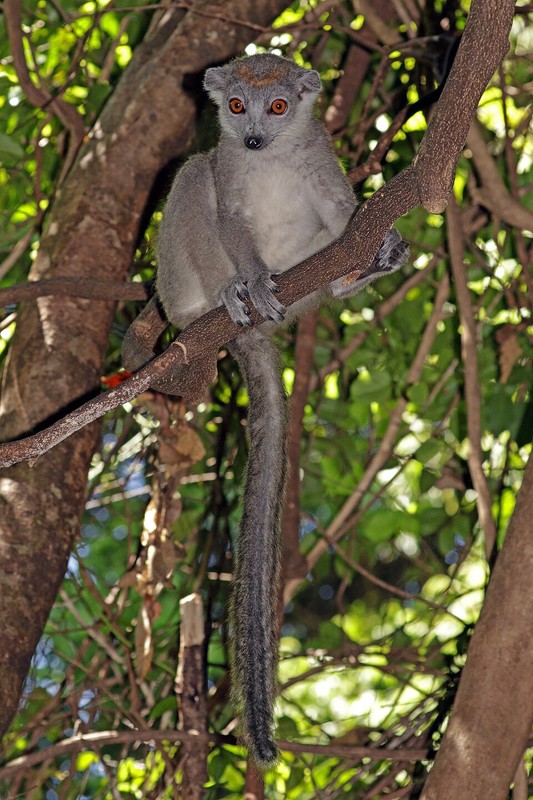





Comments