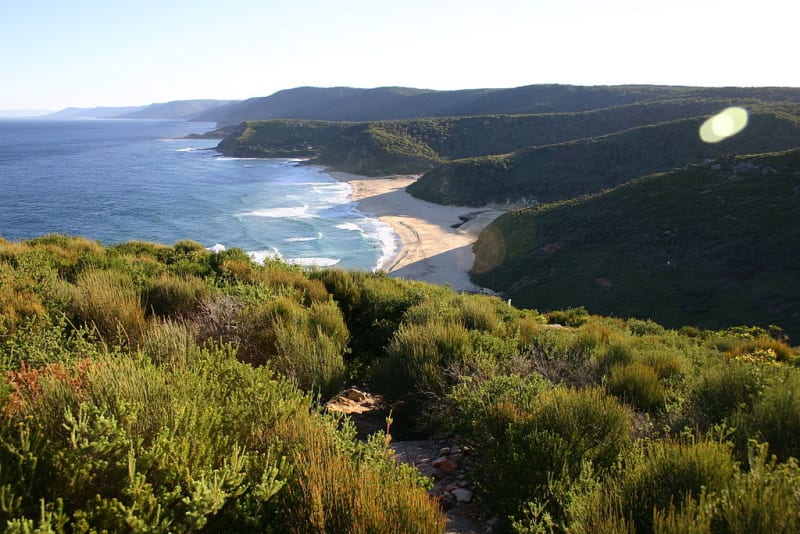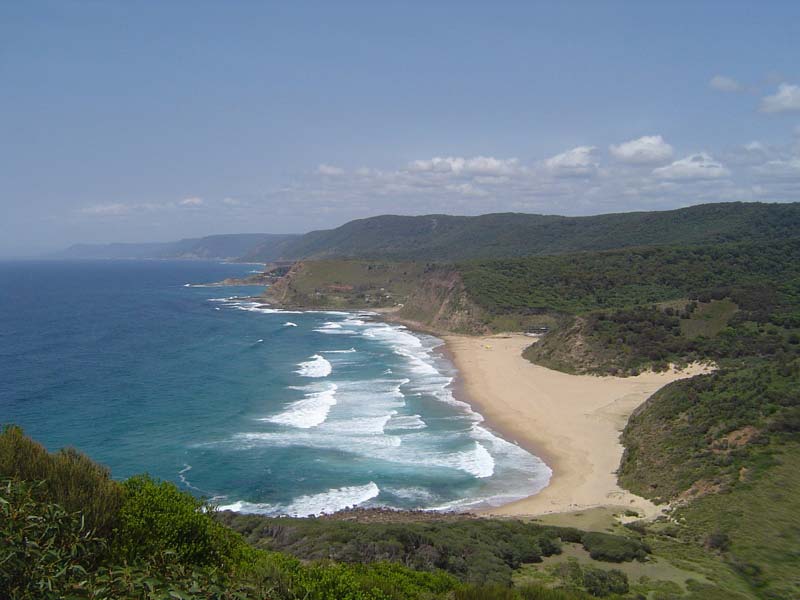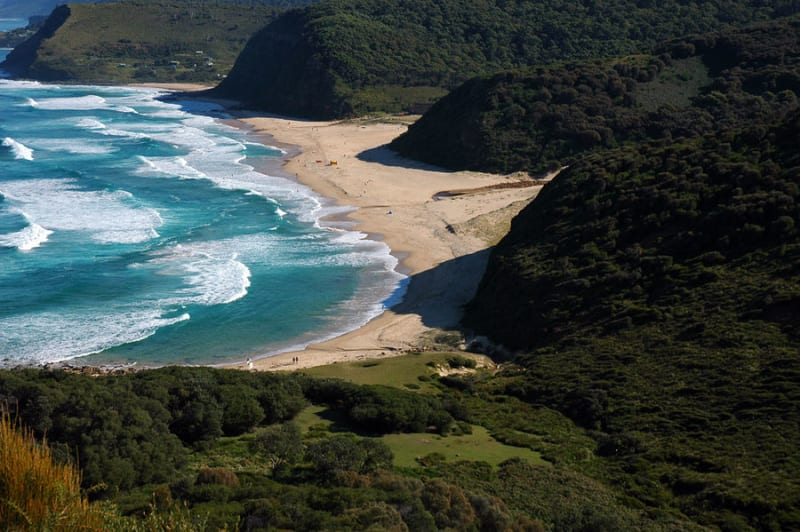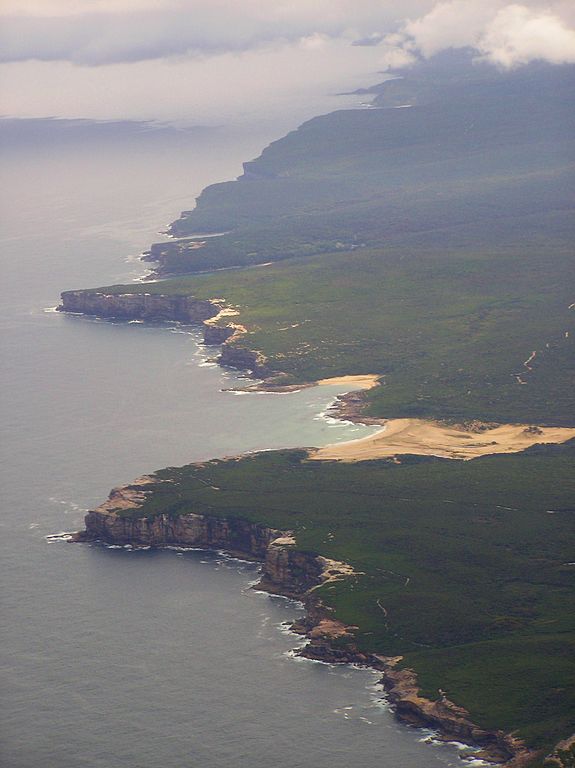

Royal National Park lies along the coast of New South Wales, south of Sydney, Australia. Its varied landscape includes coastal cliffs, sandy beaches, eucalyptus forests, river valleys and wetlands. Established in 1879, it is regarded as one of the oldest national parks in the world and remains a popular destination for outdoor recreation.
A scenic coastline
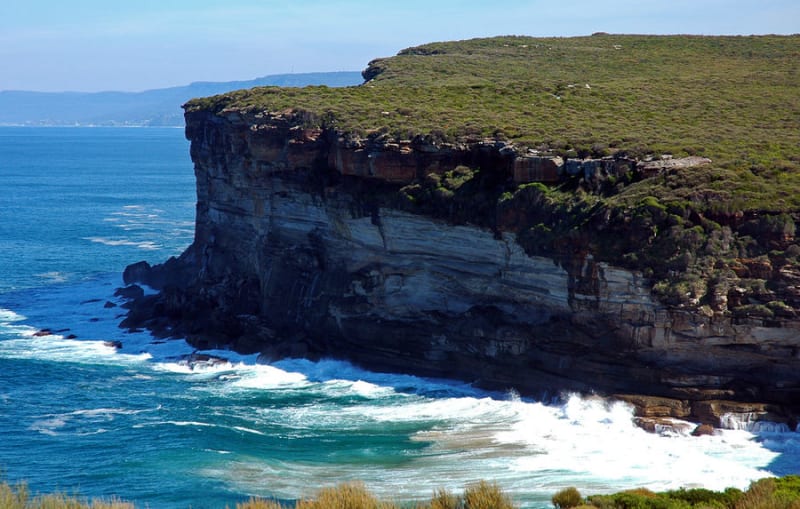
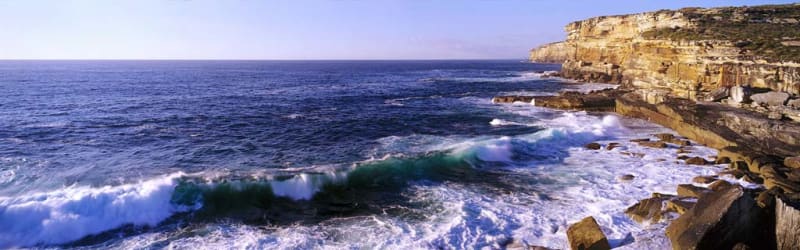
One of the park's main attractions is its varied coastline, featuring tall cliffs, sheltered coves and sandy beaches. Pacific Ocean waves crash against rocky headlands, while walking trails provide expansive views across the sea. Wattamolla is a particularly well-known spot, combining a waterfall, lagoon and beach in one scenic setting.
Garie Beach and coastal trails
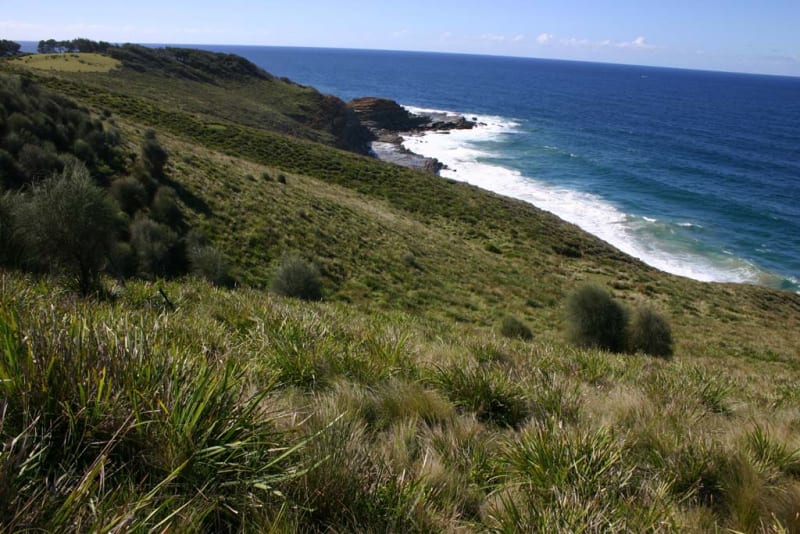
Garie Beach is a popular destination for walking, relaxing by the water and enjoying the surrounding scenery. Coastal tracks pass rocky headlands, small coves and viewpoints overlooking the ocean. Some sections have steep climbs and uneven surfaces, so sturdy walking shoes are recommended. Access to individual beaches and lookouts may be restricted by weather or maintenance work.
Forests and plant life
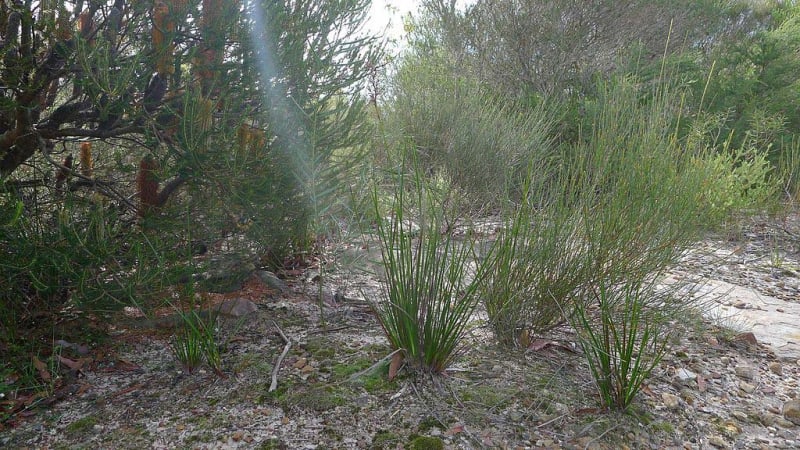
The inland areas contain eucalyptus forests, open woodland, heathland and other plant communities typical of eastern Australia. In spring, native flowering plants, including orchids and shrubs, add colour to parts of the park. The variety of habitats supports a wide range of plant and animal life.
Wildlife and birds
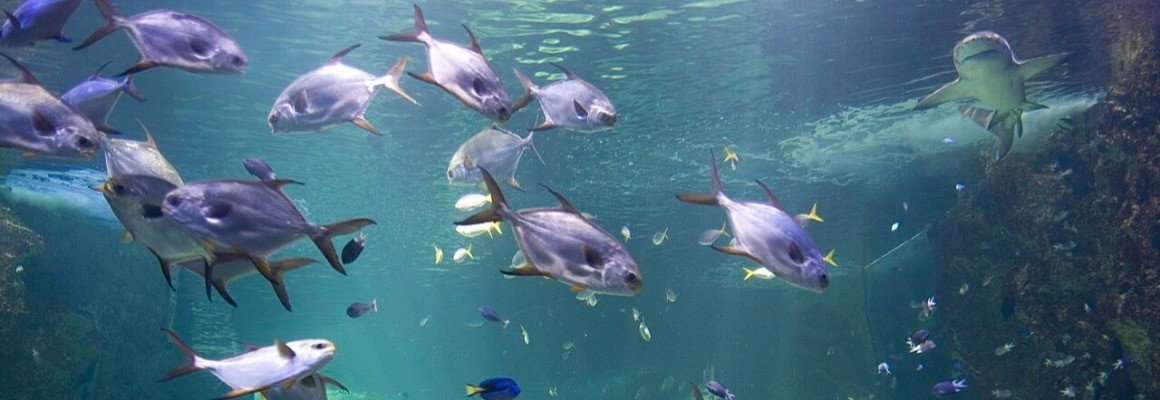
Kangaroos, wallabies, echidnas and various reptiles live in the park. Forests and open areas provide habitat for parrots, cockatoos and many other Australian birds. Marine animals can occasionally be seen in coastal waters, and migrating whales may be spotted from the shore during certain seasons. Visitors should never feed wildlife or approach animals too closely.
Waterfalls and valleys
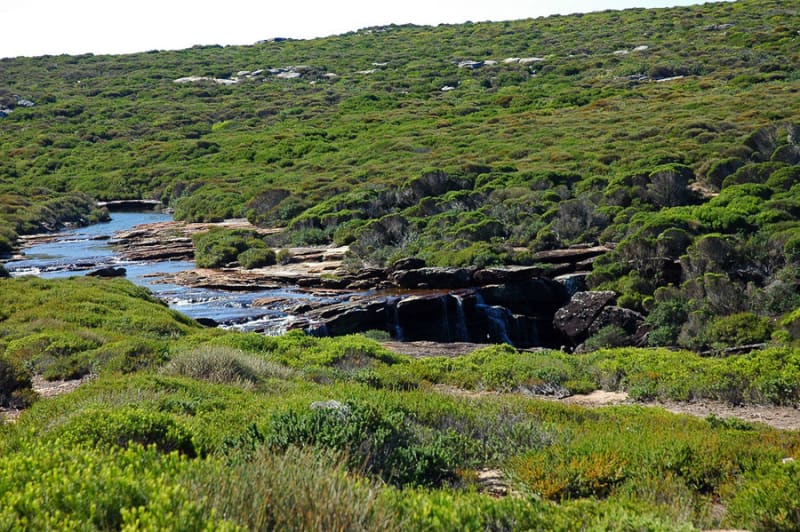
Beyond the coastline, the park features river valleys, small waterfalls and pockets of moist forest. At Wattamolla, a waterfall flows into a lagoon near the beach, creating a distinctive natural landscape. After rainfall, water flows can become stronger, but tracks may also become slippery or temporarily close. Check official alerts before setting out.
Walking and outdoor recreation
The park offers trails of different lengths, from short walks to longer coastal hikes. One of the best-known routes is the Coast Track, which passes through varied scenery with views of the Pacific Ocean. Visitors can also enjoy birdwatching, nature photography and time on the beaches. Picnicking and camping are permitted only in designated areas and subject to local rules.
History and conservation
Established in 1879, Royal National Park played an important role in the development of nature conservation in Australia. The area has a long history of connection with Aboriginal peoples and their traditional Country. Today, the park protects natural habitats, coastal ecosystems and historic landscapes. Visitors should respect cultural heritage, stay on marked tracks and take all rubbish with them.
When to visit
The park can be explored throughout the year, although conditions vary by season. Spring is a good time to see flowering plants, while autumn often brings comfortable weather for walking. Beaches are popular in summer, when sun protection and sufficient drinking water are essential. Heavy rainfall can lead to temporary closures of roads and walking tracks, so check current conditions before travelling.
Gallery