

How much does a trip to Paris really cost?
When I first started calculating how much a trip to Paris would cost, it seemed to me that the most expensive thing here was Paris itself. The city is beautiful, romantic, with the Eiffel Tower, croissants and so many beautiful cafes that the wallet starts to get nervous even before boarding the plane. As a result, it turned out that the main problem is not how much Paris costs, but how quickly I can spend money myself when I see another cafe with beautiful tables on the street.
I decided to count the entire trip so that there would be no classic tourist surprise in the style of: "How did it happen that I spent so much when I didn't seem to buy much?" I got a week-long trip, and I tried not to turn it into either a budget marathon with supermarket sandwiches or a vacation for a person who eats breakfast exclusively in restaurants with white tablecloths. It turned out to be quite a common option when you want to see Paris, eat normally, use transport and sometimes indulge in something pleasant.
Flight and journey to Paris
Of course, the price of tickets affected the cost of the trip the most. I bought them in advance and chose a regular economy class, because I am not yet mentally ready to pay for business class as much as half of my trip costs. Depending on the departure city and dates, the cost may vary greatly, so I would not focus on one specific figure here, but I put about 150-250 euros on a round-trip flight.
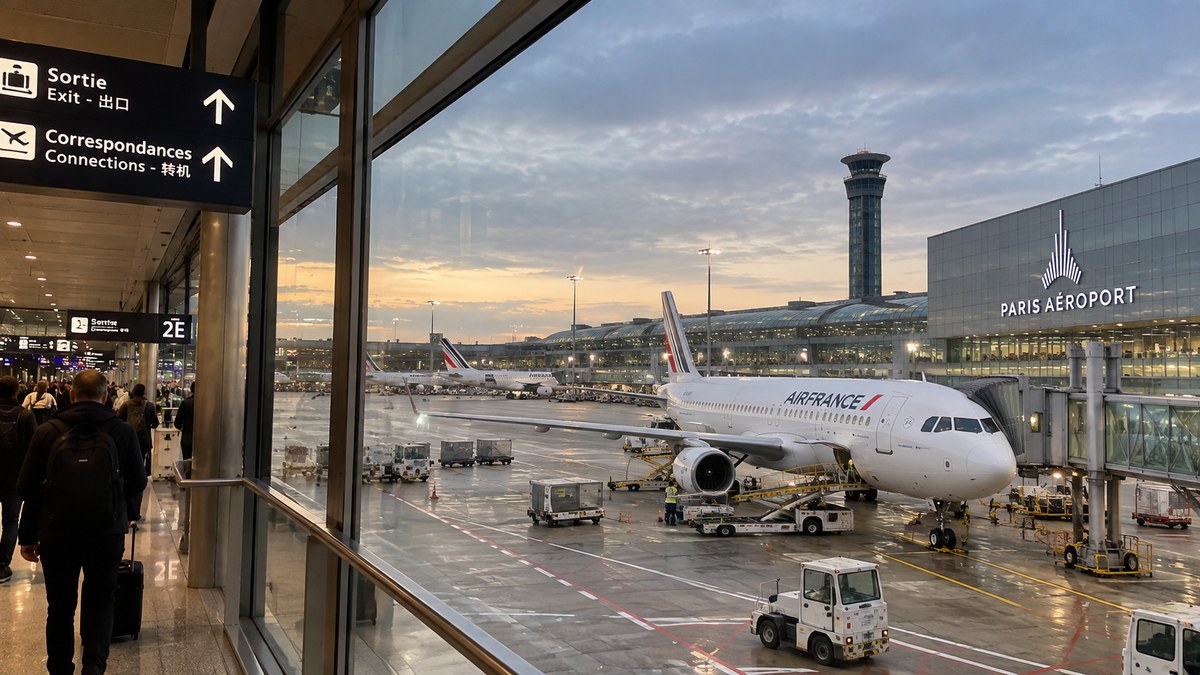
You also need to get from the airport to the city, and that's when I first remembered that Paris knows how to collect money for literally every move a tourist makes. You can take public transport and spend relatively little, or you can see the queue for the train after a long flight, look at your suitcase and decide that a taxi is a great idea. I chose a more economical option and put about 25-40 euros on the way from the airport and back.
Housing: the most serious expense item
With housing, everything is a little more complicated, because Paris knows how to surprise. And sometimes it's not the beauty, but the size of the room, when you open the door and realize that you can only put your suitcase in one place, and you'll have to negotiate with him about living together.
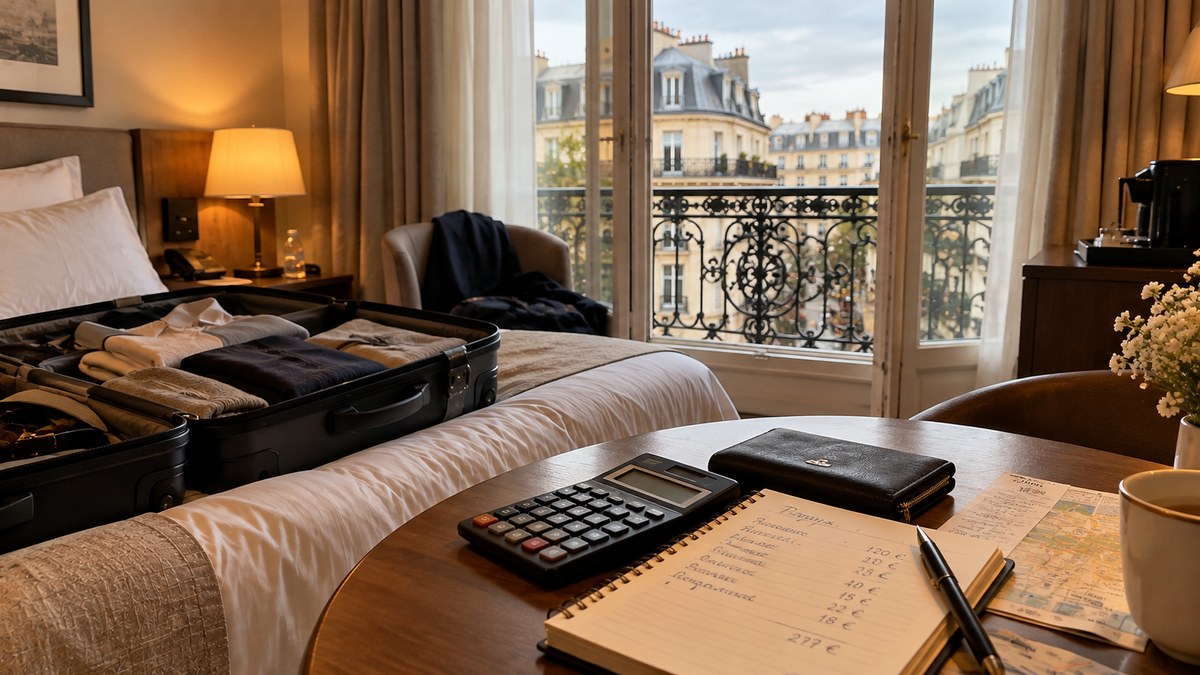
I was looking for a small hotel or apartment in a convenient area, but not necessarily right next to the Eiffel Tower, because I'm not ready to sell a car for the opportunity to see it from the window every morning. During the week of my stay, I got about 700-1000 euros, and with early booking, you can find cheaper options, especially if you move a little away from the most touristic areas.
As a result, housing turned out to be the part of the budget that is the most difficult to save on. You can reduce the cost of food, transportation or entertainment, but if you want a private room in a good area and without adventures with plumbing, you will have to accept that Paris will regularly look into your wallet.
Food: here I realized that I don't have the willpower
I originally planned to save money on food. In the morning, coffee and a croissant, in the afternoon something simple, in the evening a regular dinner, and no spontaneous restaurants just because they have beautiful chairs. It was a great plan, but it lasted until about the first morning, when I saw a display case with pastries and realized that my financial strategies were over.
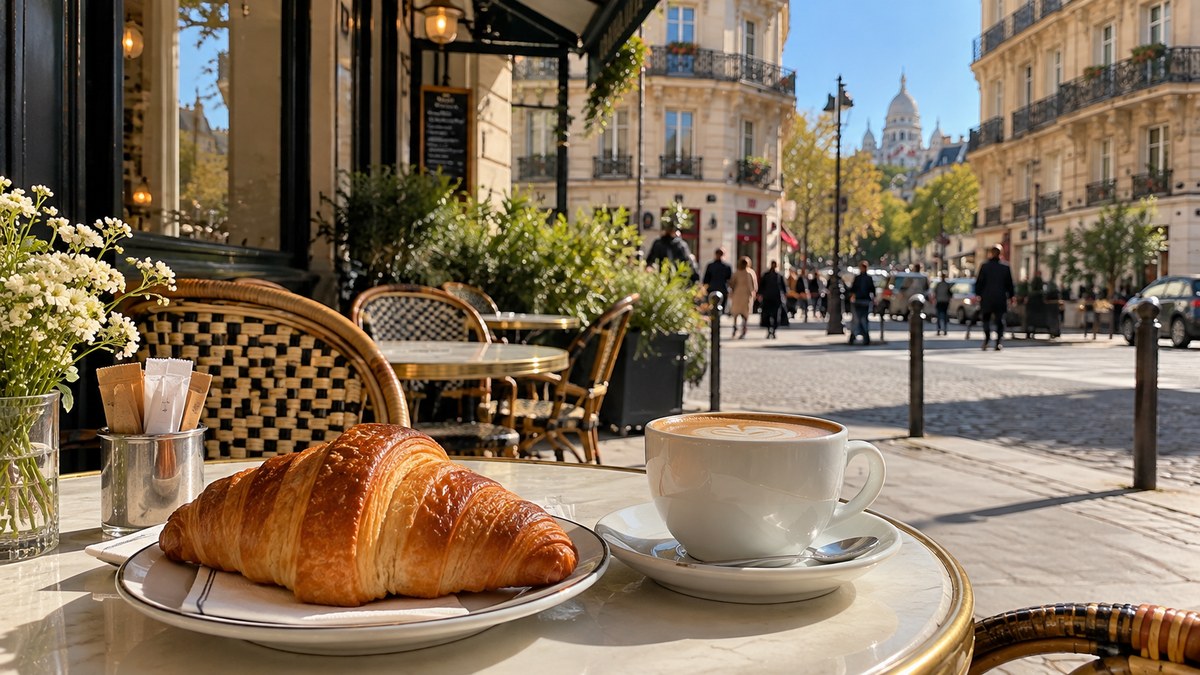
On average, I spent about 35-50 euros a day on food and coffee, if without any special restaurant frills. This is about 250-350 euros per week, although it can be cheaper if desired, especially if you buy some of the food in the supermarket and do not turn every meal into a gastronomic event.
At the same time, I would not recommend coming to Paris and trying to save on everything. Sometimes it's much more pleasant to buy an ordinary baguette, cheese, fruit and a bottle of water, have a small snack in the park and just look at the people around, than to spend all day looking for the cheapest menu and end up spending more effort than money.
Subway and walking
I mostly explored Paris on foot, because otherwise, it seems to me, it is impossible to feel the city. You can take several metro stops, or you can walk the same couple of kilometers and quite accidentally discover a small street, a beautiful courtyard or a cafe, which for some reason you remember more often than the main attraction of the day.
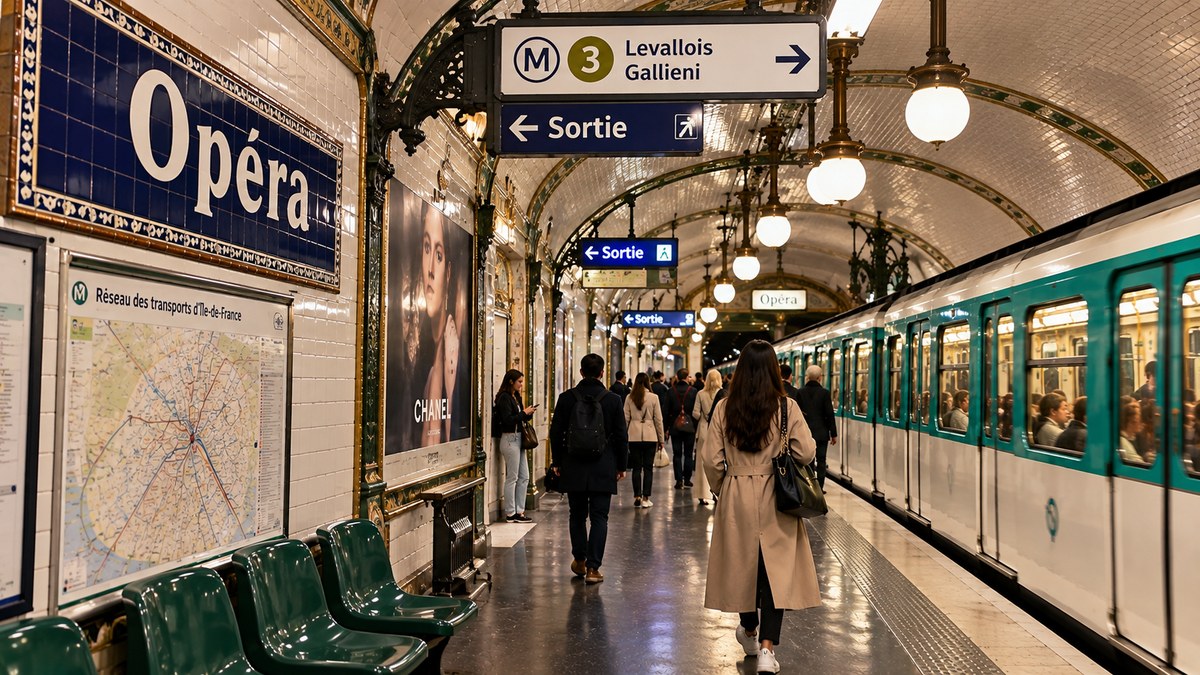
Paris Metro
I have allocated about 30-50 euros per week for public transport, depending on the number of trips and selected tickets. But I walked a significant part of the route, so my transport budget did not inflate.
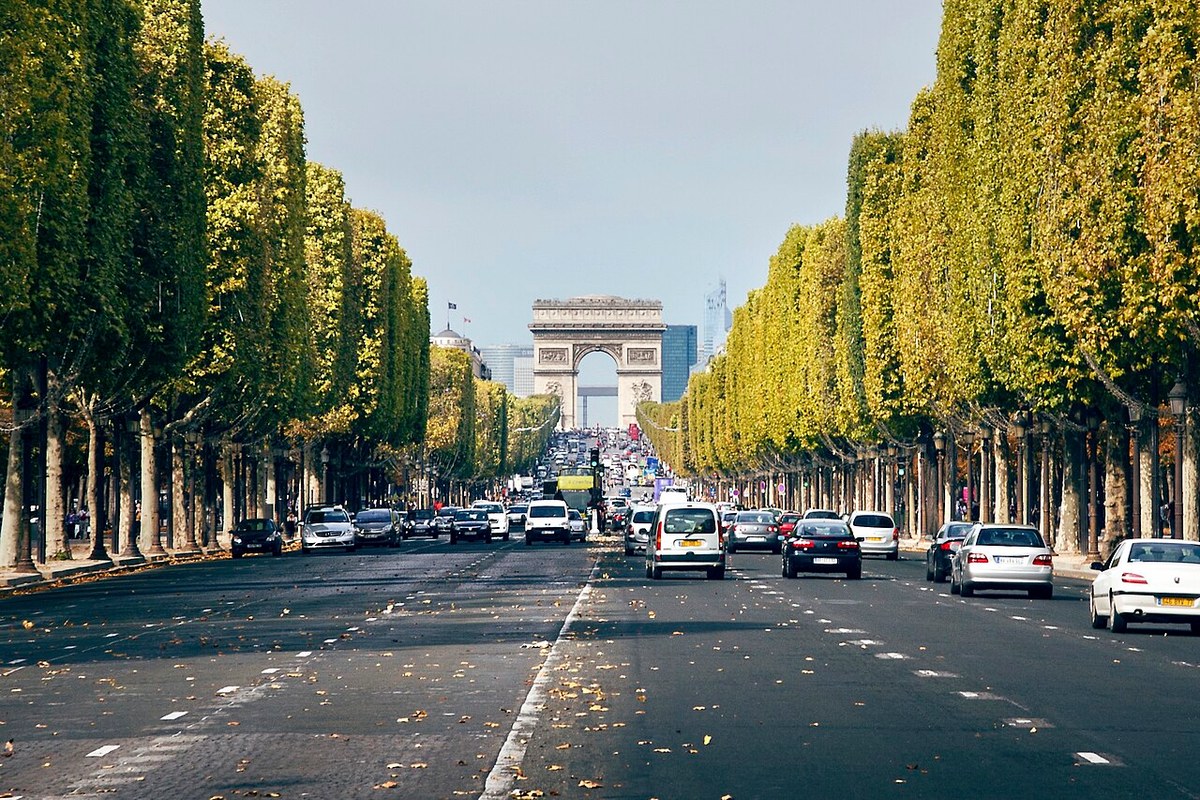
Traffic on the Champs-Elysees
For me, a taxi is expensive, but I decided to go by car and see the Champs-Elysees. It is one of the most famous and iconic streets in Paris. The avenue is 71 meters wide.
After paying the taxi driver 20 euros, I realized that walking around Paris can be a great workout. After a few days, I stopped wondering why my legs reminded me of themselves in the evening, but I could calmly say: "Yes, it's only twenty minutes on foot." Then I would open the map and discover that twenty minutes had somehow turned into seven kilometers.
Tickets and attractions
You can count on free Paris too, but I still wanted to see more than just the streets. Therefore, I invested money in advance for museums and several paid attractions, including those places where I really wanted to go.
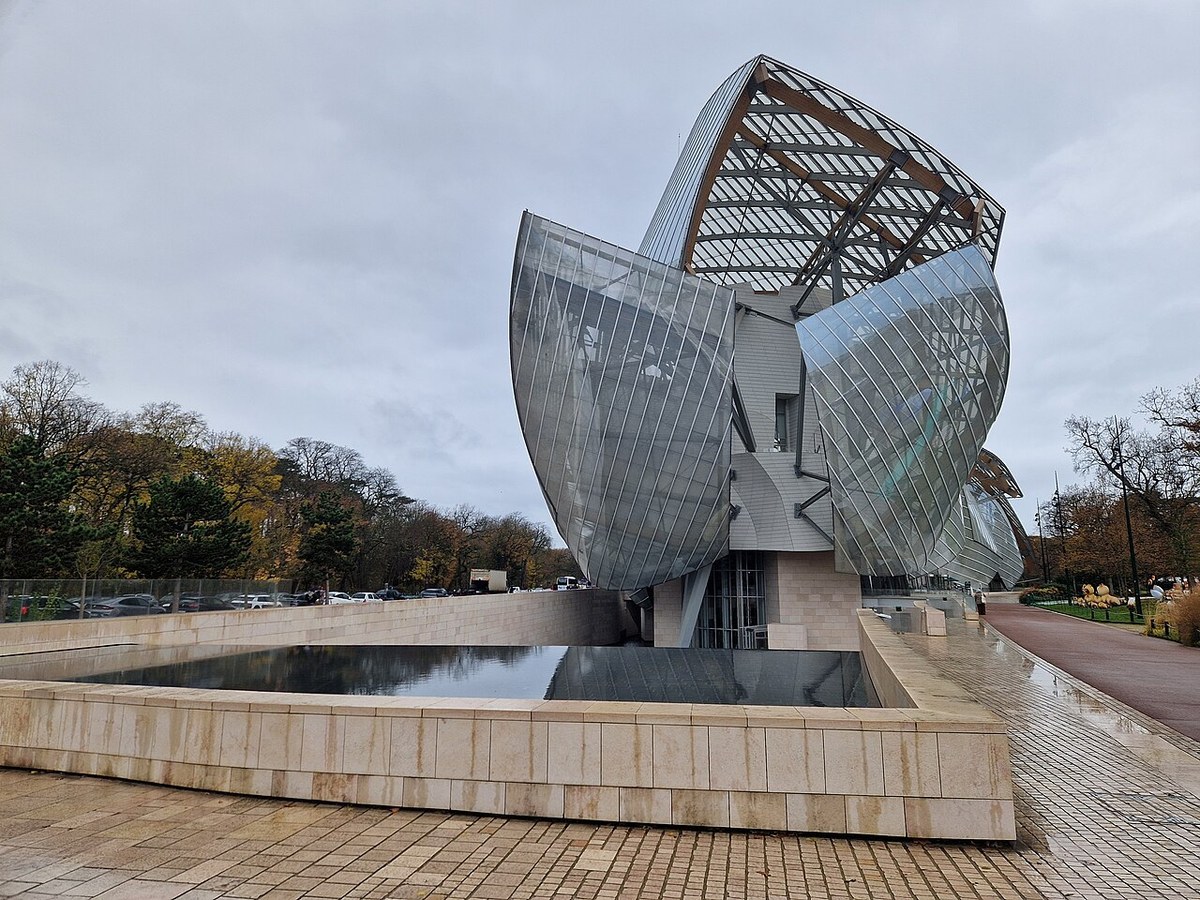
Fondation Louis Vuitton Museum
It took me about 100-180 euros per week for tickets, museums and entertainment. Everything depends on the program here: if you only go to free places and walk around the city areas, the costs will be small, but if you buy tickets somewhere every day, the budget will start to grow quite quickly.
I made a list of places I really wanted to see in advance, and it turned out to be the right decision. Otherwise, in Paris it's easy to fall into the trap of "well, since I'm here," after which the banking app starts looking at you with condemnation.
Souvenirs and small purchases
At first, I didn't consider this expense item at all, because I sincerely believed that I would not buy anything. Paris, as it turned out, was also aware of my plan and just calmly waited until I entered the first store.
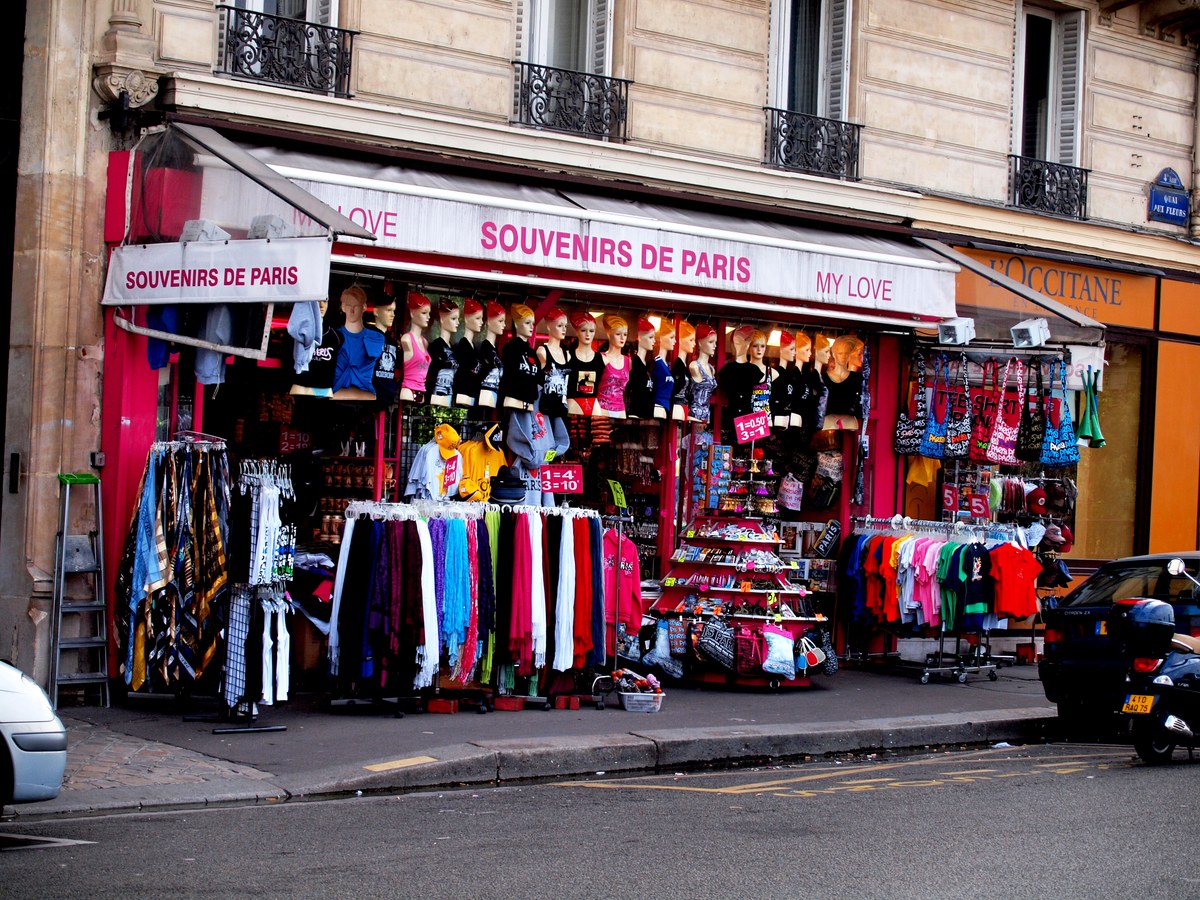
As a result, I spent about 50-100 euros on small purchases, souvenirs, postcards, some small things and gifts. And it's also quite modest, because Paris knows how to explain very convincingly why you absolutely need this cup, notebook, box of sweets or magnet, even though there is already a collection of things at home that I once also intended not to buy.
How much does a week in Paris cost in the end?
If you put all the expenses together, my trip for the week turned out to be something like this: 150-250 euros for flights, 25-40 euros for travel from the airport, 700-1000 euros for housing, 250-350 euros for food, 30-50 euros for transport, 100-180 euros for sightseeing and about 50-100 euros for small purchases.
As a result, I would focus on about 1300 to 1900 euros per person per week, if traveling is comfortable, but without luxury. With a very economical approach, the amount can be reduced, especially due to housing, food and flight costs, and if you choose a good hotel in the center, often go to restaurants and do not look at the prices for excursions, the budget will easily go much higher.
Is it possible to travel to Paris cheaper?
Of course it is possible, and I would even say that Paris does not require a huge fortune if you think about the route a little in advance. The most tangible ways to save money are to buy tickets in advance, choose accommodation not in the very center, walk more, use public transport, buy some food in stores and book popular attractions in advance.
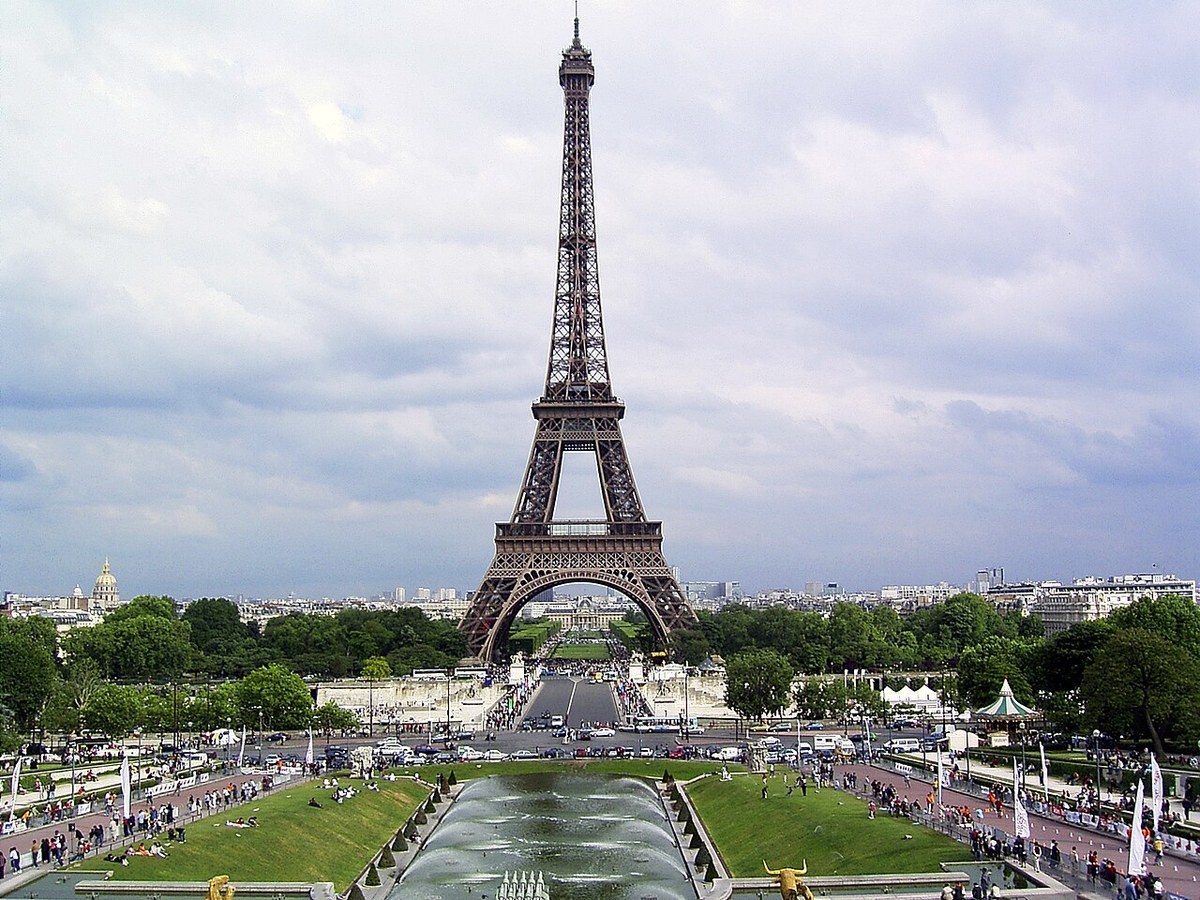
Eiffel tower
But personally, I realized one thing.: Don't turn your trip into a competition to save money. If I came to Paris, walked twenty thousand steps, looked at the Eiffel Tower, looked into the Louvre, sat with coffee in the evening somewhere on a cozy street and ate a normal croissant, I want to remember that, not that I saved three euros for breakfast.
My advice is very simple: before traveling, it is better to determine the amount that you are really willing to spend, add to it a small reserve for unforeseen expenses, and only then go quietly. Because Paris is beautiful precisely when you can walk through its streets and not count every five minutes how much is left on the map, and if there is still money left after the trip, consider that you have completed a separate Parisian quest.

Comments