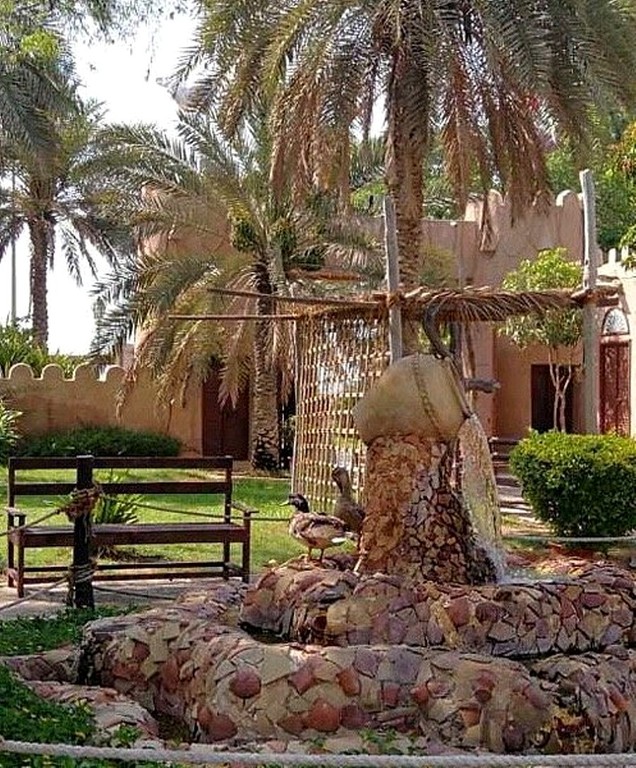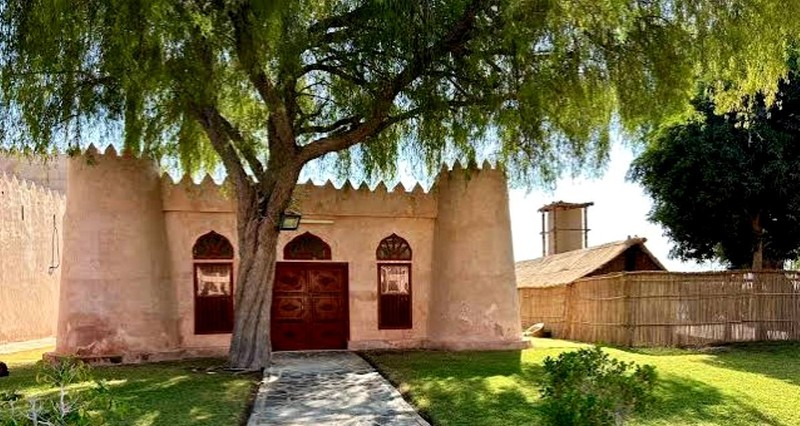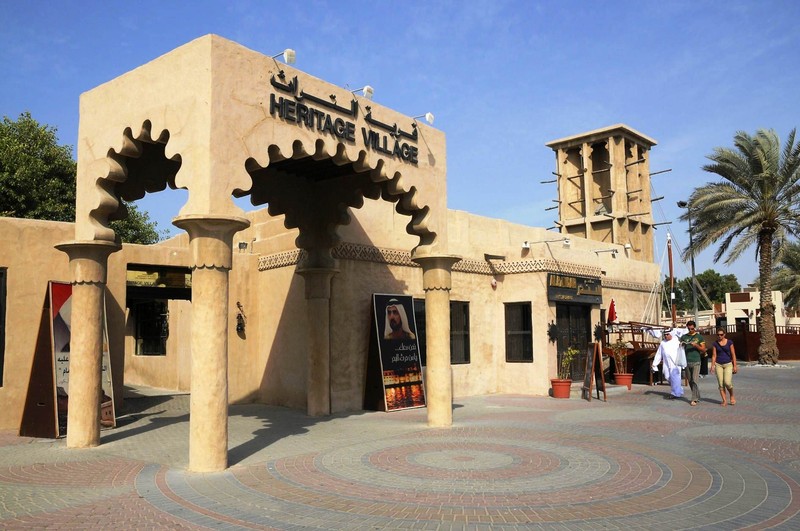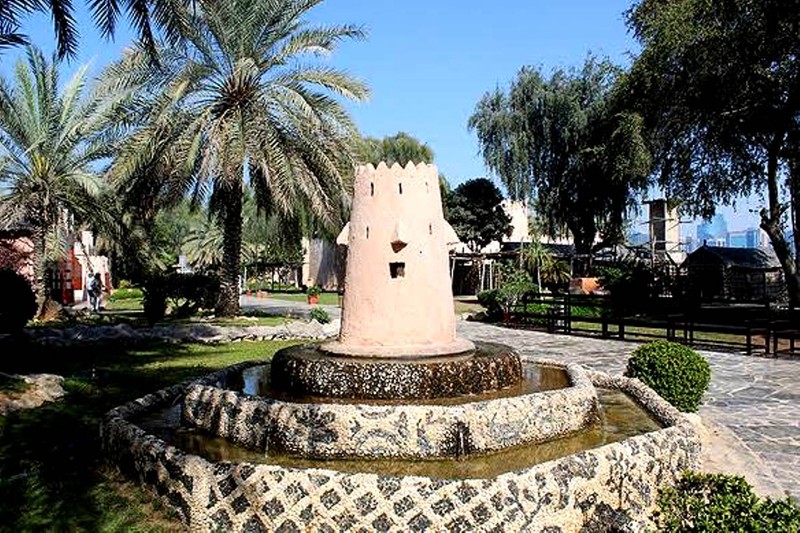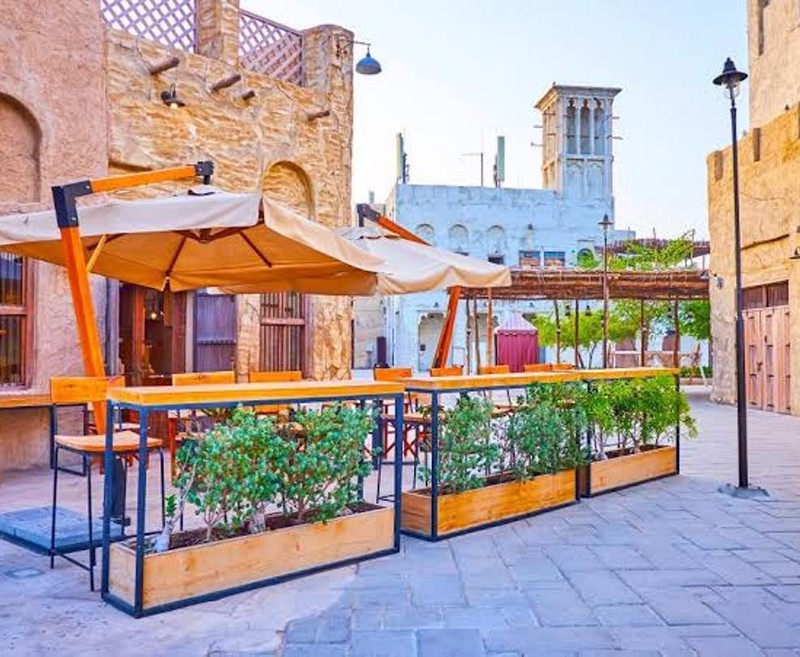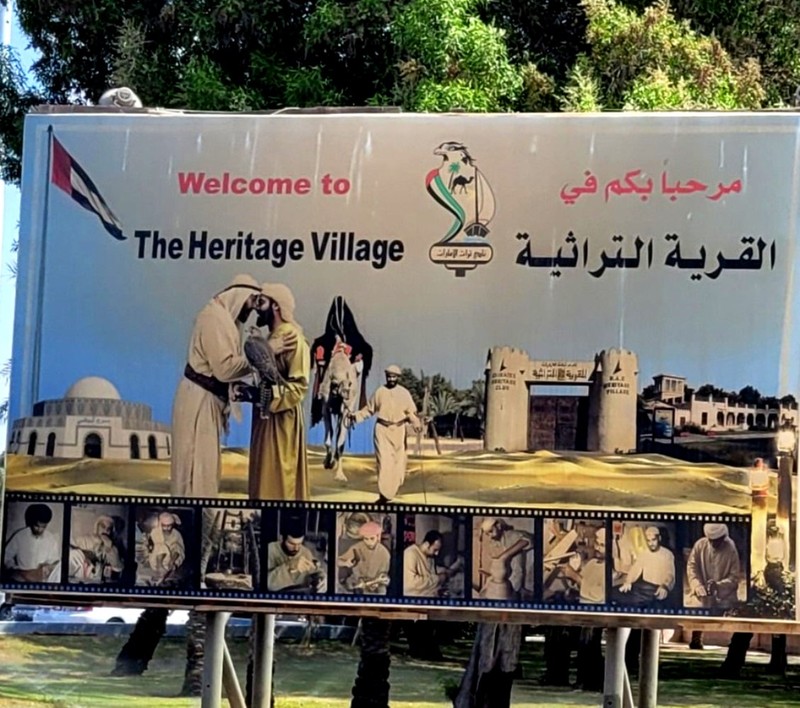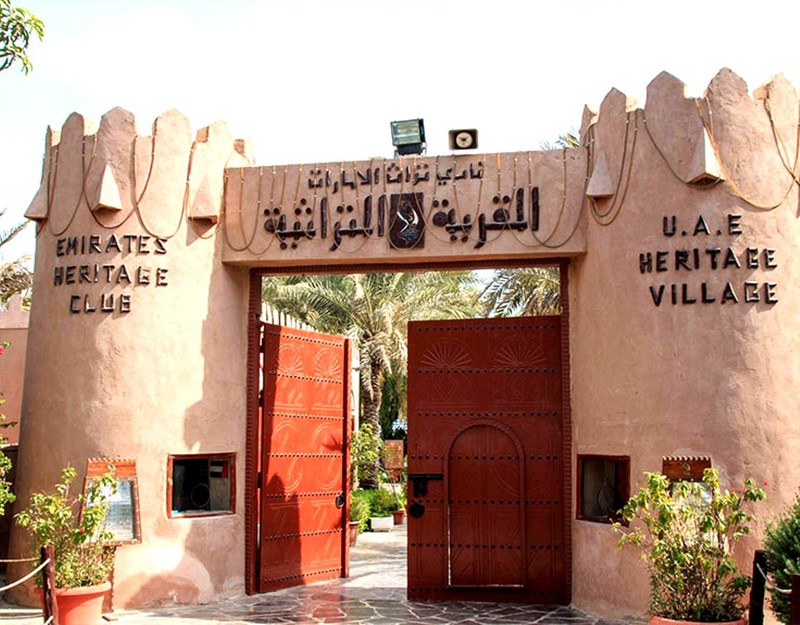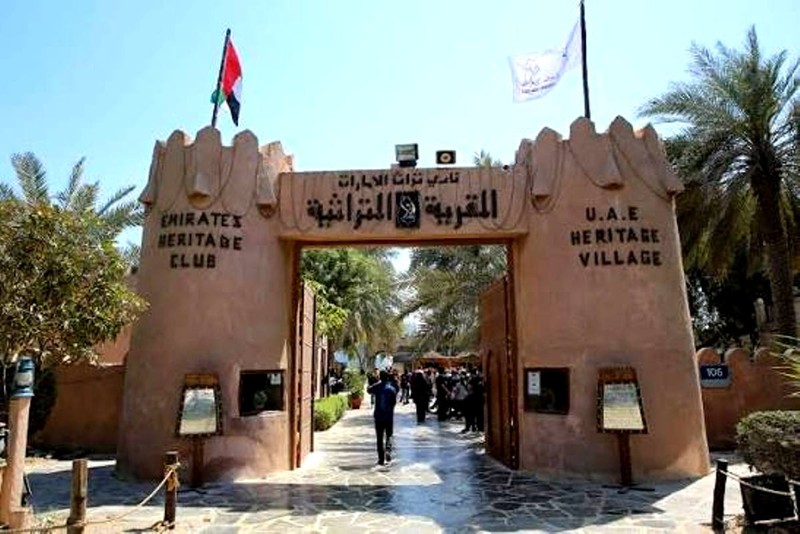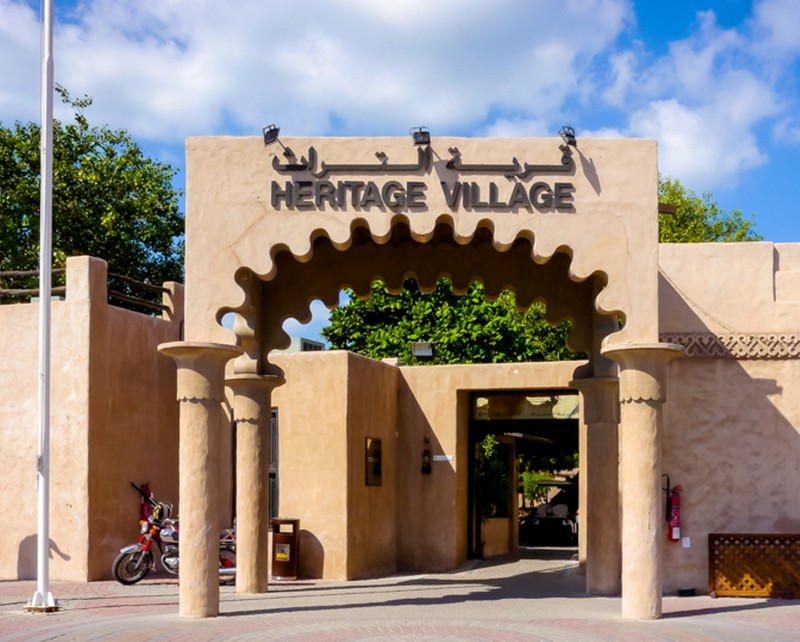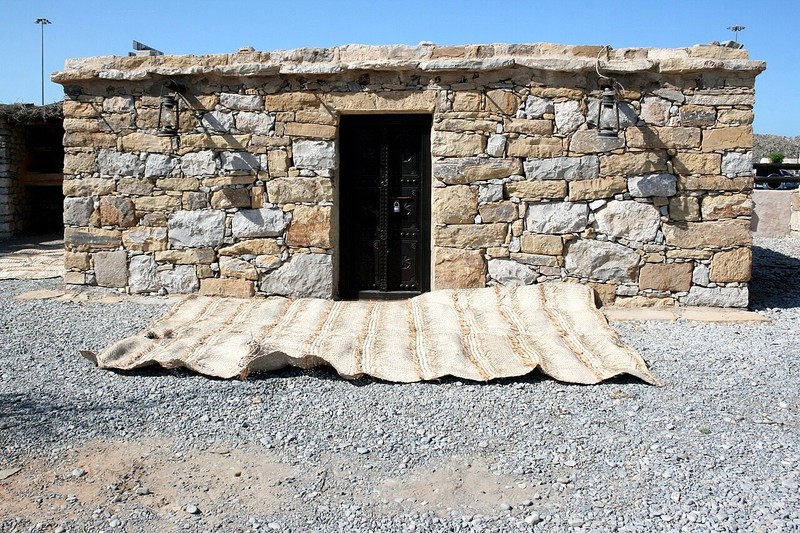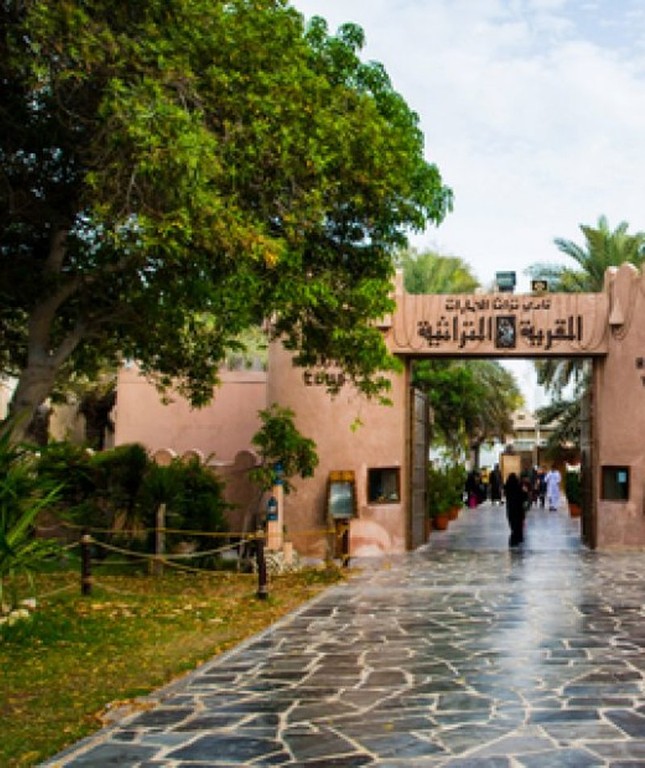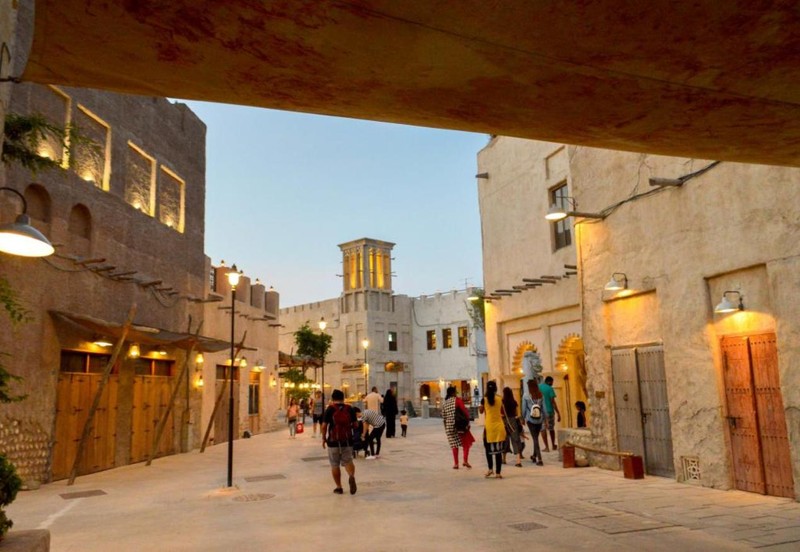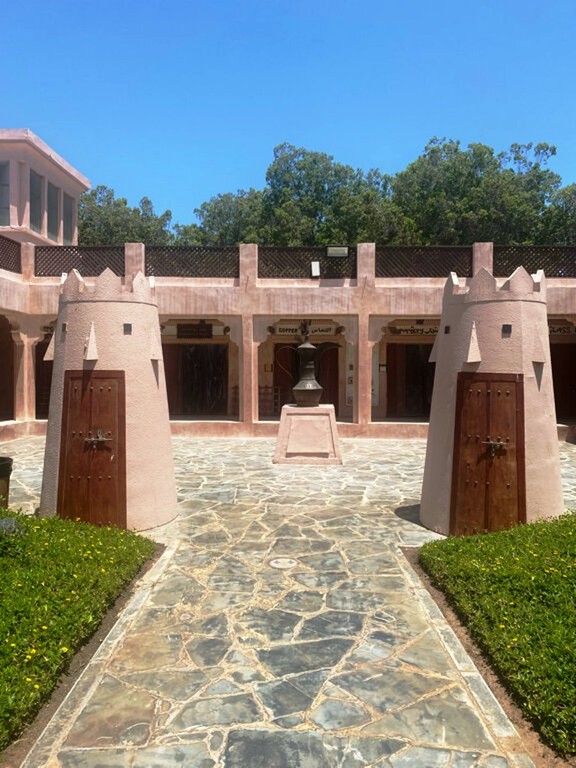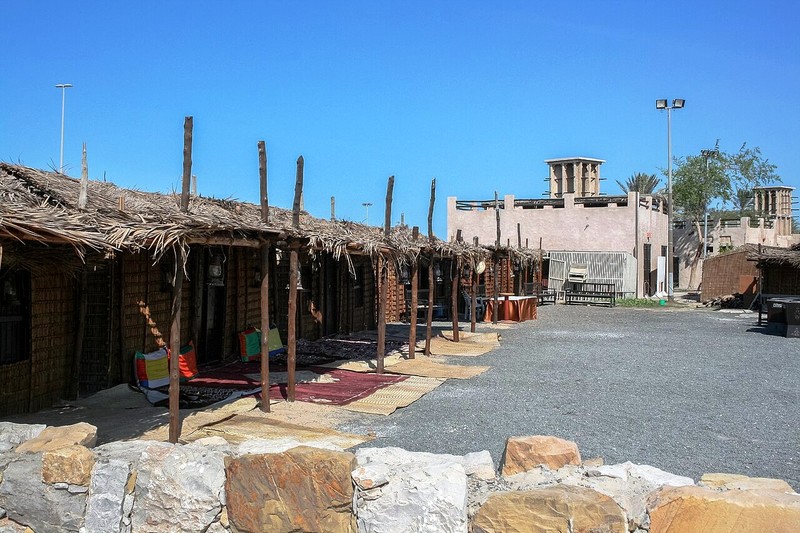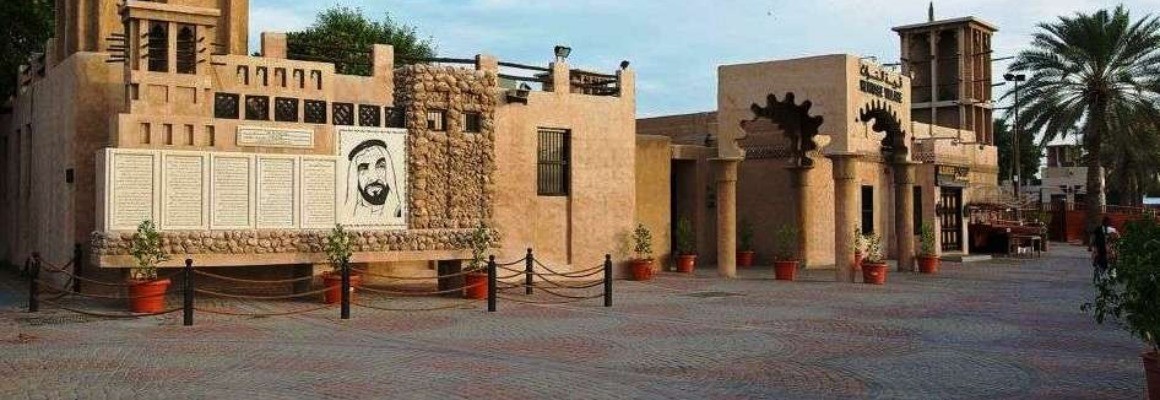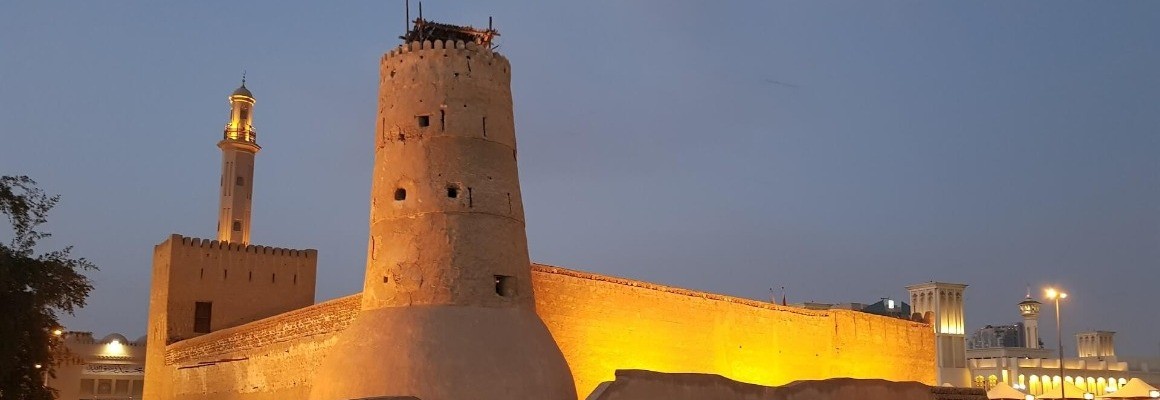

The historical and ethnographic village in Abu Dhabi is one of the most famous and important attractions of the UAE capital. In the open-air museum complex, you can get acquainted with the lifestyle, traditions and way of life of the Bedouins, find out what crafts they were engaged in.
History of creation
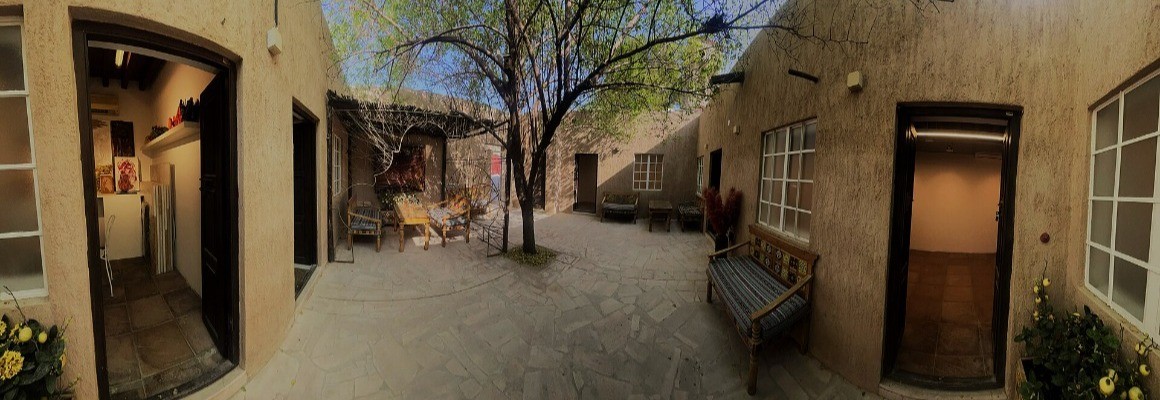
The historical and ethnographic village in Abu Dhabi houses artisans, workshops, Bedouin tents, a mosque and a museum. You can see photos taken 50-50 years ago, household items, jewelry of that time. Some of the exhibits belong to the III–I century BC, they are located in a special hall.
These include archaeological finds:
- vessels;
- decoration;
- bronze armament.
The institution opened in 1997. The historical and ethnographic village is also called the Village of Heritage. In a modern city, the building is very different from other buildings, but with its help, the locals wanted to preserve history so that descendants and other peoples could learn information about the Bedouins. Translated from Arabic, this word means "desert dweller." We are talking about nomadic and semi-nomadic inhabitants.
Short description
The historical and ethnographic village in Abu Dhabi, with an area of approximately 1 hectare, is a traditional Arabian fortified settlement. Pearl fishing boats attract a lot of attention. Previously, collecting pearl shells was the main occupation of local residents until the beginning of the 20th century. Treasure hunters used sinkers for diving, as diving to the seabed is very dangerous. The profession was difficult: in addition to pressure drops, sea salt had a negative effect on health. Due to the lack of effective protective equipment, people's eyesight and hearing deteriorated.
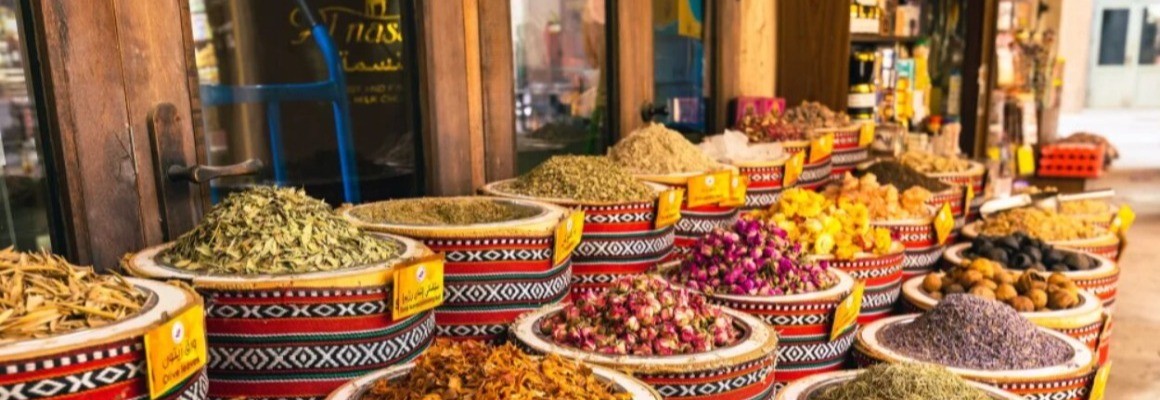
Restaurants where you can taste traditional Arabic cuisine and sweets are open on the territory of the historical and ethnographic village in Abu Dhabi. The shops sell souvenirs, clothes, carpets, and toys to remember a trip to the capital of the UAE. In the workshops of artisans, you can learn not only the history of ancient craftsmen, but also attend workshops on wood carving, forging, spinning, sewing leather accessories and much more. Craftswomen can apply a henna pattern on the skin – mehendi. Art painting is not harmful to health and lasts for several days or weeks, depending on the care.
Information for visitors
The historical and ethnographic village in Abu Dhabi is open every day except Friday from 9.00 to 16.00, on Friday from 7.30 to 10.00, 15.30 to 21.00. The complex is closed on Friday during Ramadan. On the other days of the holy month for Muslims, you can come from 9.00 to 14.00. There are benches, fountains and sculptures on site, and camel rentals. Events are often held in this place, and you can watch performances by musicians and dancers.
How can I get there
The historical and ethnographic village in Abu Dhabi is located at 81 El Wahda Street, E19. The entrance is from the embankment on Khalidj Road. The village can be reached by buses. 005, 007, 009, 011, 032, and also 034.
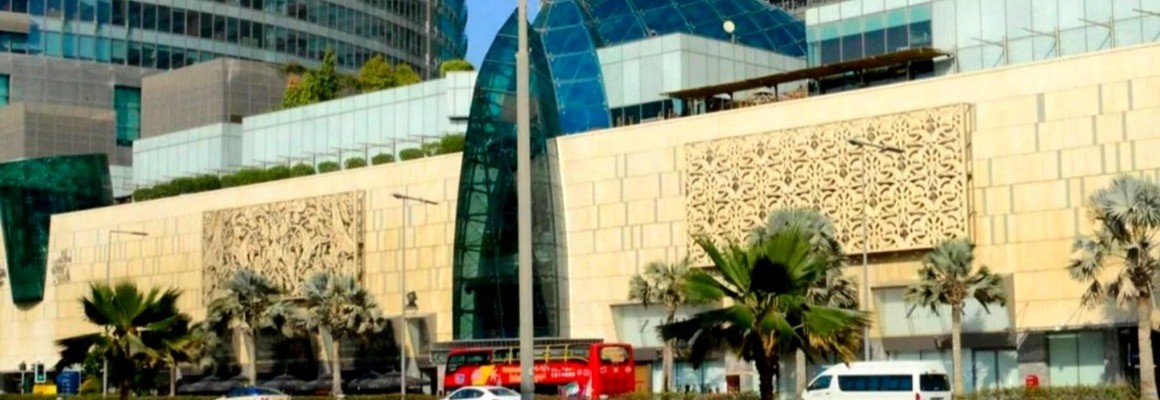
The easiest place to navigate is the Marina Mall, which is about 15 minutes from your destination. It is impossible to get lost here, as there are signs everywhere. If you take a taxi, it is recommended to tell the taxi driver that you need to go to the Heritage Village, and he will immediately understand which way to go.
Gallery