History
The first settlements in Brazil in Santa Elina were already 20 thousand years ago. Scientists determined the date based on the jewelry found. The area was settled for the second time about 12 thousand years ago. Near the city of Belo Horizonte, the remains of a woman who lived 9 thousand years ago were found in a cave. In 800, semi-nomads lived on the island of Marazho and engaged in agriculture, hunting and fishing. Scientists believe that the area was inhabited by 7 million people before the start of colonization.
The first border of Brazil, which has not yet been opened, was the Papal Meridian, delimiting the lands of Spain and Portugal. The conditional border was defined by the Treaty of Tordesillas in 1494.
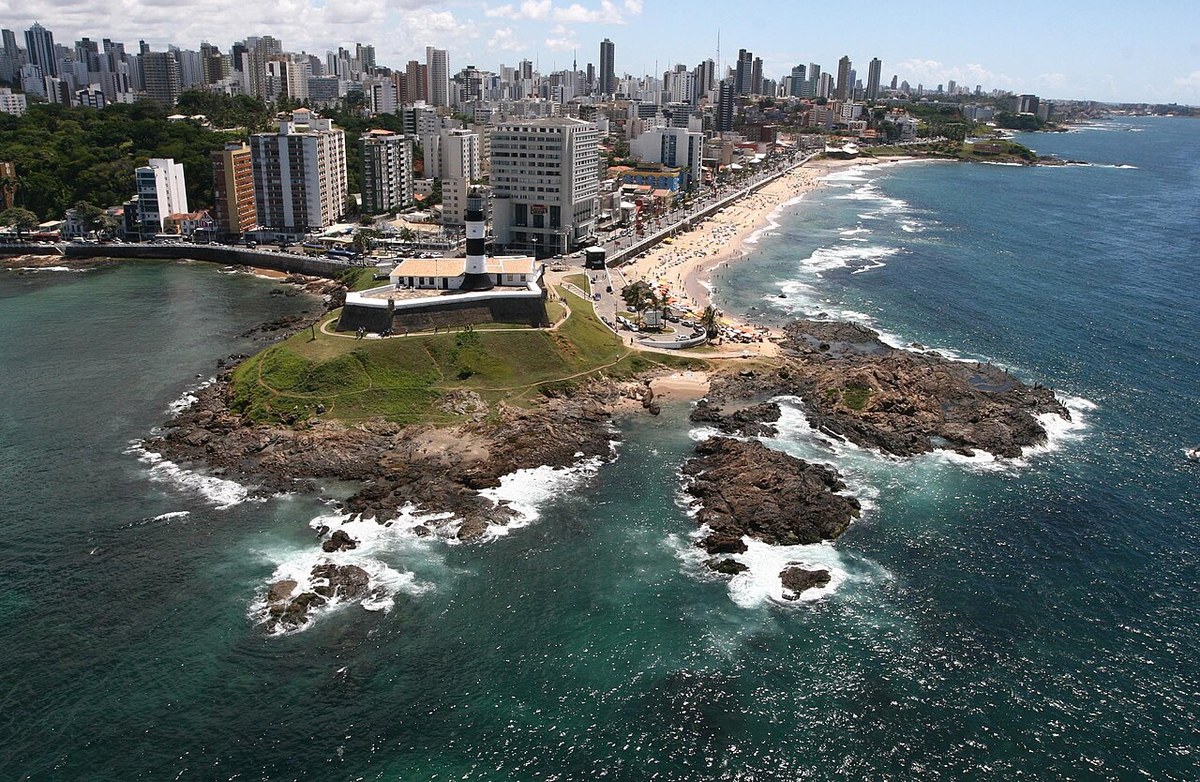
Brazil was discovered in 1500 by Portuguese Pedro Cabral. He mistook it for an island and named it Santa Cruz. Cabral sent a message about the discovery of the island to the King in Lisbon. It was only in 1530 that the first settlers arrived. The colonists were carrying cattle and seeds. The first fortifications were built in the northeastern part. The very first fort, San Vicente, was built in 1532 on the coast of today's Sao Paulo State. In 1549, Salvador was founded, which became the capital. Brazil was divided into 14 capitals, the lands of the feudal lords. The Jesuits who arrived in Brazil began to convert Indians to the Christian religion en masse.
The coastal territories of the state of Pernambuco were well suited for the growth of sugar cane. Agricultural machines and the first plants for planting were delivered from Madeira. Black slaves brought from Africa worked on the plantations. Sugar produced in Brazil was in increasing demand in Europe. Business was booming.
Spain and Portugal united under the Spanish crown. The unification lasted from 1580 to 1640. The whole continent belonged to Spain. In the 1920s, Brazil was repeatedly attacked by the Dutch. They captured Pernambuco and El Salvador, and held them for more than 20 years. J. F. Vieira, a large Brazilian landowner, organized a rebellion, and in 1654 the Brazilians expelled the Dutch, without turning to Portugal. From 1555 to 1612, the French unsuccessfully tried to capture Brazil.
The Portuguese moved further and further inland, settling new lands. They turned the local Indians into slaves. Slaves often escaped from overwork and hid in the jungle, joining forces with the African ones. By the 30s of the 17th century, almost 20,000 people formed the primitive state of Palmaris. It was only in 1694 that the colonial authorities managed to capture it.
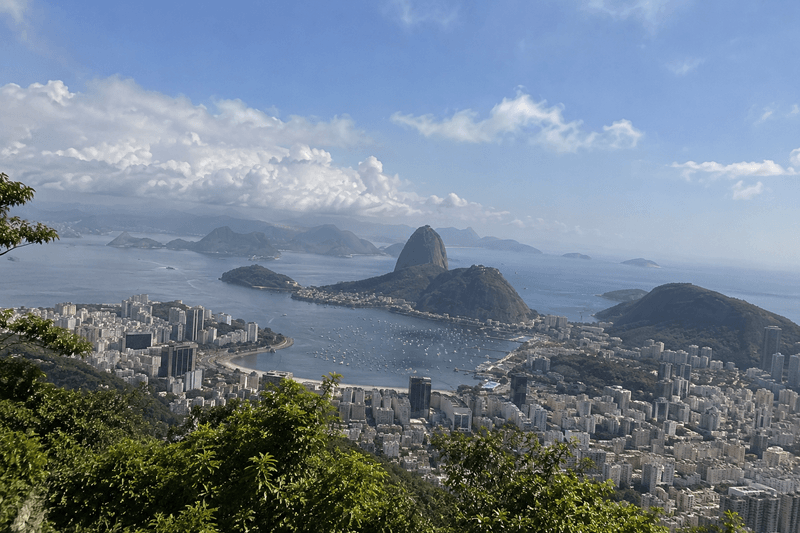
In 1807, the Portuguese royal court of Don Juan VI, after Napoleon's attack on Portugal, settled in Rio. Government services were also moved to the city. In 1821, the king had to arrive in Lisbon. Instead of himself in Brazil, he appointed an heir to Pedro, and gave him the status of king regent. After the return of the king, the Portuguese parliament decided to eliminate all Brazilian royal structures in Rio, transferring them, along with the army, to direct subordination to Lisbon. But Regent Pedro refused to comply with the decision and declared Brazil's independence in September 1822, and in October, after his coronation, he became Emperor of Brazil Pedro I. Slavery in Brazil was officially abolished only in 1888.
During the military dictatorship (1964-1985), Brazil's economic situation rose sharply, but repression intensified. Death squads were set up to quell the protests. The government reduced pay, restricted citizens' rights, and banned strikes. Popular discontent grew, and in 1984 protests demanding elections took place across the country. In 1985, a civilian president, T. Nevis, was elected.
Today, the country's confident and rapidly developing economy is the largest on the continent. An industrial and agricultural country, the 7th in the world in terms of GDP, it is a leader in the production of traditional sugar cane and coffee, cotton, soybeans and cocoa beans. The bowels of the country are rich in minerals. Bauxite, uranium, nickel, cobalt, copper, iron ore, gold, silver and more are mined. Brazil is one of the main suppliers of raw materials for the military industry in the world. The main industries are manufacturing, mining, and energy. 1.5 million cars and buses, such as Mercedes, Scania, and Fiat, are manufactured in the country every year. Embraer manufactures airplanes. The textile and shoe industries are well developed. There are more than 4 thousand shoe factories in the country.
Climate
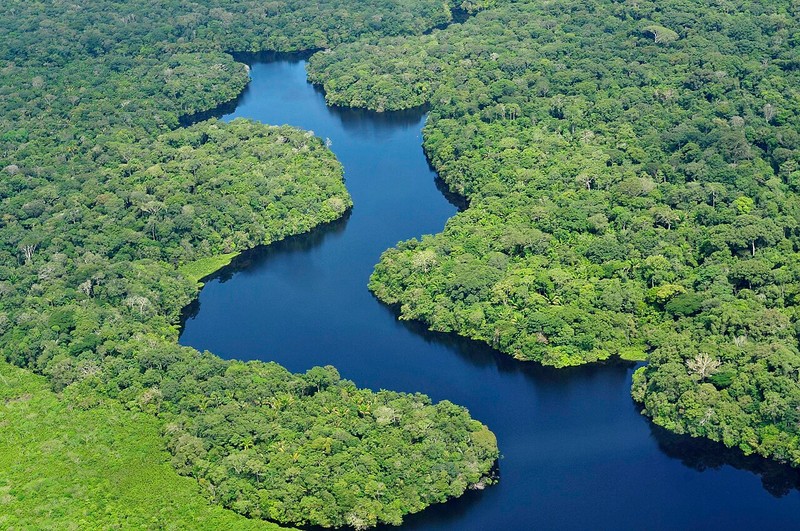
December to March is the best time to visit Brazil. Brazil has 6 climatic zones, ranging from equatorial to semi-arid. The largest part of the country lies in the tropical zone. The northeastern part of Brazil is the hottest. The south coast has the coolest weather, especially in June and August. In the north of the country, the average temperature is +28, and in the south +20, but it can also be below zero when the snow does not melt. The maximum amount of precipitation falls in the Amazon.
Spring comes in September. During the day up to +35, at night up to +15. The water temperature on the coast is up to +27. Rains per month do not last longer than 6 days.
- It gets hotter in October, up to +40 in the northeastern part. Rainy days - up to 5 per month. The water on the southern coast is +22, and on the southeastern coast it is +27. In the capital and Rio, it's +27 in the afternoon.
- In November, the air is not as dry as in September and October. The average temperature is +30 during the day and +23 at night. There are twice as many rainy days, maybe up to 10 per month. The water temperature rises to +26.
- Summer comes in December, but the heat is not too noticeable due to the high humidity. The temperature is up to +29 during the day and up to +24 at night. The water has already warmed up to +27.
- It gets even hotter in January. During the day, the air warms up to +32, at night it averages +24, and the water is +28. The rainy season in Manaus is coming, lasting until May.
- February is the middle of summer. Daytime temperatures reach +33, nighttime temperatures can drop to +18. The water in Fortaleza and Salvador is as warm as fresh milk, warming up to +28.
- The heat continues in March, but there are fewer rainy days - up to 7.
- In April, the rainy season is still underway in the northeastern part - up to 4 days in Rio and up to 16 days in Manaus. It is warm up to +30 during the day and +23 at night. Water +25.
- The rainy season ends in May - up to 3 days. Daytime +28, water +25.
- In June and July, the heat subsides, during the day it averages +23, water from 22 to 27. In the southern part, it may rain every other day. And there may be two days in Manaus - the rainy season in the Amazon is over.
- The dry season begins in August. The water is +26. The average daytime temperature is +26, in Manaus it is up to +33.
Cuisine
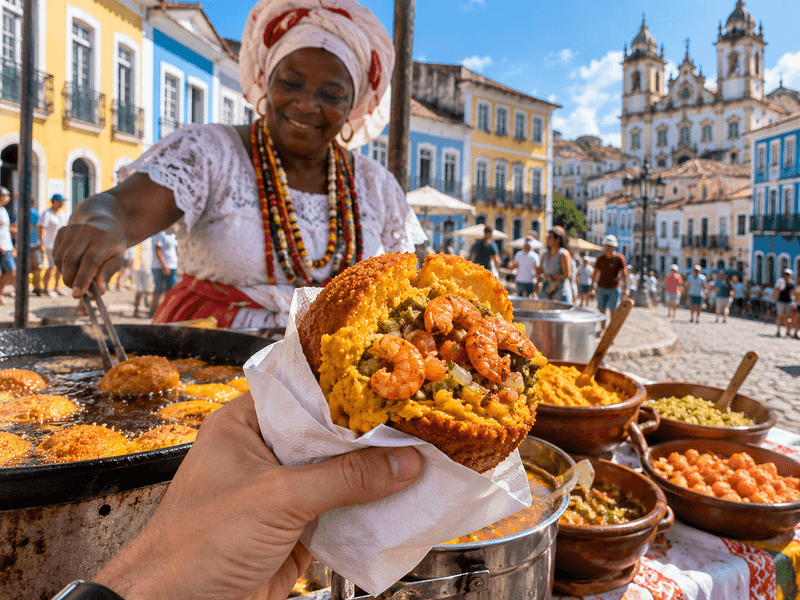
Brazil's cuisine combines African, Portuguese, Spanish, and South American Indians. Beef, pork, and poultry meat are used for food. Corn and rice are most often used from cereals. Soybeans and beans are used. Vegetables include the pumpkin family, cabbage, and tomatoes. The most common fruits are oranges, bananas, guavas, mangoes, papayas, and pineapples. A huge number of species of river and sea fish, shrimps, crabs, and shellfish are among the main components of the national cuisine.
The most common and well-known dish is feijoado. It is made from meat and beans, cassava flour is added, seasoned with pepper sauce. Served separately, with orange or cabbage. The dish has been prepared for more than three centuries, adding its own ingredients in each locality. Lombo de porco - roast pork. Carne de sol - dried meat. Shurasco is beef fried on skewers, served with tomato sauce. Pato-no-tupuki is a duck fried in a special sauce. Sarapaten - sausages or sausages, pork liver or heart, boiled with tomatoes, peppers and onions. Exotic dishes include turtle stew and crocodile jacare.
Seafood and river fish are used to make mokueka, seafood soup, itapoa, crab pudding, frigideira, pot-fried fish and shellfish with dough, lobster in coconut milk, karuru, salted shrimp with caviar, hot pepper, onion and kiaba (herb). Meatballs with cheese or cod are fried as snacks, boiled corn is eaten, pies with different fillings, salads, canapes.
Brazilians prefer various sweets as desserts. The most common drink is coffee. This is usually a sweet caffeinated coffee - it is prepared like an espresso.
Of the alcoholic beverages, the most popular is caipirinha. This is a vodka made from cane sugar with sugar and lemon. Brazilians drink beer, rum, kishasa vodka, and wine. Of the wines, the most common are Shandon and Castel Chatelet.
The best restaurants are recognized:
- in Sao Paulo, there is KAA Restaurant, which serves Mediterranean, French, and Brazilian cuisine; D.O.M. with Brazilian cuisine; Figueira Rubaiyat - Argentine and Brazilian cuisine, steakhouse, grill
- Rio de Janeiro - CT Boucherie with French cuisine and steakhouse; ORO with national cuisine; L Etoile Restaurante with international cuisine
In every Brazilian city, even a small one, there are sure to be several establishments known for their excellent cuisine.
Tips for Tourists
It is worth paying attention to safety. The police keep order, but the lack of work and low salaries make some local residents not shy away from criminal acts in pursuit of money. Video cameras are installed in hotels and beaches. Police officers patrol on foot, on bicycles, in special vehicles, or on horseback. The military police also keep order and have great rights. But statistics show that crime is at a high level in some areas. It is not necessary to travel by public transport in the evening and at night, it is better not to wear expensive jewelry, not to walk with strangers, it is not necessary to keep documents, money, video cameras and other valuables in the room in the absence.
The authorities are fighting prostitution, but not quite successfully. The "priestesses of love" are usually controlled by gangsters who are only looking for an excuse to relieve tourists of a heavy purse. Narcotic drugs are almost openly sold in some quarters. Transvestites just chase after wealthy clients. Special care should be taken when visiting the termash baths. Along with traditional bath treatments, a wide range of sexual services are often offered here. As in any country, tourists in Brazil should be vigilant and careful, not showing off their wealth, and not showing undue trust in unfamiliar people.
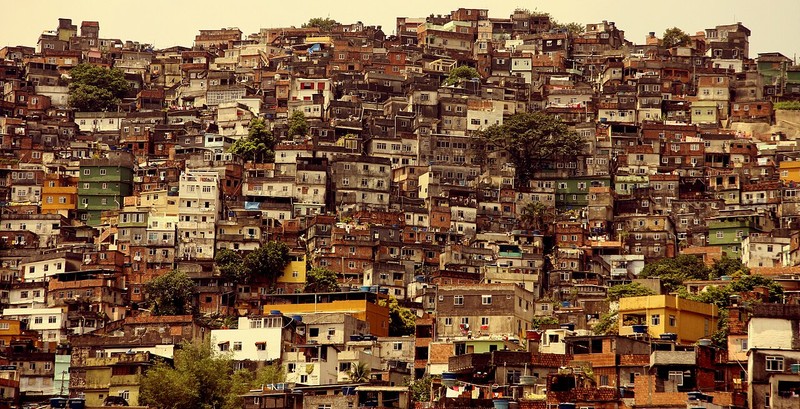
In general, Brazilians are funny and emotional, open-minded about other nationalities and races. Of course, in working-class areas, you can encounter rudeness, and in favelas, the sight of poverty spoils the mood - so you may not visit them yourself unnecessarily.
- It should be noted that the voltage in the power grid is different - from 110V to 220V.
- When paying in a restaurant, tips are traditionally 10%, in snack bars and cafes on beaches tips are not paid, for hairdressing services, at a gas station, for shoe shine - up to 20%. Taxi drivers round up the payment, the newer and more prestigious the car, the greater the "rounding up". You need to pay separately for the operation of the air conditioner. When carrying luggage, the driver is paid 25 centavos per seat.
- The exchange rate is stable, but in Rio and in the capital it is usually higher. It is better to exchange for small bills, there may be "no change" from the seller. A passport is required for the exchange, and upon presentation of an INN (CPF), the exchange rate may be more profitable. During the high season, from December to February, prices jump, and it's better to book a room in advance. Out of season, hotel prices are lower. When paying an invoice in cash in a foreign currency, discounts of up to 15% are given, but at an unfavorable exchange rate.
- In Brazil, it's customary to be late for a visit, but it's better to come to football early.
- It is better to sunbathe topless on special beaches, otherwise you can even get a fine, and Brazilians may be offended.
- There is a need to bargain in the markets. It is not customary to use a toothpick or cover your mouth with a napkin in cafes and restaurants - Brazilians like to smile broadly, revealing their snow-white teeth, such actions will throw them into a state of shock.
- When swimming in the ocean, you should beware of strong currents. It is dangerous to be on the beach at night - the police are not patrolling at this time.
- Alcohol, cigarettes, plants, birds, fish, fish products, vegetables, fruits, and any replicas (imitations or fakes) cannot be exported from the country.
Housing Rental
To rent a car, you will need a passport, an international driver's license and a bank card for payment. Rental registration points are available at airports and hotels. But for reliability, it is better to book a car before the trip. In addition to the rental fee, you will need to make a deposit and pay for insurance. The amount of the deposit is affected by the car model, its condition and its service life. Both international network companies and private companies are engaged in leasing. Private companies usually have a lower cost of up to 10%, but networkers are more reliable.
In Brazil, most of the roads are unpaved, not paved. It is more practical to rent an SUV if the trips are not limited to urban highways. The average fee in 2022 is 10 US dollars per day. It is not necessary to violate the rules and speed limit - the fines are quite decent even for minor violations.
Visa
It is forbidden to carry drinks in hand luggage, but they can be checked in. It is forbidden to import food products. You can bring 1 piece with you without a fee.:
- photo camera;
- The radio receiver;
- video camera;
- laptop or "tablet";
- the player.
It is forbidden to export drugs, weapons, medicines, radioactive substances, wild animals (only with permission), jewelry made by Indians from animal materials (bird feathers, animal claws, etc.) from the country.
Foreign currency can be imported without restrictions, but it must be declared, and exported - no more than the amount imported, minus expenses. Local currency can only be exported under license from the Central Bank of Brazil.
Shopping
The main souvenir from Brazil is coffee. There are dozens of its types with pleasant prices. Another popular "souvenir" is Brazilian cachaca sugar cane vodka. The fortress can be from 38 to 50 degrees. Only 1 liter per person is allowed to be transported through customs. Another of the main souvenirs from Brazil that tourists bring home is football paraphernalia. The most popular among tourists are colorful paintings sold everywhere, as well as leather goods and shoes. Although high-quality shoes are not cheap. Bright umbrellas, Brazilian cosmetics, pareos, copper tableware, carnival costumes and accessories - tourists like all this, and they are happy to buy.
Bright unusual ceramics and beach Hawaiians are bought in Pernambuco. Lace dresses and tablecloths, magic amulets are more profitable to buy in Bahia. Minas Jeiras is famous for inexpensive real gems and products made from them. Beads made from plant seeds and colorful fabrics, mahogany figurines of animals and birds, gizmos made of bright bird feathers, hammocks woven by hand - all this is more profitable to buy in the state of Amazonas. On weekdays, the shops are open from 9 to 18:30, and on Saturdays and Sundays from 9 to 1 p.m. Supermarkets are open 24 hours.
Souvenirs are more profitable to buy at markets and Sunday fairs. You can always bargain on the price. Rio has a network of large shopping malls "Rio Sul" and "Barra Shopping". Angra dos Reis is famous for its fairs and original souvenirs.
During the carnivals, sales will start in the country's stores starting in February. They last at least a month. At first, the prices are too high, and by the end of the sale, you can see a 100% discount on the price tag. The next stage of sales takes place in August and September - at the end of winter and at the beginning of spring. You can really get a real discount here - there are few tourists-buyers in the off-season.
Entertainment
- About 200 km separate Buzios and Rio. A magnificent resort known for its beautiful beaches, water activities and vibrant nightlife. The best time to visit is from November to March and in June-July.
- Tourist trains are common in Brazil. The routes last from 13 to 100 km. During a short trip, you can see the beautiful nature of Brazil and see the sights.
- In Pelourinho (Salvador), a museum dedicated to the life and work of the internationally renowned writer Jorge Amadou has been opened in a beautiful house.
- Rio has the largest water park on the mainland, Rio Water Planet. Water slides, beaches, attractions and shows delight both children and adults.
- The Bukowski Club is open in Rio for fans of rock and alternative music. Here you can not only listen to live concerts, but also play billiards.
- The Baja Gastronomic Museum in Salvador has exhibitions and exhibits dedicated to Brazilian cuisine. The museum has an excellent restaurant, the menu of which includes dishes of national and exotic cuisine.
- In Salvador, it is worth visiting the famous Rodin Palace of Art, the priceless exhibits of which are Rodin sculptures. The bronze works of the great sculptor are displayed in the tropical garden around the Palace. The palace has a magnificent appearance and rich interior decoration. Masonic symbols are present in the interior design.
- The Zetulio Vargas Zoo (Salvador) is a real piece of the tropics with exclusively Brazilian fauna. There is a museum on the territory, where the remains of fossil animals are presented.
The tourism business is one of the main sources of income for the Brazilian economy. Almost every city has its own attractions, historical and modern, and almost all the beaches of the country are equipped for a comfortable stay for tourists.
Hotels
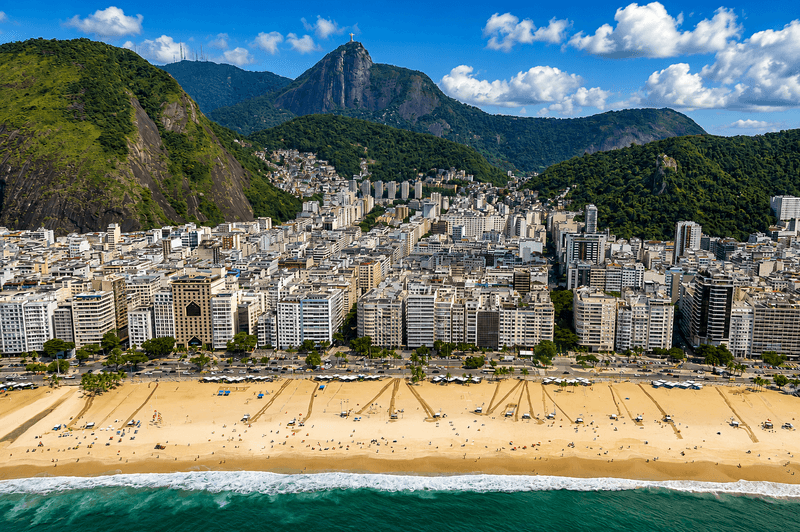
In Brazil, there are hotels and hostels in every region - in large cities, in provinces, and in resorts with gorgeous beaches, designed for every taste and with different levels of comfort. The cost of accommodation varies depending on the season. On holidays and carnival days, for example in Rio and Salvador, the cost per day averages $ 150 per person, in Copacabana during peak season it averages $ 70.
Hotels on the coast during the New Year holidays and carnival reduce the stay time to 3-4 days, and rooms must be booked in advance. In the capital and Sao Paulo, which are located further from the ocean, hotels and hotels are in less demand during this period and receive guests for any length of time. In large cities, hotels are located in high-rise buildings. Apartment hotels are becoming more widespread, with rooms featuring a bedroom, a living room, and a kitchen. But the disadvantage of apartment hotels is that they do not have their own pools or restaurants. When assessing the comfort of the hotel, stars are not assigned, as usual, but the services offered to guests are taken into account. Before checking in, you should find out what services you can expect at your chosen hotel.
The French hotel chain Accor Group offers its guests hotels with different levels of comfort and service. For example, the Sofitel brand of this chain offers luxury hotels only of the highest level with appropriate prices. The Parthenon brand is apartment hotels, the Mercure brand is with more affordable prices for quite comfortable rooms. The Ibis brand offers budget hotels with a small range of services, but neat and comfortable.
Almost all hotels and hostels in Brazil include breakfast in the room rate. Breakfast is a chic buffet with fruits, meat dishes, cheeses and the obligatory excellent coffee.
The Pousada chain includes hotels and guest houses belonging to the category of family budget hotels, offering breakfast to guests. There are many more such hotels than classic hotels. In the off-season, their discounts reach up to 30%.
Motels operate with a minimal set of services. You can rent a room in them for several hours. There are many different hostels in the country. Prices start from $ 10 for a place on a 4-storey bed, and from $ 36 for a separate room.
In Brazil, they charge a tax on accommodation. Its size is influenced by the class of the hotel and the area, it can reach up to 15%. It is usually included in the room rate, but it is better to specify it upon check-in. "Floating hotels" are popular. The room is a cabin with air conditioning and amenities. The routes of the hotels run along lakes and rivers. While traveling, you can go fishing or just admire the unique nature. Motorboats are often provided on board the hotel, on which you can visit interesting or more "fishy" places with a guide.
In sparsely populated areas, such as the Pantanal, tourists stay in guest houses on the ranch. The hotéis-fazenda system is common in small towns. Hotels in the system are more comfortable than on the ranch, and there is a fairly wide range of entertainment options - swimming, horseback riding, sports games and, of course, football. Such farm hotels are located, for example, in the state of Minas Geiras.