


I Tried Real Acarajé in Salvador
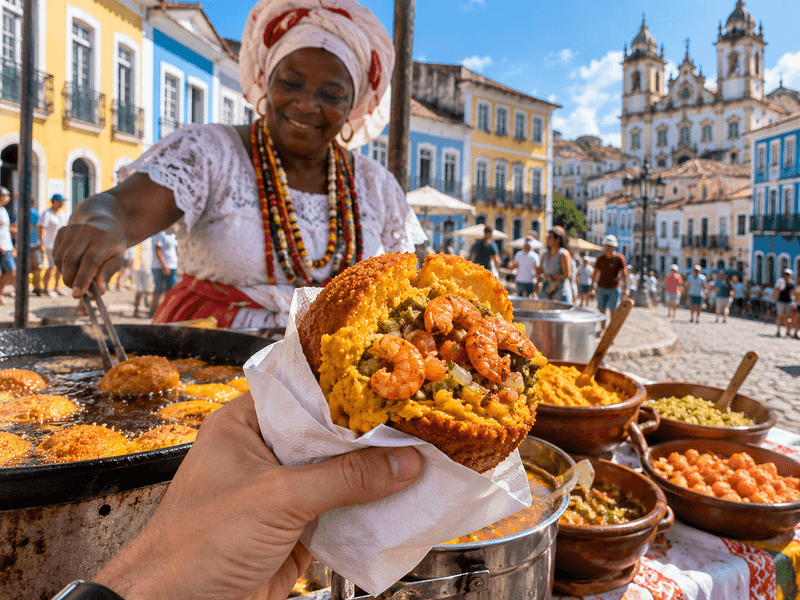
Before visiting Salvador, I imagined acarajé as simply a fried street snack. But when I first saw it being prepared right on the street, I realized there was much more to it. In front of me was a traditional tabuleiro run by a baiana, with small balls of dough frying in hot palm oil.
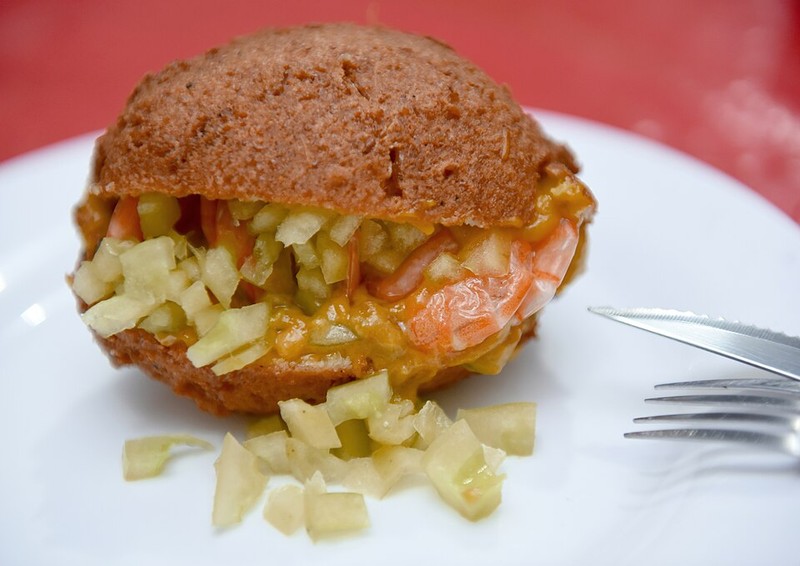
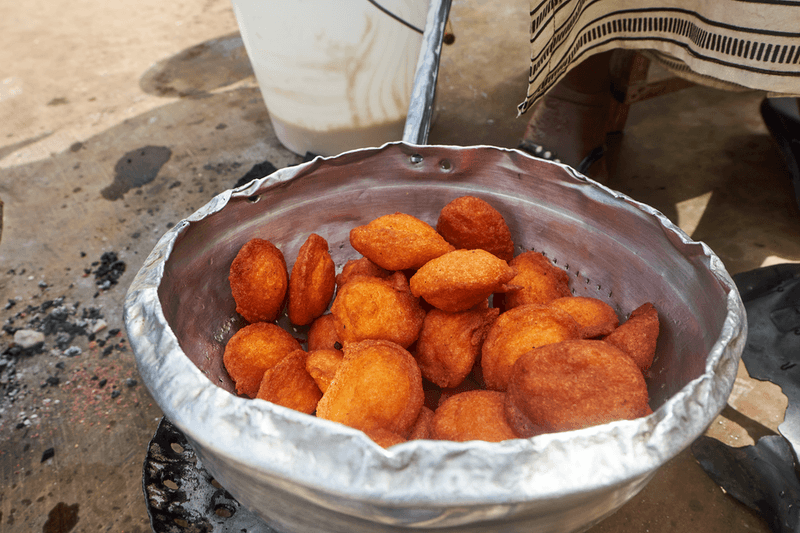
Acarajé is made from black-eyed peas, onion and spices, then fried in dendê oil. It is usually cut open and filled with vatapá, caruru, dried shrimp, salad and pepper.
My first acarajé was eaten right on the street
At first, I simply watched the preparation. The baiana, dressed in traditional clothing, quickly shaped another acarajé and dropped it into the hot oil. The distinctive smell of dendê made it almost impossible to walk past.
I ordered one with vatapá, shrimp and a little pepper. The outside was crispy, while the inside was soft and airy. The filling added a creamy texture and rich flavor, while the pepper turned out to be much hotter than I expected.
It turned out to be much more than a snack
While eating, I started paying attention not only to the food. These stalls are part of everyday life in Salvador. Baianas prepare and sell traditional foods in streets, squares, markets and during local celebrations.
The history of acarajé is closely connected to Brazil's African heritage. The tradition came from West Africa with enslaved Africans and eventually became one of the most recognizable parts of Bahia's culture. In a religious context, acarajé is also connected with Candomblé traditions and the orixás.
Now I understand why you should try it in Salvador
The most interesting part for me was realizing that acarajé cannot be seen simply as a dish. When you buy it from a baiana on the street, you are also encountering a part of the city's history. There is African heritage, religious tradition and everyday street life all in one place.
I came to try local food and ended up with a much richer experience. The hot acarajé, the smell of dendê, the noise of the street and the small line at the stall stayed in my memory much longer than many meals in regular restaurants.
If I return to Salvador, I will definitely stop at another tabuleiro and try acarajé again. Next time, though, I will probably ask for a little less pepper.

Comments