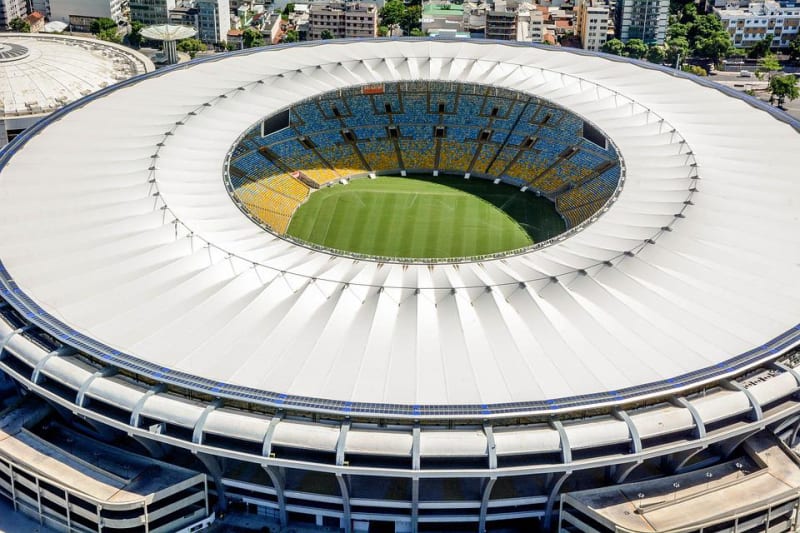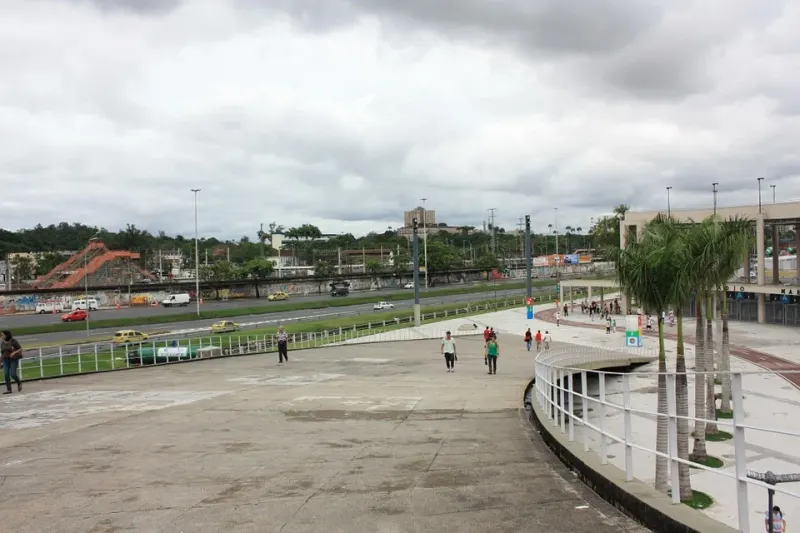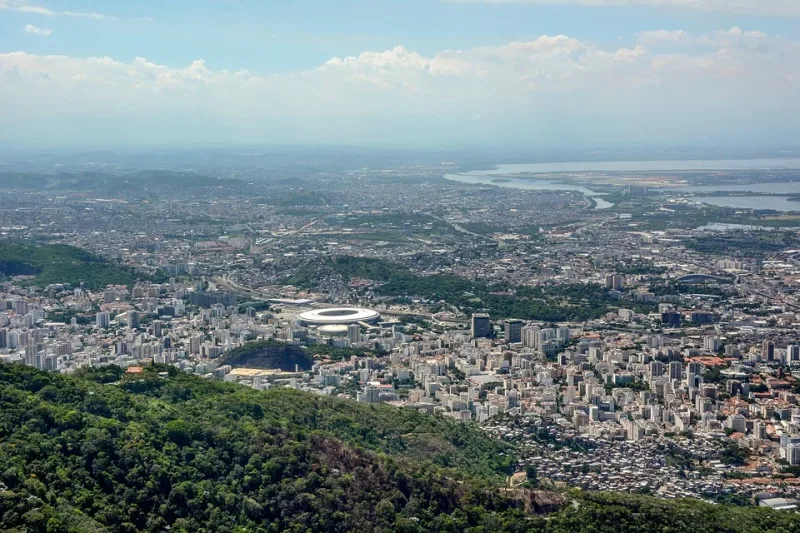

Brazil is known worldwide as the country of the most passionate football fans and the birthplace of famous football players. It is no coincidence that the famous Maracana Stadium stands in Rio de Janeiro, on the field of which the hottest football battles have been fought for decades. The official name, Mario Filho, was given to the stadium in honor of the famous Brazilian sports journalist who put a lot of effort into its creation. The stadium is popularly called the Maracana, which is the name of the area in which it is located, the river that flows there, and the name of a special species of parrots that lived in the area.
Construction history
Initially, the Maracana stadium was planned to be built instead of the old stadium of the Vasco da Gama football club. But Brazil was chosen as the venue for the 1950 World Cup. By the way, it was the only country that offered to host the championship. The Rio de Janeiro authorities took over the construction costs, so the stadium is still owned by the city. Construction began in August 1948. The project provided for the construction of a giant structure with the largest field and accommodating the largest number of spectators in the world. 7 of Brazil's best architects worked on it. The construction was fully completed in 1965. For a long time, about 200 thousand fans attended the matches held at the Maracana. The Guinness Book of Records records the number of 180 thousand viewers.
In June 1950, the new stadium opened a match between the youth teams of Rio de Janeiro and Sao Paulo. The stadium has already welcomed the guests, but the work has not yet been completed – not all toilets have been installed, and the construction of the press box has not been completed. It didn't seem to be the main thing – the field and stands are ready, which means a grand football spectacle will take place! In that match, the Sao Paulo national team won 3-1. The well-known Didi opened the scoring of goals at the stadium.
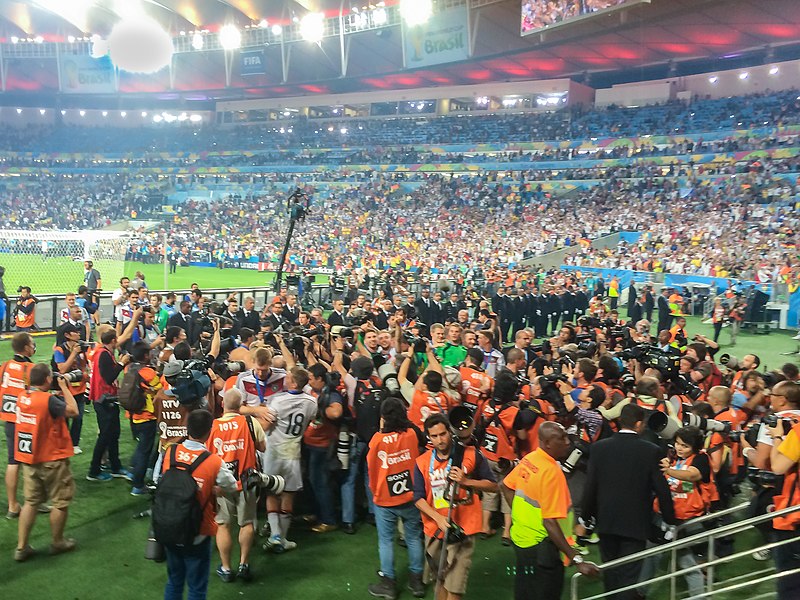
During the championship, when the matches of the national team were held, the government announced days off. The most spectacular was the final battle between the national teams of Uruguay and Brazil, which ended with a 2-1 victory for Uruguay. Passions were running high. To this day, many Brazilians perceive that defeat as a national disaster. The match became known as the Maracanazzo. About 200,000 fans attended the final. A significant number of them stood in the aisles and occupied benches specially installed during the matches. Tickets for such "standing" seats as the "geral" were sold for a nominal cost of about $ 1. Even the most low-income viewers could afford to buy them. Later, when part of the stands collapsed during one of the matches, FIFA set strict requirements for the stadium before the 2014 World Cup. The Football Federation has demanded that all seats be only "seated" and numbered. "Geral" has been cancelled. The reconstruction of the stadium for the championship cost $ 480 million. The capacity was reduced to 73,000 seats for the audience.
Maracana Stadium nowadays
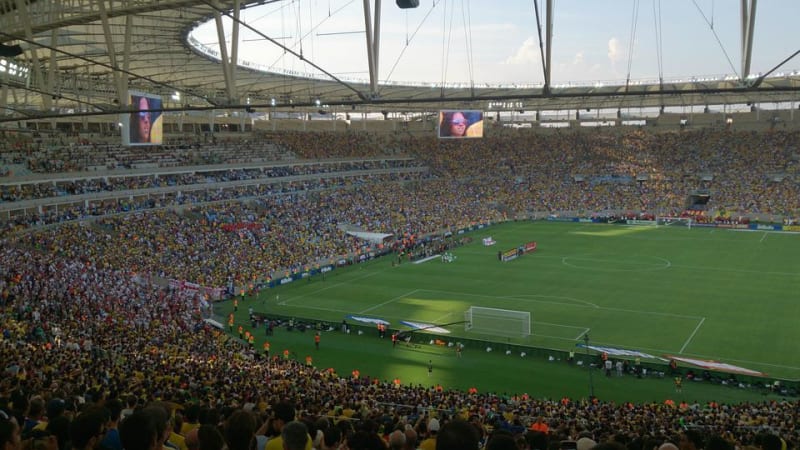
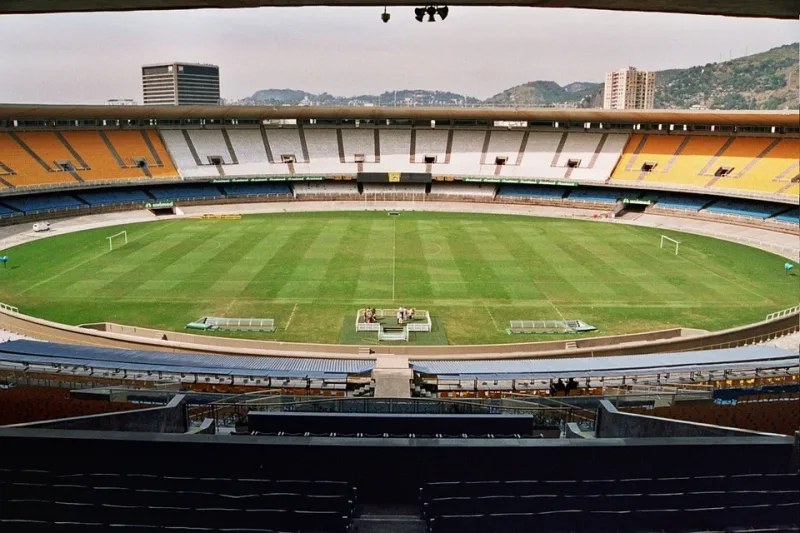
Today, the Maracana is the home arena of Flamengo and Fluminense. The national team holds championships here. The famous clubs Botafogo and Vasco da Gama also hold their qualifying and final matches at the Maracana. The Carioca League finals are held every year. The stadium has an oval shape. A huge plastic visor is mounted on the consoles above it. The complex has 60 cafes, almost 300 toilets, 12 escalators and 17 elevators. The complex covers almost 200,000 sq. m.
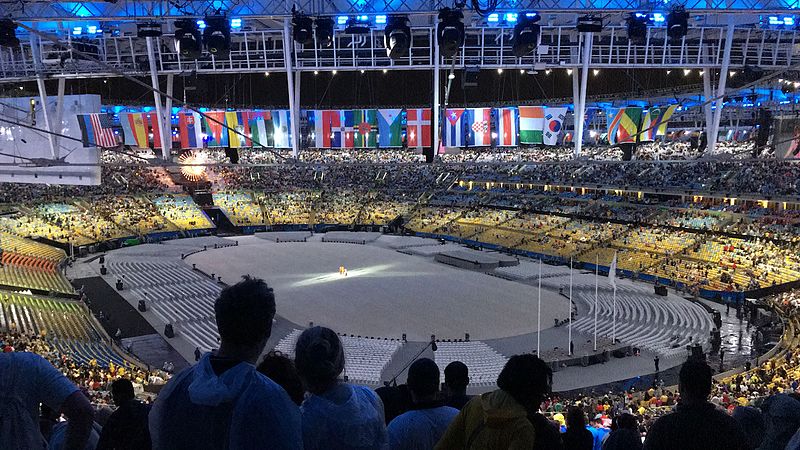
For the fans, 4 huge digital monitors broadcast a close-up of everything that happens on the field. The screen size is 100 sq. m. The stadium is illuminated by 396 powerful spotlights, and all events are recorded by 360 cameras. An indoor gym has been built next to the football arena. In addition to boxing and tennis competitions, concerts and festivals are held in the hall. In 2016, the stadium hosted the opening and closing ceremonies of the Olympic Games.
A Hall of Fame dedicated to the great football players who played at the Maracana has been opened in the sports complex. Among them are Didi, Pele, Barbosa, Ronaldo, Zico. The stadium hosted concerts by stars such as F. Sinatra, Kiss, P. McCartney, T. Turner, Sting, Madonna, and the Rolling Stones. Pope John Paul II even preached a sermon here once. In 1998, the Maracana was recognized as a historical monument. Although the stadium has lost the championship in size today, it is impossible to imagine Brazilians without it. The Maracana has become part of the national culture, and it is still called the "temple of football."
Gallery