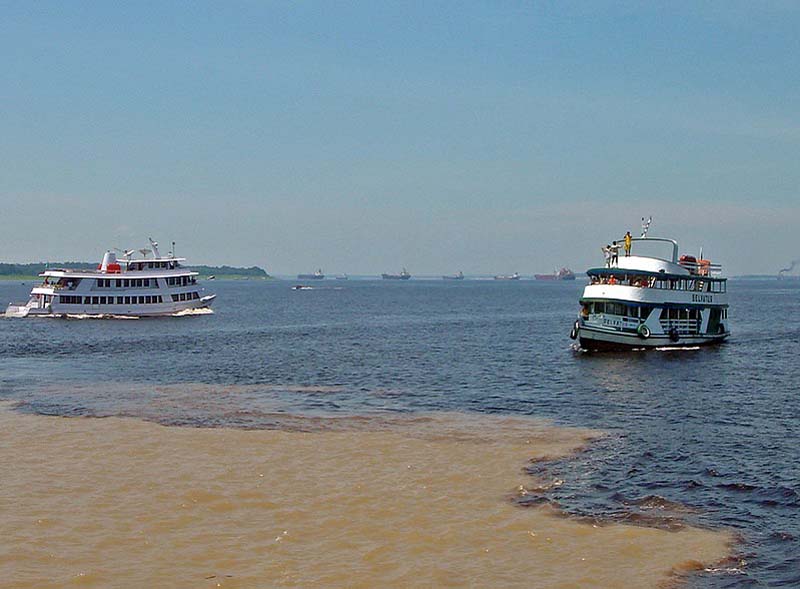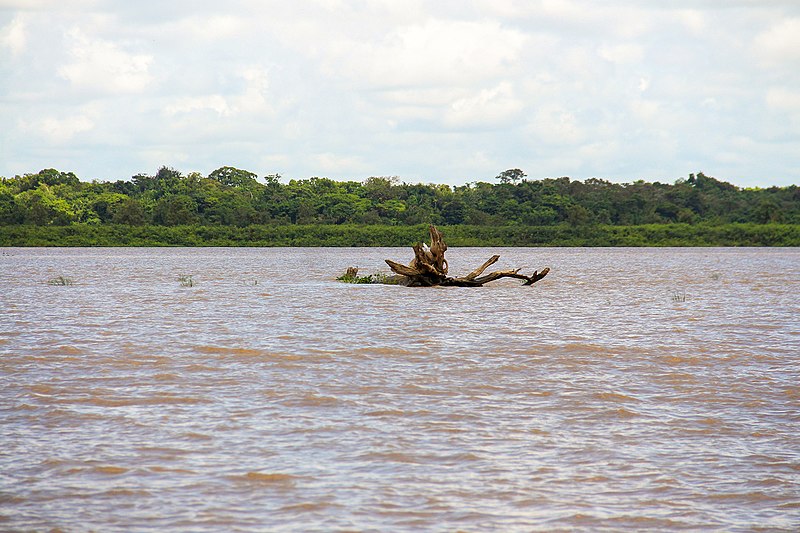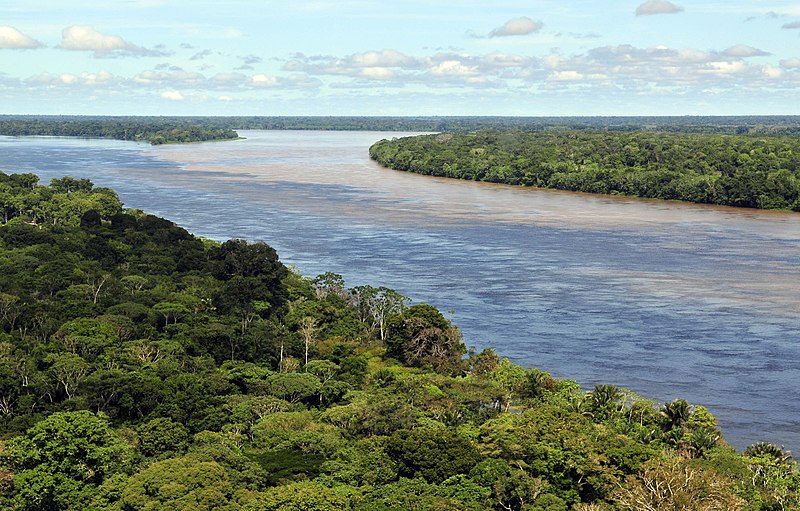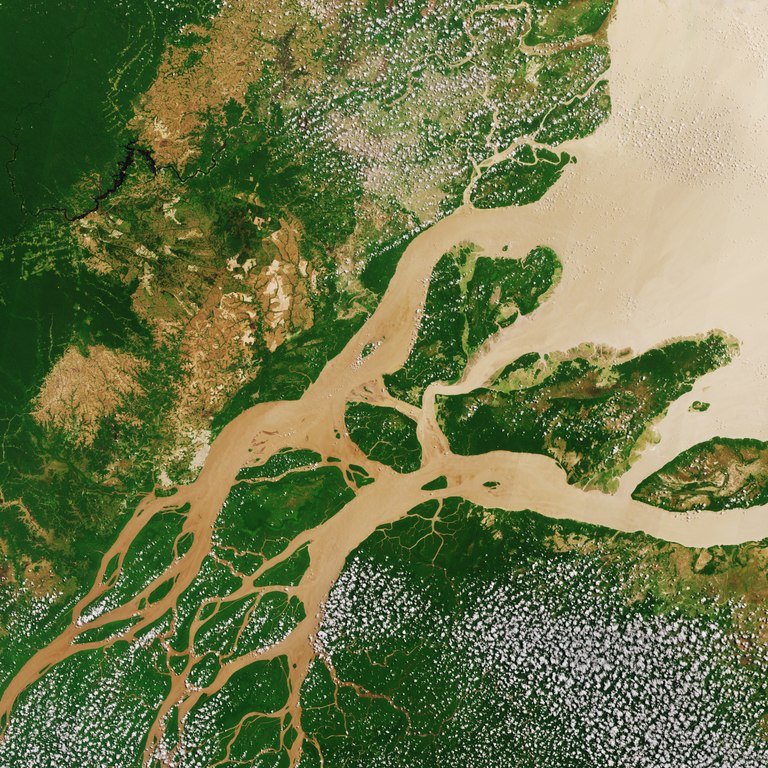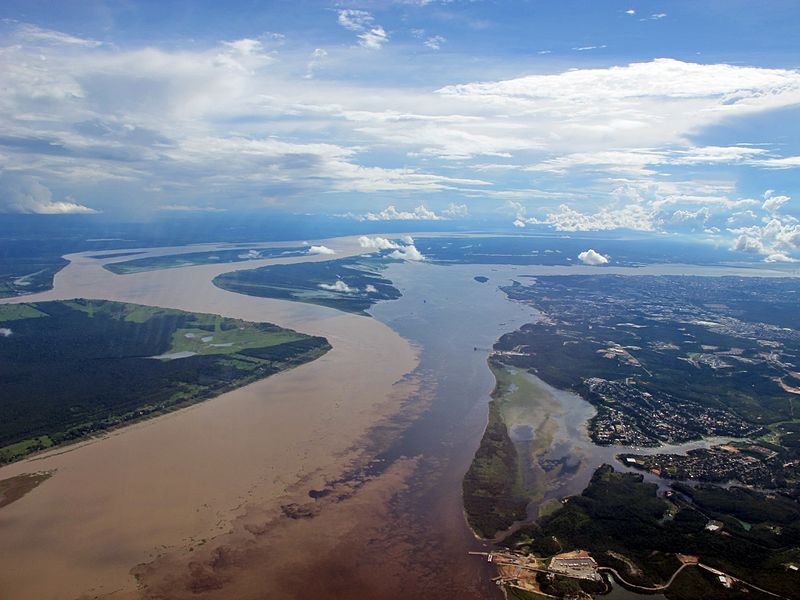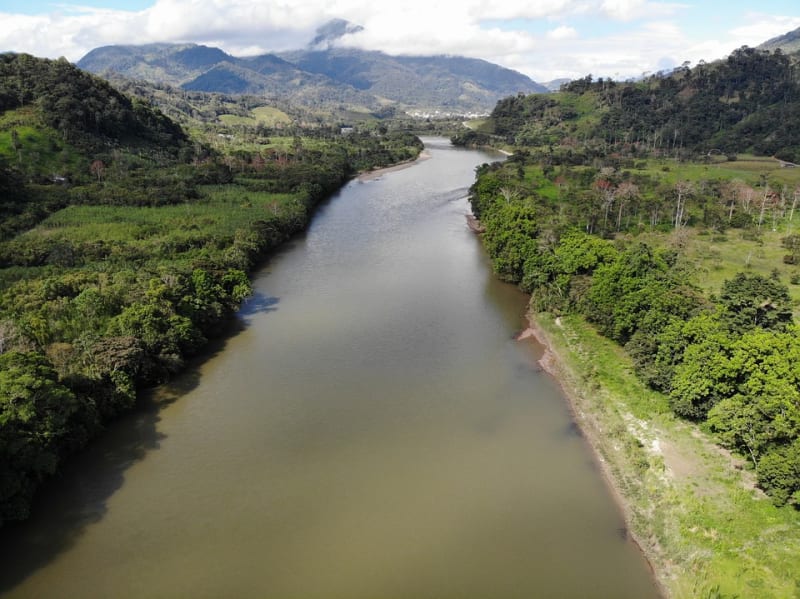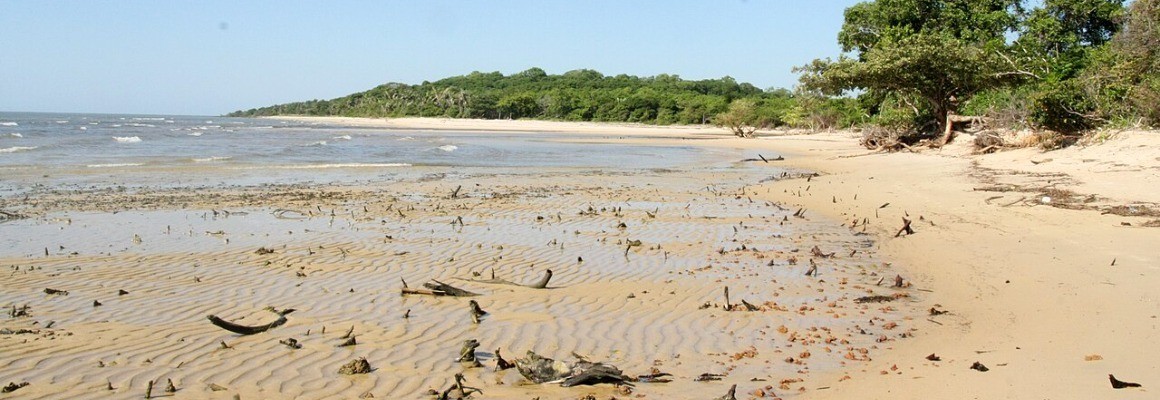

The largest river in South America is the Amazon. Its length is 7,100 km and is comparable only to the Nile (6,650 km). The Amazon is formed by the junction of the Maranhón and Ucayali rivers. The river stream fills many large and small tributaries. Flowing near the equator, the river flows into the Atlantic Ocean, forming a delta of 100,000 square kilometers – the largest on the planet. Its width is 320 km. It is home to the largest river island on the planet, Marajo, which is almost identical in area to Switzerland.
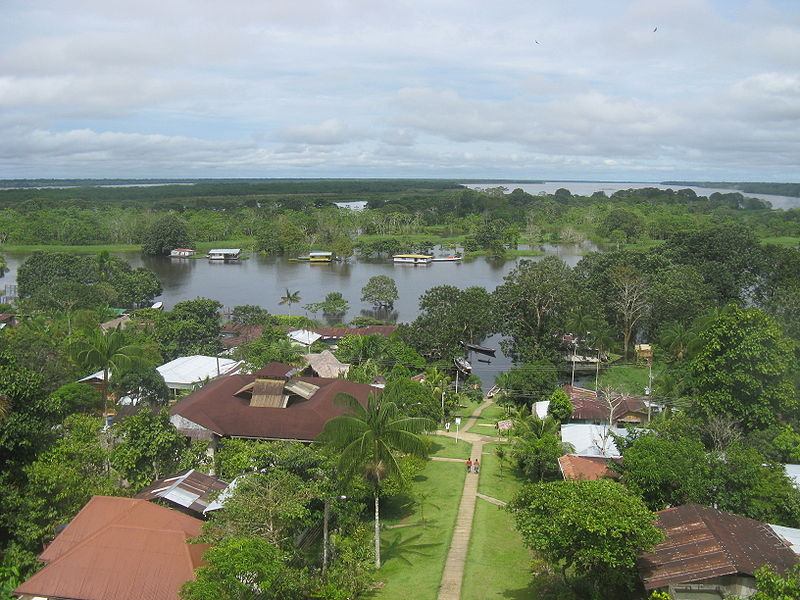
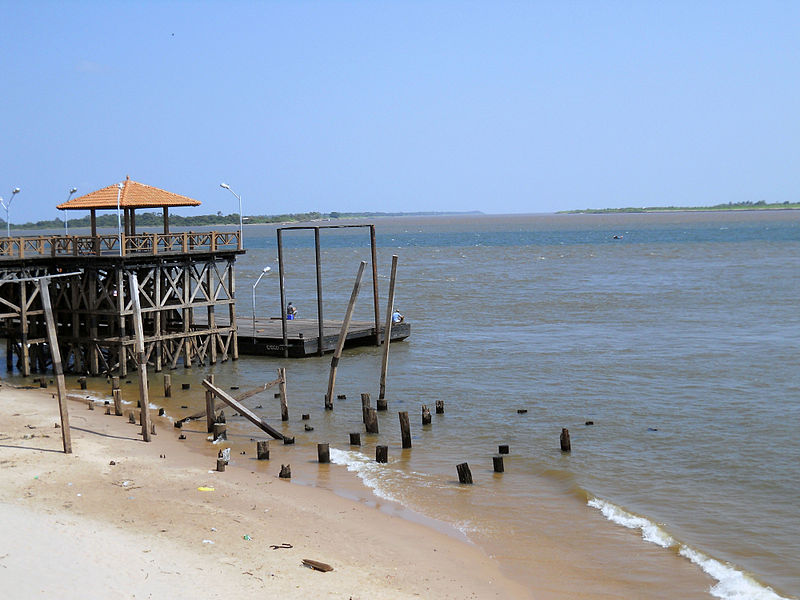
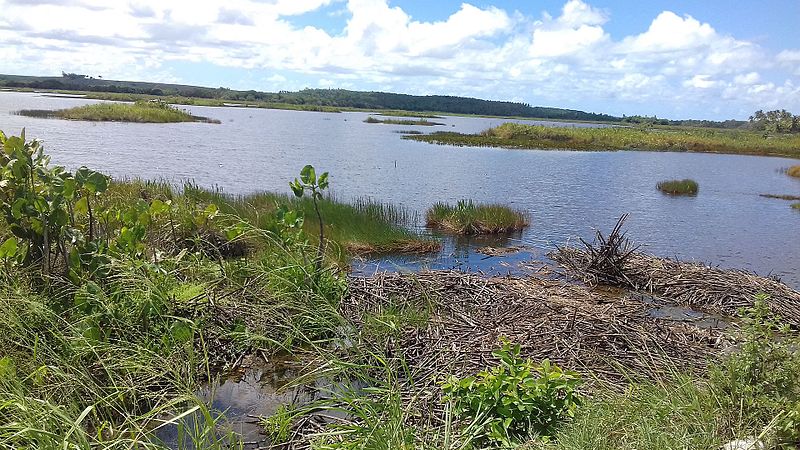
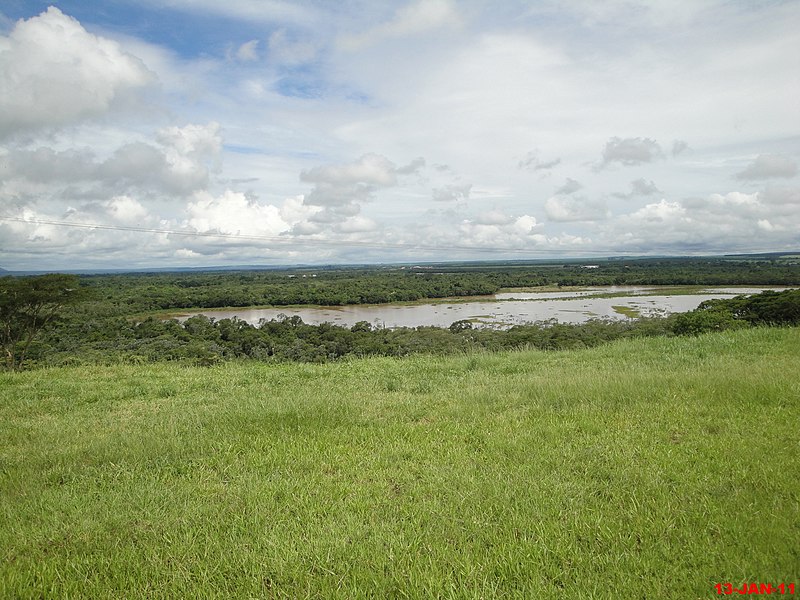
One fifth of the total amount of wastewater flows into the world's oceans from the Amazon. It brings only 900 million tons of suspended solids in its waters per year. The stream is full-flowing throughout the year. When the water rises due to the rainy season, the river spreads over large areas, becomes up to 50 km wide and in places forms impassable swamps. The largest part of the Amazon passes through Brazil, as well as through Bolivia, Peru, Colombia and Ecuador. The riverbed is navigable for almost 4.5 thousand km to the Andes Mountains. Ocean-going vessels can enter only 1,700 km to the port of Manaus. Many ports have been built along the river. Among them are Obidos, Belen, Iquitos and others. According to calculations by scientists at the University of Brazil, the river is 9 million years old, and the forests around it are 100 million years old. The river is so wide that the first travelers mistook it for the sea. Only one bridge has been built across the Amazon River and not even over the main riverbed.
History of the discovery of the Amazon River
It is believed that the Amazon was discovered by the Spaniard F. Orellana. A conquistador with a detachment in the western part of South America saw a river. He decided that she was falling into the Pacific Ocean and went with the flow. The group crossed South America in a wide part of the continent, making it the very first of all Europeans, and found themselves near the Atlantic Ocean. In 1542, during the journey, the Spaniards met a tribe of Amazons, and began a battle with them. Scientists are sure that these are not Amazons, but Indians with long hair. Therefore, the conquistadors thought that they had warlike women in front of them. Orellana decided to give the river his name, but after the battle he changed it to "Amazon". For the first time, a traveler from Portugal, P. Teixeira, crossed the Amazon from the delta to the beginning of the source in 1639. The Jesuit K. Akunya, who was with him, was the first to draw up a description of the river, the surrounding shores, fauna and flora.
Flora and fauna
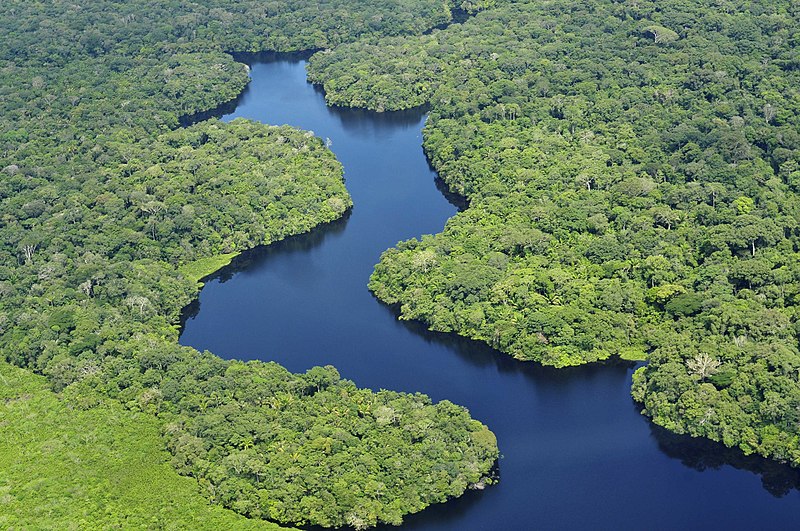
Scientists believe that the Amazon is the genetic foundation of the planet, as its flora and fauna are so diverse and rich. Among the studied and identified species, for every 10 square kilometers of jungle surrounding the river, there are on average 750 tree species, 1,500 flower species, 2.5 million insect species, 125 mammals, 400 birds, and many invertebrates. Today, a significant part of the species has not been described or studied. There are 3 thousand kinds of fruits growing in the jungle surrounding the river. Half of the creatures living on the planet live around the Amazon. Swimming in the river is dangerous – there are many crocodiles and famous piranhas.
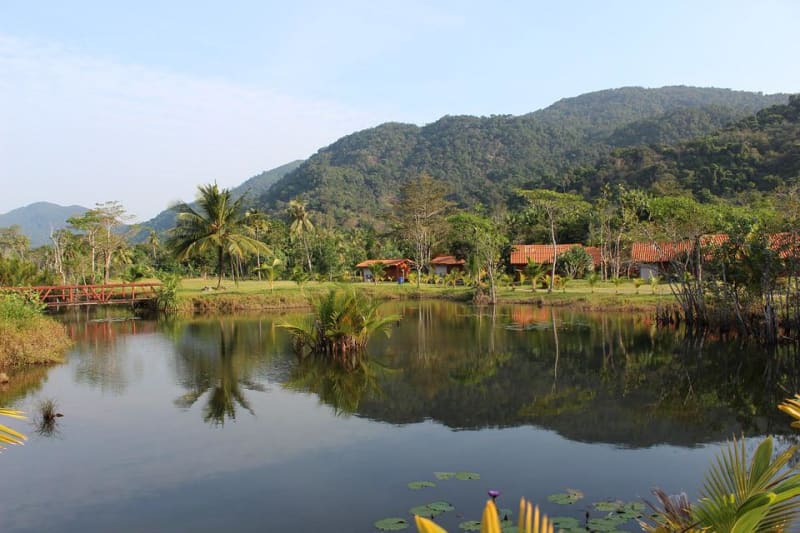
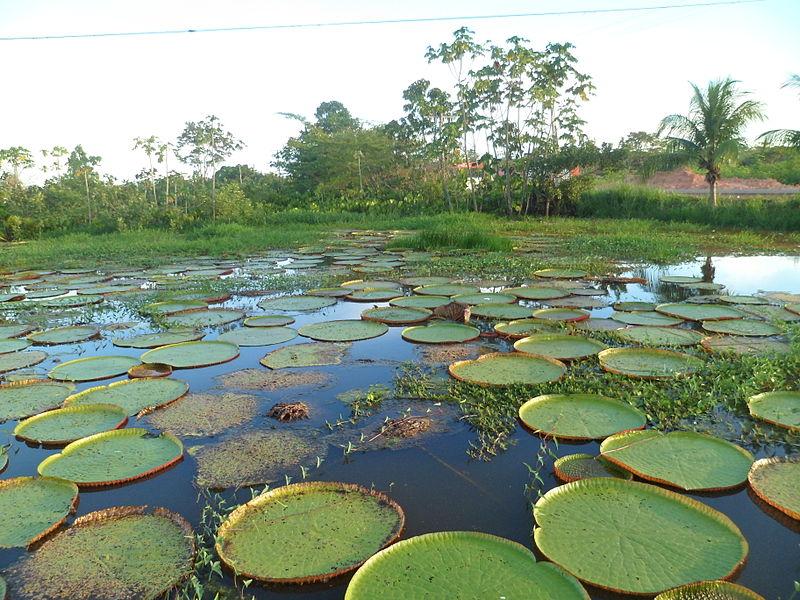
There are 800 species of palm trees in the rainforest. Copybaras, boa constrictors are often found among the animals, and river dolphins are also found. On the river you can see a wonderful giant plant – the Victoria Regia water lily, which can withstand the weight of a person.
The climate in the Amazon jungle is hot and humid. There are 2 thousand species of fish in the river waters. Among them are the giant aravan, rare tambaki, lepidosirenes. The sounds of "singing" haraka fish and flathead catfish are often heard over the river. The Amazon is home to some aquarium fish. For example, scalars and guppies. The Amazon rainforest is one of the main sources of oxygen on the planet, producing a fifth of it. The jungle is overgrown with powerful vines and is so dense that a road has to be literally cut through them.
Interesting facts
- Scientists have discovered a giant underground Hamza River at a depth of 4 km under the Amazon (this is an unofficial name used by scientific circles), similar in length and 400 km wide.
- At high tide, a huge wave appears on the river, sometimes going up to 1000 km against the current.
- In 2011, the Amazon was recognized as one of the seven great natural wonders of the world.
- Even today, the Amazon is little explored.
- Martin Strel from Slovenia swam the entire length of the river in 2 months, covering 80 km per day. Briton Ed Stafford walked along the entire river in 859 days.
- The area of the Amazon River basin is approximately equal to the area of Australia.
- The river pours such a huge volume of water into the ocean that it desalinates it within a radius of 150 km from the point of infusion.
- Entire civilizations have appeared and disappeared on the banks of the river during its history. There are still about 50 tribes living in the Amazon that are not in contact with the world.
Gallery