Atocha Station
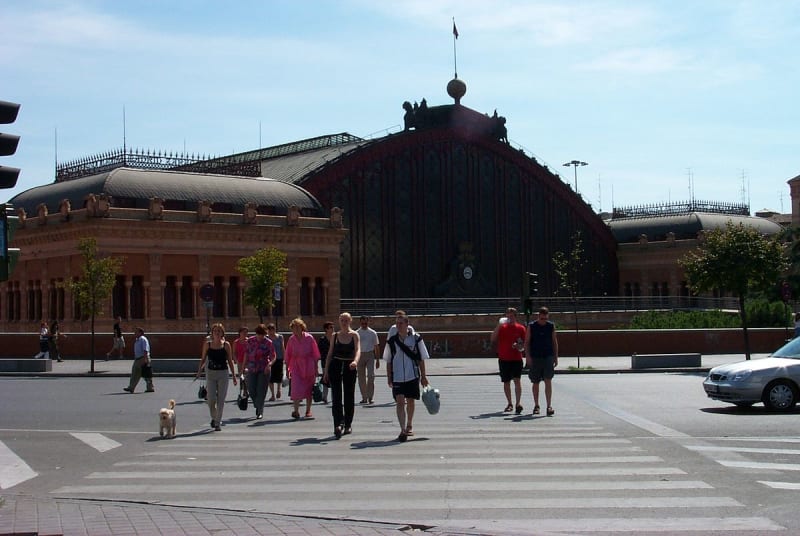
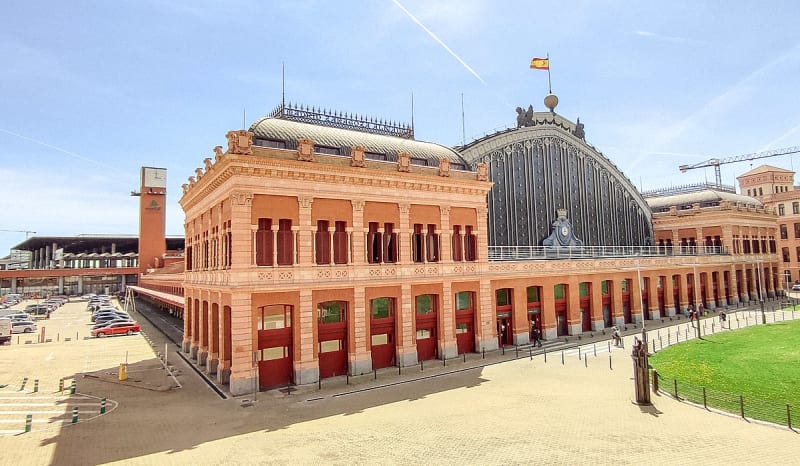
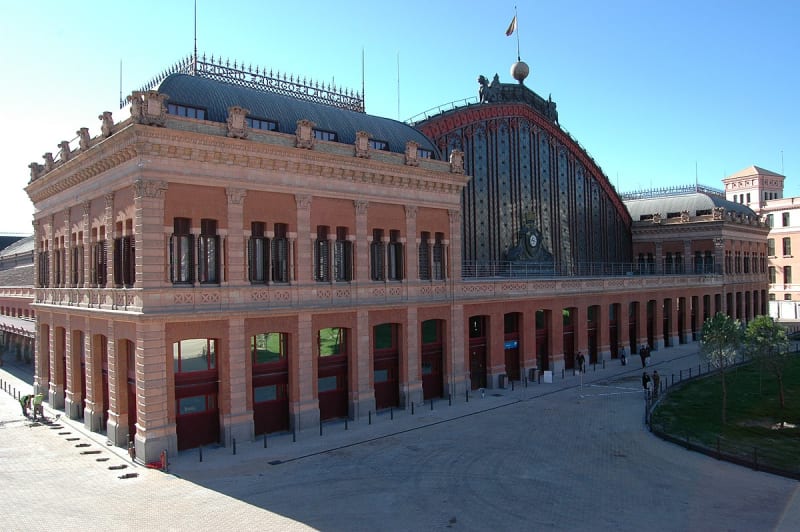
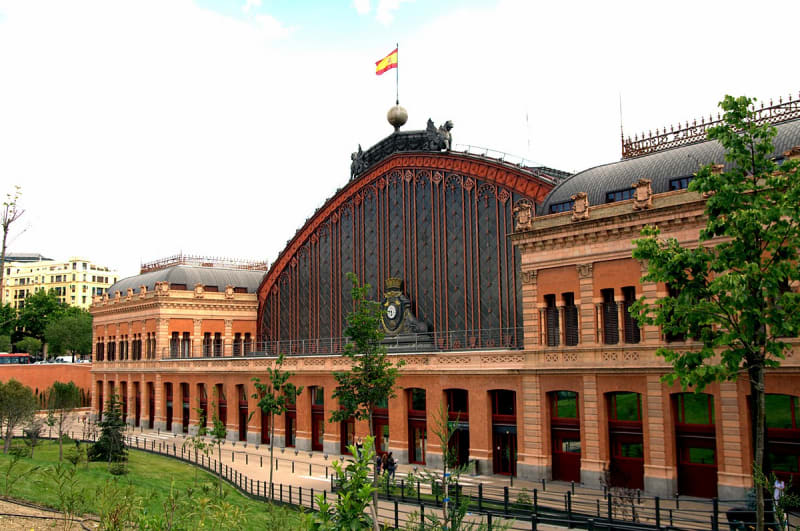
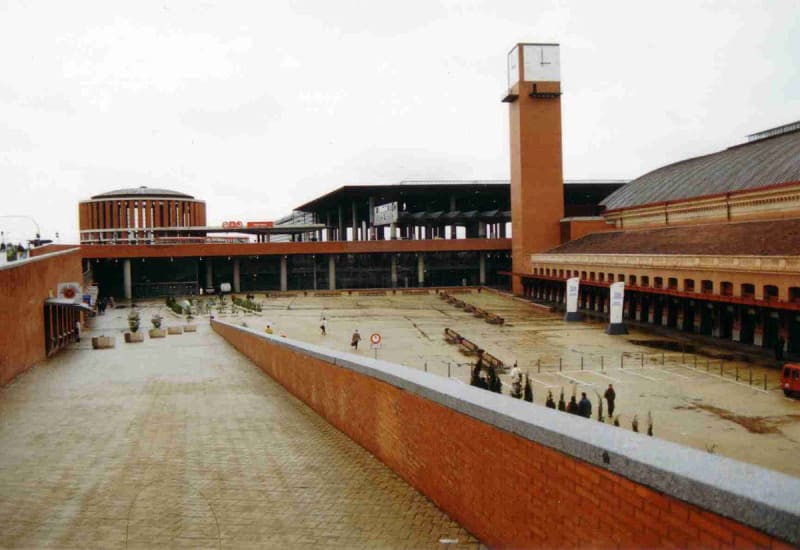
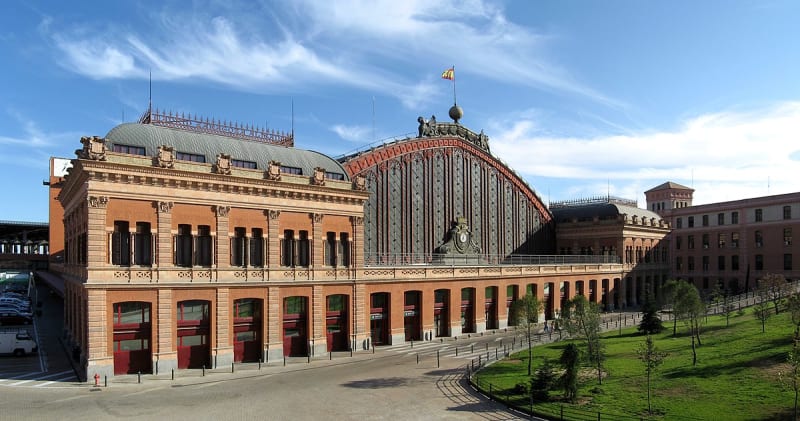
Atocha Train Station is located in the center of Madrid in an elegant old building. It is the largest transport hub in Spain, primarily the railway. High-speed and conventional trains run in all directions from here. Electric trains, buses and metro trains arrive here. From here they depart to local and international destinations. There is another train station in Madrid, Chamartin.
Description of the attraction
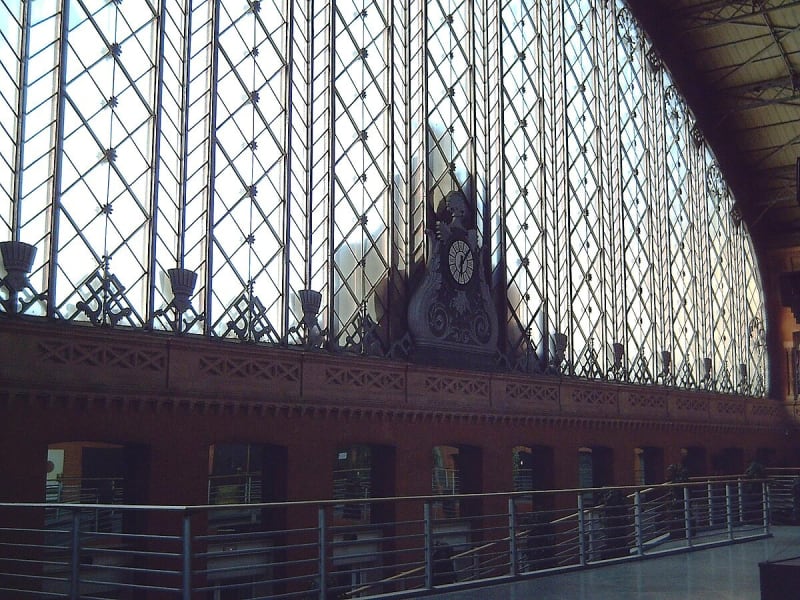
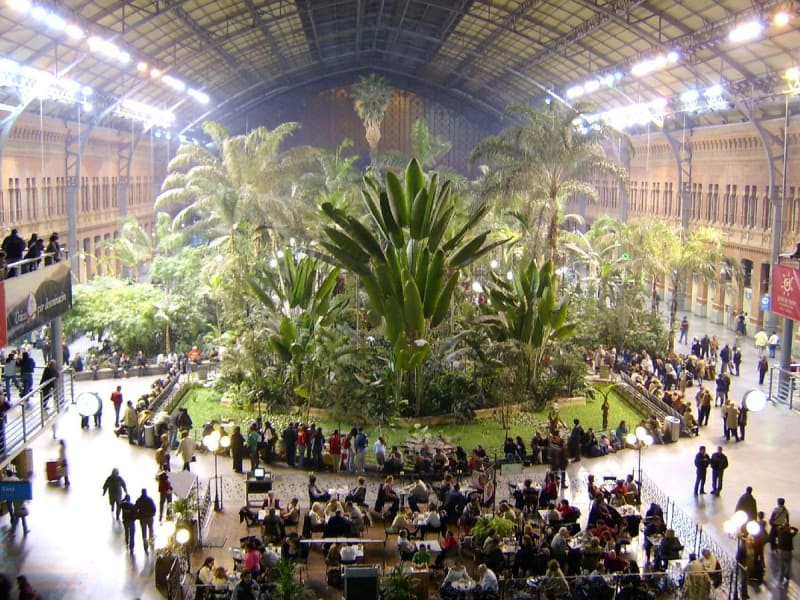
There are no platforms in the old Atocha Station building. After the last renovation in 1992, a magnificent winter garden with palm trees and other representatives of tropical flora was located under a huge glass dome. A total of 7 thousand specimens were planted. In the station greenhouse there is a fountain and an artificial pond inhabited by a colony of turtles and 22 species of exotic fish. The first specimens of animals were brought by local residents.
The project was carried out by architect R. Moneo. The garden has become a comfortable place for passengers to wait and locals to walk. There are long, comfortable benches all over the garden. There are cozy cafes and restaurants around. Even a stylish nightclub is open.
The halls and exits of the station are decorated with original monuments. For example, a sculpture of a salesman, or two giant children's heads, one with open eyes, identified with the day, and the closed ones with the night. The sculptures were executed by the Spanish artist A. L. Garcia.
Atocha Station has been crowded since early morning. The turnstiles are bustling. Inclined travelators are installed to conveniently move luggage from floor to floor. After a series of terrorist attacks in 2004 that claimed the lives of innocent people, only passengers with tickets can access the platforms, and mourners can only reach the turnstiles.
A bit of history
For the construction of the Atocha station, the ancient gates, which were once part of the medieval Madrid city wall, were demolished. The gate, like many buildings and structures in Spain, had its own name - Atocha. This is the name of a variety of Spanish gorse, a shrub with bright yellow flowers. In 1851, the station was built and named "Noon Station" - "Estacion Mediodia". The building was badly damaged after a severe fire.
In 1892, a new railway station was built. At that time, the railways were developing rapidly. There was a fashion for the construction of ornate railway stations with luxuriously decorated facades resembling palaces. Alberto de Palacio, a student of the great G. Eiffel, took an active part in the development of the project and the construction.
The new station was named Atocha
The station has 13 platforms and 24 tracks. 250,000 passengers arrive and depart here every day. For the year - 90 million people. Train exits are similar to airport terminals. There are soft, comfortable chairs for passengers, and the walls are decorated like a high-speed train compartment, with picturesque Spanish landscapes changing outside the windows.
Exhibitions and fairs are held in the Atocha Station building. Special pavilions have been prepared for their holding. The facade of the station overlooks Carlos V Square and is connected to 2 metro stations.