Nemrut Dag
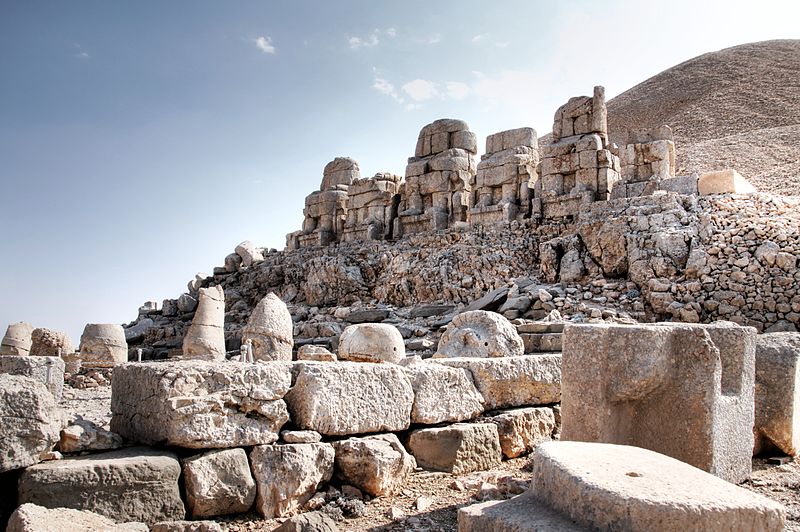
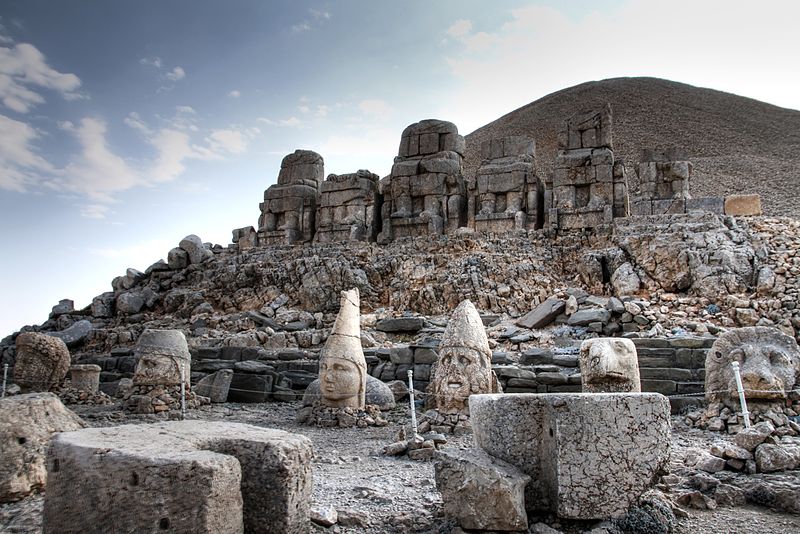
Nemrut Dagh is a national park in Turkey, based on Mount Nemrut Dagh with a height of 2,150 meters. The park itself is located near the city of Adiyaman. The name comes from the name of the legendary hunter Nimrud, the great-grandson of Noah. The mountain is known for its giant statues and was included in the UNESCO World Heritage List in 1987.
Nimrud was quite a famous character in the legends. According to one of them, Nimrud is credited with the idea of building the Tower of Babel, the "house of Nimrod." According to Armenian legends, Nimrud was a foreign king who conquered Armenia in order to exalt himself and challenge God by building a beautiful palace on a mountain. After building the palace, he climbed onto its roof and began shooting arrows into the sky, angering God. At the same moment, the ground beneath the palace opened up and he fell into the abyss, and a lake appeared in place of the palace.
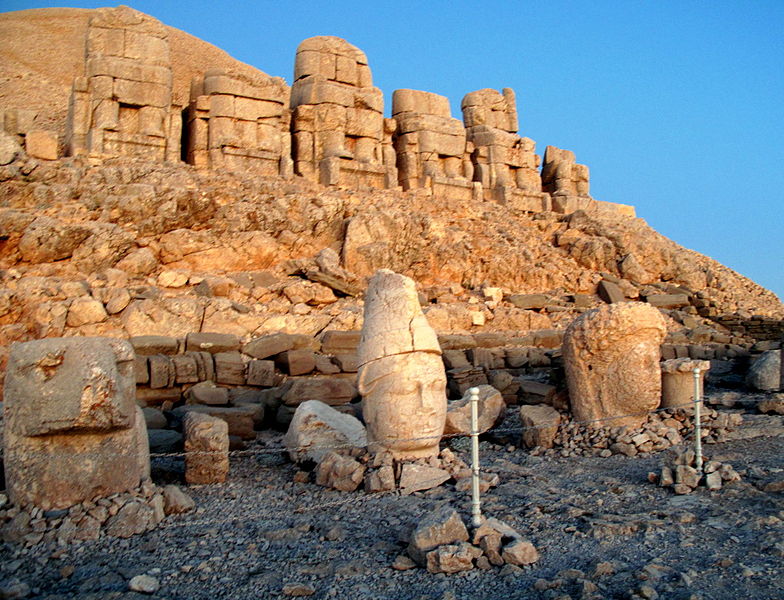
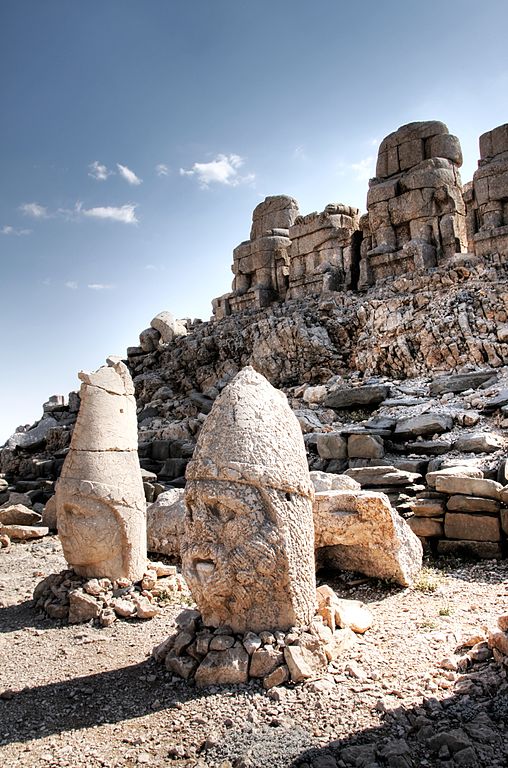
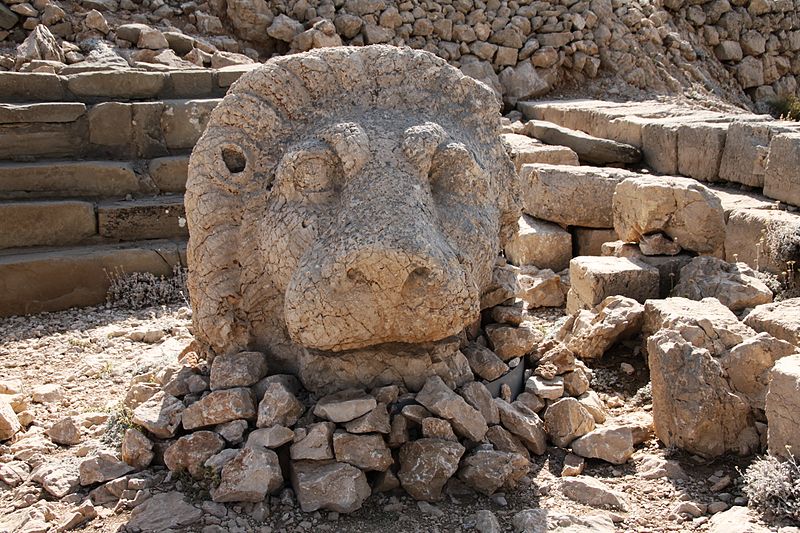
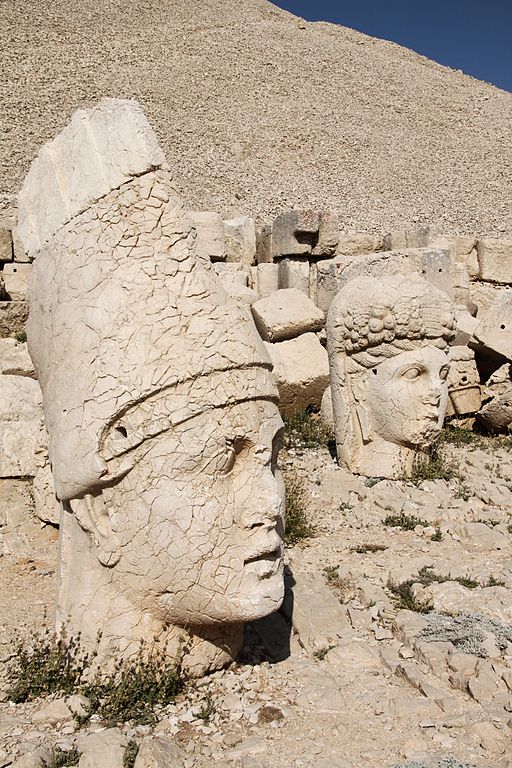
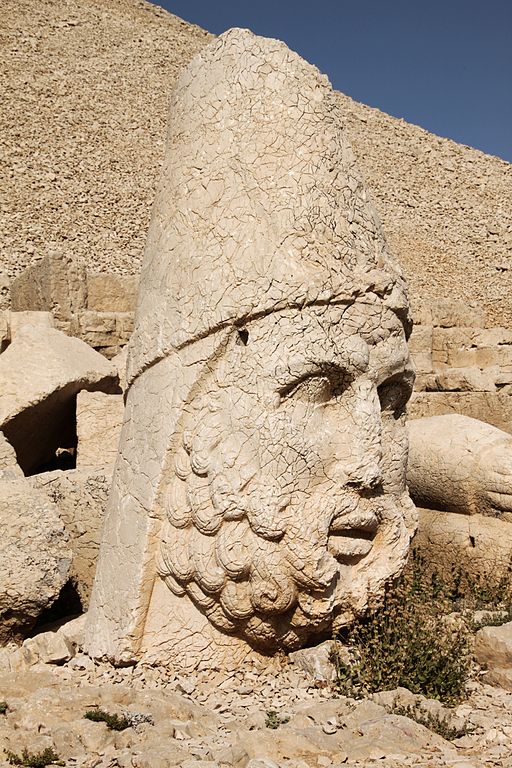
Currently, the mausoleum of King Antiochus I is located on the top of Nemrut Dagh Mountain. Antiochus believed that he was a descendant of Alexander the Great himself and King David of Persia. Because of this, he decided to combine the traditions of the West and the East, thus perpetuating his name. His will was stamped on the walls by his order. In 62, the mausoleum was completed, it was surrounded by huge statues 8-9 meters high, and in the center was a mound of small stones, 50 meters high. Under this burial mound lies the coffin of Antiochus I of Commagene. The edges of the mountain on which the mausoleum is located are equipped with terraces decorated with statues of Antiochus, oriental gods and heroes of Greek myths.
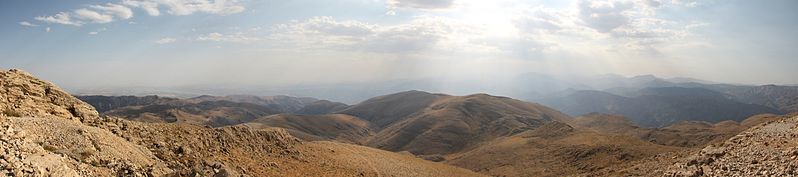
Nowadays, Nemrut Dagh Mountain is surrounded by a desert territory, but several thousand years ago there was a fertile plain here, at the intersection of trade roads between East and West, there was a small state of Commagene. Since ancient times, it has attracted the rulers of powerful states: Parthia stretched from the southern and eastern sides of it, and Cappadocia and Armenia, which at that time were under the protection of the Roman Empire, stretched from the northern side. The history of the small kingdom of Commagene has not been noticed by significant events, but its rulers managed to maintain their independence for 2 centuries. It was only in 72 that Emperor Vespasian annexed these territories to Rome, and the Romans gave the former capital of Commagene, Samosata, a new name - Flavia.