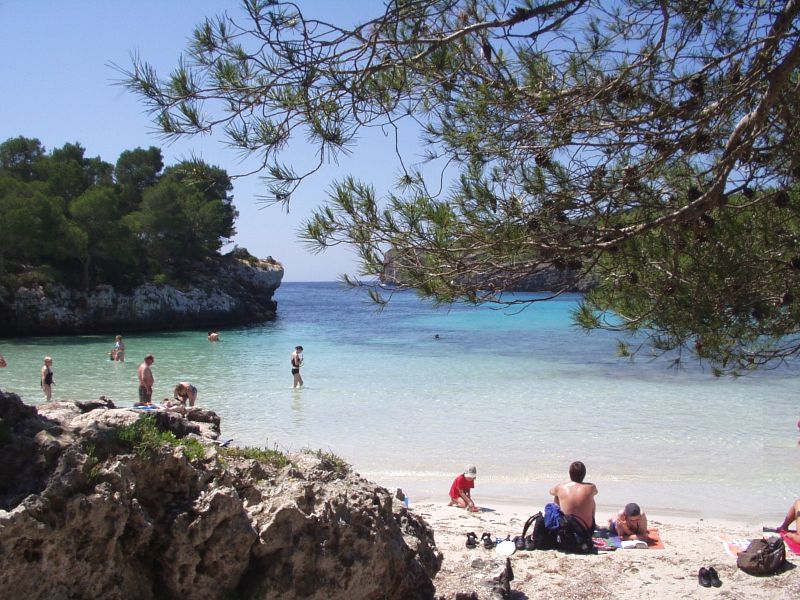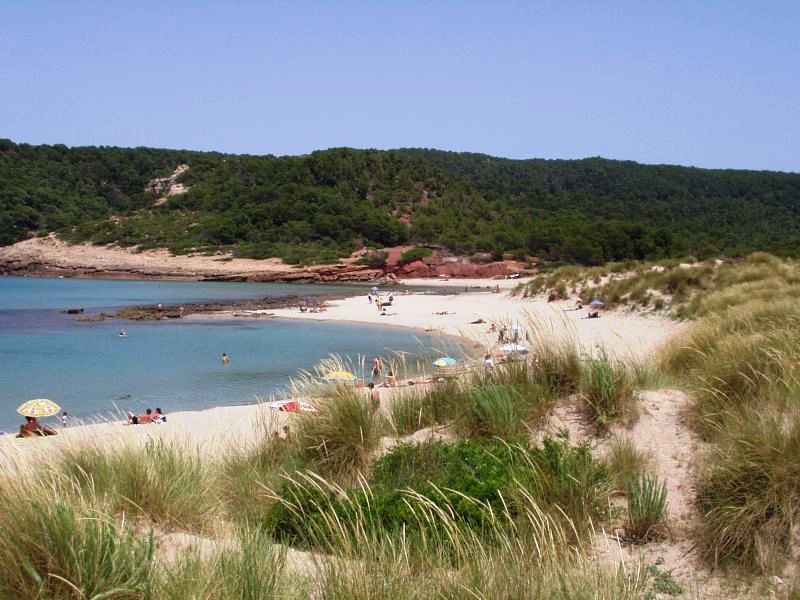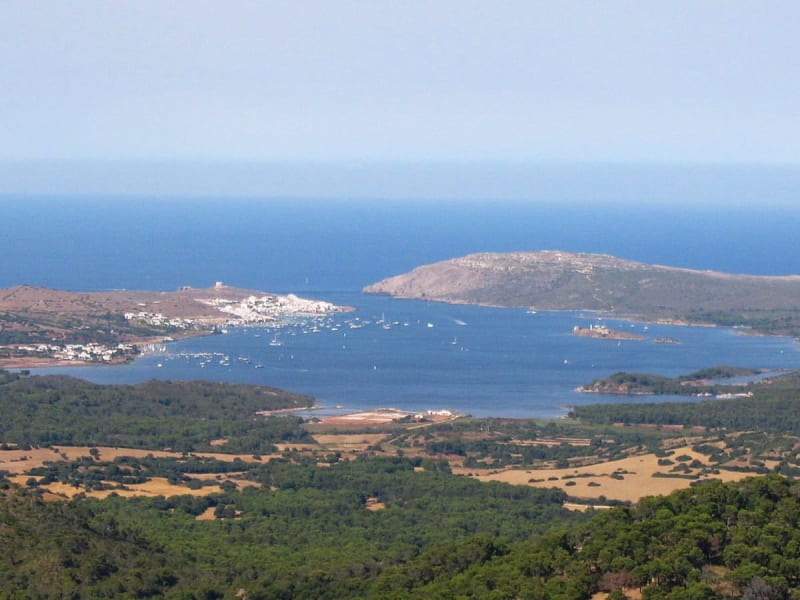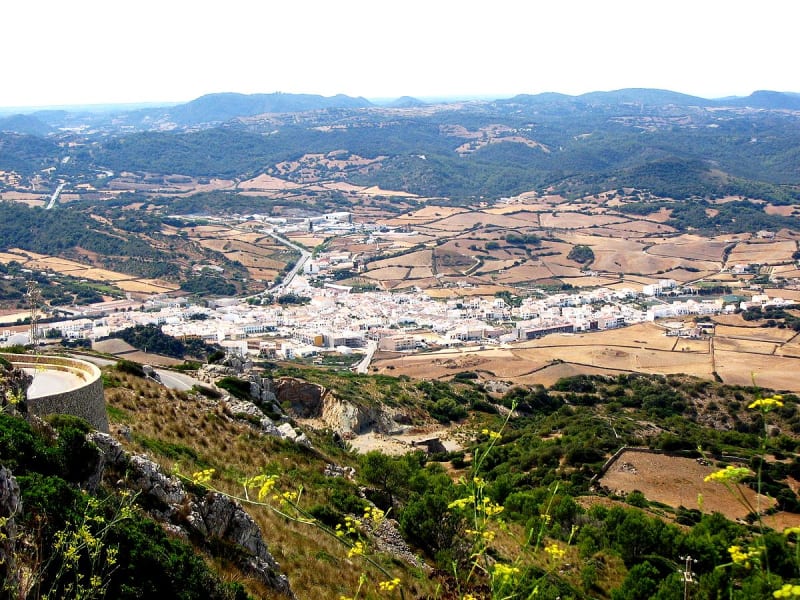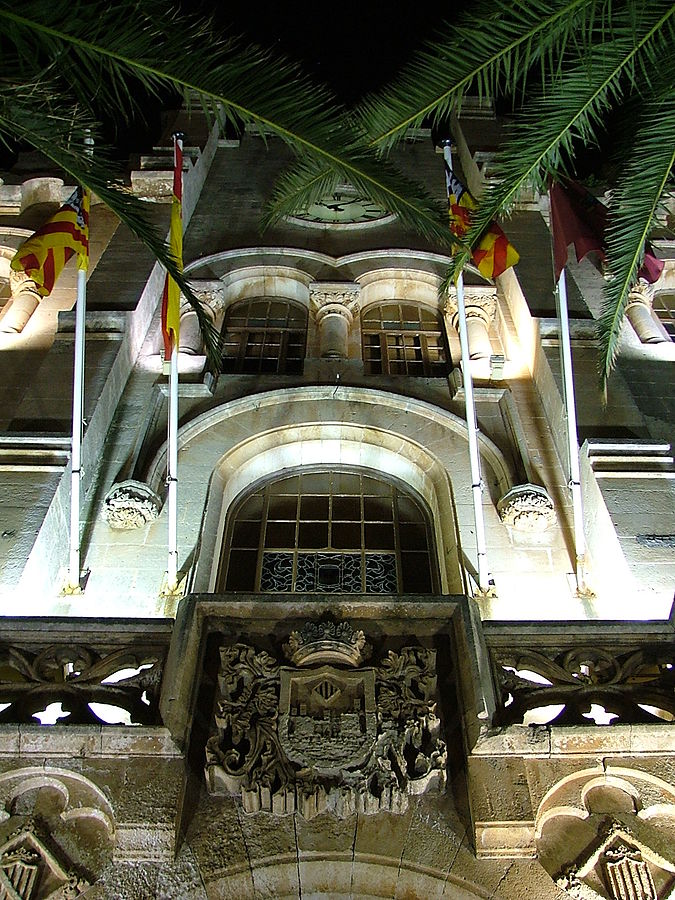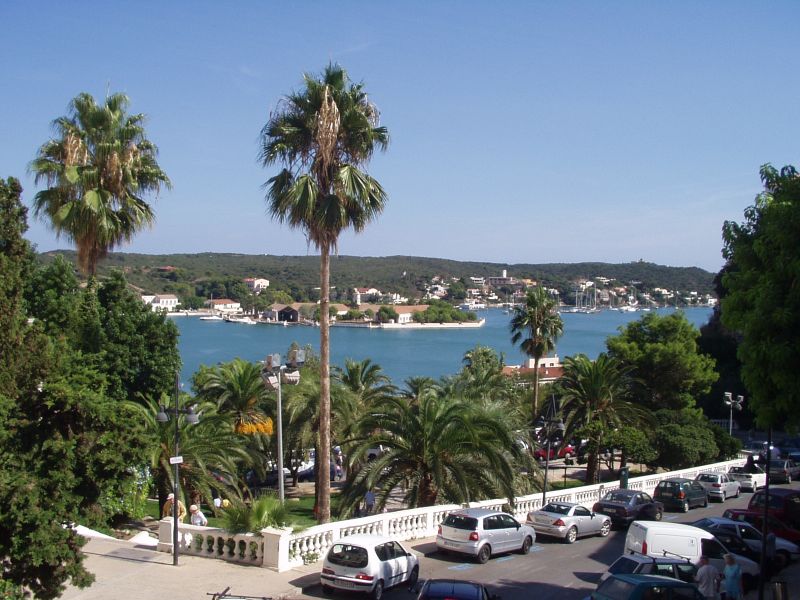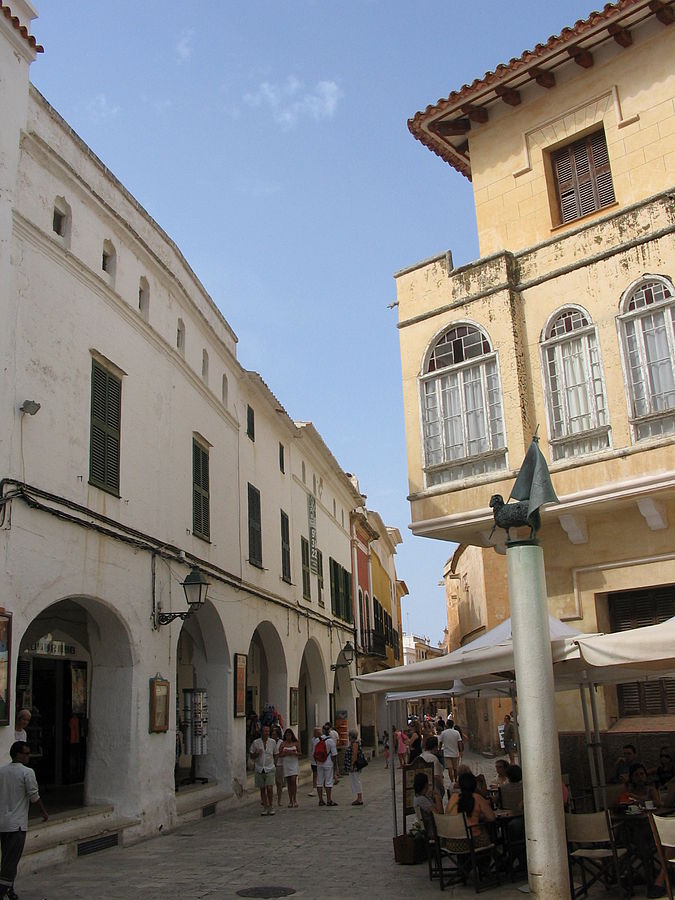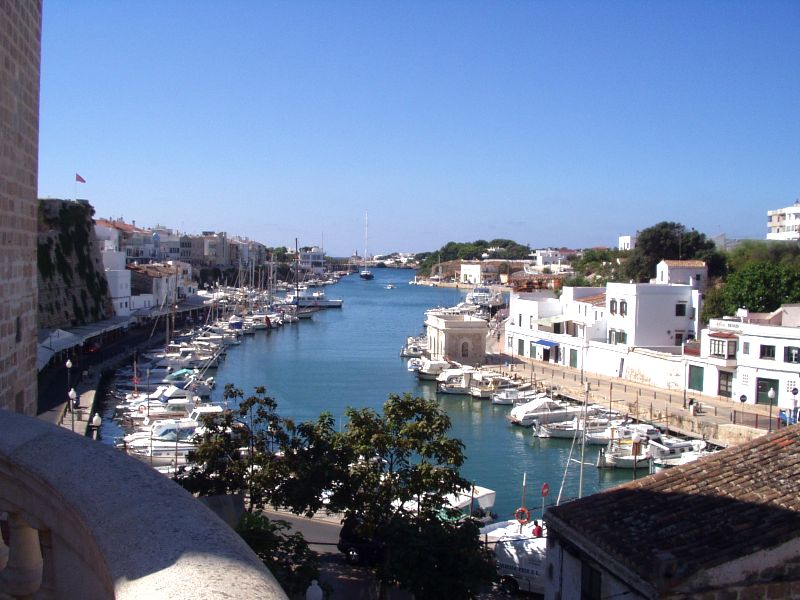

The island of Menorca is located next to Majorca and Ibiza in the Mediterranean Sea. The territory also belongs to Spain. Wide sandy beaches, rocky coves with clear turquoise waters, surrounded by emerald pine forests, attract millions of tourists every year. In addition to sandy beaches, there are also pebble beaches, more than 50 in total. Minorca enjoys its mild climate, and there are rarely rainy or cloudy days.
History of the island
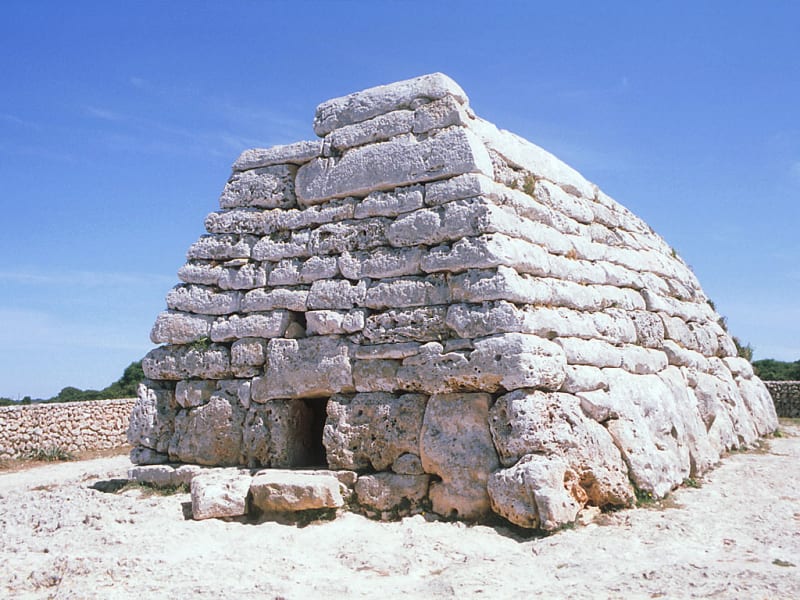
Minorca is called an open-air museum. Mysterious libel monuments have been preserved on the island, left over from the ancient Talayote culture, which has a history of more than 3 thousand years. The ancient necropolis consists of 14 caves. Slanders are burials that look like overturned boats.
The island, like Majorca, has an important strategic location, which was used by pirates to attack Roman merchants. The Roman Empire sent its army to fight them. In 121 BC, both islands were already under the rule of the Roman emperors.
In the 5th century, the island was captured by Vandals, and in the early 10th century, the Moors ruled here, naming the island Manurka. In 1231, the Crusaders occupied Majorca, but Minorca remained Islamic and became an independent state. However, she paid tribute to King Jaime of Aragon. In 1287, on January 17, Minorca became Aragonese. Muslims were turned into slaves and sold in slave markets.
In the 16th century, the Turks destroyed Mahon and Ciutadella. In 1708, Great Britain captured Minorca, making Mahon the capital, and building a military base in the harbor. It was not until 1802 that Minorca became Spanish.
The island's frequently changing conquerors have left their mark on both architecture and cultural traditions, bringing their own flavor. There are more than 1.5 thousand historical monuments on the island.
Description
In terms of area, Menorca ranks 2nd among the Balearic Islands. The ancient Phoenicians called Minorca "Nura" - the island of fire. As they approached the island, they saw hundreds of lights. The nature of their occurrence has not been clarified to this day. It is forbidden to build houses above 3 floors here. By Unesco's decision in 1993, the island was classified as a biosphere reserve and declared a nature reserve. Due to this, the nature of the island has an untouched pristine appearance. The main cities of the island are Mahon, the official capital of the island, and Ciutadella, the historical capital.
Mahon
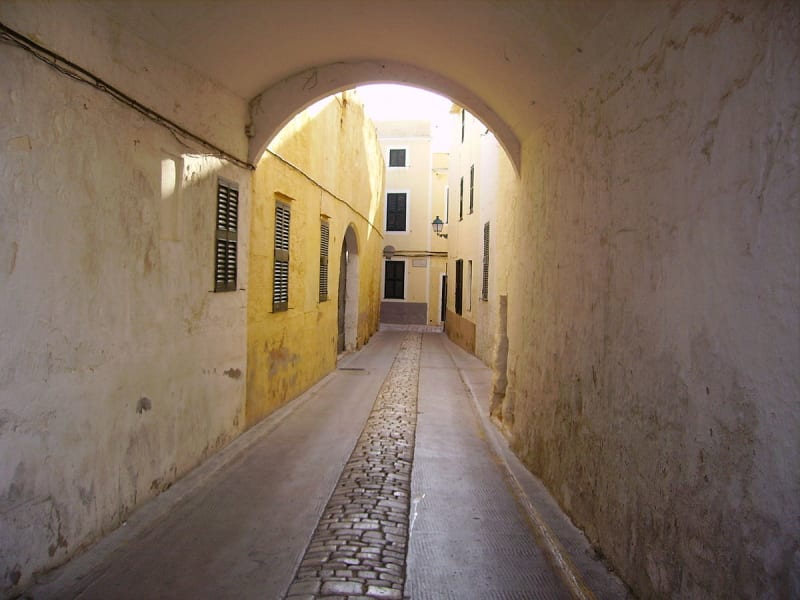
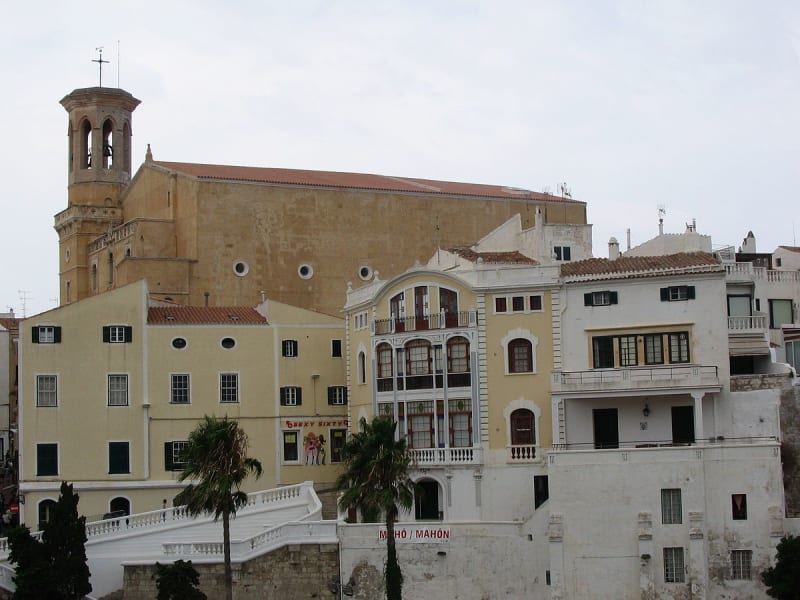
It is located on a cliff overlooking the harbor. The mansions of the city are made in the Georgian architectural style, the main differences of which are the absence or very modest decor, brickwork, brightly colored door and window openings, pitched roofs with gables and straight clear lines.
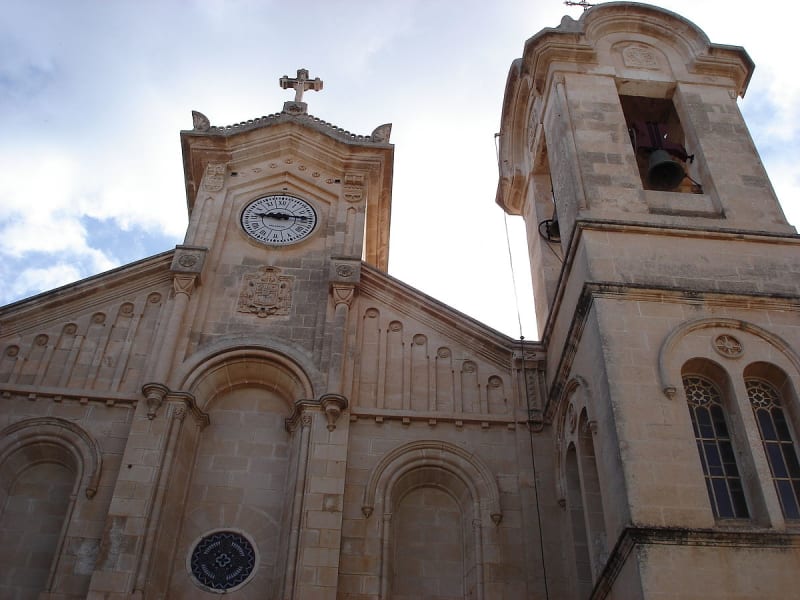
There is a church built in the 13th century and a monastery in the city. In the 16th century, most of the buildings were destroyed by pirates, so few medieval structures have been preserved, the buildings date back to later periods. The preserved ancient port of the city looks very picturesque.
Ciutadella
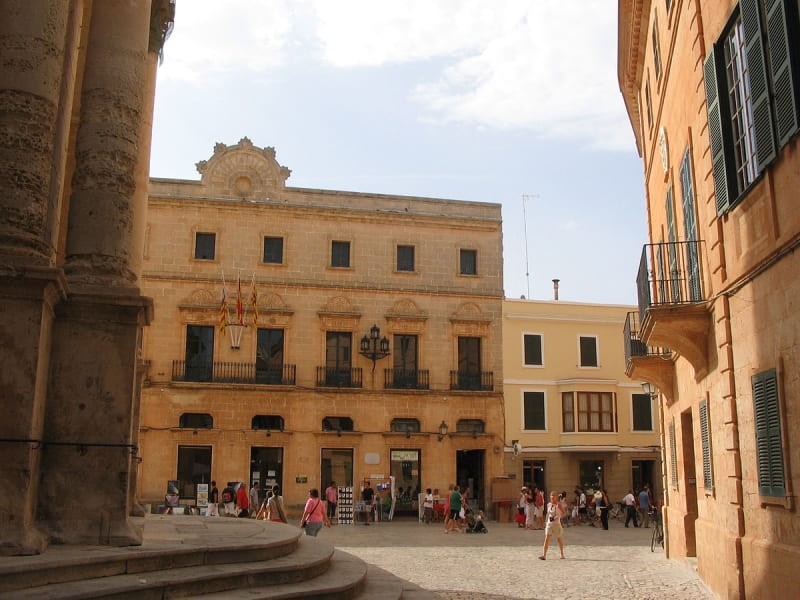
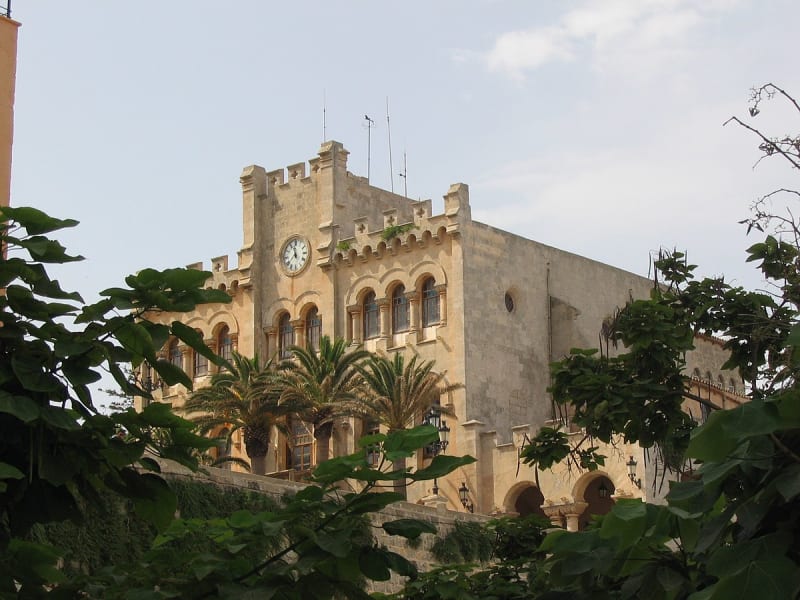
A small cozy town is located in the harbor of the same name. There is a magnificent Cathedral here, built in the 14th century on the site of a mosque. One of the 5 bastions, built in the 16th century, houses the municipal museum. The center of the diocese is located in the city.
Minorca is known for its olives. They are grown on 40% of the territory. The inhabitants of the island are rightfully proud of the excellent local wines.
Horses are bred on the island. Horses are the symbol of Minorca. Enchanting festivals and celebrations are often held here, and horse shows are a tradition for them.
The island is suitable for lovers of relaxing beach holidays. There is a full range of entertainment for the best resort holidays, but there are no noisy parties until the morning. Magnificent comfortable beaches, countless cafes and restaurants, colorful seascapes, spectacular festivals are the hallmark of Menorca.
Gallery