Sinharaja Forest Reserve lies in southwestern Sri Lanka, within the wet tropical zone that extends across parts of Sabaragamuwa and Southern provinces. It is one of the island’s most important natural areas, preserving substantial remnants of primary evergreen forest. The reserve is known for its extraordinary variety of plants, birds, insects, reptiles and amphibians, many of which are found nowhere else on Earth. Sinharaja was inscribed on the UNESCO World Heritage List in 1988.
The Sinharaja Rainforest
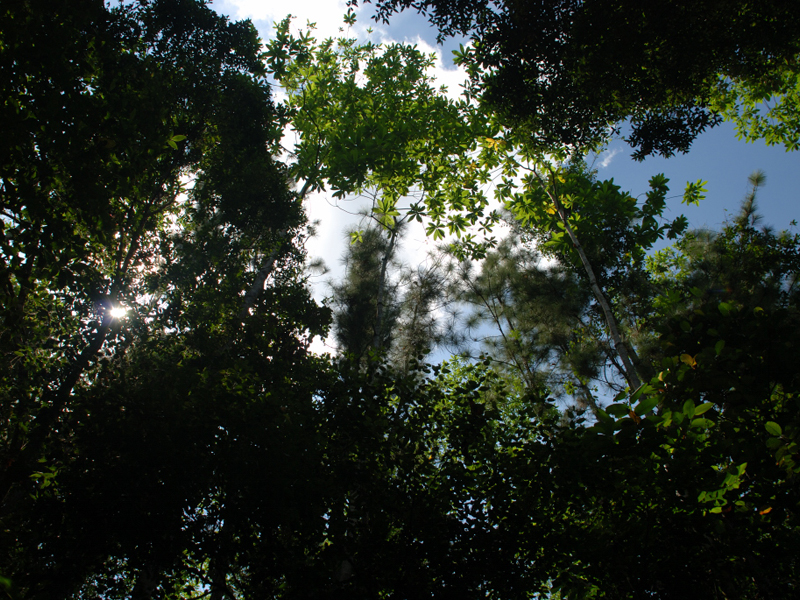
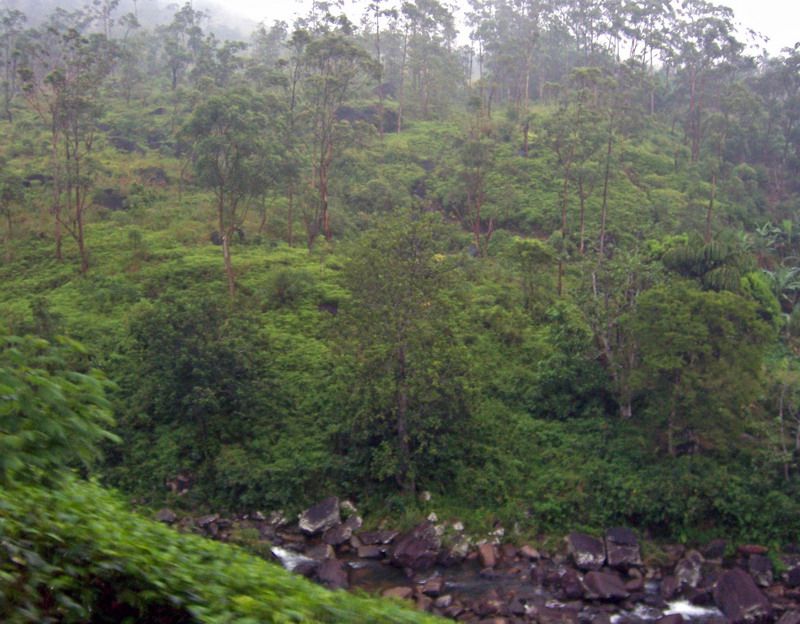
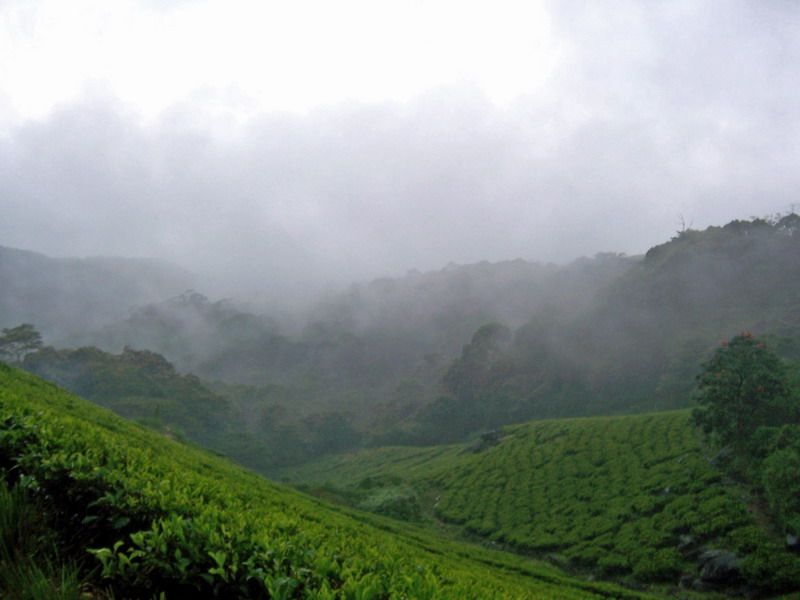
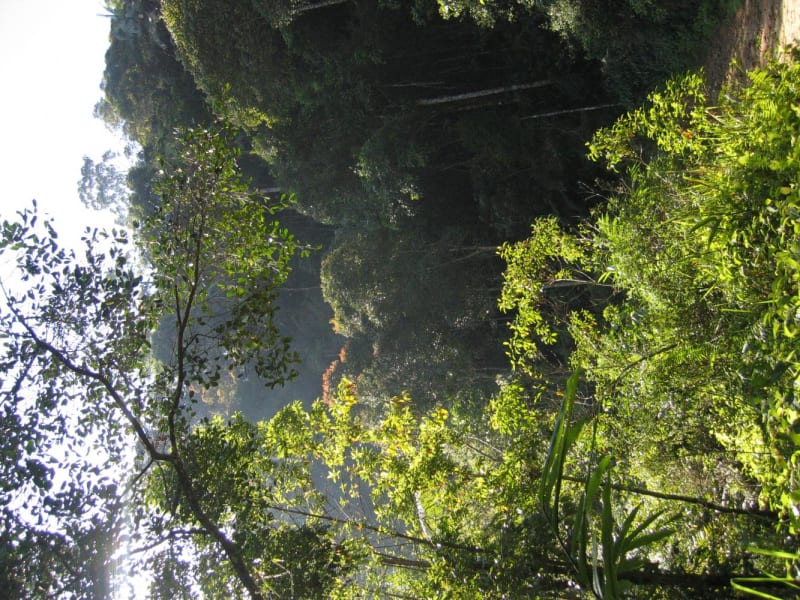
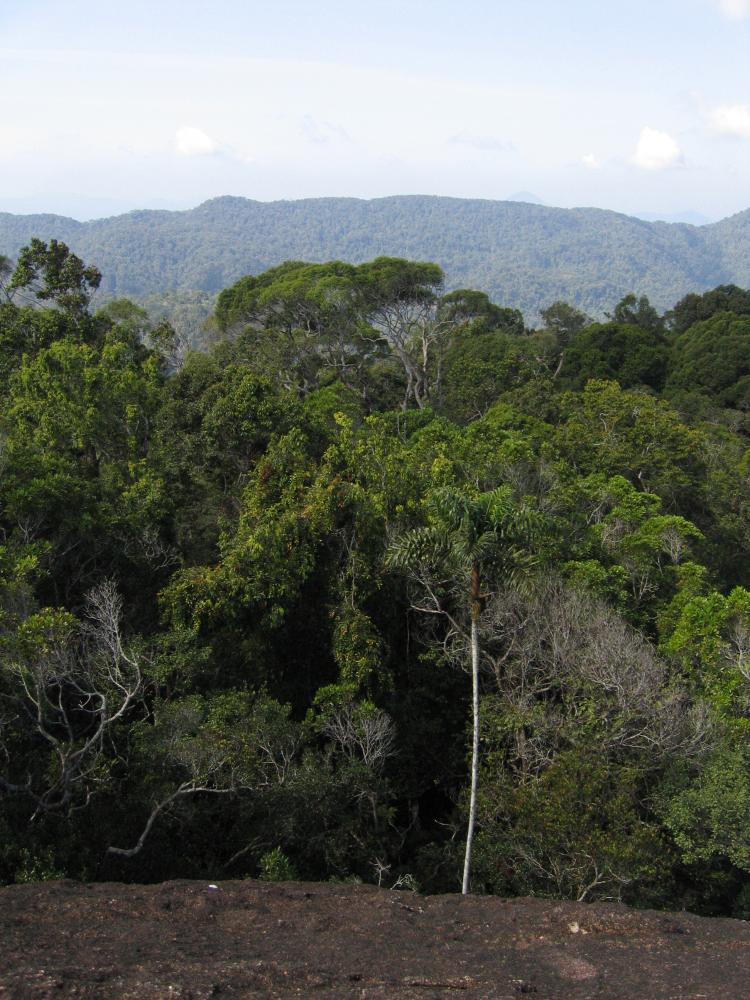
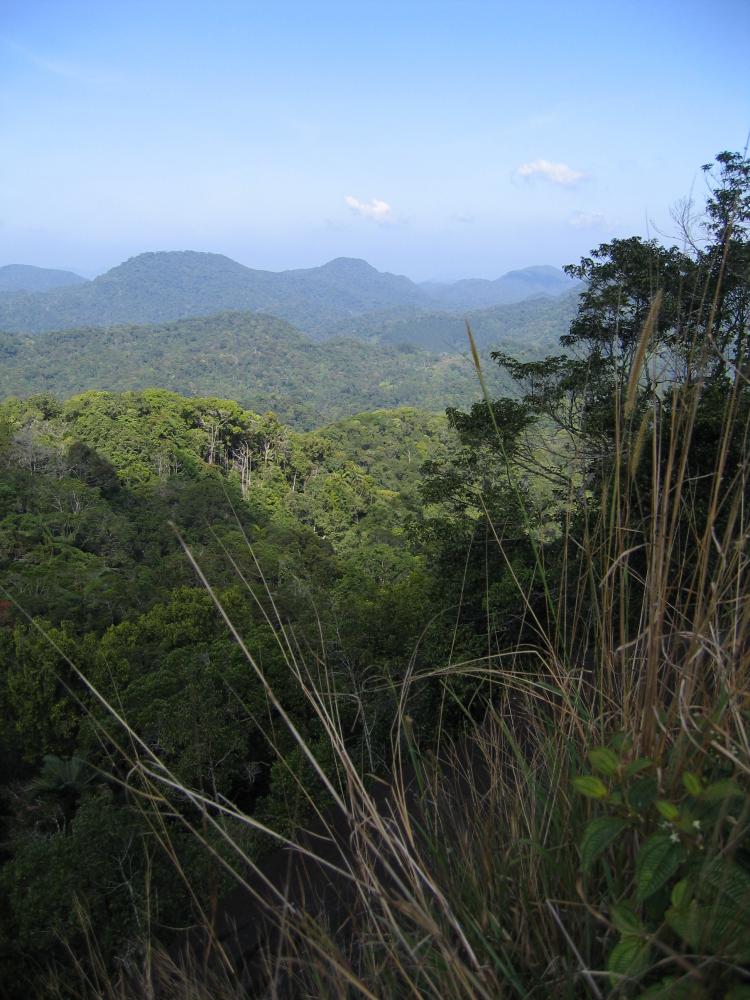
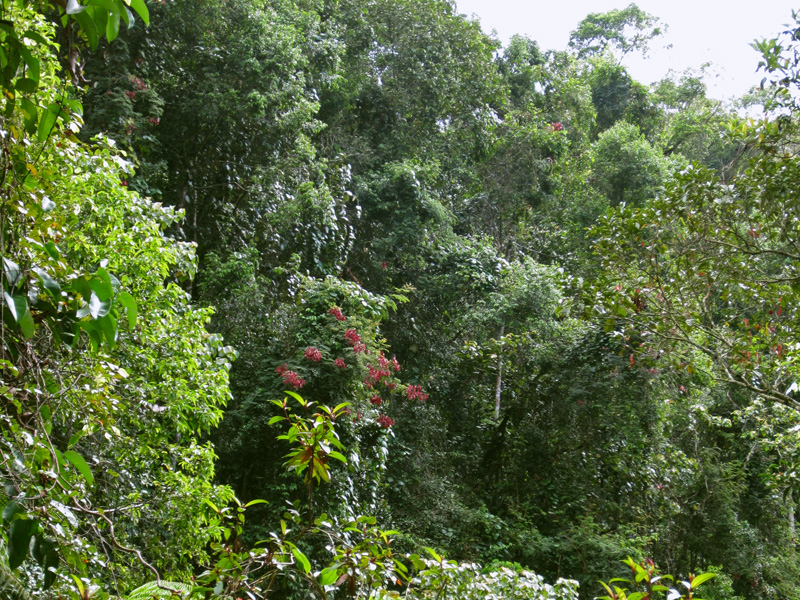
Sinharaja is a hilly landscape of elongated ridges, deep valleys and an intricate network of streams. The UNESCO-listed property ranges from approximately 300 to 1,170 metres above sea level. A humid climate and abundant rainfall sustain dense vegetation arranged in several layers, from shaded undergrowth to tall trees whose crowns meet above the trails.
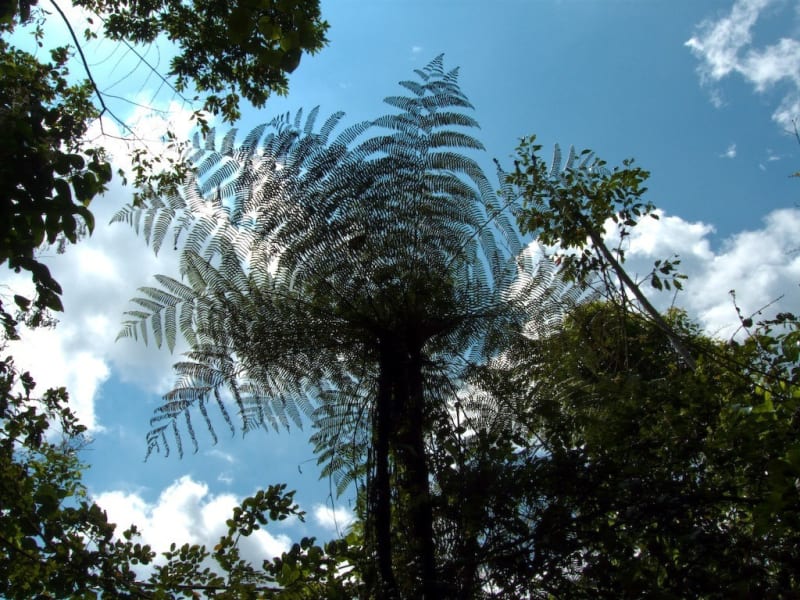
The forest is considered one of the last extensive remnants of primary lowland rainforest in Sri Lanka. Its importance lies not only in its scenery but also in the preservation of ancient natural communities. Visitors can see tangled lianas, ferns, mosses and epiphytes growing on tree trunks and branches. Moist air, deep shade and the constant sound of flowing water create the atmosphere of a true tropical rainforest.
Unique Plant Life
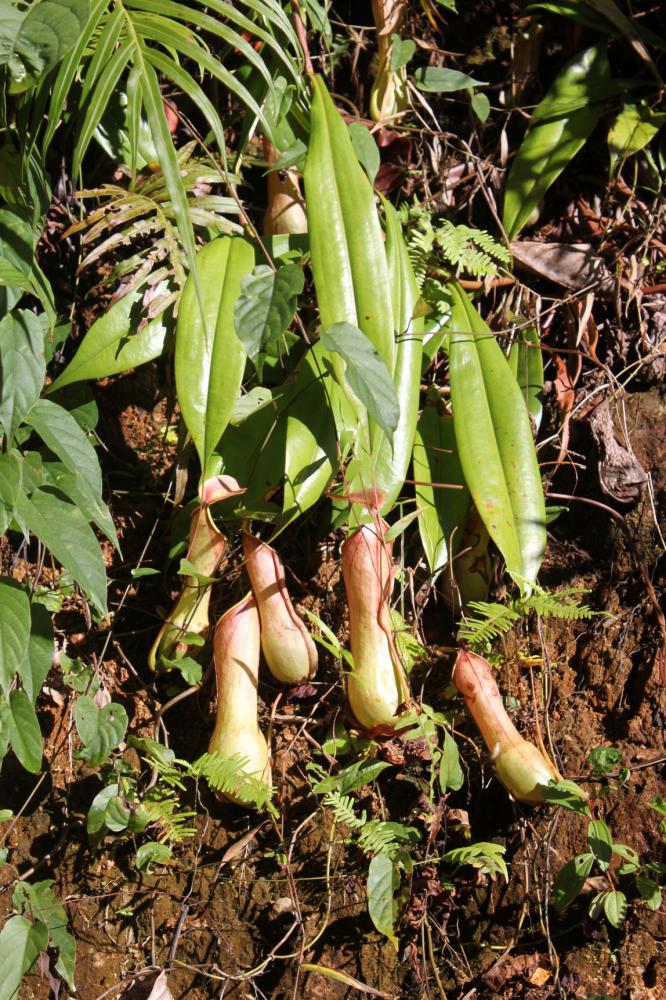
Sinharaja has an exceptionally high level of endemism, meaning that many species occur naturally nowhere else in the world. According to UNESCO, more than 60% of the reserve’s tree species are endemic, and many are considered rare. Lowland valleys and slopes support a range of tropical trees, including members of the Dipterocarpus genus. Secondary forest and scrub occur in areas where the original vegetation has been disturbed.
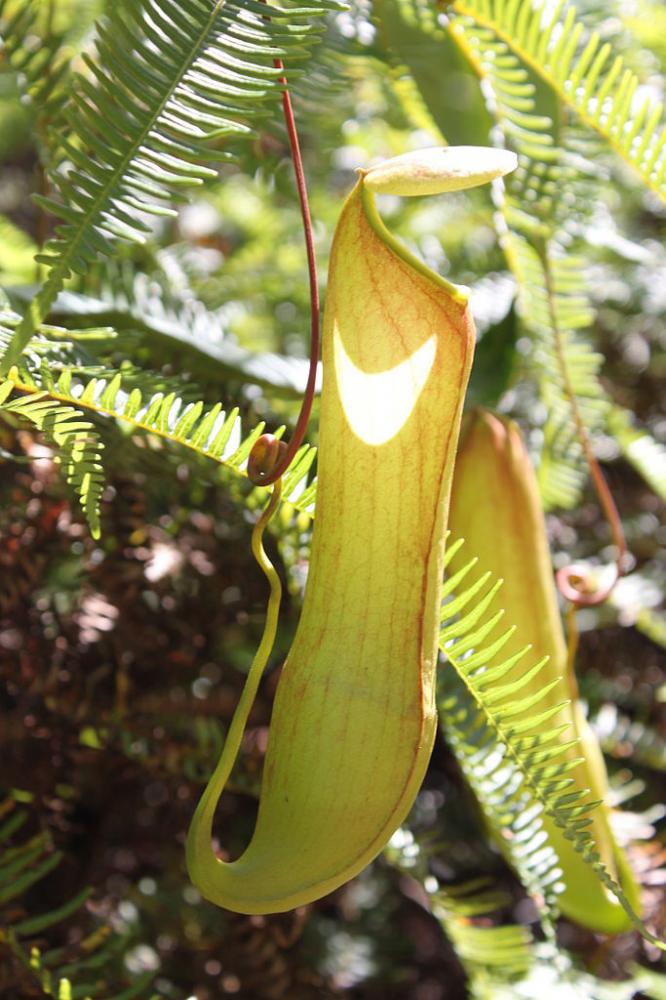
The forest’s layered vegetation provides habitats for countless organisms. Orchids and other epiphytes grow on trees, mosses cover damp rocks and trunks, and the forest floor supports a wide variety of invertebrates. Plants also help regulate the local water cycle: the forest intercepts rainfall, protects soil from erosion and feeds streams that flow down into the valleys.
Birds and Other Wildlife
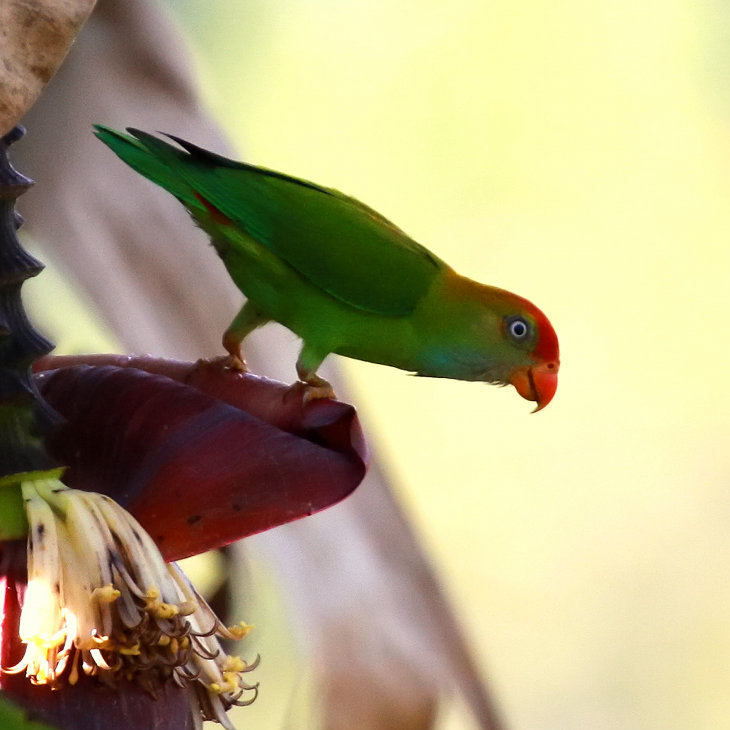
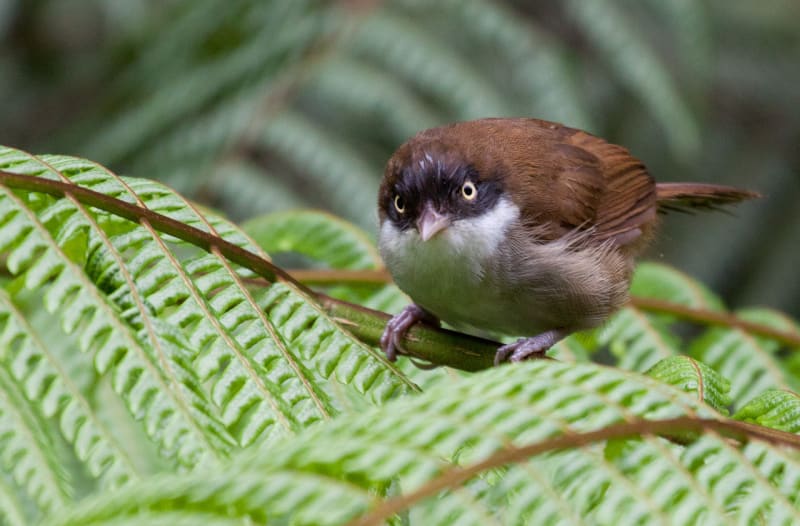
The reserve is especially famous for its birds. It supports numerous endemic species, including the Sri Lanka blue magpie, green-billed coucal, Sri Lanka wood pigeon and other rare members of the island’s fauna. Calls and whistles echo through the forest, and patient observers may spot birds moving between branches in search of insects and fruit.
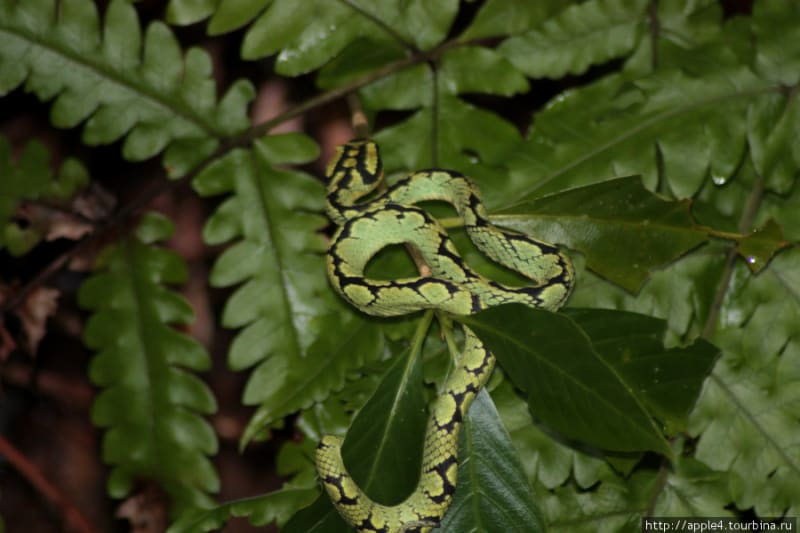
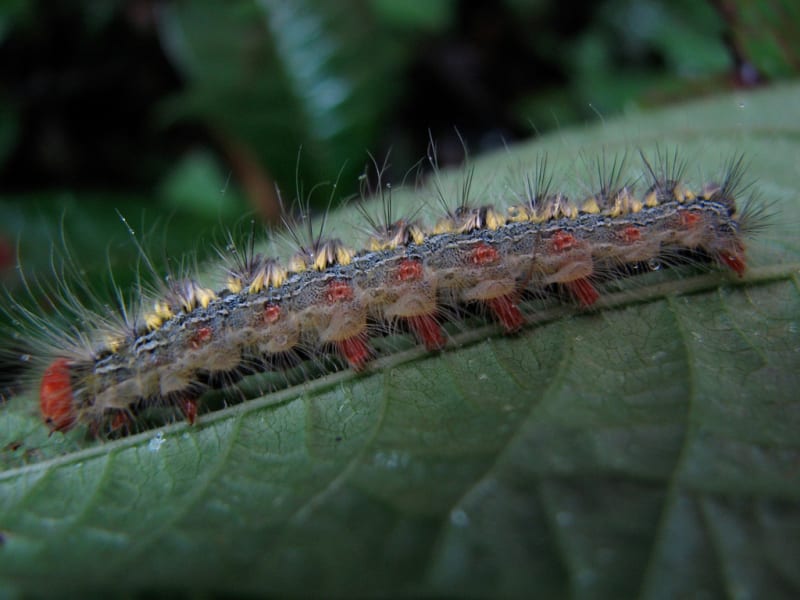
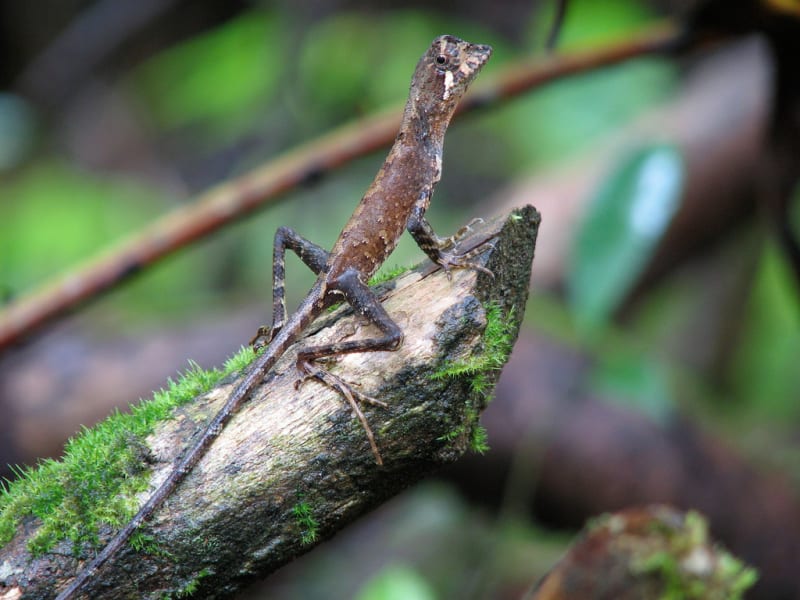
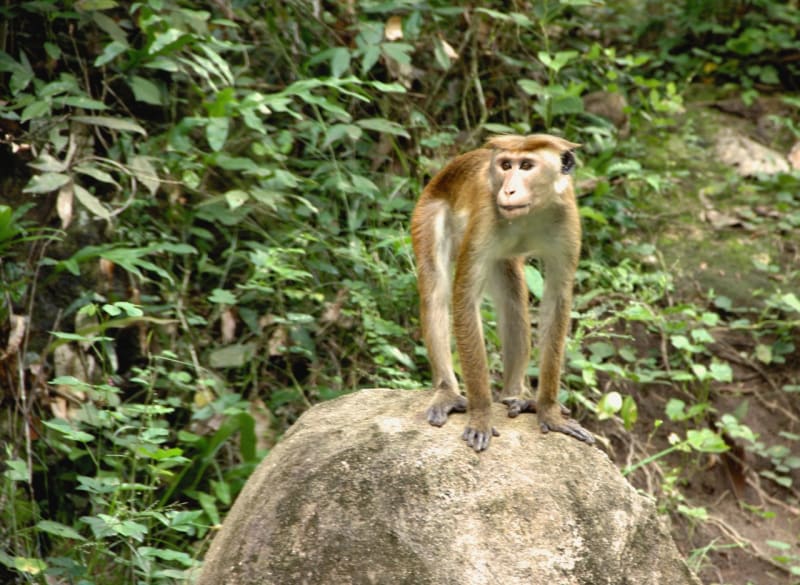
Other residents include monkeys, such as the endemic purple-faced langur, as well as many butterflies, reptiles, amphibians and insects. Larger animals in the region include leopards and Asian elephants, although seeing them during an ordinary walk is difficult. Many forest animals are elusive, so wildlife watching requires patience and quiet movement.
Streams, Valleys and a Humid Climate
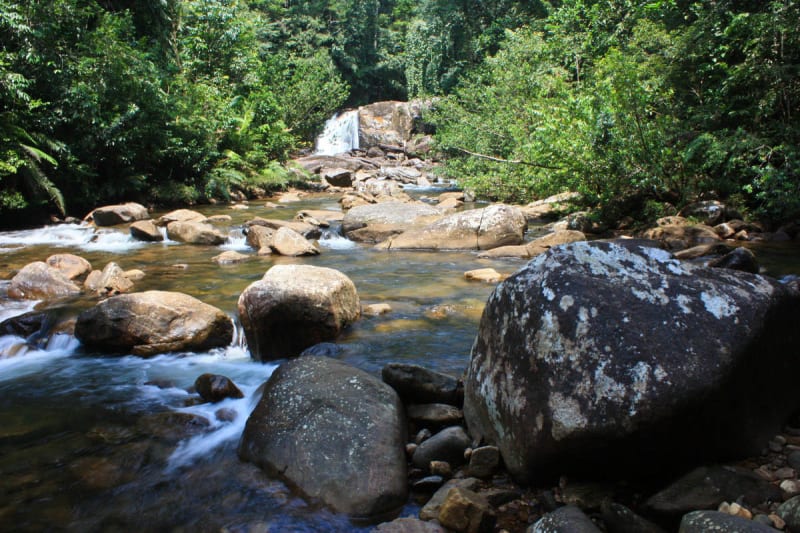
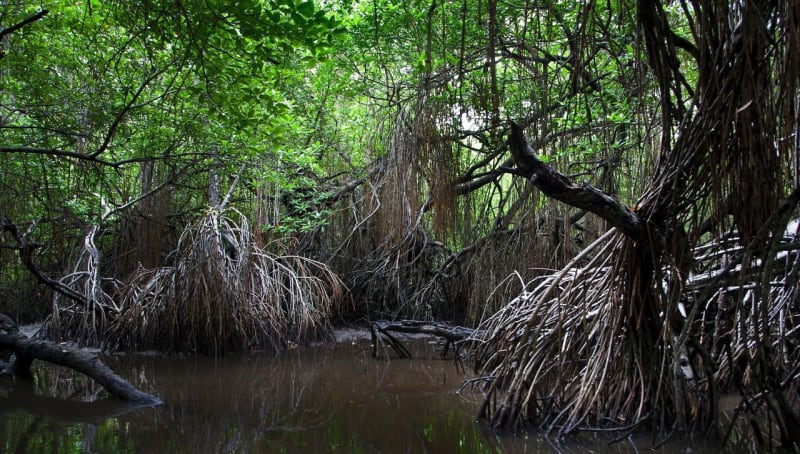
The terrain consists of alternating ridges and valleys crossed by numerous streams. Water drains into river systems connected with the Gin Ganga to the south and the Kalu Ganga to the north. These waterways are important to nearby rural communities and help sustain the forest ecosystem.
Rain falls throughout the year, with particularly wet periods associated with the monsoons. Trails can become slippery because of the humidity, and showers may arrive even after a clear morning. These conditions sustain the evergreen forest but make suitable footwear, rain protection and careful walking essential.
Walking Trails and Nature Experiences
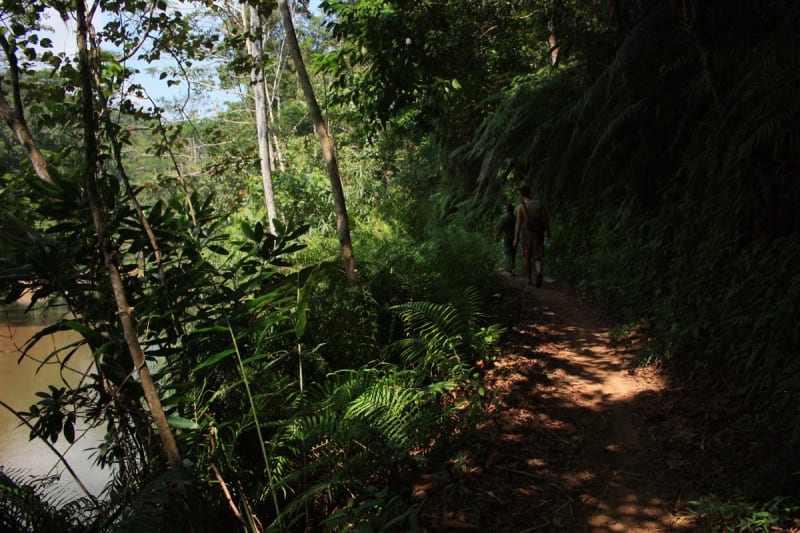
The best way to explore Sinharaja is to walk its forest trails with a local guide. A guide can help visitors spot small animals, explain the characteristics of different plants and describe how the rainforest ecosystem functions. Since many species blend into the foliage, expert guidance makes wildlife observation much more rewarding.
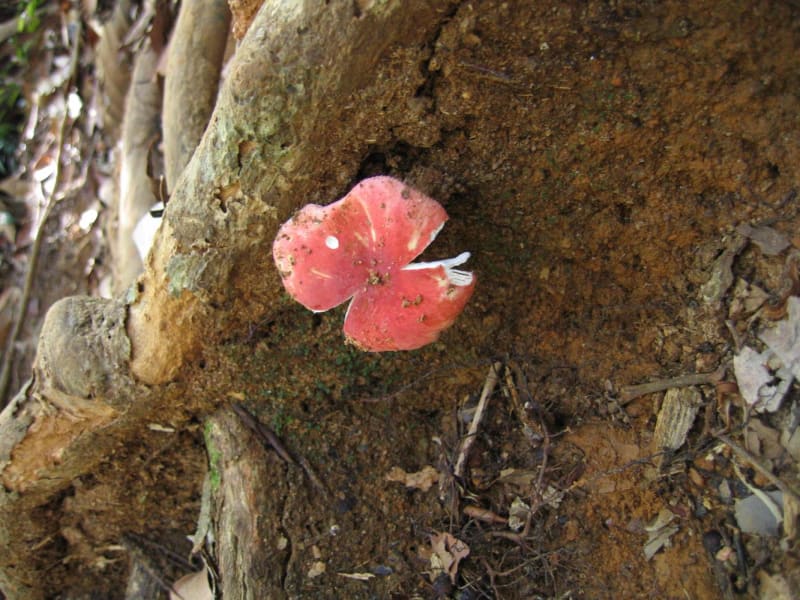
Trails pass through dense vegetation, beside streams and across damp sections of forest. Along the way, visitors can examine unusual leaves, lianas, fungi, insects and birds. Stay on permitted paths, avoid touching plants or animals and take all rubbish away. Access to the protected area is regulated, so visitors should check entry requirements and whether a permit is needed before travelling.
Conservation and the Importance of the Reserve
Sinharaja has international importance for biodiversity conservation. It was designated a biosphere reserve in 1978 and became a UNESCO World Heritage Site in 1988. The reserve protects rare species and natural processes that have developed over long periods.
Despite its protected status, the forest faces threats including illegal logging, poaching, gem mining and the expansion of farmland near its boundaries. Its future depends on effective protection, scientific research and cooperation with local communities. Responsible tourism helps maintain public interest in safeguarding this exceptional natural heritage.
How to Reach Sinharaja
The reserve lies in southwestern Sri Lanka, away from the island’s largest tourist centres. Visitors can reach it by car or organised excursion from Colombo, Galle, Matara and other towns in the region. There are several approaches to the forest, so the best route depends on where visitors are staying and which entrance they plan to use.
A visit to Sinharaja can be combined with a trip around southern Sri Lanka. Bring lightweight clothing, comfortable shoes with good grip, a rain jacket, drinking water and insect repellent. Because of the humid climate and dense vegetation, check trail conditions and access rules in advance. Sinharaja offers an opportunity to discover one of South Asia’s most valuable tropical forests and experience Sri Lanka’s natural richness beyond its busy beaches and cities.
Gallery