Udawalawe National Park is one of Sri Lanka’s best-known natural areas, located in the south of the island. Established in 1972, it protects wildlife and habitats around the Udawalawe Reservoir. Open grasslands, open woodland, scrub and wetlands support a wide variety of animals and make the park a popular safari destination.
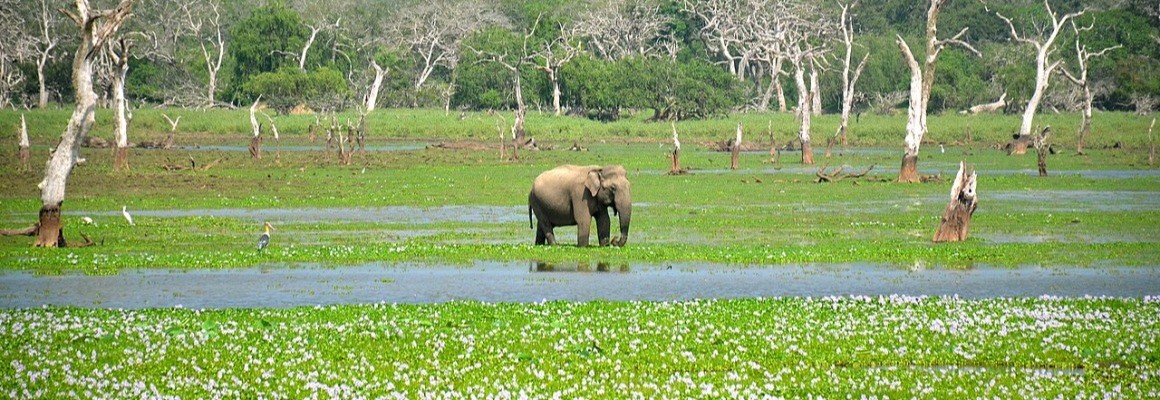
The park’s main attraction is the Asian elephant, which can be observed here in its natural habitat. Elephants often gather near water and in open areas where they are easier to spot. Unlike dense tropical forests, the park’s landscapes allow visitors to watch animals from a reasonable distance and photograph them without moving through thick vegetation.
Wildlife in the national park
Besides elephants, the park is home to water buffalo, spotted deer, jackals, wild boar and several monkey species. Crocodiles and numerous reptiles can also be found here. The leopard is the best-known predator in the area, but sightings are much less common than encounters with elephants and herbivores.
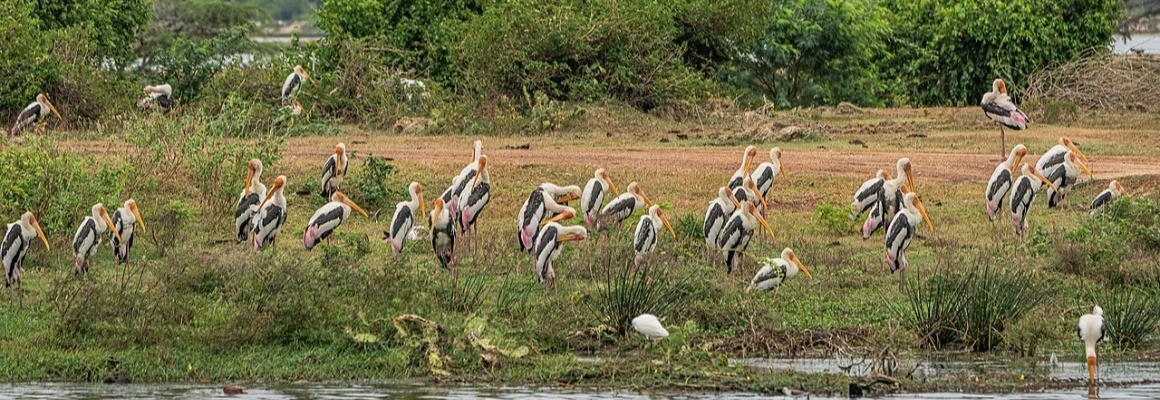
Udawalawe also attracts birdwatchers. Eagles, storks, pelicans, kingfishers and many other waterbirds and woodland birds can be seen in the park and around the reservoir. Habitats ranging from open grasslands to marshy shores support a rich bird population.
Safari in Udawalawe
The most popular way to explore the park is on a jeep safari with a local driver or guide. Routes follow unpaved roads across open plains, through scrubland and near water. Visitors may see elephants, deer and birds while learning about the park’s ecosystem.
Safaris usually take place early in the morning or later in the afternoon, when animals may be more active and the light is suitable for photography. The length of a trip depends on the route and operator. Wildlife moves freely, so sightings cannot be guaranteed: even in areas where elephants are often seen, their locations change.
The reservoir and natural scenery
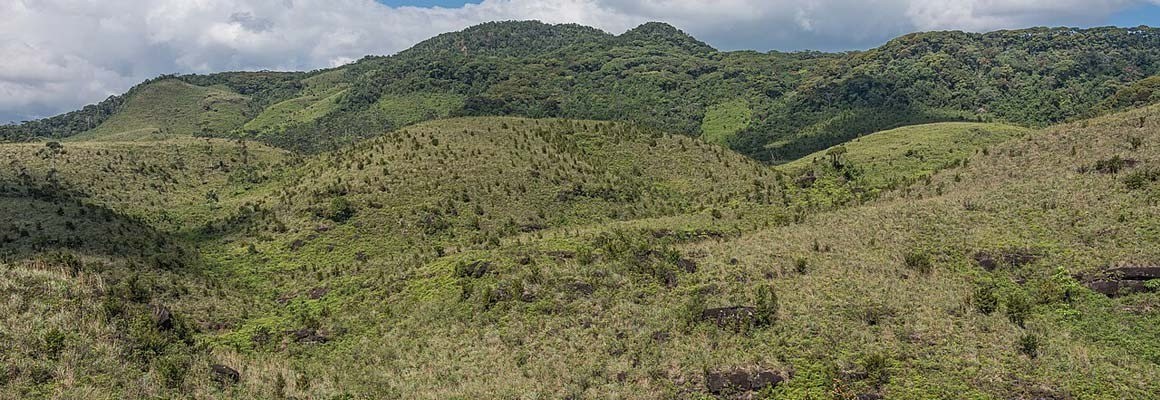
The Udawalawe Reservoir, built on the Walawe River, plays an important role in the park’s ecosystem. It supplies water to surrounding agricultural areas and supports many animals and birds. The reservoir’s shores, grassy plains and distant mountain silhouettes create the characteristic scenery of this part of Sri Lanka.
The landscape changes with the season and the amount of rainfall. During dry periods, animals may gather more frequently around available water sources and in open areas. After rain, vegetation becomes greener and denser. As a result, safari experiences can differ even when visitors follow the same route.
When to visit
Udawalawe National Park can be visited throughout the year. Dry periods are often convenient for wildlife viewing because animals may appear more frequently near water and in open areas. However, weather and rainfall vary, so it is worth checking the forecast and route conditions before travelling.
For a comfortable safari, wear lightweight, neutral-coloured clothing and bring water, a hat, sunscreen and binoculars. A zoom lens is useful for photography. Follow the guide’s instructions, never feed the animals and do not attempt to approach them independently.
How to get to Udawalawe National Park
The park lies inland in southern Sri Lanka, away from the major coastal resorts. Udawalawe can be reached by car or organised transfer from cities and destinations such as Colombo, Galle and Ella. Travel time depends on the starting point, road conditions and route.
It is best to arrange transport and a safari in advance, especially during busy travel periods. Udawalawe National Park is an excellent place to experience Sri Lanka’s wildlife, observe elephants and discover the island’s varied landscapes.
Gallery