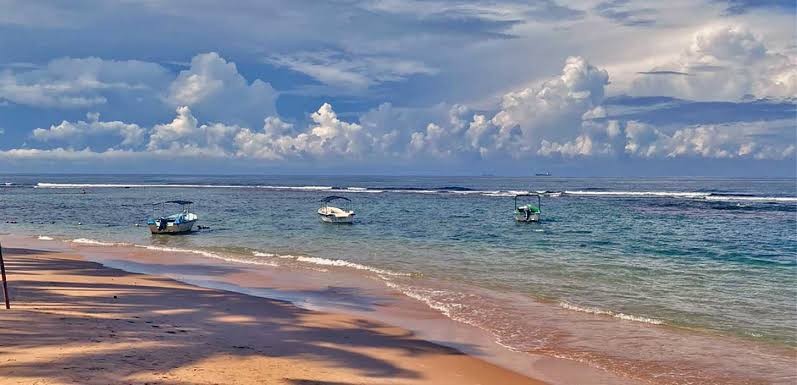
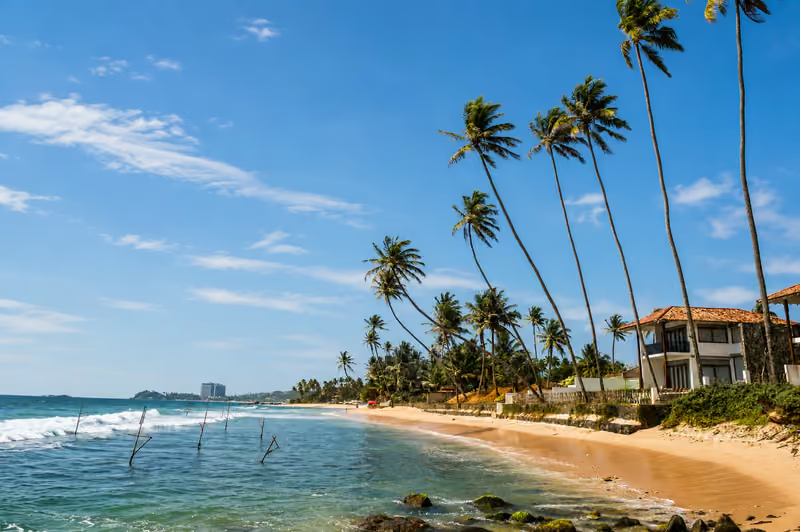
Hikkaduwa Coral Reef is one of Sri Lanka's best-known marine attractions, located off the island's southwest coast near Hikkaduwa Beach. This shallow reef ecosystem supports tropical fish, sea turtles and numerous invertebrates among coral colonies and underwater rocks. Its proximity to shore makes it a popular destination for snorkelling, diving and observing marine life.
Location and Marine National Park
The reef lies in the Indian Ocean beside the resort town of Hikkaduwa in Sri Lanka's Southern Province, within Galle District. The area was declared a sanctuary in 1979 and became a national park in 2002. The protected habitat includes coral formations, sandy seabed, marine algae and the communities that depend on them.
Corals and Marine Life
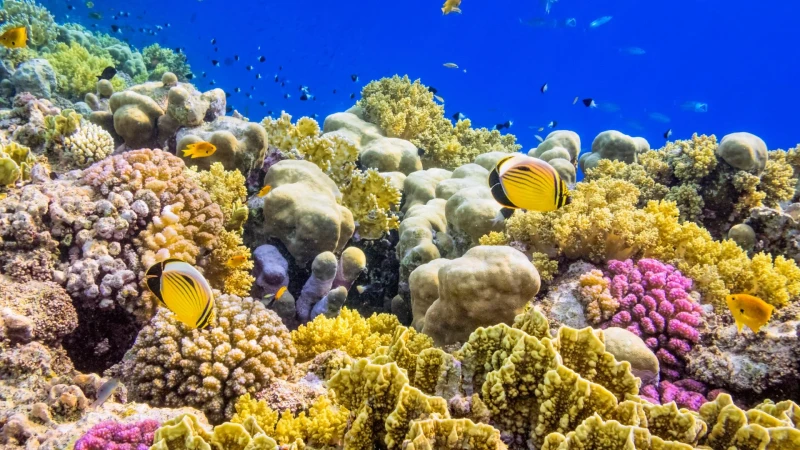
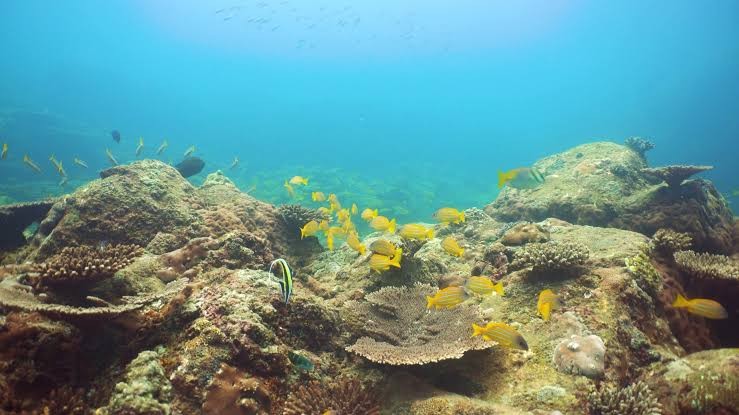
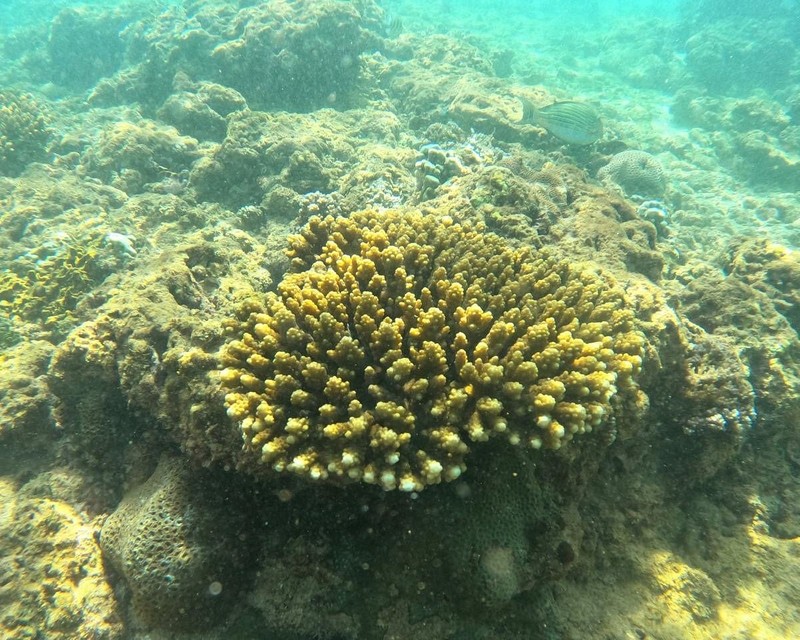
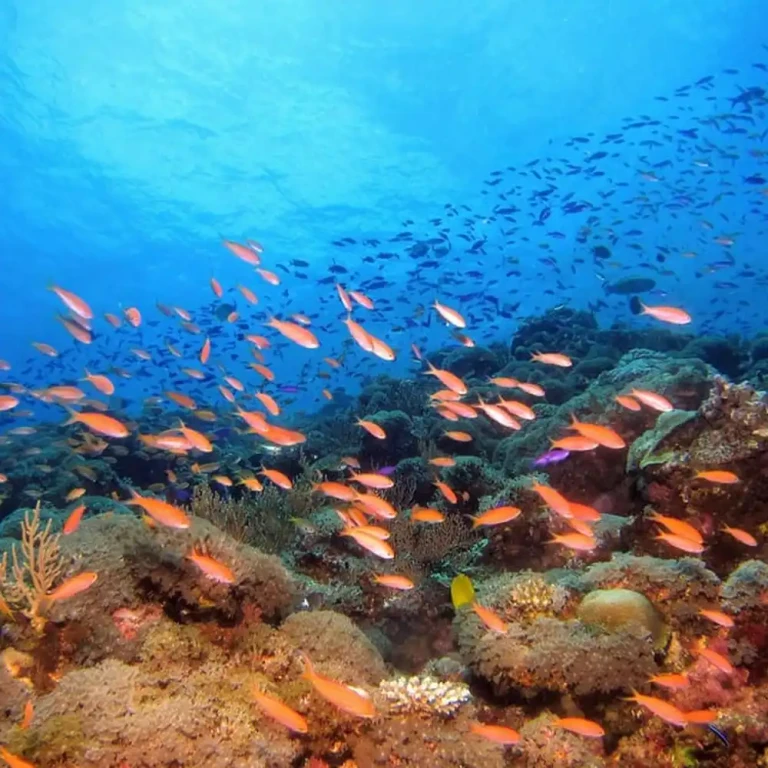
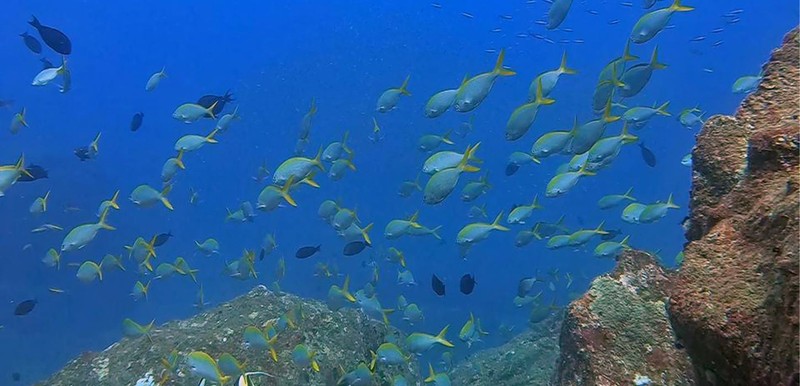
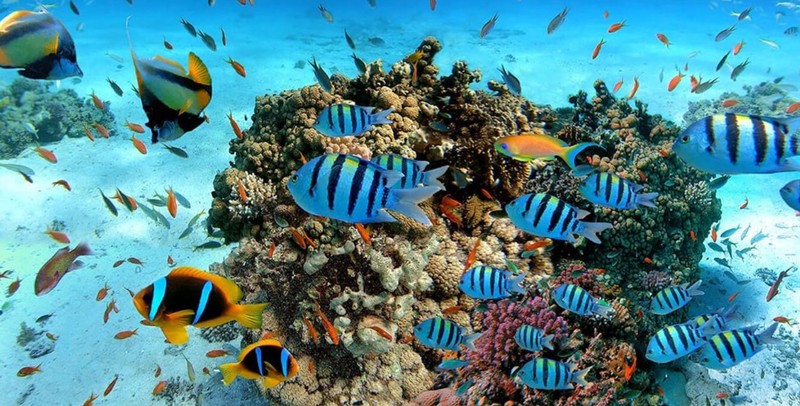
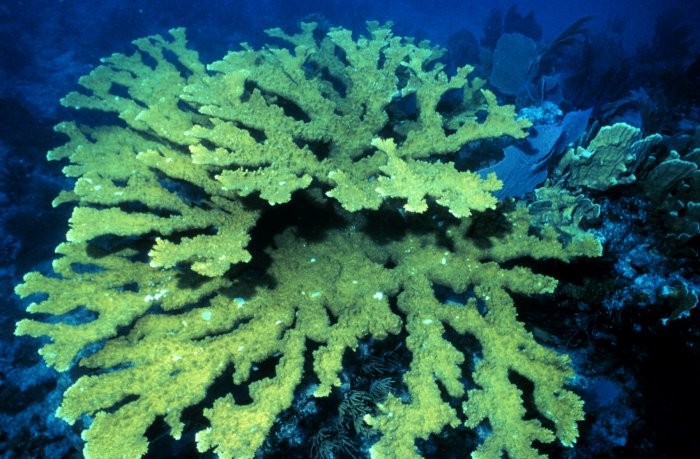
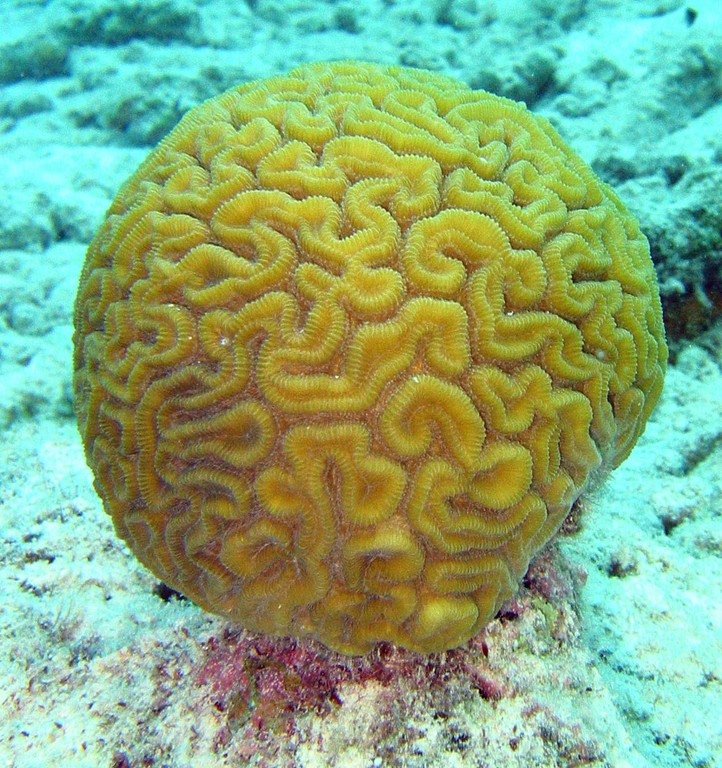
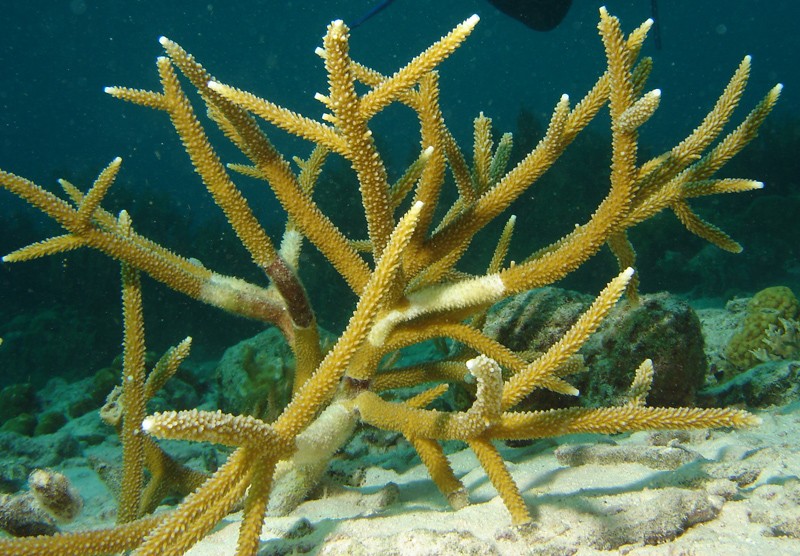
About 60 coral species and more than 170 reef fish species have been recorded around Hikkaduwa. The reef contains massive, branching and encrusting coral forms, including species from the genera Montipora, Porites and Acropora. Visitors may see parrotfish, surgeonfish, butterflyfish, angelfish and other tropical species. What can be observed depends on the season, sea conditions and the specific reef area.
Sea Turtles of Hikkaduwa
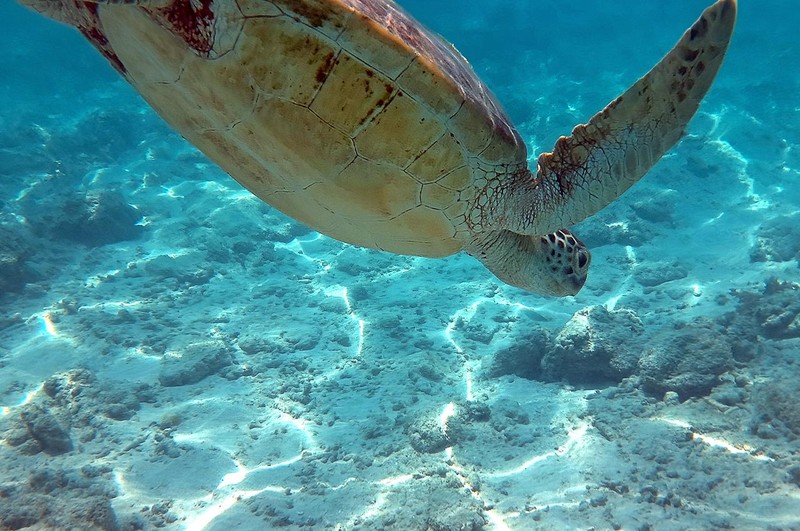
Green sea turtles and hawksbill turtles occur in the coastal waters. They may feed around seagrass patches or rest on sandy areas between coral heads. Observe them calmly without touching, chasing or surrounding them. Turtles need unobstructed access to the surface to breathe, so always leave them plenty of space.
Snorkelling and Diving
Snorkelling is one of the most popular ways to explore the reef. In suitable conditions, visitors can swim with a mask and snorkel over shallow sections and watch fish and corals. Diving offers a chance to explore deeper areas and underwater landscapes. Glass-bottom boat trips are an alternative for visitors who prefer to stay out of the water.
Best Time to Visit
The southwest coast generally has its most favourable marine conditions during the dry season, roughly from November to April. The sea is often calmer and underwater visibility better. From May to October, the southwest monsoon can bring stronger waves, winds and currents, so local conditions should always be checked before entering the water.
How to Get There
Hikkaduwa can be reached from Colombo or Galle by road or by coastal train. From the town centre, the beach and accessible reef areas are usually within walking distance. Before snorkelling or diving, confirm which areas are safe under current conditions and never walk directly on the coral.
Reef Conservation
Hikkaduwa's coral communities have been affected by bleaching caused by elevated water temperatures, as well as pollution and visitor pressure. Do not stand on coral, break fragments, collect marine animals or leave rubbish. Choose operators who follow protected-area rules and avoid damaging the reef with boats and anchors.
Nearby Attractions
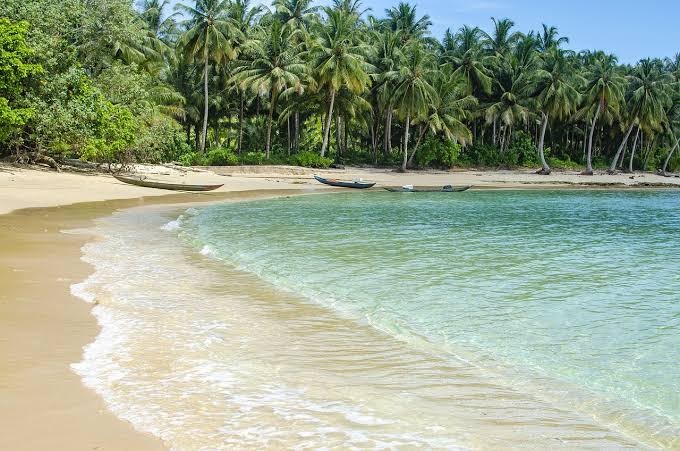
A reef visit can be combined with time at Hikkaduwa Beach. About 20 kilometres to the southeast lies Galle, known for its historic fort, old streets and colonial architecture. In Hikkaduwa itself, visitors can stroll along the shore and experience the atmosphere of the coastal town.
Visitor Tips
Check sea conditions and follow local safety advice before swimming. Use suitable equipment, stay within designated safe areas and keep clear of boats. Hikkaduwa Coral Reef offers an accessible introduction to tropical marine life, and responsible behaviour helps protect it for future generations.
Gallery