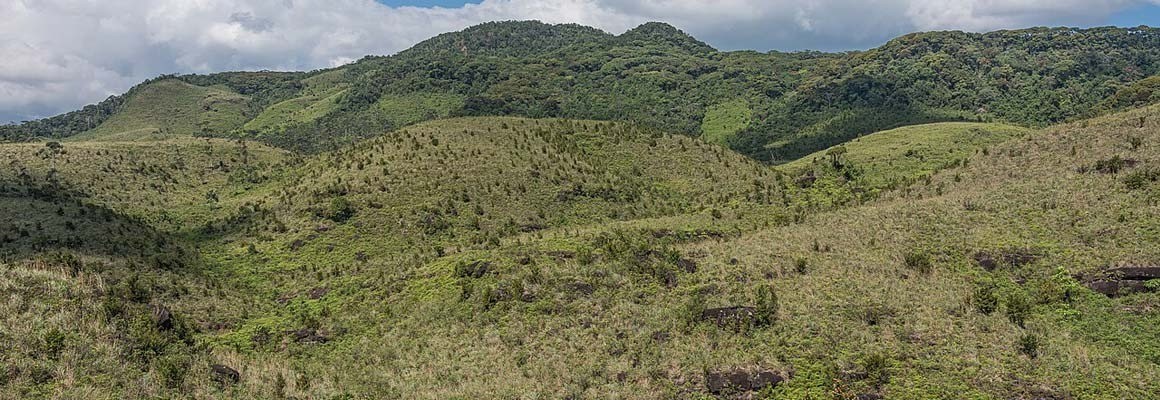

Bundala National Park is a protected natural area on Sri Lanka's southern coast, known for its lagoons, migratory birds and varied coastal ecosystems. Located in Hambantota District near the Indian Ocean, it covers approximately 6,216 hectares. Shallow water bodies, salt flats, mudflats, sand dunes, patches of mangroves and dry tropical woodland occur side by side.
Bundala is particularly appealing to birdwatchers. Depending on the season, visitors may see flamingos, storks, ibises, herons, sandpipers and many other waterbirds and wetland species. Asian elephants, spotted deer, wild boar and crocodiles also live in the park. A visit offers an introduction to Sri Lanka's dry-zone landscapes, which differ considerably from the island's wet highlands and dense rainforests.
History and protected status
Bundala was designated a wildlife sanctuary on 5 December 1969 and became a national park on 4 January 1993. The main conservation objective was to protect its lagoons and associated wetlands, which are important for resident and migratory birds.
In 1990, Bundala was added to the list of wetlands of international importance under the Ramsar Convention, becoming Sri Lanka's first Ramsar site. In 2005, the area was also included in UNESCO's World Network of Biosphere Reserves.
The park's conservation value comes from the variety of habitats found within a relatively compact area. Lagoons provide feeding grounds for waterbirds, scrub forest shelters land animals, and the coastal belt provides nesting habitat for sea turtles. Protecting these environments helps maintain bird migration routes across South Asia.
Lagoons and landscapes
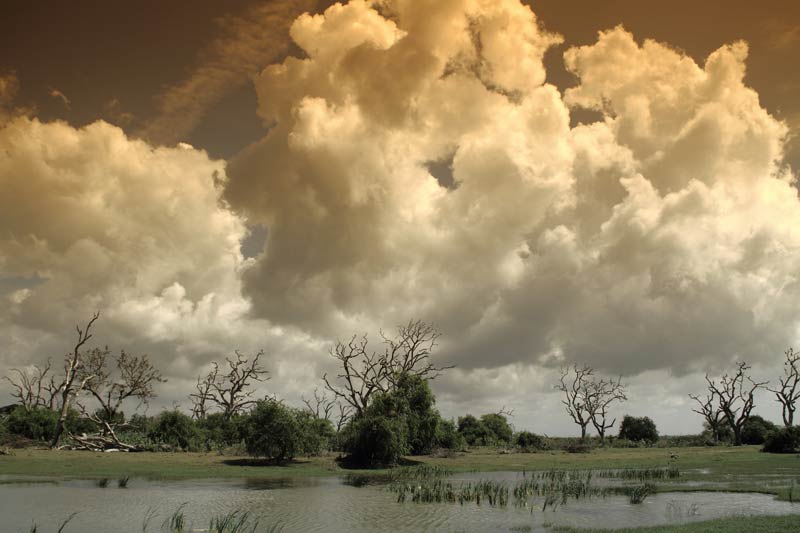
Bundala's scenery combines water, open shorelines and dry vegetation. Its lagoon system includes Bundala, Malala, Embilikala and other shallow wetlands. Salinity and water levels change with rainfall, the season and connections to the sea. These changes affect the distribution of fish, crustaceans and other organisms that provide food for birds.
Mudflats, salt marshes and plants adapted to saline conditions line the shores. Mangroves grow in some areas, while coastal vegetation survives on the sand dunes. Drier parts of the park are dominated by shrubs and trees typical of Sri Lanka's arid zone.
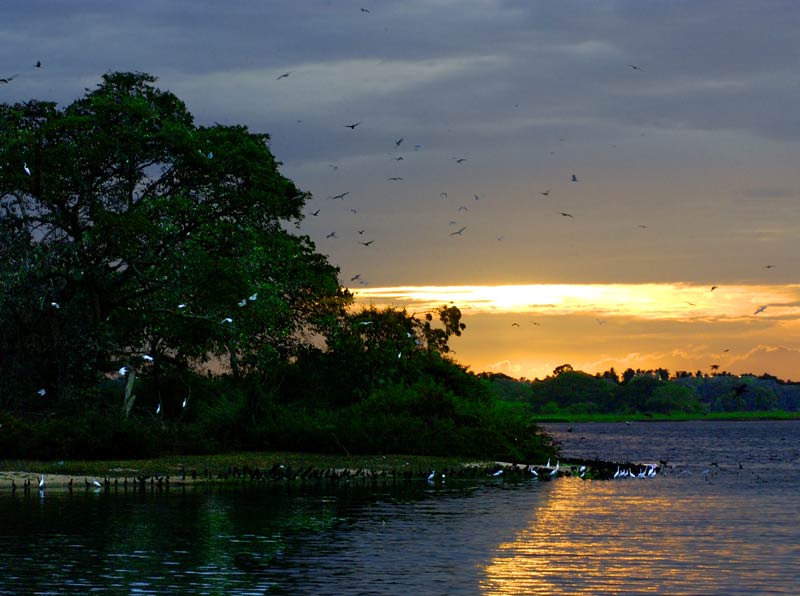
Unlike dense tropical forests, the park often offers broad views across water and sky. Animals and birds can sometimes be observed at a considerable distance, although binoculars or a camera with a telephoto lens are useful for detailed viewing. Early-morning light highlights reflections on the lagoons and the silhouettes of birds in shallow water.
Flamingos and other birds
Bundala's main natural attraction is its rich birdlife. More than 200 species have been recorded, including resident birds and seasonal migrants. The shallow waters provide fish, small crustaceans, molluscs and other invertebrates. This variety of food makes the lagoons important feeding and resting places along long migration routes.
Greater flamingos are among the most eye-catching visitors. During suitable seasons, they gather in shallow areas and feed by filtering water and mud with their specially shaped bills. Their pinkish plumage stands out against the blue water and pale shoreline. Numbers vary from year to year, so a large flock is not guaranteed on every visit.
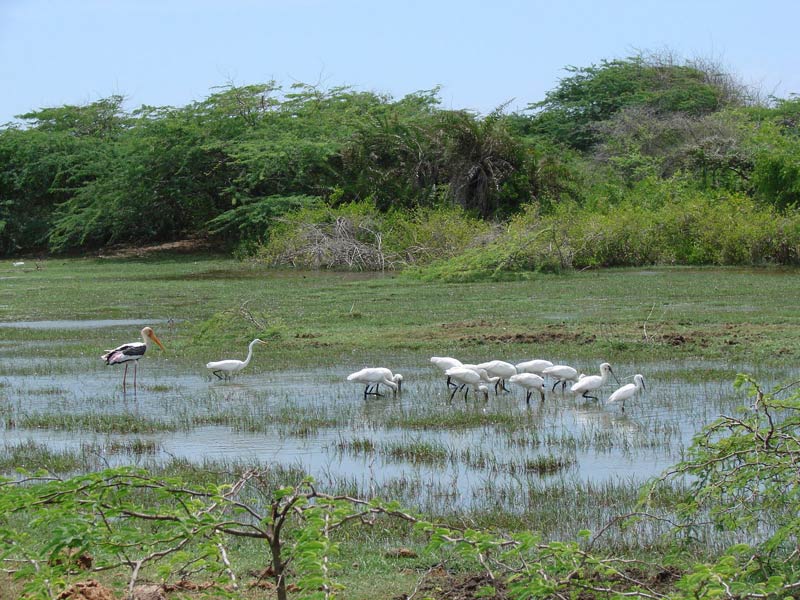
Other birds include painted storks, egrets, herons, ibises, spoonbills, gulls, terns and a variety of sandpipers. During migration season, small waders arriving from northern parts of Asia feed across the mudflats. Peafowl, Indian rollers and other birds typical of Sri Lanka can be found in the drier scrub.
October to March is particularly rewarding for observing migratory birds. However, birdwatching is possible throughout the year because resident species remain in the park. Their activity depends on the time of day and the condition of the wetlands.
Wildlife of Bundala
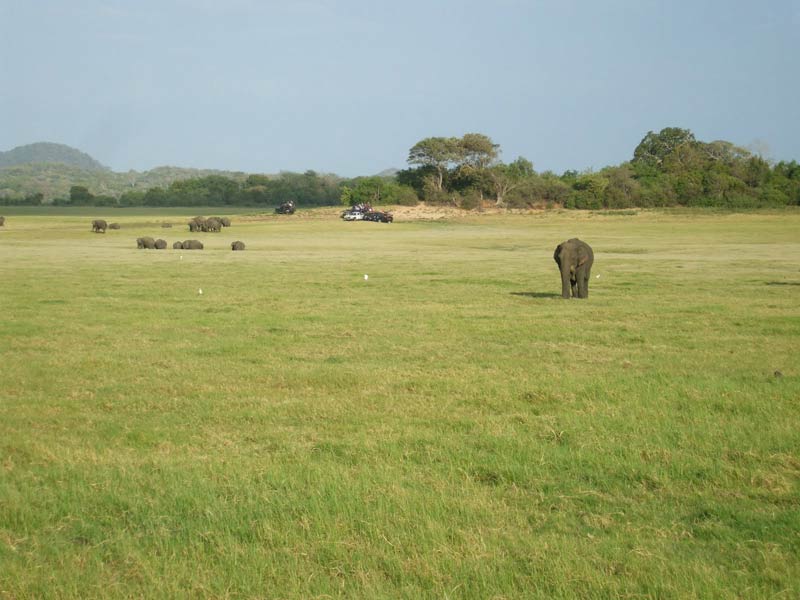
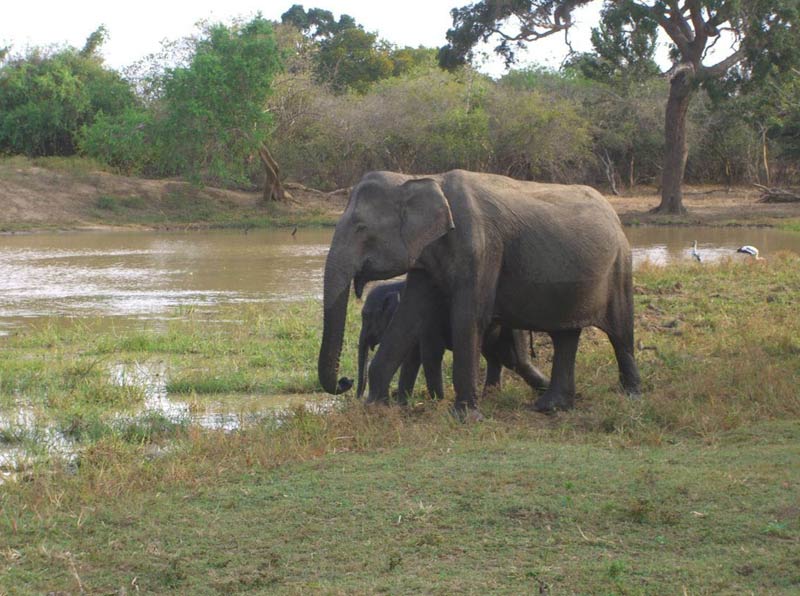
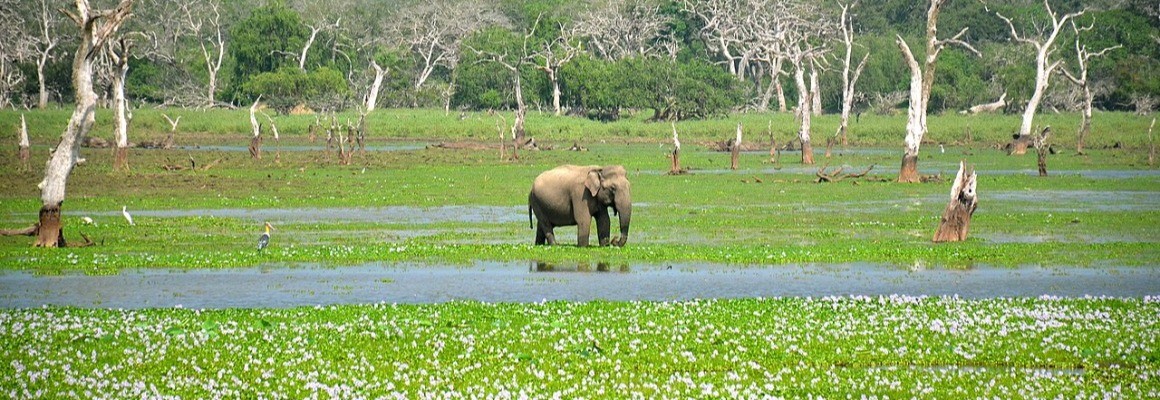
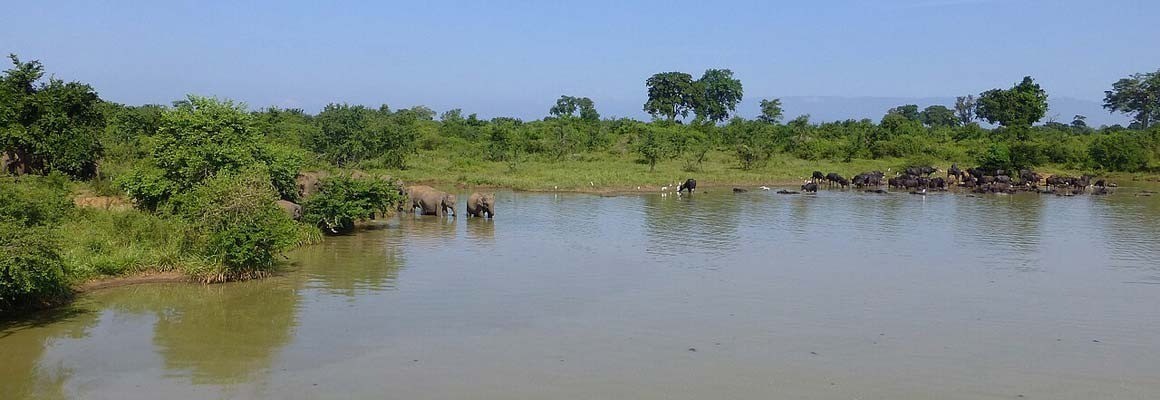
Although the park is best known for birds, it also supports larger land animals. Asian elephants move through the scrub and open areas. They may be seen near water and along the edges of woodland, particularly early in the morning and late in the afternoon. Sightings depend on the season, route and luck, so an encounter cannot be guaranteed.
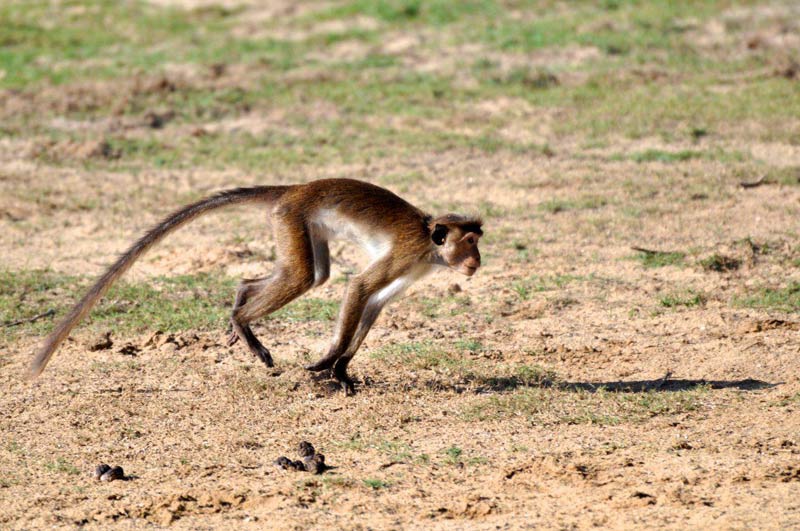
Other mammals include spotted deer, wild boar, macaques and jackals. Leopards may inhabit more secluded areas, but they are much harder to see. These predators are elusive, and their presence is more often detected through tracks than direct sightings.
Crocodiles live in the lagoons and along the banks, where they may be seen basking in the sun. Monitor lizards and several kinds of snake are also found in the park. Visitors should never approach reptiles, even when they appear motionless, as wild animals can react unpredictably.
Sea turtles and the coast
The coastal area around Bundala is important for sea turtles. Green turtles, olive ridley turtles and some other species may nest on regional beaches. Exact nesting sites and seasons vary by species and local conditions. Sea turtles spend most of their lives in the ocean and come ashore to lay eggs.
Beaches and dunes are vulnerable habitats. Artificial lighting, litter, vehicles and disturbance by people can affect nesting turtles and hatchlings. Wildlife should therefore be observed only in accordance with local conservation rules and expert guidance.
The coastline adds another dimension to Bundala's scenery, where dry scrub transitions into sand dunes, coastal vegetation and shallow lagoons. This combination of habitats helps explain the variety of wildlife found in a relatively small area.
Safari in the national park
The most common way to explore Bundala is on a jeep safari with a driver and a guide familiar with the area. Routes follow dirt tracks past lagoons, open terrain and scrub. Stops can be made at permitted locations to observe birds and other wildlife.
Early morning is usually one of the best times for a safari. Temperatures are lower, and birds and mammals are often more active than during the middle of the day. Another option is a late-afternoon drive, when the heat begins to ease and animals may return to open areas.
Bundala should not be treated as a place where large animals are guaranteed to appear around every corner. Its main appeal is the diversity of birds and wetland scenery, so the experience is especially rewarding for visitors who are patient and observant. Binoculars help with birds across the water, while a telephoto lens makes it possible to photograph them without getting too close.
Visitors must follow the instructions of park staff and guides, remain in vehicles where required, avoid feeding animals and take all litter away. Drones and other aerial photography equipment may require separate permission. Before travelling, confirm current access rules, entrance fees and guide arrangements with Sri Lanka's Department of Wildlife Conservation.
Best time to visit Bundala
October to March is particularly good for migratory birds, including flamingos and sandpipers. September and April can also be interesting transition months, although the species present vary with weather and water levels.
During the drier months, especially from May to September, wildlife may gather more frequently around remaining water sources. This can sometimes improve the chances of seeing elephants and other mammals. However, the heat can make midday visits uncomfortable, so early-morning safaris are often preferable.
Seasonal rain can significantly affect conditions. Lagoon levels change, some tracks may become difficult to cross, and wildlife distribution may differ from usual patterns. Check the weather and current route conditions with local operators before setting out.
How to reach Bundala National Park
Bundala lies on Sri Lanka's southern coast, approximately 245 kilometres by road from Colombo. Hambantota and Tissamaharama are convenient nearby towns for arranging a visit. Tissamaharama is often used as a base for safaris in the island's southern wildlife areas.
From Colombo, most visitors travel by car or with a private driver. The journey may take around four to five hours, depending on the route and traffic. The main entrance is much closer to Tissamaharama, making it practical to stay there the night before an early safari.
Public transport can take travellers to nearby towns, but exploring the park generally requires an organised jeep and the appropriate guide or tracker under current rules. Check opening hours, road conditions, entrance fees and safari availability before visiting. Bundala can be combined with a trip to Yala National Park and other destinations on the southern coast.
What to bring
Useful items include binoculars, a camera with a telephoto lens, drinking water, a hat, sunscreen and lightweight long-sleeved clothing. There is little shade in the open landscape, and the sun can be strong even in the morning. Insect repellent is also helpful around wetland areas.
Choose clothing in subdued natural colours and avoid unnecessary noise. Do not disturb nests, frighten birds for photographs or try to attract wildlife with food. Patience and respect for distance are more important than obtaining a photograph at any cost.
Bundala's importance for Sri Lanka's natural heritage
Bundala National Park is important for conserving wetland ecosystems and bird migration routes. Its lagoons provide food and resting places for migratory species, while dry woodland, scrub, dunes and coastal habitats support many other animals and plants. Its international recognition reflects an ecological value that extends beyond Sri Lanka.
Bundala offers a different wildlife experience from parks that focus mainly on large mammals. Here, the details matter: flamingos in shallow water, flocks of sandpipers across mudflats, crocodiles along the banks and elephants moving through dry scrub. For birdwatchers and travellers seeking a quieter safari, it is one of the most interesting destinations on the southern coast.
Gallery