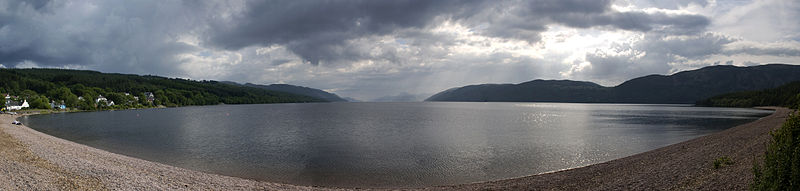
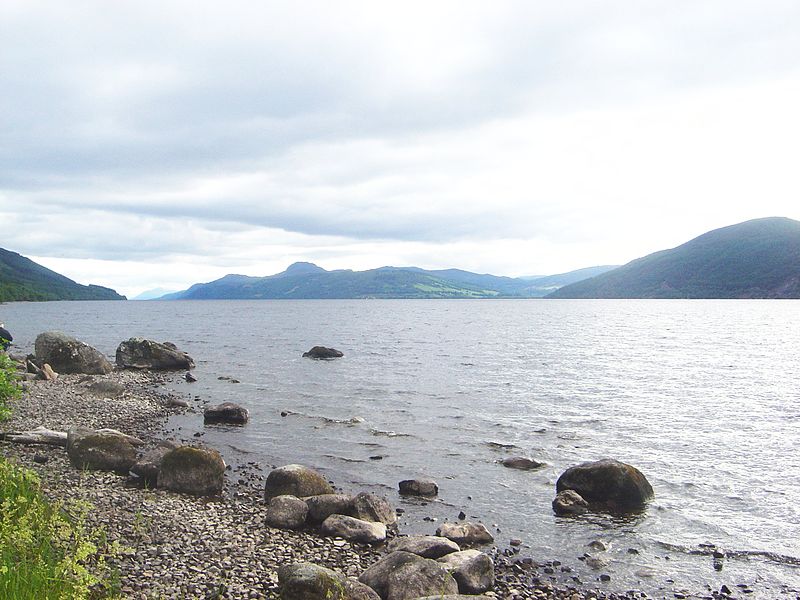
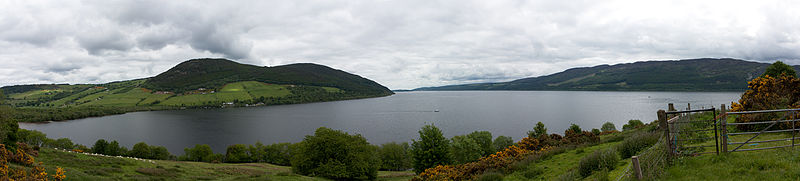
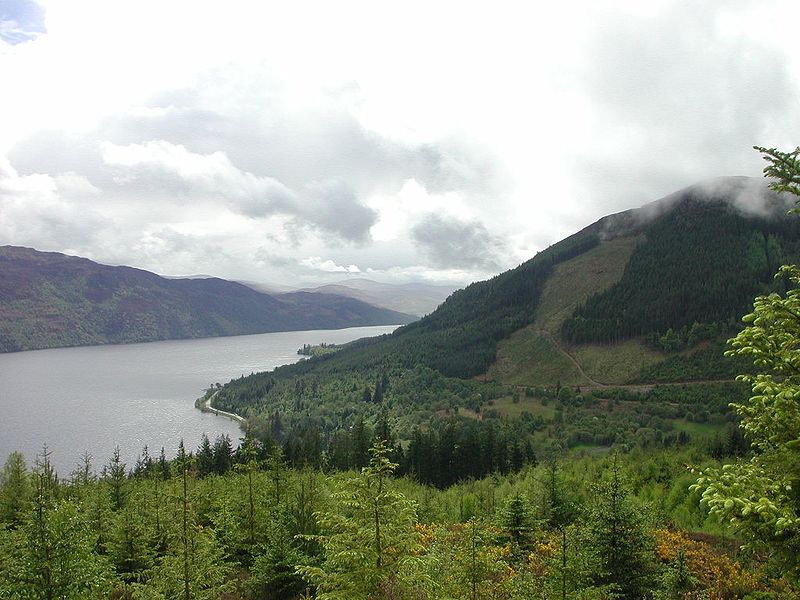
Loch Ness is one of Scotland's best-known lochs, located in the Great Glen in the northern United Kingdom. It attracts visitors with mountain scenery, historic castles and the legend of Nessie, the mysterious Loch Ness Monster. The loch is also notable for its considerable depth and enormous volume of freshwater.
The maximum depth of Loch Ness is commonly given as about 230 metres, while its mean depth is approximately 132 metres. It is Scotland's second-deepest loch after Loch Morar. By water volume, Loch Ness is the largest loch in the United Kingdom, holding around 7.45 cubic kilometres of water.
How deep is Loch Ness?
The commonly cited maximum depth of Loch Ness is 230 metres. Its average depth is about 132 metres, meaning that large areas remain deep even away from the deepest point.
A bathymetric and seismic survey carried out in 1991 recorded a maximum depth of 226.96 metres. Reference sources generally round this figure to 230 metres, following earlier measurements. The difference reflects the methods and measurements used rather than a meaningful change in the lake itself.
Where is the deepest point of Loch Ness?
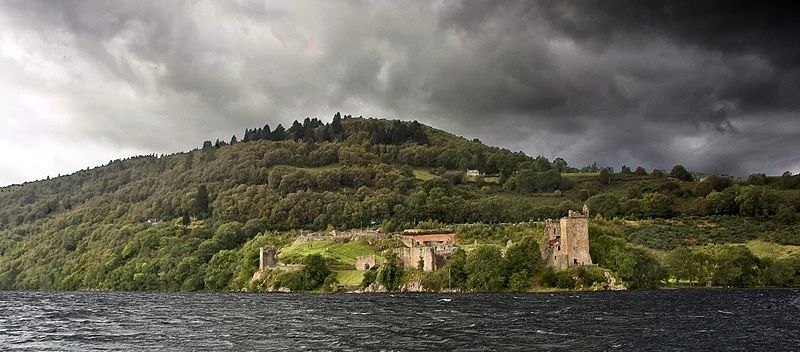
The deepest point recorded by the 1991 survey lies in the northern basin, approximately one kilometre south of Urquhart Castle. Its reported coordinates are about 57°18′57″N and 4°26′02″W.
The underwater landscape is uneven. Steep sides descend into deep sections, while the area near the River Foyers separates two deep basins. Depth therefore varies considerably from one part of the loch to another, and accurate measurements require specialised equipment.
Loch Ness dimensions and key facts
Loch Ness stretches for approximately 36 kilometres from southwest to northeast. Its surface area is around 56 square kilometres, its mean width is about 1.5 kilometres, and its water volume is approximately 7.45 cubic kilometres.
Its maximum depth is about 230 metres and its mean depth is around 132 metres. Loch Ness contains more freshwater than all the lakes in England and Wales combined. This is primarily a result of its depth, although some other Scottish lochs have a larger surface area.
Why is Loch Ness so deep?
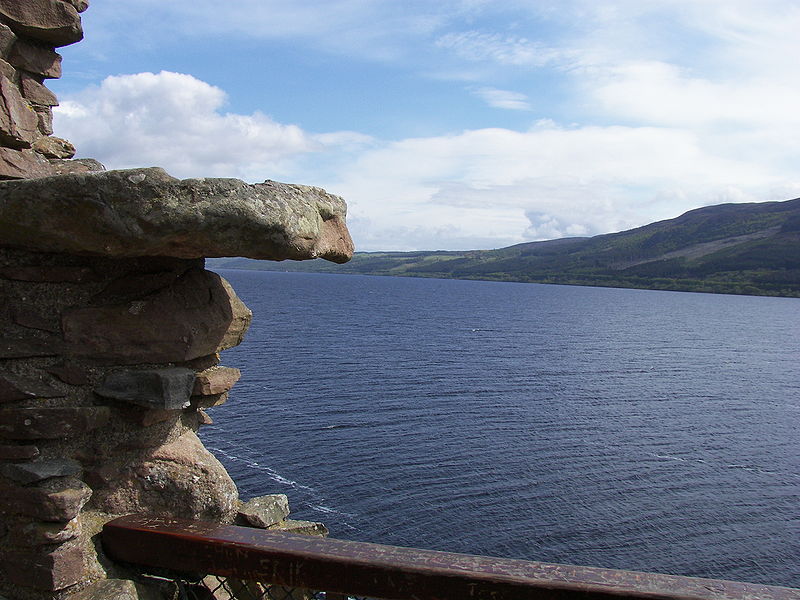
The loch lies in the Great Glen, a valley associated with a major geological fault zone. Glacial activity also helped shape the landscape, deepening and modifying parts of the valley. Beneath the surface, steep slopes descend into a deep basin, giving Loch Ness its distinctive underwater profile.
Why does the water look dark?
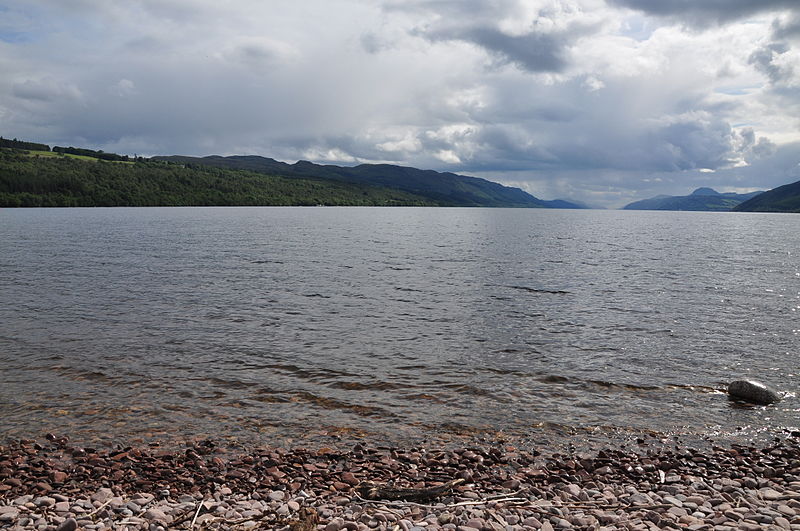
The water can appear dark because of organic matter and particles carried into the loch from surrounding slopes and peat-rich soils. Light and weather conditions also affect its appearance. The dark water has become part of Loch Ness's mysterious image, but its colour is not evidence of an unknown creature.
Loch Ness and the legend of Nessie
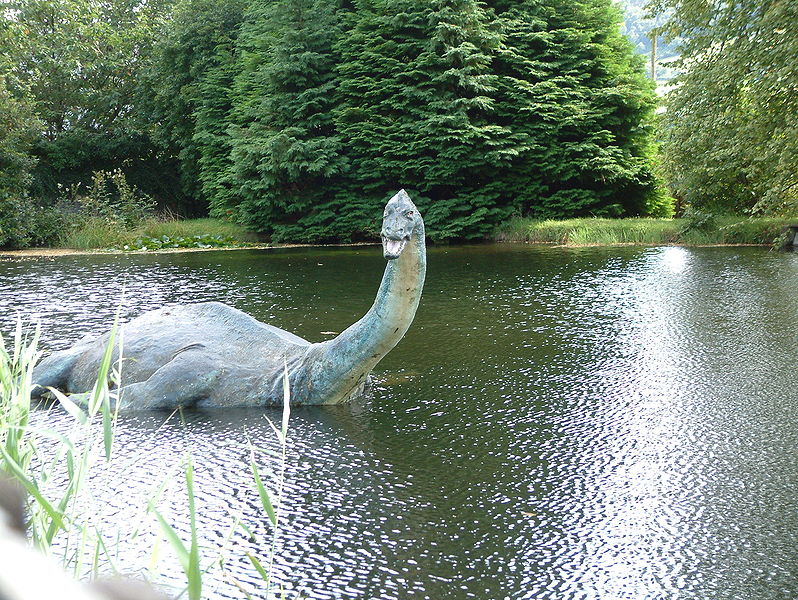
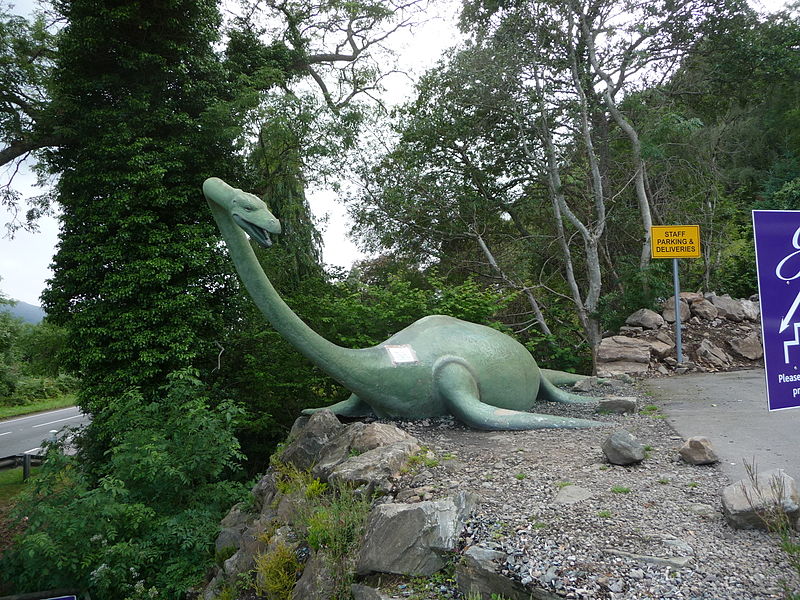
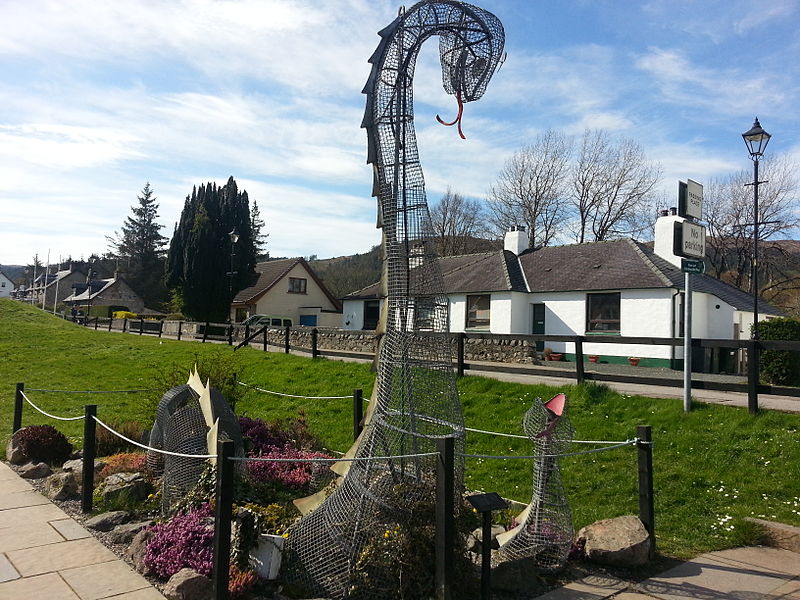
Loch Ness became internationally famous through stories of Nessie, a supposed large creature said to live in its depths. Reports of unusual sightings helped turn the loch into one of Scotland's best-known destinations. However, scientific investigations have not produced convincing evidence that an unknown large animal lives there. The legend remains an important part of local culture and tourism.
What to see around Loch Ness
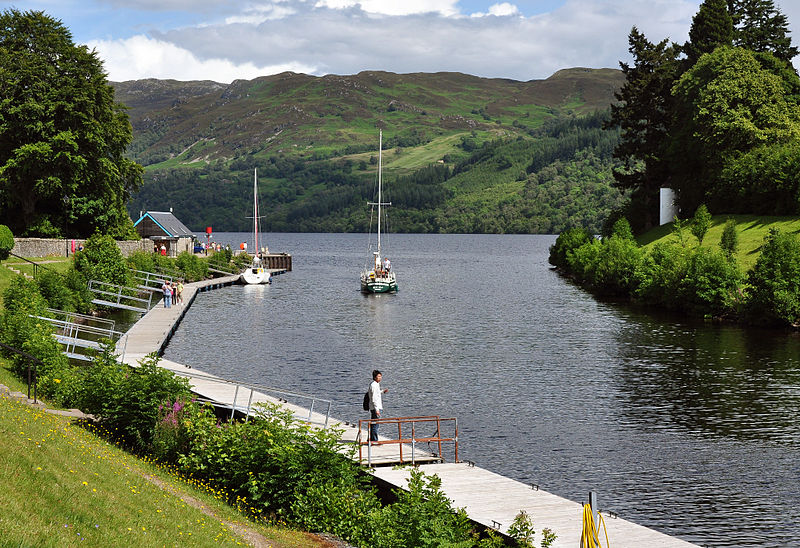
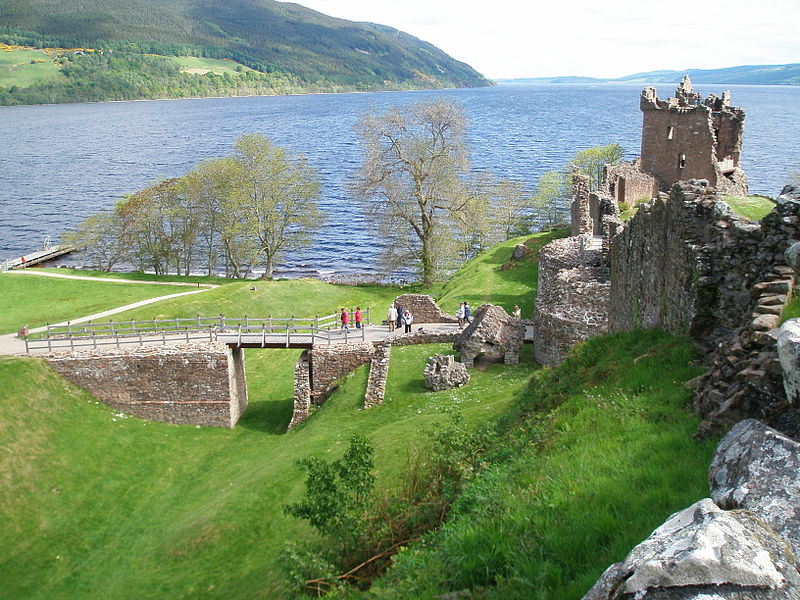
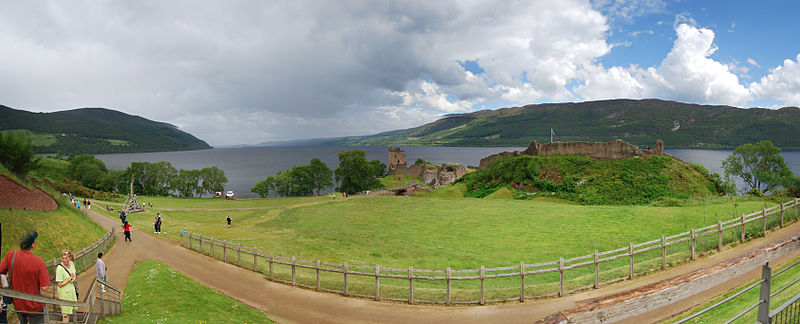
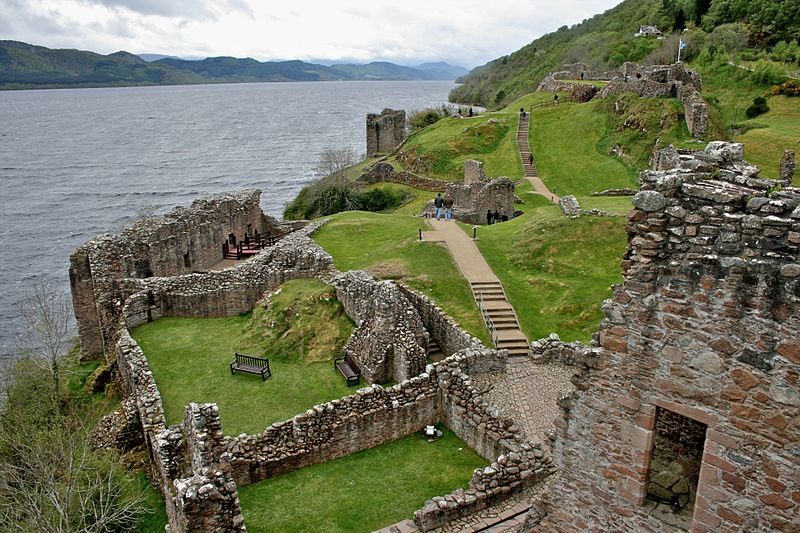
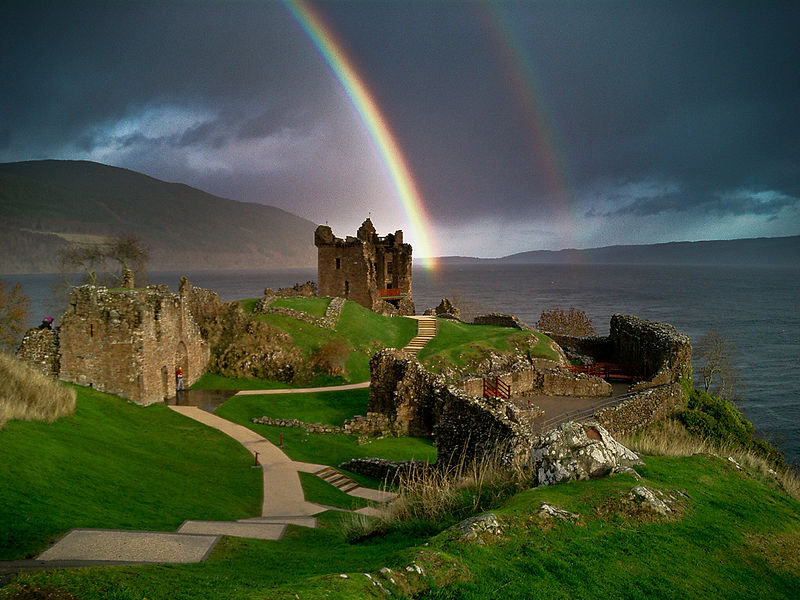
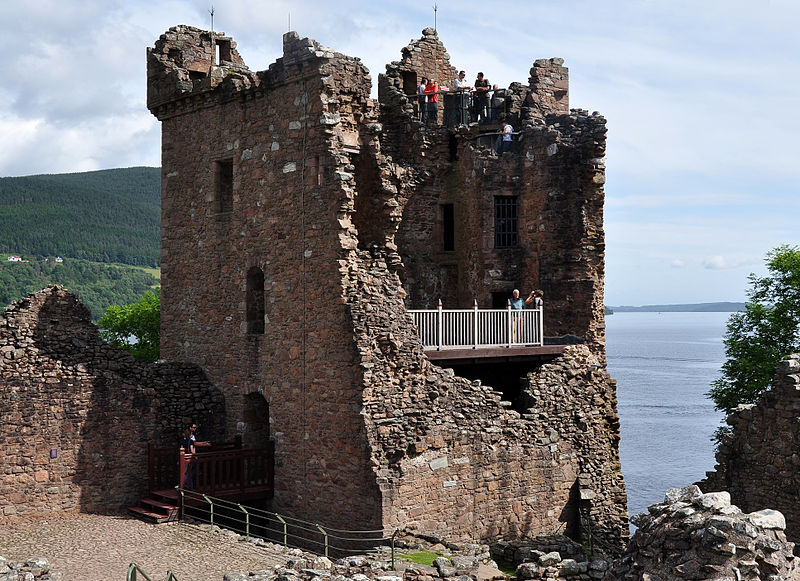
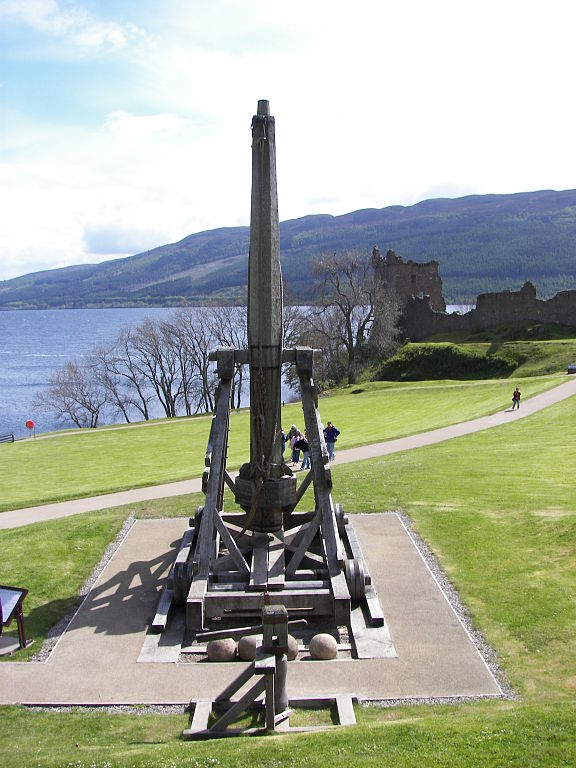
On the western shore stand the ruins of Urquhart Castle, one of Scotland's most recognisable historic sites. The castle occupies a rocky headland with wide views across the loch. Visitors can also explore Drumnadrochit, take boat trips and learn about the Nessie legend at local visitor attractions. Fort Augustus, at the southern end of the loch, is known for the locks of the Caledonian Canal.
Where is Loch Ness and when should you visit?
Loch Ness is in the Scottish Highlands, near Inverness. Visitors can reach the area by car, bus or organised tour. The A82 road runs along the western shore, and Inverness, Drumnadrochit and Fort Augustus are useful bases for exploring the region.
Late spring to early autumn is a popular period for sightseeing because daylight hours are longer. Weather in the Highlands can change quickly, so waterproof clothing is useful throughout the year. Check local transport, boat-trip schedules and attraction opening times before travelling.
Gallery