Ritigala – an ancient monastery hidden in the forest
Ritigala is an archaeological complex set among the forests of a mountain range in north-central Sri Lanka. Unlike many of the island's Buddhist sites, it is known less for monumental stupas and statues than for paved stone paths, stairways, bridges, paired platforms and the remains of buildings used for meditation. The ruins blend into the surrounding vegetation, creating the atmosphere of a secluded monastic settlement.
History of the monastery
Religious activity at Ritigala dates back to ancient times, while many of the best-known surviving structures belong to the early medieval period. In the 9th century, King Sena I supported a monastery for Pansukulika monks, who followed a strict ascetic tradition and preferred a simple, secluded life.
Stone paths and platforms
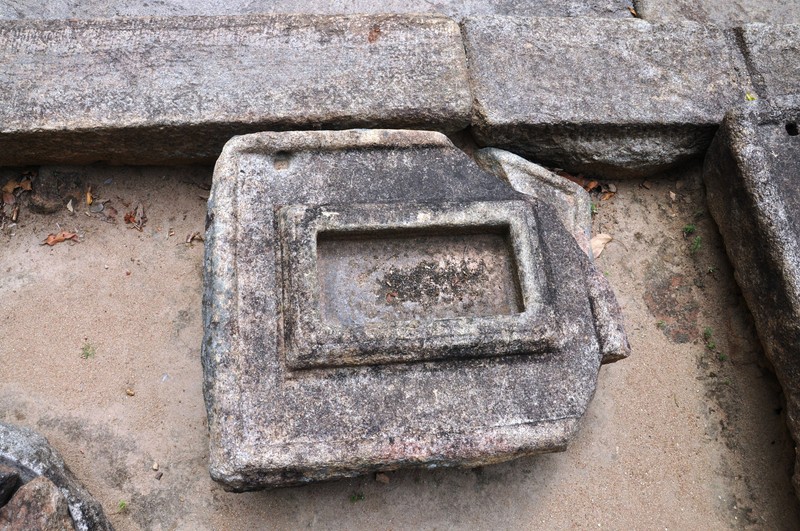
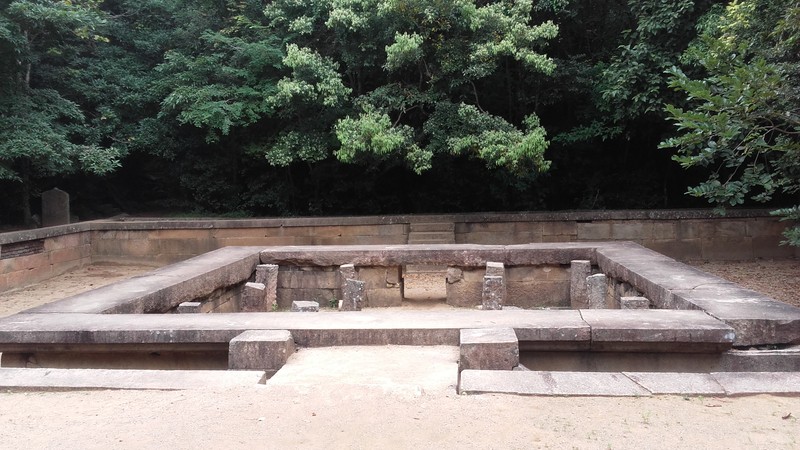
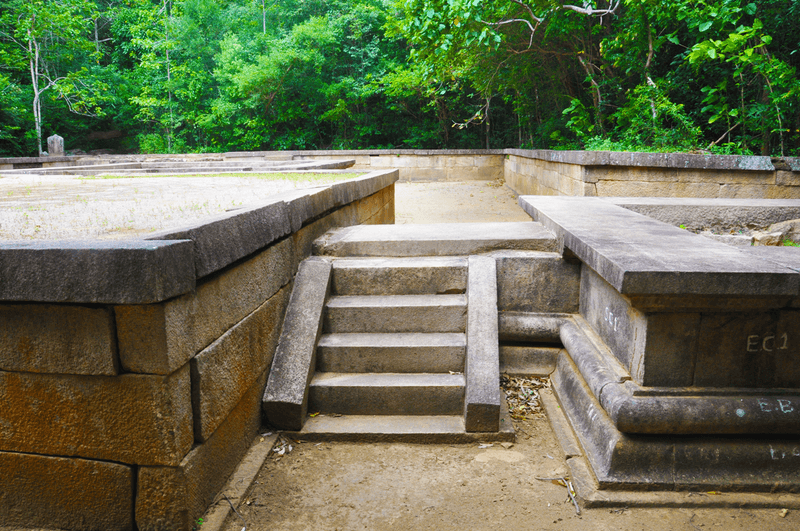
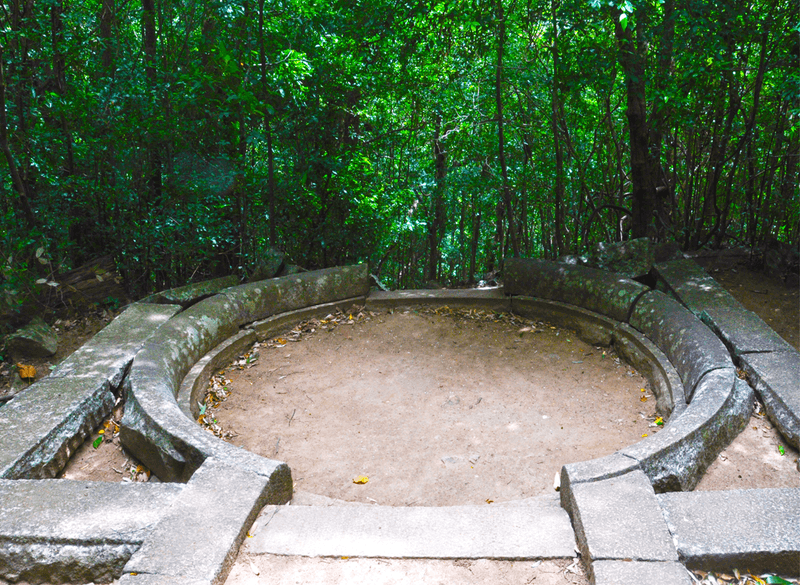
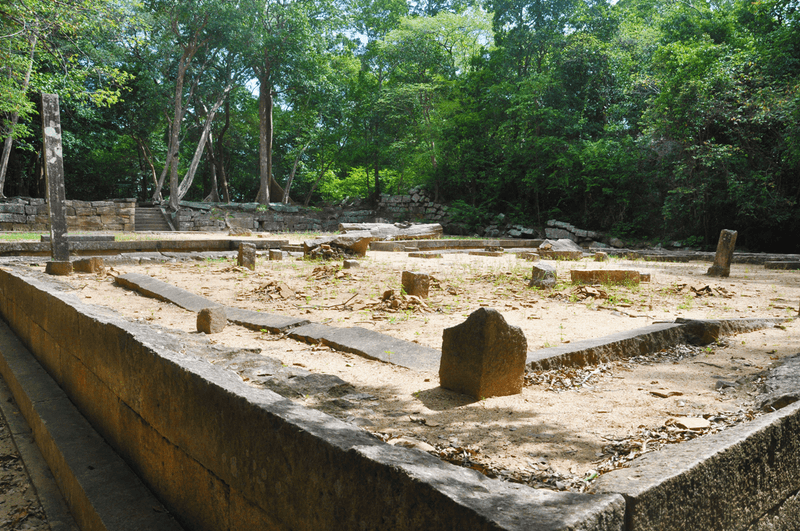
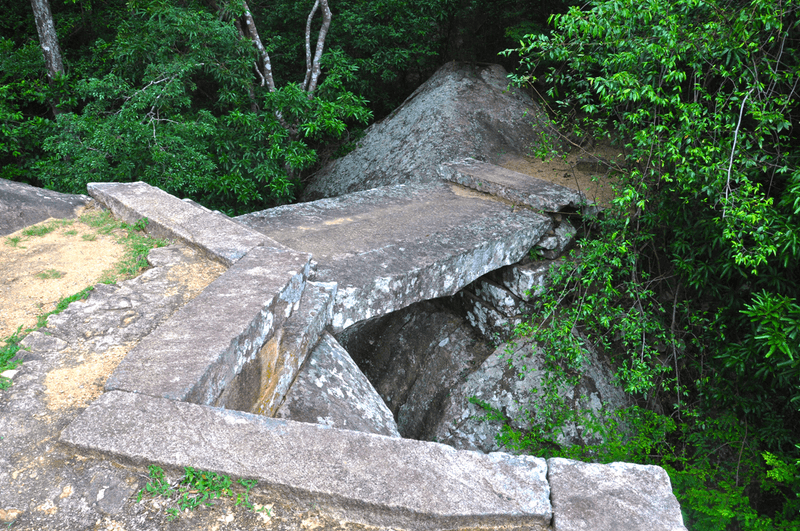
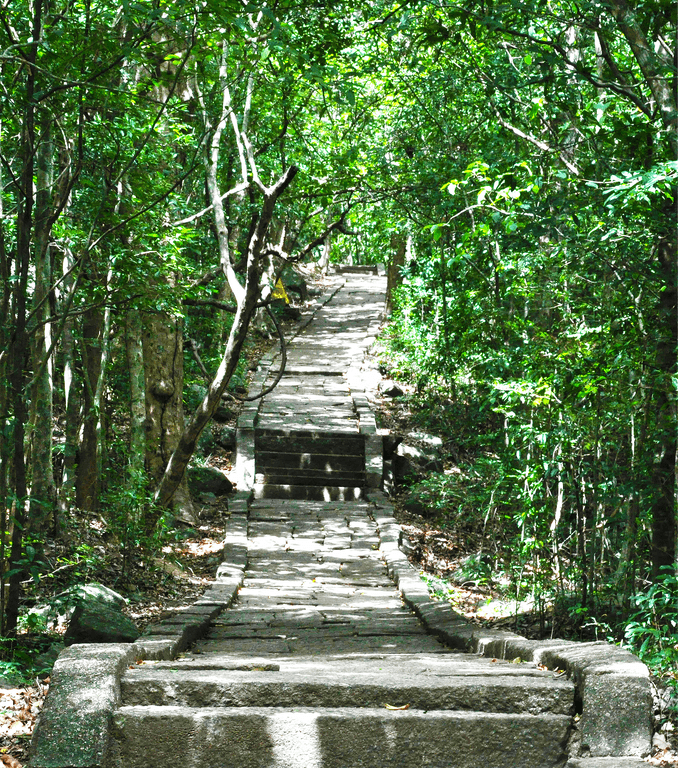
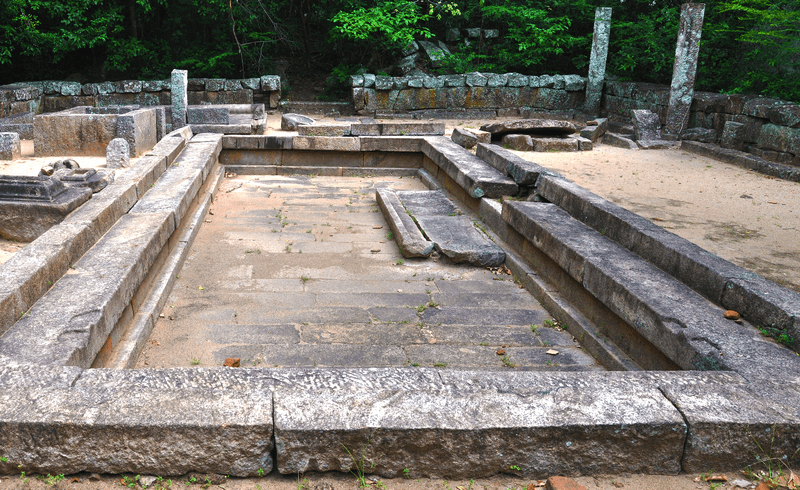
A network of large stone slabs connects separate buildings across the forest. The remains include steps, bridges and distinctive paired platforms joined by a stone walkway. These features are characteristic of ancient forest monasteries in Sri Lanka and reveal how the complex was organised for monastic life.
Banda Pokuna and the ancient bathhouse
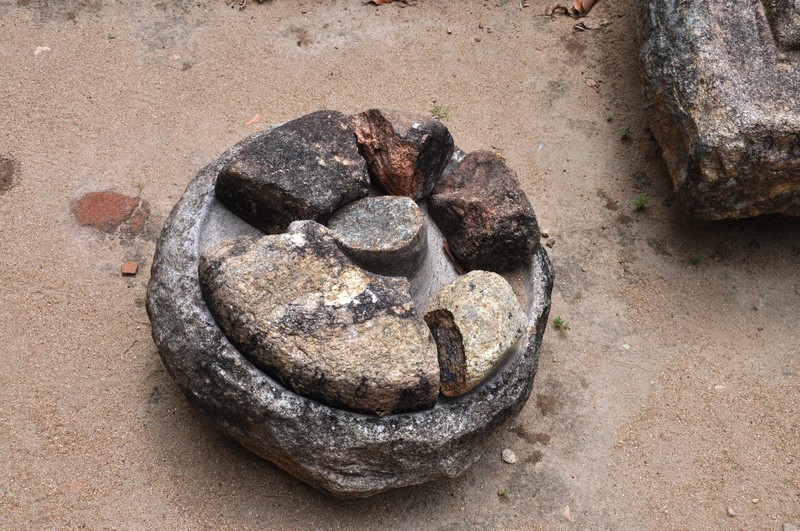
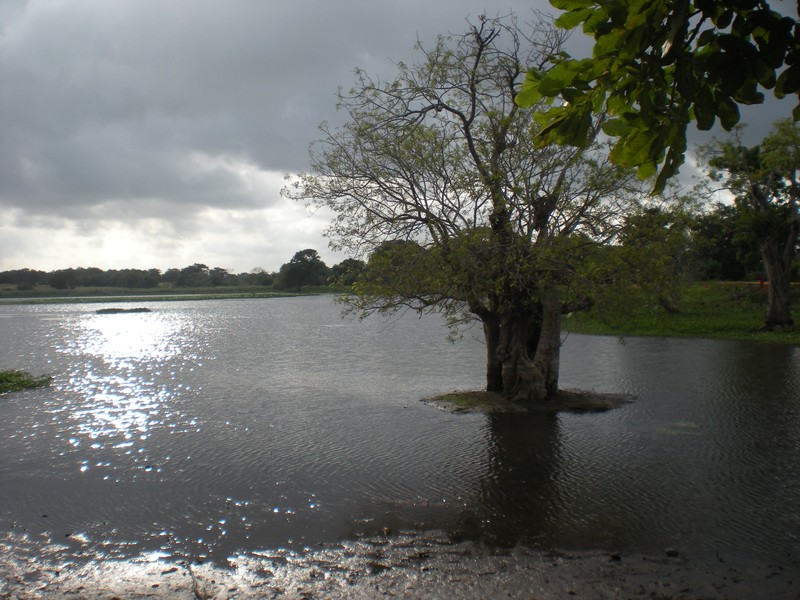
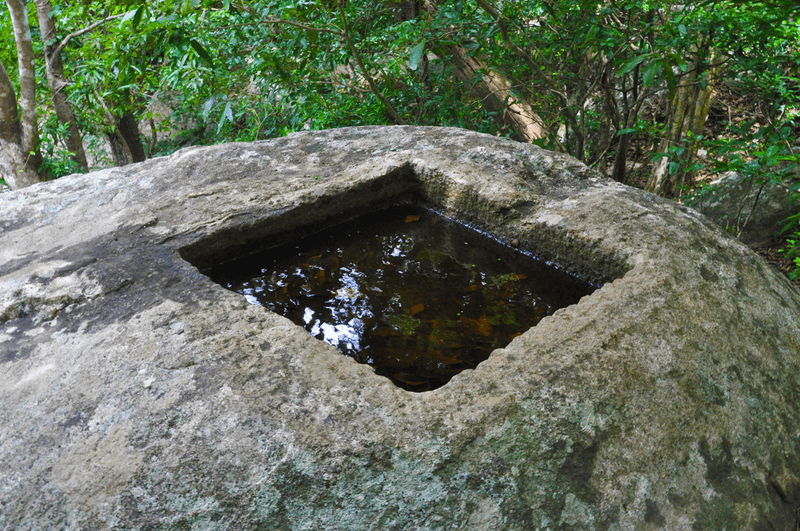
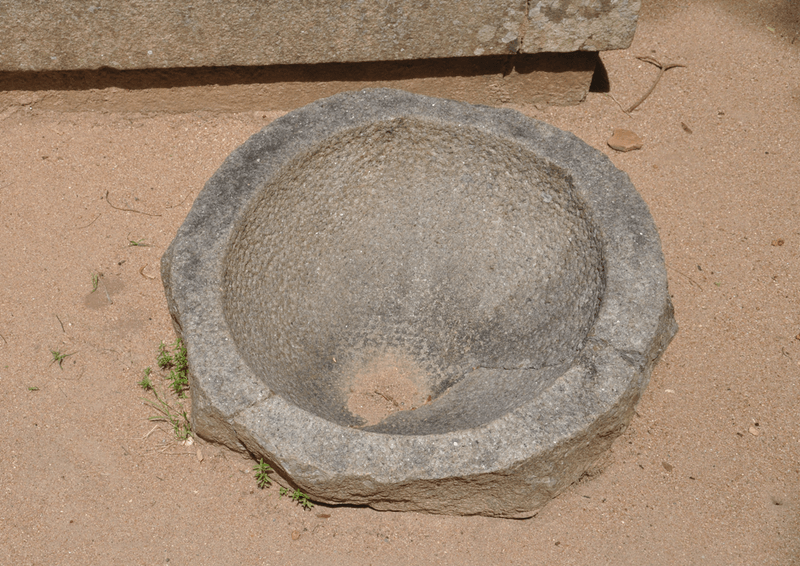
Banda Pokuna is a large artificial pond that helped supply the monastic community with water. Another structure is associated with a janthagara, or hot-water bathhouse. Stone installations and other remains suggest that the monastery had facilities for hygiene, health and everyday needs as well as meditation.
Ritigala mountain and the nature reserve
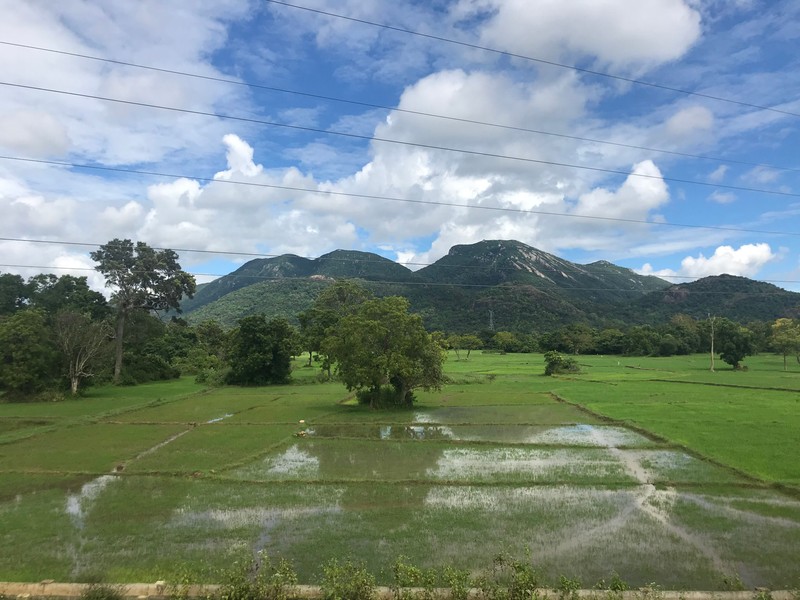
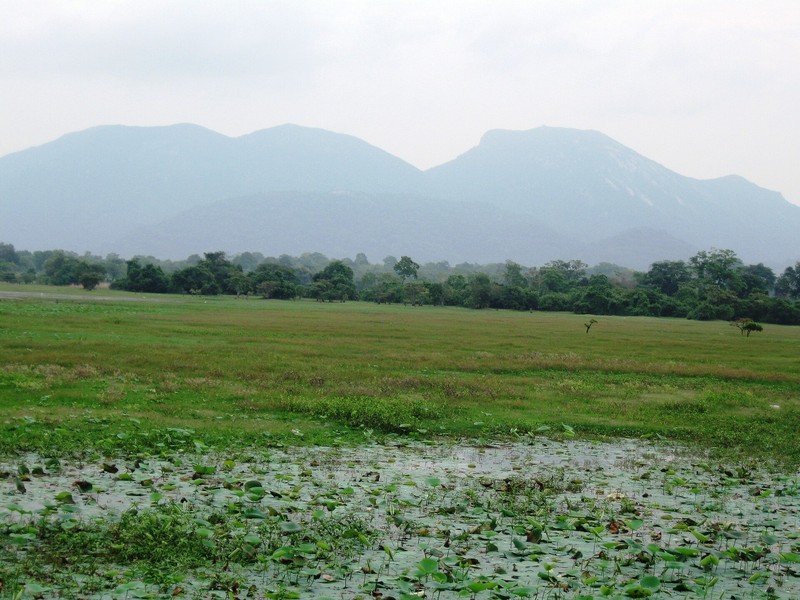
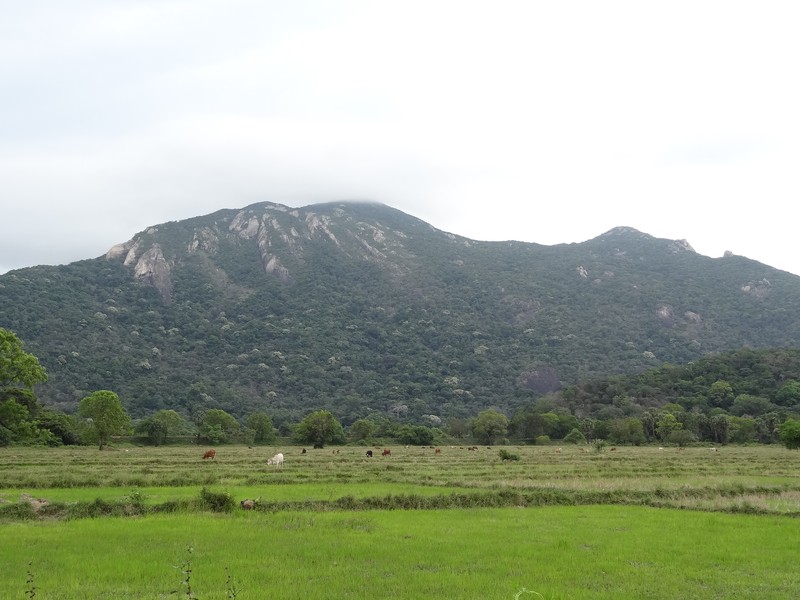
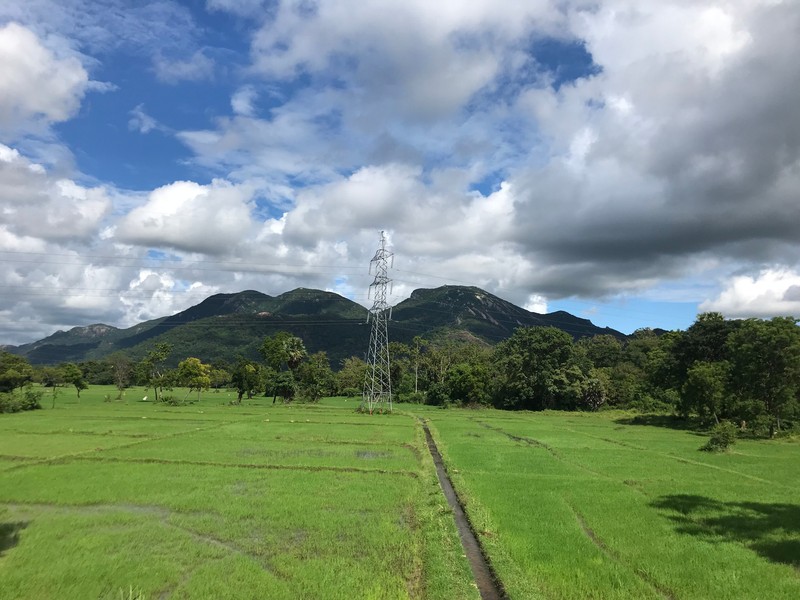
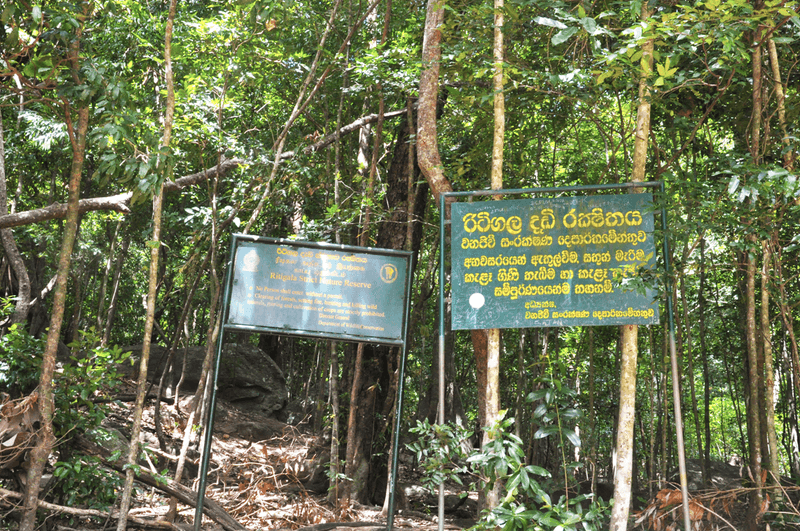
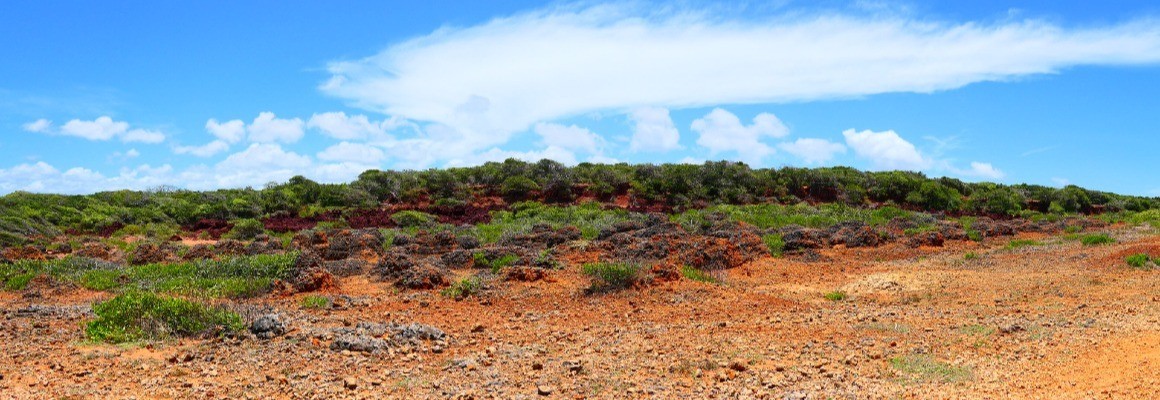
The Ritigala massif rises to around 766–768 metres above sea level and stands out from the surrounding dry-zone plains. Its varied forest habitats support distinctive flora and fauna. The area is protected as a strict nature reserve, so access to some sections is regulated.
Visiting Ritigala
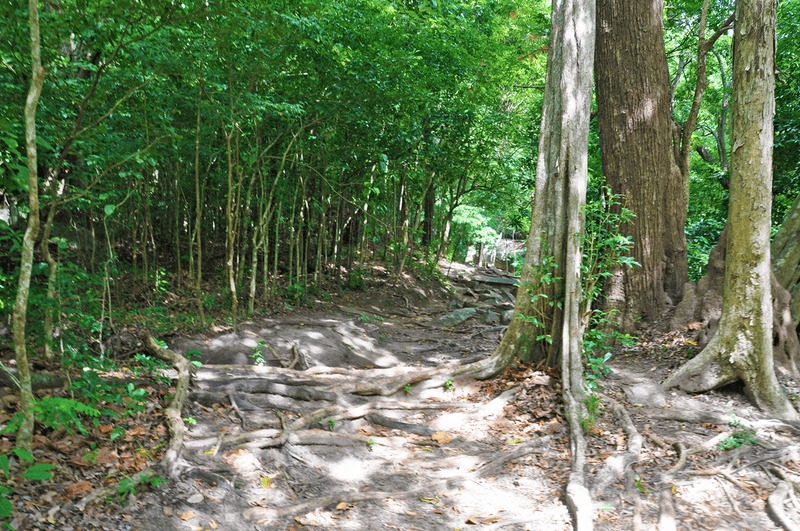
The monastery lies near the road between Habarana and Anuradhapura. Allow several hours to explore the ruins, bring drinking water and wear sturdy footwear. Stone slabs may become slippery after rain. Check access rules before travelling and remain on authorised paths.
Why visit Ritigala?
Ritigala combines ancient Buddhist architecture with a forest setting. Its paved paths, water reservoir and meditation-related structures offer a glimpse into the lives of monks who sought quiet and seclusion far from urban centres.
Gallery