Horton Plains National Park – Sri Lanka's highland wilderness
Horton Plains National Park is one of Sri Lanka's most distinctive natural attractions. Located in the central highlands, it features cool mountain air, mist-covered forests, open grasslands, streams and dramatic cliffs. Its scenery is very different from the island's tropical beaches and lowland jungles.
The park lies at approximately 2,100–2,300 metres above sea level and covers about 31.6 square kilometres. Montane evergreen forests, grasslands, marshes and streams create habitats for many rare plants and animals, including species found nowhere else in the world.
Horton Plains became a national park in 1988. In 2010, it was included in the UNESCO World Heritage property known as the Central Highlands of Sri Lanka, together with Peak Wilderness and the Knuckles Conservation Forest.
World's End viewpoint
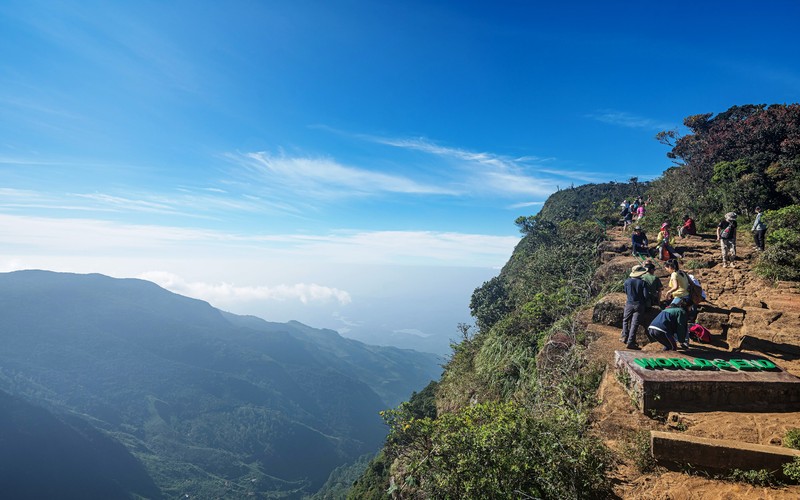
World's End is the park's most famous attraction. This dramatic escarpment marks the edge of the high plateau and offers sweeping views over the southern lowlands of Sri Lanka. On clear days, visitors can see distant hills, valleys and agricultural landscapes. The cliff drops approximately 800–900 metres, depending on the section measured.
Early morning is usually the best time to visit because clouds and mist often obscure the view later in the day. The cliff edge is dangerous, so visitors should remain behind barriers and never approach unprotected sections for photographs.
Mini World's End
Mini World's End is another viewpoint along the circular walking trail. Although smaller than the main escarpment, it offers a different perspective over the highland valleys. The route crosses open grassland and forest, revealing the changing vegetation and rolling terrain of the plateau.
Baker's Falls
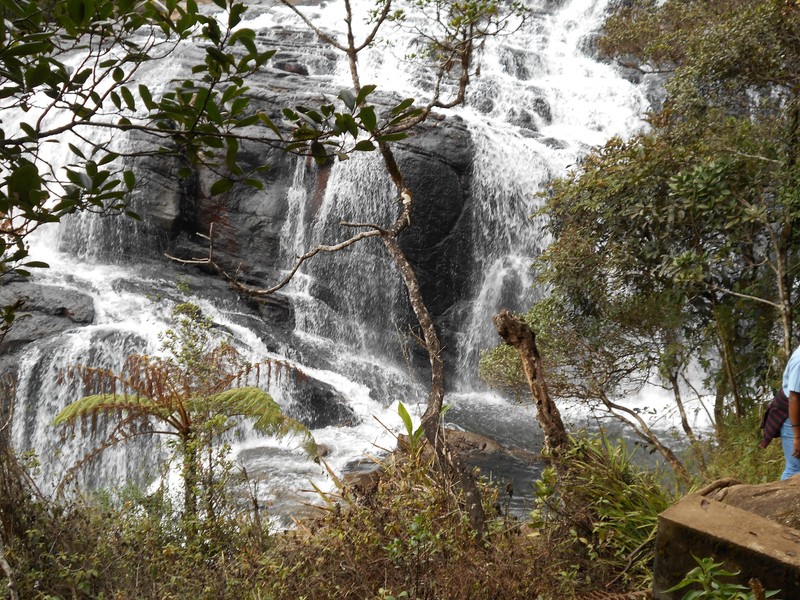
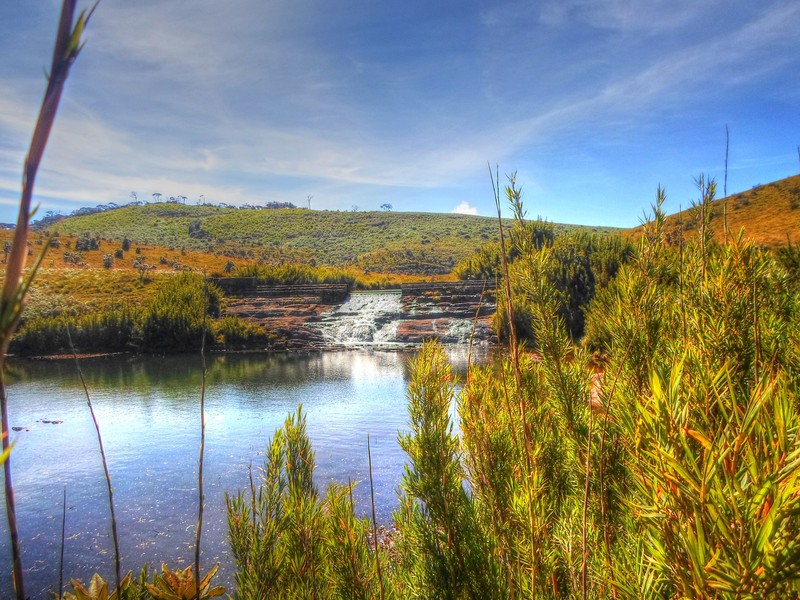
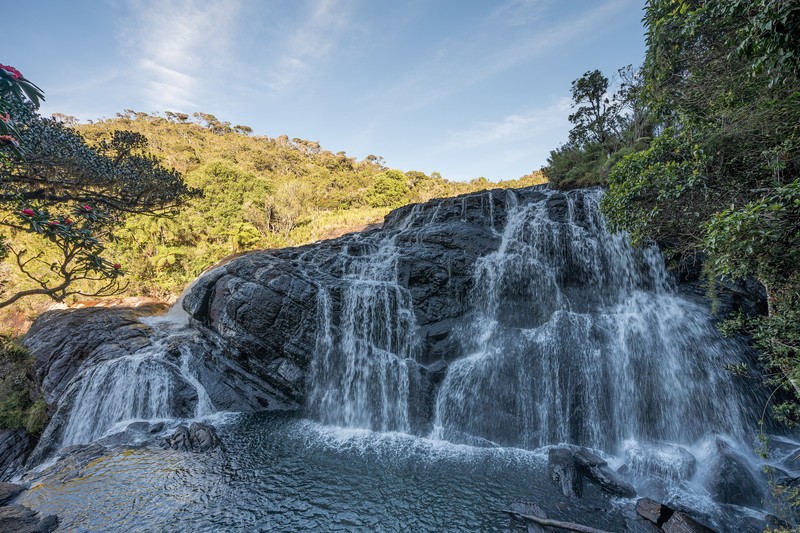
Baker's Falls is one of the park's most picturesque natural features. Water from Belihul Oya flows over rocky ledges to form a series of cascades surrounded by ferns, moss and lush vegetation. The waterfall was named after British explorer Samuel Baker, who travelled in Sri Lanka during the nineteenth century.
The falls are reached on foot along the park trail. Rocks and steps can become slippery after rain, so sturdy footwear is essential. Water flow is often stronger after rainfall, but wet conditions also require extra care.
Grasslands and cloud forests
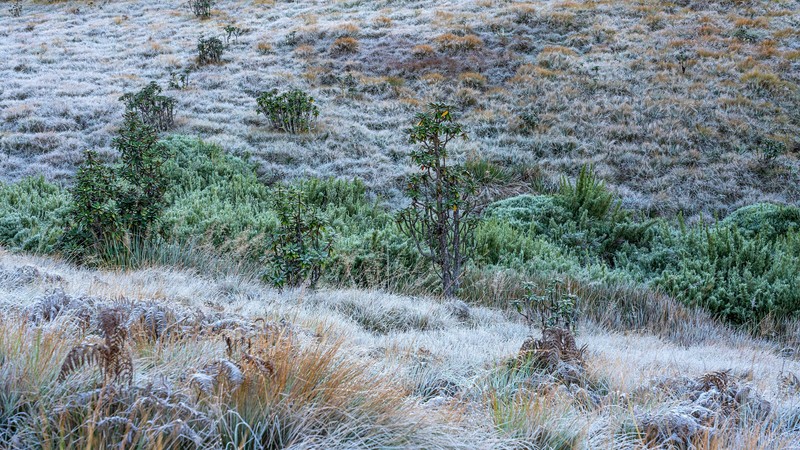
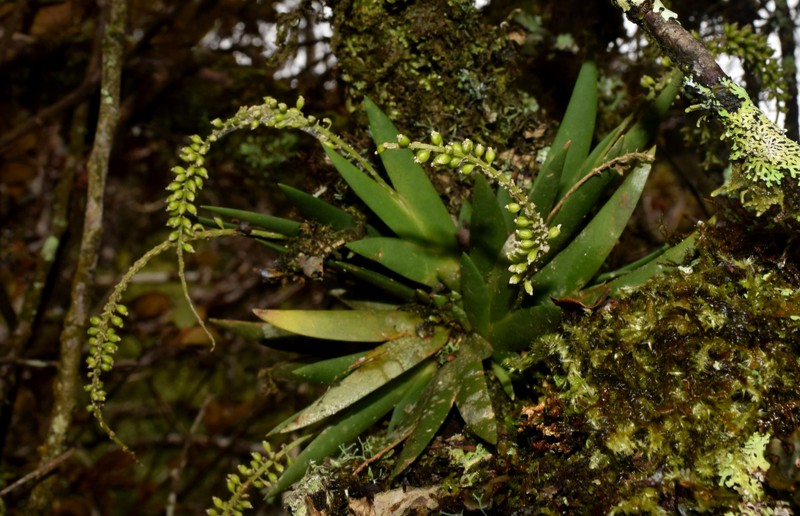
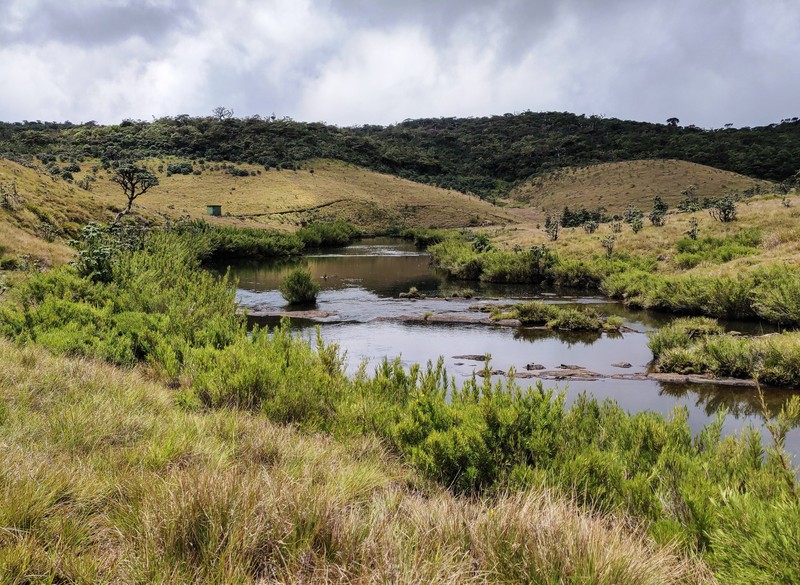
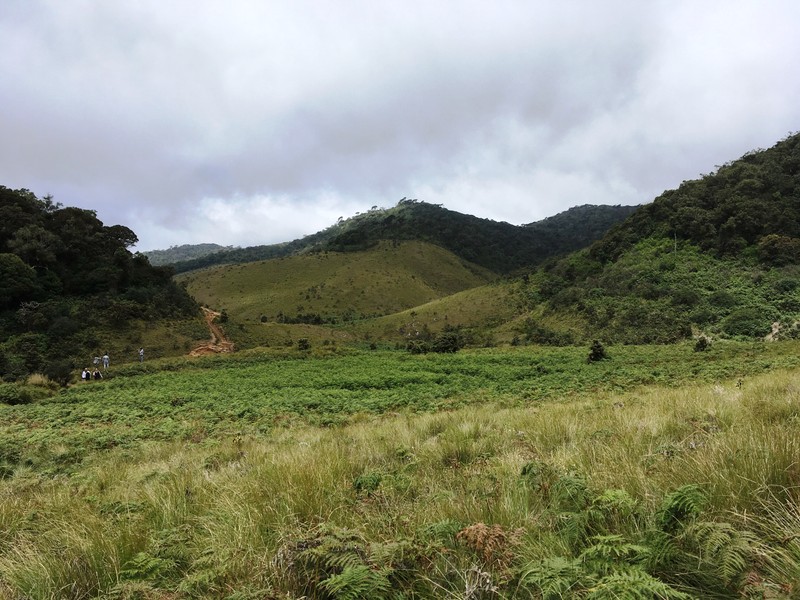
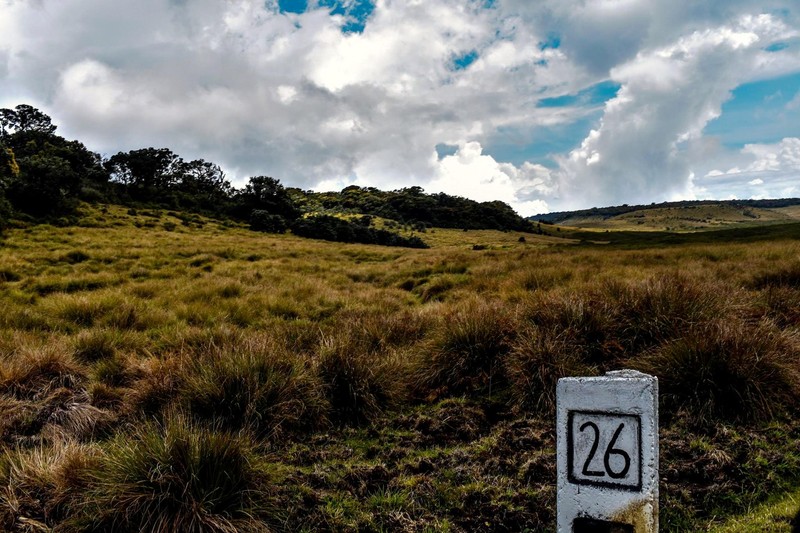
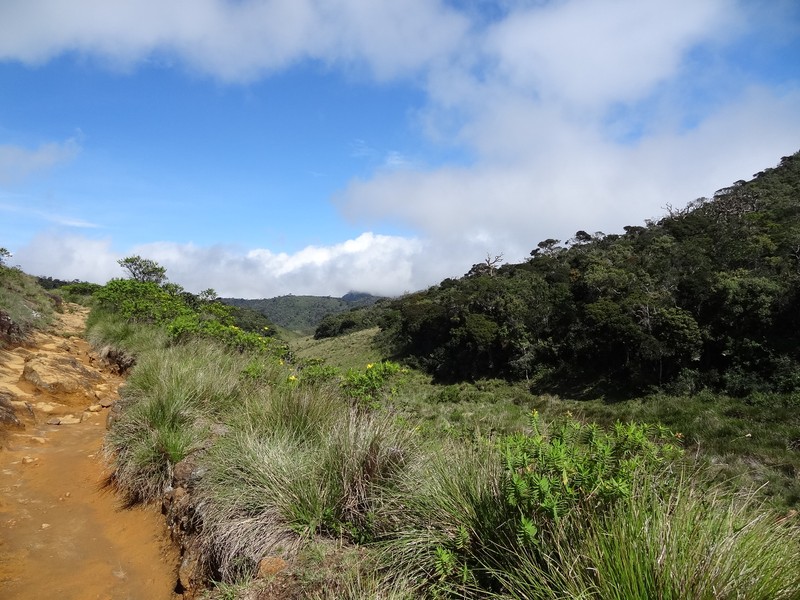
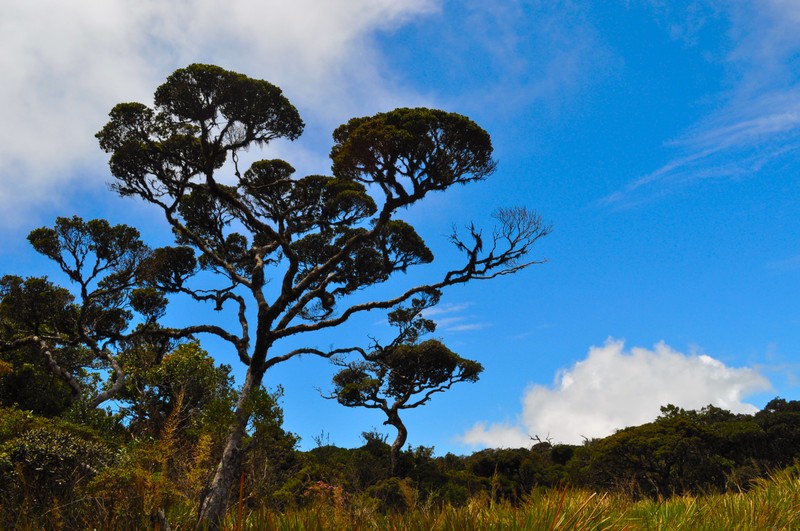
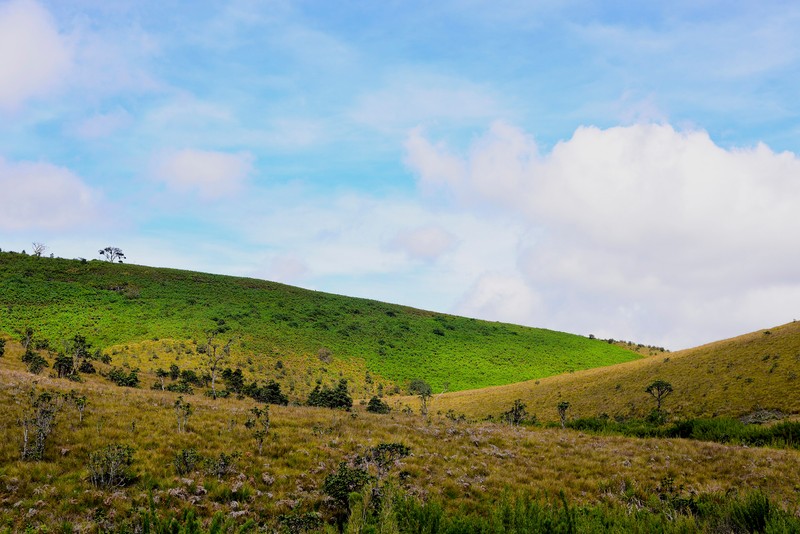
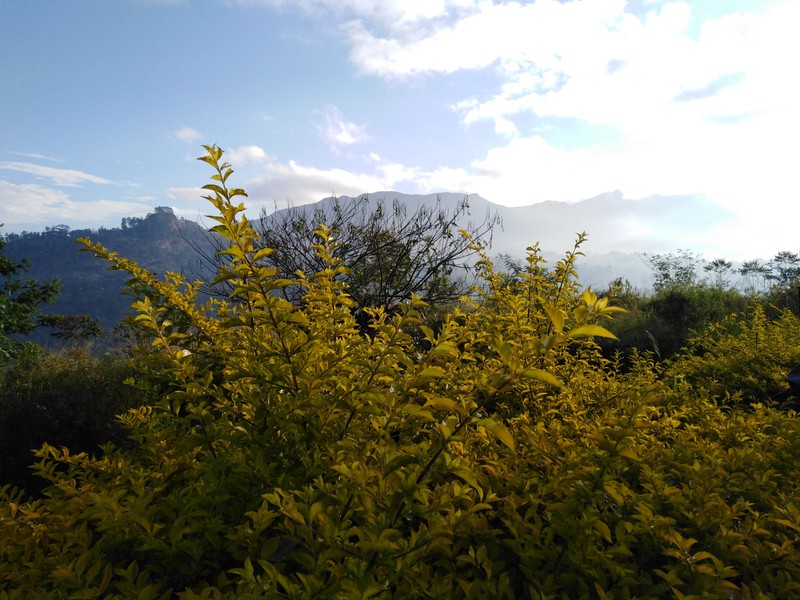
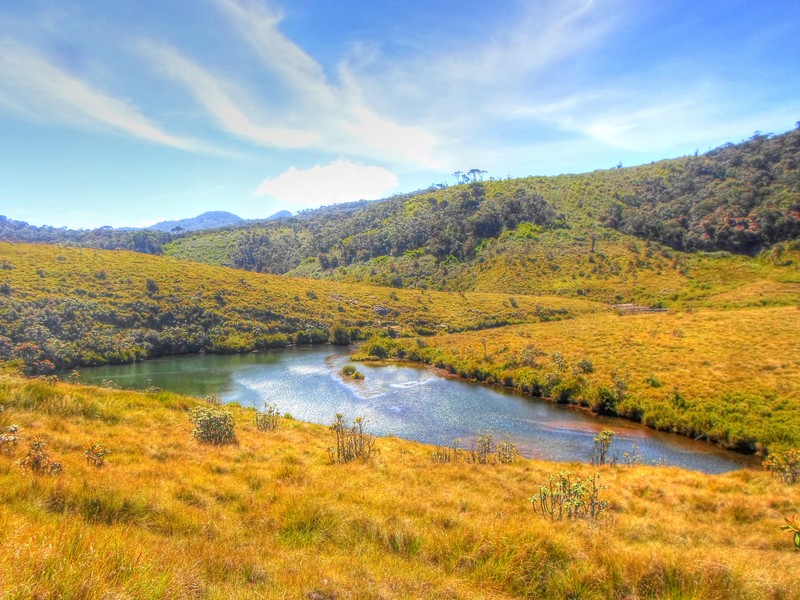
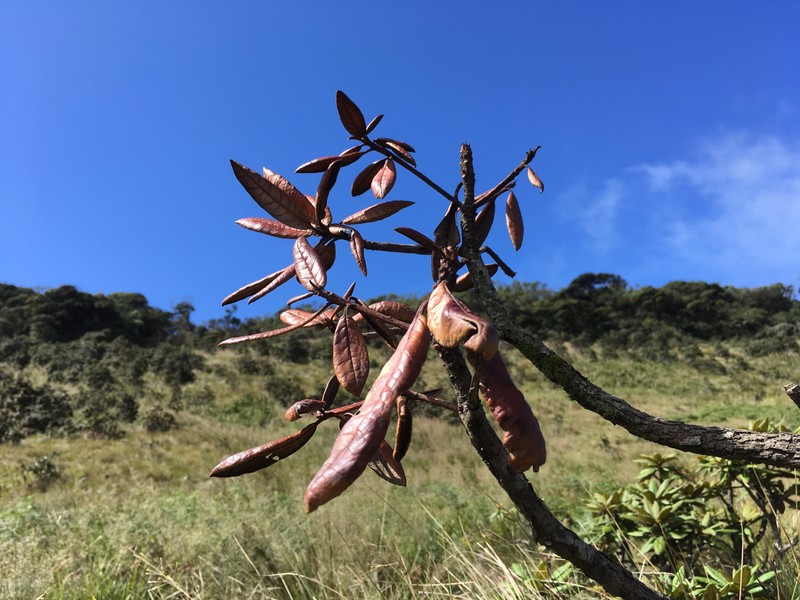
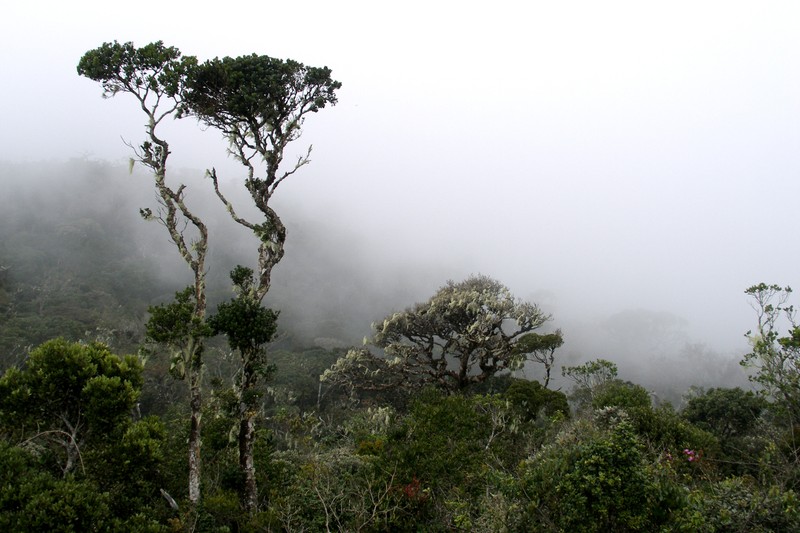
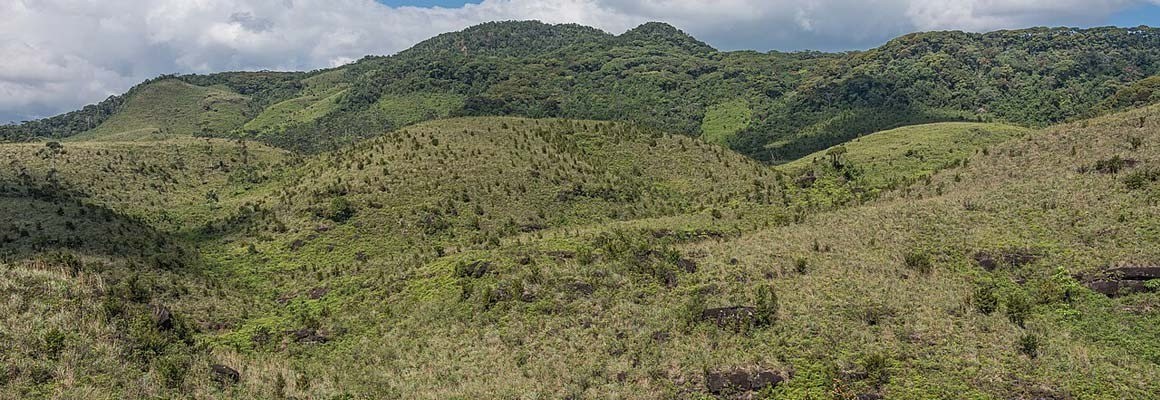
The landscape alternates between open montane grasslands, locally known as patana, and cool cloud forests. The forests contain low, twisted trees covered with mosses and lichens. Frequent mist and high humidity support specialised plants adapted to the mountain climate.
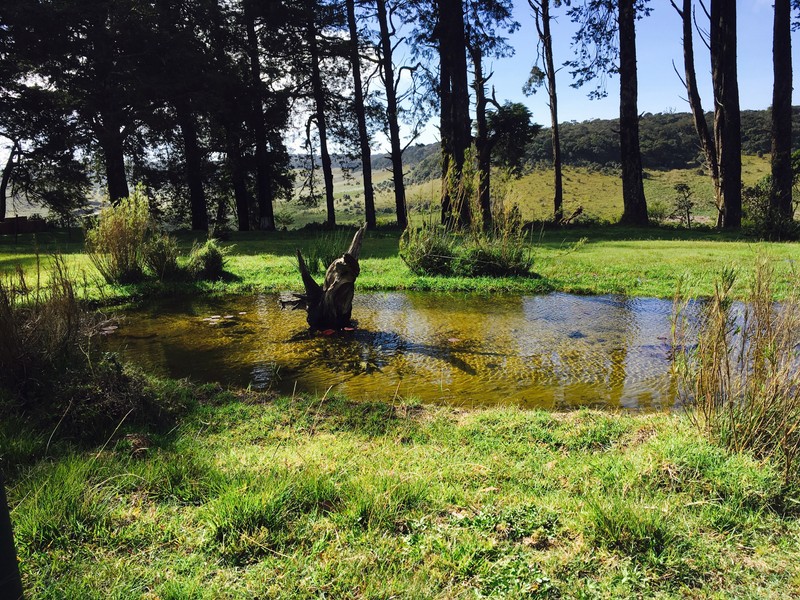
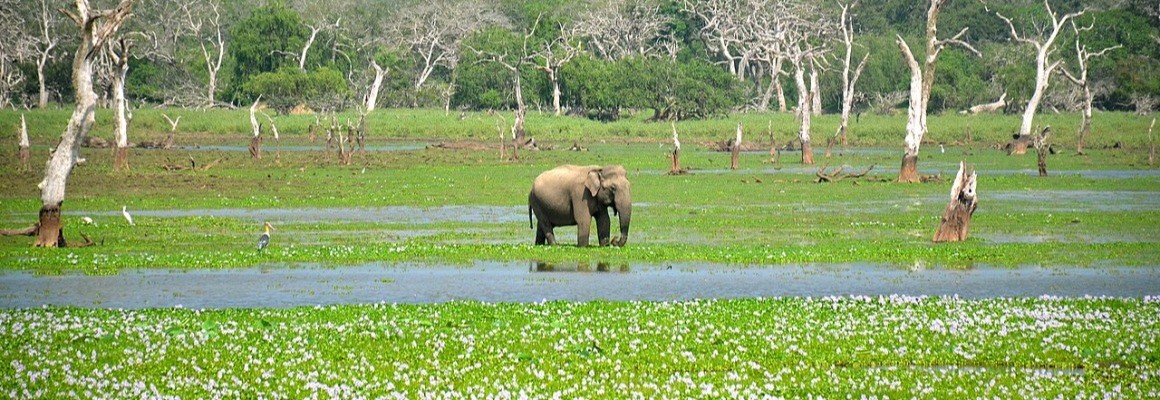
Grasslands provide feeding areas for herbivores, while forest patches offer shelter to birds, amphibians and small mammals. Walking through the park reveals a changing landscape of open plains, dense forest and misty clearings.
Wildlife of Horton Plains
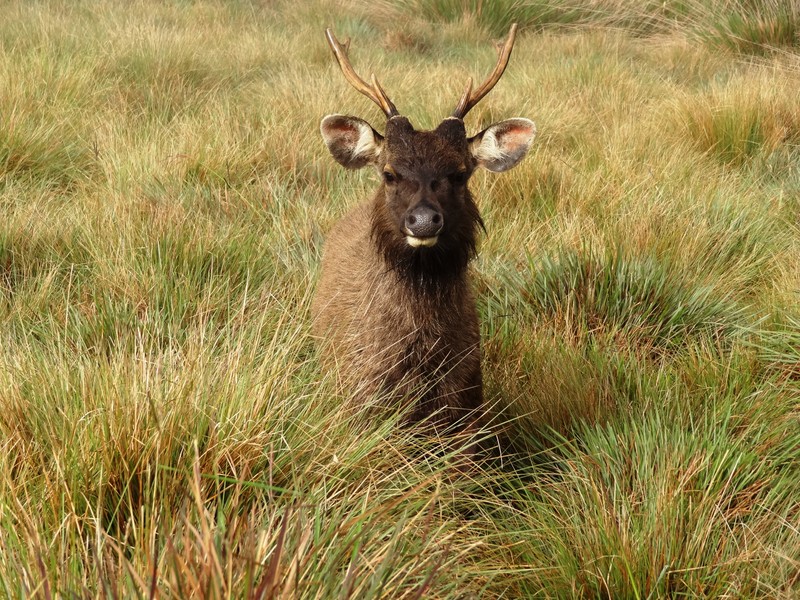
Sri Lankan sambar deer are among the most commonly seen large mammals and may be spotted grazing on the grasslands. The forests also support endemic highland primates, wild boar, mongooses and squirrels. Sri Lankan leopards inhabit the wider region, although sightings are rare.
The park is also important for birdwatching. Highland endemics include the Sri Lanka whistling thrush, Sri Lanka white-eye and yellow-eared bulbul. Migratory birds may appear during the migration season. Visitors should never feed wildlife, chase animals or leave the marked paths to take photographs.
Rivers and water resources
Horton Plains is an important watershed for Sri Lanka. Its forests, wetlands and grasslands retain moisture and feed streams connected to the Mahaweli, Kelani and Walawe river systems. Highland vegetation and soils help regulate water flow and support freshwater supplies for areas farther down the slopes.
Damage to forests and wetlands can disrupt natural water storage and filtration. Protecting the park therefore matters not only for wildlife and scenery, but also for the island's water resources.
The walking trail
The main route is a circular trail approximately 9–10 kilometres long. Starting near the visitor centre, it usually includes Mini World's End, World's End and Baker's Falls. The walk often takes around three hours, although photography and rest stops can make the visit longer.
The trail does not require mountaineering equipment, but its length, altitude and changing weather make it a moderately demanding walk. Bring drinking water, a warm layer, a rain jacket and shoes with good grip. Starting early improves the chance of seeing the views before the mist arrives.
How to reach the park
Horton Plains is located in Sri Lanka's central highlands, near Nuwara Eliya and Ohiya. Visitors usually reach the entrance by car, arranged transfer or tuk-tuk. Another option is to take a train to Ohiya or Pattipola and arrange transport to the park entrance. Check train schedules and return transport in advance.
Best time to visit
Early morning is generally the best time for the viewpoints. Clouds and mist often develop later, while wind and rain can change conditions quickly. The highlands remain cool throughout the year, especially before sunrise, so warm clothing and rain protection are useful even when the coast is hot.
Park rules and conservation
Horton Plains is a protected area with a fragile ecosystem. Stay on marked trails, do not pick plants, leave rubbish or disturb wildlife. Check the current park regulations before travelling, including any restrictions on plastic items and access to particular areas.
Why visit Horton Plains
Horton Plains National Park is an excellent place to experience Sri Lanka's highland nature. Its attractions include the cliffs of World's End, Baker's Falls, misty cloud forests, open grasslands and distinctive wildlife. The park is especially appealing to hikers, nature photographers and birdwatchers. It reveals a cooler, greener and remarkably diverse side of Sri Lanka.
Gallery