
Arusha National Park is a scenic protected area in northern Tanzania, close to the city of Arusha. Within a relatively compact area, volcanic mountains, montane forests, open grasslands, craters, and bird-rich lakes form a striking variety of landscapes. The park is suitable for both day safaris and walking adventures.
Its most prominent natural landmark is Mount Meru, which rises to about 4,566 metres. The park also contains Ngurdoto Crater, the Momella Lakes, and stretches of montane forest where visitors can look for primates and other African wildlife.
Mount Meru
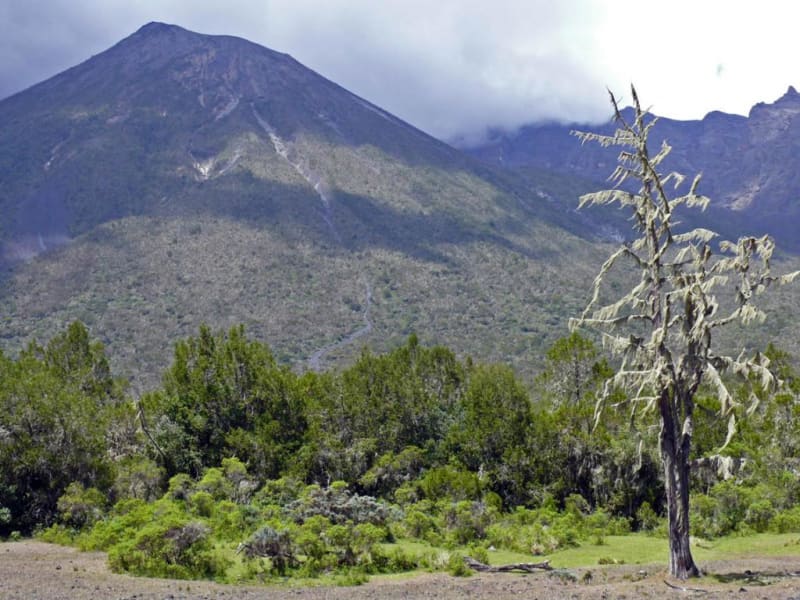
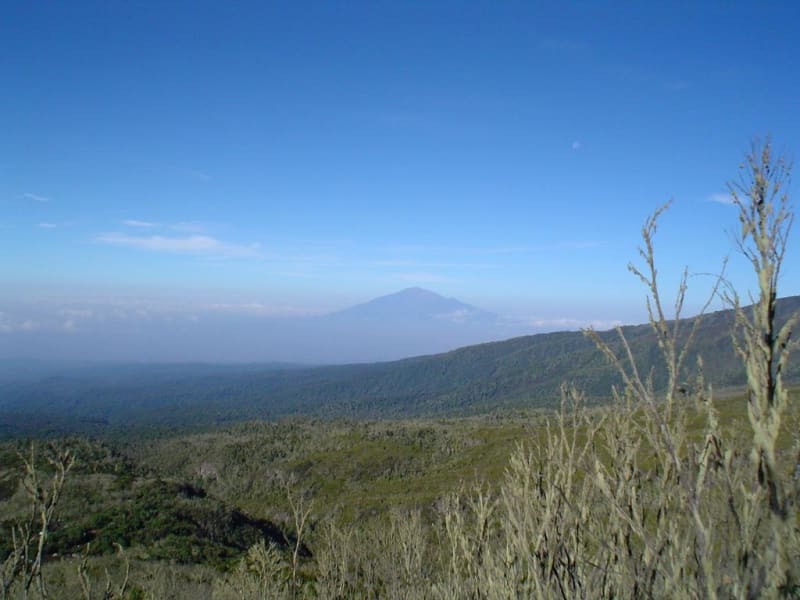
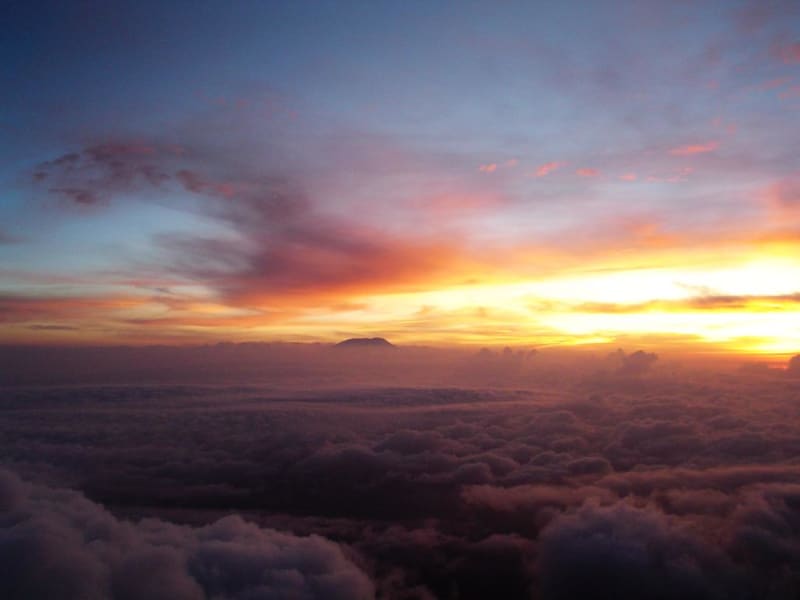
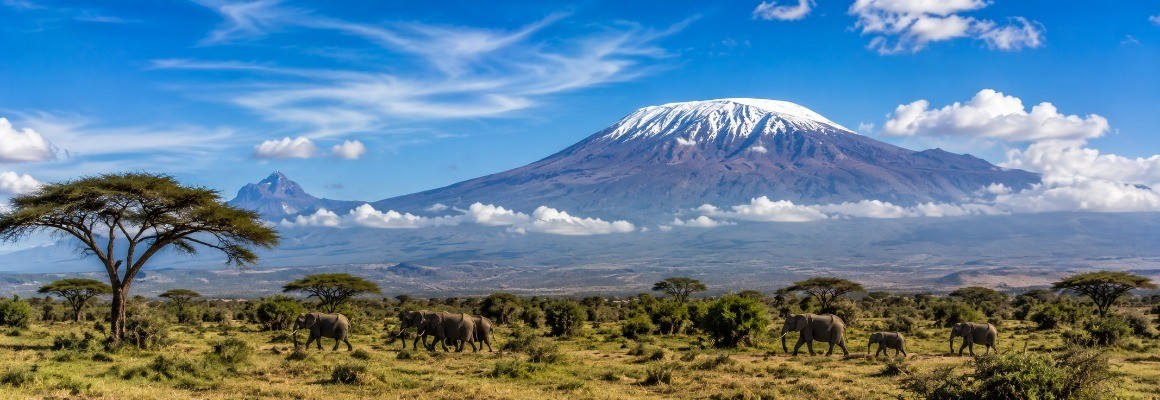
Mount Meru is an imposing volcano that defines the park’s scenery. It is Tanzania’s second-highest mountain after Kilimanjaro. Its slopes support forests and high-altitude vegetation, while the summit offers impressive views over the surrounding plains and, on clear days, the snow-capped peak of Kilimanjaro.
Meru’s volcanic landscape was shaped by a long history of geological activity. The collapse of part of its eastern flank in the distant past created a vast, horseshoe-shaped scar. An ash cone rises within this dramatic volcanic landscape.
Climbing Meru is an adventure in its own right and is often chosen for acclimatisation before an ascent of Kilimanjaro. The route crosses several ecological zones, from forests and humid mountain slopes to open alpine terrain. Climbers should arrange their itinerary in advance and follow national park regulations.
The Momella Lakes
The Momella Lakes are a group of water bodies with differing chemical compositions and colours. Depending on minerals, algae, and lighting, their surfaces may appear blue, turquoise, or greenish. The contrast between the water, grassy shores, and mountain slopes makes the lakes one of the park’s most recognisable sights.
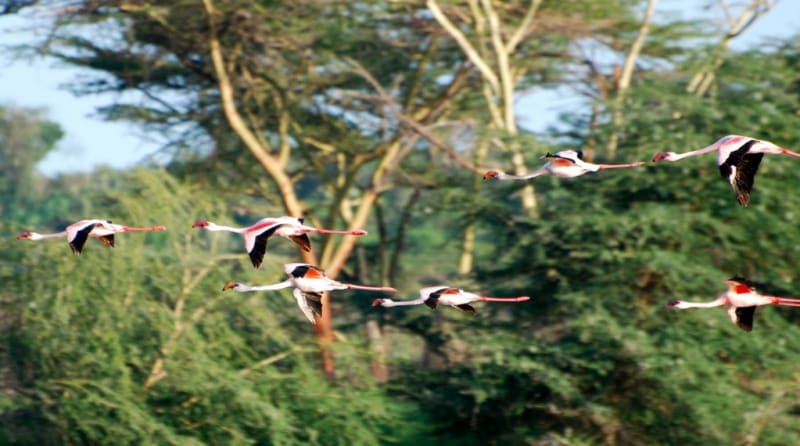
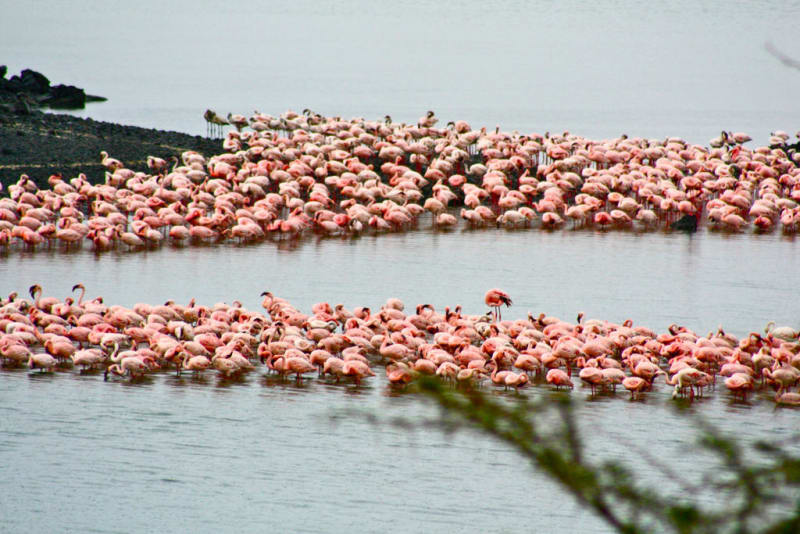
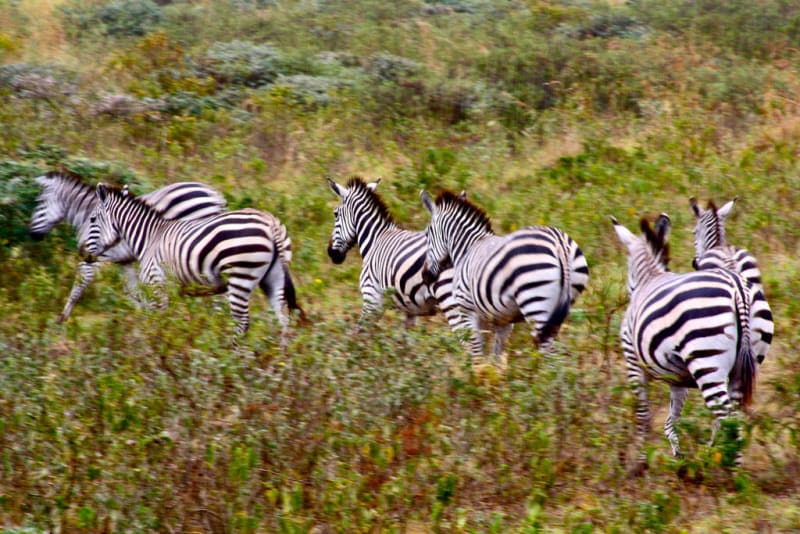
The lakes are important stopovers for resident and migratory waterbirds. Flamingos, pelicans, and other wetland species may be seen here. Waterbucks, zebras, giraffes, and buffaloes inhabit the shores and surrounding plains. Wildlife viewing often takes place at a relaxed pace, without the heavy vehicle concentrations found at some of Tanzania’s better-known safari destinations.
Ngurdoto Crater
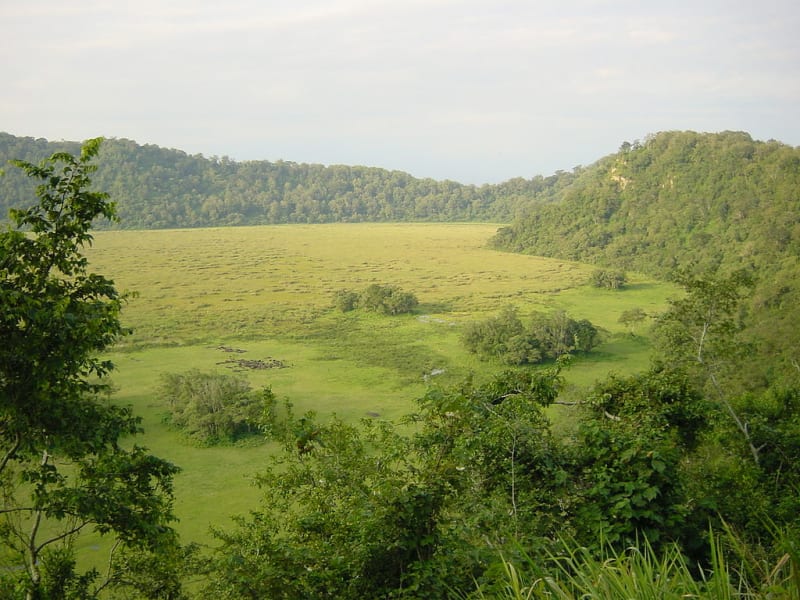
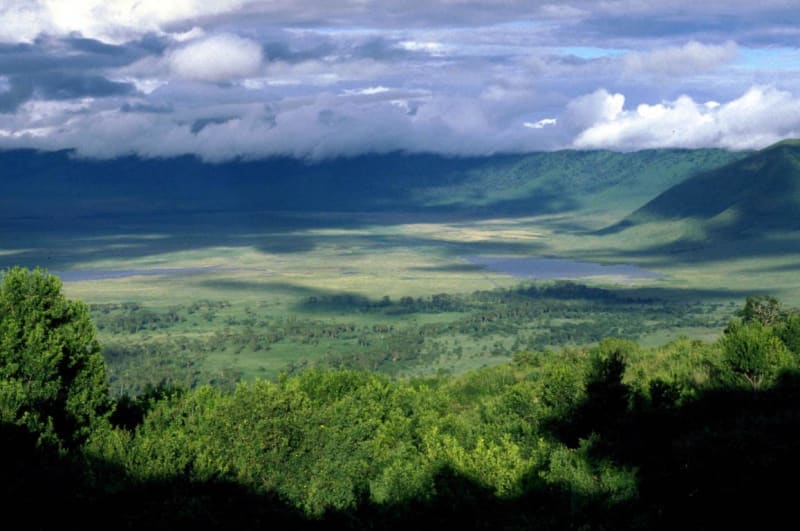
Ngurdoto Crater is a large volcanic depression enclosed by steep, forested walls. It is often described as a smaller version of the Ngorongoro Crater. Its floor contains marshes, grasslands, and dense vegetation that provide favourable habitats for wildlife.
Lookout points along the crater rim offer views into its enclosed interior, where buffaloes, warthogs, and birds can be observed. Access to certain areas is controlled by park regulations, so visitors should check which routes are open before setting out.
Wildlife and vegetation
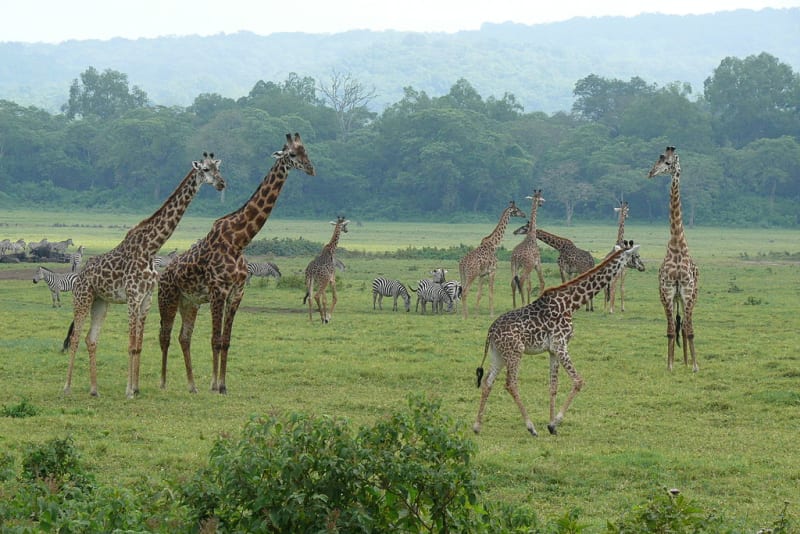
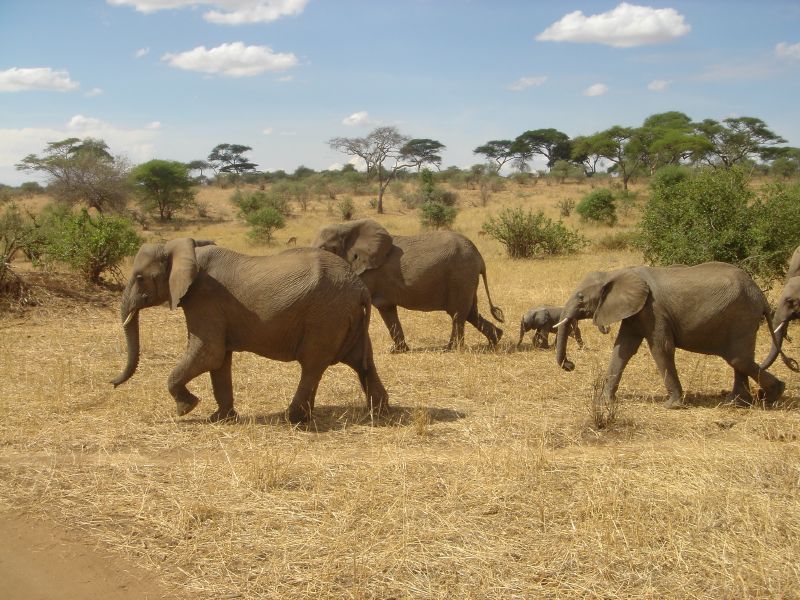
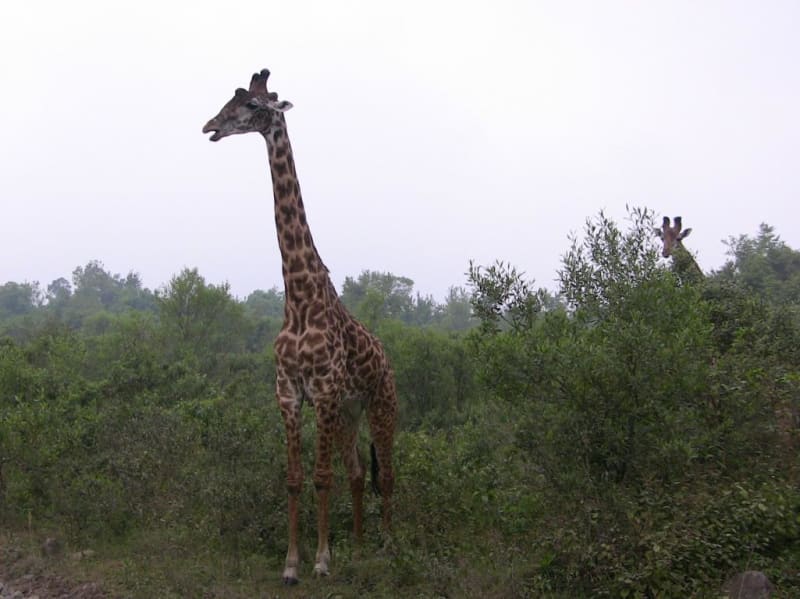
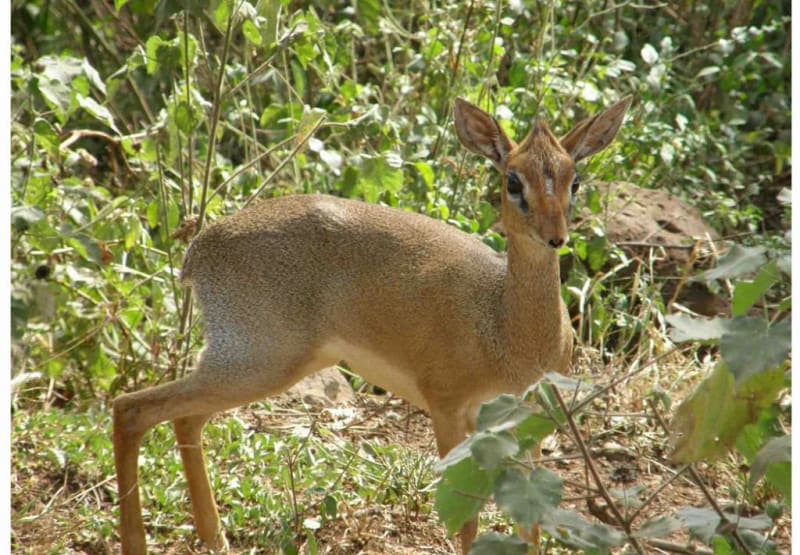
The park’s range of elevations and habitats supports a rich variety of animals. Giraffes, zebras, buffaloes, waterbucks, and small antelopes can be seen in open areas. The forests are home to blue monkeys, baboons, and black-and-white colobus monkeys, which are especially interesting to watch among the treetops.
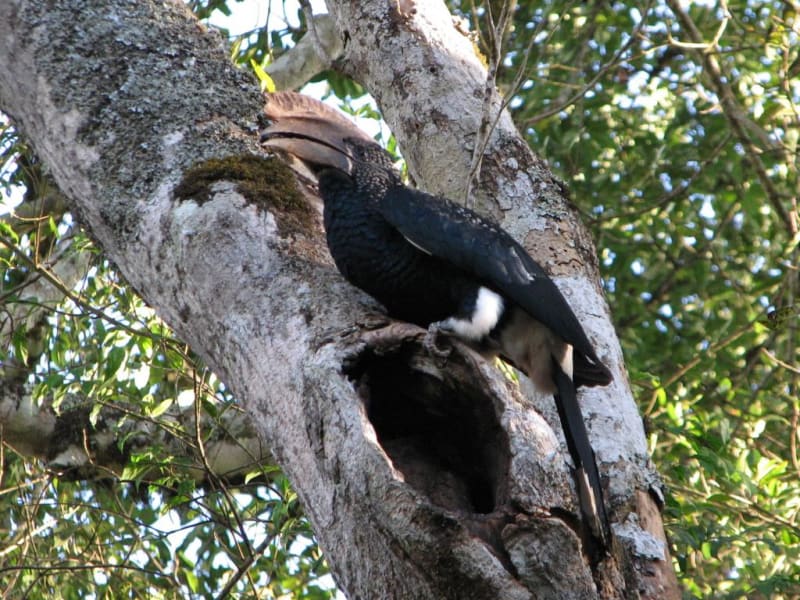
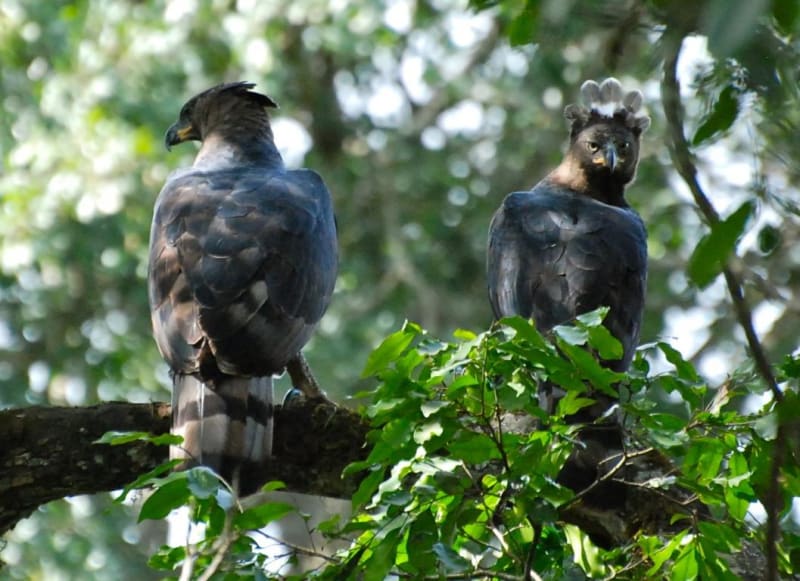
Leopards also live in the park, although sightings are uncommon. Birdlife is particularly diverse, with forests, lakes, and wetlands supporting many waterbirds, raptors, and forest species. Higher up Mount Meru, forest gives way to heathland and specialised high-altitude vegetation.
Things to do in the park
A popular way to explore Arusha National Park is a vehicle safari along roads crossing the plains and the area around the lakes. Visitors may spot wildlife along the way and stop at scenic viewpoints. Active travellers can choose guided walks, birdwatching, or an organised climb of Mount Meru.
Guided walks and other activities are available in selected areas under authorised guides. What is possible depends on the season, trail conditions, and current park rules. Visitors should never approach wild animals on their own or leave permitted routes without the required guide.
Best time to visit
The dry season, roughly from June to October, is often favoured for wildlife viewing and hiking. Roads and trails are generally easier to navigate, and animals may be easier to spot in open areas. During other months, the landscape can be especially green, but rain, cloud cover, and slippery trails are more likely.
Conditions vary with altitude. The foothills can be warm, while the mountain slopes and summit are much cooler. Anyone planning a climb should bring warm clothing, suitable footwear, and equipment for changing weather.
How to get to Arusha National Park
The park is about a half-hour drive from Arusha, an important base for exploring northern Tanzania. It can also be reached by road from Kilimanjaro International Airport. Visitors commonly include the park in a northern Tanzania safari itinerary or visit it on a separate day trip.
Arusha National Park brings together mountain scenery, volcanic craters, lakes, and diverse wildlife. It offers a more relaxed way to experience Tanzania’s natural heritage and discover several ecosystems just a few dozen kilometres from a major town.
Gallery