Windsor Great Park is a historic royal park in Berkshire, southern England, near Windsor Castle. It covers approximately 1,942 hectares (19.42 km²) and combines ancient woodland, meadows, lakes, open landscapes and ornamental gardens. With its centuries-long connection to the British monarchy, it is one of the country's most notable historic landscapes.
History of the royal grounds
The park's history is closely connected with Windsor Forest, which English monarchs used as hunting grounds. After the Norman Conquest, William I made the area around Windsor an important part of the royal estate. By the 14th century, the boundaries of Windsor Great Park had largely taken on a form similar to the present one.
Over the following centuries, monarchs and royal land managers reshaped the landscape. In the 17th century, Charles II began creating formal avenues, including the famous Long Walk. In the 18th century, the Duke of Cumberland oversaw the development of the area around Virginia Water. Under George III and George IV, further landscape features, bridges and ornamental structures were added. Today, the park preserves traces of several periods of British landscape design.
The Long Walk and the Copper Horse
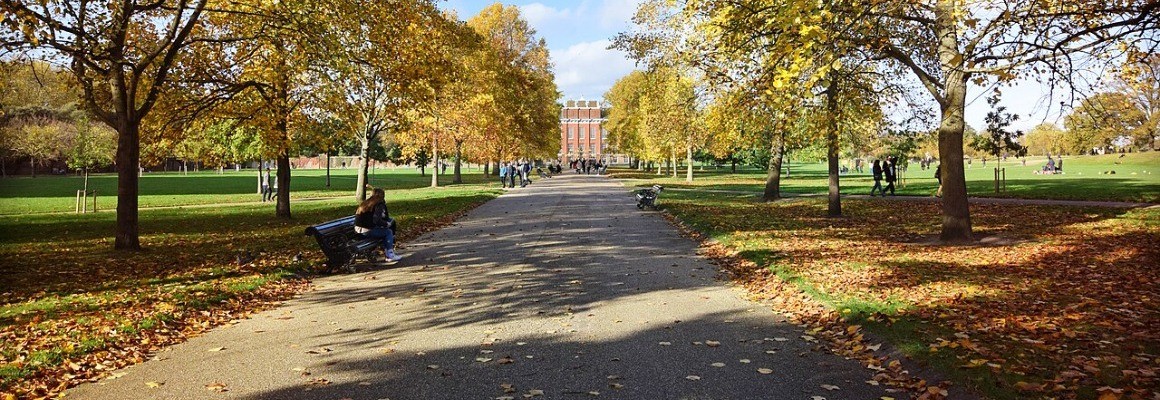
One of the park's best-known features is the Long Walk, a straight avenue connecting the Windsor Castle area with Snow Hill. Its creation began under Charles II in the 17th century. Trees lining both sides form a striking corridor, particularly beautiful in autumn when the foliage changes colour.
At Snow Hill stands the equestrian statue of George III, known as the Copper Horse. It was erected in 1831 on the initiative of George IV in honour of his father. The hill offers broad views along the avenue towards Windsor Castle. Walking the Long Walk is one of the most popular ways to experience the park's historic landscape.
Virginia Water
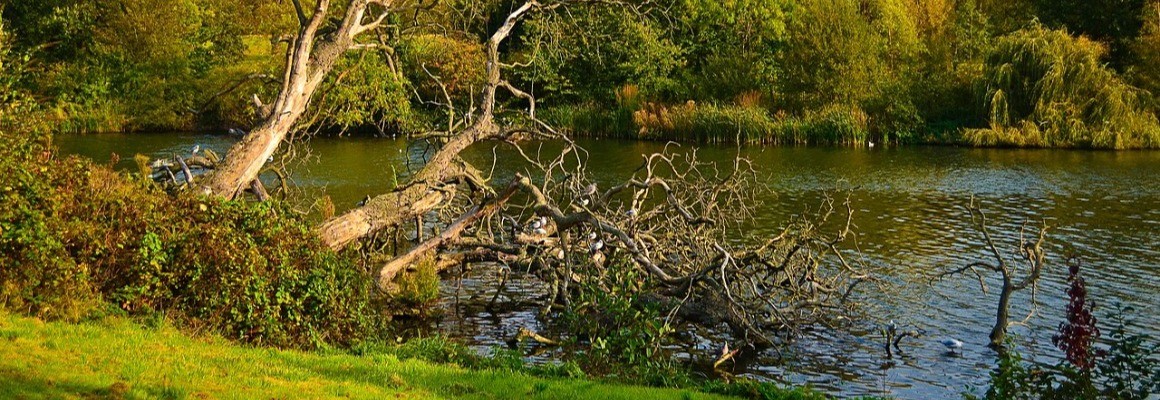
In the southern part of the park lies Virginia Water, a large artificial lake created in the 18th century and later enlarged. Woodland and walking routes surround the water, making it a popular destination for a relaxed outdoor excursion. Notable features include the Five Arch Bridge, an artificial waterfall and fragments of Roman structures from Leptis Magna, brought to England in the 19th century.
The Savill Garden
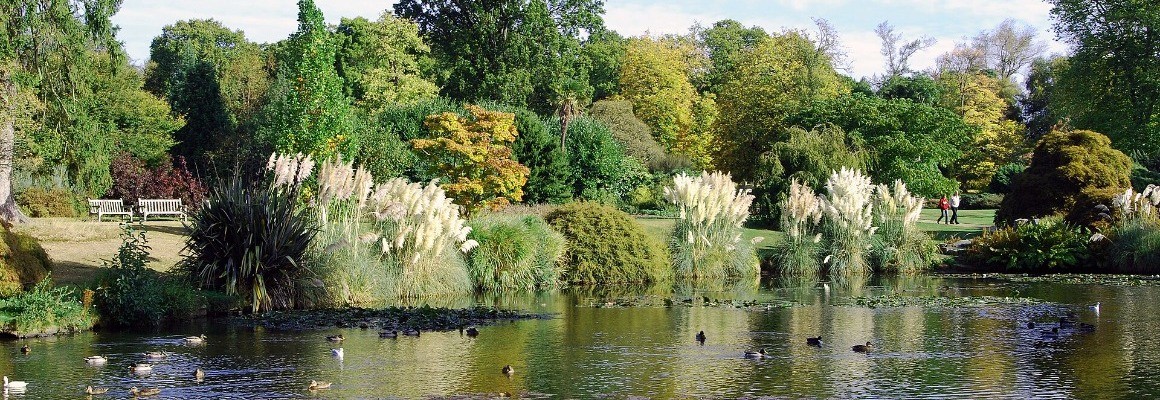
The Savill Garden is a celebrated garden created in the 1930s through the work of Eric Savill. It covers approximately 14 hectares and is known for its seasonal displays, collections of trees and shrubs, and winding paths. Rhododendrons, camellias, magnolias and many other plants create changing scenes throughout the year. Spring brings flowering shrubs and trees, summer offers ornamental planting, and autumn features colourful foliage. Admission to the garden may require a separate ticket.
Woodlands, meadows and wildlife
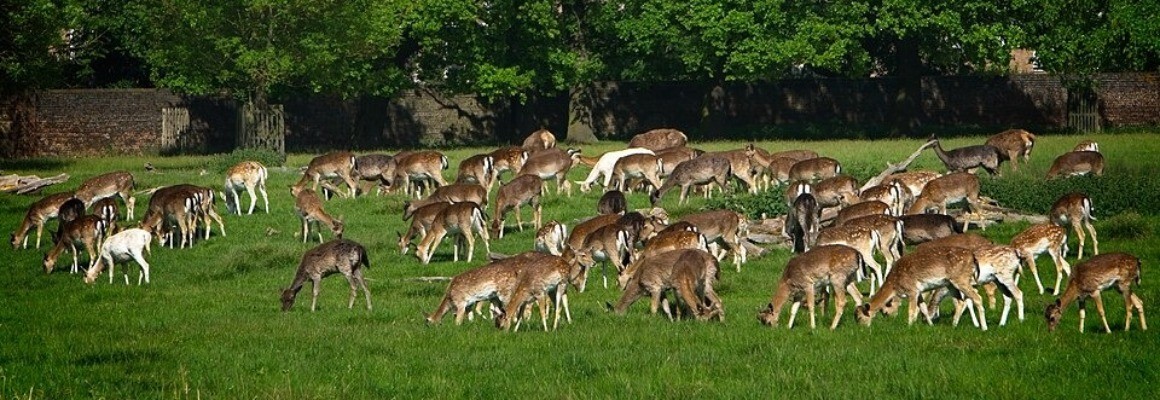
Beyond its famous avenues and gardens, the park contains extensive woodland, meadows and open spaces. Ancient trees and varied habitats support a range of wildlife. Deer live in parts of the royal grounds, while birds and small animals can be found in woodland and meadow areas. Visitors should observe wildlife from a distance and avoid feeding animals.
Walking and recreation
Windsor Great Park is suitable for family walks, picnics, running, cycling and birdwatching. Visitors can follow the Long Walk, explore routes around Virginia Water or spend time in the Savill Garden. As the estate is extensive, exploring several different areas may require more than one visit.
Getting there and practical information
The park lies close to Windsor and can be reached on foot from the town via the Long Walk. Virginia Water and the Savill Garden are more conveniently reached by car or public transport followed by a walk. Entry to public areas is generally free, although the Savill Garden and parking may incur charges. Check the official website before travelling for opening information, route access and temporary closures.
Gallery