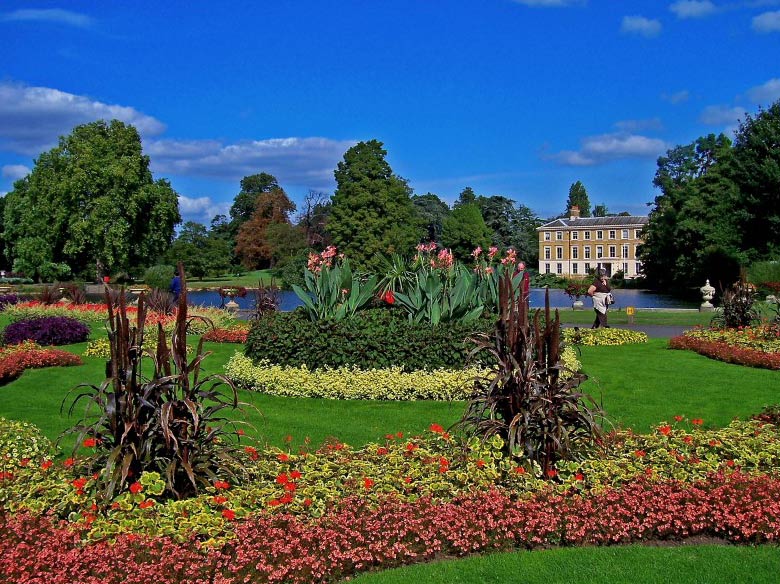
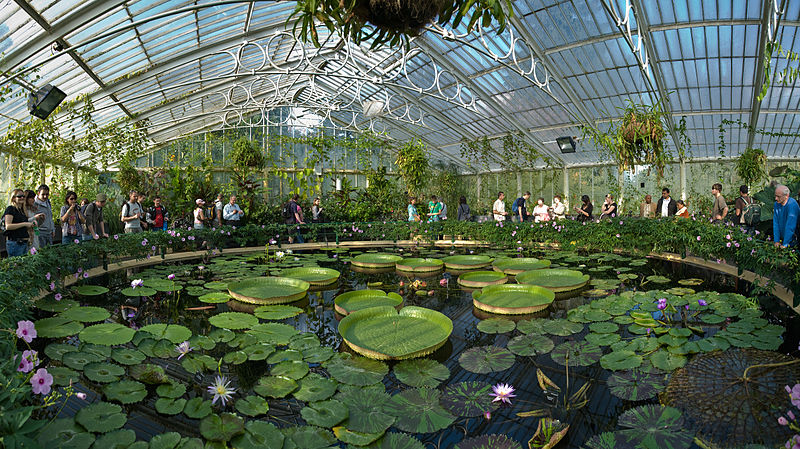
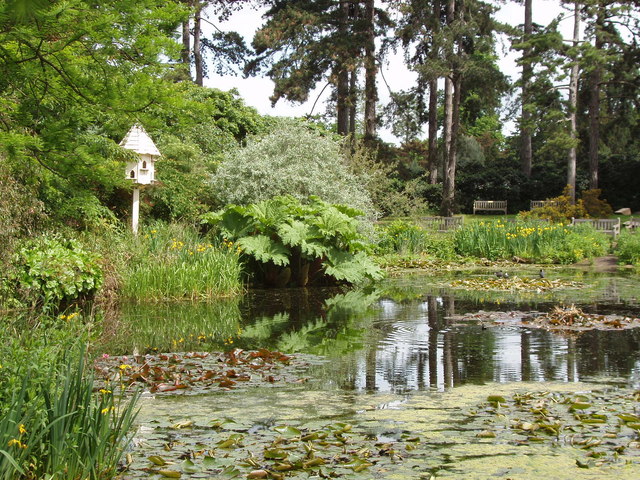
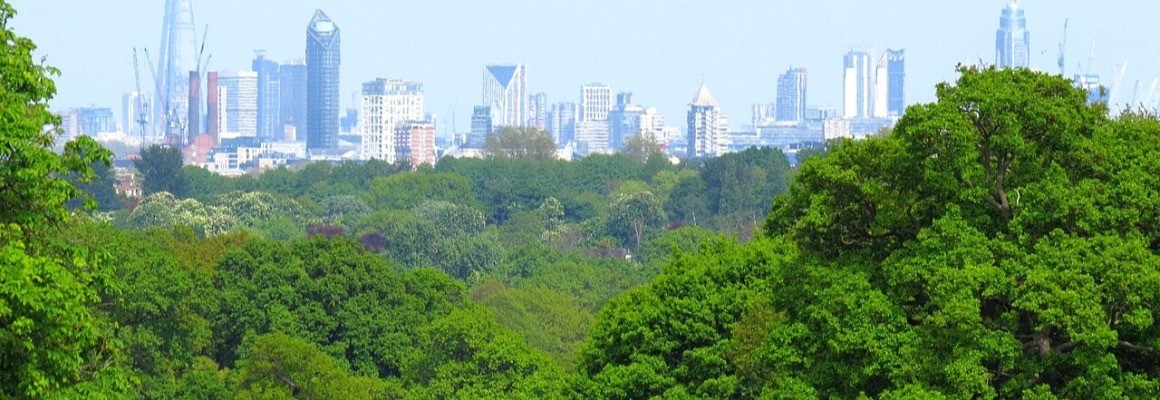
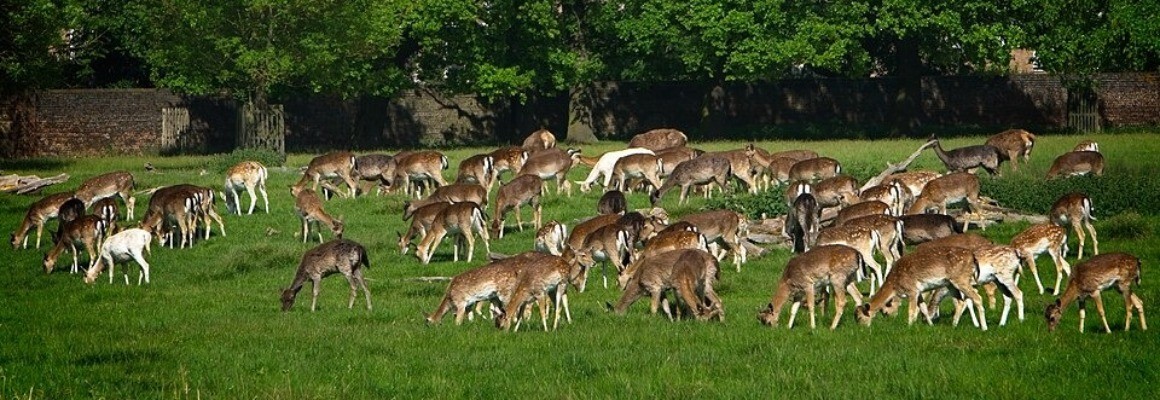
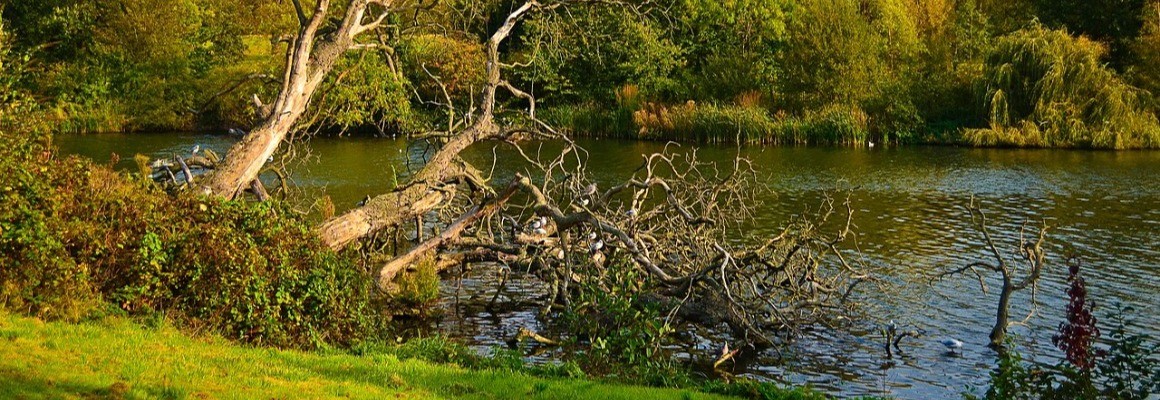
The Royal Botanic Gardens, Kew, are a renowned botanical complex in southwest London, famous for their historic glasshouses, landscaped grounds and one of the world's most important botanical collections. Visitors can discover plants from different climate zones, walk among mature trees and learn how scientists study and conserve the planet's plant diversity.
The Gardens cover approximately 132 hectares and combine natural landscapes, historic architecture, scientific institutions and themed plant collections. They are more than a park for walking: Kew is a major scientific centre that researches plants and fungi, studies classification, conserves rare species and investigates how environmental change affects plant life.
In 2003, the Royal Botanic Gardens, Kew, were inscribed on the UNESCO World Heritage List. Their significance lies in the history of landscape design, architecture, botanical collections and centuries of contributions to science.
History of the Royal Botanic Gardens
Kew's history as a botanic garden began in 1759. During the 18th century, the area was associated with royal estates and country residences. Princess Augusta, mother of the future King George III, helped establish a botanical garden that gradually became a place for studying plants and experimenting with garden design.
Notable gardeners, architects and scientists contributed to Kew's development. In the late 18th century, botanist and explorer Joseph Banks played an important role by supporting scientific expeditions and helping plants from different parts of the world reach the Gardens. International scientific connections allowed the collections to grow steadily.
During the 19th century, Kew became an important centre of botanical research. In the 1840s, it acquired the status of a national botanical institution. Living plant collections, the herbarium, library and scientific facilities expanded during this period. Kew increasingly developed from a royal garden into an institution serving science and society.
In the 20th and 21st centuries, the Gardens' work became closely connected with nature conservation. Researchers study threatened species, document plant distributions and preserve seeds and plant specimens. Today, Kew combines historic heritage with modern scientific work, including biodiversity research and conservation programmes.
A UNESCO World Heritage Site
The Royal Botanic Gardens, Kew, became a UNESCO World Heritage Site in 2003. UNESCO recognised their exceptional role in the history of garden design and botanical science. The landscape preserves examples of design from different periods, while historic buildings and collections illustrate developments in gardening and natural science from the 18th to the 20th century.
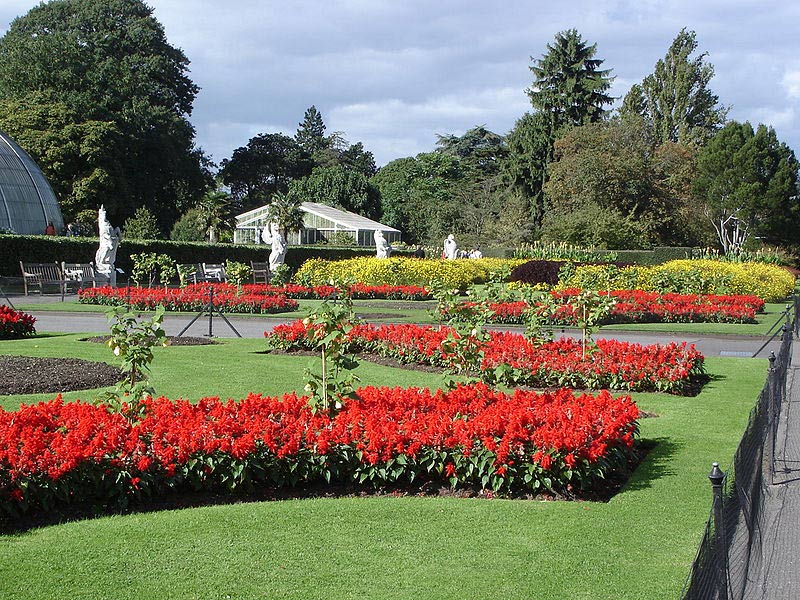
Visitors can see the work of several generations of distinguished landscape designers. Their projects illustrate the English landscape garden tradition, in which natural-looking scenery is combined with carefully planned views, water features, paths and architectural structures.
Kew's international importance also comes from the exchange of botanical knowledge. For centuries, plants, seeds, herbarium specimens and scientific information have arrived from regions around the world. Kew's research has contributed significantly to plant classification, ecology, horticulture and the study of useful plant species.
The Palm House
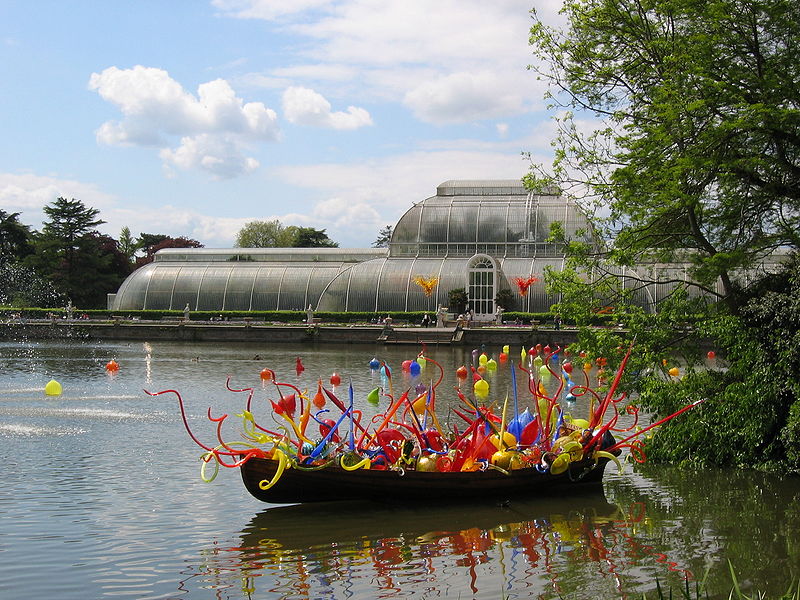
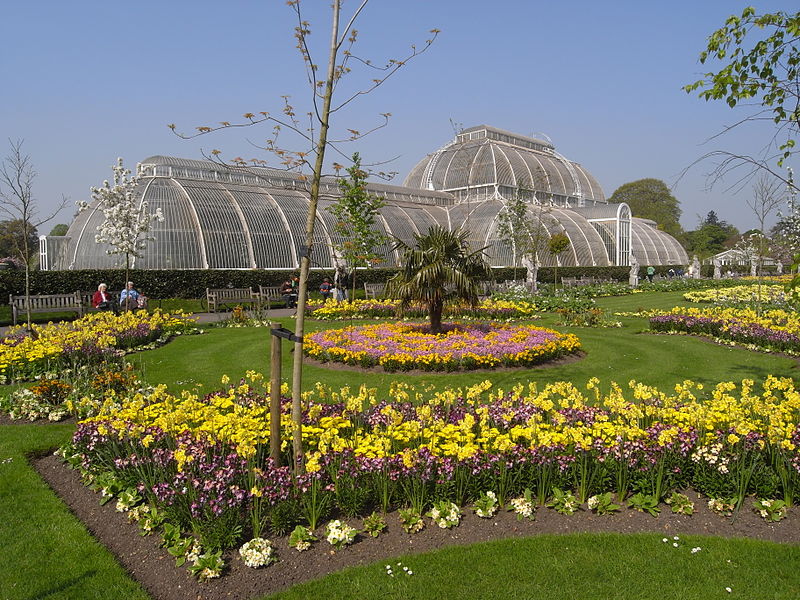
The Palm House is one of Kew's most recognisable buildings. This large Victorian glasshouse has a metal frame and glass walls and was designed to grow tropical plants in conditions very different from Britain's cool, temperate climate.
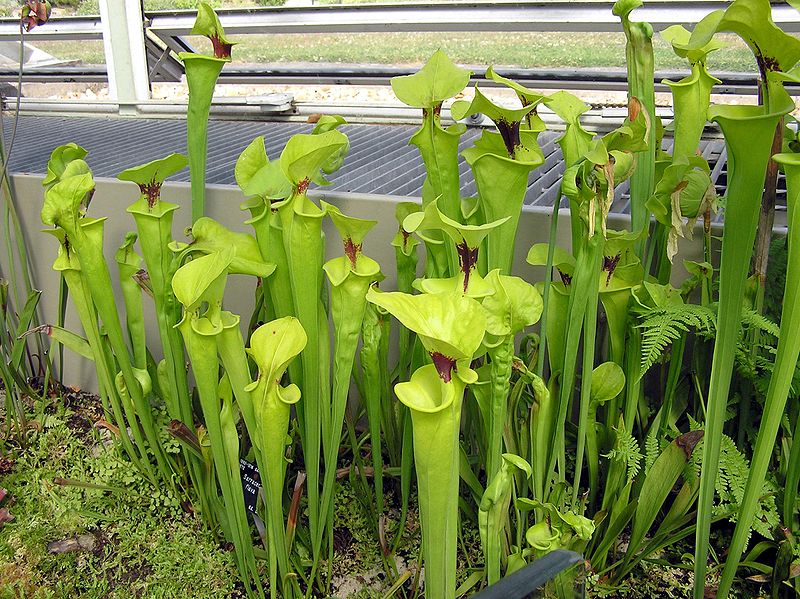
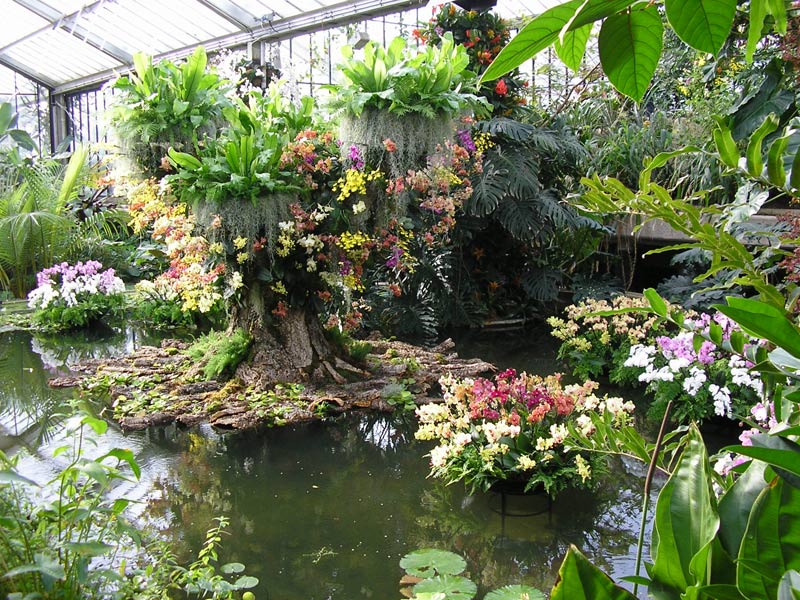
Inside, a warm and humid environment supports plants from tropical regions. Visitors can see palms, climbing plants, large leaves and other species adapted to hot climates. Walking through the glasshouse offers a glimpse of a tropical forest without leaving London.
The Palm House is important for both botany and architecture. Its design is a notable example of the use of iron and glass in a major public building during the 19th century. Its engineering influenced the development of later glasshouses and conservatories.
The Temperate House
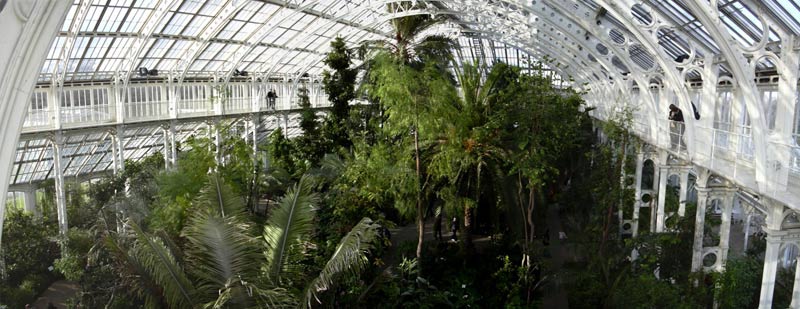
The Temperate House is one of the largest historic Victorian glasshouses in the world. It is designed for plants from temperate regions with distinct seasonal changes. Its extensive glass structure provides space for trees, shrubs and other plants that need protection from British winters.
The collection includes species from different parts of the world, including plants threatened in their natural habitats. For botanists, the glasshouse is more than an exhibition space: it supports living collections, research into plant growth and the conservation of genetic diversity.
Inside, visitors encounter tall plants, winding paths and the intricate structure of the metal framework. The building impresses with its scale and demonstrates the engineering capabilities of the Victorian era.
The Japanese Garden and Pagoda
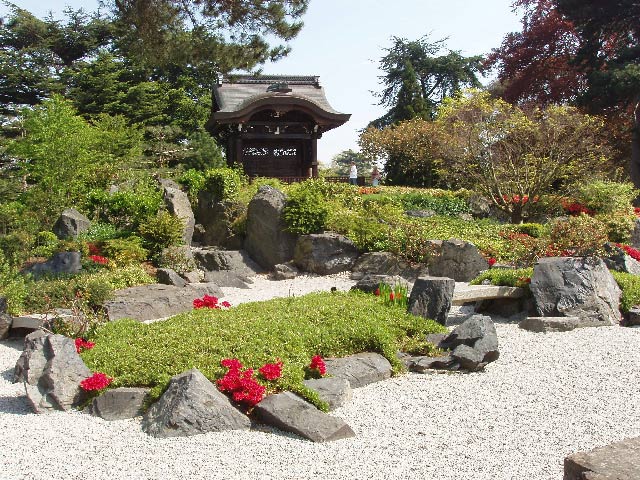
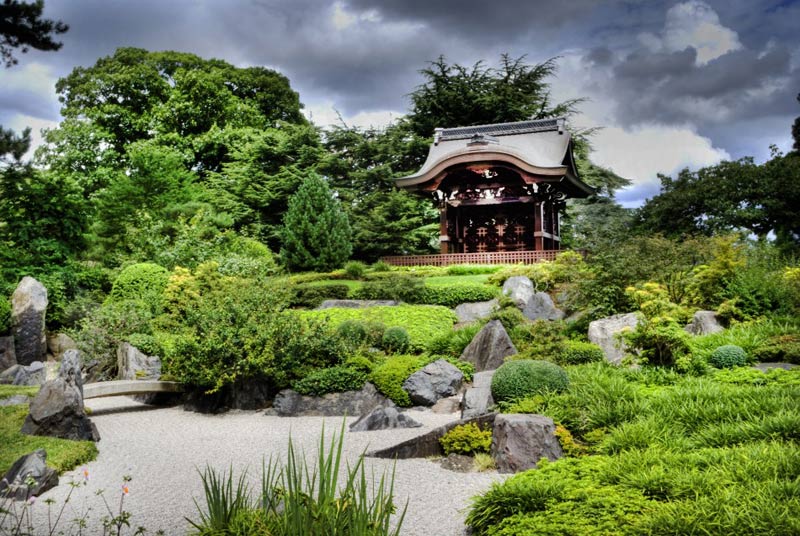
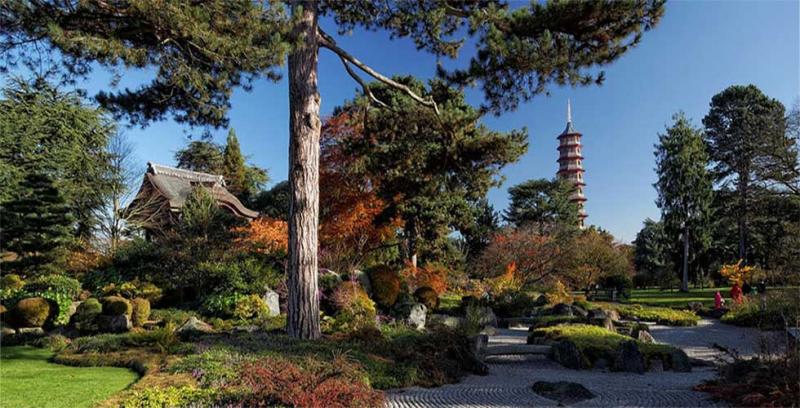
Kew contains gardens influenced by different national traditions. Its Japanese-inspired landscape combines stones, water, carefully shaped plants and paths designed for quiet contemplation. The composition differs from the more open English landscape areas and offers another way to experience nature.
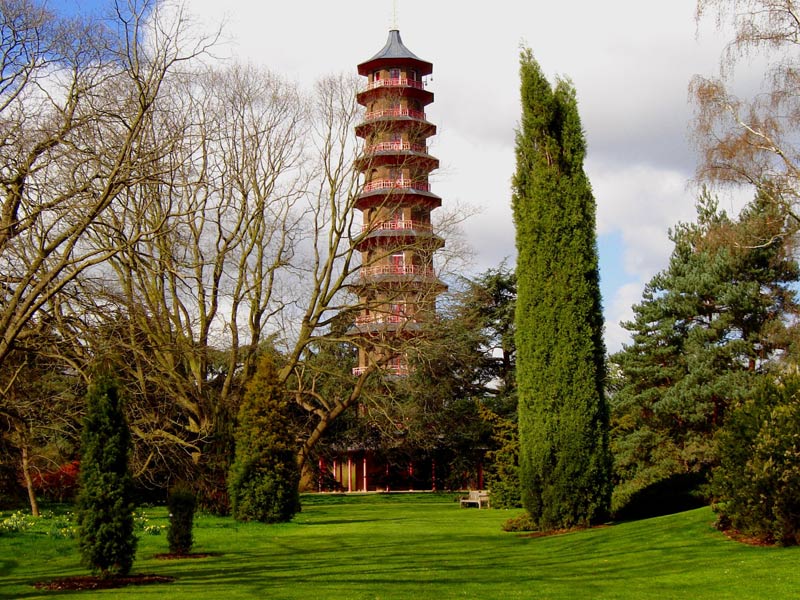
Another prominent landmark is the Great Pagoda, built in the 18th century to a design by architect William Chambers. The structure reflects the period's European interest in East Asian architecture and garden design. The Pagoda has become one of Kew's architectural symbols and stands out among the trees and lawns.
The Pagoda and its surrounding landscape remind visitors that Kew was created not only as a scientific institution but also as a place where architecture, garden art and ideas about different cultures came together.
The Rock Garden and Plant Collections
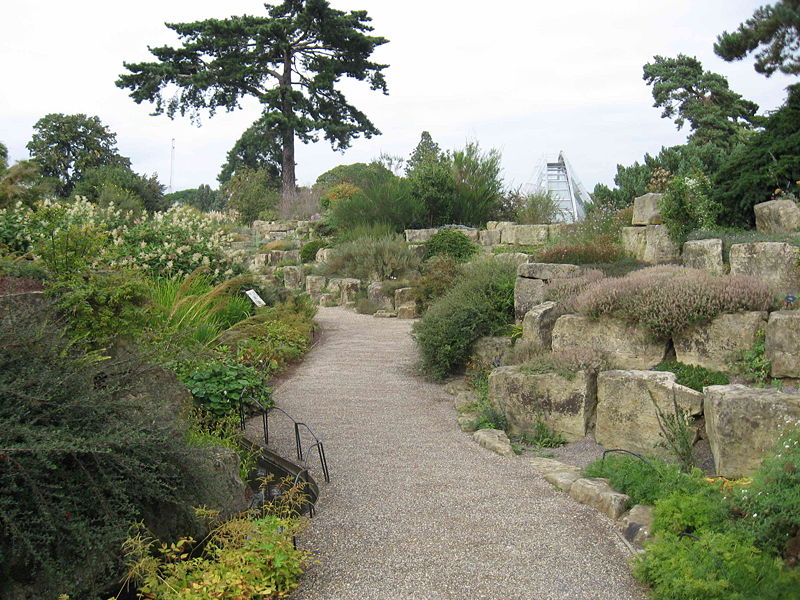
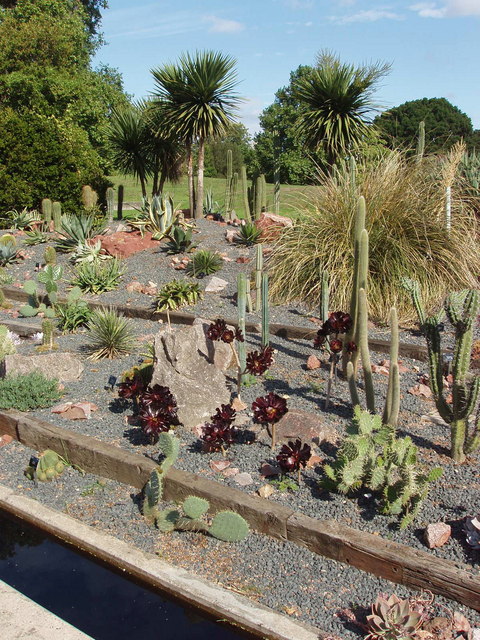
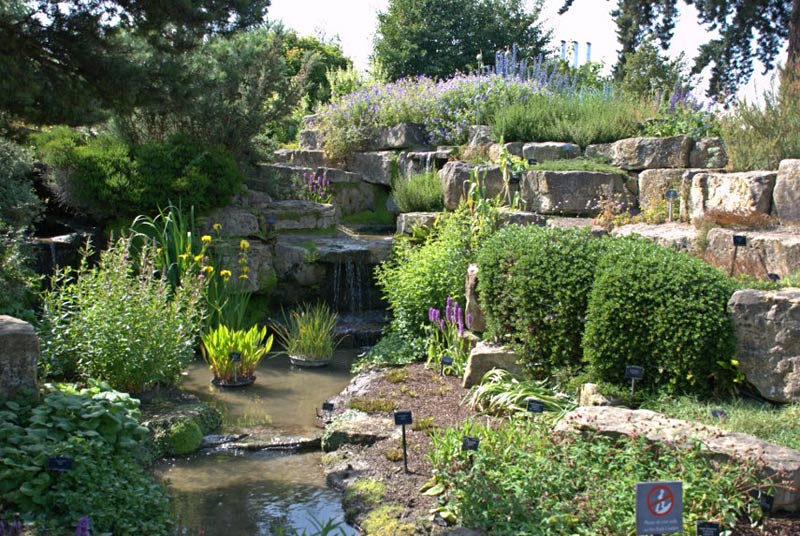
The Rock Garden focuses on plants adapted to the challenging conditions of mountain regions. It features species suited to rocky surfaces, good drainage and particular moisture conditions. Such plants are often compact, have colourful flowers and can withstand considerable temperature changes.
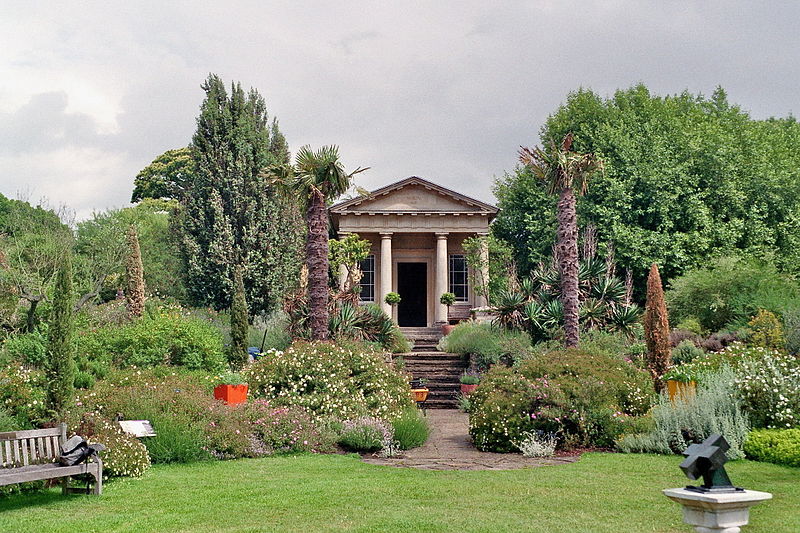
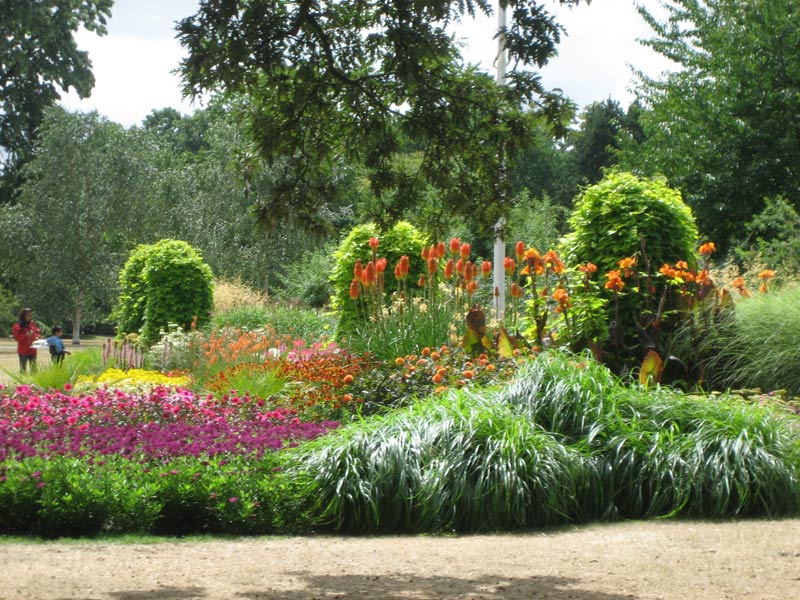
Other areas of Kew include rose gardens, rhododendron collections, medicinal plants, trees and shrubs. Themed areas allow visitors to compare plants from different regions, learn about their adaptations and observe seasonal changes.
One of the Gardens' strengths is the diversity of its landscapes. A single walk can lead from open lawns to shaded avenues, from a humid tropical glasshouse to collections of mountain plants. This makes Kew appealing to specialists and casual visitors alike.
The Treetop Walkway
The Treetop Walkway is an elevated path that passes through the crowns of trees. It offers a different perspective on the Gardens and allows visitors to observe branches, leaves and the structure of the tree canopy at close range. Views extend across Kew and the surrounding landscape.
The walkway helps explain the role of tree canopies in forest ecosystems. The upper layers of trees contain many microhabitats that support insects, birds and other organisms. Observing trees from this height complements the familiar view of plants from ground level.
The experience can be especially rewarding when new leaves emerge in spring or foliage changes colour in autumn. Access may depend on weather conditions and maintenance.
Scientific Research and Biodiversity Conservation
Kew is one of the world's important centres for botanical research. Scientists study plant and fungal diversity, describe new species, investigate relationships between organisms and examine how plant life responds to climate change and the destruction of natural habitats.
Herbarium collections are particularly valuable. They preserve dried plant specimens with information about where and when they were collected. These materials help scientists identify species, compare plants from different periods and track changes in distribution. Living collections complement this evidence and support research under controlled conditions.
The conservation of rare plants is another important part of Kew's work. Specialists contribute to programmes for growing threatened species, investigate propagation methods and cooperate internationally on nature conservation. Botanical collections can provide a safeguard for species at risk in the wild, although they cannot replace the protection of natural ecosystems.
Seasonal Changes in the Gardens
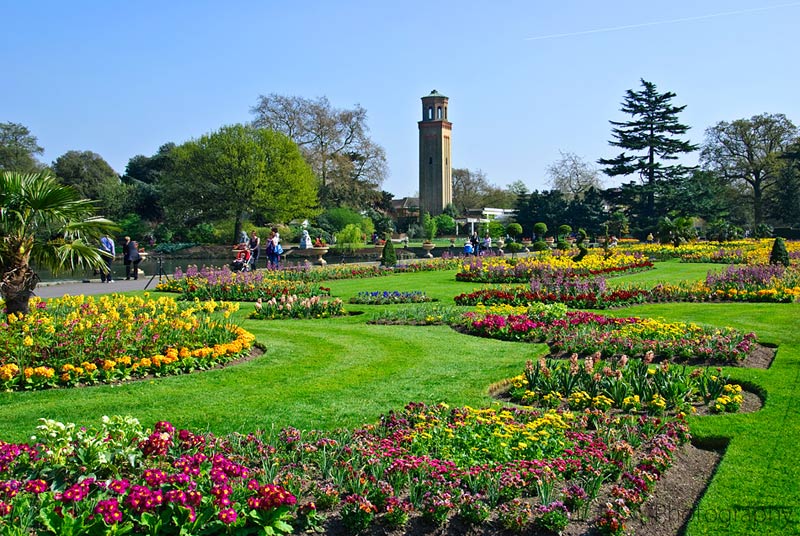
Spring brings flowering bulbs, fresh foliage and trees coming back to life. It is a pleasant time to walk along the paths and watch the landscape gradually change. The timing of flowering varies according to the weather.
In summer, the Gardens are at their greenest, and walks can be combined with visits to glasshouses, themed collections and shaded areas. It is a convenient season for exploring the extensive grounds, although popular areas can be busy and open lawns may become hot on sunny days.
Autumn draws attention to colourful leaves, fruits and seeds. Trees and shrubs develop yellow, red and golden tones, while plant collections reveal seasonal changes. In winter, parts of the outdoor landscape become more subdued, but the glasshouses continue to offer encounters with tropical and subtropical plants.
How to Get to Kew Gardens
The Royal Botanic Gardens are in the Kew area of southwest Greater London, near the River Thames. They can be reached by public transport, including the Underground and suburban trains. The most convenient station and entrance depend on the route, as the Gardens have several gates on different sides of the site.
Before travelling, choose the entrance closest to the areas you want to see first. The Gardens cover a large area, so walking from one gate to a particular glasshouse or themed collection can take time. Allow several hours for a visit, or most of a day for a detailed exploration.
Parking nearby is limited, making public transport a convenient option. Before visiting, check current opening times, access to individual glasshouses and any temporary closures.
What to See Nearby
A trip to Kew can be combined with a walk through Richmond or along the Thames. The surrounding area includes historic streets, green spaces and places to relax by the river. Kew itself has a quieter atmosphere that offers a different side of London.
Kew Palace, a historic building associated with the British royal family, is nearby. The Gardens also contain historic structures and architectural landmarks that tell the story of the site's development. Access to individual attractions depends on the season and schedule.
Visitor Tips
Wear comfortable shoes when exploring the Royal Botanic Gardens, as distances between areas can be considerable. If you want to see the Palm House, Temperate House, Japanese Garden, Pagoda and Treetop Walkway, plan a route in advance and leave time for breaks.
London weather can change quickly, so bring suitable clothing and a light raincoat. On sunny days, carry water and plan to rest in the shade. Glasshouses are much warmer and more humid than the outdoor areas, so layers can be useful.
Remember that Kew is not only a leisure destination but also a protected historic site containing living collections. Do not pick flowers, damage plants or enter restricted areas. Following the rules helps preserve the collections and maintain suitable conditions for scientific work.
The Royal Botanic Gardens, Kew, bring together history, architecture, science and natural diversity. Visitors can discover plants from around the world, explore centuries of garden design and learn why conserving plant life matters for the future of the planet.
Gallery