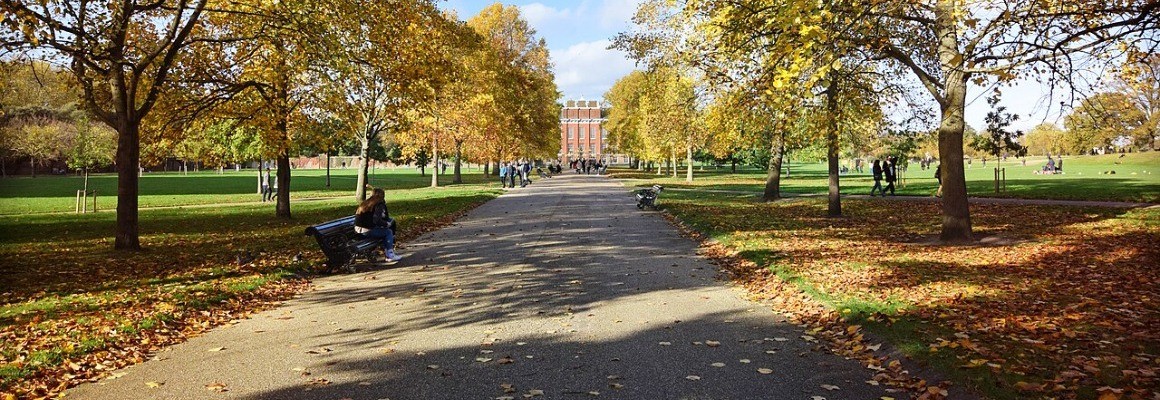
Kensington Gardens is a historic royal park in western London, next to Hyde Park. It covers approximately 112 hectares and is known for its lawns, tree-lined paths, ornamental water features, monuments, and proximity to Kensington Palace, which served as a royal residence for several centuries.
History of Kensington Gardens
In the 16th century, the area formed part of Henry VIII's hunting grounds within Hyde Park. In 1689, King William III and Queen Mary II acquired Nottingham House, later known as Kensington Palace, and set aside nearby land for private royal gardens. The original gardens featured formal flower beds and geometric planting in the Dutch style.
During the 18th century, Queen Caroline and landscape designer Charles Bridgeman transformed the park. Broad lawns, walking paths, the Round Pond, and the Long Water were created. The gardens gradually developed into a combination of formal design and natural scenery. Public access expanded over time, and by the 19th century the grounds had become more accessible to ordinary visitors.
Kensington Palace
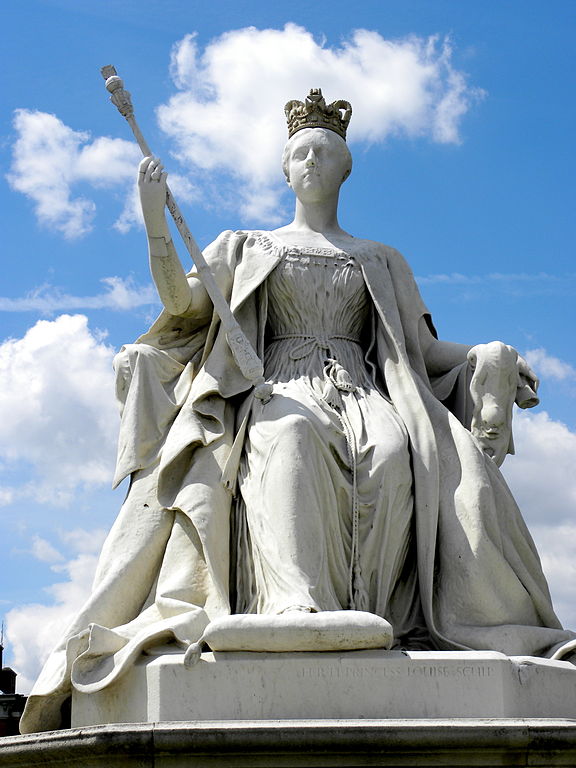
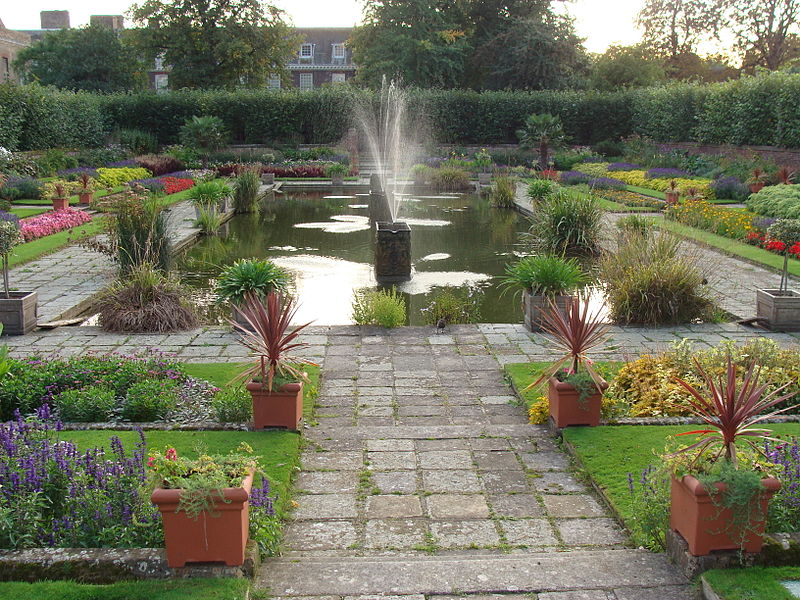
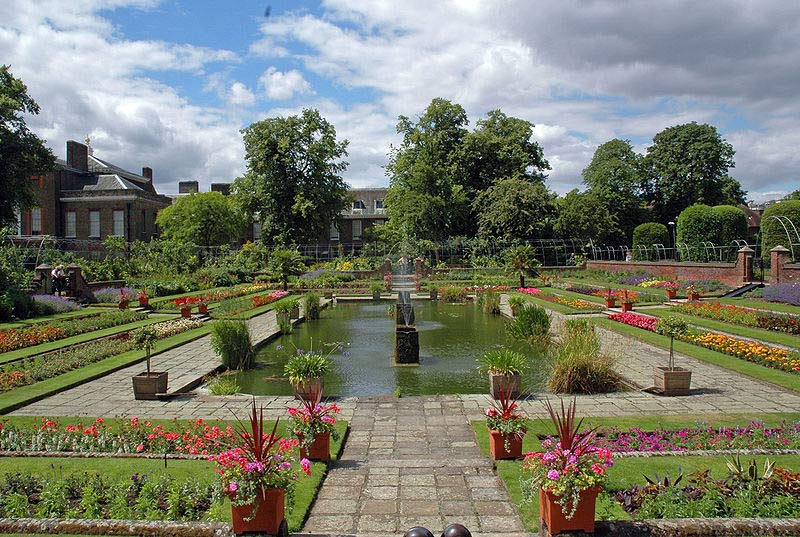
Kensington Palace stands in the western part of the park. Originally a country house, it was remodelled for the royal family in the late 17th century. Queen Victoria was born here and spent her childhood in the palace. Today, the building remains an important site in British royal history and is open to visitors as a historic attraction.
The Italian Gardens
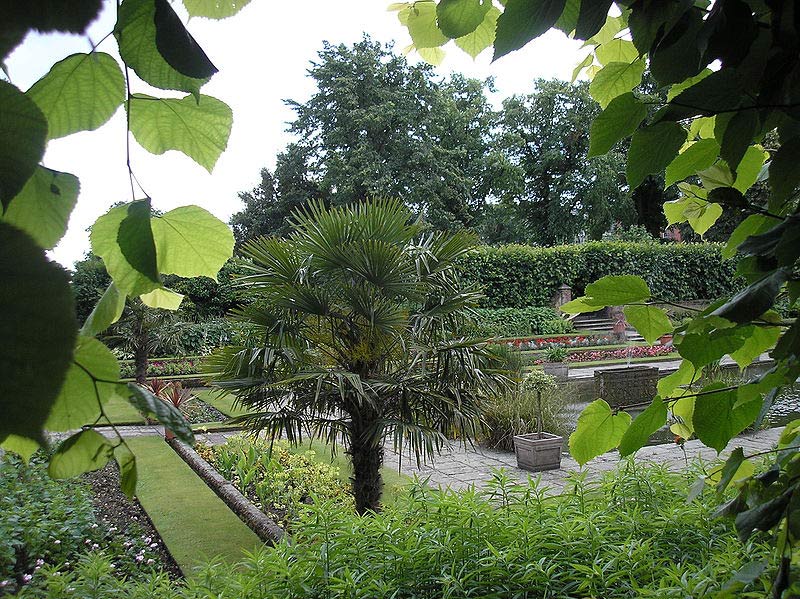
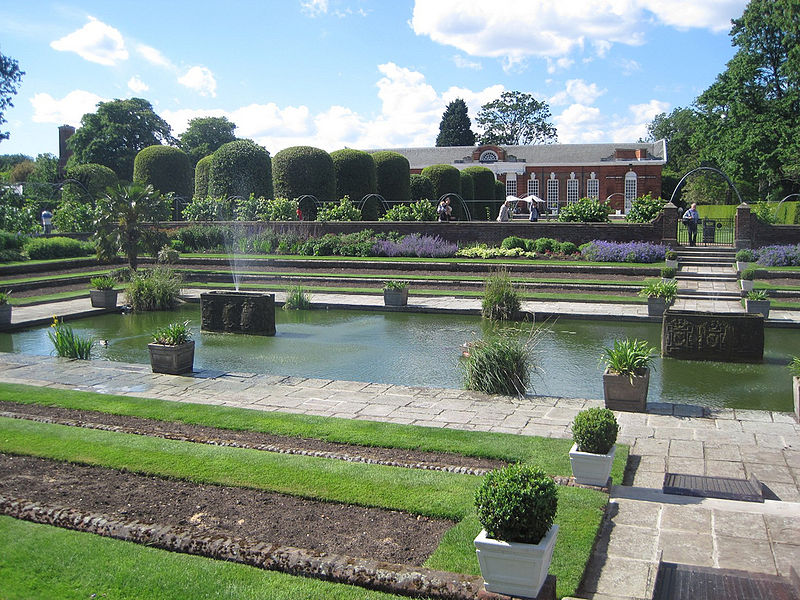
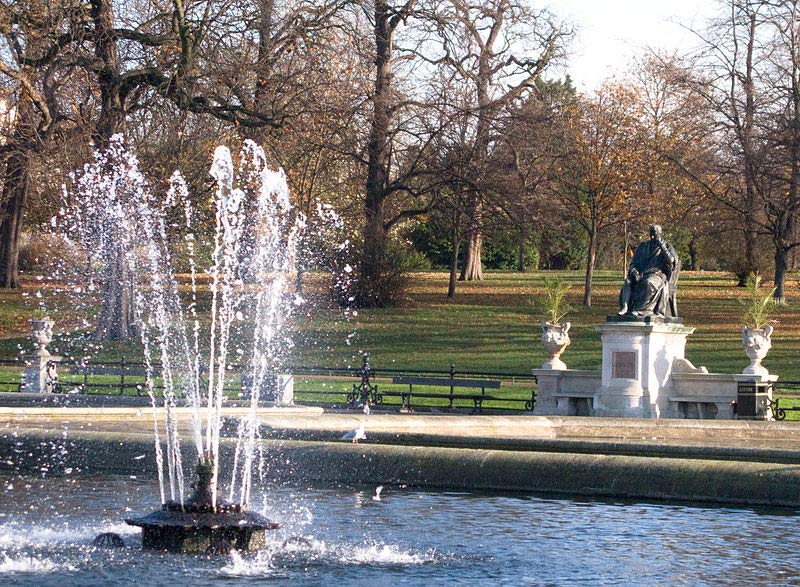
The Italian Gardens lie in the northern part of Kensington Gardens, near Lancaster Gate. They were created in the 1860s to a design by James Pennethorne and are widely believed to have been a gift from Prince Albert to Queen Victoria. The ornamental layout includes four basins, marble features, fountains, stone sculptures, and decorative urns.
The Albert Memorial
On the southeastern side of the park stands the Albert Memorial, commissioned by Queen Victoria in memory of her husband, Prince Albert, who died in 1861. The Neo-Gothic monument is richly decorated with mosaics and gilded details. Located opposite the Royal Albert Hall, it is one of the best-known monuments of Victorian London.
The Peter Pan statue and Long Water
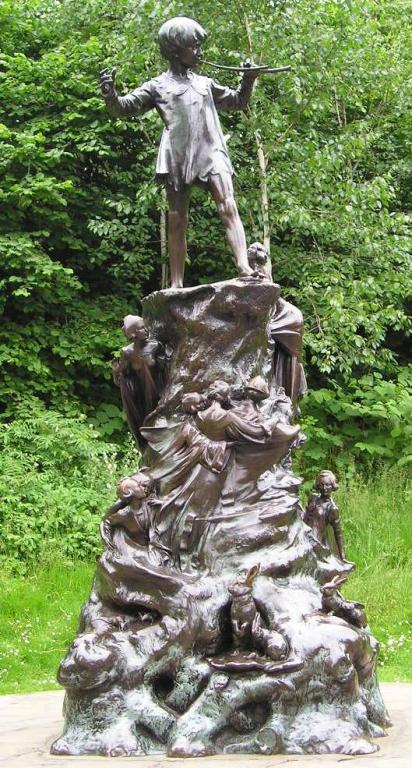
One of the park's most famous landmarks is the bronze statue of Peter Pan, installed in 1912. Its creation was funded by writer J. M. Barrie, author of the stories about the boy who never wanted to grow up. The sculpture depicts the fictional character surrounded by fairy-tale creatures and is a popular stop for families.
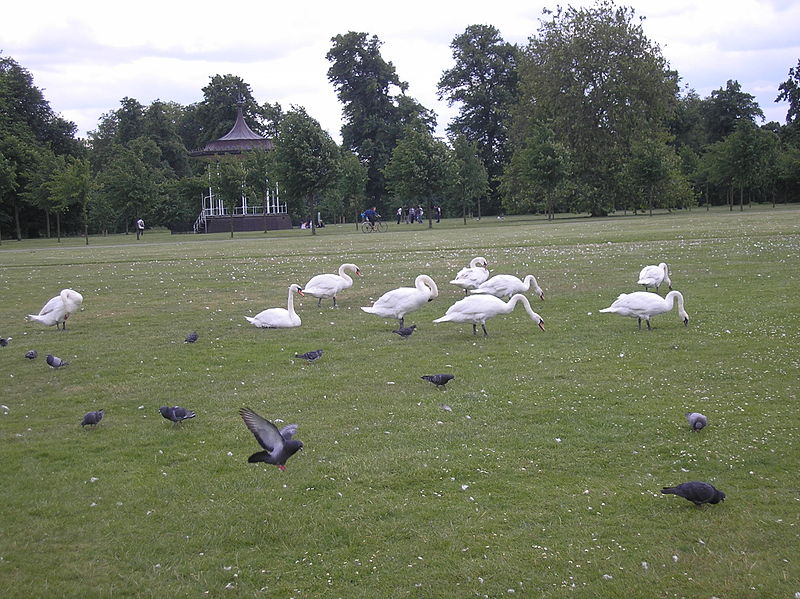
The statue stands near Long Water, an elongated lake that forms part of the park's scenic landscape. Visitors can watch waterfowl along its banks and enjoy a peaceful break away from London's busy streets. Other features include sculptures, fountains, monuments, and the unusual Elfin Oak, an old tree stump decorated with figures of mythical creatures.
Walks and visiting
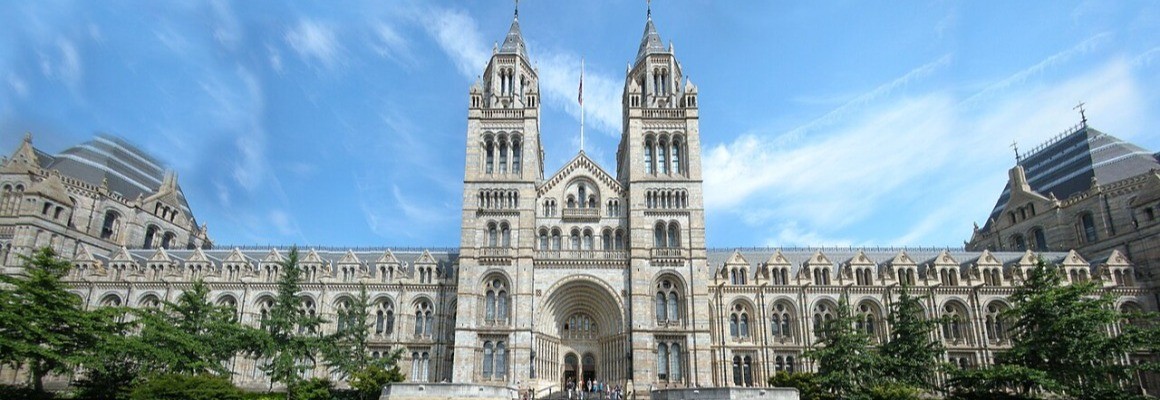
Kensington Gardens is ideal for leisurely walks, relaxing on the grass, photography, and discovering London's history. Spring brings flowering trees and flower beds, summer offers shaded avenues, and autumn colours the foliage in golden tones. A visit can be combined with Kensington Palace, Hyde Park, and the museums of South Kensington.
Entry to the park is free. Opening hours vary by season, so visitors should check the latest information on the official Royal Parks website before arriving. Individual attractions and nearby institutions may have their own opening times and admission rules.
Gallery