Richmond Park is a vast royal park in southwest London, in the borough of Richmond upon Thames. It covers approximately 1,012 hectares, or 10.12 km², making it the largest of London's Royal Parks and one of the British capital's most important natural areas. Its landscape includes open grasslands, ancient oak woodland, ponds, and a wide variety of wildlife habitats. The park is especially famous for its herds of deer, which roam freely across the grounds.
History of Richmond Park
The history of the area is closely linked to the English monarchy and the hunting grounds that existed here for centuries. In the early 17th century, Richmond became one of the places where King Charles I stayed. In 1637, he ordered the land to be enclosed and turned into a royal hunting park. A brick wall about 13 kilometres long was built to keep the deer inside. Parts of this historic wall remain today.
Initially, the park was used mainly for royal hunting. Over time, grazing deer helped maintain the open grasslands, while old trees became an important part of the natural environment. Public access expanded during the 19th century, and the park became a recreational destination for Londoners. Today, it is managed by The Royal Parks.
Deer and wildlife
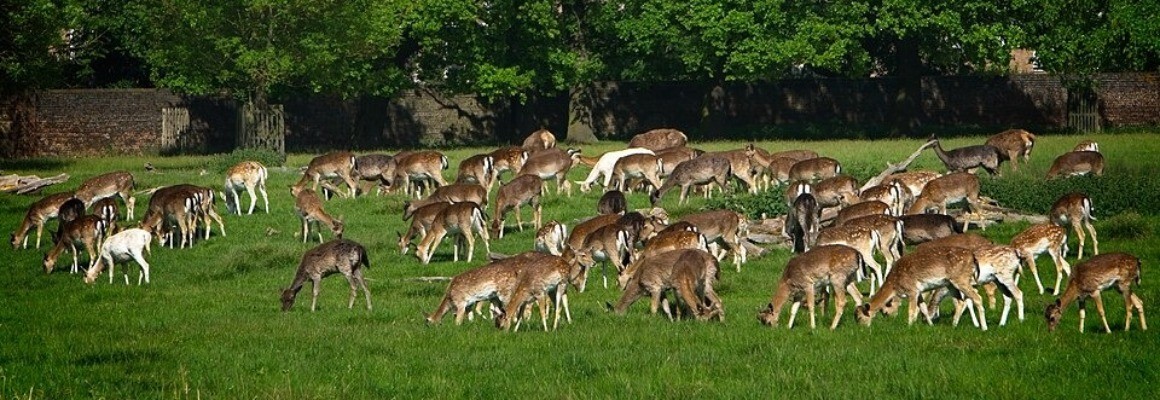
Richmond Park's most distinctive feature is its herds of red and fallow deer, which have lived here since the time of Charles I. The animals graze freely among the grasslands and trees, giving the park the atmosphere of a nature reserve far from the busy city. Their presence over centuries has shaped the local landscape and helped preserve its open grassy habitats.
The park is also home to many bird species, bats, insects, and other animals. Its grounds contain ancient oak trees, some several centuries old, historic anthills, and rare grassland plants. This diversity of habitats has helped Richmond Park gain National Nature Reserve status and recognition as a protected area of European importance.
The deer are wild animals, so visitors should remain at least 50 metres away, never feed them, and avoid approaching them for photographs. Extra care is needed during the autumn rut and when young deer are present.
King Henry's Mound
King Henry's Mound is one of the park's best-known viewpoints. The mound is an ancient Bronze Age burial site and a protected archaeological monument. It offers a famous view of St Paul's Cathedral in central London, approximately 19 kilometres away. The panorama is protected by special rules governing important London views, helping preserve its historic perspective.
From the top, visitors can see the Thames Valley and wide stretches of west London. It is a popular place for photography and quiet relaxation. On clear days, the dome of St Paul's Cathedral can be seen above the city skyline.
Isabella Plantation
Isabella Plantation is a picturesque woodland garden of approximately 16 hectares in the southwestern part of the park. Its history is connected with woodland planting in the 19th century, and the garden opened to the public in 1953. It is particularly famous for its evergreen azaleas, which usually reach their peak bloom in late April and early May.
Winding paths follow streams and small ponds through the garden. Rhododendrons, magnolias, camellias, and many ornamental shrubs grow here. In spring, the garden becomes a colourful floral attraction, while autumn brings vivid foliage. The planting is managed with an emphasis on nature conservation and local biodiversity.
Pen Ponds
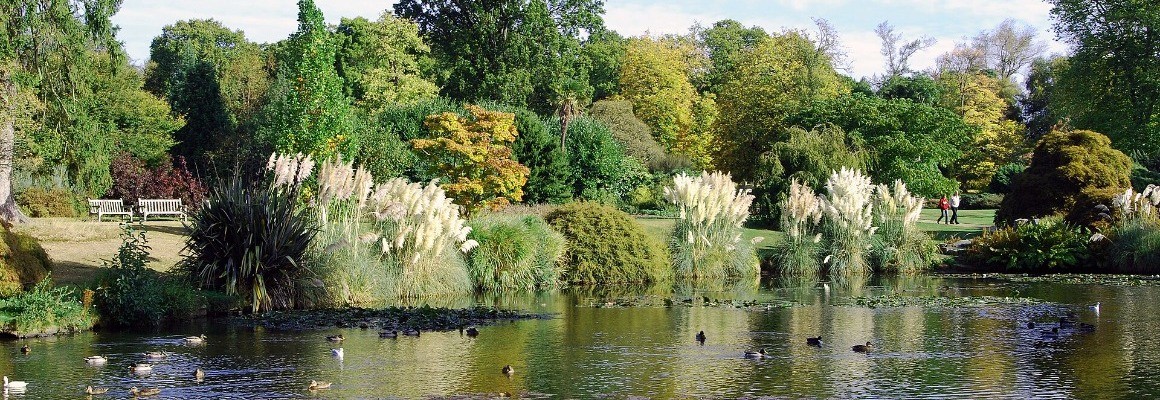
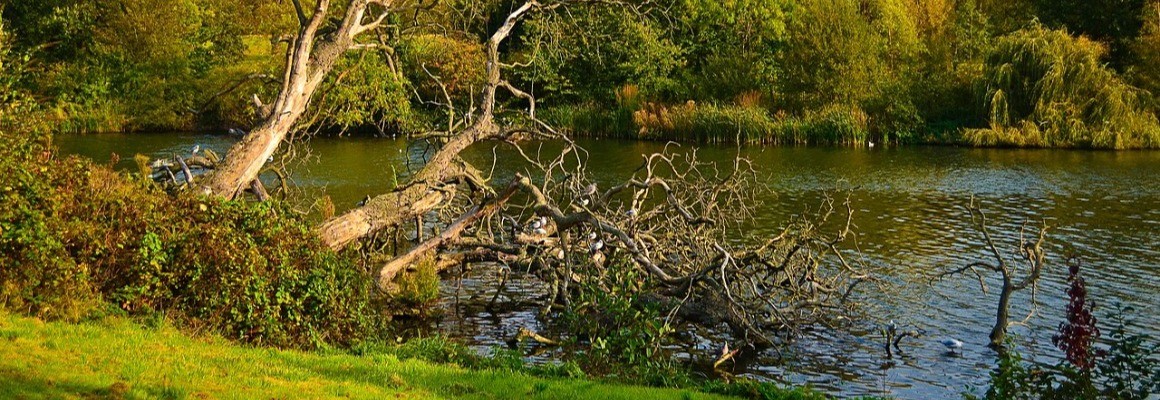
Pen Ponds are two connected bodies of water in the central part of the park, created in the 18th century. They are surrounded by grassland, reed beds, and mature trees. The ponds provide habitats for waterbirds and other wildlife and form a peaceful setting for walks and nature watching.
Swans, ducks, and coots can often be seen on the water, while herons and kingfishers may appear along the banks. Wet areas and waterside vegetation play an important role in maintaining local ecosystems.
Pembroke Lodge and historic gardens
Pembroke Lodge is a historic Georgian mansion built in the mid-18th century. It later became associated with Lord John Russell, a British prime minister. Today, it houses a café and restaurant, with landscaped gardens and open spaces nearby offering views across the Thames Valley.
The grounds are a pleasant place to rest after exploring the park. Lawns, mature trees, and flower beds create a more formal garden landscape that contrasts with Richmond's broad natural grasslands.
Walking and visiting
Richmond Park is ideal for walking, cycling, birdwatching, photography, and picnics. The Tamsin Trail, a route of about 11 kilometres around the park's perimeter, is popular with runners, cyclists, and hikers. Given the park's size, it is worth choosing an entrance and planning a route in advance.
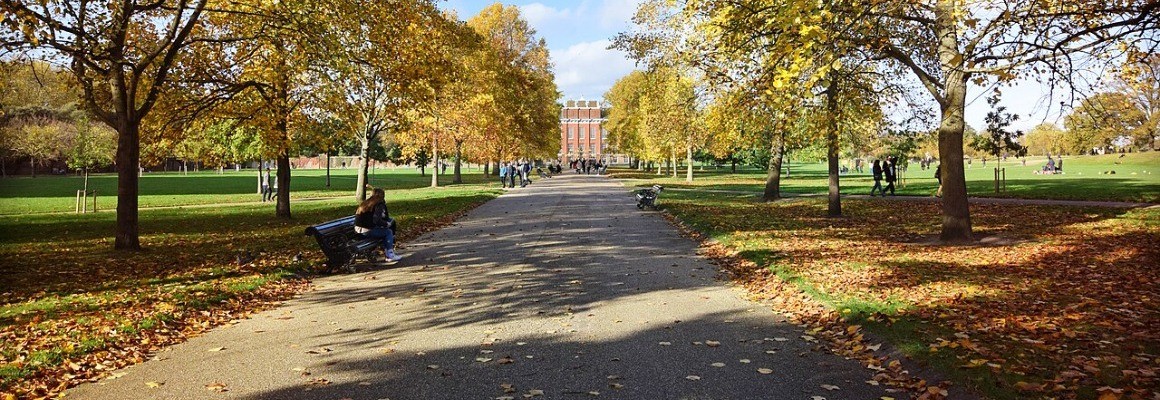
Spring brings flowering plants and young wildlife; summer is pleasant for exploring open spaces and shaded paths; autumn offers colourful grasslands and golden leaves; and winter gives the park a quieter, more austere atmosphere. Entry is free. Pedestrian gates are generally open around the clock, while vehicle access is restricted to set hours that may change. Check the official The Royal Parks website before travelling.
Richmond Park is a remarkable combination of royal history and living nature. Visitors can see wild deer, ancient trees, historic landmarks, and sweeping views of London without leaving the city.
Gallery