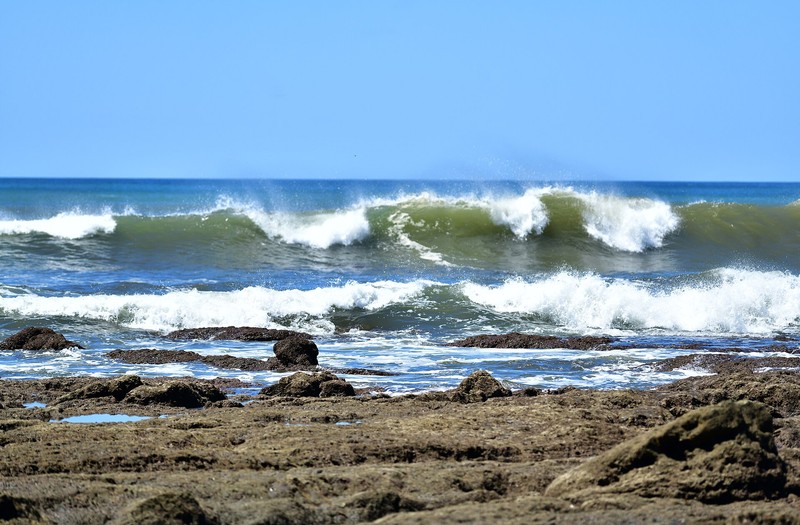
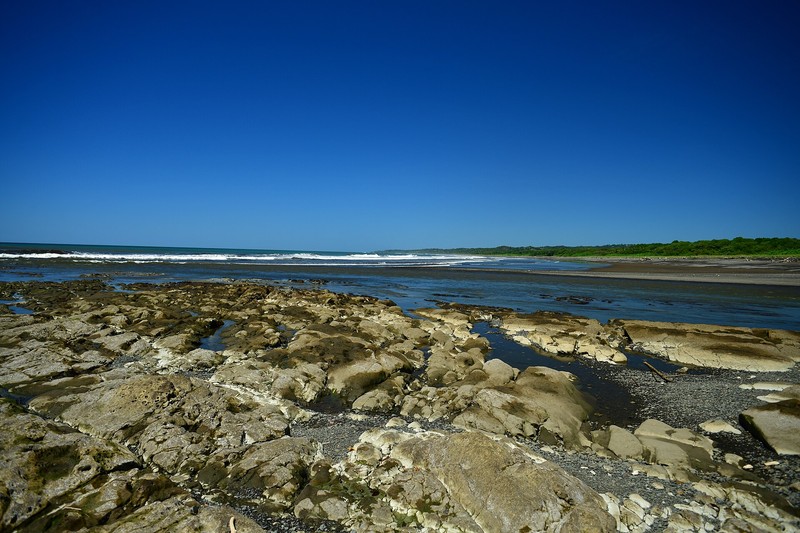
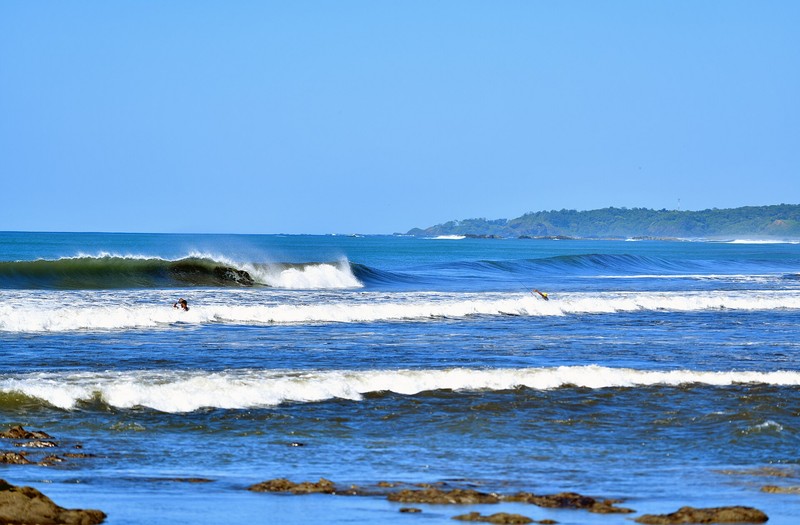
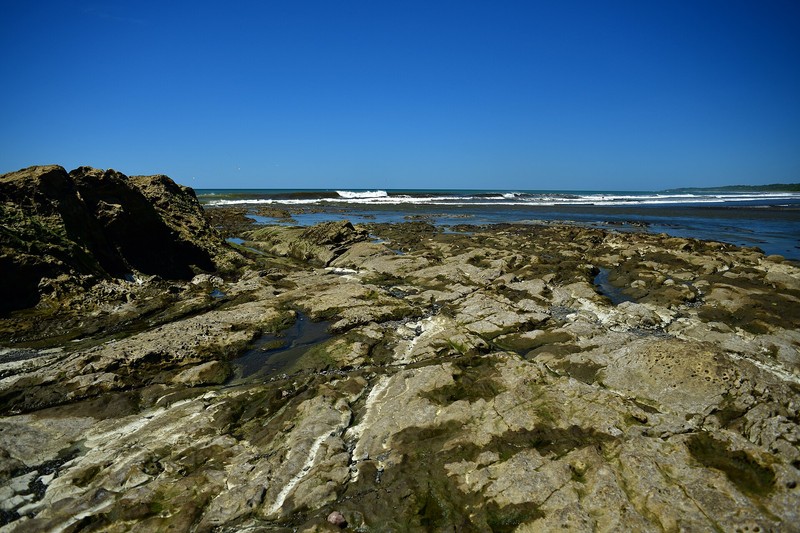
The Nicoya Peninsula is the largest peninsula in Costa Rica, located in the northwest of the country along the Pacific coast. Its shores meet the Pacific Ocean, the Gulf of Papagayo to the north, and the Gulf of Nicoya to the east and south. The Gulf of Nicoya and the Tempisque River estuary separate the peninsula from mainland Costa Rica. The region is known for sandy beaches, surfing spots, small coastal communities and varied natural landscapes.
Nature and landscapes
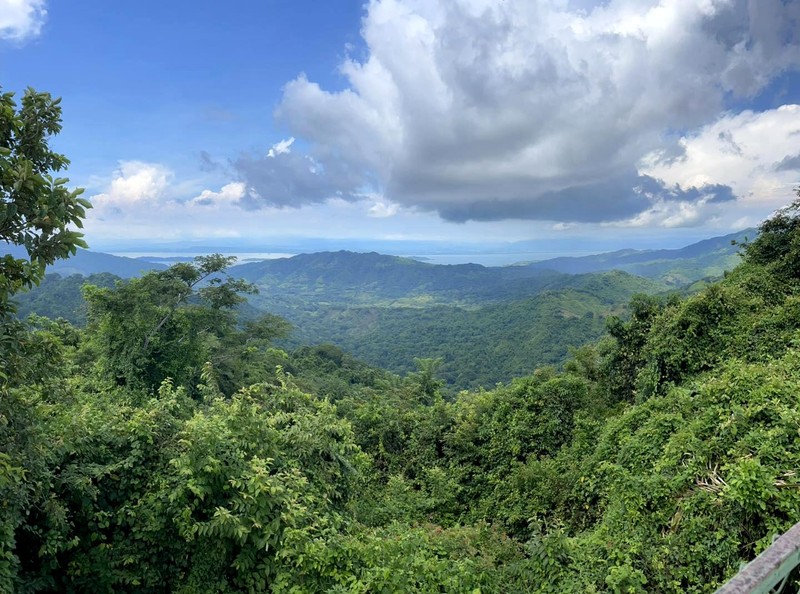
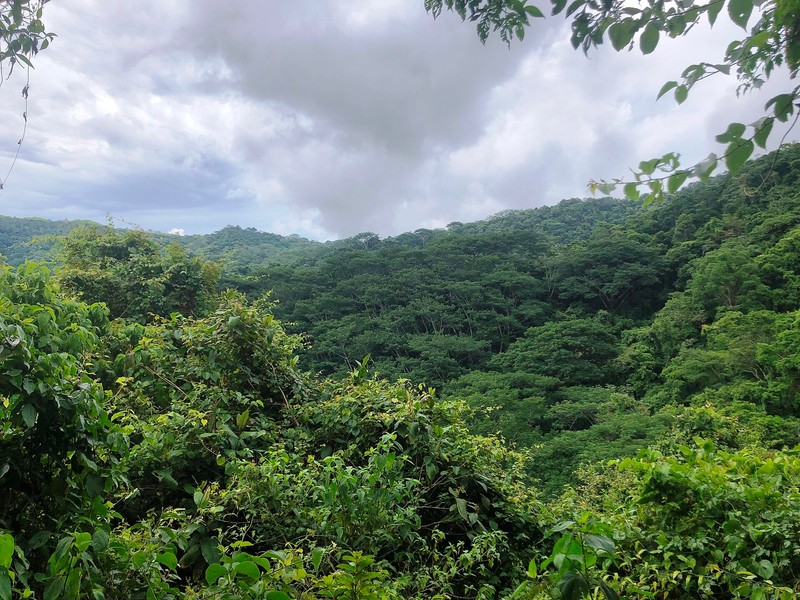
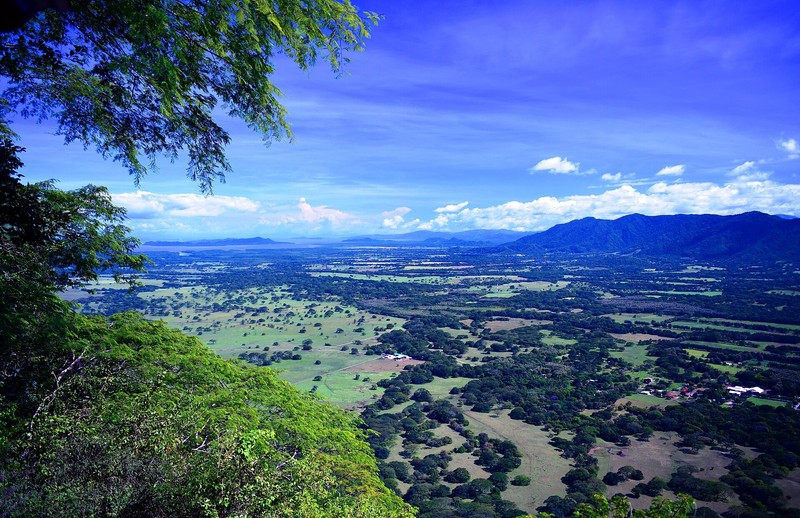
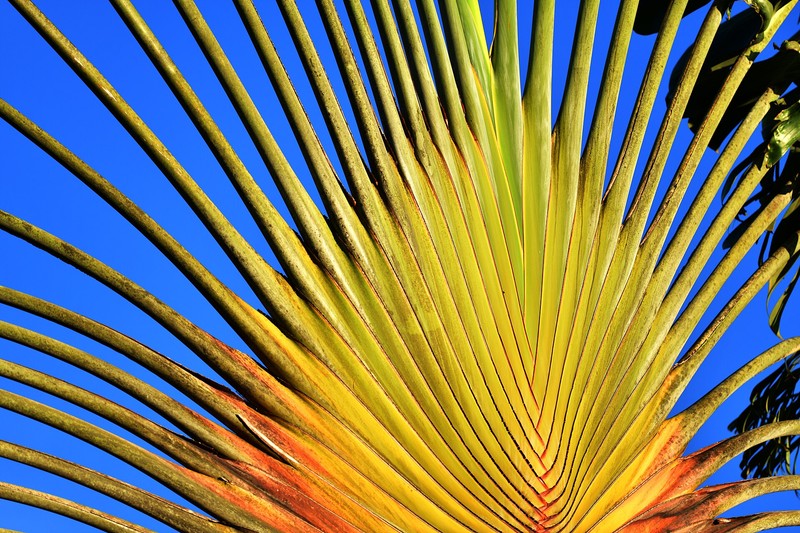
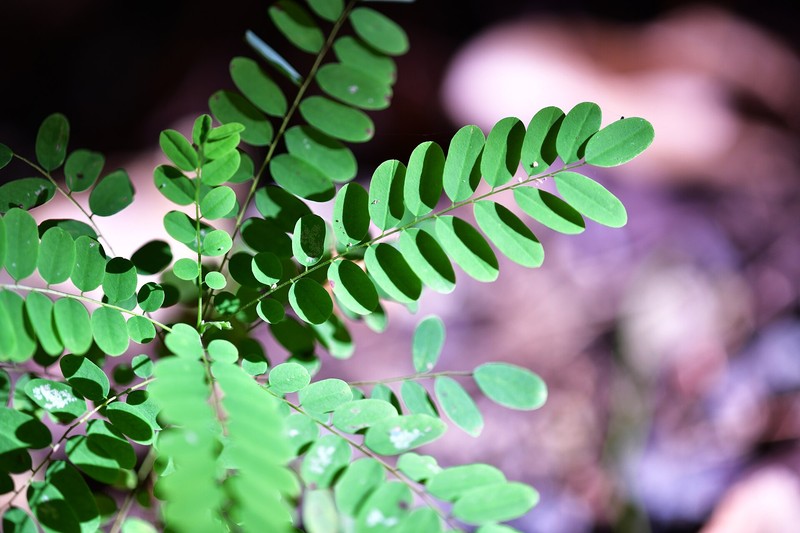
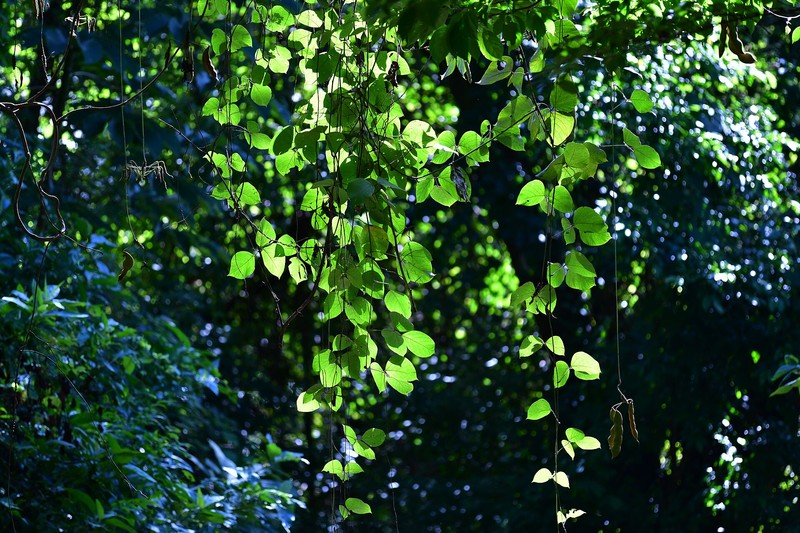
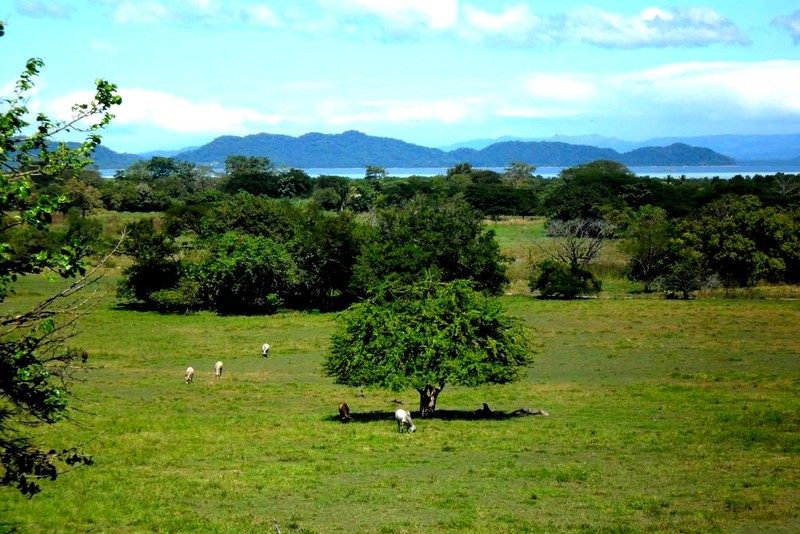
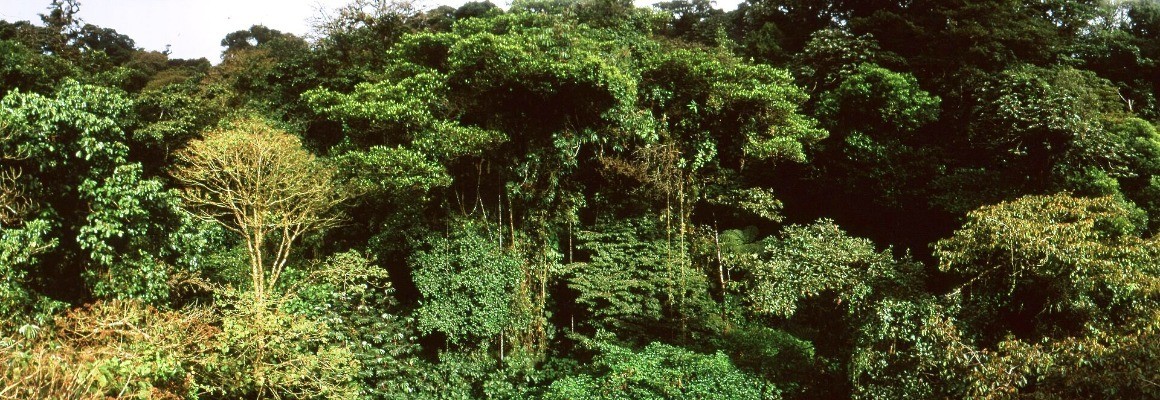
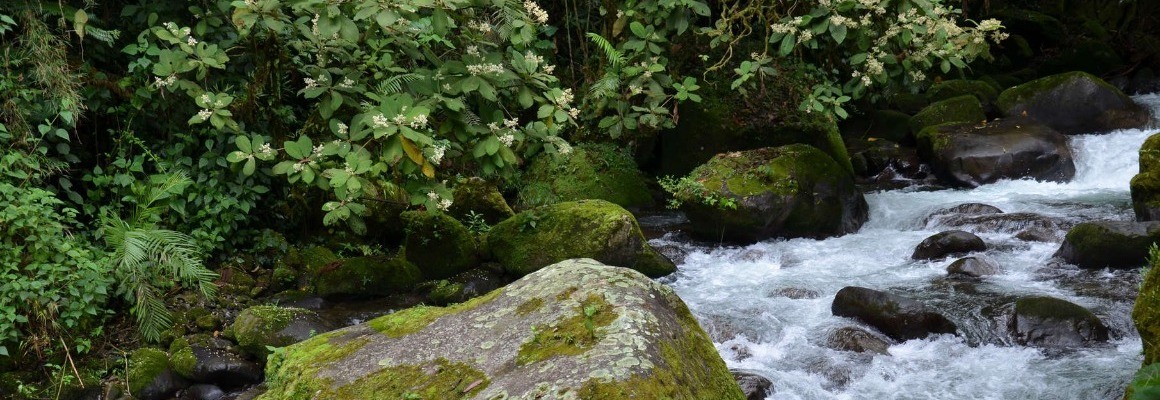
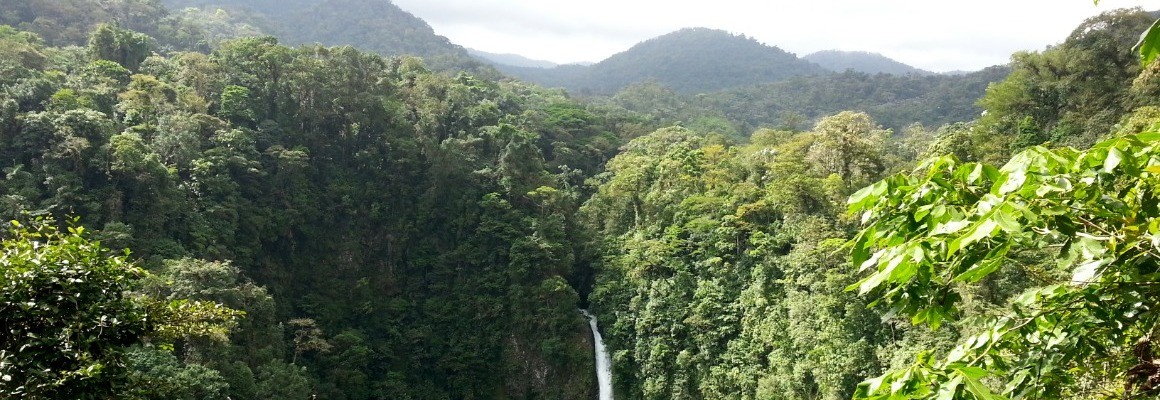
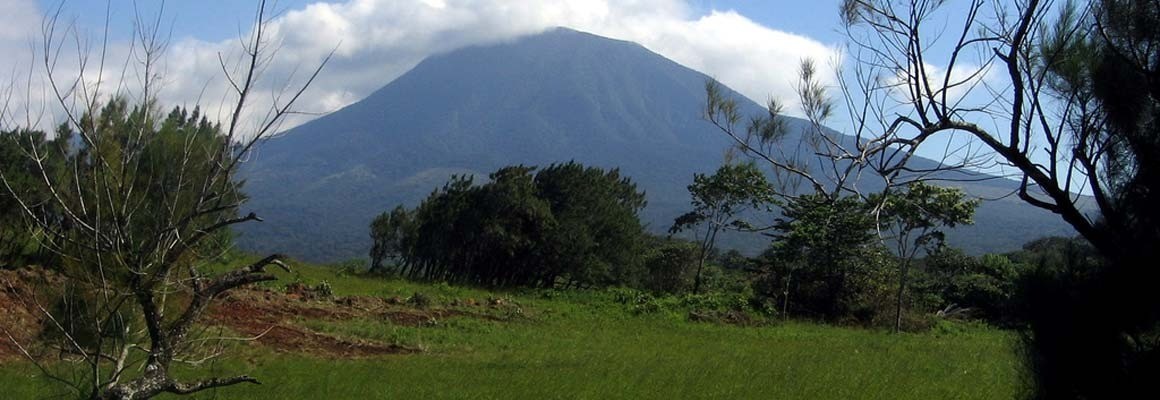
The peninsula’s landscape changes from dry northern plains to wetter hills and forested highlands in the south. It contains tropical dry forests, humid forest patches, mangroves, river estuaries and long ocean beaches. This range of habitats supports many species of birds, mammals, reptiles and marine animals.
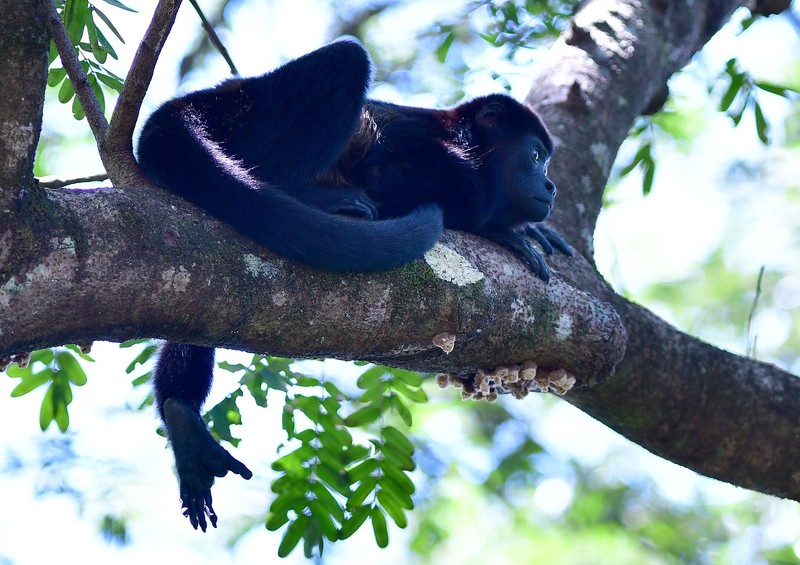
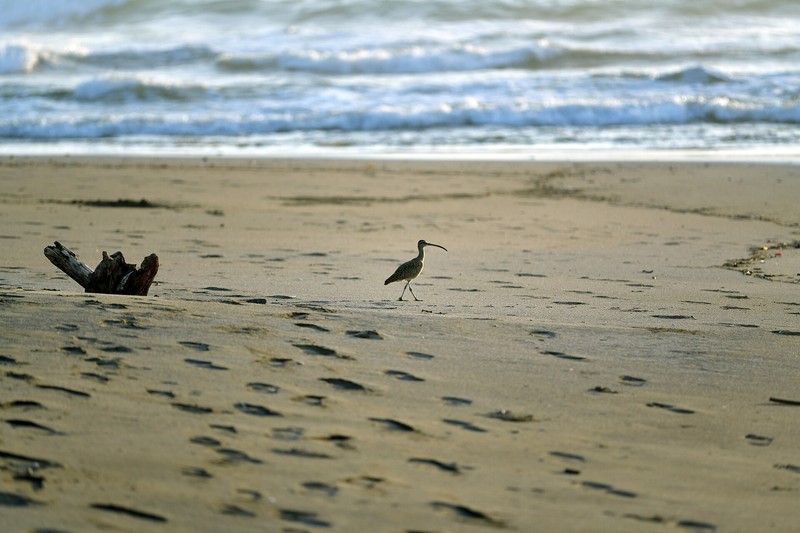
Coastal areas offer opportunities to observe seabirds, monkeys and other tropical wildlife. Some beaches are nesting sites for sea turtles. National parks and reserves protect these ecosystems and allow visitors to explore forest trails, watch wildlife and experience the natural environment of Costa Rica’s Pacific coast.
Best beaches on the Nicoya Peninsula
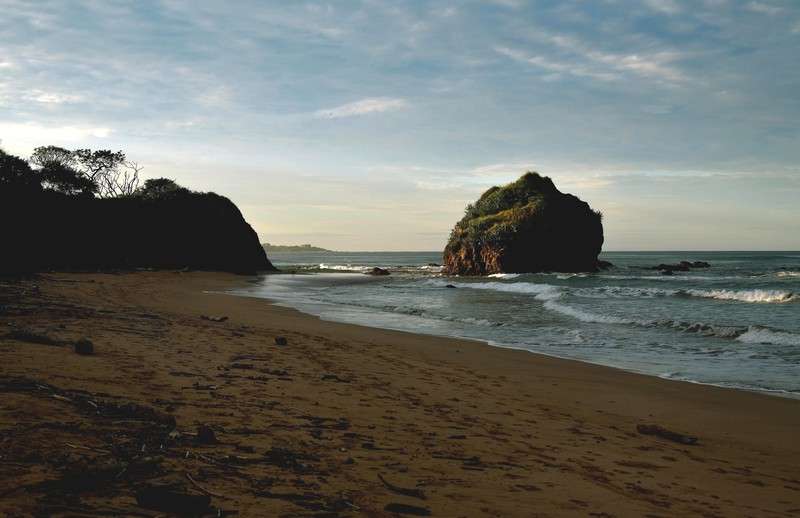
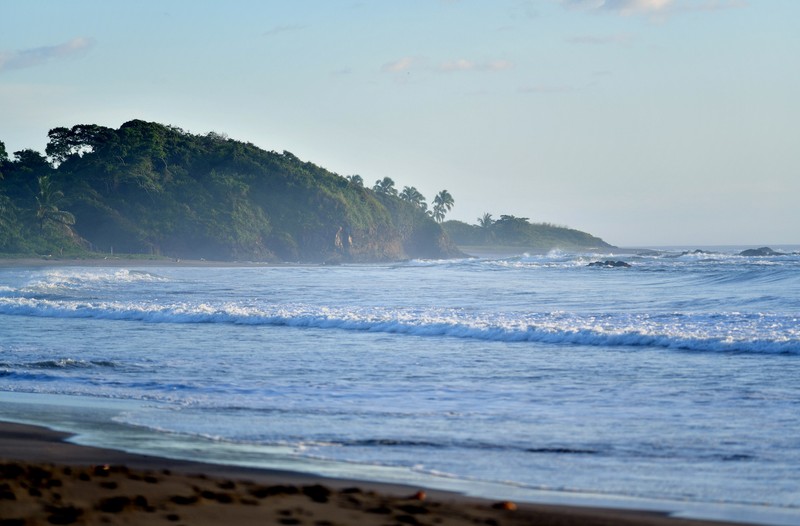
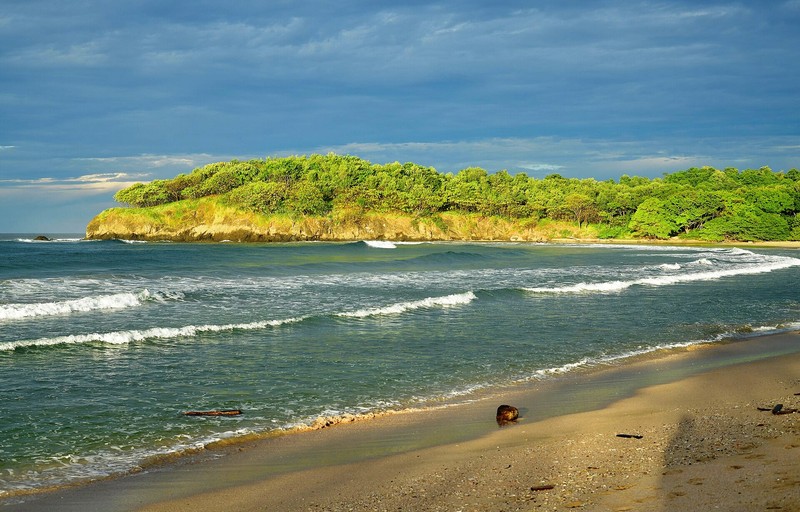
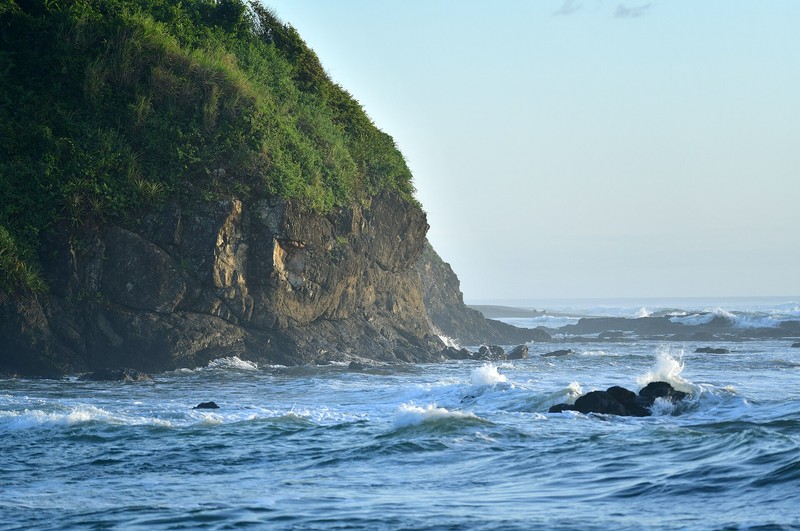
The peninsula is known for beaches with golden or pale sand, rocky shorelines, bays and beautiful sunsets. Popular destinations include Santa Teresa, Mal País, Montezuma, Tambor, Sámara and Nosara. Some beaches are suited to relaxing by the sea, while others attract surfers with Pacific waves.
Santa Teresa and Mal País are known for surfing and their laid-back coastal atmosphere. Montezuma combines beaches, rocky shores and nature trails. Sámara lies beside a sheltered bay that is popular for beach holidays, while Nosara is known for surfing, yoga and ecotourism. When choosing a swimming spot, pay attention to waves, currents and local warnings.
National parks and nature reserves
One of the region’s major natural attractions is Cabo Blanco Absolute Natural Reserve at the southern tip of the peninsula. It protects coastal and forest ecosystems and offers walking trails. Visitors can see tropical vegetation, birds and other wildlife.
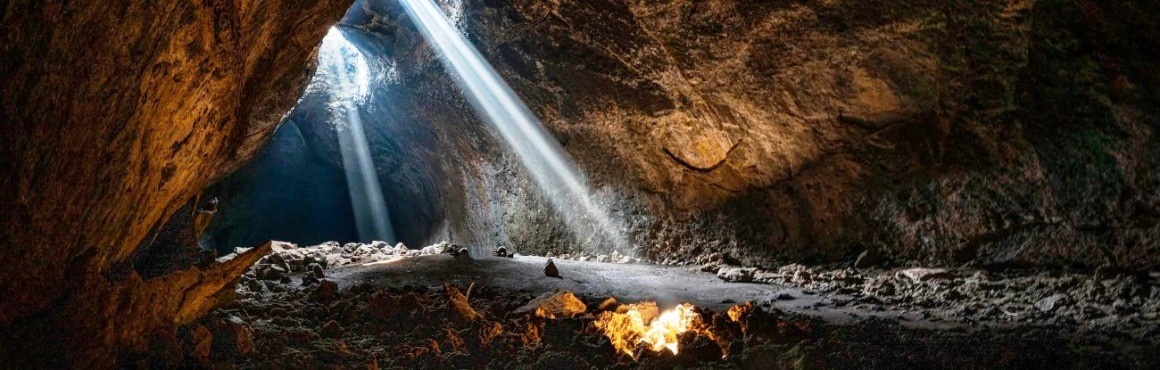
Barra Honda National Park is known for its limestone cave system and tropical dry forest. Some caves can be visited on organised excursions that follow safety rules. Coastal areas and the Gulf of Nicoya contain wildlife refuges and mangrove ecosystems that are important for birds and marine life. The Curú Wildlife Refuge combines forest, coastal habitats and areas that support a variety of animals.
Wildlife and birdwatching
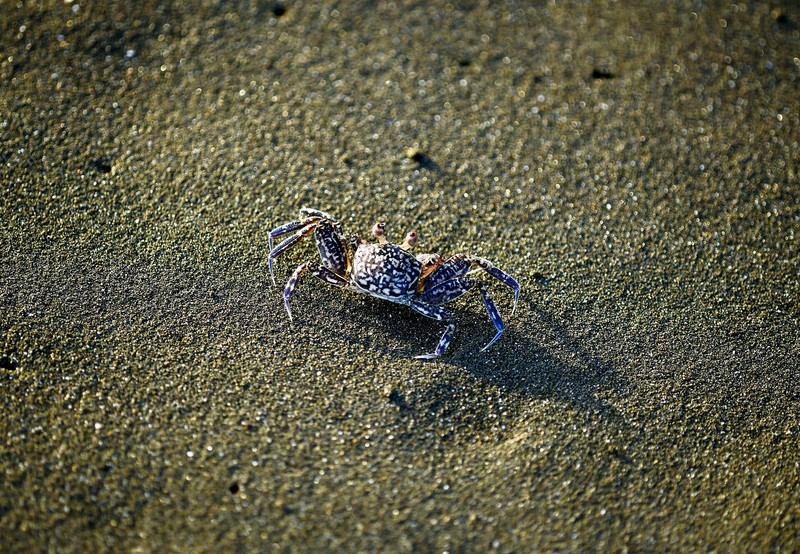
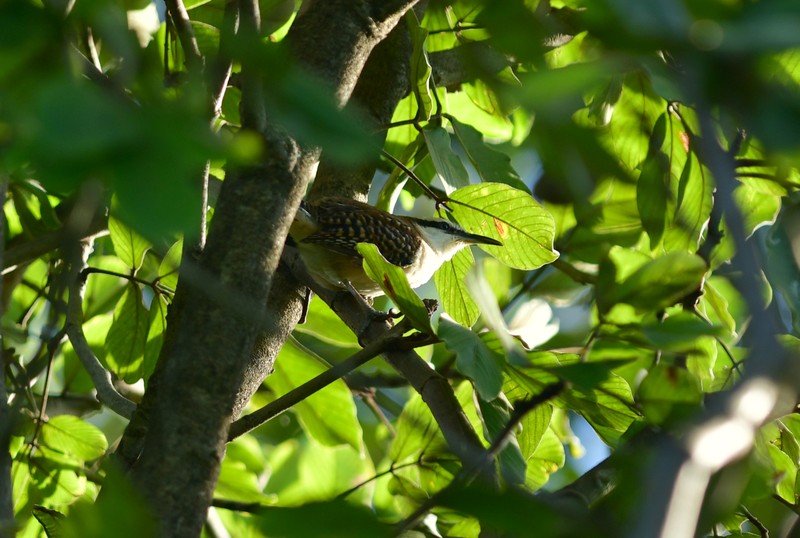
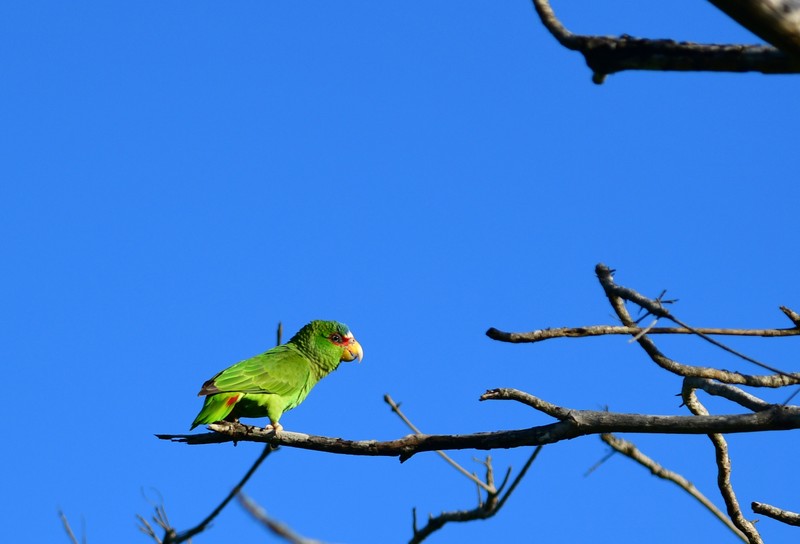
The Nicoya Peninsula is an appealing destination for nature lovers and birdwatchers. Depending on the habitat, visitors may see seabirds, waterbirds, parrots, hummingbirds and birds of prey. Monkeys, iguanas and other tropical animals live in the forests. During certain seasons, sea turtles come ashore to lay eggs on some beaches. To protect wildlife, stay on marked trails, keep a respectful distance and avoid disturbing nests.
Towns and local culture
Nicoya is an important inland town and a centre of local culture. Historic buildings, including the Church of San Blas, remain in the town, while nearby communities maintain traditional crafts and rural tourism. Guaitil and San Vicente are known for pottery workshops that preserve local decorative traditions.
Regional culture is closely connected with rural life, cattle farming, local food and traditional celebrations. Travellers can try corn tortillas and other Costa Rican dishes, visit craft workshops and learn about life in small communities away from the beach resorts.
Things to do on the peninsula
Visitors can surf, swim when conditions are suitable, hike in protected areas, watch birds and explore coastal trails. Horseback riding, mangrove excursions, boat trips and visits to local craft workshops are also popular. Yoga classes and wellness programmes are available in some areas.
Plan which part of the peninsula you want to explore before travelling. Distances between beach villages can be considerable, and journey times depend on road conditions. Allow several days to combine beaches with nature attractions rather than trying to cover the entire region on a short visit.
How to reach the Nicoya Peninsula
The peninsula can be reached by road from Guanacaste Province, including via the bridge across the Tempisque River, or by ferry from Puntarenas to the Paquera area. The best route depends on your destination: the ferry can be convenient for the southern coast, while northern and central areas are often reached from Liberia or San José.
The peninsula has both paved roads and unpaved routes that can deteriorate during the rainy season. A vehicle with high clearance or four-wheel drive may be useful for some remote beaches and natural attractions. Before setting out, check the ferry timetable, road conditions and access requirements for the places you plan to visit.
Best time to visit
The driest period generally runs from late autumn through spring, when conditions are often suitable for beach holidays and road trips. The rainy season brings wetter weather, greener landscapes and fuller rivers, but some unpaved roads can become difficult to pass. Conditions vary by area, so check the forecast and route conditions before travelling.
Travel tips
Bring sunscreen, a hat, insect repellent and enough drinking water. Closed shoes are useful for forest trails, while footwear suitable for sand and rocky shores is helpful at beaches. Respect local conservation rules, take all rubbish with you and avoid approaching sea turtles or other wild animals. The Nicoya Peninsula is a good choice for travellers who want to combine beach time, outdoor activities, Costa Rican culture and visits to protected natural areas.
Gallery