Guayabo is a national archaeological monument in Costa Rica, located in Cartago Province near the city of Turrialba, on the slopes of Turrialba Volcano. The site preserves the remains of a pre-Columbian settlement, including stone roads, circular house foundations, water channels, reservoirs, and petroglyphs. Surrounded by humid mountain forest, Guayabo offers visitors an opportunity to explore both the history of ancient societies and the natural environment of Central America.
History of the Ancient Settlement
Archaeological research indicates that Guayabo was occupied from around 1000 BC to 1400 AD. The settlement developed over many centuries and probably served as an important political, social, and religious center for the region. At its height, it may have been home to hundreds or even thousands of people.
Much about its inhabitants remains unknown. Researchers believe that the society had a complex organization and an economy based on agriculture, hunting, and fishing. The reasons the settlement was abandoned have not been definitively established.
Archaeological Structures
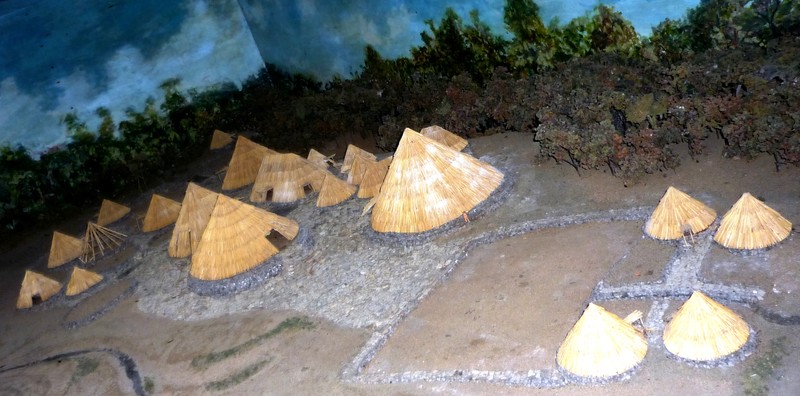
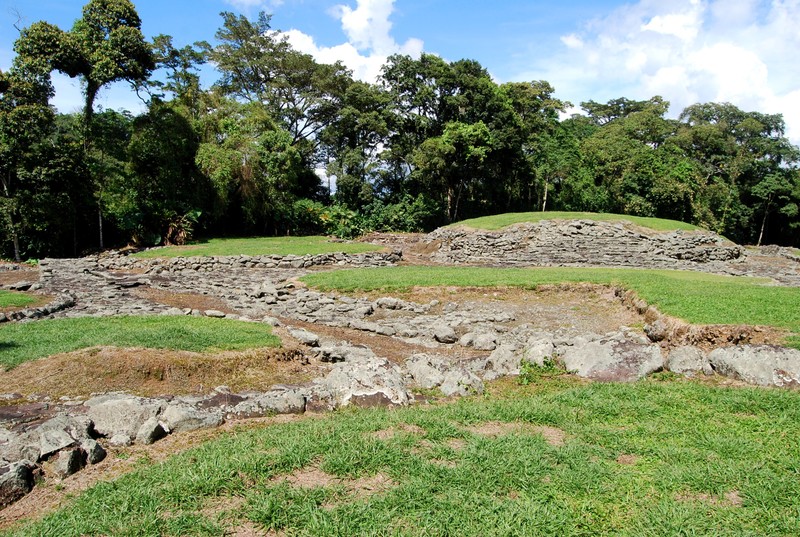
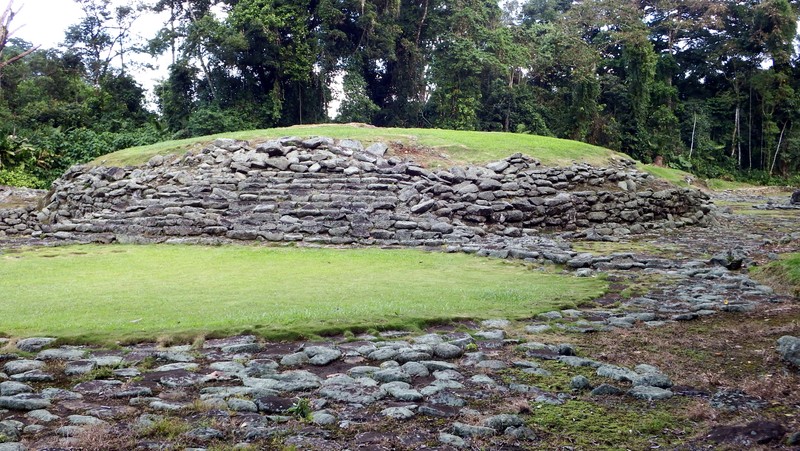
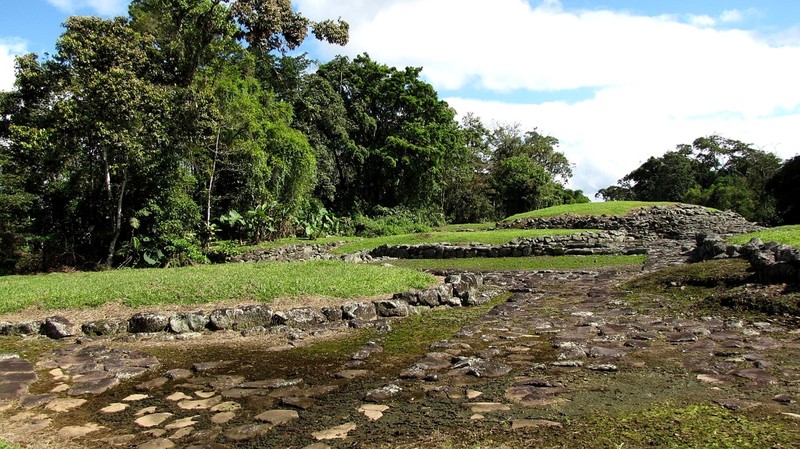
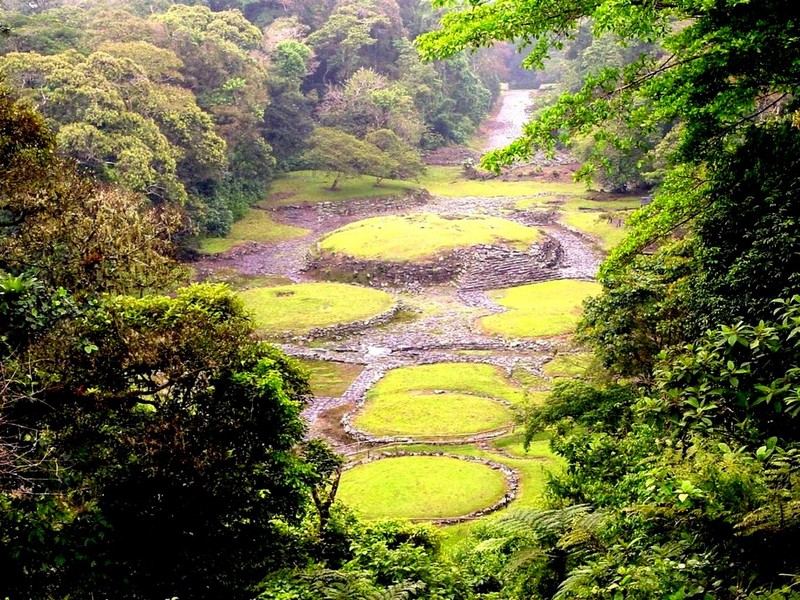
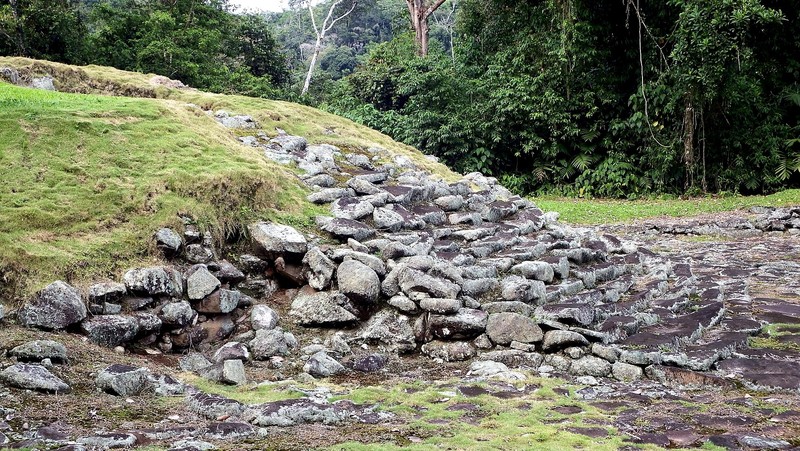
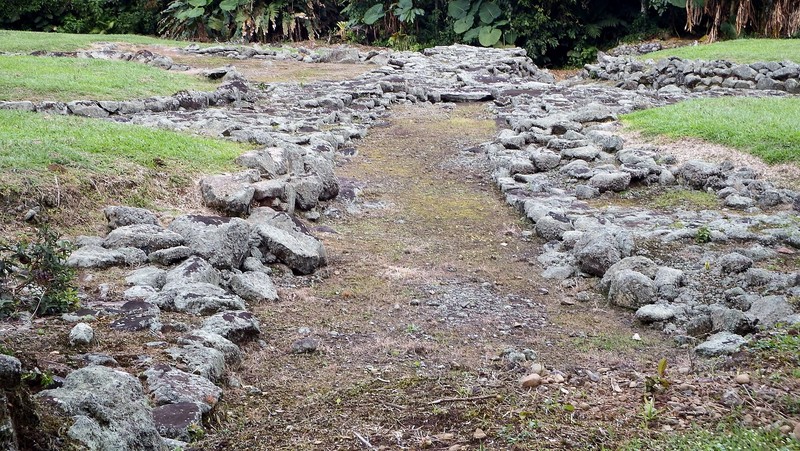
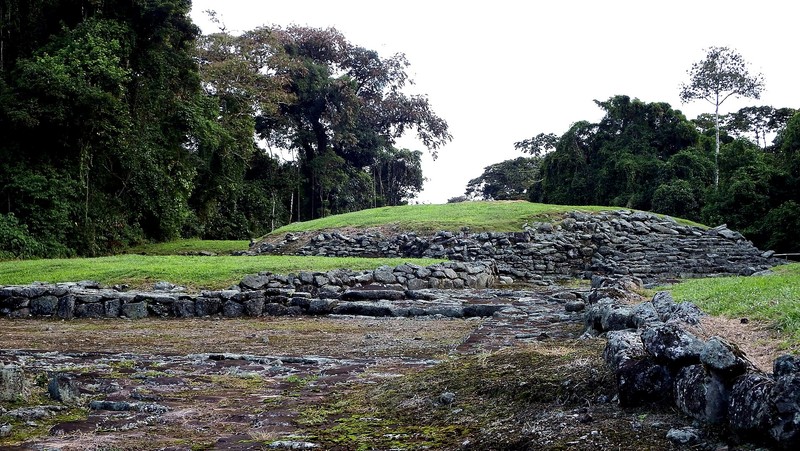
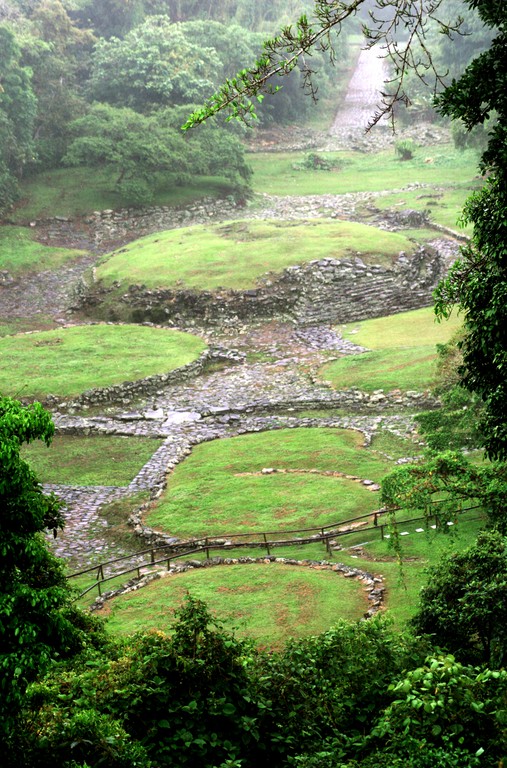
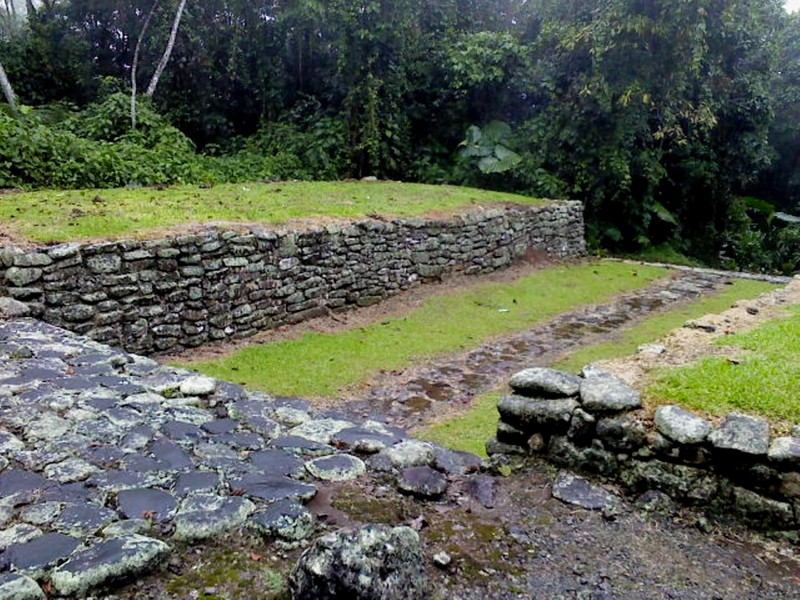
Guayabo’s most distinctive features are its engineering structures built from river stones. These include circular stone foundations for houses, raised platforms, steps, and paved roads that connected different parts of the settlement. The remains help visitors imagine the layout of the ancient town and aspects of everyday life.
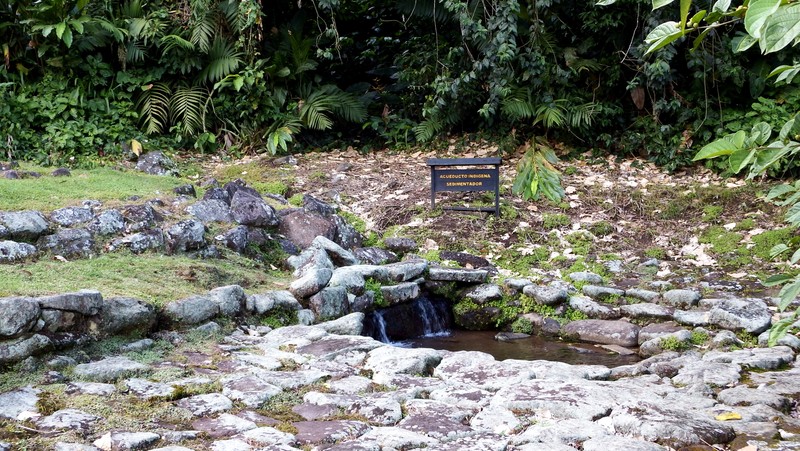
The water supply and drainage system is especially significant. Ancient builders constructed channels, aqueducts, and reservoirs to direct and store water. The complexity of these structures demonstrates advanced engineering knowledge. In 2009, the American Society of Civil Engineers designated Guayabo a World Heritage Site in Civil Engineering.
Petroglyphs and Stone Monuments
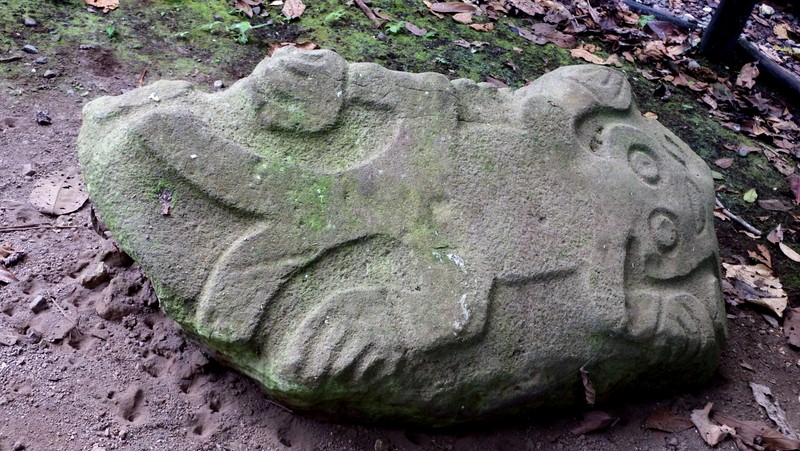
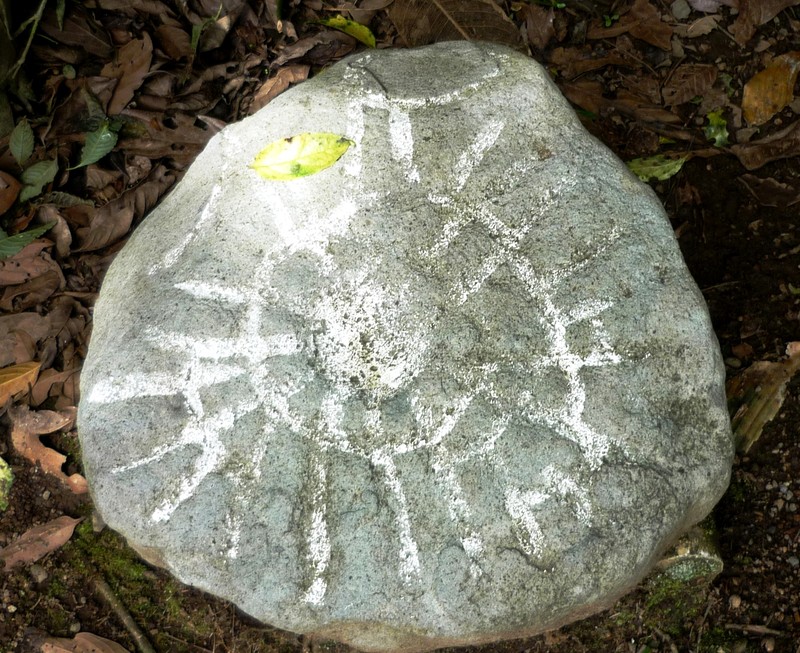
Petroglyphs–images and symbols carved into stone–have been found throughout the archaeological complex. Their exact meanings are not always known, but they are valuable for studying the beliefs, communication, and artistic traditions of the region’s ancient inhabitants. Archaeologists also study stone monoliths, sculptural elements, and other traces of material culture.
Forest and Natural Surroundings
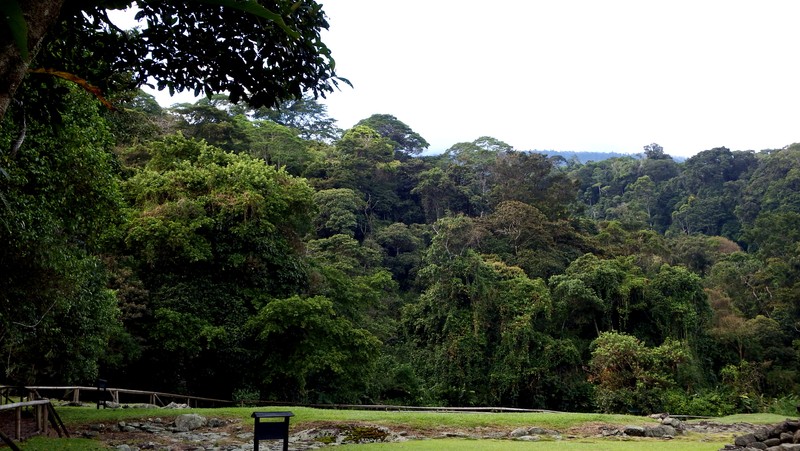
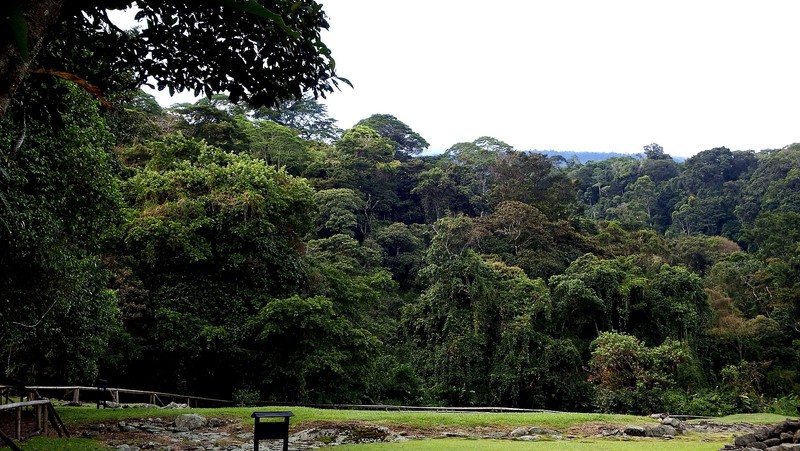
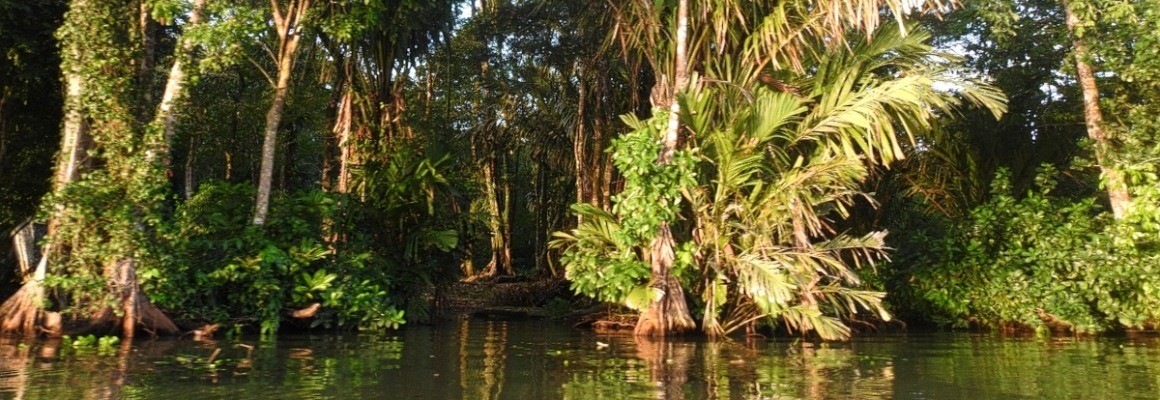
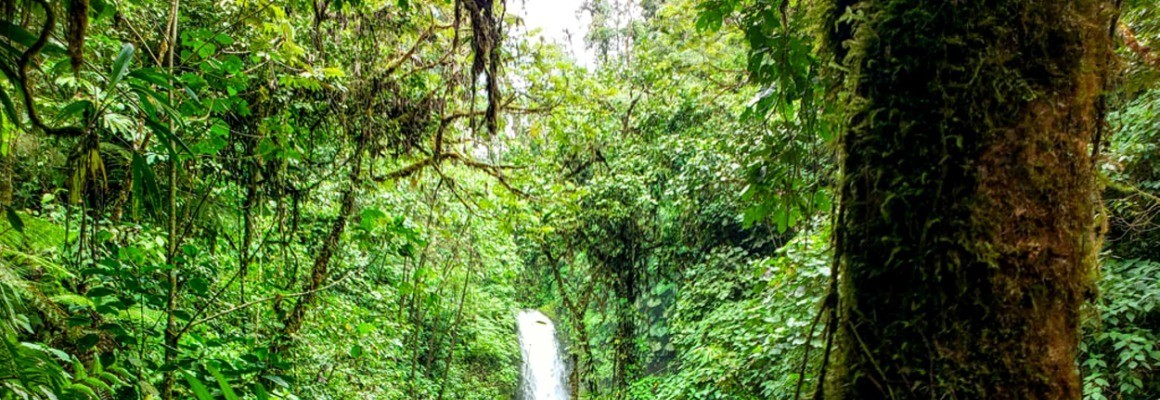
The national monument covers about 233 hectares of protected land, including an archaeological zone of approximately 20 hectares. The remaining area protects patches of evergreen premontane rainforest at elevations of around 990–1,300 meters above sea level. Tropical plants grow here, while the forest provides habitat for birds, mammals, reptiles, and many insects.
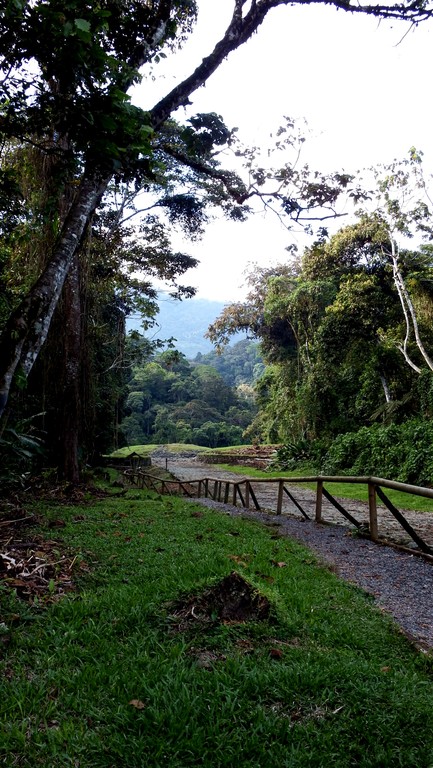
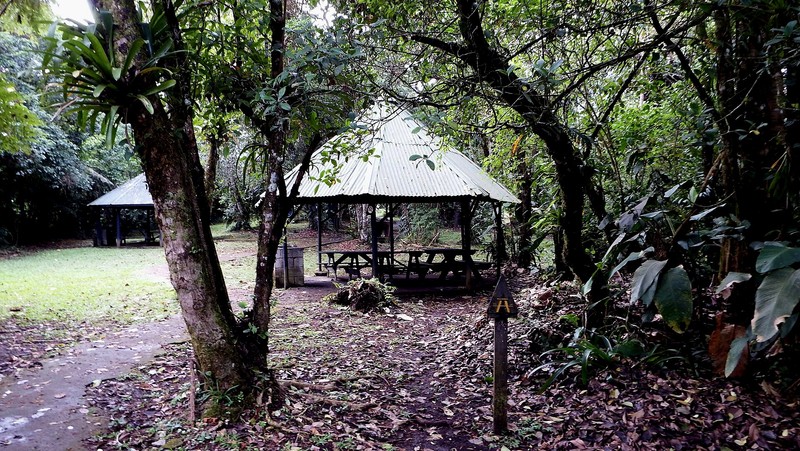
Walking trails pass archaeological structures and sections of forest. Visitors can explore ancient roads, see remains of the water system, and experience the foothill landscape. Stay on marked trails and avoid touching archaeological features.
How to Get to Guayabo
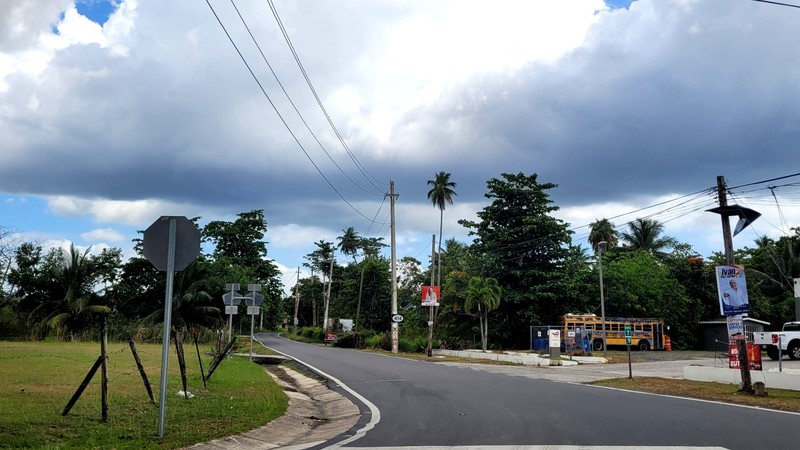
The monument is in the Santa Teresita area, northeast of Turrialba in Cartago Province. From San José, travelers generally drive through Cartago and Turrialba before continuing on local roads to the archaeological site. It is also possible to travel by bus to Turrialba and use local transport, after checking the current timetable in advance.
Opening Hours and Practical Tips
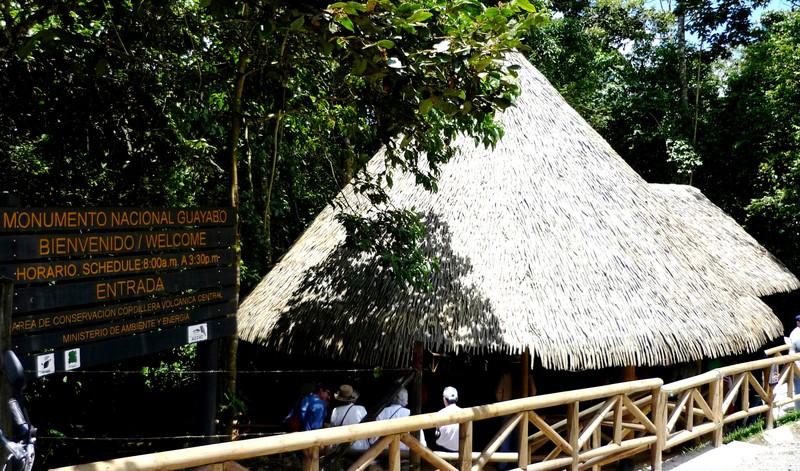
Check the protected area’s official website before traveling, as opening hours and visitor arrangements may change. Published information generally lists daily opening hours from 8:00 a.m. to 3:30 p.m., including public holidays. Comfortable shoes, lightweight clothing, rain protection, insect repellent, and drinking water are recommended.
Guayabo is especially appealing to travelers interested in archaeology, pre-Columbian civilizations, and nature walks. It is one of Costa Rica’s most important archaeological heritage sites, where evidence of ancient engineering can be explored amid tropical forest.
Gallery