Tortuguero National Park
Tortuguero National Park lies on Costa Rica's northeastern Caribbean coast in Limón Province. Often called the “Little Amazon,” it is known for tropical rainforest, wetlands, lagoons and an extensive network of rivers and canals. The park was established on September 24, 1970. The protected area includes approximately 26,653 hectares of land and 50,284 hectares of marine territory.
Canals, rivers and lagoons
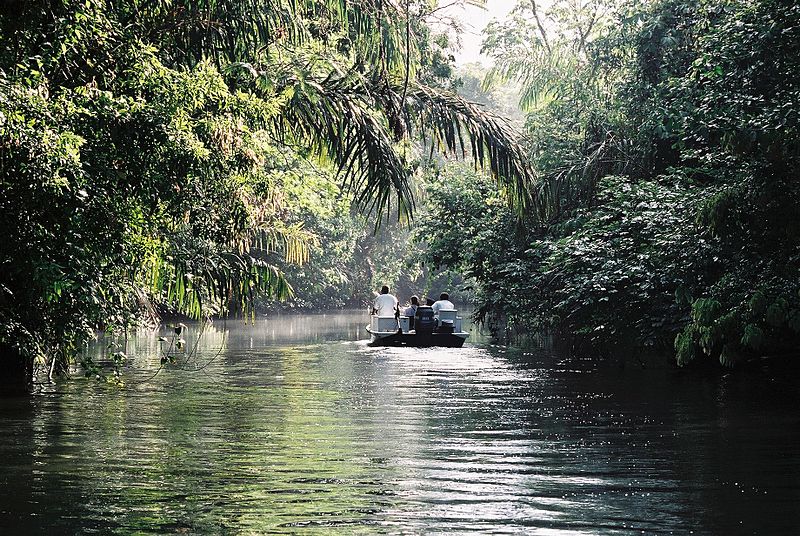
Waterways wind through dense vegetation, linking lagoons and swamp forests. Boats are a major means of transport in many parts of the region. Canal trips reveal palm groves, vines, flooded forest and wildlife along the banks.
Tropical rainforest and wetlands
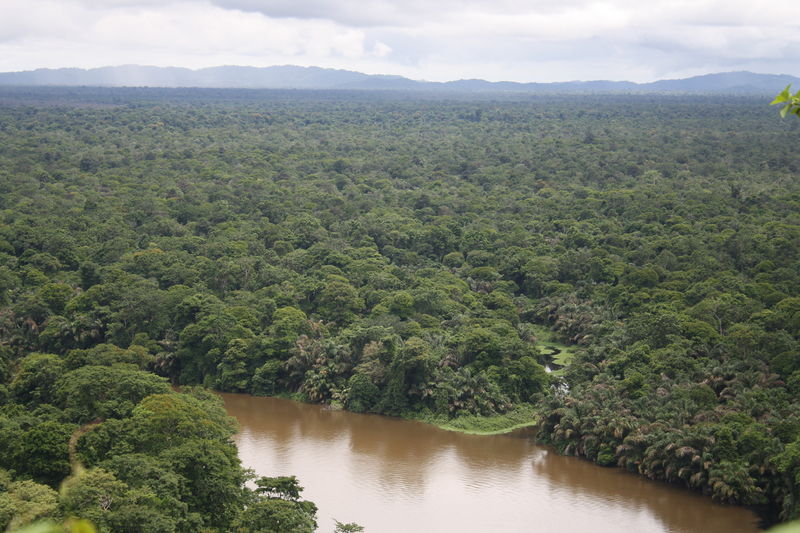
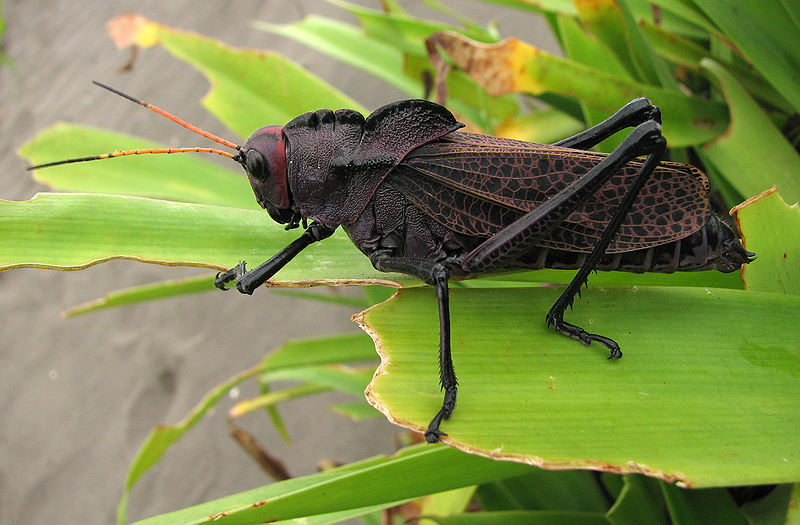
Humid and very humid tropical forests dominate the park, alongside coastal wetlands and distinctive palm communities. Heavy rainfall sustains lush vegetation and diverse habitats for plants, insects, fish, amphibians, reptiles, birds and mammals.
Sea turtles
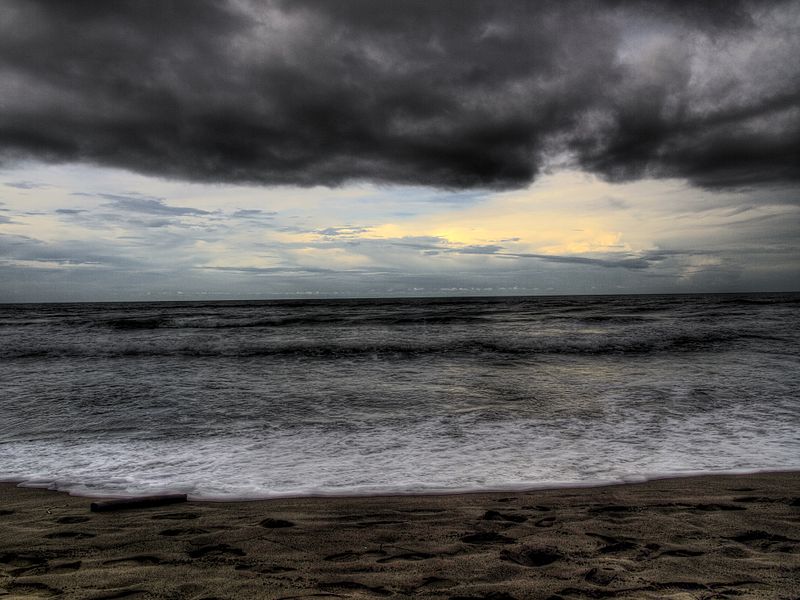
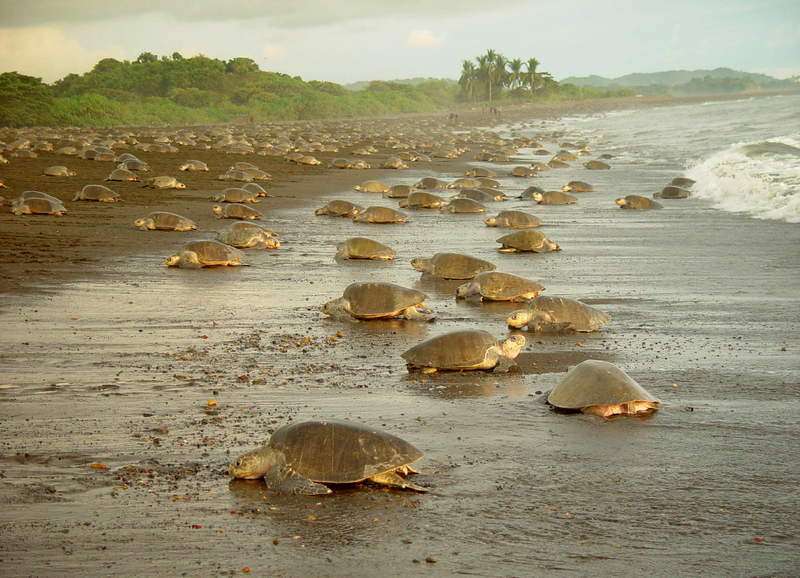
Tortuguero is internationally known for its sea turtle nesting beaches, especially those used by green turtles. Leatherback and hawksbill turtles also nest in the area. Turtle-watching activities must follow park rules and be led by authorized guides. Visitors should avoid disturbing turtles and follow instructions about lights and photography.
Birds and other wildlife
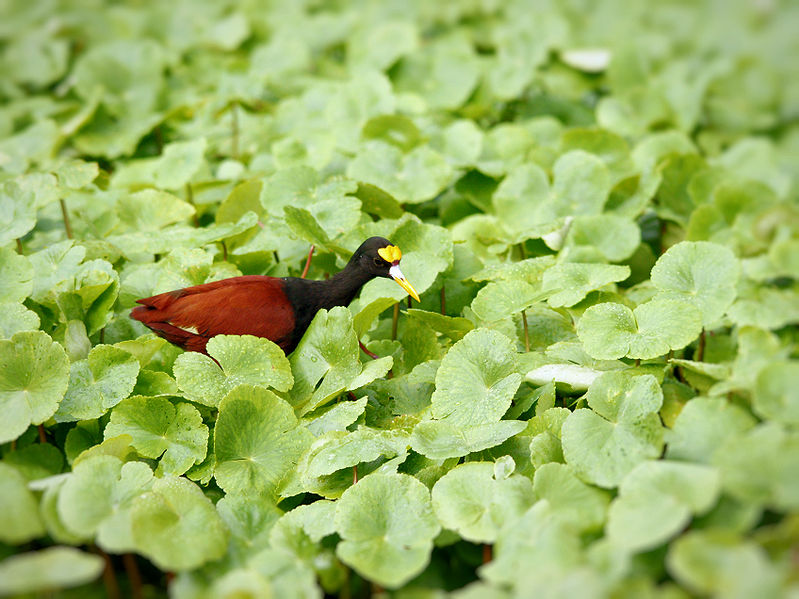
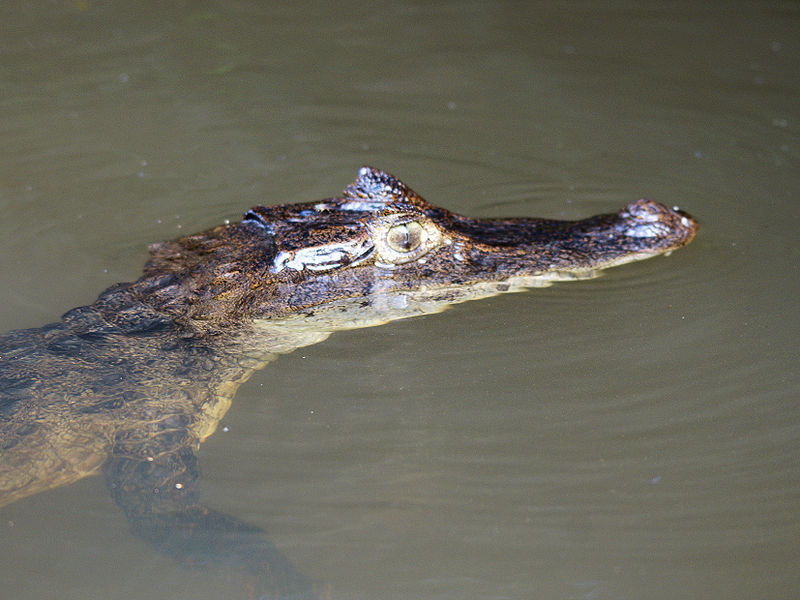
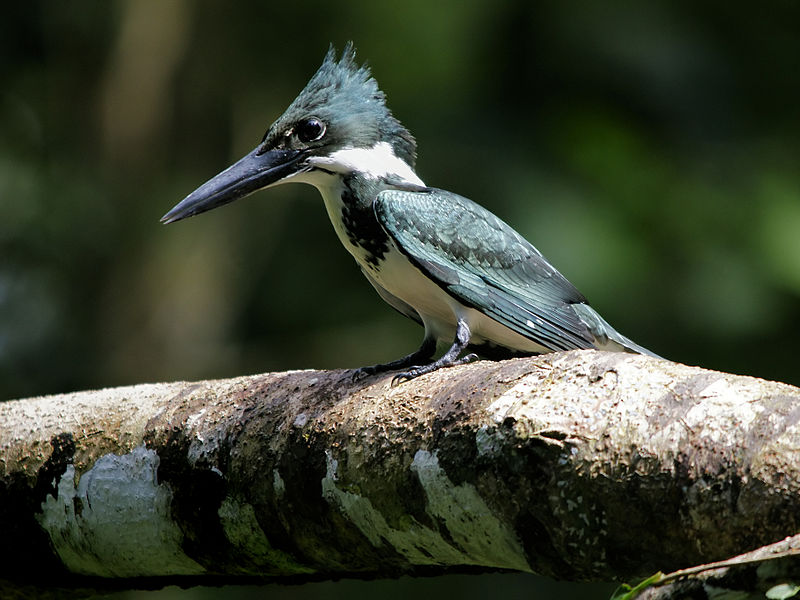
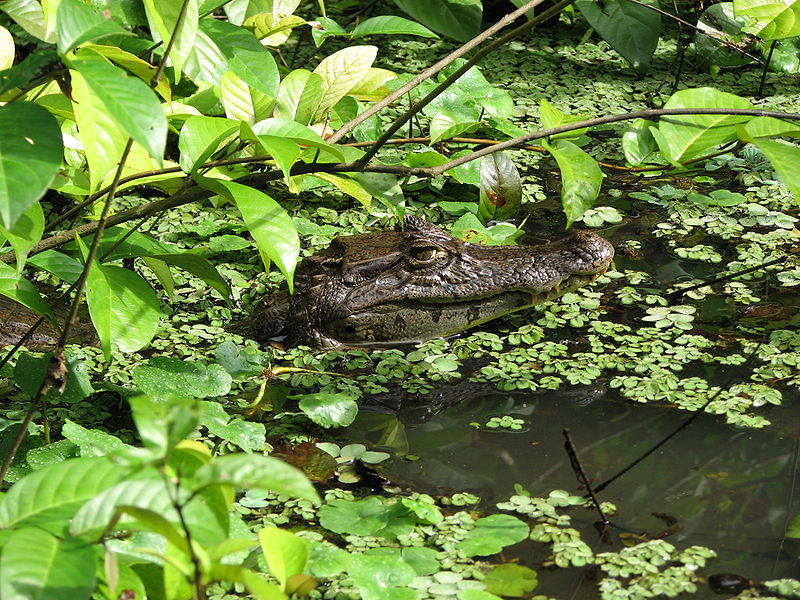
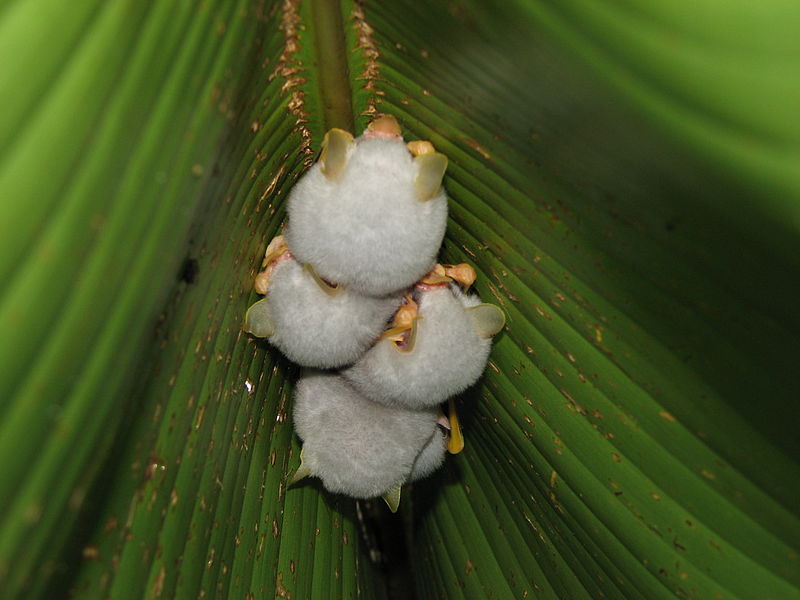
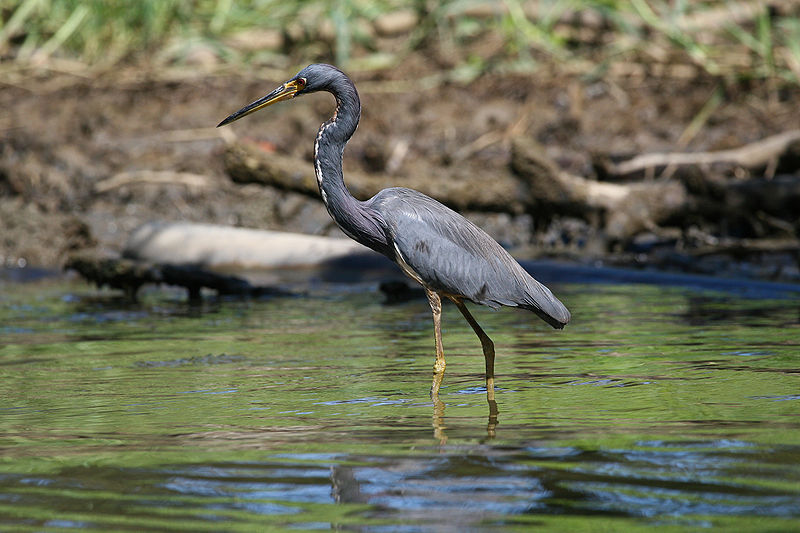
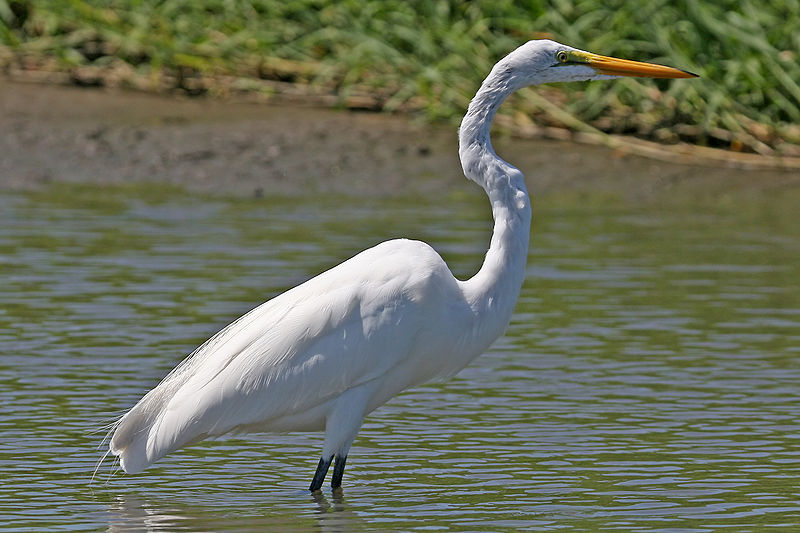
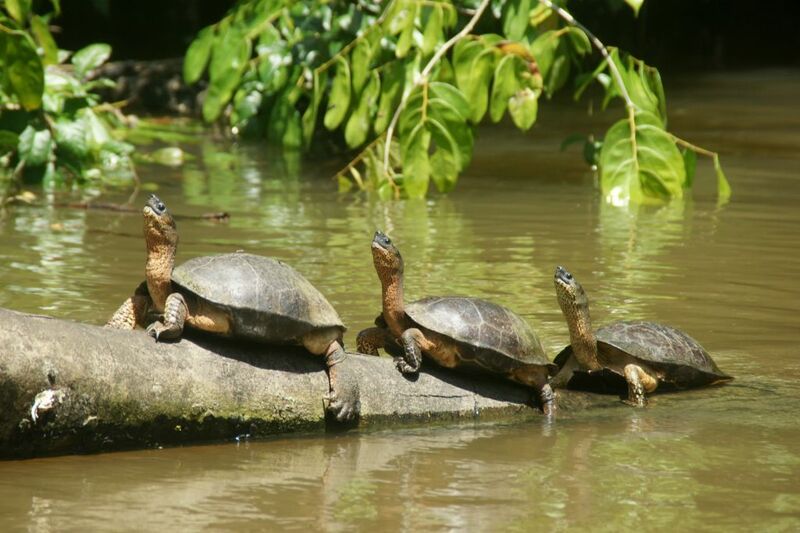
The park supports monkeys, sloths, tapirs, caimans, freshwater turtles and many other animals. Birds can often be seen feeding along the canals. Important conservation species include the great green macaw and the West Indian manatee, which depends on suitable aquatic habitat.
The village of Tortuguero
The small village of Tortuguero sits between the waterways and the Caribbean Sea. Lodges, cafés and tour operators serve visitors, while boats play a central role in local transport and bicycles are common in the village. A visit offers insight into Costa Rica's Caribbean culture and community life.
Activities and travel
Popular activities include boat trips through the canals, guided kayaking, birdwatching and walks on permitted forest trails. Many travellers reach the area through La Pavona, where boats continue to the village. The climate is hot and humid, with rain possible throughout the year, so rain protection and insect repellent are useful.
Conservation
The park protects forests, wetlands, turtle nesting beaches and habitats for threatened wildlife. Visitors should not feed animals, leave rubbish or stray from permitted routes. Tortuguero brings together remarkable biodiversity, Caribbean culture and nature-focused tourism.
Gallery