Irazu Volcano National Park is located in central Costa Rica, in the mountainous province of Cartago, about 30 kilometres north of the city of Cartago. Its main attraction is Irazu Volcano, one of the country's highest active volcanoes. It rises to approximately 3,432 metres above sea level. Its elevation and unusual volcanic scenery make the park one of Costa Rica's most remarkable natural destinations.
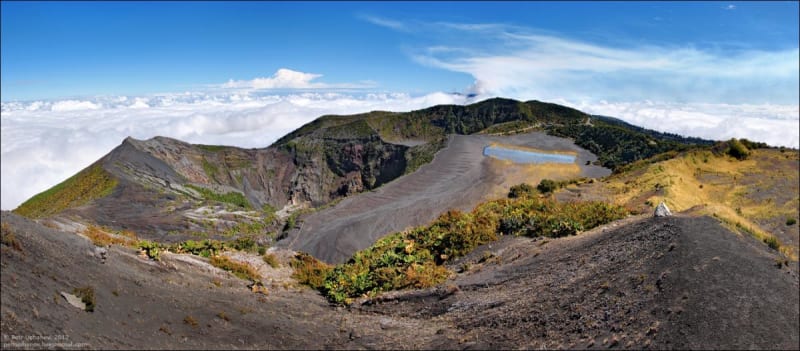
The national park covers the volcano's summit and the surrounding mountain slopes. Visitors can see craters, lava rocks, high-altitude vegetation, and sweeping views across central Costa Rica. On clear days, it is sometimes possible to see both the Pacific Ocean and the Caribbean Sea from the summit.
The craters of Irazu Volcano
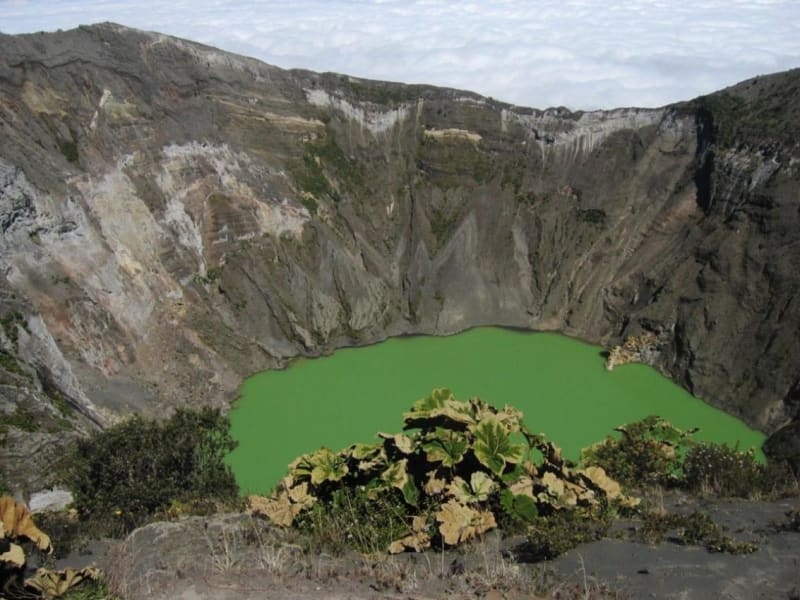
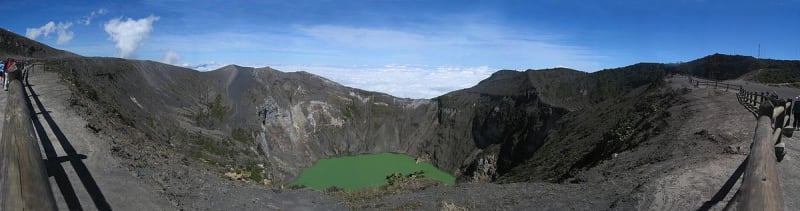
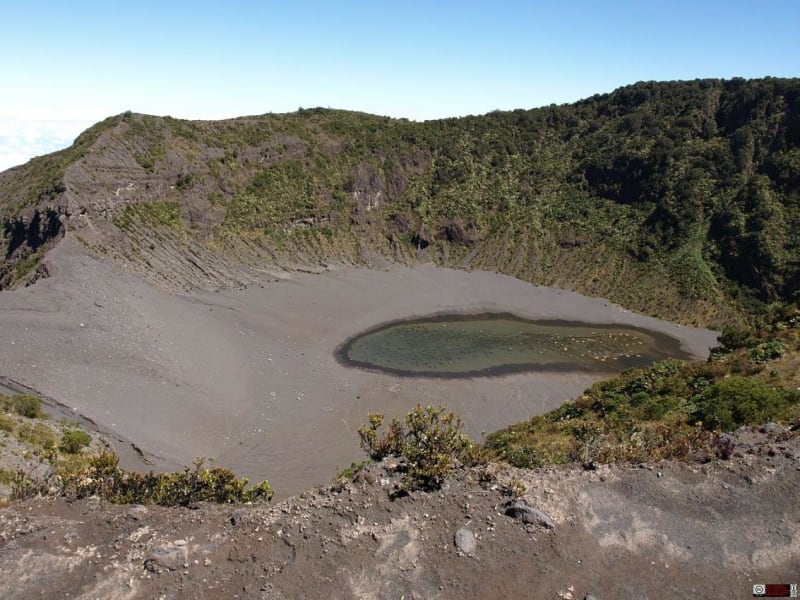
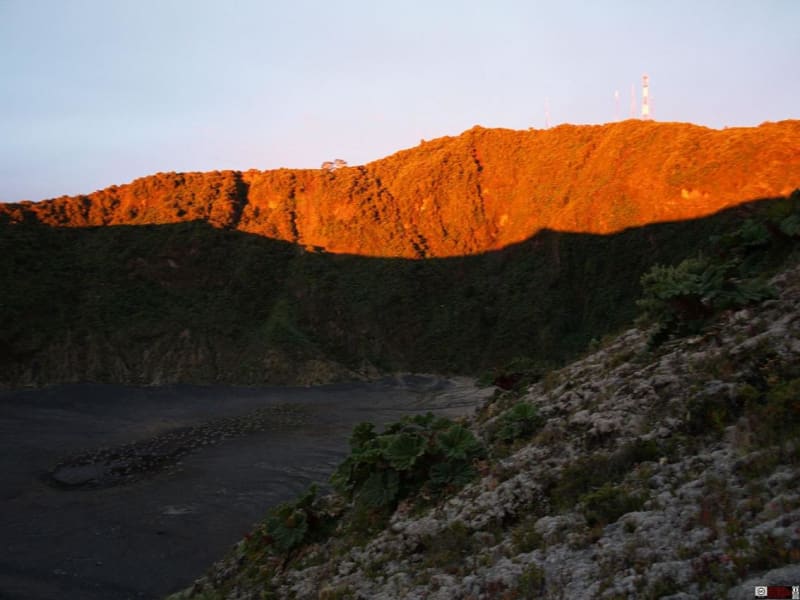
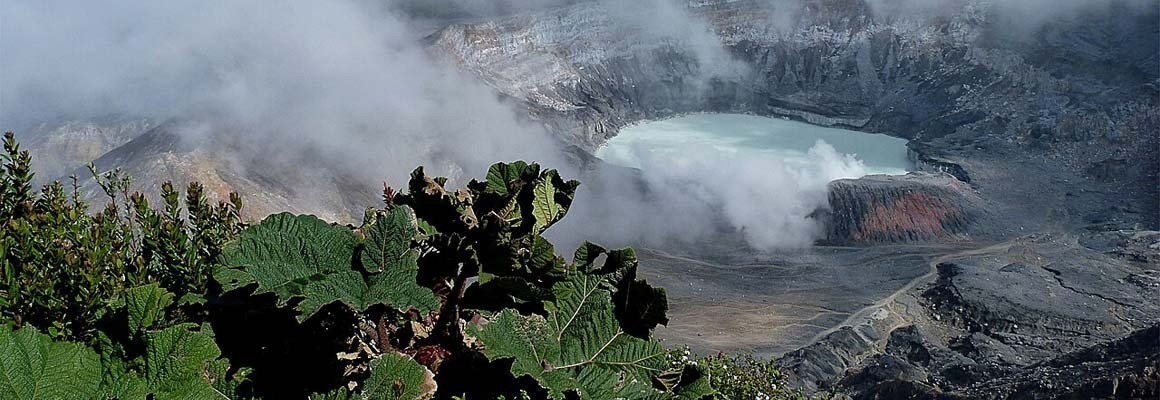
The crater area is the park's main attraction. One of its best-known craters contains a lake that may appear green or turquoise depending on its mineral composition and the light. The water's colour and level change with weather conditions and volcanic activity. Other craters resemble enormous bowls with steep sides and patches of volcanic ash.
Irazu remains an active volcano. Its last major eruption occurred between 1963 and 1965, sending ash as far as San Jose, the country's capital. Another significant event associated with volcanic activity took place in 1994. Specialists therefore monitor the volcano regularly, and access to certain areas may be restricted according to the level of risk.
High-altitude landscapes and vegetation
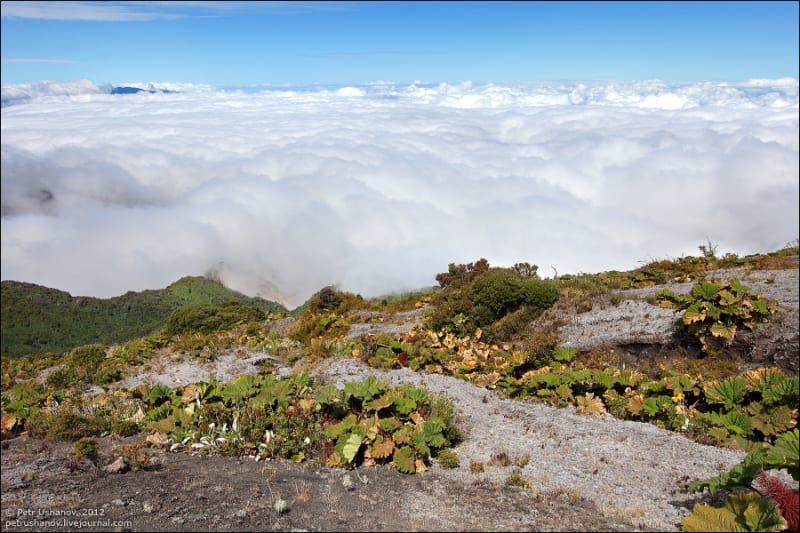
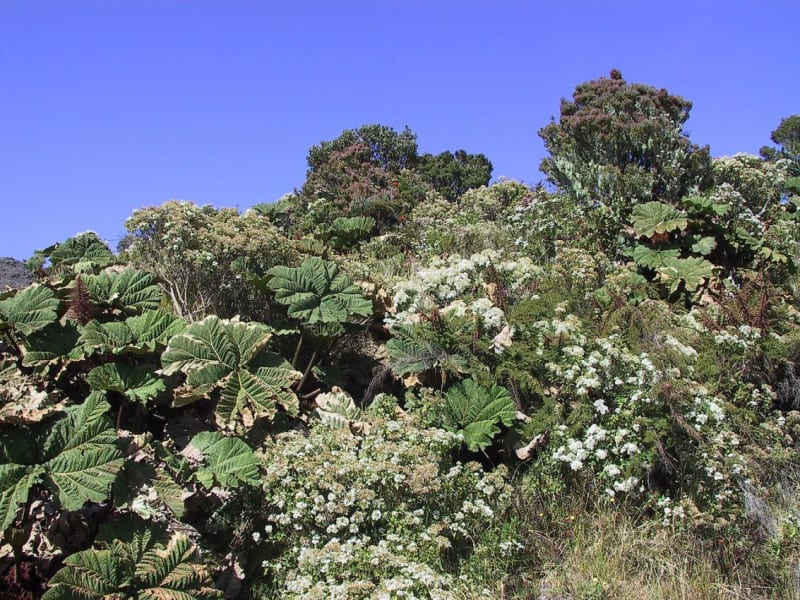
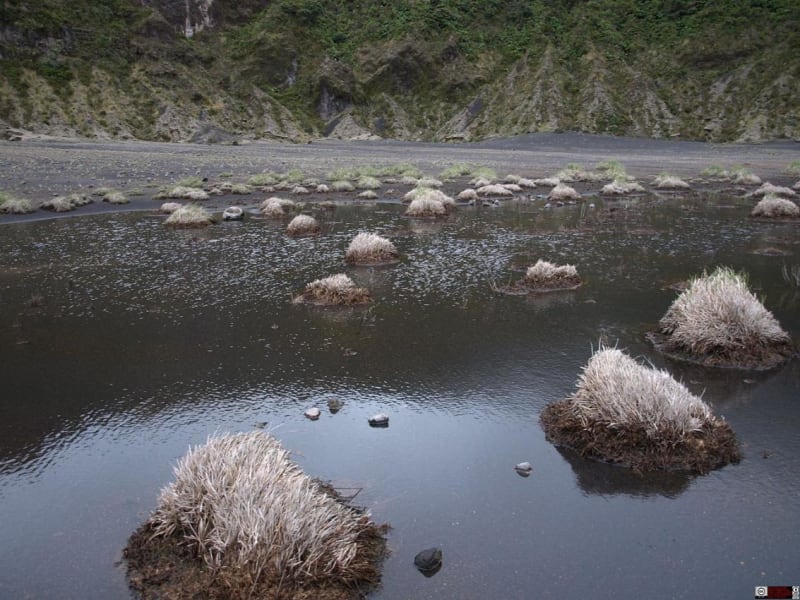
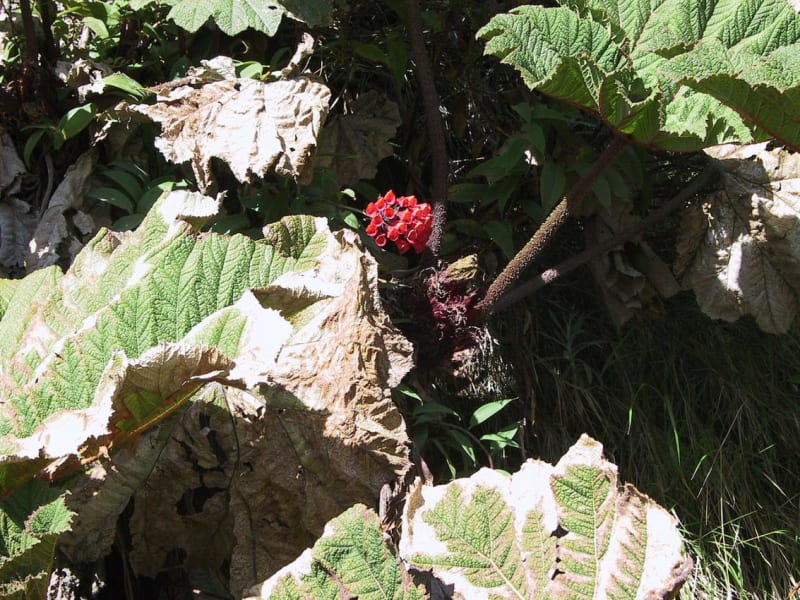
The park's environment differs considerably from Costa Rica's tropical forests and coastal areas. Temperatures are cooler at this elevation, and strong winds, fog, and sudden weather changes are common. Vegetation mainly consists of low shrubs, grasses, and other plants adapted to cold nights, wind, and nutrient-poor volcanic soils.
Mountain forests grow around the volcano, while exposed slopes feature unusual plants capable of surviving harsh conditions. Volcanic rocks and ash-covered ground create a striking landscape that is especially noticeable near the craters.
Wildlife
Despite the cool climate and demanding high-altitude conditions, the national park supports a variety of birds and small animals. Hummingbirds, thrushes, and other local bird species can be found in the forested areas around the volcano. Some mammals prefer the denser vegetation and forests on the slopes.
Wildlife is not always easy to spot because of the open terrain and changeable weather. Observing nature here requires patience and attention. Visitors should stay on marked routes and avoid disturbing wild animals.
Trails and viewpoints
Designated viewing areas in the more accessible part of the park allow visitors to look into the craters and admire the surrounding mountains. Short walks provide an introduction to the volcanic landscape without requiring a long hike. The main viewpoints are at considerable elevation, so even a brief walk may feel more demanding than one at sea level.
Clouds often cover the summit, particularly in the afternoon. Early morning is usually preferred for wider views, although clear conditions are never guaranteed. Because of the wind and low temperatures, visitors should bring warm clothing, a waterproof jacket, and comfortable shoes.
When to visit
Costa Rica generally has a dry season from December to April and a wetter period from May to November. Clear mornings are often more likely during the dry season, but conditions at the summit can change at any time of year. Even on a sunny day, temperatures here are much lower than in the country's lowlands.
Before visiting, check official information about park access and the volcano's current condition. If volcanic activity increases or weather conditions become unfavourable, park authorities may temporarily close certain areas.
How to reach Irazu Volcano
The national park is approximately a one-and-a-half-hour drive from San Jose, although journey times depend on traffic and weather. Visitors usually travel through the city of Cartago before following a mountain road to the park entrance. Given the elevation and winding route, it is best to set out early.
Irazu Volcano National Park is an excellent destination for travellers who want to discover another side of Costa Rica: cool mountain summits, volcanic craters, and rugged high-altitude scenery. A visit offers insight into the country's geology and the remarkable diversity of Central American nature.
Gallery