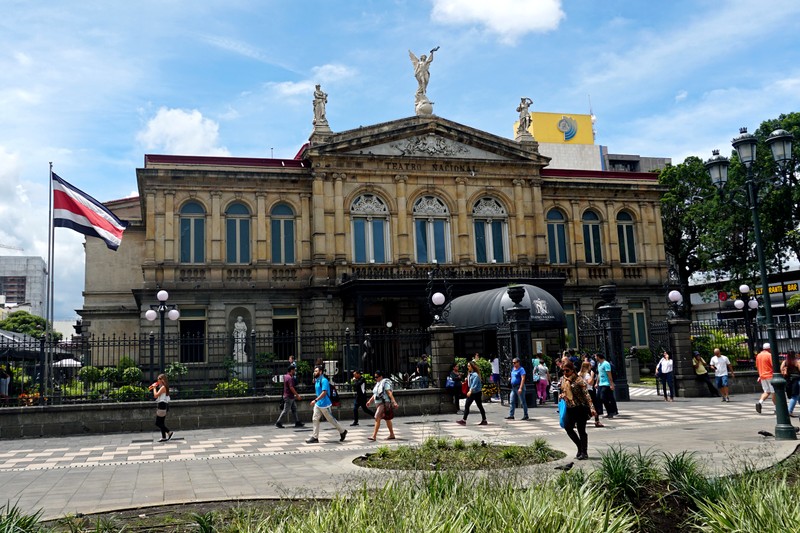
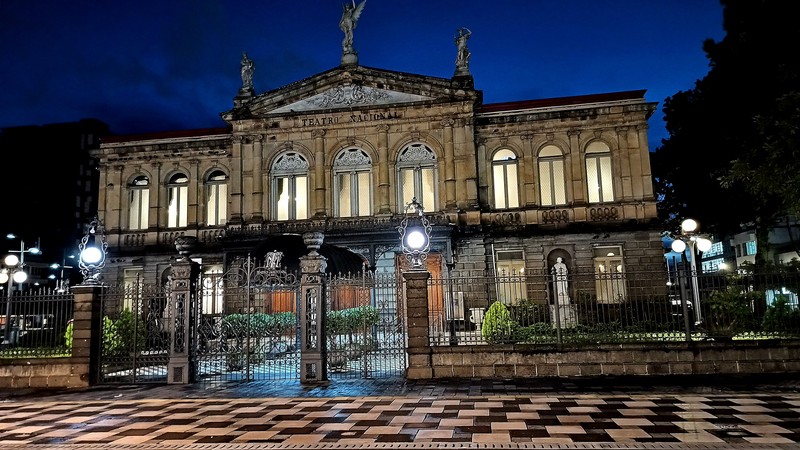
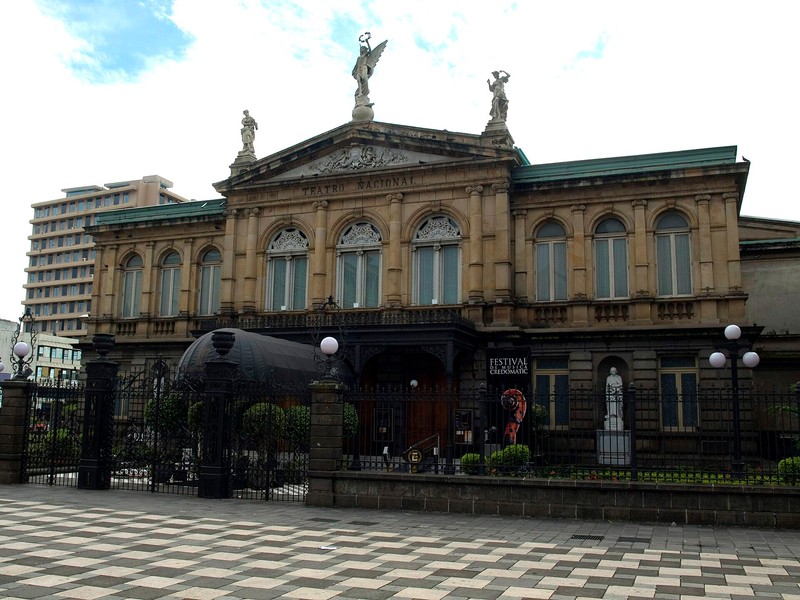
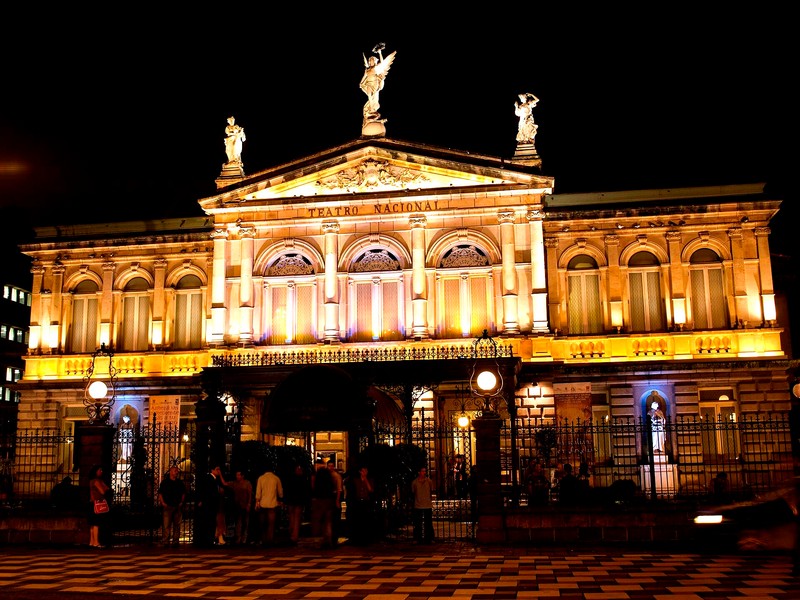
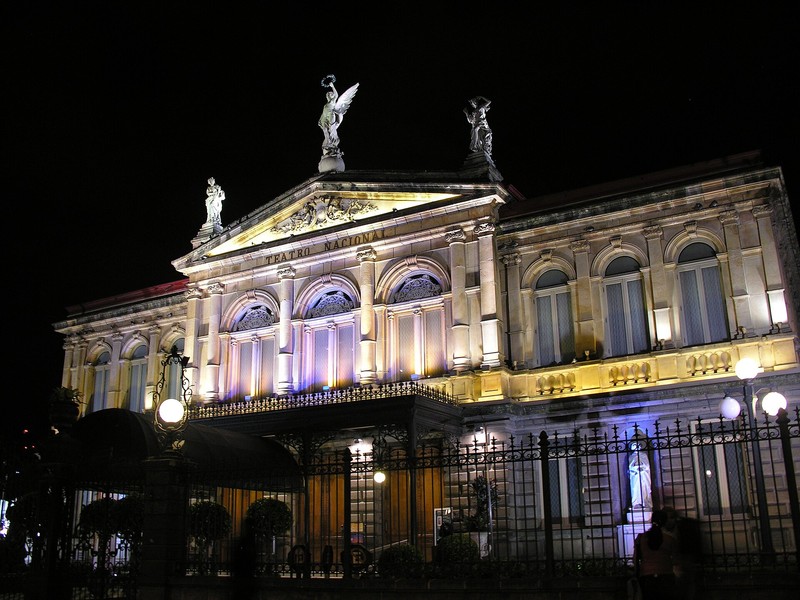
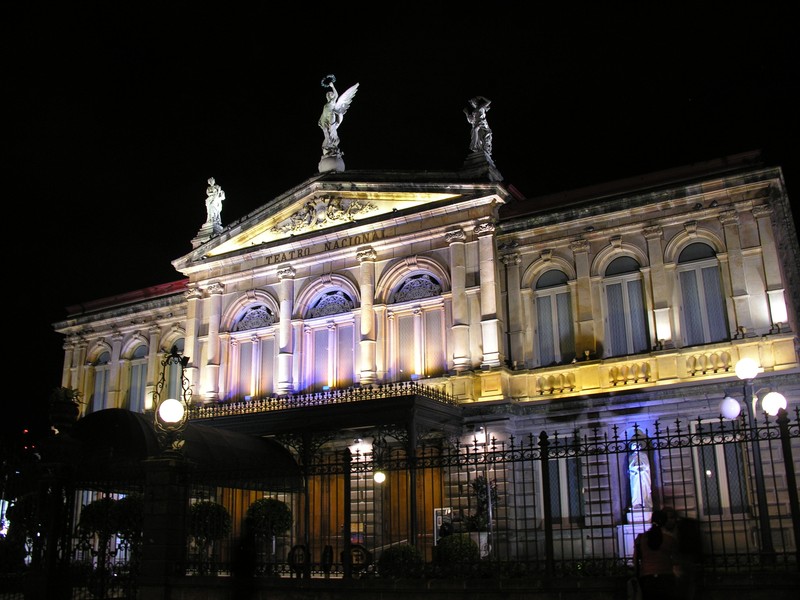
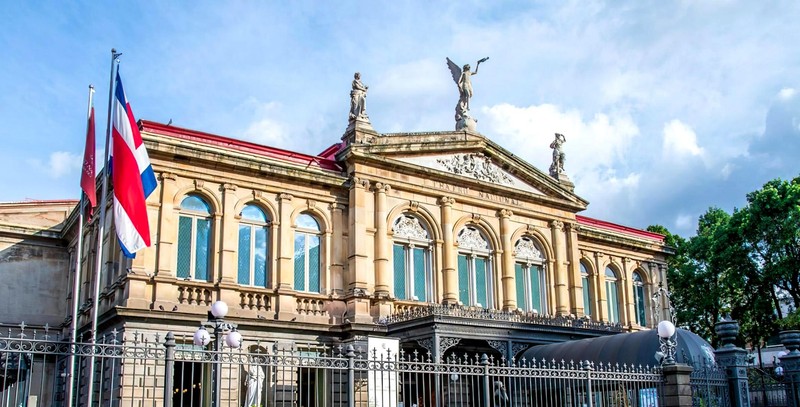
The National Theatre of Costa Rica is one of the main architectural and cultural landmarks of San José, the country's capital. This magnificent building stands beside Plaza de la Cultura in the historic city centre. The theatre is known for its elegant interiors, marble staircases, works of art and rich history, reflecting Costa Rica's ambition to develop its national culture and performing arts.
History of the National Theatre
The idea of establishing a national theatre emerged in the late 19th century, when Costa Rica's economic growth, supported in part by coffee exports, increased interest in European opera and the performing arts. The official decision to build the theatre was made in 1890, and construction began in 1891. Costa Rican craftsmen and specialists from Europe worked together to bring the project to life.
The theatre officially opened on 21 October 1897 with a performance of Charles Gounod's opera Faust. It soon became an important centre of the country's cultural life, hosting plays, musical performances and other artistic events. The building was designated a National Monument in 1965 and was declared a national symbol of historical and architectural heritage and cultural freedom in Costa Rica in 2018.
Architecture of the Building
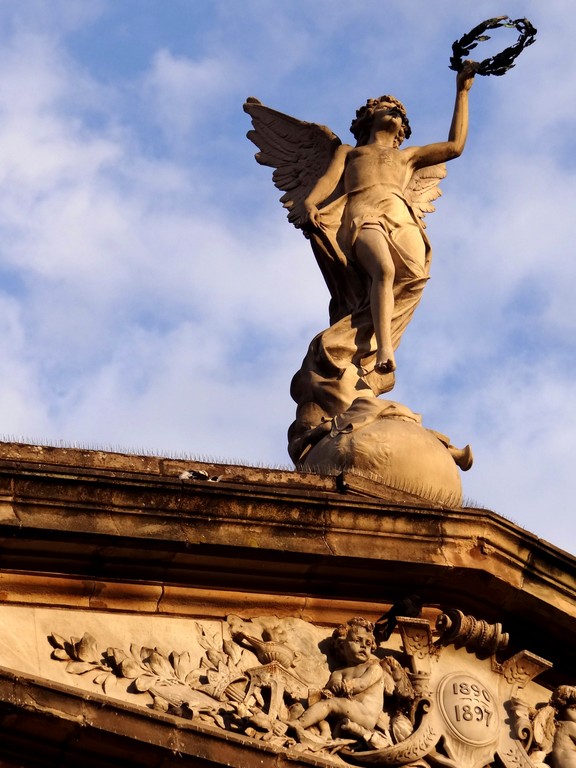
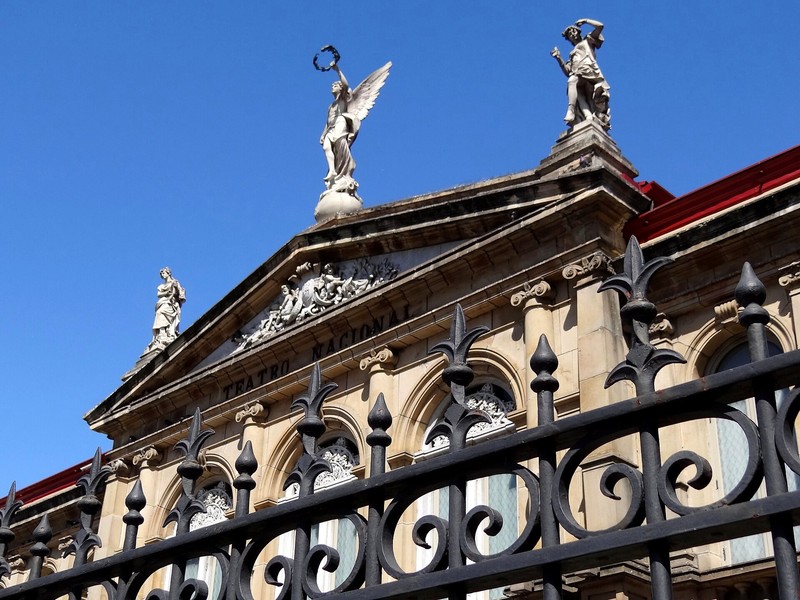
The National Theatre's architecture combines European artistic traditions in an eclectic style with noticeable neoclassical elements. Its façade features a symmetrical composition and decorative details. The construction incorporated engineering methods considered advanced for the period, while foreign specialists contributed to certain structural components and decorative features.
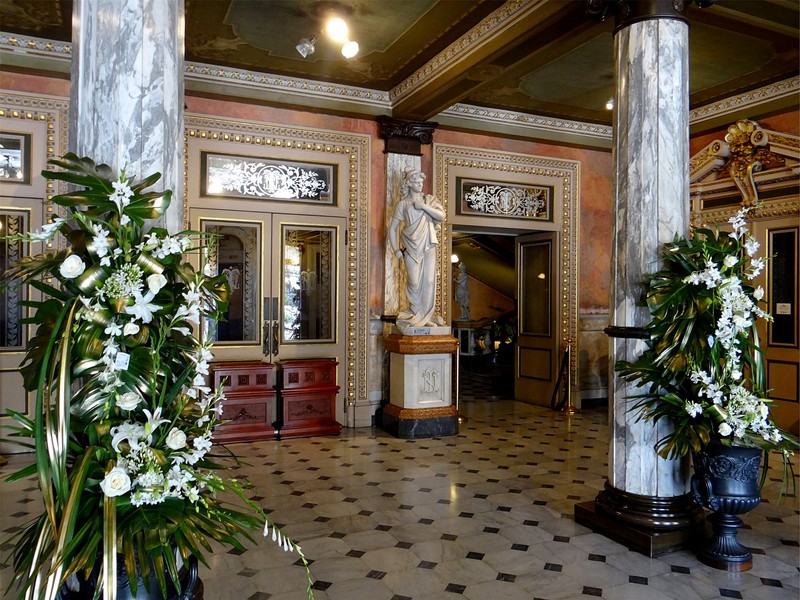
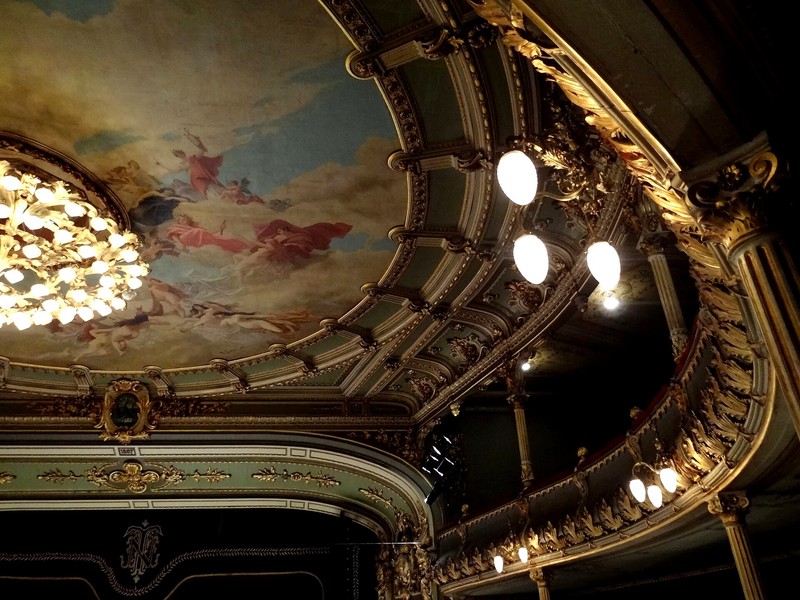
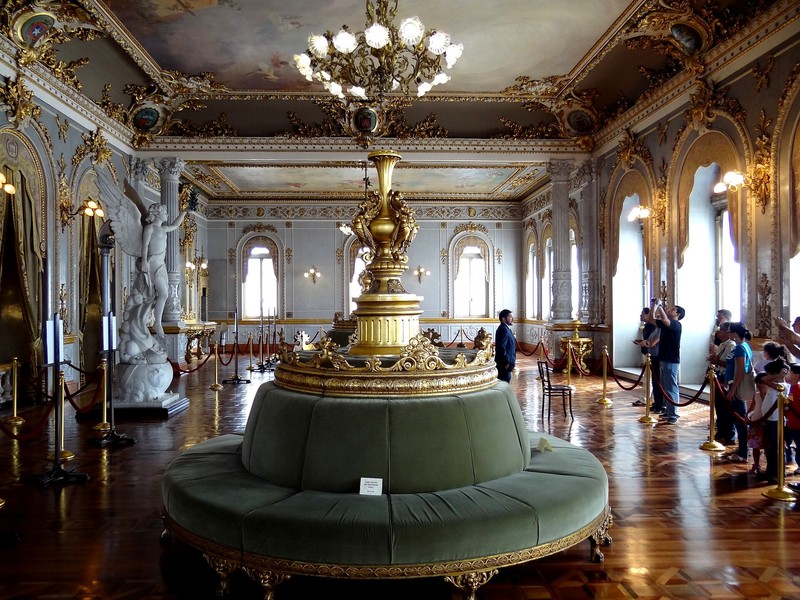
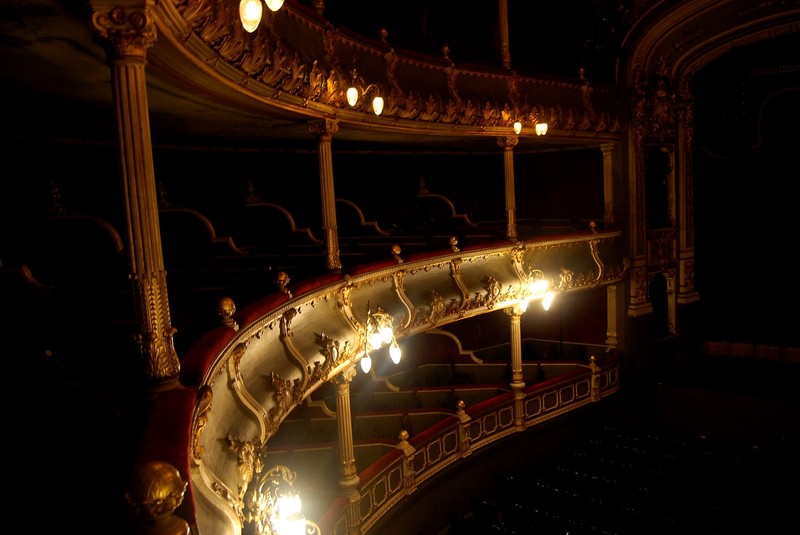
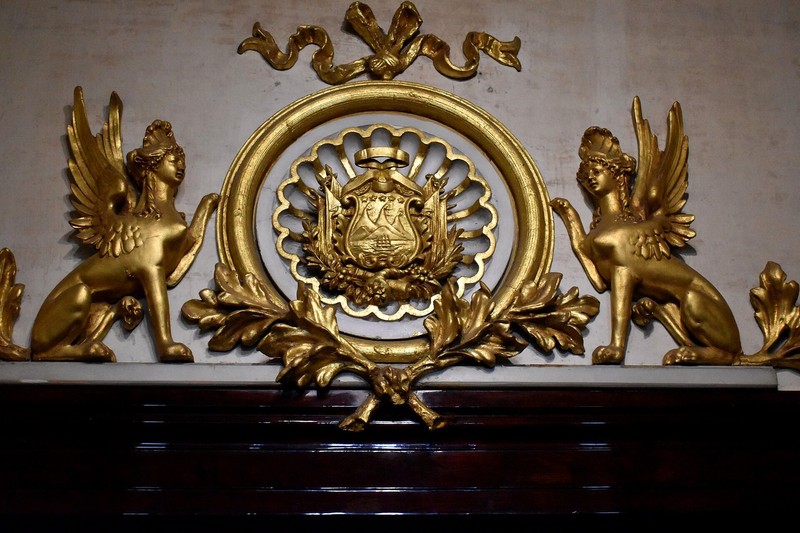
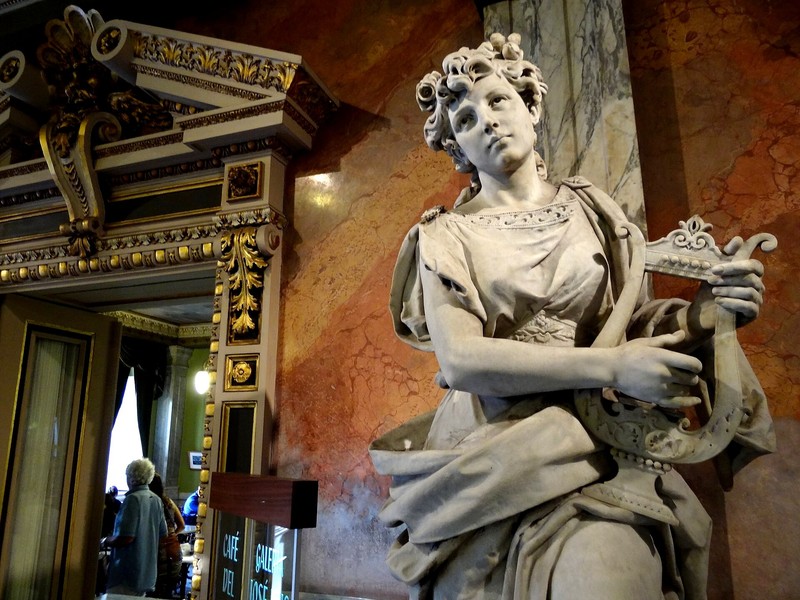
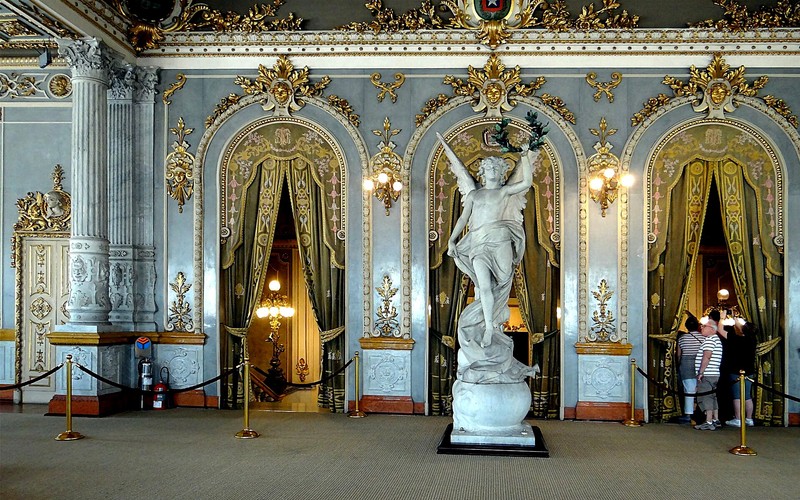
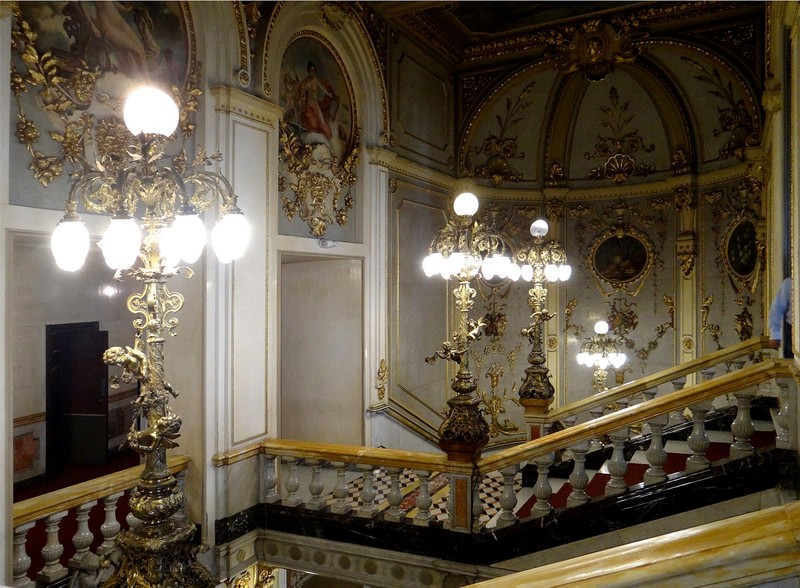
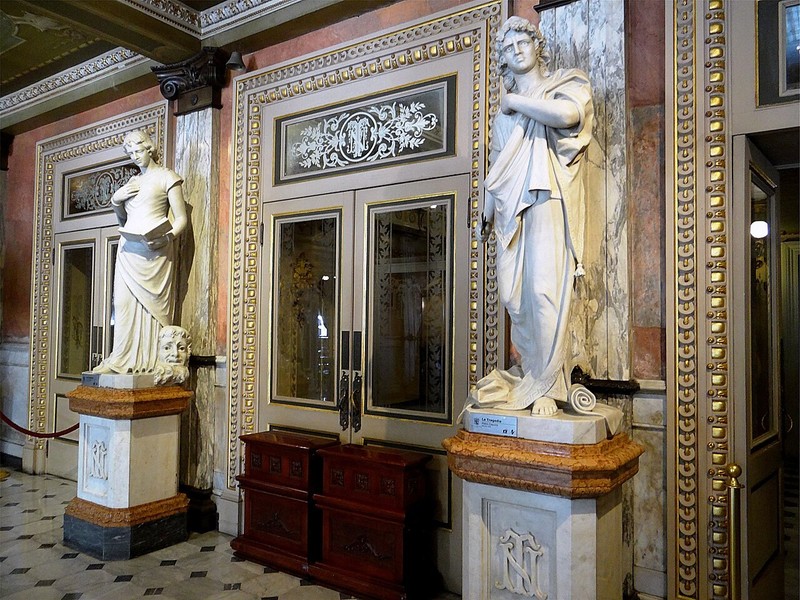
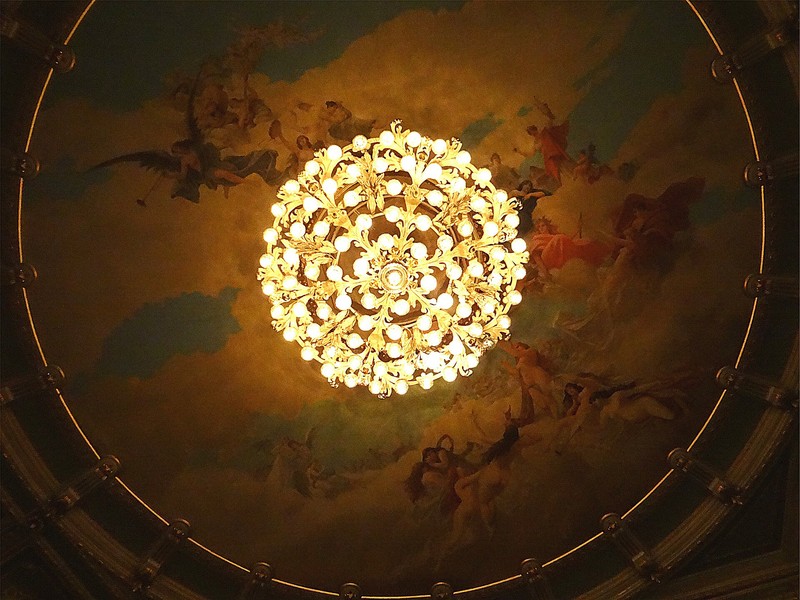
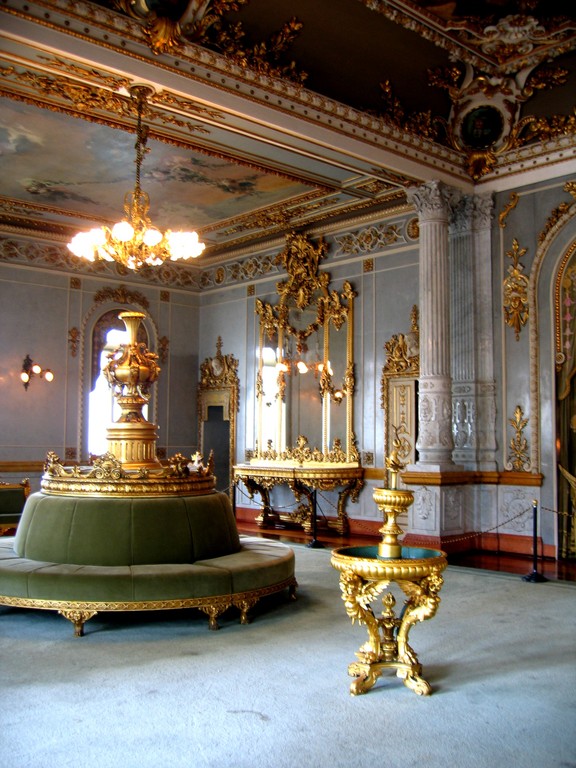
The interior is richly decorated with artistic paintings, sculptures, gilding and valuable materials. The grand marble staircases, foyer and auditorium are particularly impressive. The auditorium follows the traditions of European opera houses of the 19th century. Interior details demonstrate the skill of the artists, sculptors and decorators who contributed to the building.
Famous Works of Art
One of the best-known artworks associated with the theatre is the ceiling painting Allegory of Coffee and Bananas, created by Italian artist Aleardo Villa. The composition reflects the importance of agricultural crops to Costa Rica's economy during the period when the theatre was built. Paintings, decorative features and sculptures form a unified artistic ensemble, making the building one of the country's most important cultural monuments.
The Auditorium and Cultural Programme
The main auditorium was modelled on European opera houses of the 19th century and is used for plays and musical performances. The National Theatre hosts theatre productions, concerts, dance performances and other events featuring Costa Rican and international artists. The programme changes throughout the year, so visitors should check the current schedule before arriving.
The theatre serves an educational purpose as well as an entertainment role. It supports the performing arts, preserves the historic building and introduces audiences to the country's cultural heritage. For tourists, a visit offers an opportunity to discover an important part of Costa Rica's history and appreciate the work of its architects and artists.
Tours and Visiting
The National Theatre welcomes not only audiences attending performances but also visitors joining guided tours about the building's history, architecture and artworks. Visitors can explore its ceremonial rooms and learn about the theatre's role in San José's cultural life. Tour availability, schedules and admission conditions may change, so checking the official website is recommended.
The building also houses the José Luis López Escarré Art Gallery and Alma de Café. These spaces complement a theatre visit and offer a chance to spend more time in the historic setting. Access to particular rooms depends on the event schedule and current visitor rules.
Location and How to Get There
The National Theatre is in central San José, beside Plaza de la Cultura, on Avenida Segunda between Calle Central and Calle 3. Its central location makes it easy to reach on foot from many parts of the historic centre. City buses and taxis are also available.
A visit can easily be combined with a walk around central San José and a stop at Plaza de la Cultura, nearby museums and other historic buildings. Allow enough time to appreciate the architecture and interiors, especially if you plan to take a tour or attend a performance.
Why Visit the National Theatre
The National Theatre of Costa Rica is more than a venue for concerts and plays: it is a symbol of the country's cultural development. Its architecture, artistic decoration and history make it one of San José's most significant landmarks. Even a short visit reveals how European artistic traditions blended with Costa Rica's national history to create a monument that remains an important part of contemporary cultural life.
Gallery