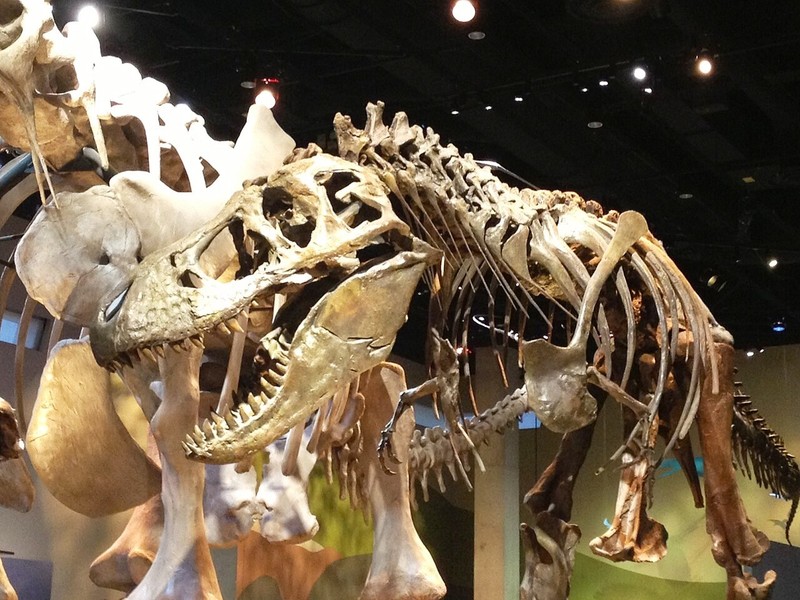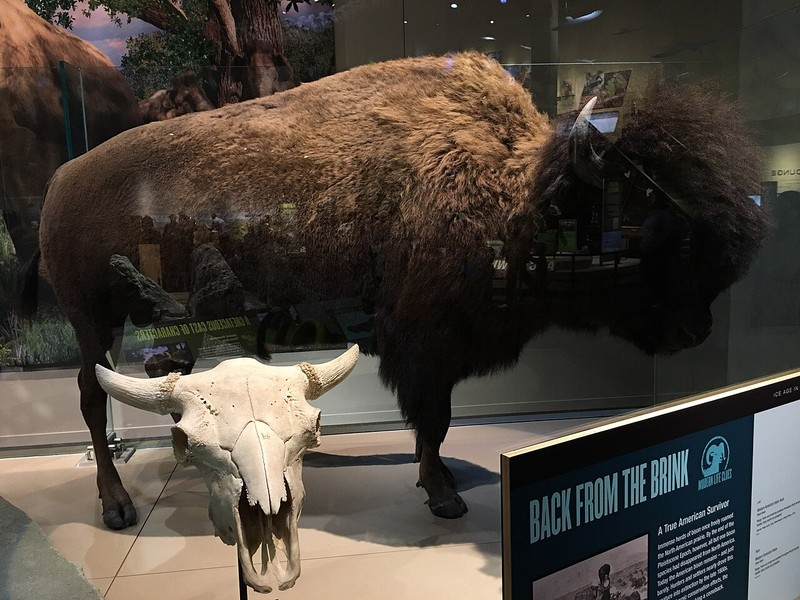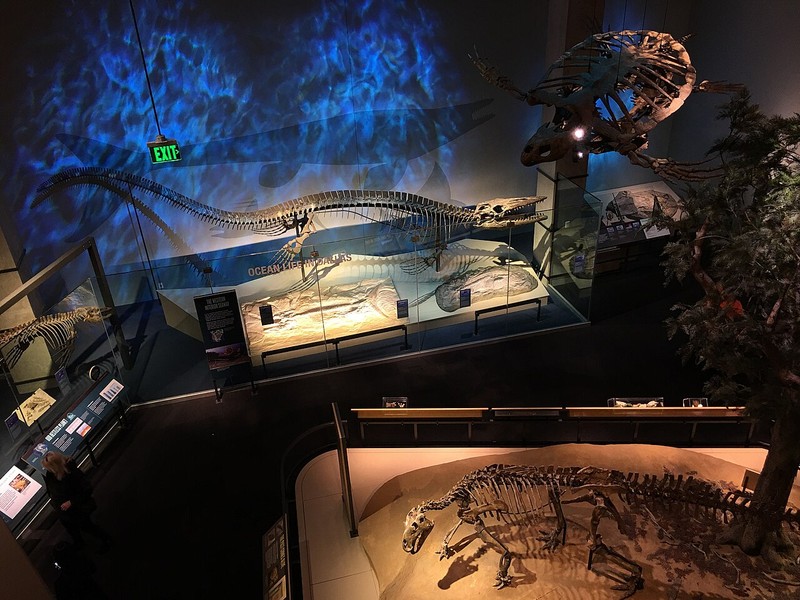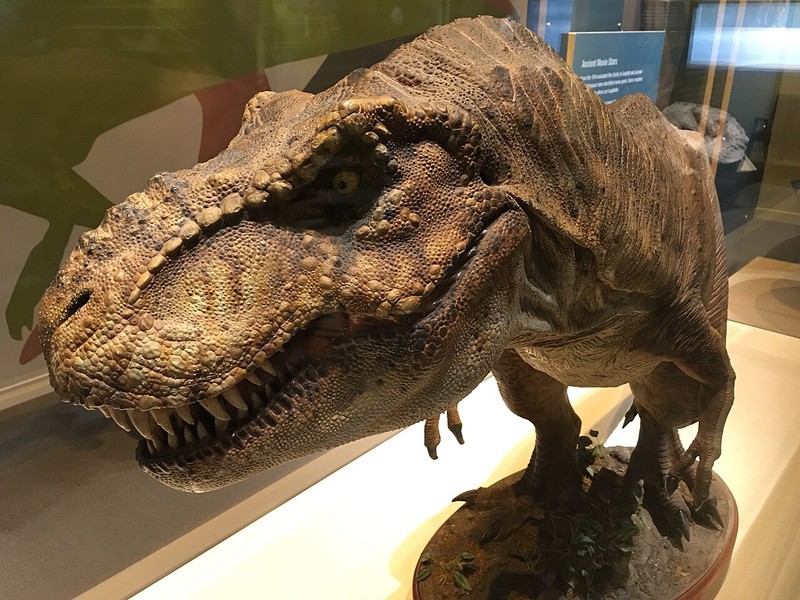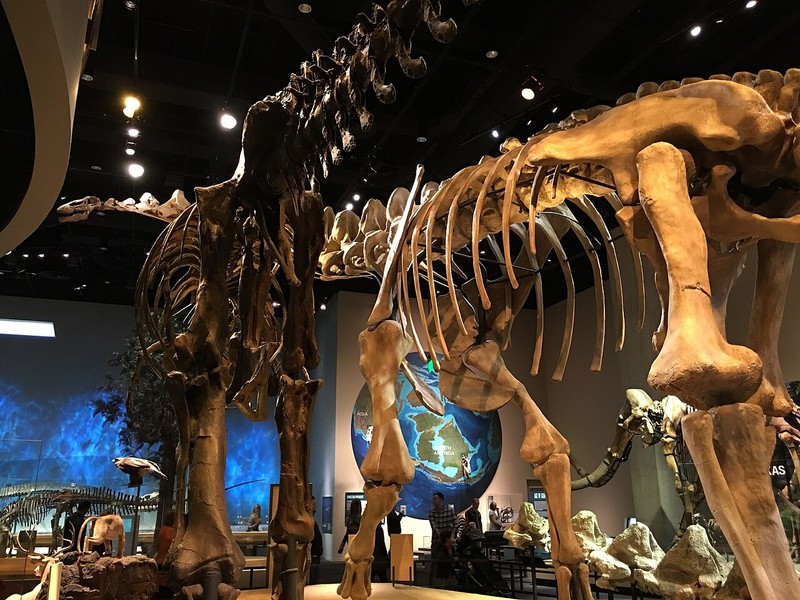

The Feather Museum of Nature and Science is considered one of the most popular places in Texas. An alternative name is the Museum of Natural History and Science in Dallas. It is visited by about 1 million people a year. Visitors are particularly attracted by the three-dimensional dinosaur skeleton discovered on the territory of the state.
History of creation
The Perot Museum of Nature and Science appeared after the Natural History Museum opened in 1936 as part of the "100th Anniversary of Texas" exhibition in Fair Park. The first collections were devoted to the flora, fauna, and geology of the region. In the mid-2000s, the facility was merged with the Museum of Health and Science, a children's museum. A platform on natural sciences, technology and health was created.
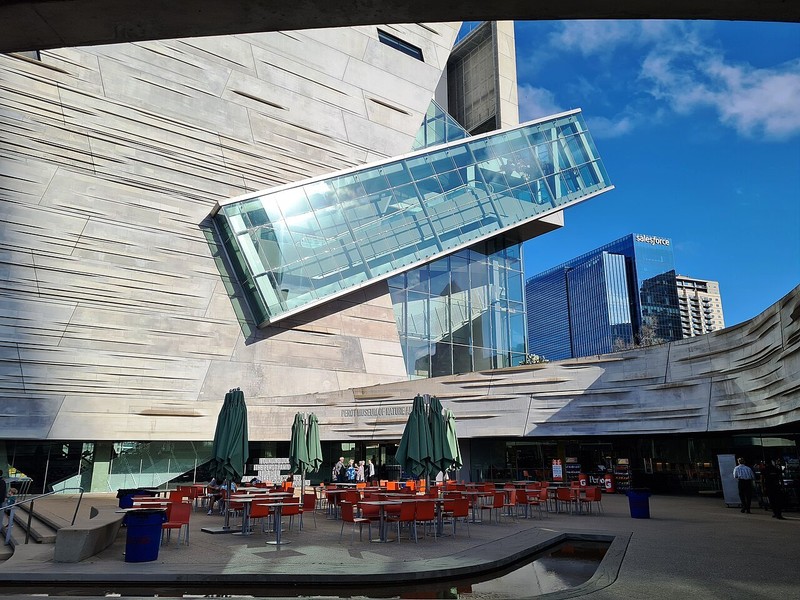
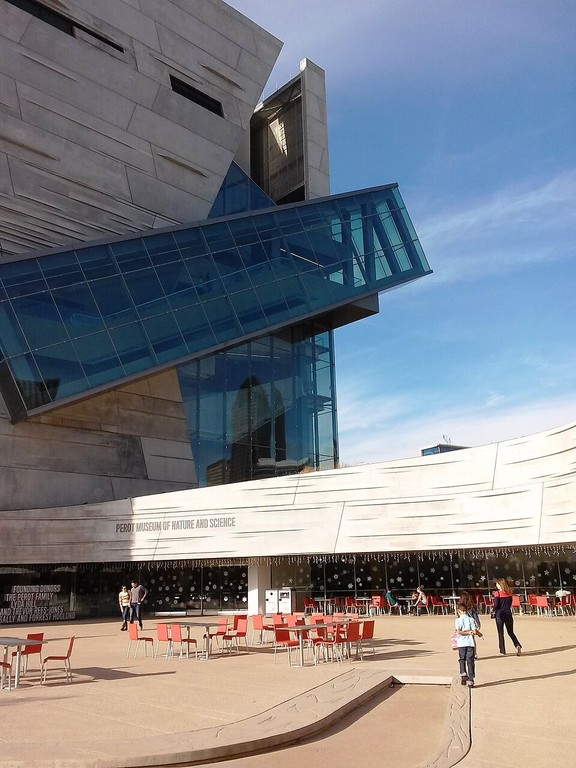
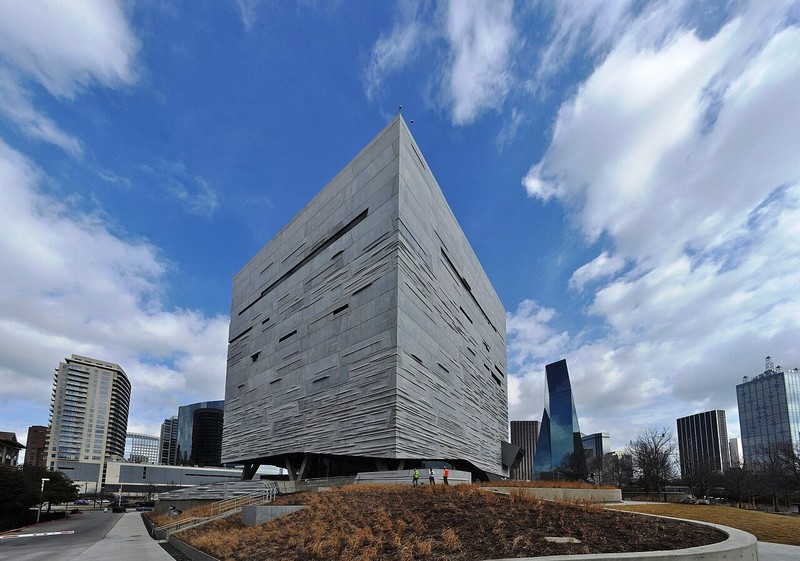
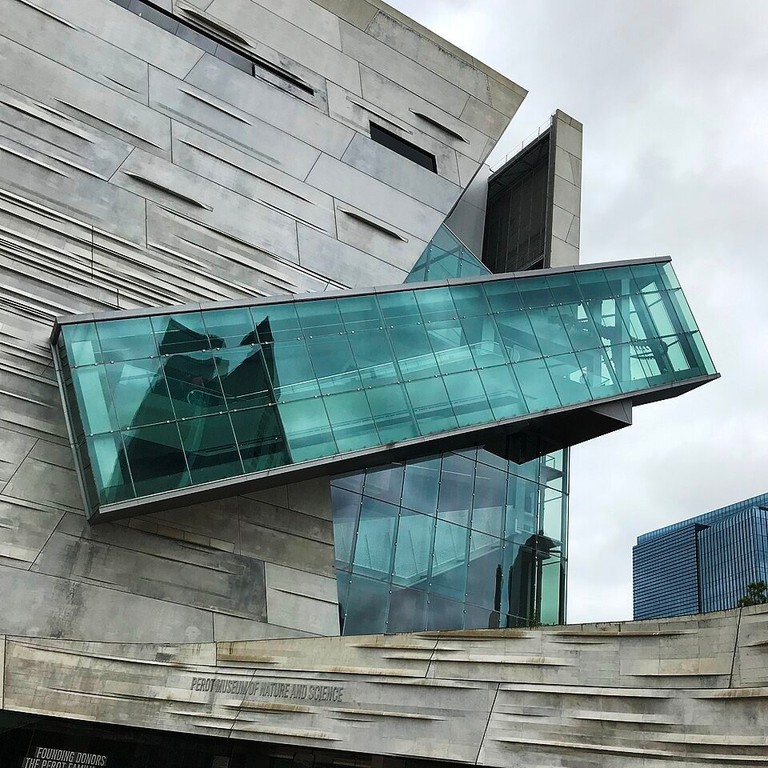
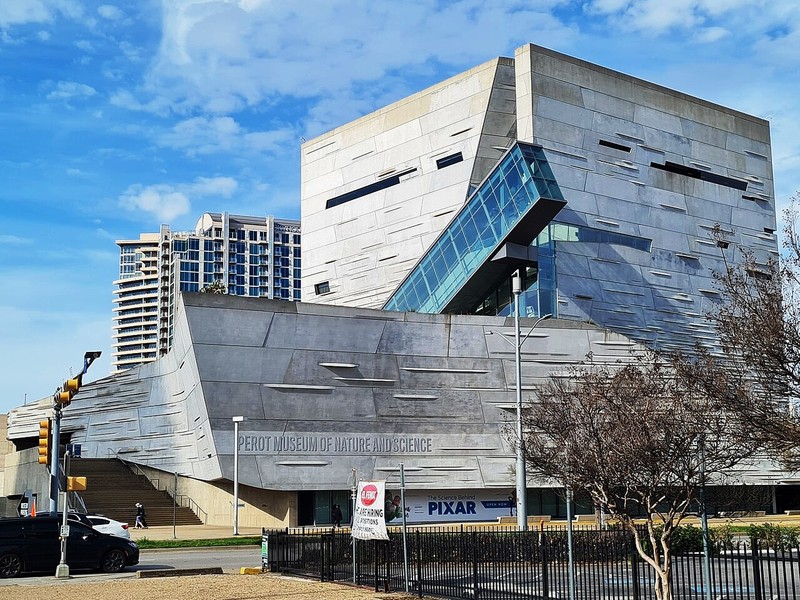
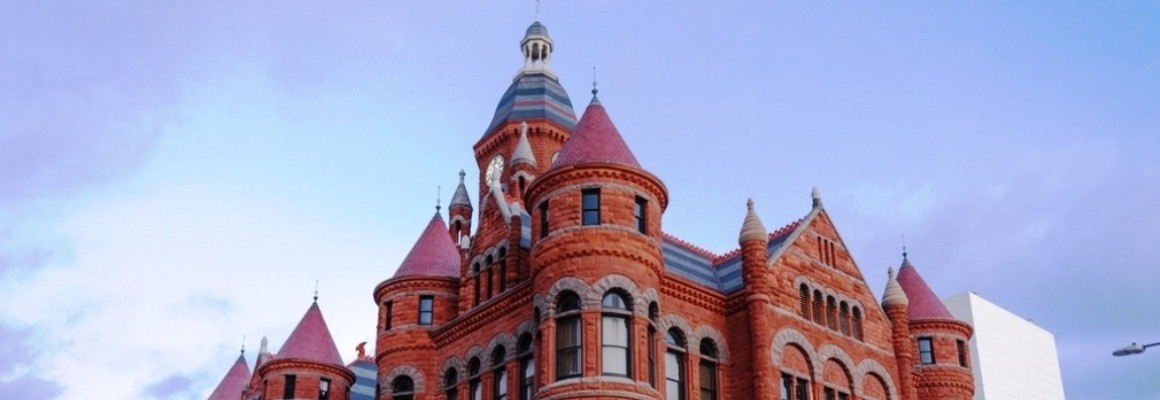
The Perot family had a great influence in the creation of the new institution, voluntarily donating $50 million to speed up construction work. The project was designed by Tom Main, the shape of the main building is represented in the form of a cube with a roof hovering over a low pedestal. An additional building is located in Fair Park. The Pero Museum of Nature and Science officially opened in 2012.
Short description
The institution was named after the spouses Margot and Ross Perot, a candidate for president of the United States. Permanent exhibitions are held in the building in Victory Park. The undulating roof of the main building embodies the landscapes of Texas. By the way, thanks to a carefully thought-out rainwater collection system, 74% of the museum's non-potable water needs are met, which saves on resources.
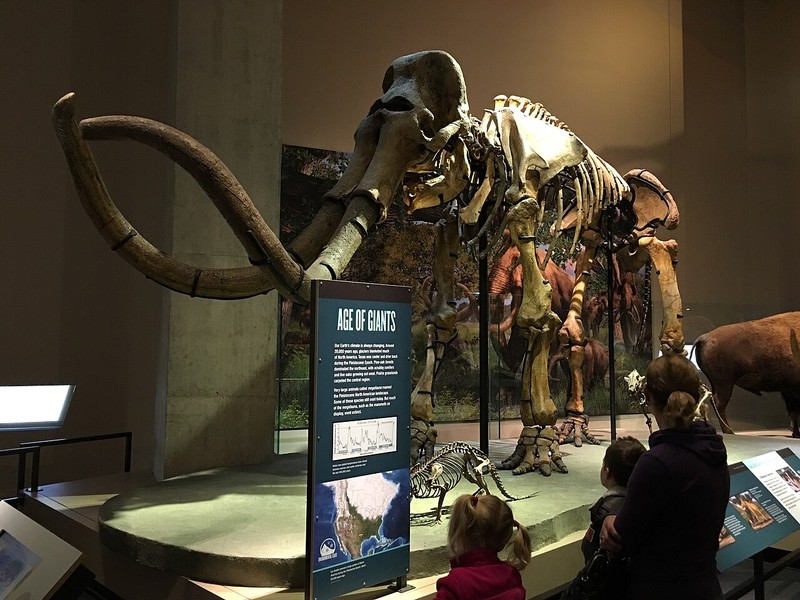
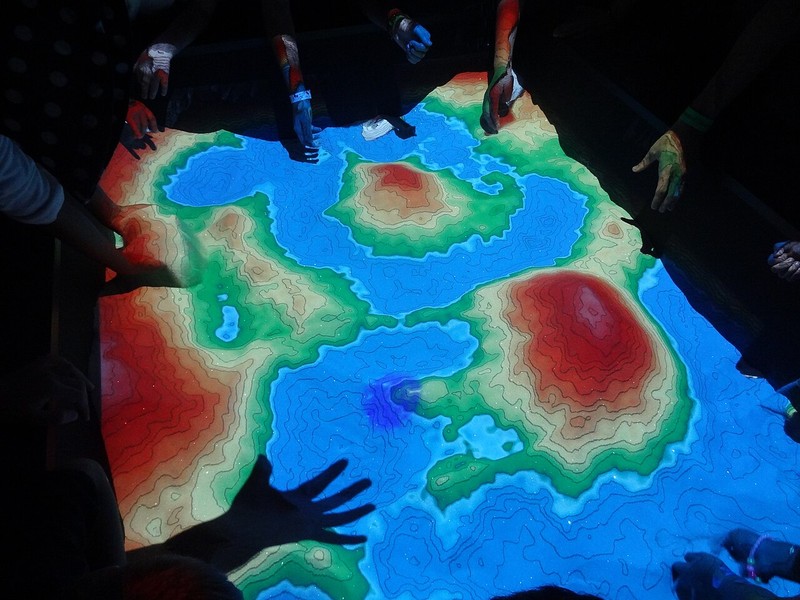
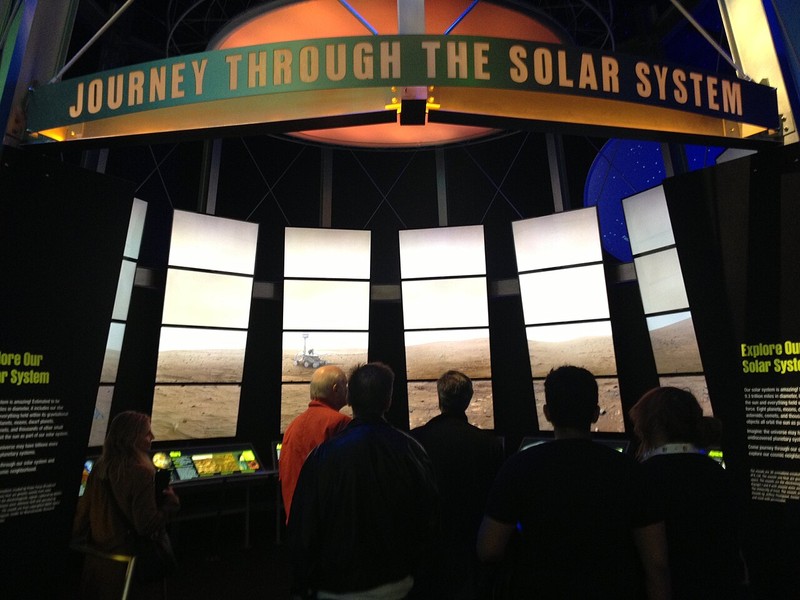
The Pero Museum of Nature and Science presents interactive exhibits, primarily focused on family leisure. The staff of the institution consider it very important to instill in children from an early age a love of science, art and research. Visitors can explore the history of the Earth, get acquainted with the flora and fauna, learn about space and modern technologies. One of the most popular exhibits is considered to be a dinosaur skeleton that was found during excavations in Texas. Also, judging by the reviews, guests enjoy watching 3D movies in the museum cinema, which creates a full immersion effect.
What can I see
- There is a Children's Museum on the lower level, where small replicas of the sights are in the spotlight. There is also an exhibition dedicated to sports, where you can learn about the aerodynamics of the body, participate in an interactive race.
- On the second level there is an exhibition with dioramas and ecosystems of Texas. Another exhibition describes the abilities of the human body. If desired, you can design a robot, develop a skyscraper project, or feel like an artist visiting a recording studio.
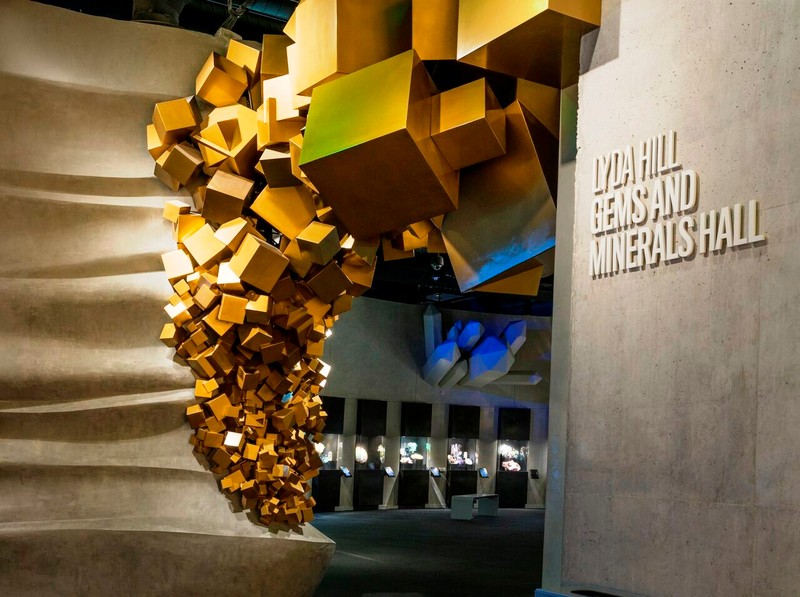
- The third level of the "Dynamic Earth" exhibition takes visitors to the epicenter of the earthquake. You can visit the exhibition with stones / minerals, explore the 3rd largest gold nugget weighing more than 23 kilograms.
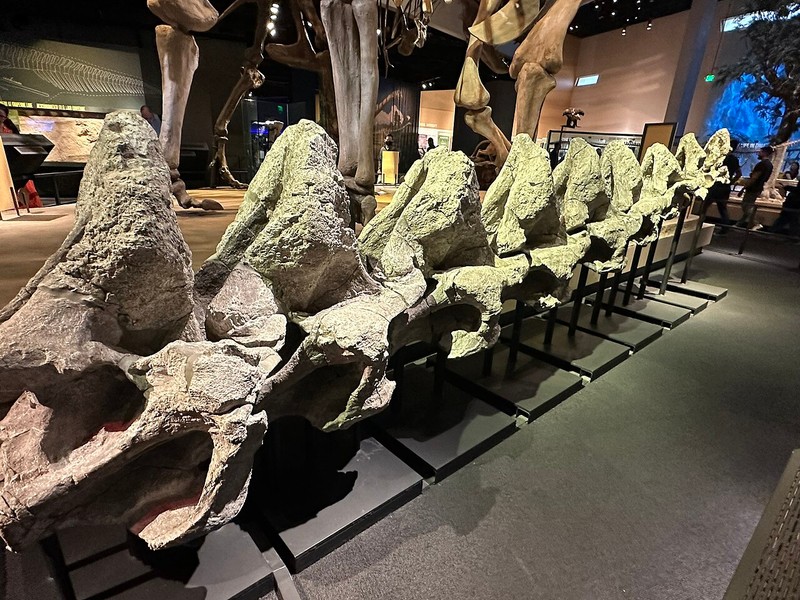
- The next level at the Perot Museum of Nature and Science demonstrates the evolutionary path of the planet over 4 billion years. There is an Alamosaurus skeleton here, and the Big Bang theory is described at the "Expanding Universe" exhibition.
- """Historical" dioramas," "The Power of Minerals", as well as "The Play of Light" are open in the Fair Park building.
How to get
Bus routes No52 and 59 run nearby. If you take the DART light rail, you need to get off at "Victory Park" station and walk a little bit. Parking is available for visitors to the Perot Museum of Nature and Science, so you can rent a car for sightseeing. A taxi ride is considered as an alternative.
Gallery